
Industrial Automation Upgrades: Where ROI Gets Delayed





Industrial Automation Upgrades: Why Delayed ROI Happens
Industrial automation often looks compelling on paper. Faster cycles, lower labor intensity, and cleaner data suggest quick payback. In practice, ROI frequently arrives later than expected.
The main issue is rarely the promise of technology. It is the gap between installed capability and usable production value across equipment, software, training, safety, and maintenance.
For industrial automation decisions in mixed manufacturing environments, delayed returns usually come from hidden integration work, unstable process inputs, and underestimated operating constraints.
This guide explains where industrial automation ROI gets delayed, what to verify before approval, and how to improve decision quality with a practical evaluation structure.
Why a Structured Review Matters Before Industrial Automation Upgrades
Industrial automation projects touch more than one asset. They affect tooling, material flow, metrology, welding quality, controls architecture, operator routines, and downstream service response.
Without a structured review, teams often compare purchase prices instead of total value creation. That mistake pushes hidden costs into commissioning, rework, and production recovery.
A checklist approach reduces optimism bias. It also helps align technical feasibility, throughput assumptions, digital compatibility, and lifecycle support before capital is committed.
For sectors observed by GPTWM, especially assembly, metal joining, and precision measurement, this discipline matters because process variation can erase expected gains very quickly.
Core Points to Check Before Expecting Fast ROI
- Confirm whether the current bottleneck is labor, process instability, changeover time, inspection delay, or material handling, because industrial automation only pays back when it removes the real constraint.
- Measure baseline OEE, scrap, rework, takt loss, and downtime causes using current production data, since weak baseline numbers make future ROI claims difficult to validate.
- Check integration requirements between PLCs, sensors, torque tools, welding units, MES, and ERP, because interface engineering often delays industrial automation benefits more than hardware delivery.
- Review process capability before automation, especially for welding seams, torque consistency, and measurement repeatability, because automating unstable inputs usually scales defects instead of productivity.
- Evaluate fixture design, part presentation, and tolerance variation, since robotic or semi-automated systems lose time when upstream dimensional control is weaker than expected.
- Map all safety upgrades, guarding changes, interlocks, and compliance documentation, because certification and risk mitigation can extend commissioning beyond the planned schedule.
- Estimate training needs for operators, maintenance staff, and quality teams, as industrial automation adoption slows when only installation is funded but practical use is not.
- Validate spare parts access, remote support response, and local service capability, because delayed maintenance support can turn a high-efficiency cell into a recurring downtime source.
- Review changeover frequency and product mix complexity, since high-mix production often needs flexible programming and quick tooling adaptation to protect industrial automation ROI.
- Calculate full cost of ownership, including software licenses, calibration, consumables, cybersecurity, and preventive maintenance, rather than relying only on the purchase quotation.
Where Industrial Automation ROI Commonly Gets Delayed
1. Integration Takes Longer Than Planned
Many industrial automation upgrades are sold as modular. Real plants are rarely modular in the same way. Legacy machines, undocumented wiring, and software differences slow everything.
Even simple data exchange can become a project. Tag mapping, protocol conversion, alarm logic, and dashboard validation can push productive launch weeks beyond the expected date.
2. Process Instability Is Mistaken for a Labor Problem
Industrial automation performs best on stable, repeatable processes. If variation starts with incoming parts, joint fit-up, tool wear, or measurement drift, automation amplifies inconsistency.
This is common in welding, fastening, and precision inspection. A robot can repeat a bad motion perfectly. That creates fast output, but not always acceptable quality.
3. Throughput Assumptions Ignore Real Operating Conditions
Quoted cycle time often reflects ideal conditions. Actual production includes operator handoff, pallet changes, consumable replacement, calibration pauses, and micro-stoppages.
When those factors are missing from the business case, industrial automation ROI appears delayed, even though the equipment technically performs as specified.
4. Workforce Readiness Is Underestimated
New systems require new habits. Operators need confidence with HMI logic. Maintenance teams need fault isolation skills. Quality teams need trust in digital records.
If training is compressed or delayed, the line depends too heavily on external support. That dependency slows optimization and extends the payback period.
5. Support and Metrology Are Treated as Secondary
In many industrial automation environments, precision depends on verification. Sensors, torque systems, gauges, and laser tools need calibration and periodic performance checks.
When metrology discipline is weak, output data becomes less reliable. Then process adjustments slow down, quality escapes rise, and ROI gets pushed further out.
Additional Considerations by Application Scenario
Assembly Lines
In assembly, industrial automation gains depend heavily on line balance. A faster station has little value if material presentation or torque verification remains the true bottleneck.
Check feeder reliability, traceability requirements, rework loops, and product variant frequency before estimating savings from smart tools or semi-automated cells.
Metal Joining and Welding
For welding operations, industrial automation ROI often depends on joint consistency, fume control, fixture rigidity, and parameter repeatability across materials and thicknesses.
Also verify safety protocols for handheld laser welding or robotic welding zones. Compliance and training gaps can delay ramp-up more than the joining technology itself.
Precision Measurement and Inspection
Inspection automation works best when part datum strategy is clear and tolerance logic matches production reality. Otherwise, false rejects and repeated checks consume the expected savings.
Review calibration intervals, GR&R performance, software traceability, and reporting integration before scaling digital metrology across multiple stations.
Maintenance and Aftermarket Operations
In maintenance settings, industrial automation may improve documentation and repeatability more than raw speed. ROI should include reduced errors, faster diagnosis, and better audit readiness.
Portable systems, connected torque tools, and guided workflows need durable interfaces and dependable data sync in field or workshop conditions.
Frequently Overlooked Risks
Cybersecurity is often treated as an IT issue only. In industrial automation, insecure connectivity can interrupt production, block updates, or expose critical machine settings.
Utilities are another hidden factor. Voltage quality, compressed air stability, extraction capacity, and network reliability directly affect performance and uptime.
Supplier demos may not reflect production complexity. A clean demonstration part does not represent worn fixtures, mixed batches, or variable operator pacing on the shop floor.
Expansion planning is also missed. If the chosen industrial automation platform cannot scale across future lines, later standardization costs may erase early savings.
Practical Steps to Improve Value Realization
- Start with one validated bottleneck and define success using measurable plant data.
- Request a site-specific integration scope, not only a standard equipment proposal.
- Run part trials using normal tolerances, realistic shift conditions, and actual consumables.
- Include training, calibration, spare parts, and software support in the approval model.
- Plan a staged ramp-up with review gates for quality, uptime, and operator adoption.
- Use post-installation audits to compare expected and actual industrial automation value drivers.
Common Questions About Industrial Automation ROI
How long should industrial automation payback take?
It depends on process stability, integration depth, and product mix. Short payback claims should be tested against training, downtime risk, and support requirements.
Is newer technology always better for industrial automation?
Not always. The best option is the one that fits existing workflows, data architecture, maintenance capability, and quality objectives with manageable lifecycle cost.
What data matters most before approval?
Baseline throughput, downtime causes, scrap rate, changeover time, calibration status, and support availability matter more than generic productivity assumptions.
Conclusion and Next Action
Industrial automation can create strong long-term value, but delayed ROI is common when hidden constraints remain outside the investment model.
A disciplined review of process capability, integration effort, metrology readiness, safety, and support can prevent expensive surprises after installation.
For organizations tracking industrial assembly, welding, and precision measurement trends, GPTWM highlights a clear lesson: technology pays faster when decision quality improves first.
Use the checks above to validate the next industrial automation project, narrow risk early, and build a business case based on usable production value rather than optimistic assumptions.
Related News
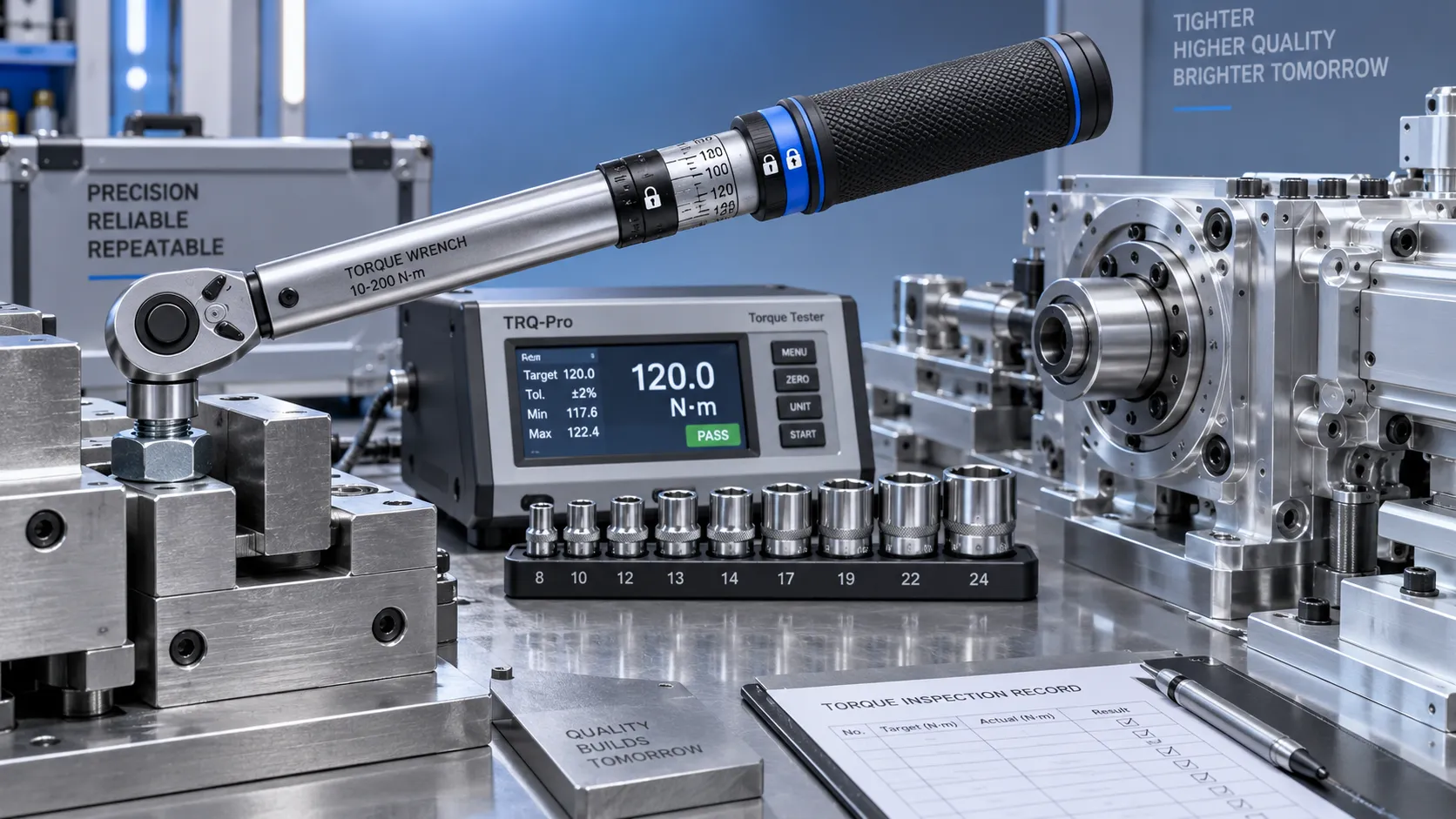
Selecting Adjustable Torque Tools for Repeatable Fastener Assembly
Adjustable torque tools: learn how to match range, accuracy, control methods, calibration, and ergonomics for repeatable, reliable fastener assembly.
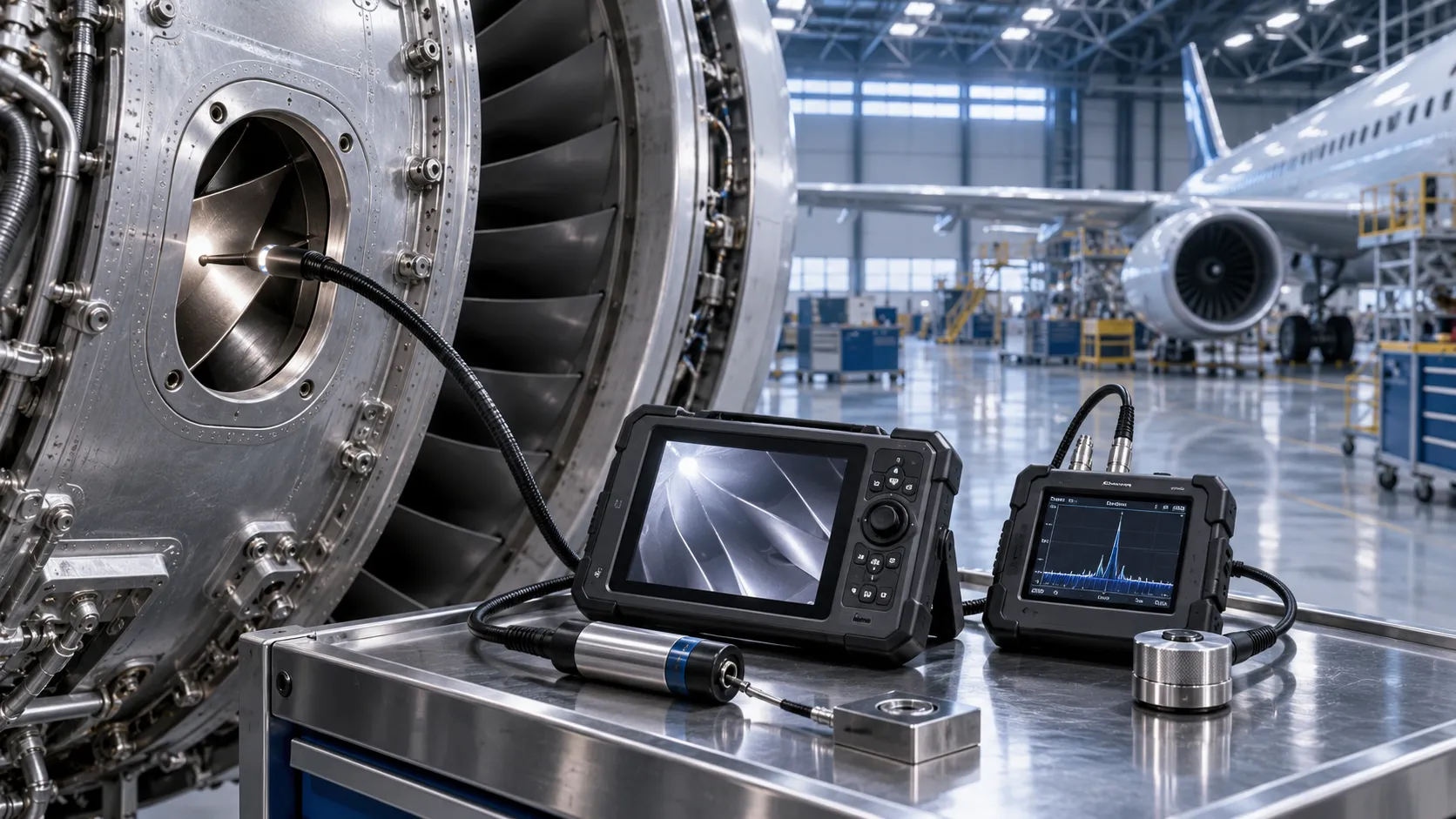
How to Select Aerospace Inspection Tools for Aircraft Maintenance Tasks
Aerospace maintenance inspection tools: learn how to select reliable, traceable equipment for aircraft access, accuracy, calibration, and compliant maintenance decisions.
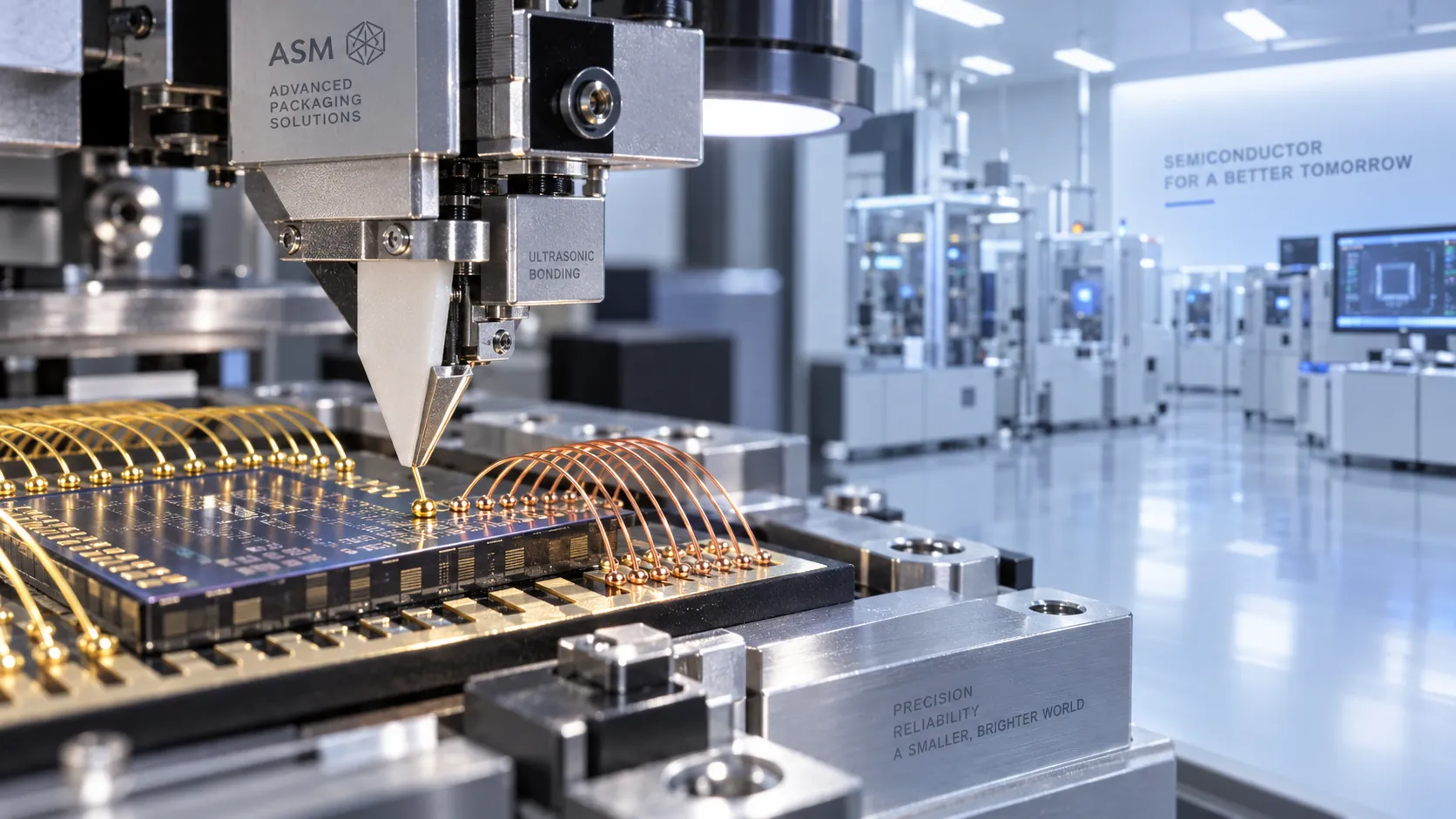
How to Select Wire Bonding Tools for Fine-Pitch Semiconductor Packaging
Explore semiconductor manufacturing tools for wire bonding and learn how to select precision solutions for fine-pitch packaging, reliable loops, accuracy, and yield.
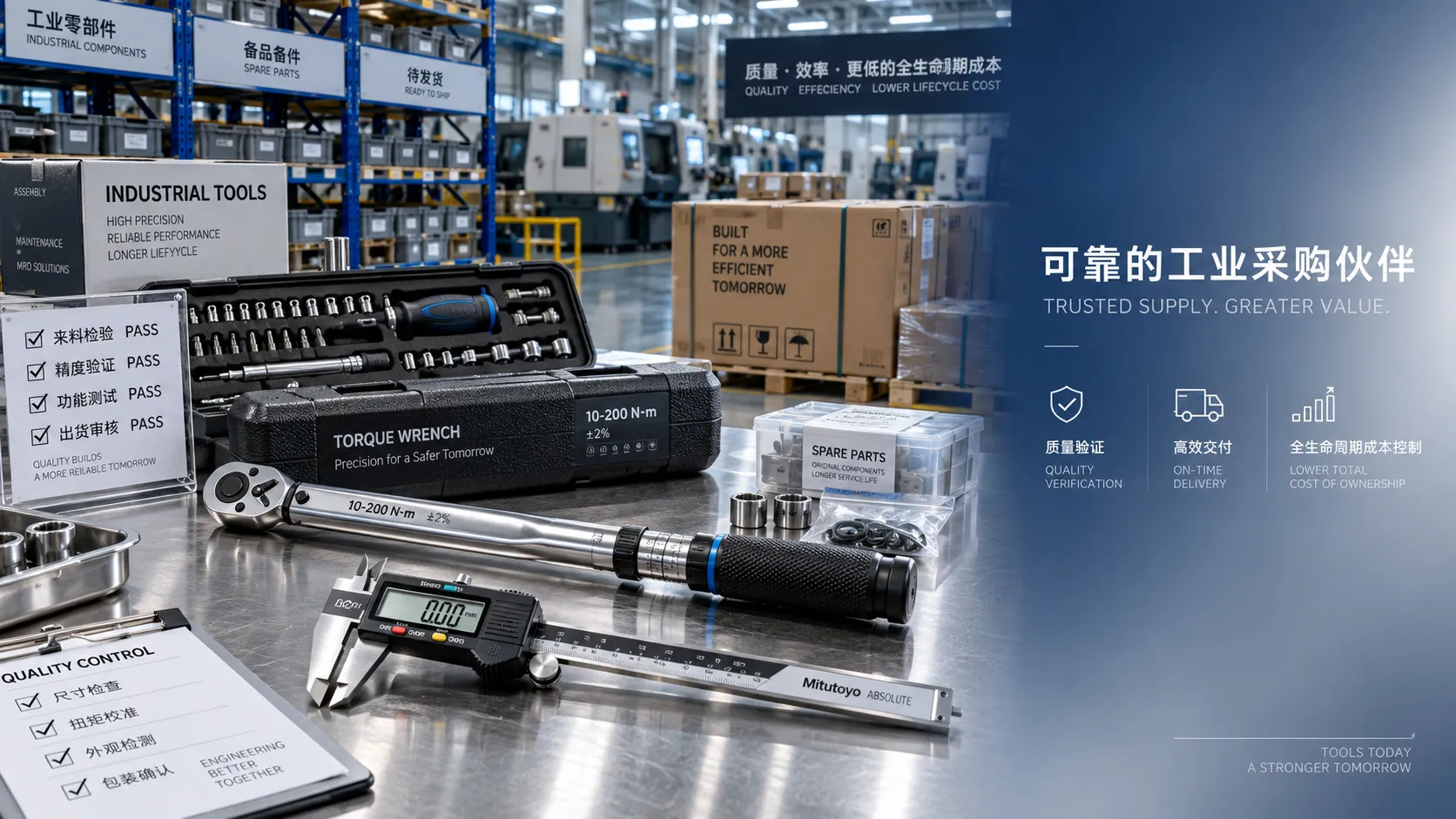
How to Compare Industrial Tool Suppliers for Quality, Lead Time, and Total Cost
Industrial tool selection supplier comparison made simple: evaluate quality, lead times, total cost, service, and supply resilience for confident sourcing decisions.
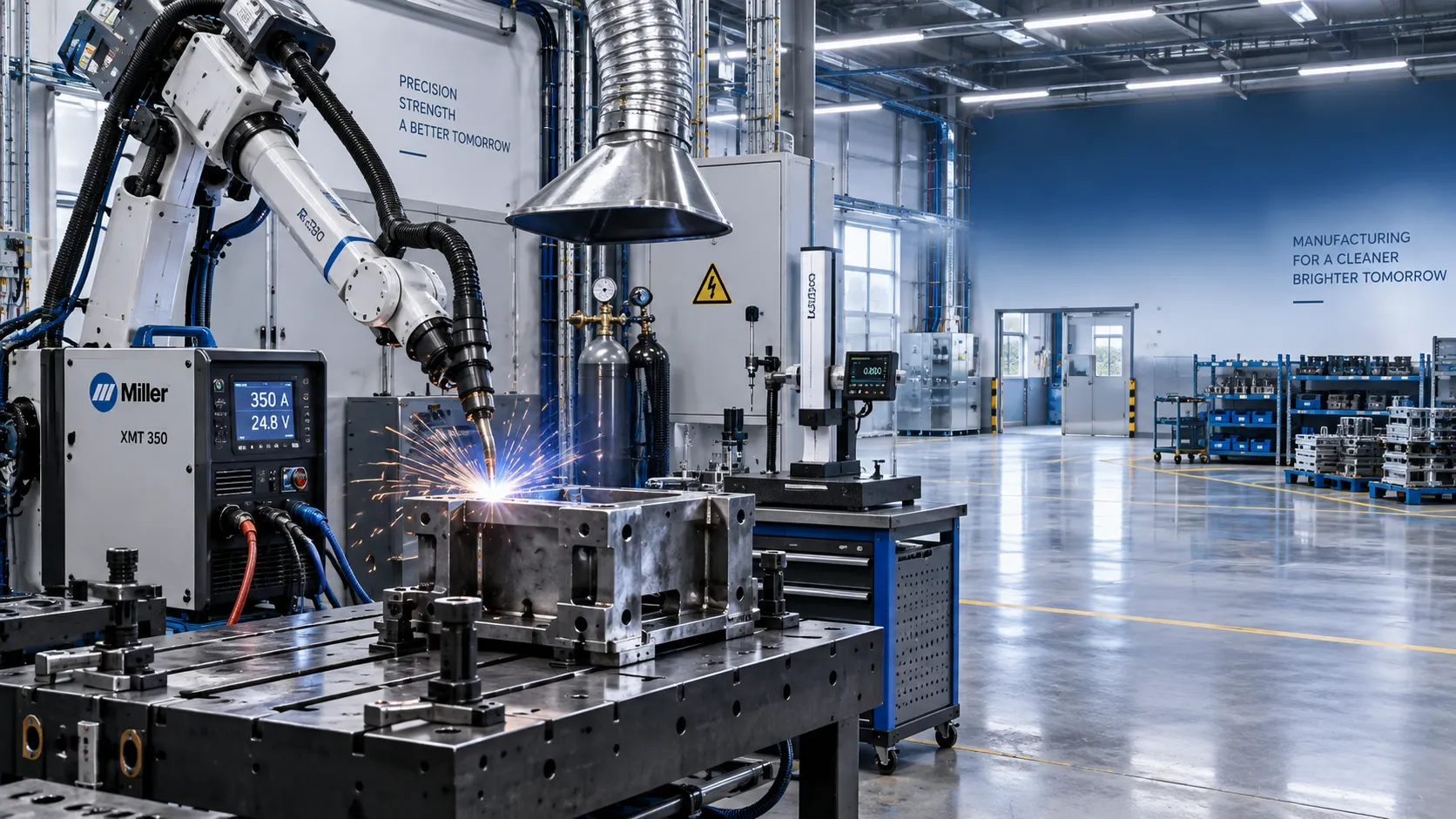
Industrial Equipment Application Guidance: Match Machines to Operating Conditions
Application guidance industrial equipment: match capacity, duty cycle, materials, site conditions, safety, and lifecycle cost to improve reliable output. Read the guide.
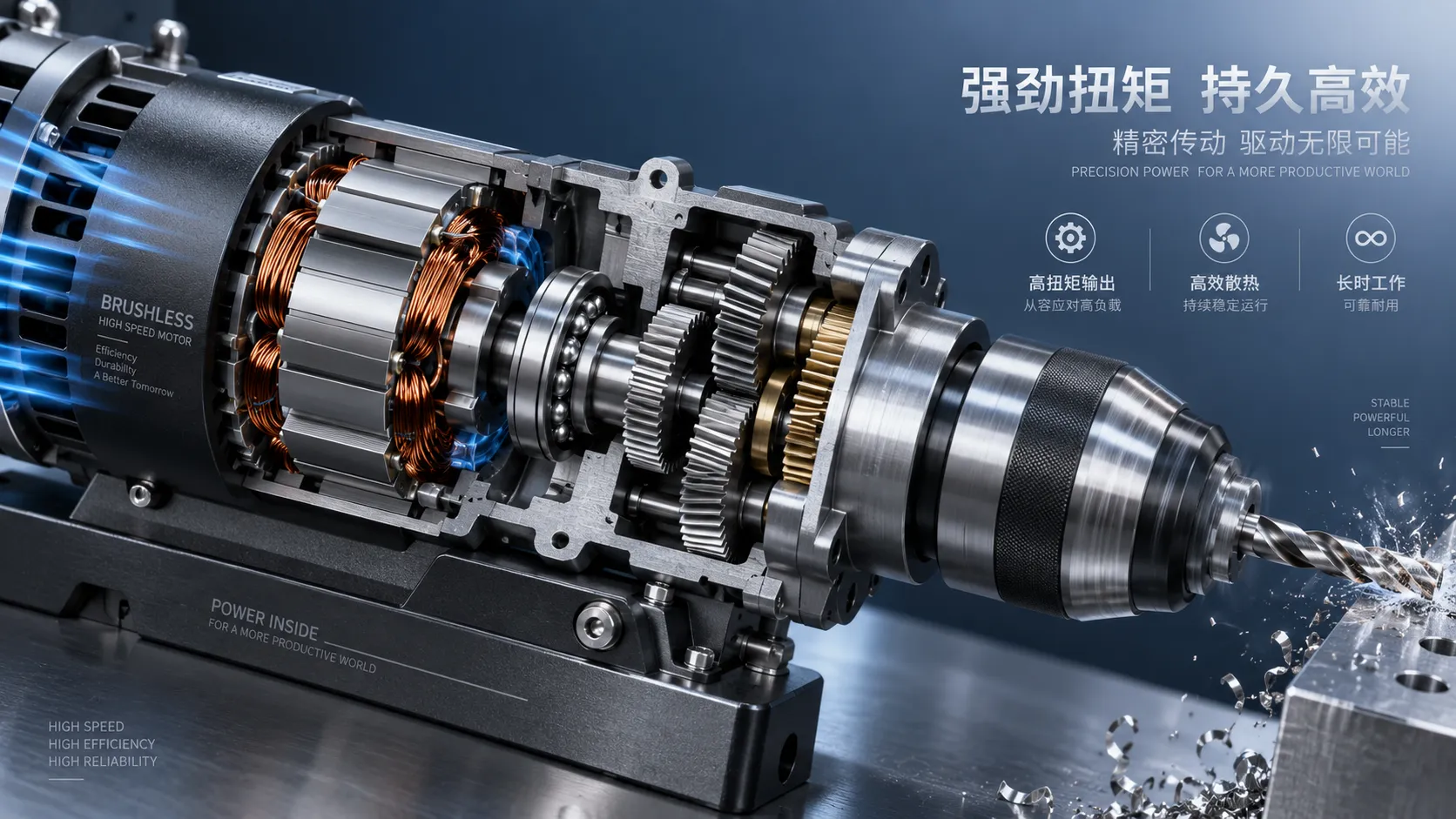
Selecting High-Speed Brushless Tool Motors for Torque, Heat, and Duty Cycle
High speed brushless tool motors: learn how to balance torque, heat, gearing, and duty cycle for reliable industrial tool performance and longer service life.
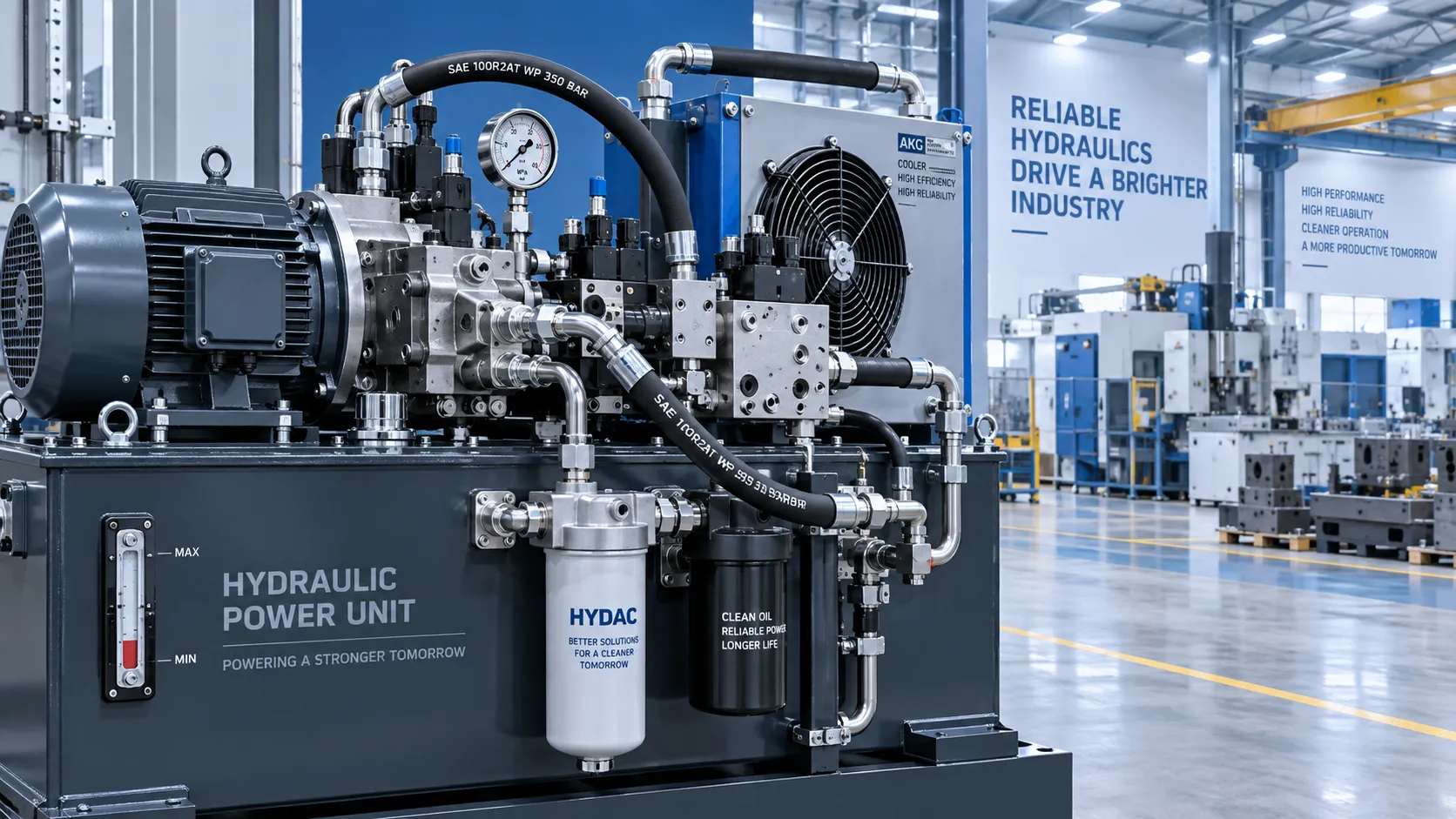
What Determines Industrial Hydraulic System Price for Heavy-Duty Equipment?
Industrial hydraulic system price depends on duty cycle, pressure, components, cooling, and integration. Compare quotes intelligently to secure reliable heavy-duty performance.
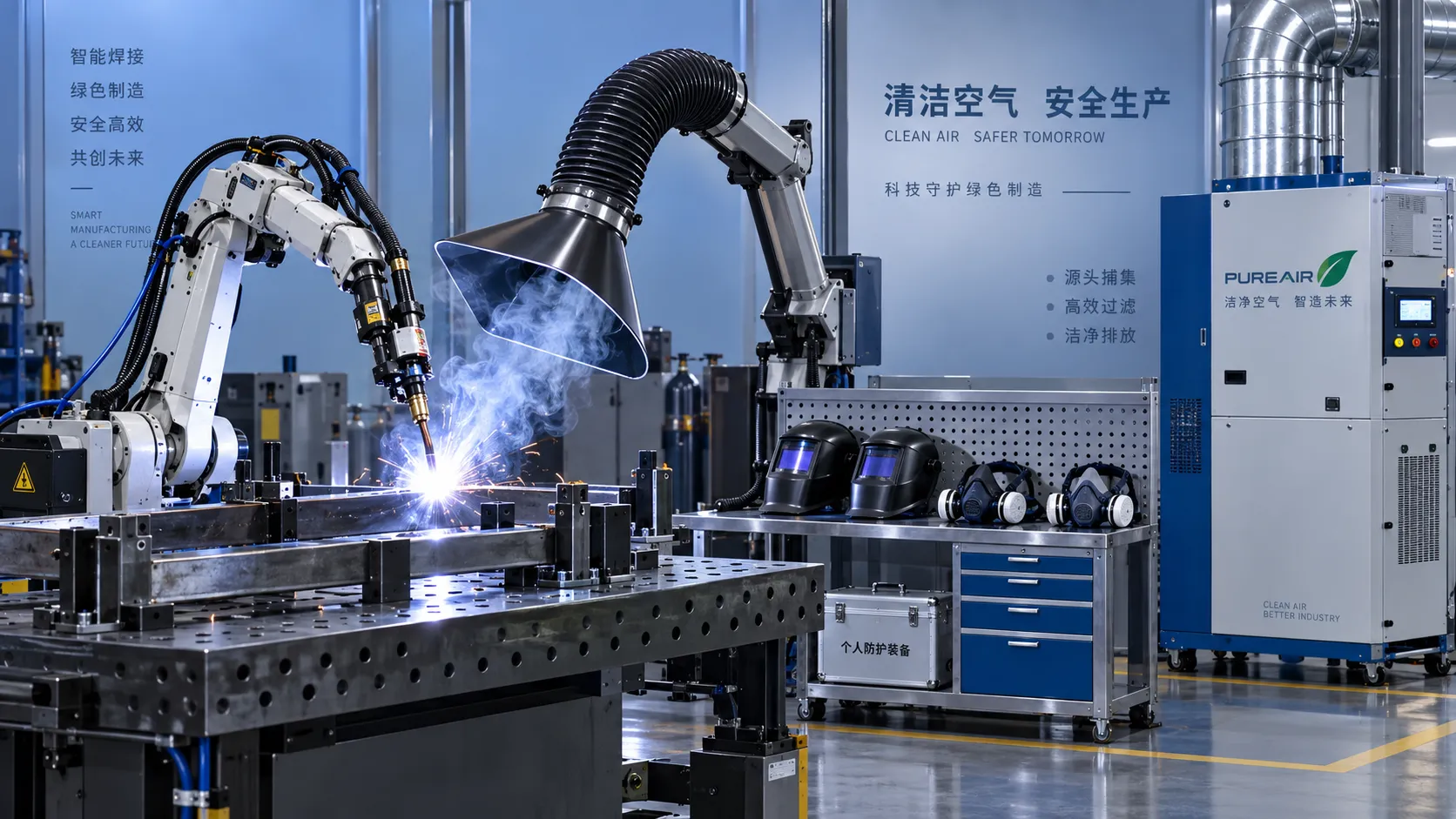
Welding Fume Extraction PPE: When Respirators Are Not Enough for Shop Safety
Welding fume extraction PPE: learn why respirators alone fall short and how source capture, ventilation, and layered controls improve shop safety.
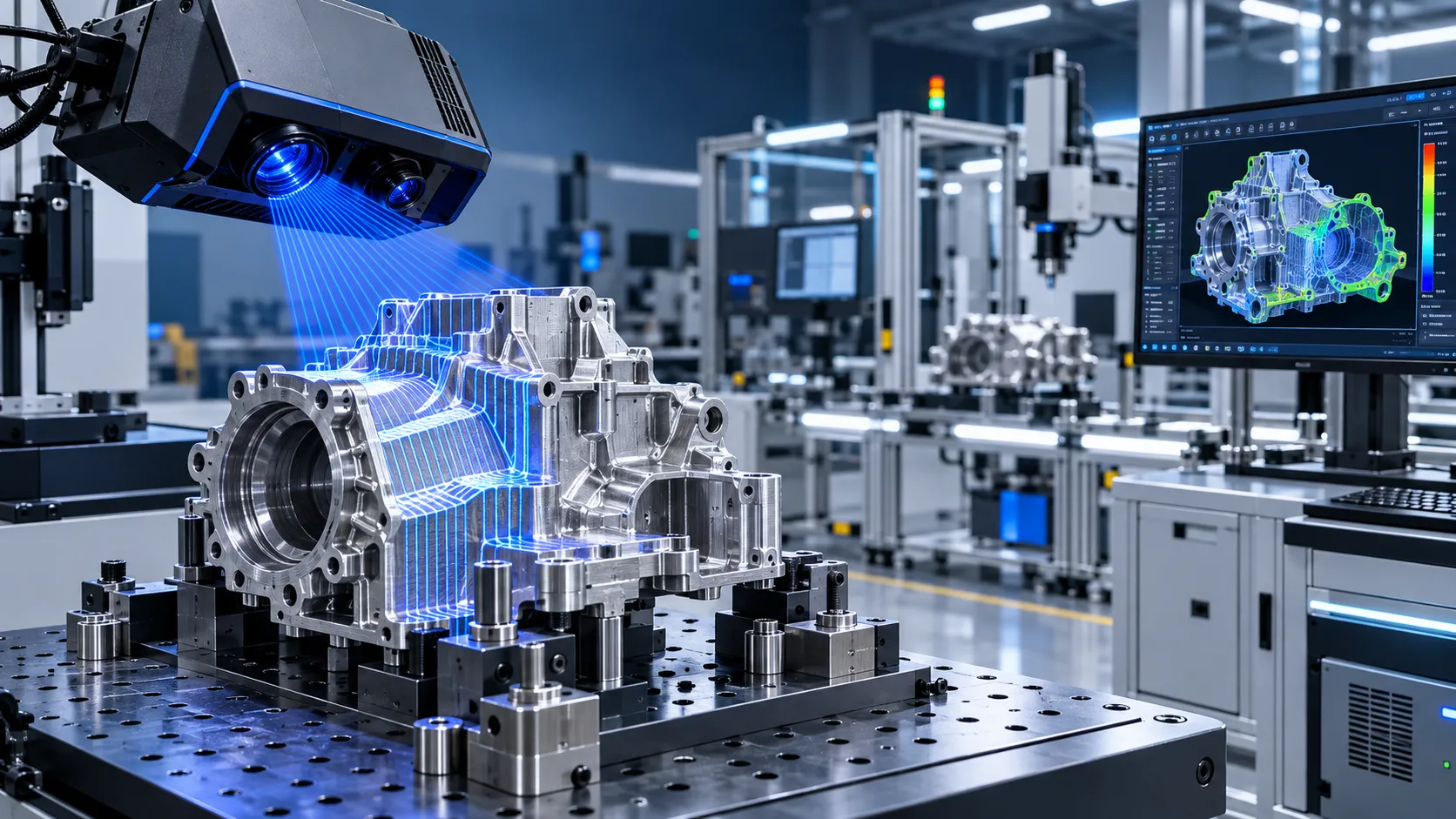
How to Select Optical Metrology Solutions for Tight-Tolerance Manufacturing
Optical industrial metrology solutions for tight-tolerance manufacturing: evaluate accuracy, surface compatibility, workflow, and traceability to select with confidence.
Related News
- 00
0000-00
Selecting Adjustable Torque Tools for Repeatable Fastener Assembly - 00
0000-00
How to Select Aerospace Inspection Tools for Aircraft Maintenance Tasks - 00
0000-00
How to Select Wire Bonding Tools for Fine-Pitch Semiconductor Packaging - 00
0000-00
Industrial Equipment Application Guidance: Match Machines to Operating Conditions - 00
0000-00
Selecting High-Speed Brushless Tool Motors for Torque, Heat, and Duty Cycle
Prof. Marcus Chen
Weekly Insights
Stay ahead with our curated technology reports delivered every Monday.