
How Much Does Tool Lightweighting Improve Daily Output?





For operators on busy production lines, even small gains in comfort can translate into measurable output. Tool lightweighting is becoming a practical way to reduce fatigue, improve handling, and support more consistent work across long shifts. But how much does it really affect daily productivity? This article explores the real impact of lighter tools on speed, precision, and operator efficiency in modern industrial environments.
In assembly, welding, fastening, inspection, and maintenance tasks, the weight of a hand tool affects more than comfort. It influences cycle time, error rates, rework frequency, posture, grip stability, and how consistently an operator can perform over 8 to 12 hours. For managers and buyers, the question is not whether lighter tools feel better, but where tool lightweighting creates measurable gains and where it may introduce trade-offs.
For industrial users, especially those handling repetitive operations above shoulder height, in confined spaces, or across high-mix production lines, even a 10% to 25% reduction in tool mass can change the pace of work. In sectors tracked by GPTWM, lightweighting is increasingly linked with ergonomic standardization, digital torque control, and more stable output in the last mile of manufacturing execution.
Where Tool Lightweighting Has the Strongest Effect on Daily Output
Tool lightweighting does not improve every operation equally. Its impact is highest in tasks with high repetition, awkward positioning, and strict precision requirements. In general industrial use, the most visible gains appear when one operator completes 300 to 2,000 cycles per shift.
High-frequency fastening and assembly
In screwdriving, torque fastening, and fixture assembly, operators often hold a tool for 2 to 6 seconds per cycle. Over a full shift, reducing tool weight by 300 g to 800 g lowers cumulative arm load significantly. That usually supports faster repositioning between points and more stable wrist control during the last 2 hours of work.
When torque accuracy matters, less fatigue can also reduce inconsistent trigger pressure and poor angle entry. The result is not just faster work, but fewer stripped threads, fewer missed fasteners, and fewer interruptions for correction.
Handheld welding and metal joining
In handheld welding, brazing, and related metal joining tasks, mass distribution is often as important as total weight. A torch or handheld unit that is 15% lighter but front-heavy may still create wrist stress. However, a balanced reduction in head weight often improves path control, especially in seams requiring continuous motion for 30 to 90 seconds.
For operators performing repair welding or short-run fabrication, tool lightweighting can improve bead consistency and reduce micro-pauses between weld sections. In practical terms, this may mean completing more joints per shift without a drop in finish quality.
Metrology and inspection work
Precision measurement tools are not usually discussed in output terms, but lightweight handheld gauges, calipers, and portable metrology devices can improve inspection rhythm. In high-volume quality checks, lighter instruments reduce finger and thumb strain, particularly when used 500 times or more per day.
This matters because inspection delays often become hidden bottlenecks. If an operator can maintain stable measurement handling through the end of a shift, throughput becomes more predictable and downstream rework decisions happen faster.
The table below shows where tool lightweighting typically has the most visible production effect and what type of gain operators and supervisors can realistically expect under common industrial conditions.
The key point is that tool lightweighting rarely acts alone. The biggest gains occur when lower mass is paired with better balance, grip geometry, trigger placement, and vibration control. A lighter tool with poor ergonomics may improve handling for 1 hour, yet underperform by hour 7.
How Much Productivity Improvement Is Realistic?
The honest answer is that the effect depends on task design. In most industrial environments, tool lightweighting produces a modest but meaningful gain rather than a dramatic jump. For many operators, a realistic range is 2% to 10% higher daily output, depending on repetition, force demand, tool orientation, and existing fatigue levels.
What changes first: speed, precision, or endurance?
In the first few days after switching tools, speed is not always the first gain. Operators often notice lower strain and better control before they see more units completed. Over 1 to 3 weeks, when muscle adaptation and habit reset occur, the productivity effect becomes easier to measure.
Three indicators usually improve in this order:
- Reduced discomfort in wrist, forearm, and shoulder
- More stable positioning and less corrective movement
- Higher sustained output during the final 25% of the shift
Typical measurable improvements
On lines with repetitive manual work, even a 1.5-second reduction per cycle matters. If an operator completes 900 cycles daily, a 1.5-second saving equals 1,350 seconds, or 22.5 minutes per shift. That time may become extra throughput, better quality checks, or less overtime pressure.
In precision work, the benefit may show up as lower rework rather than faster takt time. For example, if late-shift handling errors fall from 4% to 2%, the output gain comes through fewer stoppages, less scrap, and more predictable downstream scheduling.
Why the last two hours matter most
Many factories compare average cycle times across a full shift, but this can hide the actual impact of tool lightweighting. The more useful comparison is the first 2 hours versus the final 2 hours. If output stays closer to the early-shift pace, the tool is supporting endurance, not just comfort.
In practical operator terms, a lighter tool often protects performance decay. A line may not become 10% faster at 9:00 a.m., but it may avoid becoming 8% slower at 4:00 p.m. That difference is commercially important.
What Determines Whether Lightweight Tools Deliver Results
Not every light tool performs well. The value of tool lightweighting depends on at least 4 factors: balance, power-to-weight ratio, control interface, and task match. If one of these is weak, the operator may feel less fatigue but also lose accuracy or confidence.
1. Balance and center of gravity
A 1.8 kg tool with center mass close to the grip may feel easier to control than a 1.5 kg tool with a heavy front end. This is critical in overhead fastening, vertical seam work, and close-visibility inspection tasks. Operators judge real weight through leverage, not numbers alone.
2. Vibration and reaction force
Lower mass can increase felt vibration if the internal damping system is weak. In fastening tools, poor torque reaction management may cancel out the benefit of lighter construction. In grinding or surface prep tasks, vibration levels can affect hand comfort more than tool weight after 30 to 45 minutes of continuous use.
3. Battery and cable configuration
Cordless tools are often promoted as lighter in use, but battery size changes the equation. A compact pack may improve maneuverability yet shorten runtime to 45 to 70 minutes under load. A larger pack may extend runtime to 120 minutes or more but shift the center of gravity downward or rearward.
4. Material and structural durability
Industrial operators need lower weight without sacrificing housing strength, spindle alignment, thermal stability, or drop resistance. Tool lightweighting based only on thinner shells can become expensive if it increases damage rates or maintenance frequency.
The following comparison helps operators, supervisors, and procurement teams evaluate whether a lightweight tool is likely to improve output in actual shop-floor use rather than only in product literature.
A smart buying decision focuses on the full work system. The best lightweight tool is not always the lightest model. It is the model that preserves force, control, and durability while reducing strain over the operator’s real duty cycle.
How Operators and Supervisors Should Test Lightweighting Before Full Adoption
A proper trial does not need a large budget, but it should follow a structured 5-step process. This helps separate real output gains from first-day novelty or personal preference. In mixed production environments, a 7 to 14 day trial is usually enough to identify whether tool lightweighting supports measurable improvement.
Recommended pilot process
- Select 1 or 2 tasks with high repetition or awkward posture.
- Measure baseline cycle time, quality deviation, and operator fatigue feedback for 3 to 5 shifts.
- Introduce the lightweight tool under the same line conditions.
- Compare first-half and second-half shift performance.
- Review maintenance, battery change frequency, and operator acceptance.
Key metrics to record
Useful pilot metrics include units per hour, average cycle time, correction count, grip discomfort score from 1 to 5, and downtime per shift. If possible, also record how often operators set the tool down for micro-rest. That behavior often reveals hidden fatigue better than verbal comments alone.
Common implementation mistakes
One common mistake is choosing a lightweight tool only by catalog mass. Another is testing it with only one experienced operator. A sound trial should include at least 3 users with different hand sizes or working styles, because ergonomic fit varies more than many teams expect.
A third mistake is ignoring accessories. Tool lightweighting can be offset by heavy sockets, oversized batteries, stiff cables, or unbalanced hoses. In some cases, changing the suspension point or using a balancer delivers as much benefit as reducing the tool body by 200 g.
Procurement and Operational Guidance for B2B Buyers
For buyers serving assembly, maintenance, welding, and inspection teams, lightweighting should be evaluated as part of productivity engineering, not only product design. The right decision combines operator feedback, process data, and life-cycle cost. A lower-mass tool that fails after 6 months is not a real efficiency upgrade.
Questions to ask suppliers
- What is the total in-use weight, including battery, hose, or standard accessory?
- How is the center of gravity positioned relative to the grip?
- What runtime, maintenance interval, or duty cycle is typical in industrial use?
- Can the supplier support sample trials, operator training, and spare parts planning within 2 to 4 weeks?
When lightweighting should be prioritized
It should move higher on the buying list when tasks involve overhead work, repetitive hand motion, high daily cycle counts, or quality-sensitive positioning. It is especially relevant where labor retention is difficult and reducing physical strain helps maintain workforce stability.
In contrast, if the operation is low frequency and high force, tool ruggedness or output power may matter more than pure weight reduction. The most effective procurement strategy is to match tool lightweighting to the true bottleneck, whether that bottleneck is fatigue, access, consistency, or takt loss.
Tool lightweighting can improve daily output, but its value is most visible when measured through endurance, consistency, and reduced late-shift decline rather than headline speed alone. In many industrial settings, a realistic gain is 2% to 10%, with stronger results in repetitive fastening, handheld welding, and portable inspection tasks.
For operators, lighter tools can mean less strain and better control. For supervisors and buyers, they can support better throughput, lower rework, and more stable shift performance when selected with the right criteria. If you want to evaluate lightweight tool options for assembly, welding, or metrology applications, contact GPTWM to get a tailored solution, discuss product details, or explore more efficiency-focused industrial intelligence.
Related News
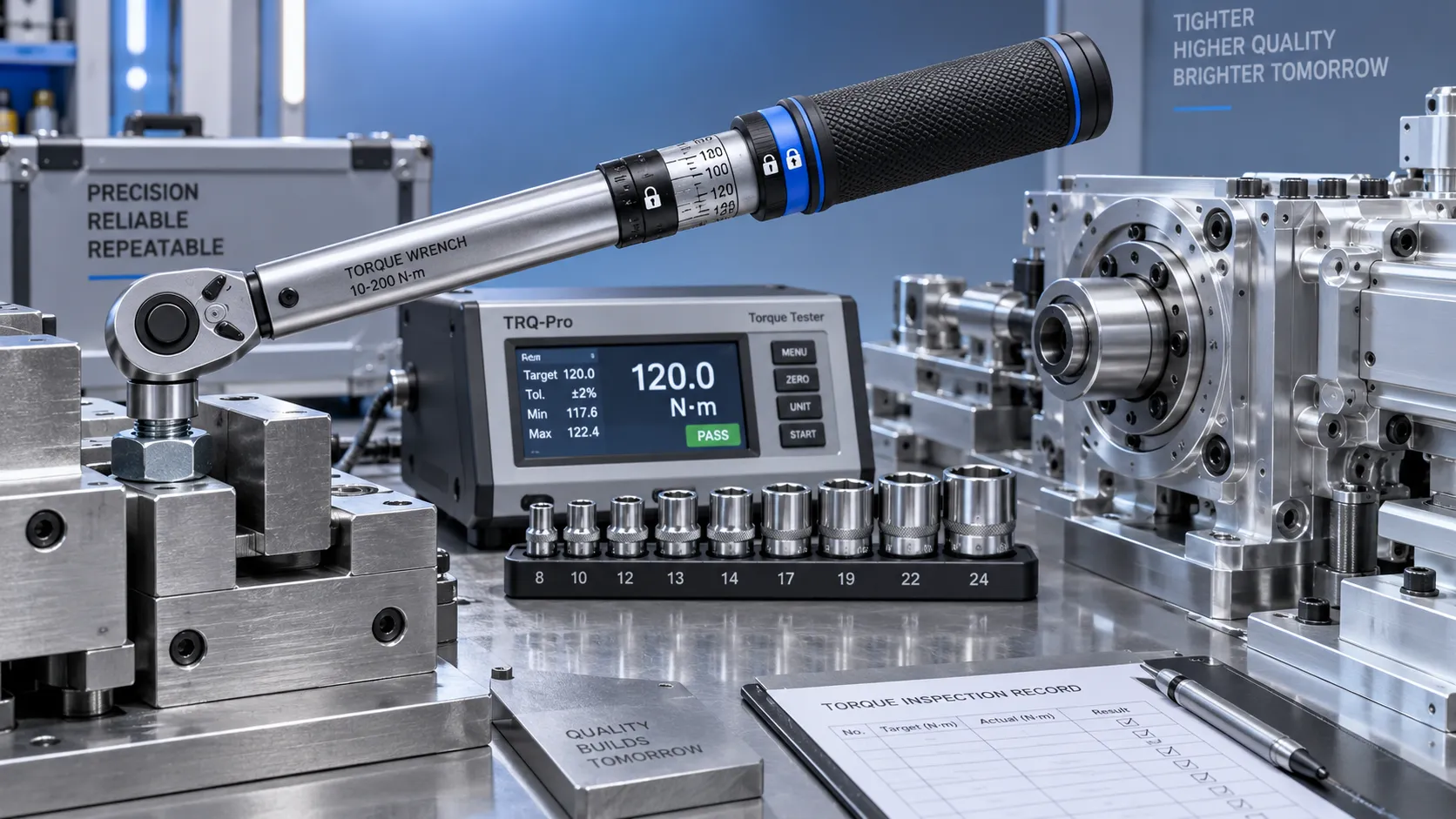
Selecting Adjustable Torque Tools for Repeatable Fastener Assembly
Adjustable torque tools: learn how to match range, accuracy, control methods, calibration, and ergonomics for repeatable, reliable fastener assembly.
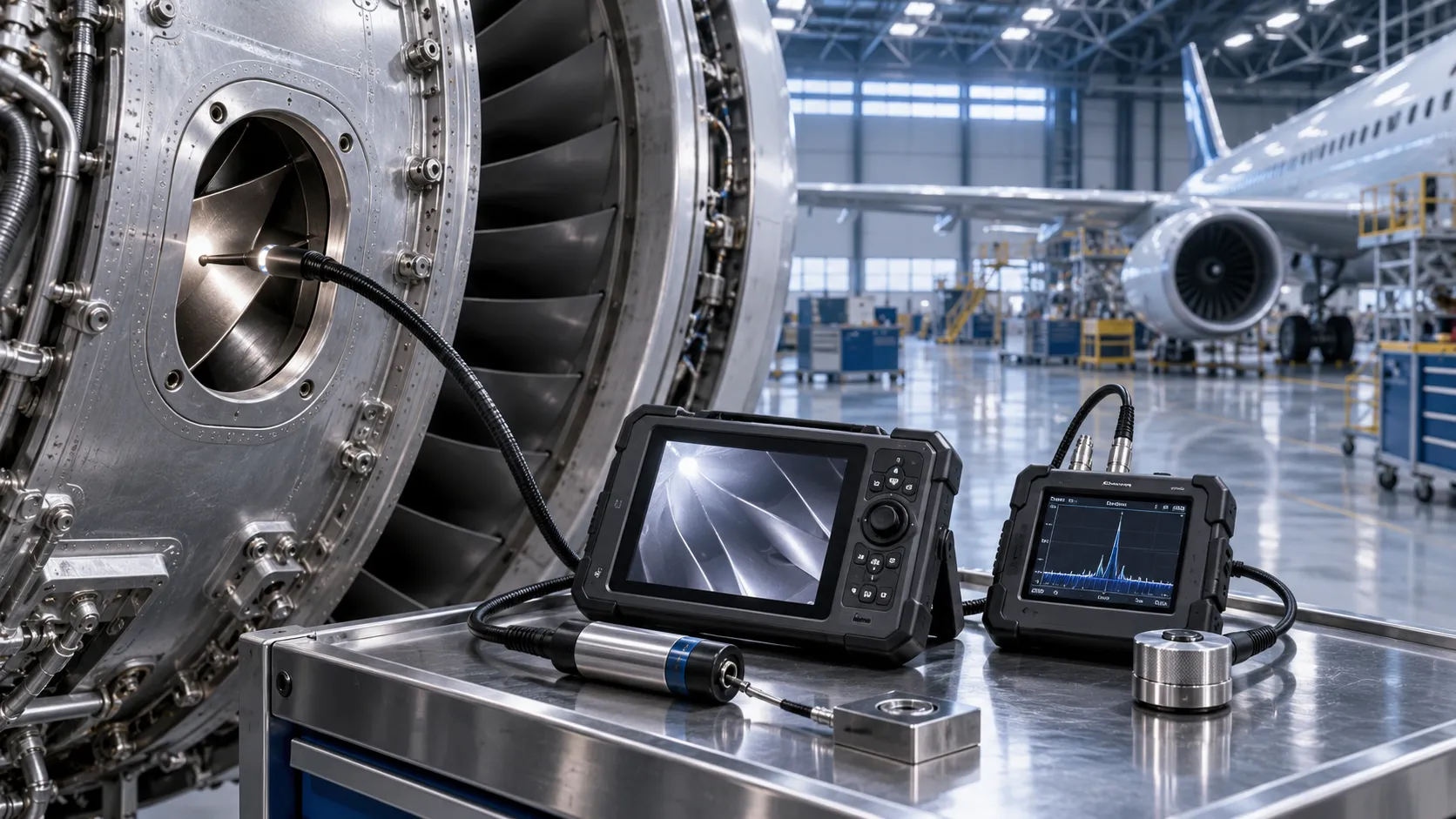
How to Select Aerospace Inspection Tools for Aircraft Maintenance Tasks
Aerospace maintenance inspection tools: learn how to select reliable, traceable equipment for aircraft access, accuracy, calibration, and compliant maintenance decisions.
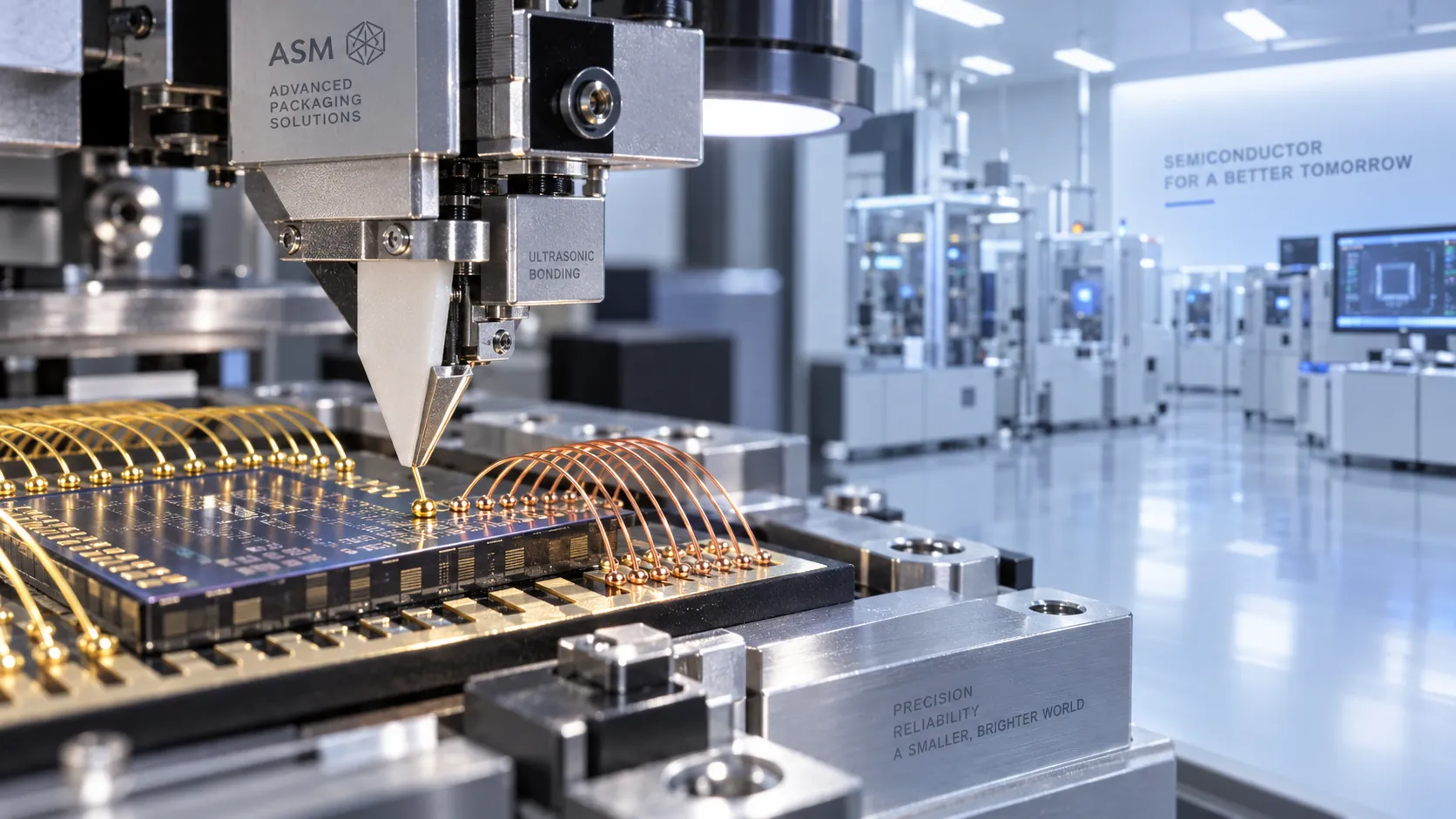
How to Select Wire Bonding Tools for Fine-Pitch Semiconductor Packaging
Explore semiconductor manufacturing tools for wire bonding and learn how to select precision solutions for fine-pitch packaging, reliable loops, accuracy, and yield.
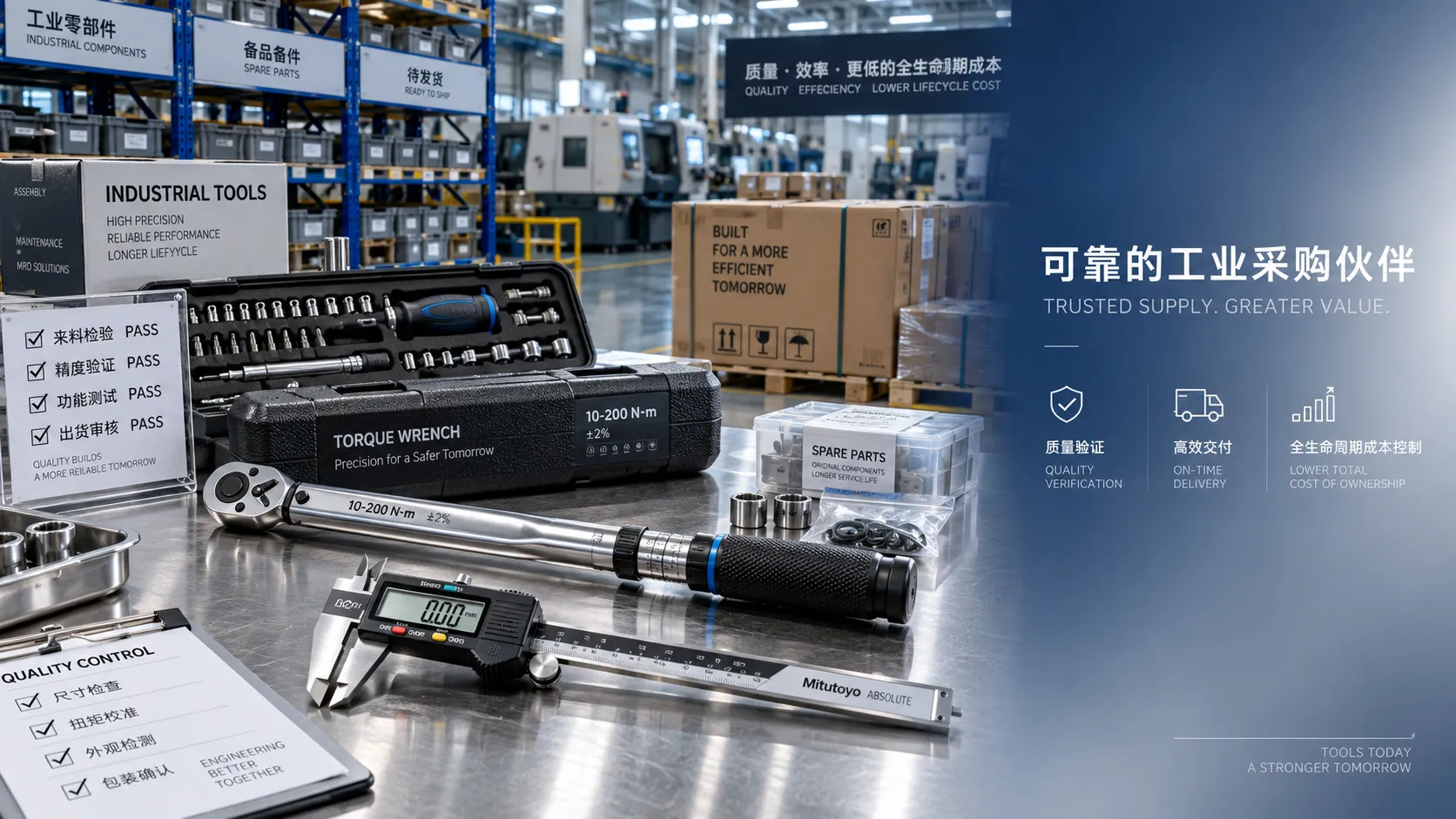
How to Compare Industrial Tool Suppliers for Quality, Lead Time, and Total Cost
Industrial tool selection supplier comparison made simple: evaluate quality, lead times, total cost, service, and supply resilience for confident sourcing decisions.
Industrial Equipment Application Guidance: Match Machines to Operating Conditions
Application guidance industrial equipment: match capacity, duty cycle, materials, site conditions, safety, and lifecycle cost to improve reliable output. Read the guide.
Selecting High-Speed Brushless Tool Motors for Torque, Heat, and Duty Cycle
High speed brushless tool motors: learn how to balance torque, heat, gearing, and duty cycle for reliable industrial tool performance and longer service life.
What Determines Industrial Hydraulic System Price for Heavy-Duty Equipment?
Industrial hydraulic system price depends on duty cycle, pressure, components, cooling, and integration. Compare quotes intelligently to secure reliable heavy-duty performance.
Welding Fume Extraction PPE: When Respirators Are Not Enough for Shop Safety
Welding fume extraction PPE: learn why respirators alone fall short and how source capture, ventilation, and layered controls improve shop safety.

How to Select Optical Metrology Solutions for Tight-Tolerance Manufacturing
Optical industrial metrology solutions for tight-tolerance manufacturing: evaluate accuracy, surface compatibility, workflow, and traceability to select with confidence.
Related News
- 00
0000-00
How to Select Battery Assembly Tools for Torque Control and High-Volume Production - 00
0000-00
How Battery, Torque, and Duty Cycle Affect Cordless Power Tool Efficiency - 00
0000-00
How to Size High-Torque Tool Motors for Continuous-Duty Assembly Lines - 00
0000-00
How to Choose 24V Brushless Tool Motors for Torque, Runtime, and Duty Cycle? - 00
0000-00
Automotive Repair Tools List: What Every Workshop Needs for Daily Service Jobs
Electro-Mech Tool Designer
Weekly Insights
Stay ahead with our curated technology reports delivered every Monday.