
What Is Driving Brand Premiums in Industrial Tools?





In industrial tools, brand premiums are no longer driven by reputation alone. For business evaluators, the real value lies in how brands combine precision, durability, safety compliance, and intelligent performance to meet evolving manufacturing demands. Understanding what shapes brand premiums helps decision-makers assess long-term competitiveness, channel strength, and market positioning in a sector where technical credibility increasingly defines commercial success.
Across assembly tools, welding equipment, hydraulic systems, and precision metrology devices, the price gap between brands often reflects more than marketing strength. It can signal lower failure rates, tighter tolerances, faster operator onboarding, better service response, and stronger compatibility with export and plant safety requirements.
For evaluators comparing suppliers, the key question is not whether a premium exists, but whether that premium is defensible over a 3-year to 7-year business cycle. In industrial environments where downtime can cost hours of labor, delayed delivery, or rejected output, the economic logic behind brand premiums becomes measurable.
Why Brand Premiums Matter More in Industrial Tools Than in Commodity Hardware
In consumer markets, premium pricing may rely heavily on image. In industrial tools, brand premiums are usually sustained by repeatable performance under load, under temperature variation, and across long operating cycles. That distinction matters when tools are embedded in production, maintenance, or field-service workflows.
A torque tool with repeatability of ±3% versus ±6%, or a measuring instrument with resolution suited to tighter quality thresholds, can affect scrap risk, assembly consistency, and warranty exposure. For business evaluators, that means the premium must be tied to measurable operational outcomes, not just catalog positioning.
The shift from unit price to lifecycle value
Many procurement teams still begin with purchase price, but premium industrial brands are increasingly evaluated on total cost of ownership. This includes maintenance intervals, consumable consumption, recalibration frequency, battery life, spare parts availability, and technical support response within 24 to 72 hours.
For example, a lower-cost welding torch may need replacement parts every 4 to 6 months in high-duty applications, while a better-engineered alternative may extend stable service to 9 to 12 months. The upfront price difference then becomes less significant than labor interruption and replacement planning.
Where premium pricing becomes commercially credible
Brand premiums become easier to defend in sectors with strict tolerance, traceability, or uptime requirements. Aerospace maintenance, automotive assembly, heavy fabrication, and export-oriented contract manufacturing all place higher value on documented consistency than low-entry pricing.
- Precision applications where small error ranges create downstream cost
- High-duty cycles exceeding 6 hours to 10 hours per shift
- Facilities requiring calibration records, operator safety documentation, or digital traceability
- Multi-country distribution models where after-sales coverage influences reorder confidence
A practical evaluation lens
GPTWM’s market perspective is especially relevant here. In industrial assembly, metal joining, and precision metrology, premium value is increasingly built through intelligence-backed decision support. Evaluators are looking at not only product engineering, but also how brands respond to raw material fluctuation, export restrictions, safety transitions, and smarter factory integration.
The table below shows how premium drivers differ from standard purchasing assumptions in common industrial tool categories.
The pattern is clear: brand premiums hold when they reduce commercial risk in ways that procurement, operations, and quality teams can all validate. That is why premium brands in industrial tools are often judged across at least 4 dimensions, not just one specification sheet.
The Core Drivers Behind Brand Premiums in Today’s Tool Market
Several forces are reshaping how industrial brands earn and preserve premium positions. These include engineering precision, reliability under duty cycle, compliance readiness, data capability, and channel support. In many sectors, one weak area can erode premium pricing within 12 to 18 months.
1. Precision as a commercial asset
Precision is no longer a niche attribute. In fastening, measuring, and cutting processes, better control over tolerance bands directly supports yield stability. If a premium tool helps maintain target output within a narrower threshold, it protects both process quality and customer acceptance.
For evaluators, this means checking not only nominal accuracy, but also repeatability across 500, 1,000, or 5,000 cycles. A tool that performs well only in initial testing does not justify strong brand premiums in production reality.
2. Durability under real duty conditions
Industrial buyers increasingly separate bench performance from field endurance. A premium brand usually demonstrates better material selection, more stable thermal behavior, stronger sealing, and more predictable wear life in dust, vibration, or multi-shift environments.
In welding and power tool applications, the difference between a 20-minute cooling interruption and a 45-minute uninterrupted cycle can materially affect daily throughput. Durability is not abstract; it is a scheduling and labor-cost variable.
3. Safety and compliance as value multipliers
Handheld laser welding, high-speed rotating tools, and hydraulic systems face growing scrutiny around operator safety and export market standards. Brands that adapt quickly to shielding, interlocks, documentation, and ergonomic expectations often command stronger premiums because they lower approval friction.
For a distributor or plant buyer, avoiding one compliance failure can justify a significant price difference. This is especially true when tools must enter regulated supply chains or pass customer audits before deployment.
4. Intelligent features that improve process control
Smart functionality has moved from optional to differentiating. IoT-enabled torque tracking, digital parameter storage, maintenance alerts, and usage analytics improve accountability and reduce setup variability. These features often support premium pricing when they solve an expensive coordination problem.
A connected assembly tool that records torque events can help align quality assurance, shift supervision, and customer traceability in one process. That creates value beyond the hardware itself, especially in factories moving toward digital workflow integration over the next 2 to 5 years.
5. Channel reliability and service infrastructure
Many brand premiums collapse when spare parts are slow, calibration support is weak, or distributors cannot manage technical questions. In industrial tools, premium pricing needs service architecture behind it: local stock planning, application guidance, documentation support, and realistic lead-time control.
Typical lead times for specialized industrial tools may range from 2 to 8 weeks, depending on configuration and destination market. Brands that can shorten uncertainty, even if not always the fastest, often preserve higher trust and better reorder momentum.
How Business Evaluators Should Assess Whether a Premium Is Justified
For business evaluators, the challenge is turning technical claims into a defensible valuation model. A higher price does not automatically equal stronger brand premiums. The task is to test whether the premium improves economic performance, protects market access, or supports channel resilience.
Build a 4-part evaluation framework
A practical way to compare brands is to score them across four categories: product performance, compliance readiness, service capability, and commercial scalability. Each category can be rated on a 1 to 5 basis, producing a clearer investment and sourcing picture.
- Product performance: tolerance stability, durability, duty cycle, operator usability
- Compliance readiness: safety documentation, export suitability, calibration support
- Service capability: response time, spare parts access, training availability
- Commercial scalability: distributor fit, margin structure, multi-market adaptability
Questions that reveal true premium value
- Does the tool reduce failure, rework, or measurement drift over a 12-month period?
- Can it support operator consistency across 2 or 3 shifts without frequent recalibration?
- Is there a realistic service path for maintenance, firmware, consumables, or wear parts?
- Will the brand remain competitive if raw material costs rise 8% to 15%?
- Does the premium strengthen market positioning with OEM, MRO, or export customers?
The next table translates these questions into a practical evaluation format suitable for sourcing reviews, distributor assessments, or internal brand benchmarking.
This approach helps evaluators separate temporary pricing power from durable brand premiums. The strongest brands do not win on one feature alone; they align technical value with service execution and channel economics.
Common Risks That Can Erode Brand Premiums
Even well-positioned brands can lose premium status if they fail to adapt. In industrial tools, premium erosion often happens gradually, then suddenly, once distributors or end users see a mismatch between price and delivered value.
Overreliance on legacy reputation
A brand that built trust 10 years ago may not sustain the same position if newer competitors offer digital features, better ergonomics, or stronger compliance support. Premiums based only on history become fragile when industrial buyers update comparison criteria.
Weak alignment with new manufacturing priorities
Lightweight design, intelligent control, energy efficiency, and operator safety are no longer secondary concerns. If a tool line cannot respond to these shifts, the market may treat it as overpriced rather than premium, particularly in export or advanced maintenance sectors.
Service gaps in cross-border distribution
Premium industrial brands need consistent support across regions. Long gaps in spare parts, weak technical translation, or unclear warranty handling can damage channel trust within one procurement cycle. For evaluators, service weakness is often the earliest sign that brand premiums may not hold.
What GPTWM’s Market Lens Adds to Premium Assessment
GPTWM’s value in this discussion lies in connecting product-level analysis with industrial market intelligence. In the last mile of manufacturing, brand premiums are influenced by more than engineering. They are shaped by evolving standards, input costs, safety transitions, and the adoption curve of intelligent tools.
That is why commercial evaluation benefits from a broader intelligence framework. Monitoring raw material shifts, export restrictions, brushless motor efficiency limits, handheld laser welding safety adoption, and IoT torque control trends can reveal whether a premium brand is gaining structural strength or merely defending past pricing.
From technical premium to market premium
A technically strong product does not automatically become a strong brand. The upgrade happens when technical capability is translated into distributor confidence, easier customer qualification, and repeatable commercial performance across construction, automotive, aerospace maintenance, and industrial assembly environments.
For evaluators, this is the most useful insight: brand premiums are strongest when precision, safety, intelligence, and service all reinforce each other. If one element fails, the premium may narrow quickly under competitive pressure.
Final Decision Criteria for Evaluators
When assessing industrial tools, treat brand premiums as a business hypothesis to be tested, not a label to be accepted. Check whether the premium improves uptime, process control, compliance readiness, and channel resilience over a measurable period such as 12, 24, or 36 months.
The most defensible premiums are driven by precision that holds under load, durability that survives real duty cycles, safety features that reduce approval risk, and intelligent functions that fit modern manufacturing systems. In a market shaped by craftsmanship and digital factories alike, that combination defines lasting commercial value.
If you are reviewing suppliers, benchmarking tool brands, or planning a higher-value distribution strategy, GPTWM can support sharper decisions with sector intelligence grounded in assembly, welding, hydraulics, and precision metrology. Contact us to get tailored market insights, evaluate premium positioning, and explore more industrial tool solutions.
Related News
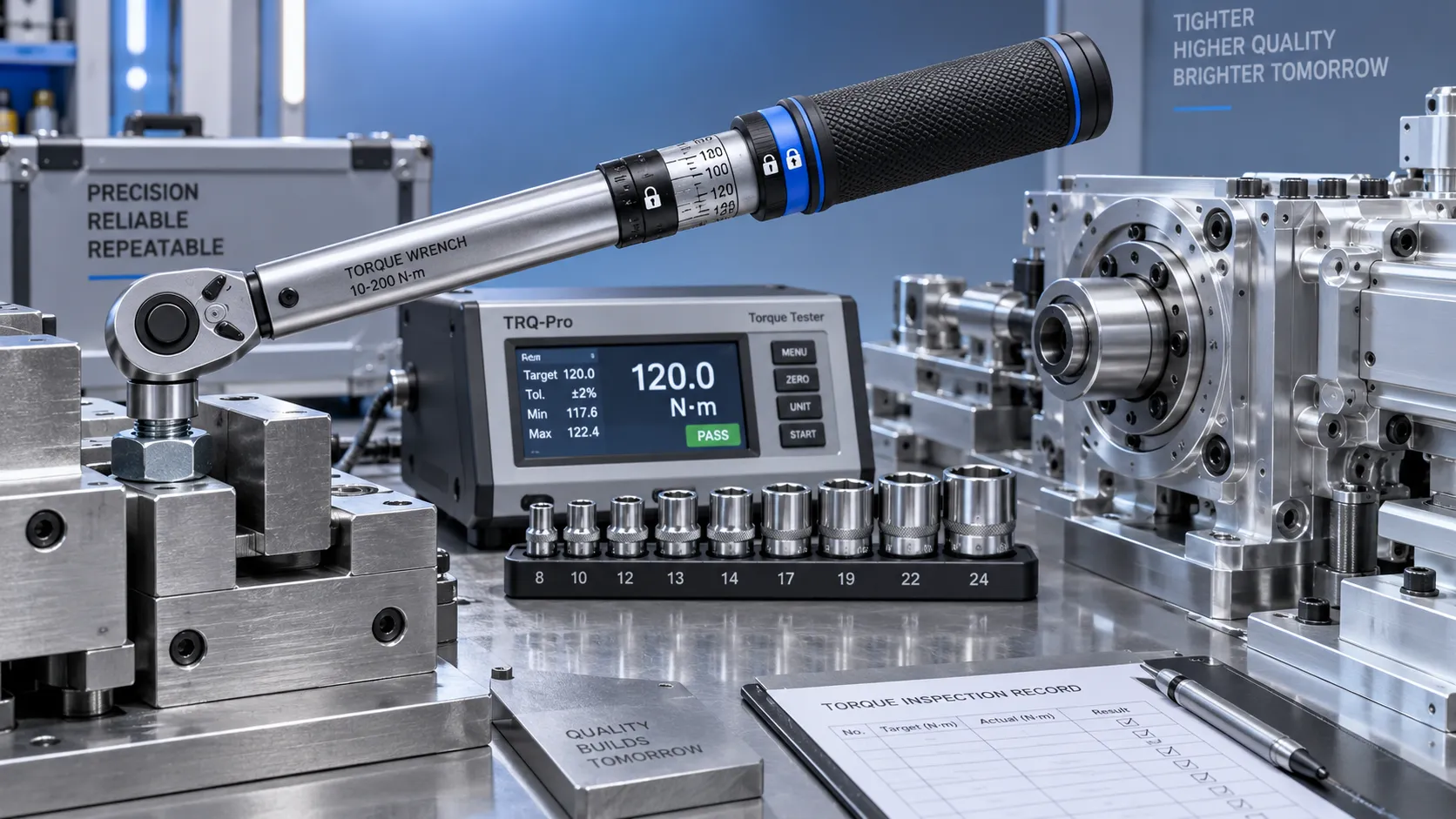
Selecting Adjustable Torque Tools for Repeatable Fastener Assembly
Adjustable torque tools: learn how to match range, accuracy, control methods, calibration, and ergonomics for repeatable, reliable fastener assembly.
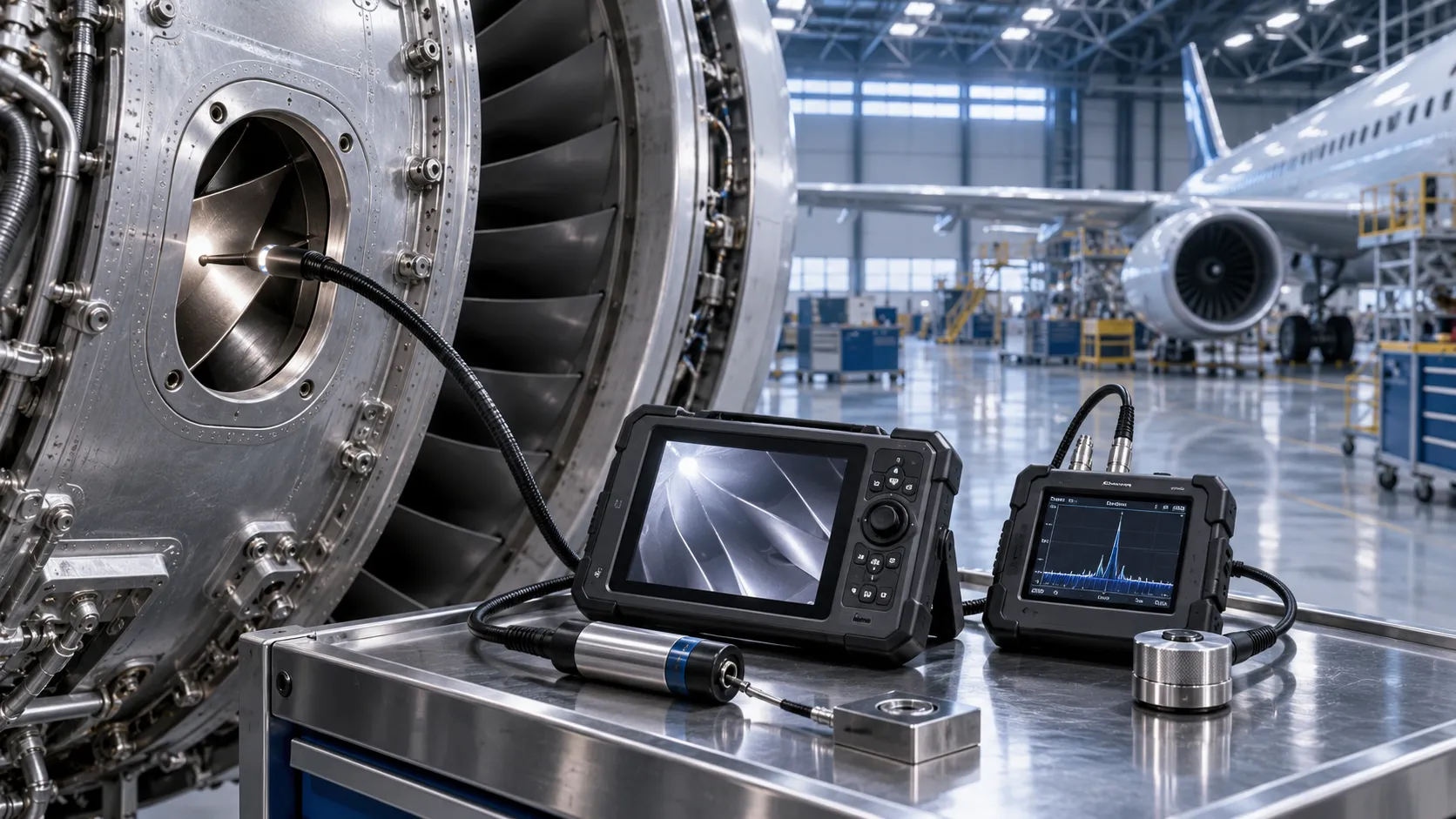
How to Select Aerospace Inspection Tools for Aircraft Maintenance Tasks
Aerospace maintenance inspection tools: learn how to select reliable, traceable equipment for aircraft access, accuracy, calibration, and compliant maintenance decisions.

How to Select Wire Bonding Tools for Fine-Pitch Semiconductor Packaging
Explore semiconductor manufacturing tools for wire bonding and learn how to select precision solutions for fine-pitch packaging, reliable loops, accuracy, and yield.
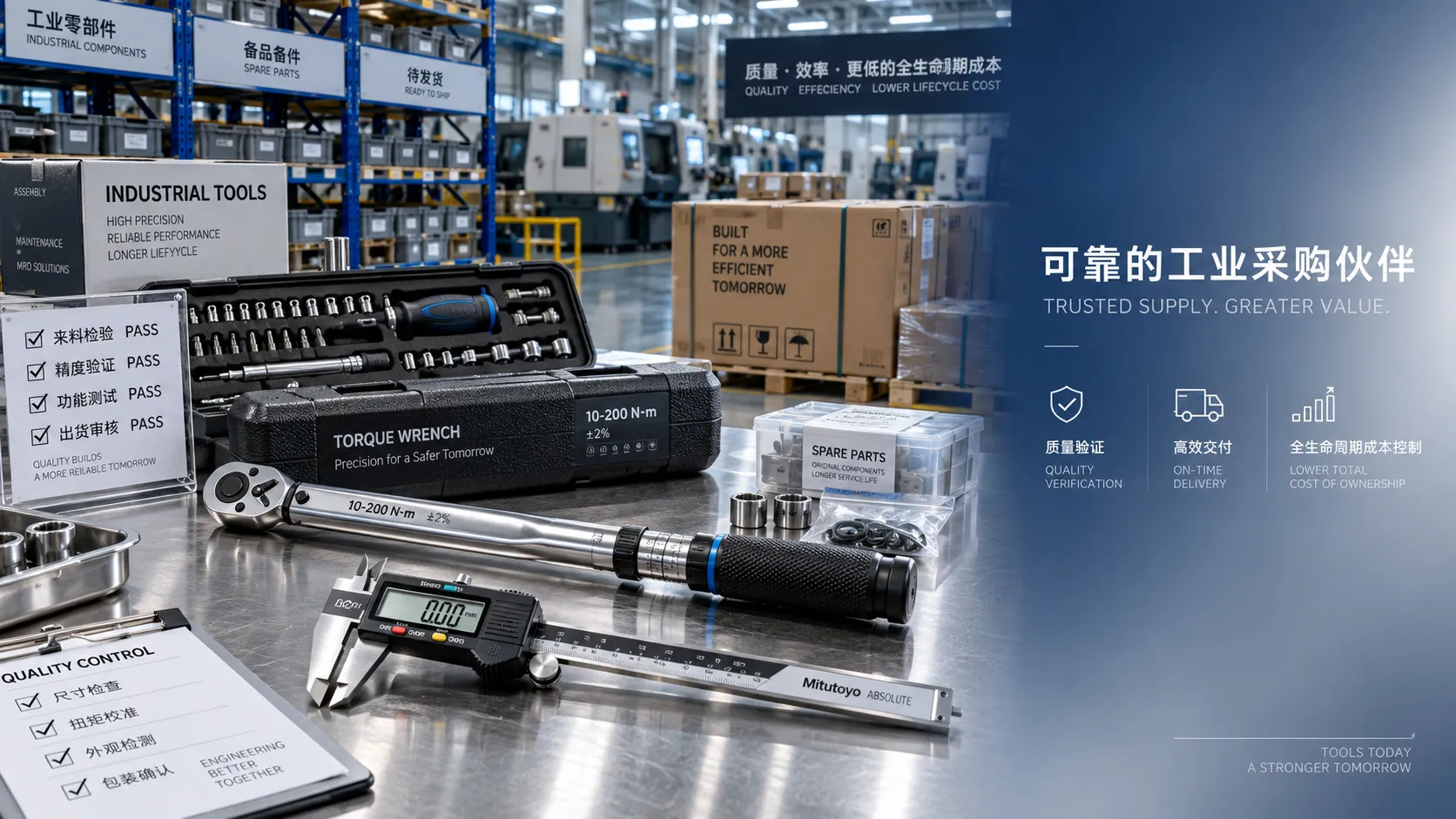
How to Compare Industrial Tool Suppliers for Quality, Lead Time, and Total Cost
Industrial tool selection supplier comparison made simple: evaluate quality, lead times, total cost, service, and supply resilience for confident sourcing decisions.
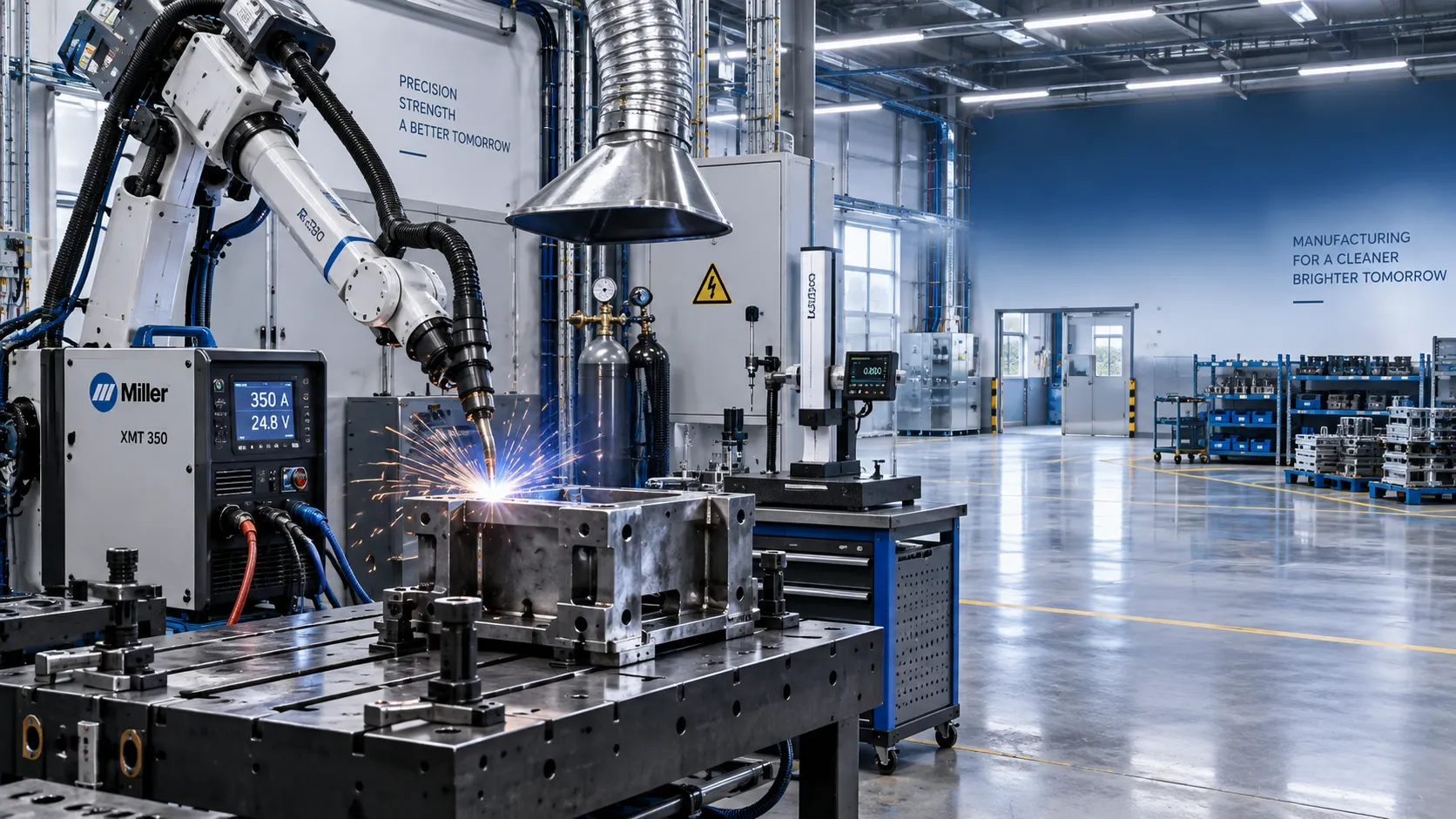
Industrial Equipment Application Guidance: Match Machines to Operating Conditions
Application guidance industrial equipment: match capacity, duty cycle, materials, site conditions, safety, and lifecycle cost to improve reliable output. Read the guide.
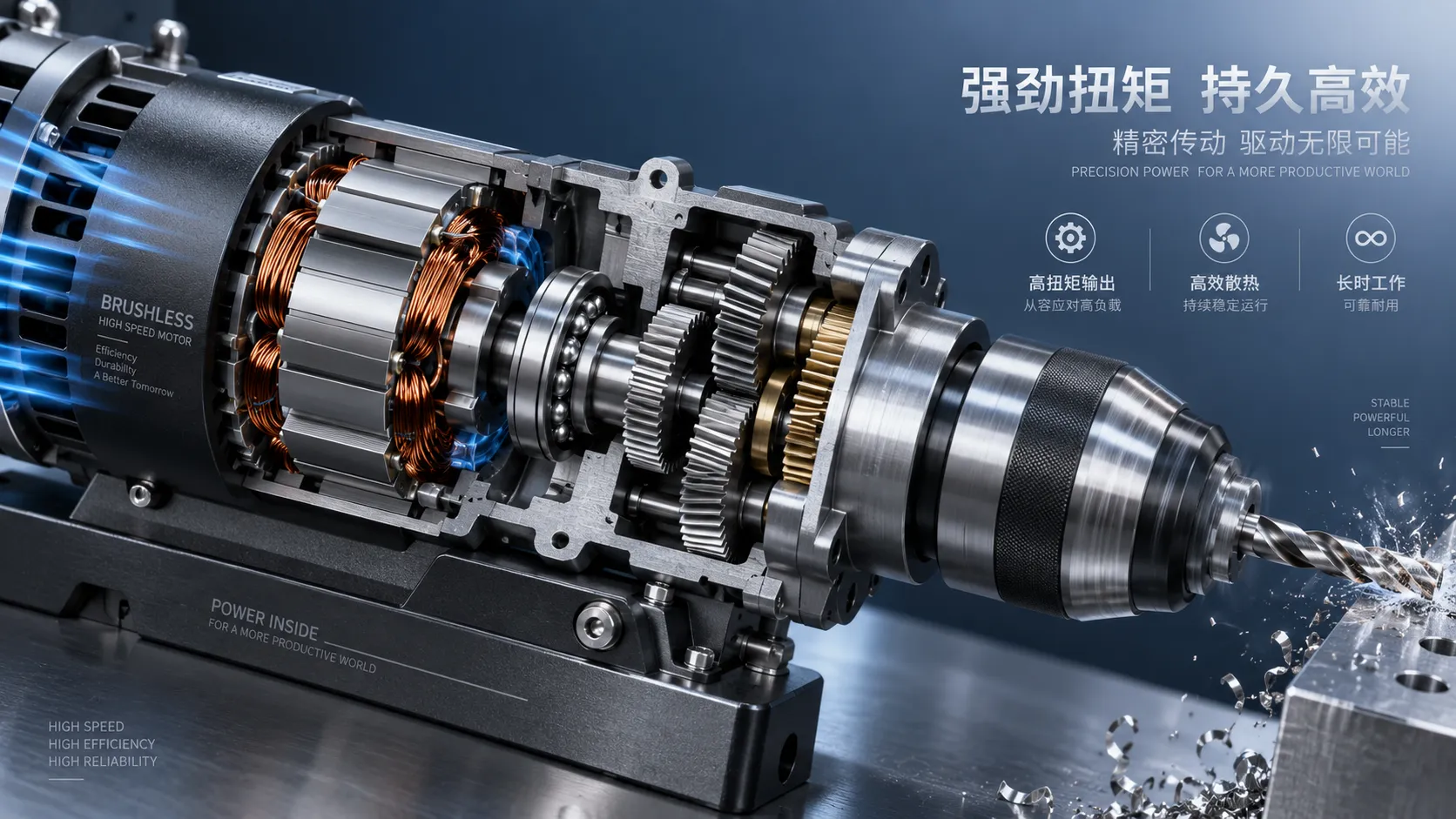
Selecting High-Speed Brushless Tool Motors for Torque, Heat, and Duty Cycle
High speed brushless tool motors: learn how to balance torque, heat, gearing, and duty cycle for reliable industrial tool performance and longer service life.
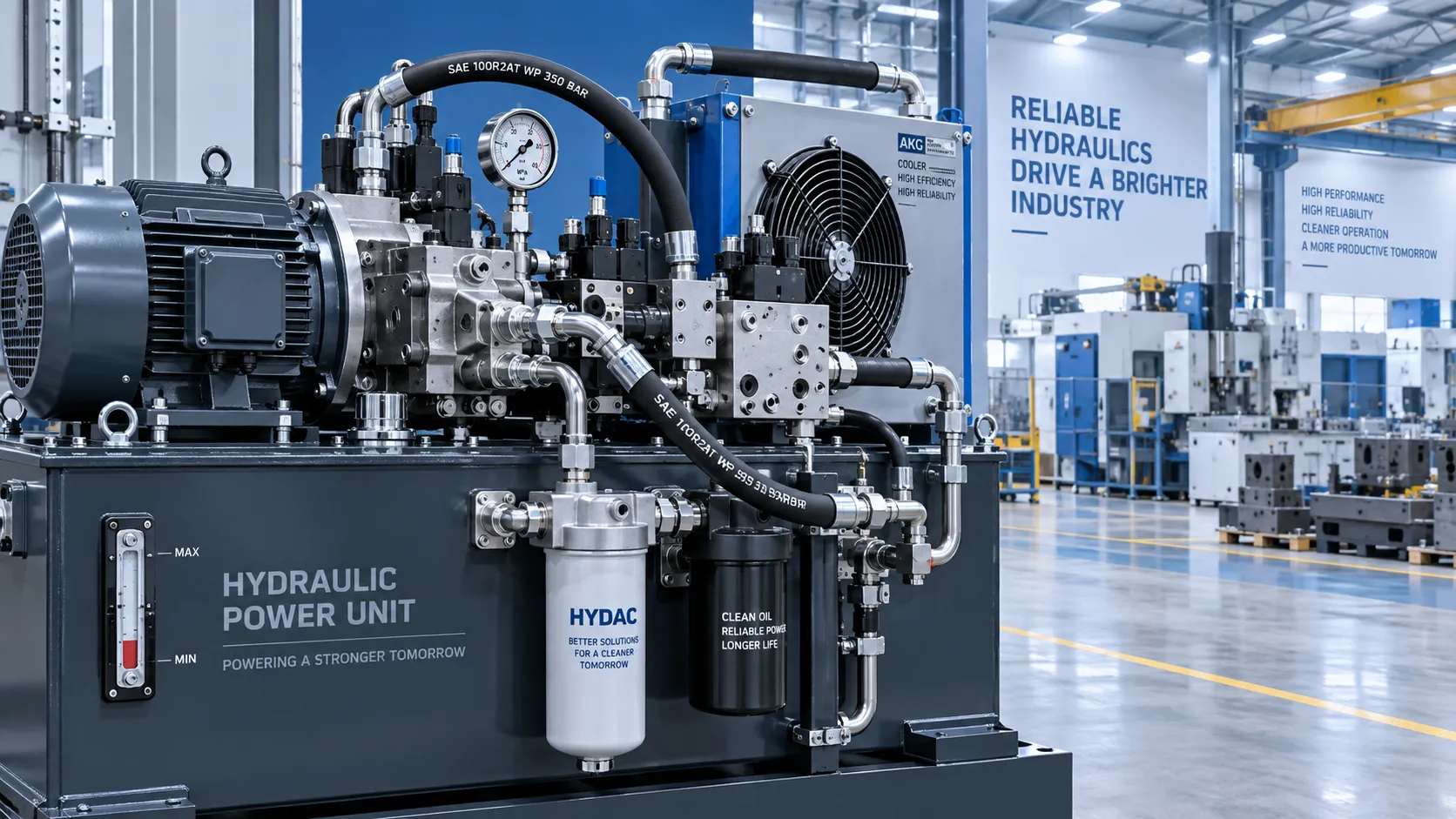
What Determines Industrial Hydraulic System Price for Heavy-Duty Equipment?
Industrial hydraulic system price depends on duty cycle, pressure, components, cooling, and integration. Compare quotes intelligently to secure reliable heavy-duty performance.
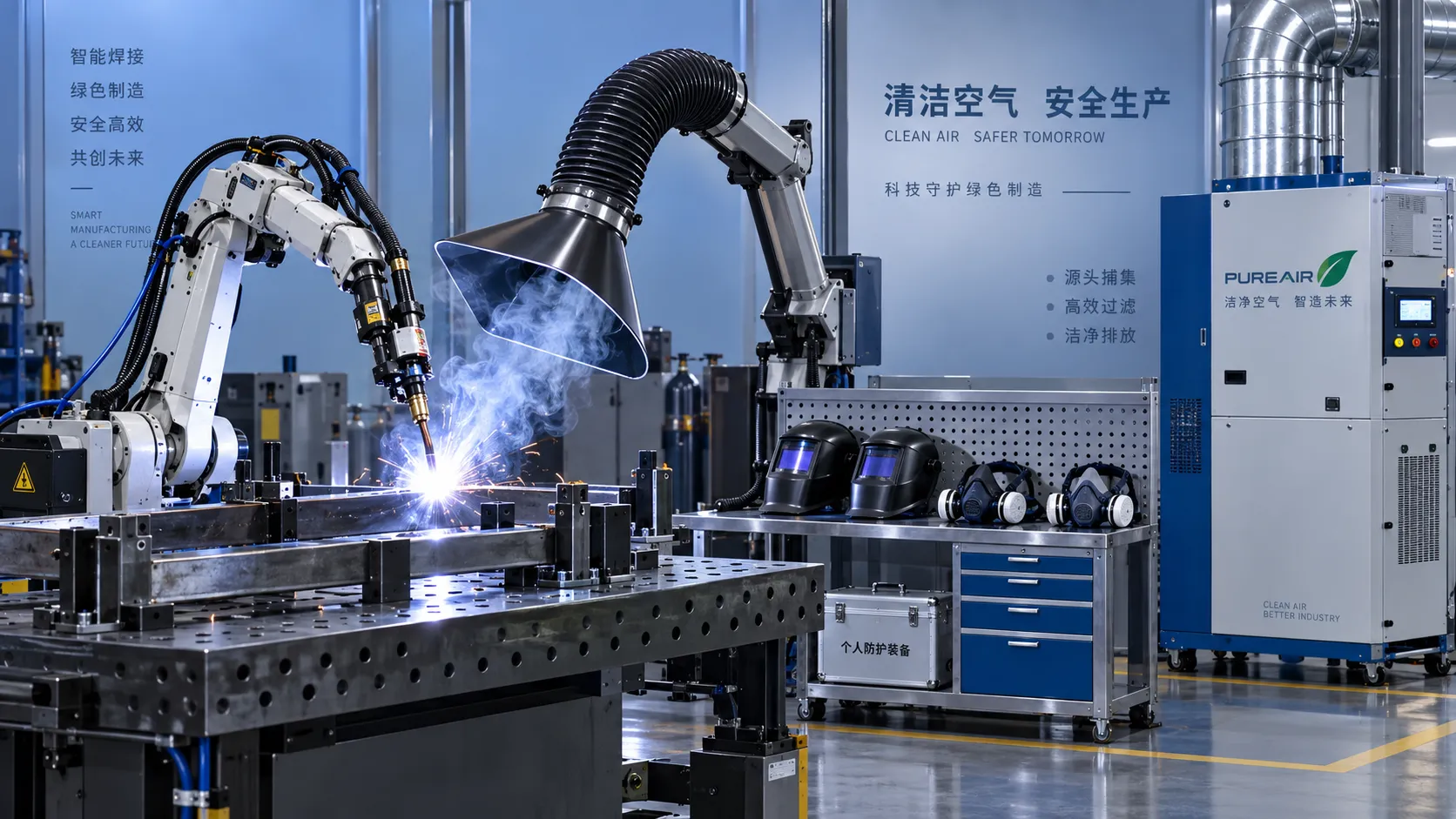
Welding Fume Extraction PPE: When Respirators Are Not Enough for Shop Safety
Welding fume extraction PPE: learn why respirators alone fall short and how source capture, ventilation, and layered controls improve shop safety.
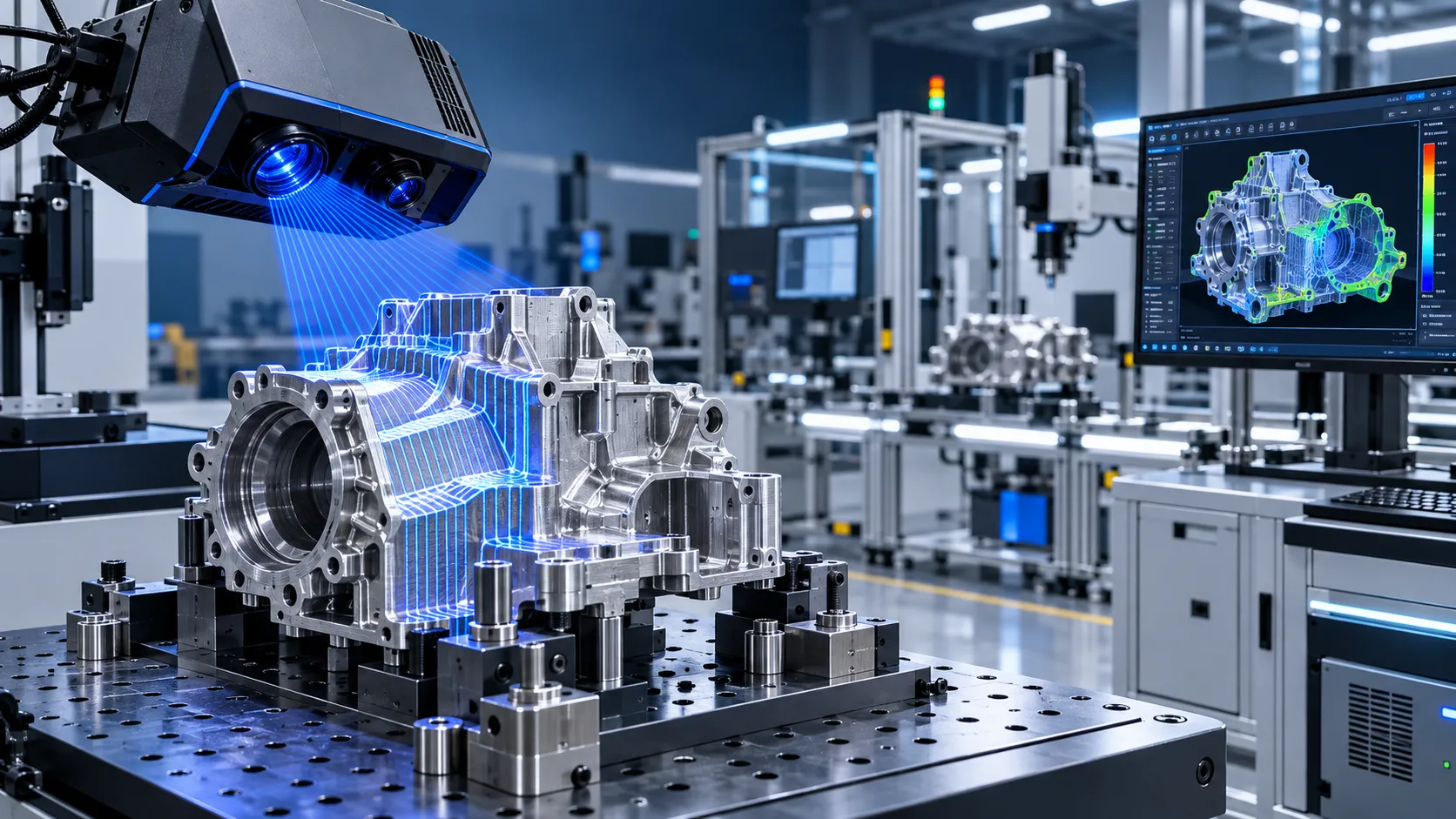
How to Select Optical Metrology Solutions for Tight-Tolerance Manufacturing
Optical industrial metrology solutions for tight-tolerance manufacturing: evaluate accuracy, surface compatibility, workflow, and traceability to select with confidence.
Related News
- 00
0000-00
Why Data-Driven Intelligence Costs Are Reshaping Enterprise Automation Budgets - 00
0000-00
What Does Data-Driven Intelligence Cost? Budgeting for Data, Tools, and Talent - 00
0000-00
What Determines Metrology Technology Prices for Factory Inspection Systems? - 00
0000-00
Welding Tools Price Guide: What Affects Cost and How Buyers Can Compare Options - 00
0000-00
What Drives Industrial Tools Cost? A Buyer’s Guide to Materials, Volume, and Lifecycle Expenses
Ms. Elena Rodriguez
Weekly Insights
Stay ahead with our curated technology reports delivered every Monday.