
Metrology Technology Choices That Affect Inspection Speed





For technical evaluators, metrology technology choices determine how fast inspection results move from measurement to action.
In industrial environments, speed is not only a cycle-time issue. It also affects scrap control, rework reduction, equipment uptime, and process confidence.
When metrology technology aligns with part geometry, tolerance level, and production rhythm, throughput improves without sacrificing traceability.
When the fit is poor, even precise systems can slow inspections, create data bottlenecks, and delay corrective actions.
This article reviews the metrology technology options that most strongly influence inspection speed across mixed industrial applications.
Metrology technology in practical inspection terms
Metrology technology refers to the tools, software, sensing methods, and workflows used to verify dimensions, form, position, and surface conditions.
Common categories include calipers, micrometers, CMMs, optical scanners, vision systems, laser trackers, and in-line gauging stations.
Inspection speed depends on more than raw measurement rate. It also depends on setup time, fixturing effort, programming, part handling, and reporting.
A fast metrology technology on paper may still be slow in production if alignment routines are difficult or operators need repeated manual inputs.
For this reason, speed should be evaluated as total inspection cycle time, not sensor speed alone.
Core elements that affect cycle time
- Measurement capture rate
- Part positioning and datum alignment
- Programming and recipe switching
- Data processing and pass-fail output
- Integration with SPC, MES, or quality records
Current industry signals shaping inspection speed priorities
Across the broader industrial sector, product complexity is rising while batch sizes often fluctuate.
That combination puts pressure on metrology technology to stay accurate under faster changeovers and tighter response windows.
Digital manufacturing also increases expectations for immediate feedback, trend visibility, and closed-loop process control.
Technology choices with the largest impact on inspection speed
Not every metrology technology decision carries the same operational weight. Several choices have outsized influence on inspection throughput.
Contact versus non-contact measurement
Contact systems are reliable for many tolerances and materials, especially when point-specific verification matters.
However, they often require more time per feature, especially on freeform surfaces or multi-feature parts.
Non-contact metrology technology, such as structured light or laser scanning, captures dense data quickly.
That speed advantage is strongest when many dimensions must be checked at once or shape comparison is required.
Portable versus fixed systems
Portable metrology technology reduces transport delays because measurement can happen near the process.
This is valuable for large assemblies, welded frames, maintenance work, and floor-level troubleshooting.
Fixed systems usually provide stronger repeatability and better controlled conditions, but moving parts to a lab adds time.
Manual, semi-automated, and fully automated workflows
Manual workflows can be sufficient for low volume or simple checks.
Semi-automated metrology technology often delivers the best balance in mixed production because it reduces operator steps without requiring full line redesign.
Fully automated systems offer the highest sustained inspection speed when volume, repeatability, and stable part flow justify the investment.
How metrology technology creates business value beyond faster measurement
Inspection speed matters because it changes how quickly process deviations are discovered and corrected.
Faster metrology technology can reduce queue buildup, shorten first-article approval time, and support more confident release decisions.
It also improves the usefulness of quality data. Information that arrives late often loses operational value.
In welding, machining, fabrication, and assembly, quicker feedback helps control distortion, tool wear, misalignment, and fit-up issues earlier.
For organizations following GPTWM coverage, this aligns with the wider move toward intelligent tools and data-linked production efficiency.
- Lower rework from earlier defect detection
- Better line availability through quicker diagnosis
- Improved audit readiness through digital records
- More stable quality costs across shifting production volumes
Typical metrology technology paths by inspection scenario
The right choice depends on part size, tolerance criticality, material behavior, and production rhythm.
Key selection factors that are often underestimated
Many evaluations focus too heavily on accuracy specifications while overlooking hidden time losses.
Programming burden
If metrology technology requires long program creation or frequent edits, inspection speed falls during every engineering change.
Fixture dependency
Complex fixtures improve repeatability but can add loading time and maintenance overhead.
Environmental sensitivity
Temperature shifts, vibration, lighting variation, and dust can force slower routines or repeated measurements.
Software usability
A complicated interface reduces practical speed, even when the underlying metrology technology is advanced.
Data handoff quality
Inspection is not finished when data is collected. It ends when results are usable by quality, production, and engineering teams.
Practical guidance for balancing speed, accuracy, and cost
A strong decision process compares technologies under real operating conditions instead of relying only on catalog specifications.
- Map the full inspection cycle, including loading, alignment, measurement, reporting, and corrective feedback.
- Separate critical features from secondary features to avoid over-inspecting every part.
- Test metrology technology on representative parts, surface finishes, and tolerance bands.
- Measure changeover time between product variants, not just speed on one ideal sample.
- Check software export options for SPC, traceability, and production system compatibility.
- Review training requirements because skill dependency directly affects repeatable inspection speed.
For many industrial operations, the most effective metrology technology strategy is layered rather than singular.
Simple tools handle routine checks, portable systems solve floor-level issues, and automated platforms support volume-critical stations.
Operational next steps for stronger inspection performance
Metrology technology should be selected as part of a production system, not as an isolated quality purchase.
The most useful starting point is a short review of inspection delays, repeated measurements, data gaps, and changeover losses.
From there, compare where portable, optical, contact, or automated metrology technology can remove waiting time without adding unnecessary complexity.
A practical evaluation built around throughput, repeatability, and workflow fit will usually reveal the highest-value improvement path.
In fast-moving industrial settings, better inspection speed comes from better alignment between measurement method and manufacturing reality.
Related News
Selecting Adjustable Torque Tools for Repeatable Fastener Assembly
Adjustable torque tools: learn how to match range, accuracy, control methods, calibration, and ergonomics for repeatable, reliable fastener assembly.
How to Select Aerospace Inspection Tools for Aircraft Maintenance Tasks
Aerospace maintenance inspection tools: learn how to select reliable, traceable equipment for aircraft access, accuracy, calibration, and compliant maintenance decisions.

How to Select Wire Bonding Tools for Fine-Pitch Semiconductor Packaging
Explore semiconductor manufacturing tools for wire bonding and learn how to select precision solutions for fine-pitch packaging, reliable loops, accuracy, and yield.
How to Compare Industrial Tool Suppliers for Quality, Lead Time, and Total Cost
Industrial tool selection supplier comparison made simple: evaluate quality, lead times, total cost, service, and supply resilience for confident sourcing decisions.
Industrial Equipment Application Guidance: Match Machines to Operating Conditions
Application guidance industrial equipment: match capacity, duty cycle, materials, site conditions, safety, and lifecycle cost to improve reliable output. Read the guide.
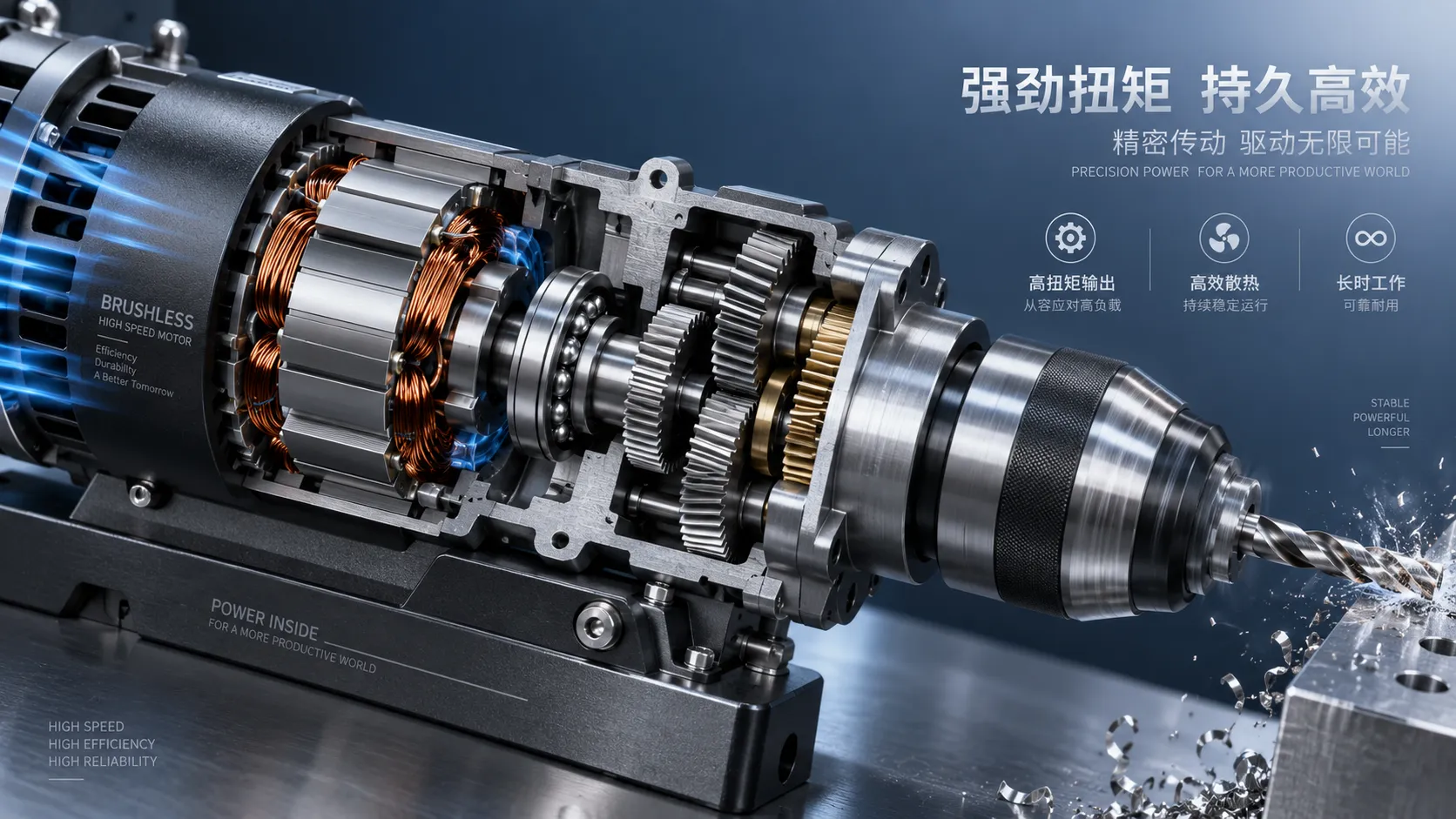
Selecting High-Speed Brushless Tool Motors for Torque, Heat, and Duty Cycle
High speed brushless tool motors: learn how to balance torque, heat, gearing, and duty cycle for reliable industrial tool performance and longer service life.
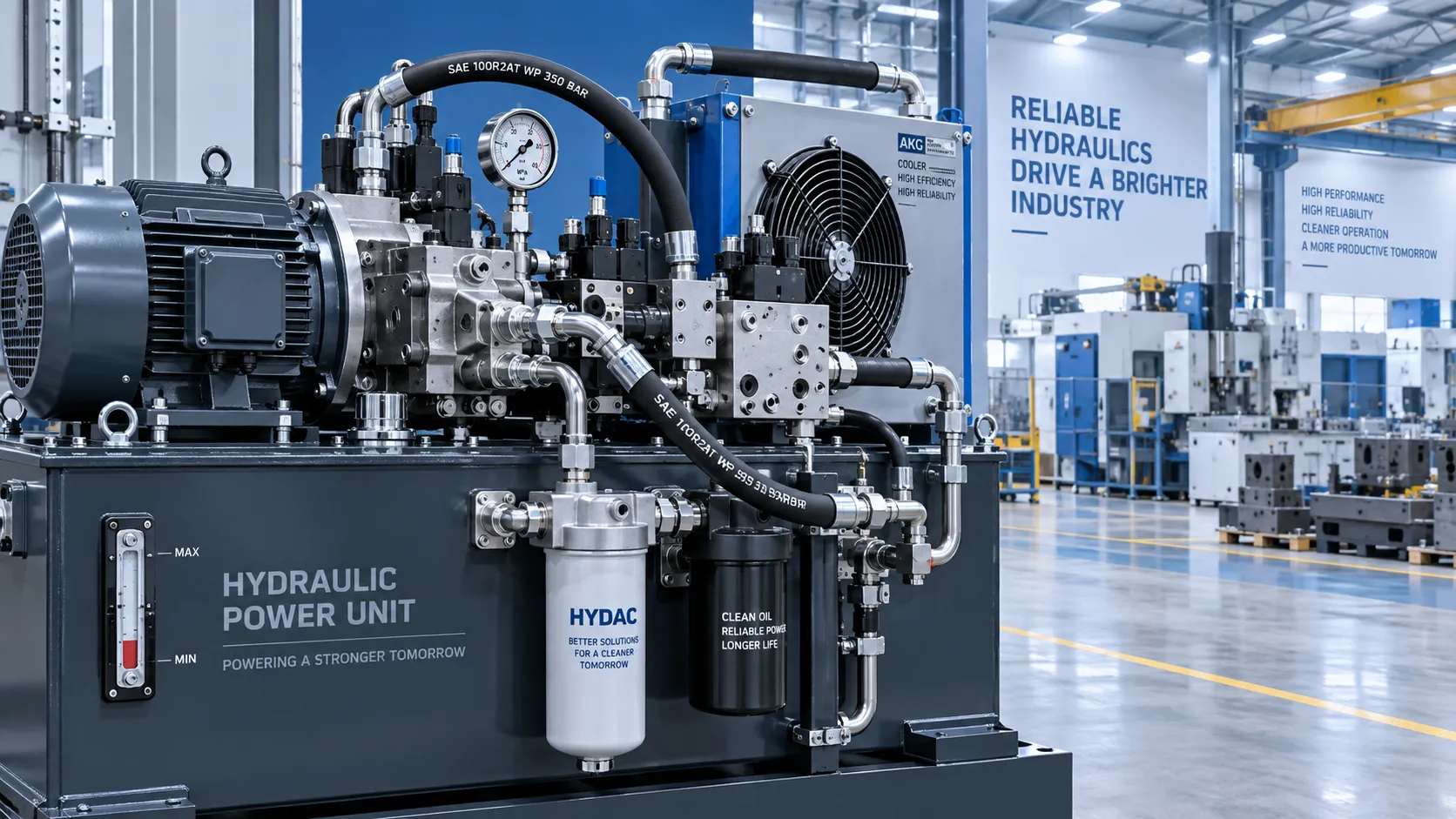
What Determines Industrial Hydraulic System Price for Heavy-Duty Equipment?
Industrial hydraulic system price depends on duty cycle, pressure, components, cooling, and integration. Compare quotes intelligently to secure reliable heavy-duty performance.
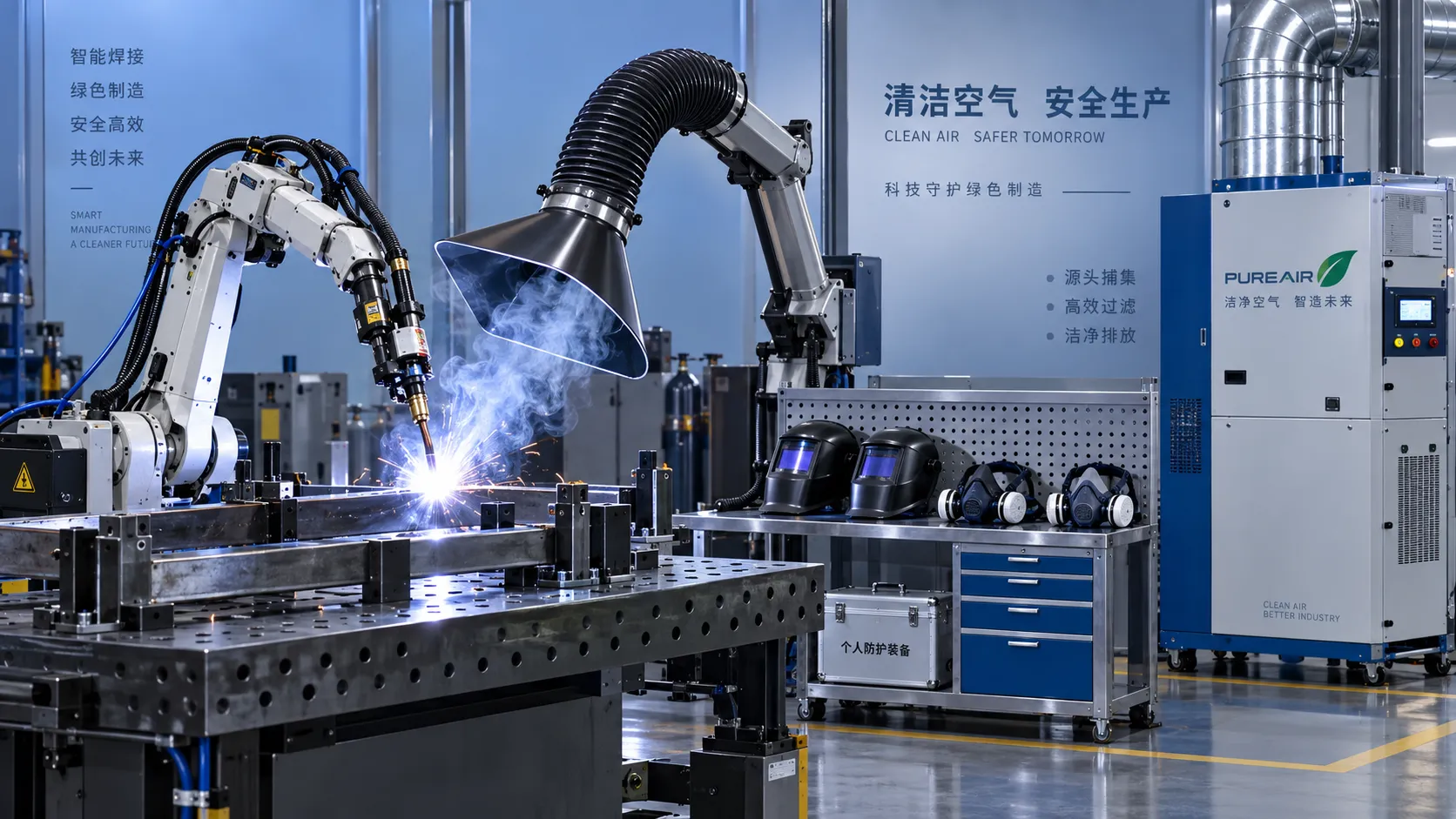
Welding Fume Extraction PPE: When Respirators Are Not Enough for Shop Safety
Welding fume extraction PPE: learn why respirators alone fall short and how source capture, ventilation, and layered controls improve shop safety.
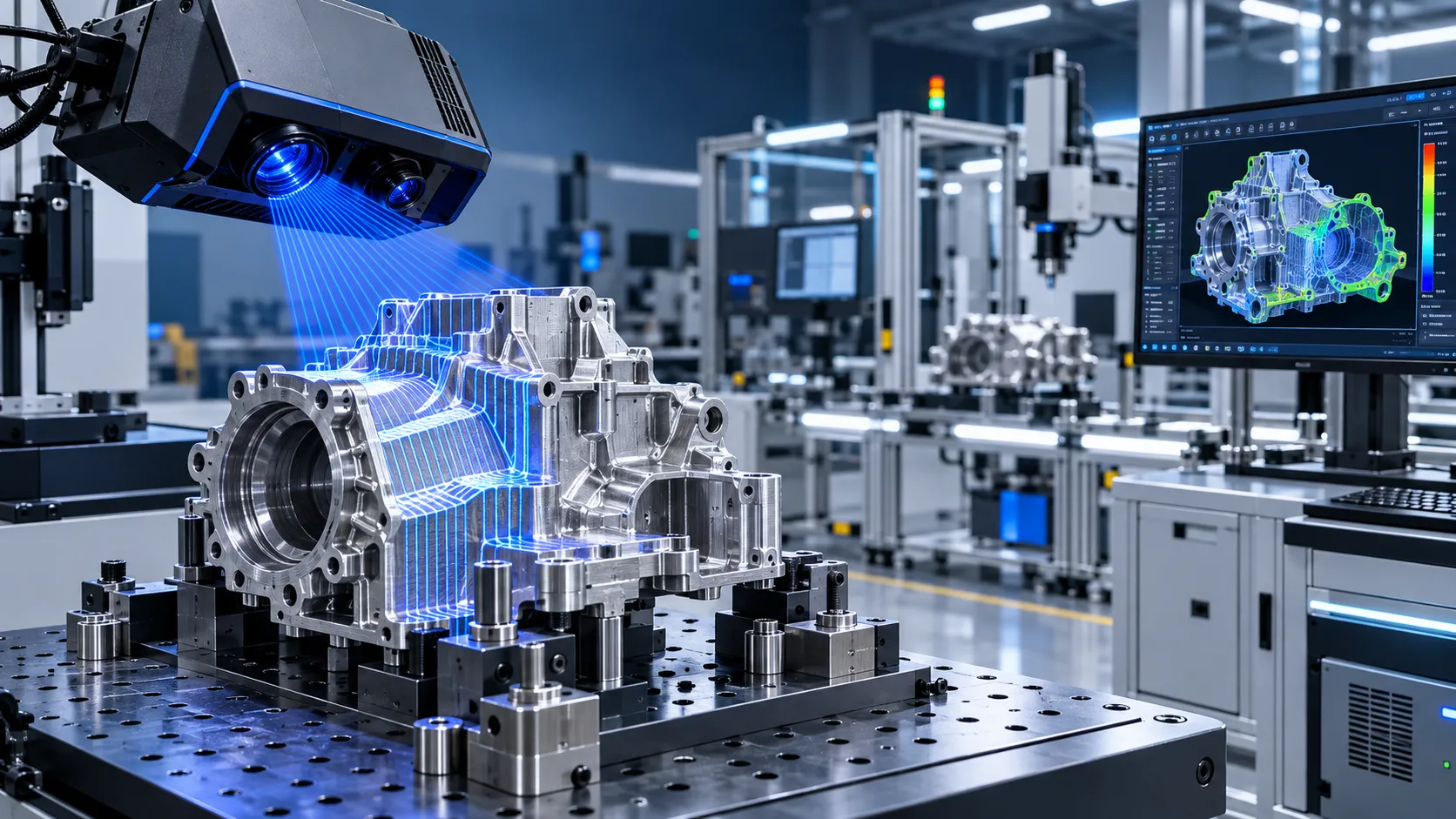
How to Select Optical Metrology Solutions for Tight-Tolerance Manufacturing
Optical industrial metrology solutions for tight-tolerance manufacturing: evaluate accuracy, surface compatibility, workflow, and traceability to select with confidence.
Related News
- 00
0000-00
Planning Access, Material Flow, and Clearance Around a 3200mm Sliding Saw - 00
0000-00
How to Select Vernier Precision Calipers for Tight-Tolerance Machining Inspection - 00
0000-00
How to Choose Metalworking Tools for Sheet Metal by Thickness and Forming Tasks - 00
0000-00
Metrology Technology Europe: Which Systems Improve Inspection Accuracy on the Line? - 00
0000-00
How to Choose Precision Measuring Instruments in North America for Tighter Tolerance Work
Metrology Fellow
Weekly Insights
Stay ahead with our curated technology reports delivered every Monday.