
Technology Integration Gaps That Slow Factory Upgrades





Factory upgrades rarely fail because machines are unavailable. They slow down when technology integration gaps break the link between equipment, software, data standards, and daily execution.
In industrial assembly, welding, inspection, and broader factory operations, technology integration determines whether automation investments create output, traceability, and stable quality.
When systems cannot share signals, recipes, measurements, or maintenance records, commissioning drags on. Rework grows, teams improvise, and upgrade timelines expand far beyond original plans.
For organizations tracking smart factory performance, GPTWM continuously observes how precision tools, metal joining systems, metrology platforms, and connected controls succeed or fail at the integration layer.
Why technology integration gaps look different across factory upgrade scenarios
Not every site faces the same technology integration challenge. A brownfield retrofit behaves differently from a greenfield line launch or a multi-plant digital standardization project.
The risk comes from assuming one architecture fits every environment. Upgrade speed depends on matching integration depth to operational complexity, safety demands, and data maturity.
In high-mix production, technology integration often centers on recipe control, tool traceability, and quick changeover logic. In heavy asset environments, reliability and interoperability usually matter more.
That is why factory leaders should judge gaps by scenario first, then by hardware, software, and governance requirements. This avoids expensive overdesign and dangerous underintegration.
Scenario 1: Brownfield retrofits where legacy equipment resists technology integration
Brownfield upgrades often begin with capable machines that still deliver output. The problem is that controls, sensors, and operator interfaces were never designed for modern connectivity.
Here, technology integration gaps appear in protocol mismatch, missing gateways, weak timestamp consistency, and poor event visibility between PLCs, MES, and quality databases.
Core judgment points in legacy retrofit conditions
- Can existing controllers expose reliable process data without affecting cycle time?
- Are welding, torque, or measurement records captured with consistent identifiers?
- Does the site rely on manual spreadsheets between production and maintenance systems?
- Is network segmentation prepared for both cybersecurity and machine availability?
If these questions remain unresolved, technology integration becomes a patchwork exercise. The line may look connected, yet decision data remains fragmented and difficult to trust.
Scenario 2: New automated lines where technology integration delays commissioning
Greenfield or newly automated lines seem easier because components are newer. In reality, technology integration issues often surface during startup, not equipment procurement.
Robots, welders, vision units, torque tools, and metrology devices may be individually capable. Commissioning slows when naming conventions, alarm logic, and data ownership were never aligned.
Typical warning signs during commissioning
- I/O mapping changes repeatedly after mechanical installation finishes.
- Quality checks run, but results cannot trigger process correction automatically.
- Tool controllers store production history locally instead of feeding central systems.
- Safety validation and production validation follow different logic structures.
In this scenario, technology integration must be treated as a commissioning workstream, not a final software task. Early interface definition shortens ramp-up and stabilizes output faster.
Scenario 3: Quality-driven factories where metrology and process systems stay disconnected
Factories focused on precision, welding integrity, or regulated documentation need more than machine uptime. They need feedback loops between production execution and measurement truth.
Technology integration gaps here appear when calipers, gauges, CMM outputs, leak tests, torque records, or weld parameters cannot be tied to part genealogy in real time.
Key judgment points for quality-centric environments
- Can process deviations trigger immediate containment actions?
- Are measurement systems synchronized with work order and serial data?
- Do welding and inspection datasets use the same traceability logic?
- Is calibration status visible inside production decision flows?
Without this level of technology integration, quality teams work reactively. Root cause analysis takes longer, and corrective action loses effectiveness because records are incomplete.
Scenario 4: Multi-site standardization where technology integration gaps block scale
Many groups modernize one plant successfully, then struggle to scale the model. Technology integration becomes harder when each site uses different vendor stacks and naming rules.
A local solution may perform well, but it often lacks portability. Data models, historian structures, and maintenance tags differ enough to break enterprise visibility.
This scenario requires architectural discipline. Integration should support local flexibility while preserving a common digital thread for quality, maintenance, energy, and performance reporting.
How scenario needs differ when planning technology integration
Practical technology integration recommendations by scenario
- Start with a signal inventory, not a software purchase list.
- Define data ownership across controls, MES, quality, and maintenance.
- Use a common tag, timestamp, and asset naming structure.
- Separate visualization goals from control-critical communication paths.
- Validate cybersecurity controls before adding remote access or cloud layers.
- Tie metrology, torque, welding, and inspection records to product genealogy.
- Make commissioning test cases include data flow, not only machine motion.
- Build enterprise standards that allow local extensions without breaking analytics.
These actions improve technology integration because they reduce ambiguity. They also create cleaner handoffs between engineering, operations, IT, automation, and quality systems.
Common misjudgments that hide technology integration gaps
One common mistake is treating connectivity as proof of integration. A machine that appears online may still deliver unusable or inconsistent production data.
Another mistake is postponing standards until after installation. By then, naming conflicts, duplicated tags, and manual workarounds are already embedded in the line.
Many upgrade teams also underestimate the importance of measurement integration. Precision tools and inspection systems are often isolated, even though they hold decisive evidence for quality improvement.
A final blind spot is ignoring maintainability. Technology integration should support diagnostics, spare parts logic, and calibration workflows, not only dashboard visibility.
A smarter next step for closing technology integration gaps
The fastest path to a better upgrade is a scenario-based integration review. Map each production area by control layer, data flow, traceability requirement, and failure exposure.
Then identify where technology integration creates the largest operational drag: startup delays, missing quality linkage, poor interoperability, or weak multi-site scalability.
GPTWM tracks these patterns across industrial assembly, welding, metrology, and precision tooling ecosystems. That intelligence helps turn factory modernization from a fragmented project into a connected performance system.
When technology integration is planned around real scenarios, upgrades move faster, decisions improve, and smart factory investments produce measurable industrial value.
Related News
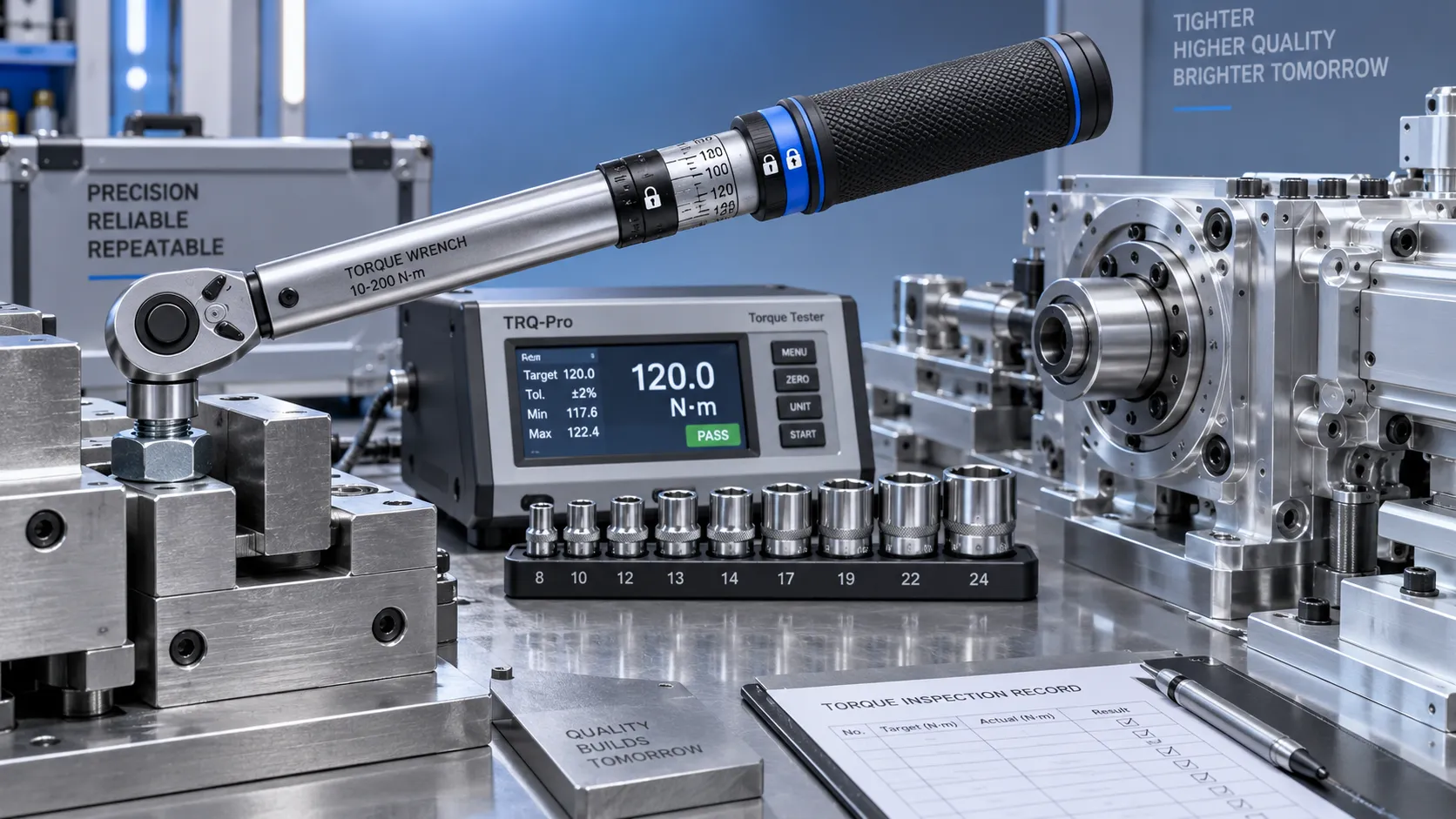
Selecting Adjustable Torque Tools for Repeatable Fastener Assembly
Adjustable torque tools: learn how to match range, accuracy, control methods, calibration, and ergonomics for repeatable, reliable fastener assembly.
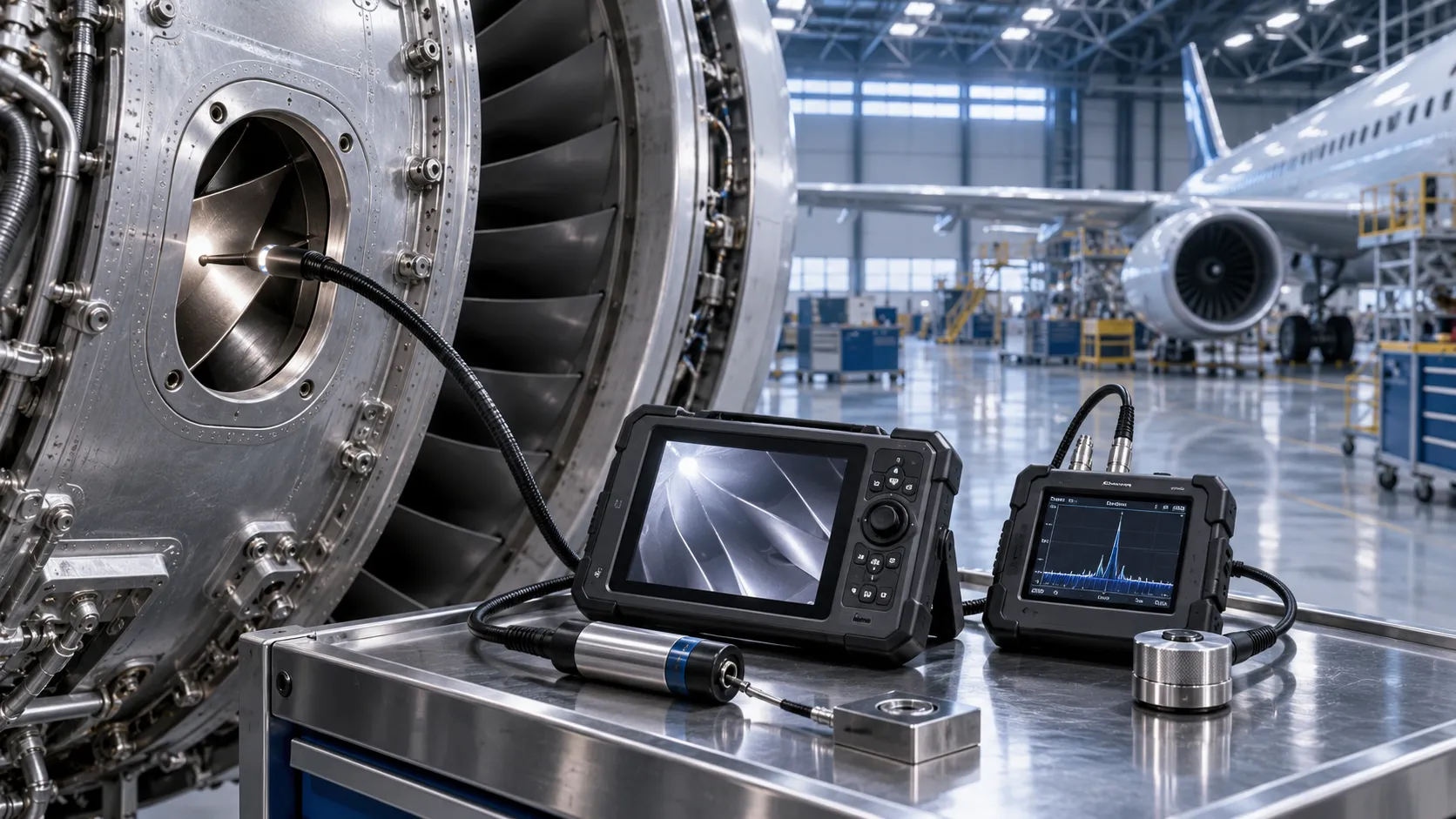
How to Select Aerospace Inspection Tools for Aircraft Maintenance Tasks
Aerospace maintenance inspection tools: learn how to select reliable, traceable equipment for aircraft access, accuracy, calibration, and compliant maintenance decisions.
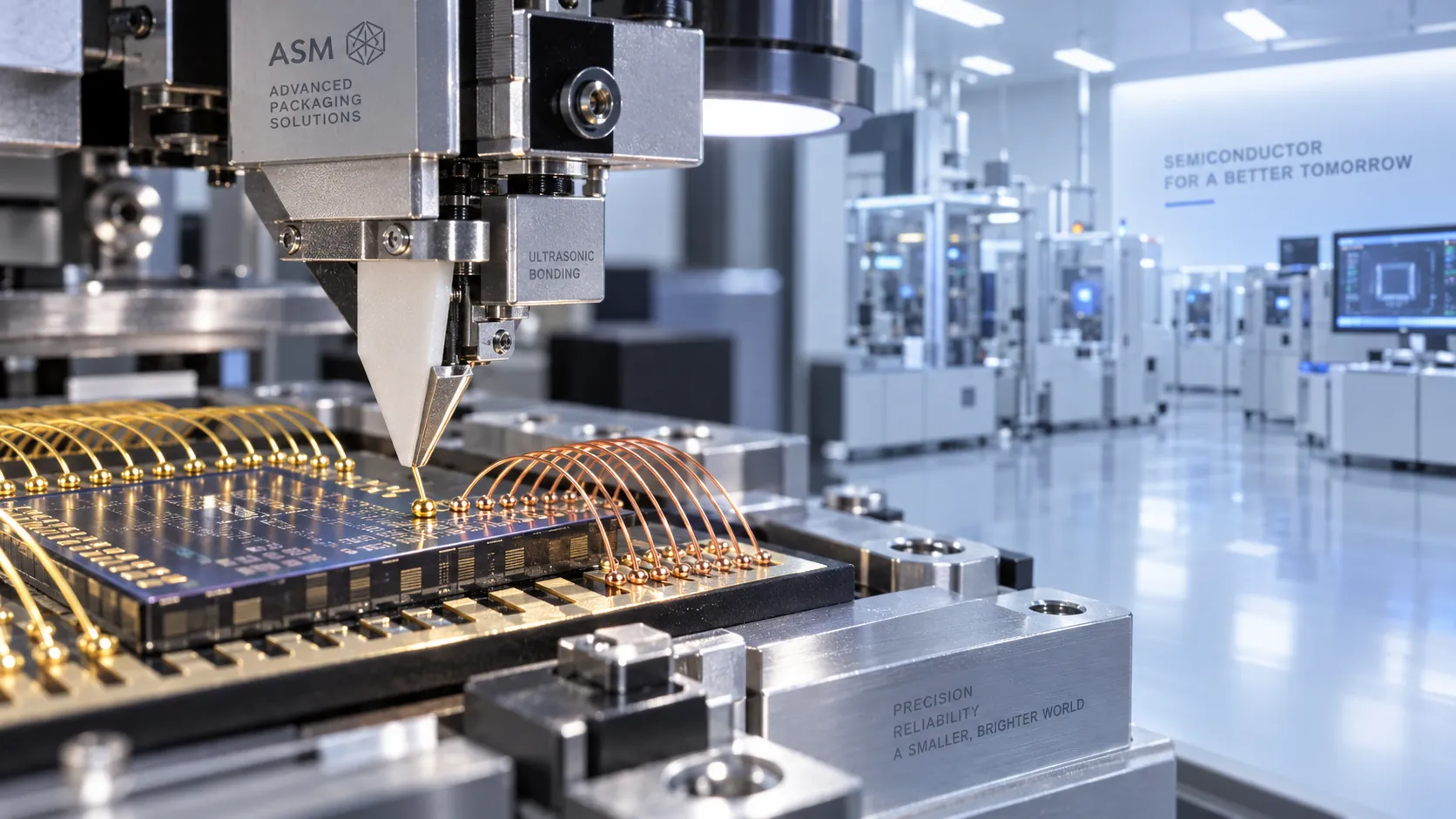
How to Select Wire Bonding Tools for Fine-Pitch Semiconductor Packaging
Explore semiconductor manufacturing tools for wire bonding and learn how to select precision solutions for fine-pitch packaging, reliable loops, accuracy, and yield.
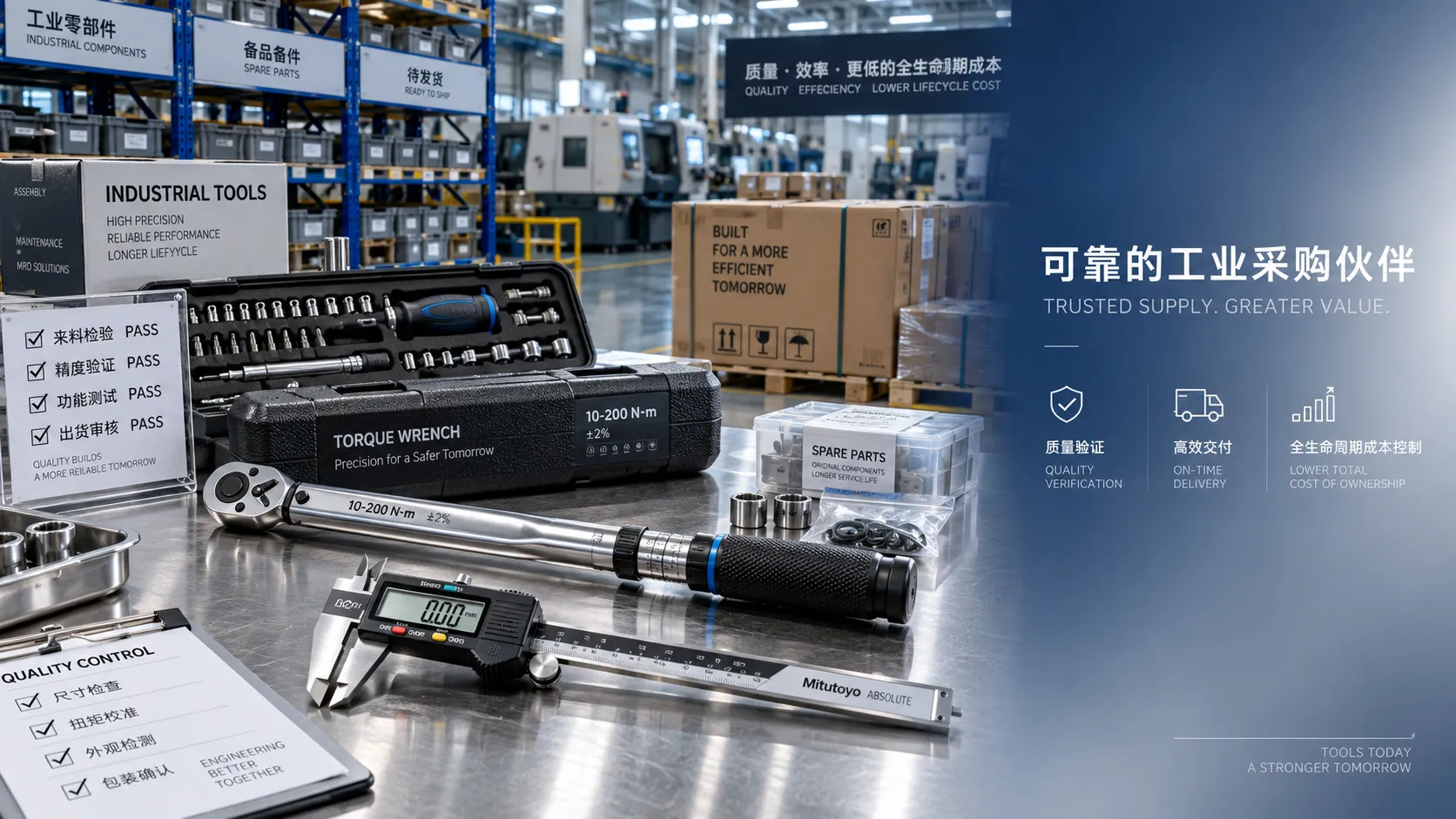
How to Compare Industrial Tool Suppliers for Quality, Lead Time, and Total Cost
Industrial tool selection supplier comparison made simple: evaluate quality, lead times, total cost, service, and supply resilience for confident sourcing decisions.
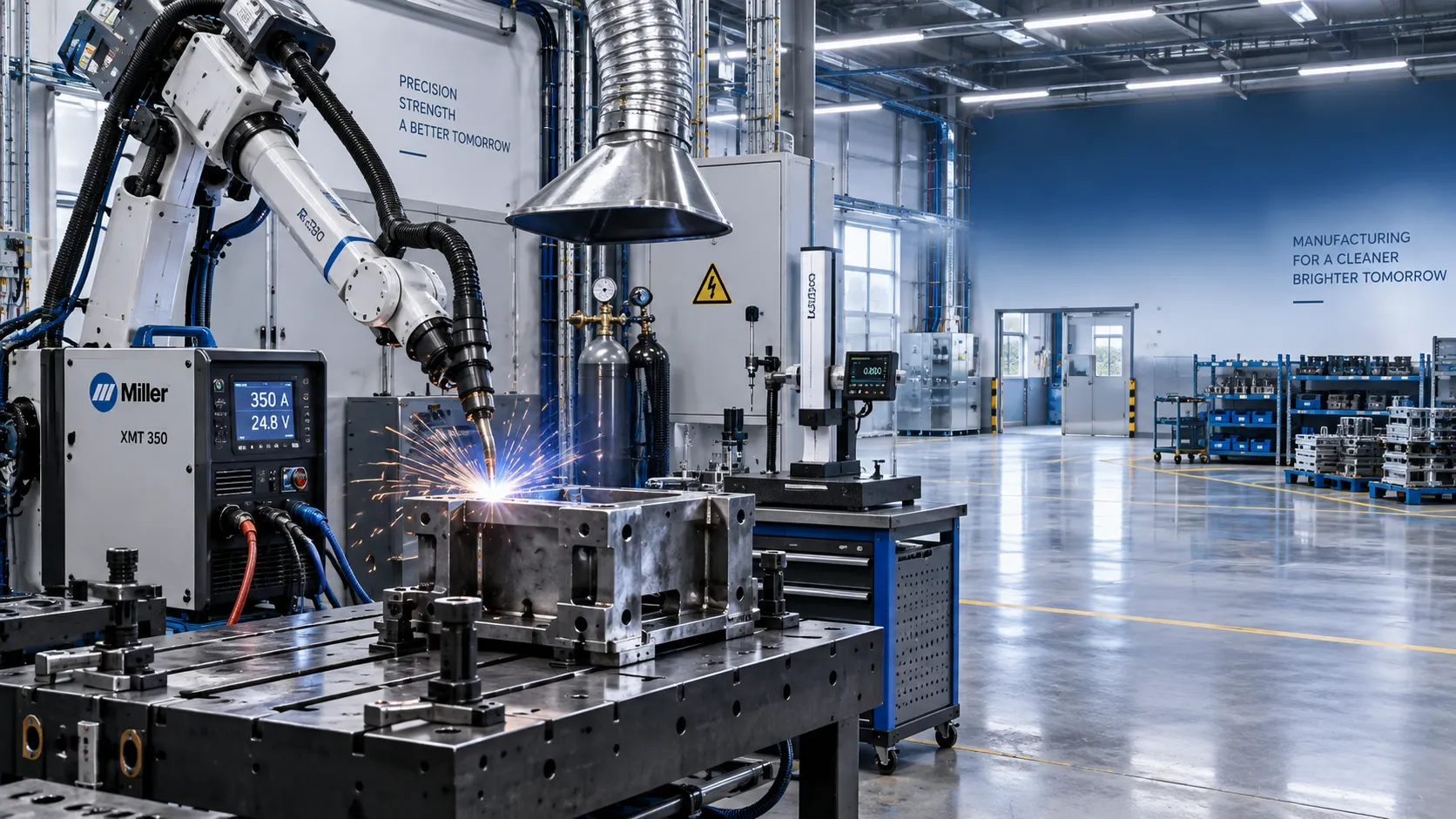
Industrial Equipment Application Guidance: Match Machines to Operating Conditions
Application guidance industrial equipment: match capacity, duty cycle, materials, site conditions, safety, and lifecycle cost to improve reliable output. Read the guide.
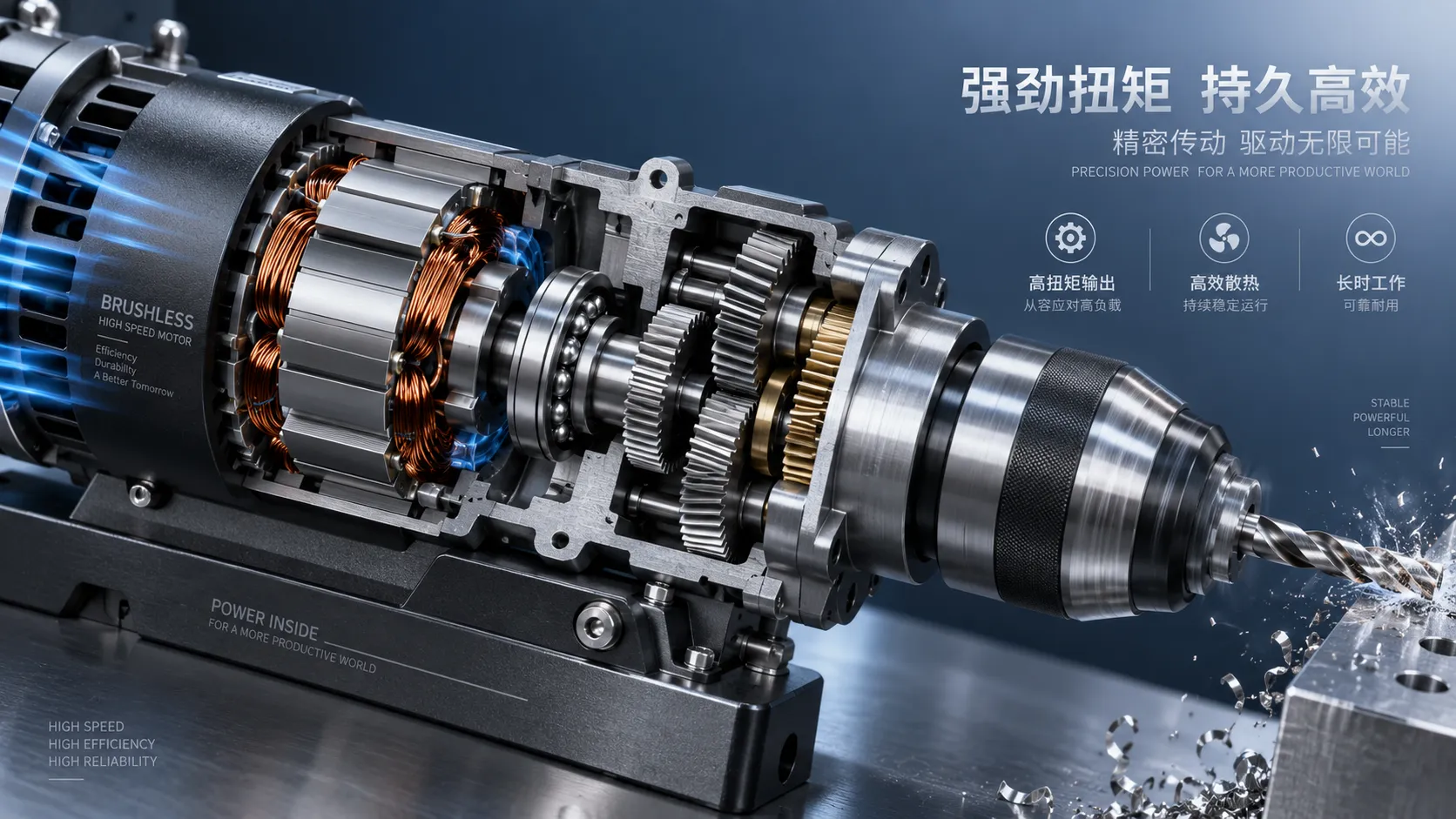
Selecting High-Speed Brushless Tool Motors for Torque, Heat, and Duty Cycle
High speed brushless tool motors: learn how to balance torque, heat, gearing, and duty cycle for reliable industrial tool performance and longer service life.
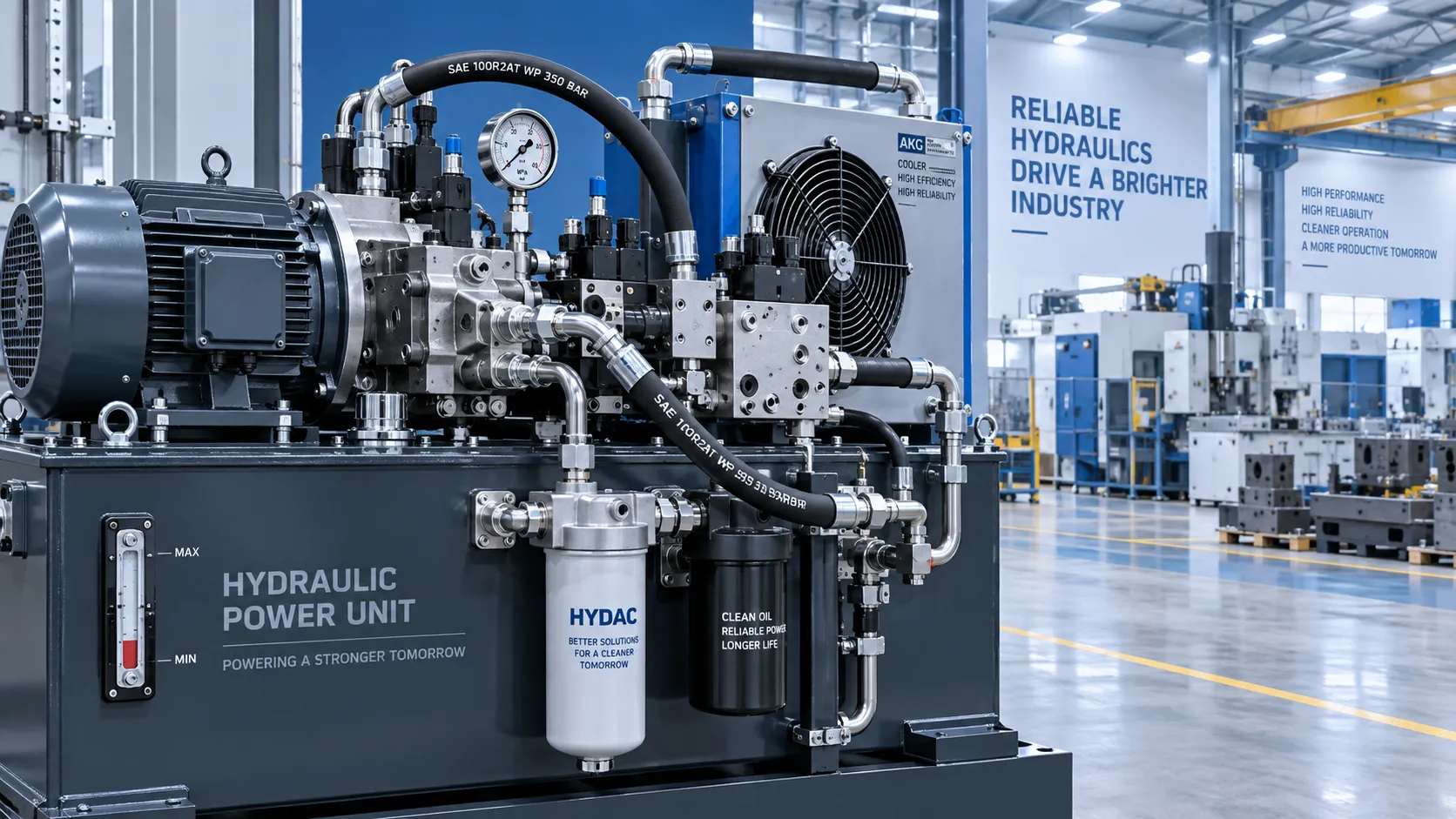
What Determines Industrial Hydraulic System Price for Heavy-Duty Equipment?
Industrial hydraulic system price depends on duty cycle, pressure, components, cooling, and integration. Compare quotes intelligently to secure reliable heavy-duty performance.
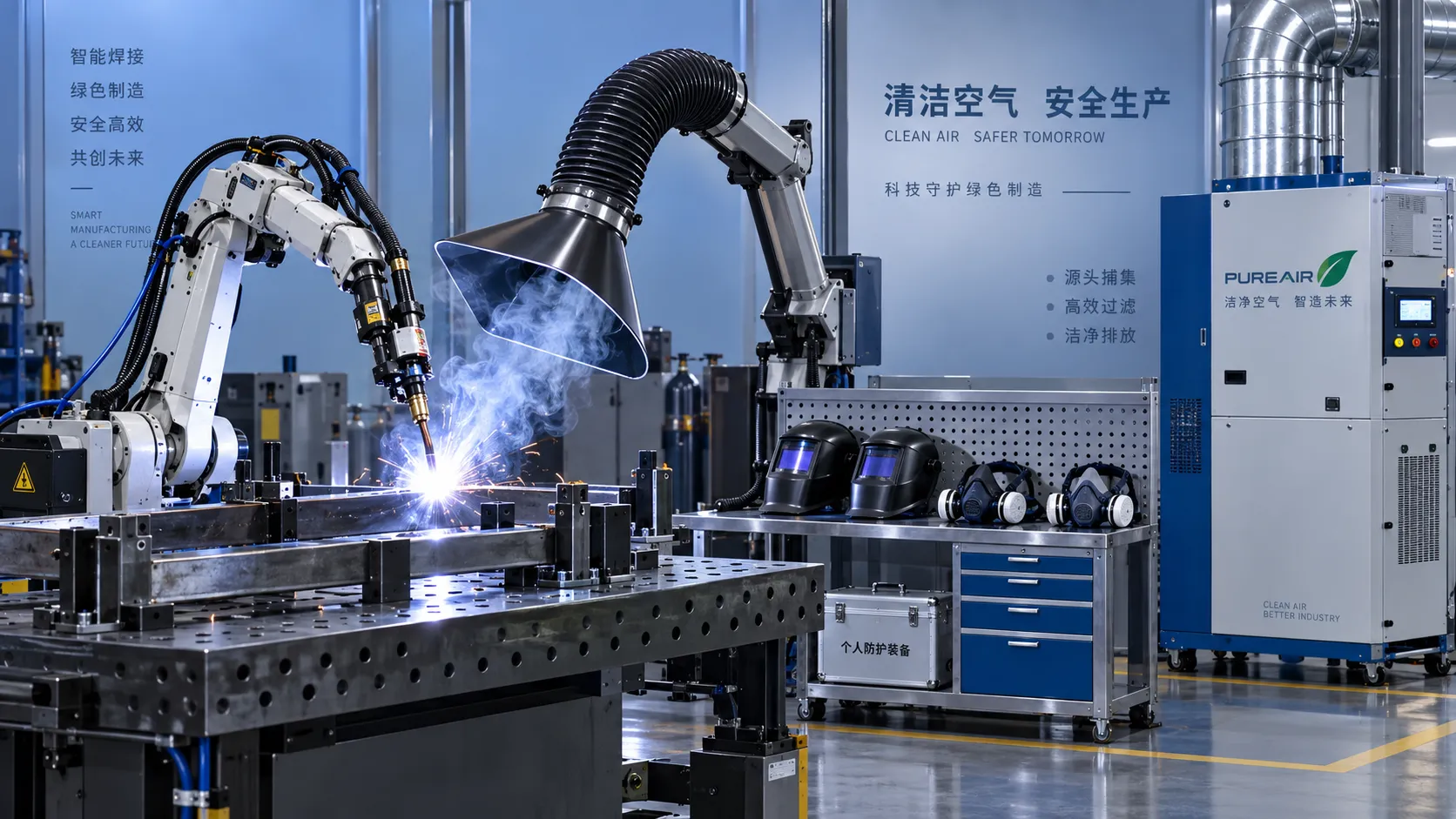
Welding Fume Extraction PPE: When Respirators Are Not Enough for Shop Safety
Welding fume extraction PPE: learn why respirators alone fall short and how source capture, ventilation, and layered controls improve shop safety.
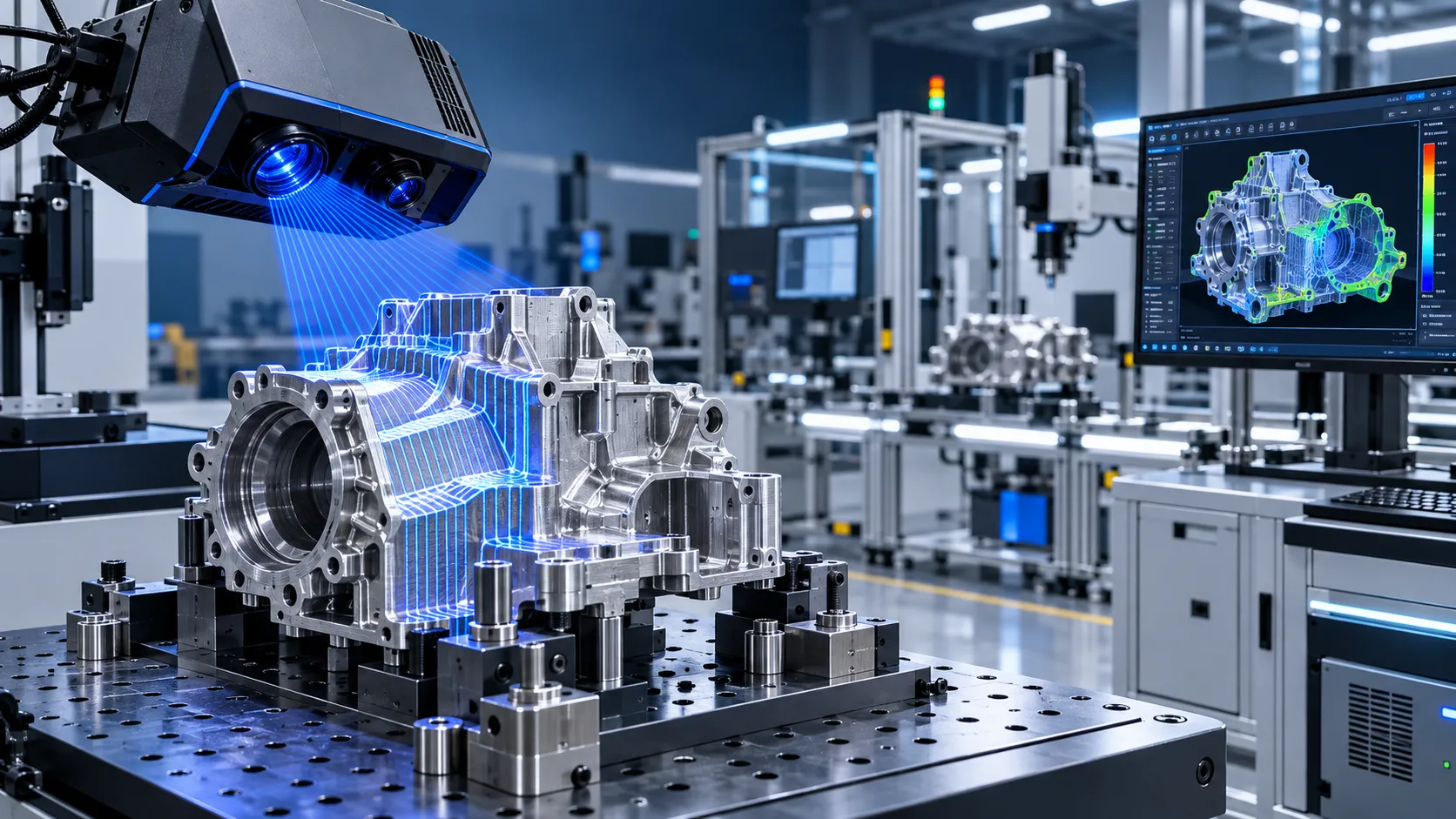
How to Select Optical Metrology Solutions for Tight-Tolerance Manufacturing
Optical industrial metrology solutions for tight-tolerance manufacturing: evaluate accuracy, surface compatibility, workflow, and traceability to select with confidence.
Related News
- 00
0000-00
Selecting Adjustable Torque Tools for Repeatable Fastener Assembly - 00
0000-00
How to Select Aerospace Inspection Tools for Aircraft Maintenance Tasks - 00
0000-00
How to Select Wire Bonding Tools for Fine-Pitch Semiconductor Packaging - 00
0000-00
Industrial Equipment Application Guidance: Match Machines to Operating Conditions - 00
0000-00
Selecting High-Speed Brushless Tool Motors for Torque, Heat, and Duty Cycle
Prof. Marcus Chen
Weekly Insights
Stay ahead with our curated technology reports delivered every Monday.