
Industrial IoT Projects Fail When Data Stays Siloed





Industrial IoT programs often begin with clear goals: better uptime, safer welding, tighter torque control, and faster quality feedback. Yet many initiatives slow down when data stays isolated inside machines, software, and departments.
In industrial assembly, metal joining, and precision metrology, disconnected information blocks the real value of industrial IoT. It prevents a shared view of process health, asset status, quality drift, and operator response.
For platforms like GPTWM, this issue matters because the last mile of manufacturing depends on timing, traceability, and accuracy. When data remains siloed, digital transformation produces dashboards, but not decisions.
Why industrial IoT fails in multi-system production environments
Not every industrial IoT failure comes from weak sensors or poor connectivity. In many sites, the deeper problem is fragmented architecture across ERP, MES, PLCs, welding systems, tool controllers, and metrology platforms.
Each system may work well alone. Failure appears when production teams need cross-system answers, such as why a weld defect rose after a torque adjustment and a material batch change.
Industrial IoT creates value only when operational data, quality data, and maintenance data can be linked by time, asset, process, and product context.
The first warning sign: visibility without action
Many plants can see machine signals in real time. However, they still cannot trigger useful action because the data lacks workflow connection, ownership rules, and business meaning.
This turns industrial IoT into a monitoring layer instead of an operational system. Real transformation needs closed-loop response, not isolated alerts.
Scenario one: industrial assembly lines need connected torque, quality, and traceability data
Assembly environments often deploy smart nutrunners, torque tools, barcode systems, and station controllers. On paper, this looks like a strong industrial IoT foundation.
Problems emerge when fastening results cannot connect with part genealogy, rework history, or downstream inspection. Then a failed audit or field issue becomes difficult to isolate quickly.
The key judgment point is simple: can one product record show torque curves, operator event timing, component identity, and final quality result in one place?
- If yes, industrial IoT supports traceability and process improvement.
- If no, quality escapes remain hidden behind separate logs.
Scenario two: welding operations need process data linked to safety, maintenance, and output quality
Welding cells generate rich industrial IoT data, including current, voltage, wire feed, shielding gas status, and thermal patterns. Yet these signals rarely deliver value by themselves.
If welding parameters are stored apart from consumable usage, fixture wear, and inspection outcomes, root-cause analysis becomes slow and uncertain.
This is especially important as handheld laser welding and advanced arc systems expand. Safety events, training compliance, and process windows must be connected to part-level results.
What to verify in this scenario
An effective industrial IoT setup should reveal whether quality shifts come from operator variation, equipment drift, material inconsistency, or maintenance delay.
Without that linkage, teams may replace hardware, retrain operators, or change settings unnecessarily, increasing cost while preserving the real problem.
Scenario three: metrology workflows need industrial IoT data that closes the loop with production
Precision measurement often sits downstream from production, even though it should influence the process upstream. That separation is one reason industrial IoT projects underperform.
Gauge readings, CMM outputs, handheld measurement logs, and calibration data are highly valuable. But they lose impact if they do not feed back into machine settings or process controls.
The core judgment point here is whether dimensional deviation can trigger timely correction in tooling, welding sequence, or assembly parameters.
- Connected metrology supports predictive quality.
- Siloed metrology supports only delayed detection.
How industrial IoT requirements change across different scenarios
Different industrial environments do not need the same data model, update speed, or integration depth. That is why generic industrial IoT architecture often disappoints.
Practical ways to adapt industrial IoT architecture to each scenario
The best industrial IoT strategy does not start with more sensors. It starts with deciding which decisions need shared data, and which systems must exchange context.
- Map decision points before mapping devices.
- Define a common asset, product, and timestamp structure.
- Prioritize one closed-loop use case per production scenario.
- Connect quality outcomes to process variables early.
- Use governance rules for ownership, validation, and retention.
In assembly, start with traceability logic. In welding, start with parameter-to-quality linkage. In metrology, start with feedback timing and calibration integrity.
This scenario-based approach makes industrial IoT measurable. It also reduces the common mistake of building broad infrastructure without operational use.
Common industrial IoT misjudgments that keep data siloed
Several repeated errors explain why industrial IoT deployments lose momentum after pilot success.
- Assuming connectivity equals integration.
- Collecting high volumes of signals without process context.
- Treating quality systems as separate from production systems.
- Ignoring calibration, maintenance, and operator event data.
- Scaling dashboards before proving a closed decision loop.
Another overlooked point is standards alignment. If naming, event timing, or equipment identity differ across systems, industrial IoT analysis becomes unreliable even after technical integration.
That issue is highly relevant in global operations where export rules, process documentation, and ergonomic standards may vary between sites.
What successful industrial IoT programs do differently
High-performing industrial IoT programs focus on intelligence stitching across the last mile of manufacturing. They connect tools, welding assets, and metrology results into a usable operational narrative.
They also treat data as a production resource, not only an IT resource. That means every signal must support a decision involving uptime, quality, safety, throughput, or compliance.
This is where GPTWM’s perspective is useful. Strategic intelligence on tool efficiency, welding safety, and metrology demand helps identify which industrial IoT links matter most commercially and operationally.
Next steps to turn industrial IoT data into operational value
Begin with one production scenario where siloed data already causes visible loss. Measure the delay, defect, or traceability gap caused by separation between systems.
Then define a minimum connected model. Include process data, quality data, maintenance status, and product identity. Make sure the output supports one clear action.
Review whether current industrial IoT tools can provide shared context, not just shared transport. If they cannot, integration priorities should change before scaling.
Industrial IoT projects fail when data stays siloed because factories do not run on signals alone. They run on connected decisions. Once data moves with context, the path from visibility to measurable value becomes much clearer.
Related News
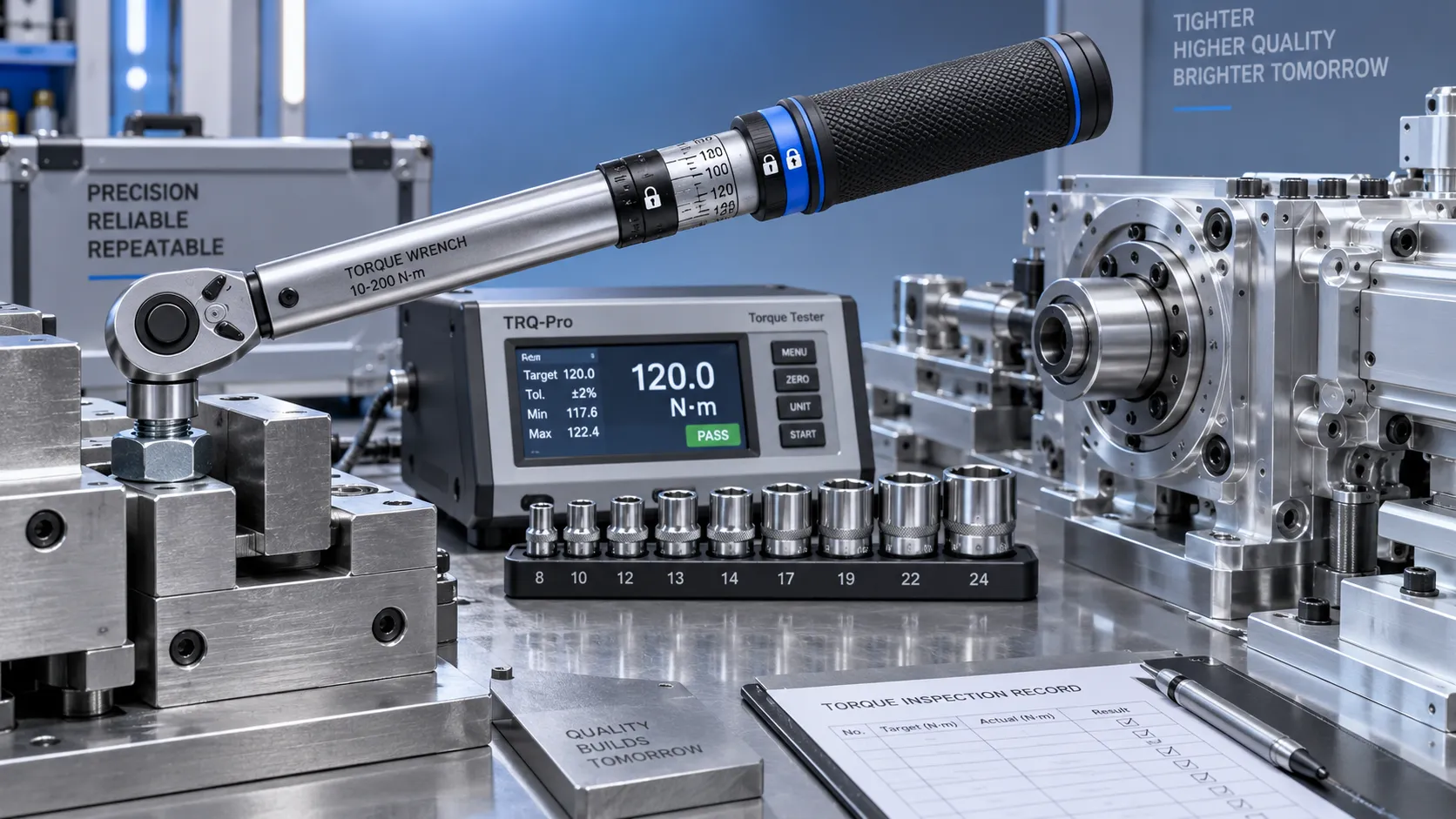
Selecting Adjustable Torque Tools for Repeatable Fastener Assembly
Adjustable torque tools: learn how to match range, accuracy, control methods, calibration, and ergonomics for repeatable, reliable fastener assembly.

How to Select Aerospace Inspection Tools for Aircraft Maintenance Tasks
Aerospace maintenance inspection tools: learn how to select reliable, traceable equipment for aircraft access, accuracy, calibration, and compliant maintenance decisions.

How to Select Wire Bonding Tools for Fine-Pitch Semiconductor Packaging
Explore semiconductor manufacturing tools for wire bonding and learn how to select precision solutions for fine-pitch packaging, reliable loops, accuracy, and yield.
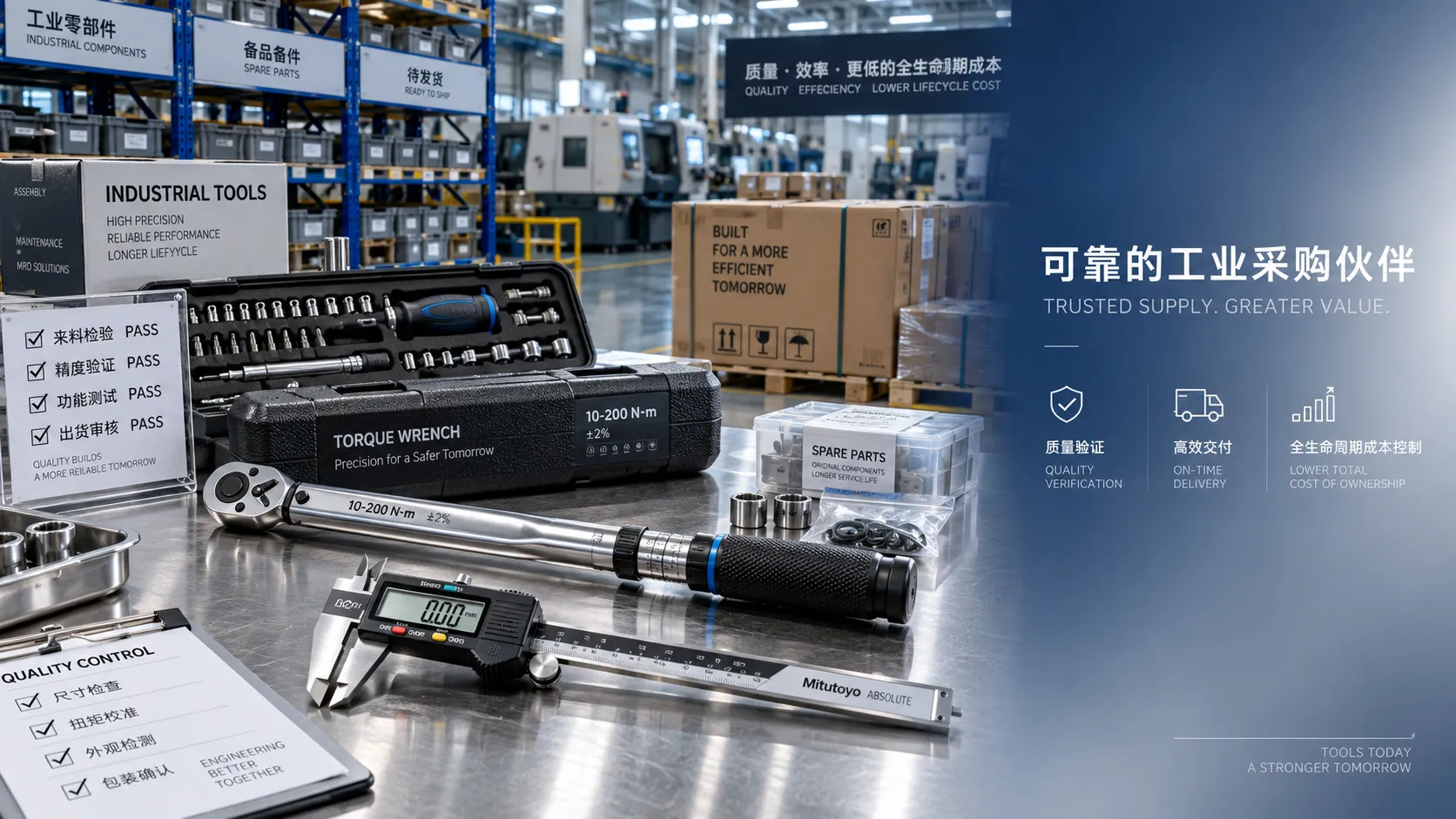
How to Compare Industrial Tool Suppliers for Quality, Lead Time, and Total Cost
Industrial tool selection supplier comparison made simple: evaluate quality, lead times, total cost, service, and supply resilience for confident sourcing decisions.
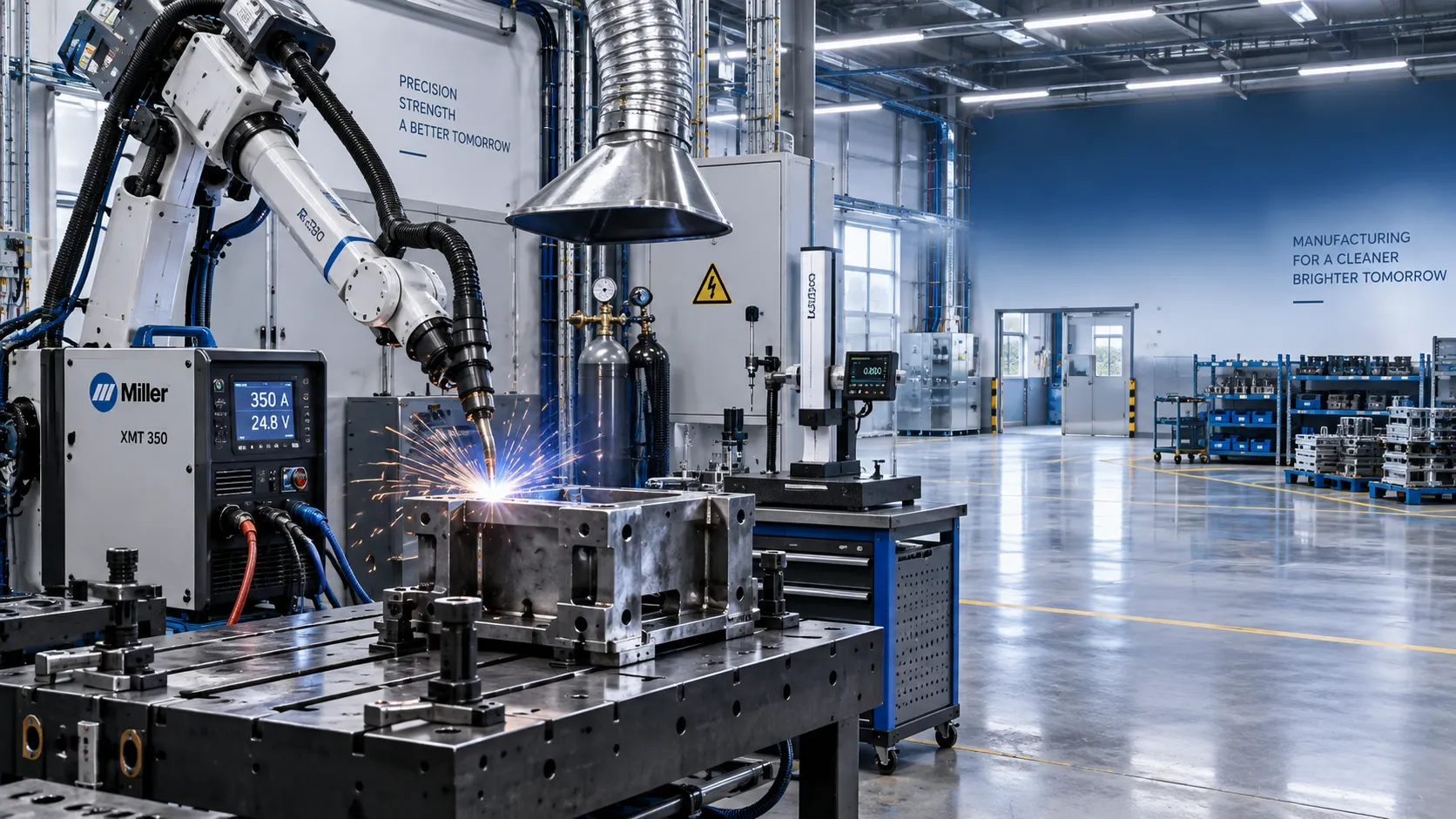
Industrial Equipment Application Guidance: Match Machines to Operating Conditions
Application guidance industrial equipment: match capacity, duty cycle, materials, site conditions, safety, and lifecycle cost to improve reliable output. Read the guide.
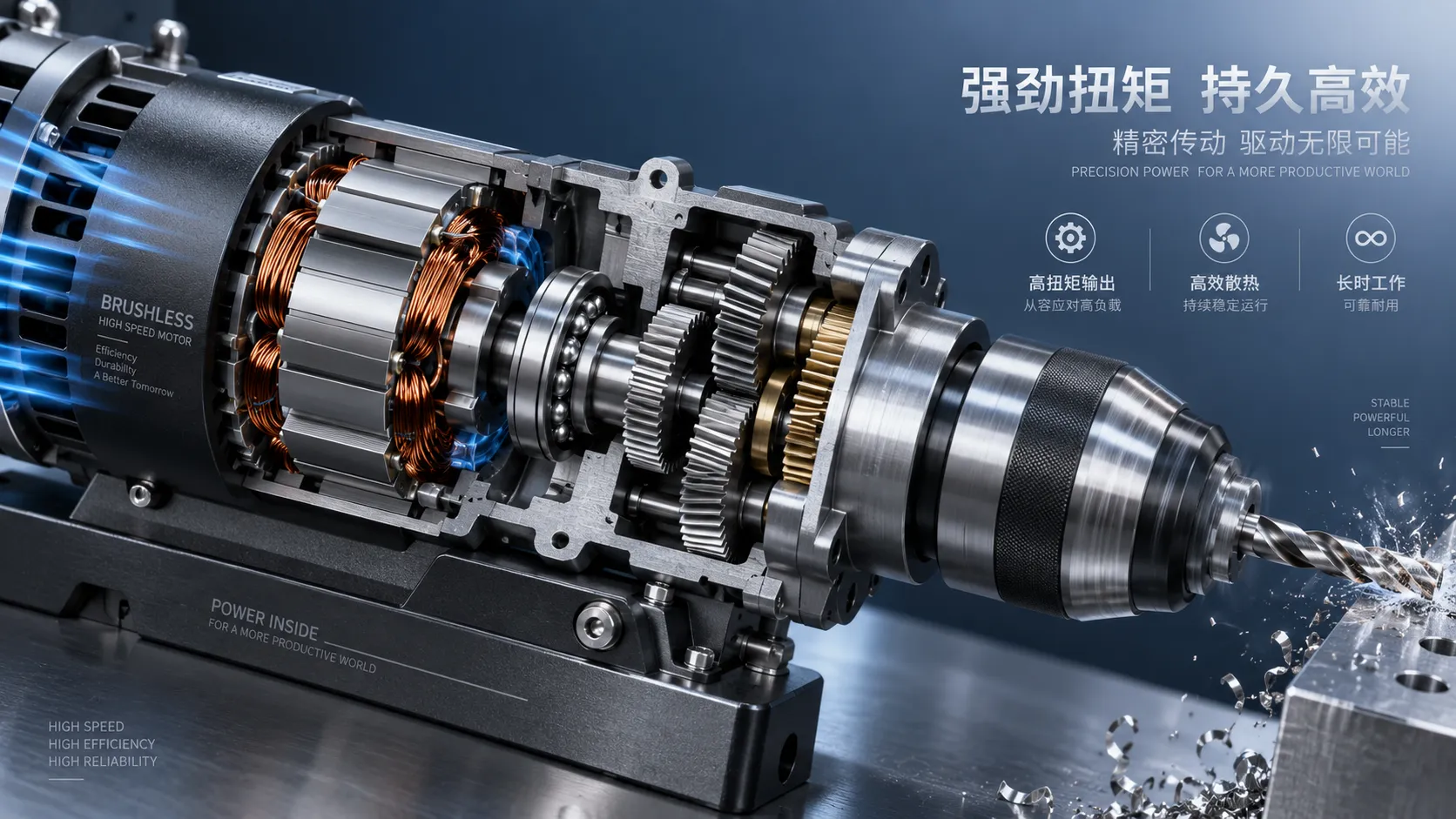
Selecting High-Speed Brushless Tool Motors for Torque, Heat, and Duty Cycle
High speed brushless tool motors: learn how to balance torque, heat, gearing, and duty cycle for reliable industrial tool performance and longer service life.
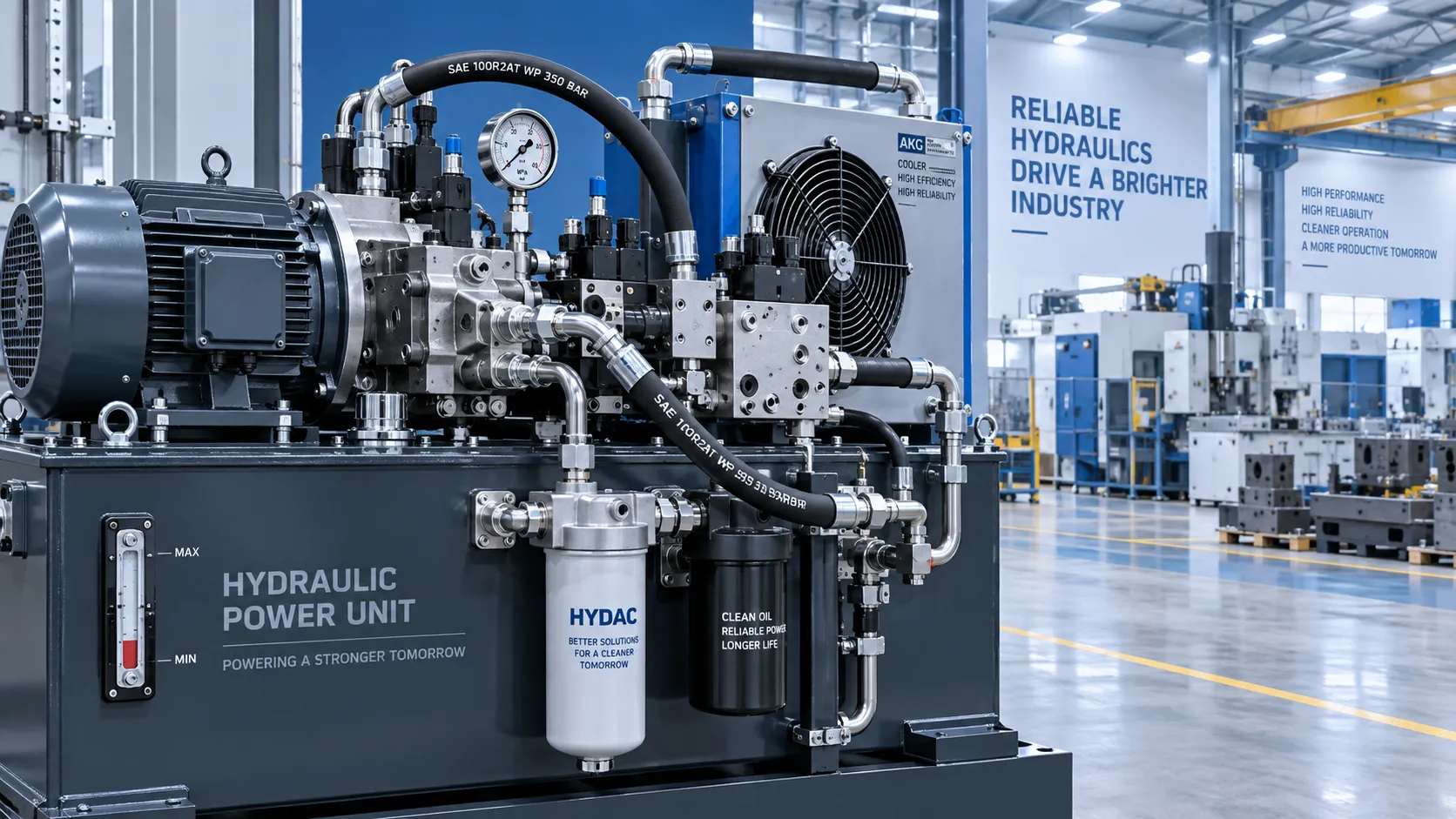
What Determines Industrial Hydraulic System Price for Heavy-Duty Equipment?
Industrial hydraulic system price depends on duty cycle, pressure, components, cooling, and integration. Compare quotes intelligently to secure reliable heavy-duty performance.
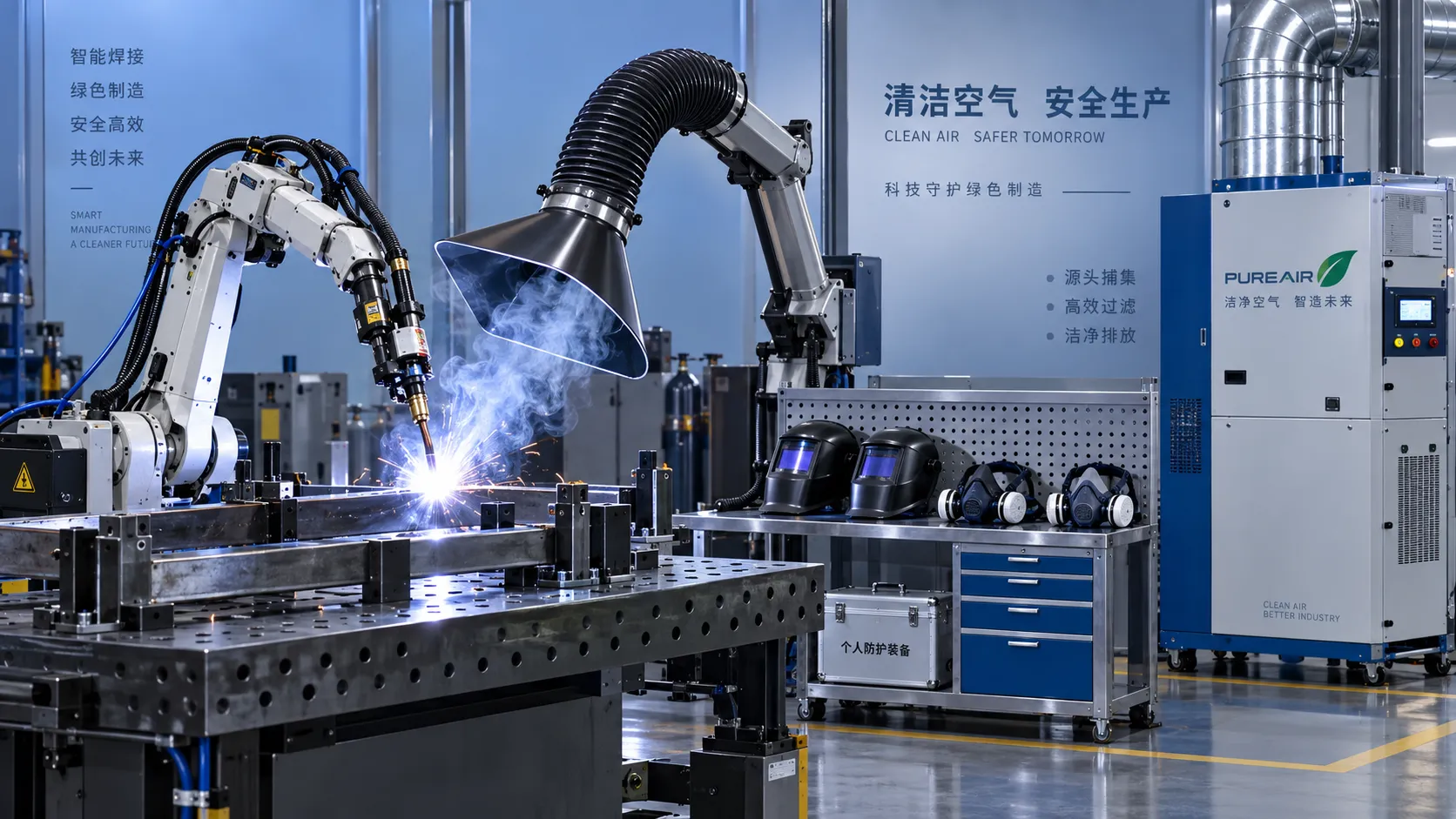
Welding Fume Extraction PPE: When Respirators Are Not Enough for Shop Safety
Welding fume extraction PPE: learn why respirators alone fall short and how source capture, ventilation, and layered controls improve shop safety.
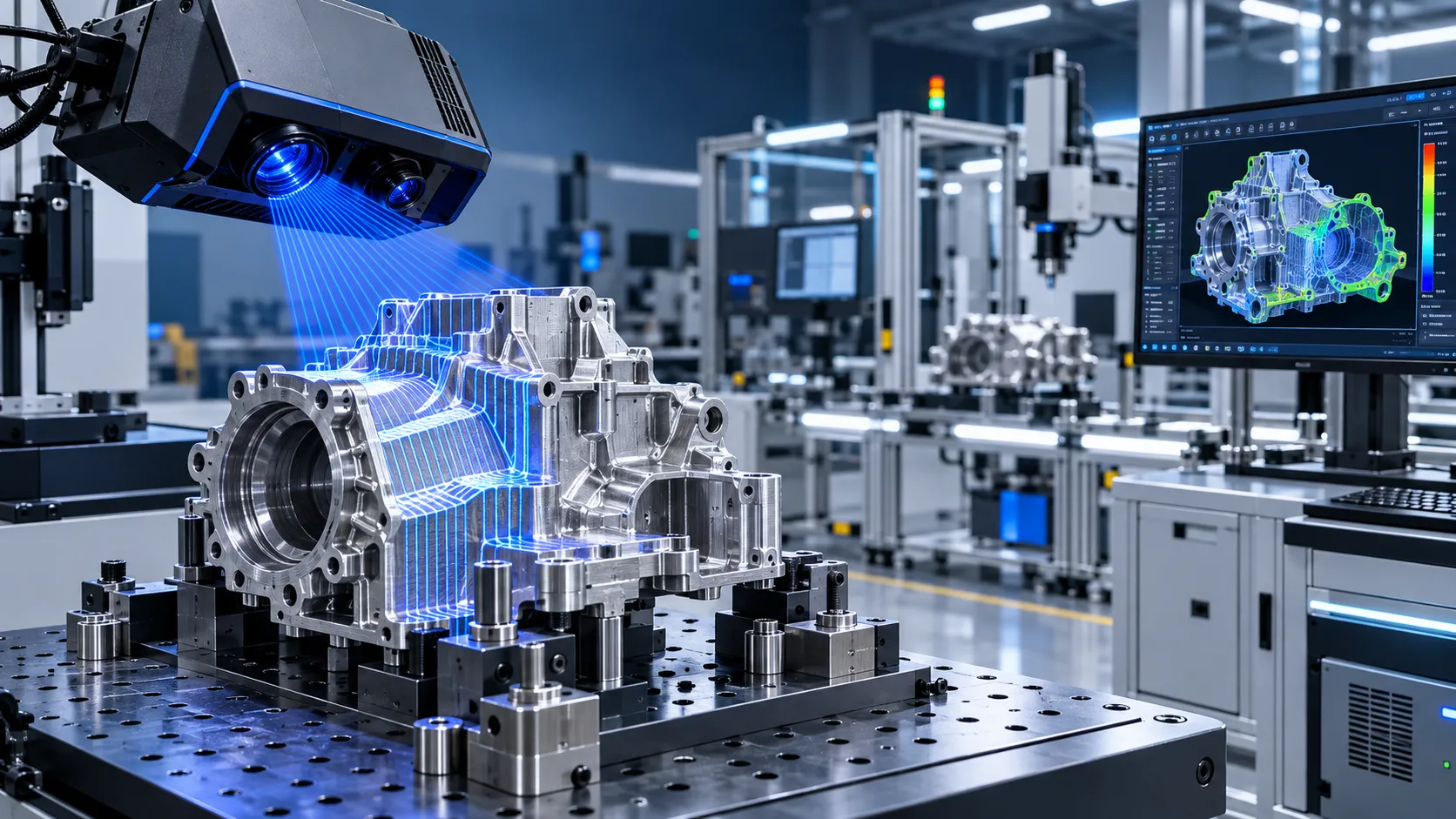
How to Select Optical Metrology Solutions for Tight-Tolerance Manufacturing
Optical industrial metrology solutions for tight-tolerance manufacturing: evaluate accuracy, surface compatibility, workflow, and traceability to select with confidence.
Related News
- 00
0000-00
Selecting Adjustable Torque Tools for Repeatable Fastener Assembly - 00
0000-00
How to Select Aerospace Inspection Tools for Aircraft Maintenance Tasks - 00
0000-00
How to Select Wire Bonding Tools for Fine-Pitch Semiconductor Packaging - 00
0000-00
Industrial Equipment Application Guidance: Match Machines to Operating Conditions - 00
0000-00
Selecting High-Speed Brushless Tool Motors for Torque, Heat, and Duty Cycle
Prof. Marcus Chen
Weekly Insights
Stay ahead with our curated technology reports delivered every Monday.