
Are Lower-Cost Metalworking Tools More Likely to Fail Early?





Lower-cost metalworking tools are more likely to fail early when the price reduction comes from weaker materials, looser manufacturing control, undersized electrical components, or limited inspection before shipment. But price alone is not a reliable predictor of service life. A modestly priced grinder, drill, welding accessory, clamp, or measuring tool can be a sensible purchase for intermittent work, while an expensive tool can still fail if it is overloaded, poorly maintained, or used outside its intended duty cycle.
For a workshop, maintenance team, distributor, or production buyer, the practical question is not whether inexpensive tools are inherently bad. It is whether the tool can perform the required work consistently without creating unacceptable downtime, safety exposure, rework, or replacement cost. Early failure matters most where a tool sits inside a production sequence: one failed angle grinder may delay a repair, but one inaccurate caliper or unstable welding power source can affect every part that follows.
What lower prices can conceal
Tool pricing reflects more than a brand name or sales margin. In metalworking equipment, a lower price may result from legitimate choices such as simpler controls, fewer accessories, a smaller distribution network, or lower packaging costs. It may also reflect compromises that are difficult to see before use.
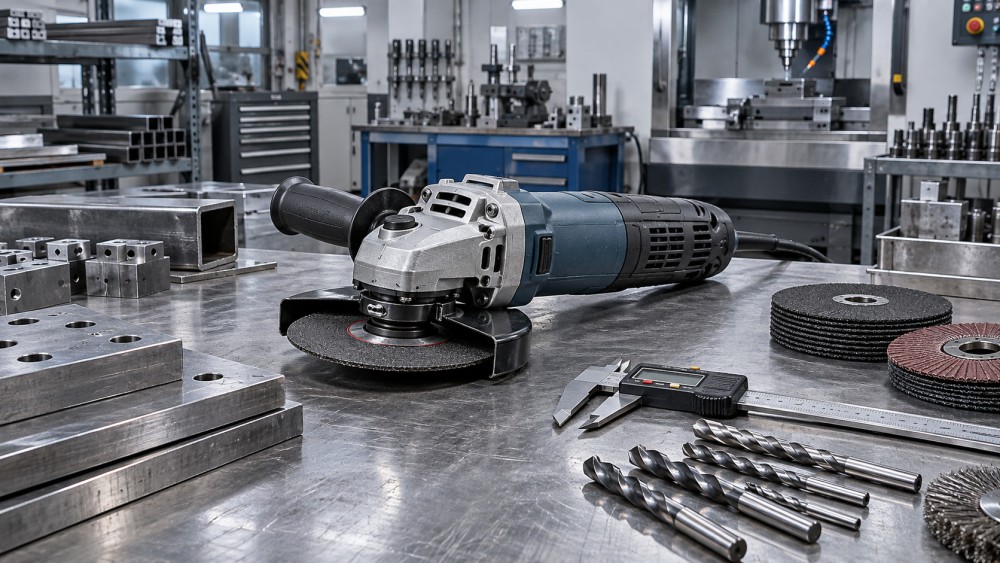
Common pressure points include motor windings, bearings, gear sets, switch assemblies, cable strain relief, chuck construction, insulation, protective guards, and cooling paths. On measuring tools, the concern may shift to guide surfaces, spindle wear, jaw geometry, display electronics, battery contacts, and the stability of calibration over repeated use. A low purchase price does not identify which of these areas have been reduced, so buyers need to look beyond the headline specification.
A tool can appear capable on paper while carrying less thermal reserve than its rated competitor. A portable grinder might list comparable power, for example, yet use less effective cooling, smaller bearings, or a gear train with poorer finish. It may perform adequately for short, light tasks and still wear quickly when used for continuous weld preparation, heavy stock removal, or repeated cutting.
The same distinction applies to welding and fastening tools. A low-cost unit may start an arc, turn a fastener, or deliver an initial reading successfully. The longer-term question is whether its output stays stable as components heat up, consumables wear, supply voltage varies, and the work cycle becomes repetitive.
Failure risk is tied to duty cycle, not just tool category
The gap between lower-cost and premium equipment often becomes more visible as utilization rises. A tool used occasionally for repair work has time to cool, is less likely to encounter repeated shock loading, and may complete its useful life before wear becomes a serious concern. That same tool in a fabrication bay may be expected to run for much of a shift, handle abrasive dust, survive frequent handling, and return to service immediately after stoppages.
Buyers should therefore define the workload before comparing offers. “Metalworking” covers very different operating conditions. Deburring stainless parts, drilling mild-steel brackets, cutting structural plate, assembling aluminum frames, and measuring close-tolerance machined features create different loads and different consequences when a tool drifts or stops.
Duty cycle is particularly important for corded and cordless power tools. The rated power or voltage does not by itself explain how a tool will cope with sustained load. Heat is the common enemy. Repeated overheating can degrade insulation, lubricant, electronics, magnets, battery cells, and mechanical tolerances long before the tool visibly fails. A buyer comparing compact tools should ask how long the intended task lasts, how often it repeats, and whether the tool will work in dust, heat, moisture, or confined spaces.
Early failure is not always a dramatic breakdown
Many purchasing decisions focus on catastrophic failure: a motor burns out, a switch stops working, a charger fails, or a housing cracks. In metalworking, however, gradual loss of performance can be more expensive and harder to detect.
A drill may develop runout that makes hole quality inconsistent. A grinder may vibrate more as bearings deteriorate, increasing operator fatigue and reducing finish quality. A torque tool may still operate but no longer deliver the intended fastener preload. A digital caliper may turn on and display a measurement while its repeatability or zero stability has become questionable. A welding torch may continue to function while its consumable interface, cable, or gas path produces unstable results.
These are failures of process confidence. They matter because metalworking work is often cumulative. An inaccurate cut affects fit-up; poor fit-up complicates welding; unstable welding can create rework; rework consumes labor, material, and capacity. The financial effect is rarely limited to the cost of the damaged tool.
That does not mean every low-cost tool creates quality problems. It means the buyer should separate tools whose failure merely slows a task from tools whose degraded performance can silently affect output. This is one of the clearest places to justify spending more selectively.
Where a lower-cost choice can make sense
Lower-cost equipment is often rational when the application is clearly bounded. A reserve grinder held for occasional use, a tool assigned to low-risk rough work, or a basic hand tool for non-critical maintenance may not need the same construction, documentation, service support, or lifespan as a primary production asset.
It can also be sensible when the buyer has a controlled replacement strategy. If a workshop keeps compatible spare units, uses standard consumables, and can replace a failed tool without disrupting a critical operation, the economic case may favor a lower initial price. The calculation changes when repair lead times are long, service parts are unavailable, or a particular tool is difficult to substitute.
For distributors, the distinction is equally important. Selling a value-tier tool into an occasional-use market can be appropriate when its stated limits are clear. Positioning the same tool as an equivalent substitute for continuous industrial service creates a higher risk of returns, disputes, and damage to customer trust. Product segmentation should describe the workload it is intended to handle, not simply divide tools into “professional” and “budget” labels.
- Choose lower-cost tools more confidently for intermittent, non-critical tasks with modest loads.
- Be more cautious where accuracy, operator safety, or process continuity depends on consistent performance.
- Use a backup-and-replace approach only when replacement is genuinely fast and operationally tolerable.
- Avoid assigning lightly built tools to work that repeatedly exceeds their thermal, mechanical, or environmental limits.
What to compare before accepting the lower price
Published specifications are useful, but they are only the starting point. Two tools with similar speed, voltage, capacity, or nominal output may differ significantly in how those figures were established and how long they can be maintained. Buyers should focus on evidence that relates to the tool’s likely failure modes.
Build details and serviceability
Look for practical signs of construction quality: robust guards, secure cable entry, accessible brushes or service points where relevant, protected controls, solid battery engagement, and components that do not feel loose or poorly aligned. For tools subject to dust or metal debris, sealing and ventilation design deserve attention. For welding equipment, cable quality, connector fit, torch compatibility, and cooling provisions may influence reliability as much as the power source itself.
Serviceability is often underestimated. A repairable tool with available switches, gears, bearings, chargers, batteries, or replacement leads may offer a better ownership profile than a cheaper sealed unit that must be discarded after a minor component failure. Availability matters more than the existence of a warranty statement. A warranty cannot prevent downtime, and it is of limited value if claim handling, turnaround, or replacement logistics are unclear.
Consistency rather than peak claims
Ask whether the tool must meet a tolerance or maintain a performance level over time. For precision measuring instruments, this may involve repeatability, zero return, surface protection, and a suitable calibration process. For torque-related assembly work, it involves reliable verification rather than reliance on a setting printed on the tool. For cutting and grinding, it may involve vibration, heat buildup, spindle condition, and the ability to run the required abrasive safely.
A lower-priced option may be entirely adequate if the process includes independent verification. A basic measuring tool used for rough setup can be paired with a higher-grade instrument for final inspection. A value power tool may be suitable for preliminary cleaning while final preparation is performed with equipment selected for sustained control. Layering tools by task can reduce spending without placing the weakest equipment at the point of highest consequence.
Compatibility with the actual operating environment
Many early failures are caused by a mismatch between the tool and its environment rather than a hidden manufacturing defect. Metal dust, grinding debris, welding spatter, poor power supply, compressed-air contamination, wet outdoor work, and inadequate storage all accelerate wear. Cordless tools introduce another dependency: battery and charger quality, charging practices, and the availability of compatible packs over the expected service period.
Before buying, identify the exposure that the tool will face. A low-cost tool used in a clean bench environment may last well. The same model used near grinding stations or in mobile repair work may require more protection and maintenance than its design can support. In such cases, a more durable enclosure, better sealing, or a stronger support network can be more valuable than a higher headline output.
The ownership-cost calculation should be simple, but real
Total cost of ownership does not require a complicated financial model. It requires accounting for costs that are usually ignored in unit-price comparisons: labor lost during failure, emergency purchases, shipping, borrowed equipment, scrapped or reworked parts, consumables damaged by poor operation, and the time required to inspect or verify questionable work.
A low-cost tool that completes its expected life without disrupting work may be the better purchase. A tool that costs less but fails during a time-sensitive repair can become the more expensive option within a single incident. The threshold depends on the application. A maintenance department with several substitutes may absorb a breakdown easily; a small fabrication business with one essential machine-side tool may not.
It is useful to assign each tool to one of three purchasing roles: consumable equipment, dependable general-use equipment, or critical process equipment. Consumable equipment can be evaluated heavily on price and availability. General-use equipment needs balanced reliability and service support. Critical process equipment should be judged primarily on repeatability, safety, verification, backup arrangements, and lifecycle support. Applying the same price logic to all three categories is where purchasing errors begin.
A better purchasing decision starts with the consequence of failure
Cheaper metalworking tools can fail earlier, especially under sustained load or harsh conditions, but the more useful conclusion is narrower: lower upfront cost becomes risky when the tool’s likely weak points overlap with the demands of the job.
Buyers should begin with the consequences of stoppage or drift, then assess duty cycle, environmental exposure, required accuracy, repairability, and the availability of a substitute. That approach avoids both extremes: paying premium prices for capacity that will never be used, and saving on a tool whose failure interrupts work that cannot afford interruption.
Related News
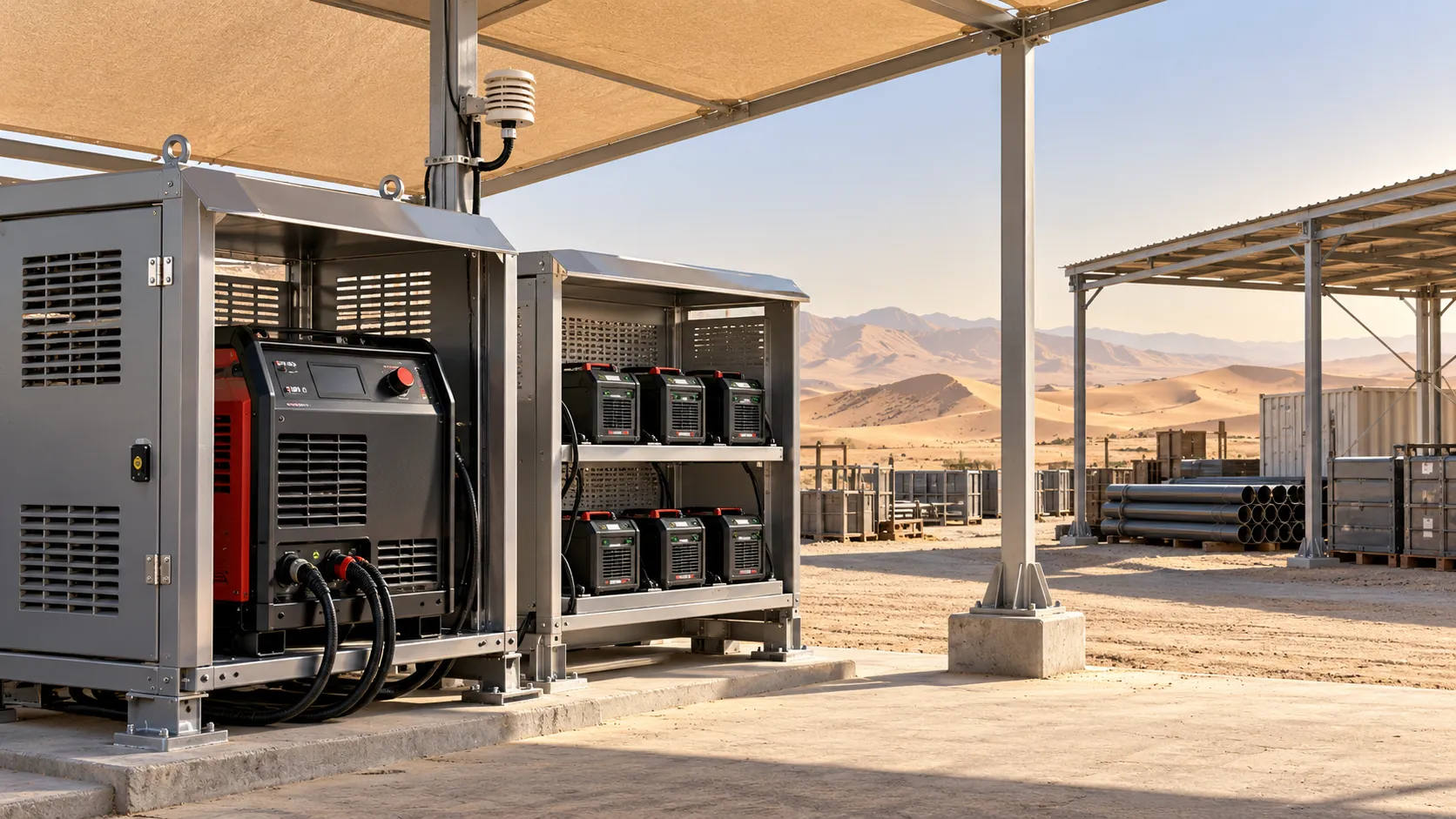
Equipment Application Guidance for the Middle East: Managing Heat and Dust
Explore application guidance Middle East teams can use to manage heat and dust, protect welding equipment, batteries and precision tools, and reduce downtime. Get practical tips.
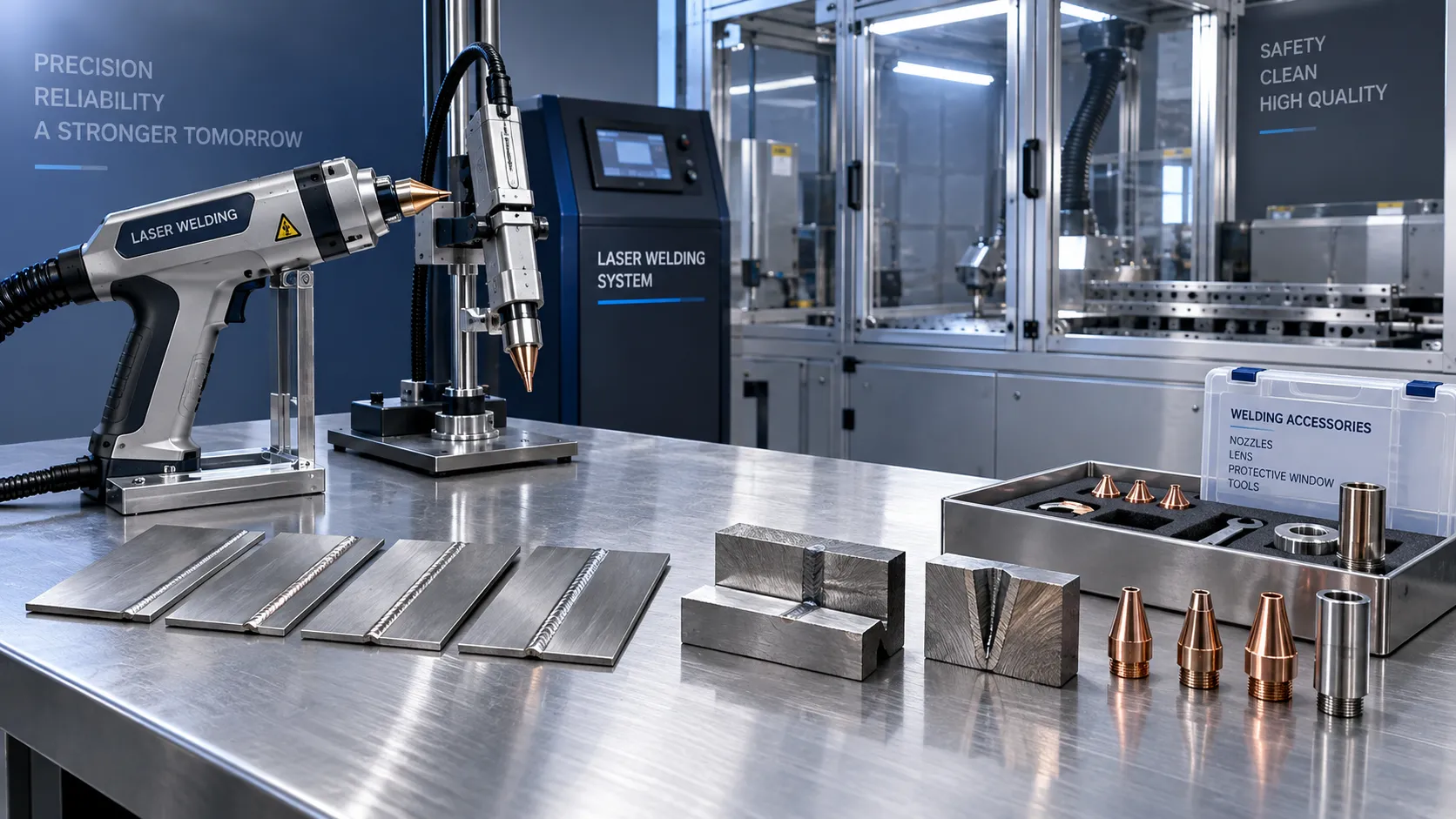
Choosing a Handheld Laser Welding Supplier: Weld Trials, Training, and Service
Choose a handheld laser welding supplier with proven weld trials, safety training, and reliable service. Learn what to verify before buying to reduce downtime and protect your investment.
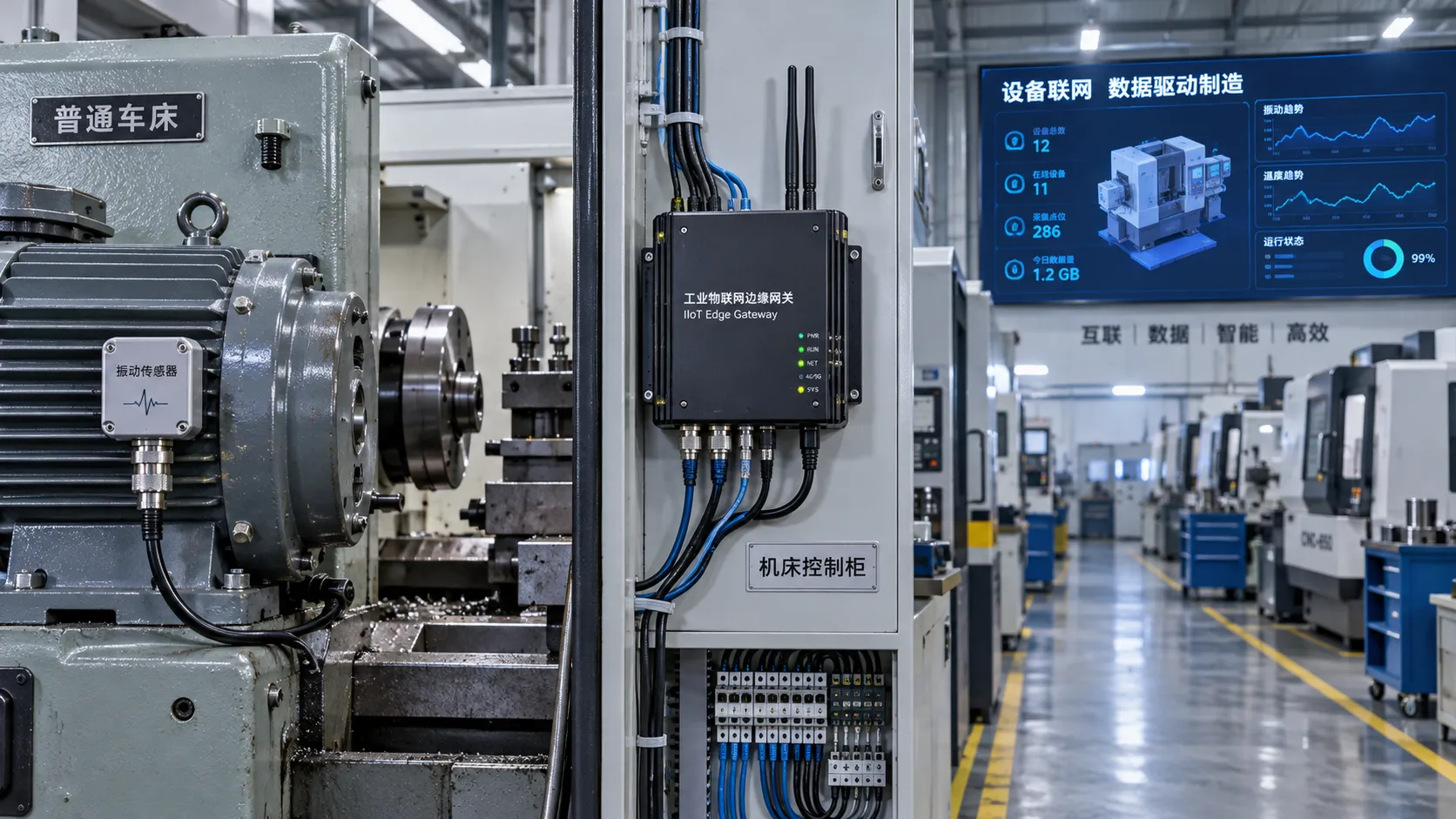
Choosing an Industrial IoT Platform: Key Criteria for Legacy Equipment
Choose an industrial IoT platform for legacy equipment with confidence. Discover key checks for connectivity, data integrity, security, and lifecycle costs before investing.
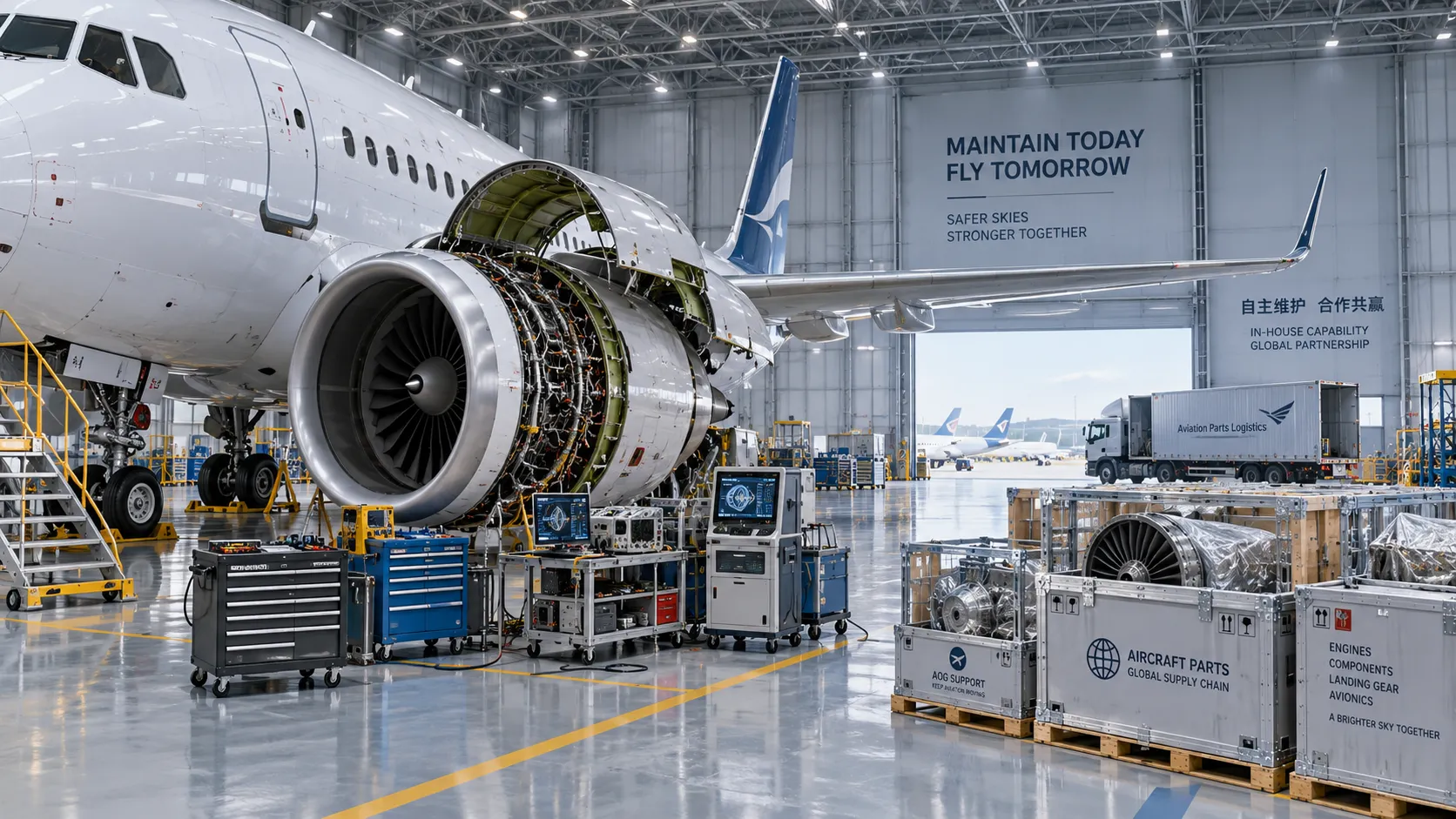
In-House vs. Outsourced Aircraft Maintenance: Comparing Total Costs
Compare aerospace maintenance cost for in-house vs. outsourced aircraft upkeep. Discover hidden expenses, downtime impacts, and break-even factors to find the best fit for your fleet.
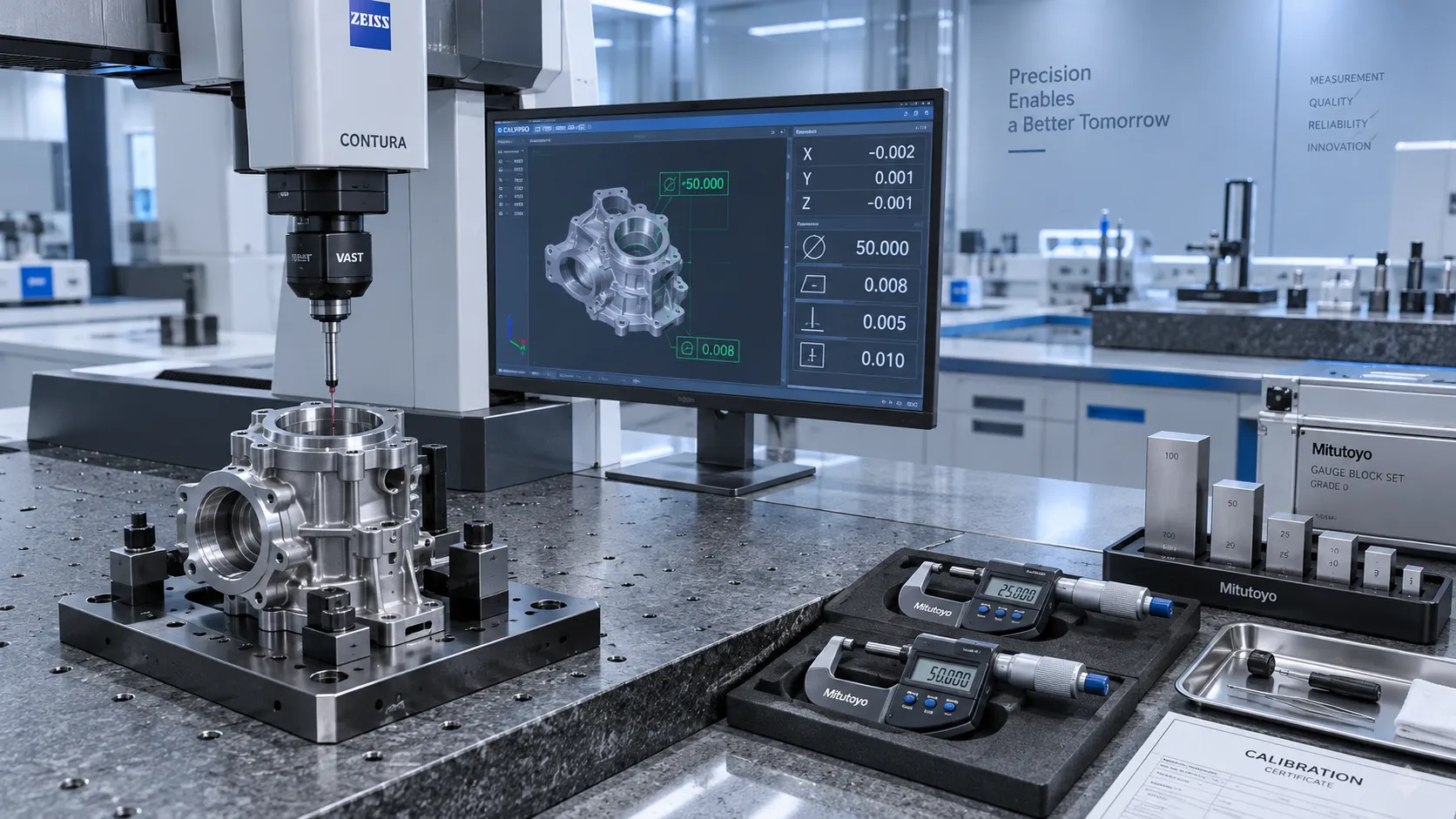
How to Select High-Precision Measuring Instruments for Tight-Tolerance Production?
High-precision measuring instruments are essential for tight-tolerance production. Learn how to evaluate accuracy, repeatability, environment, calibration, and data integration.
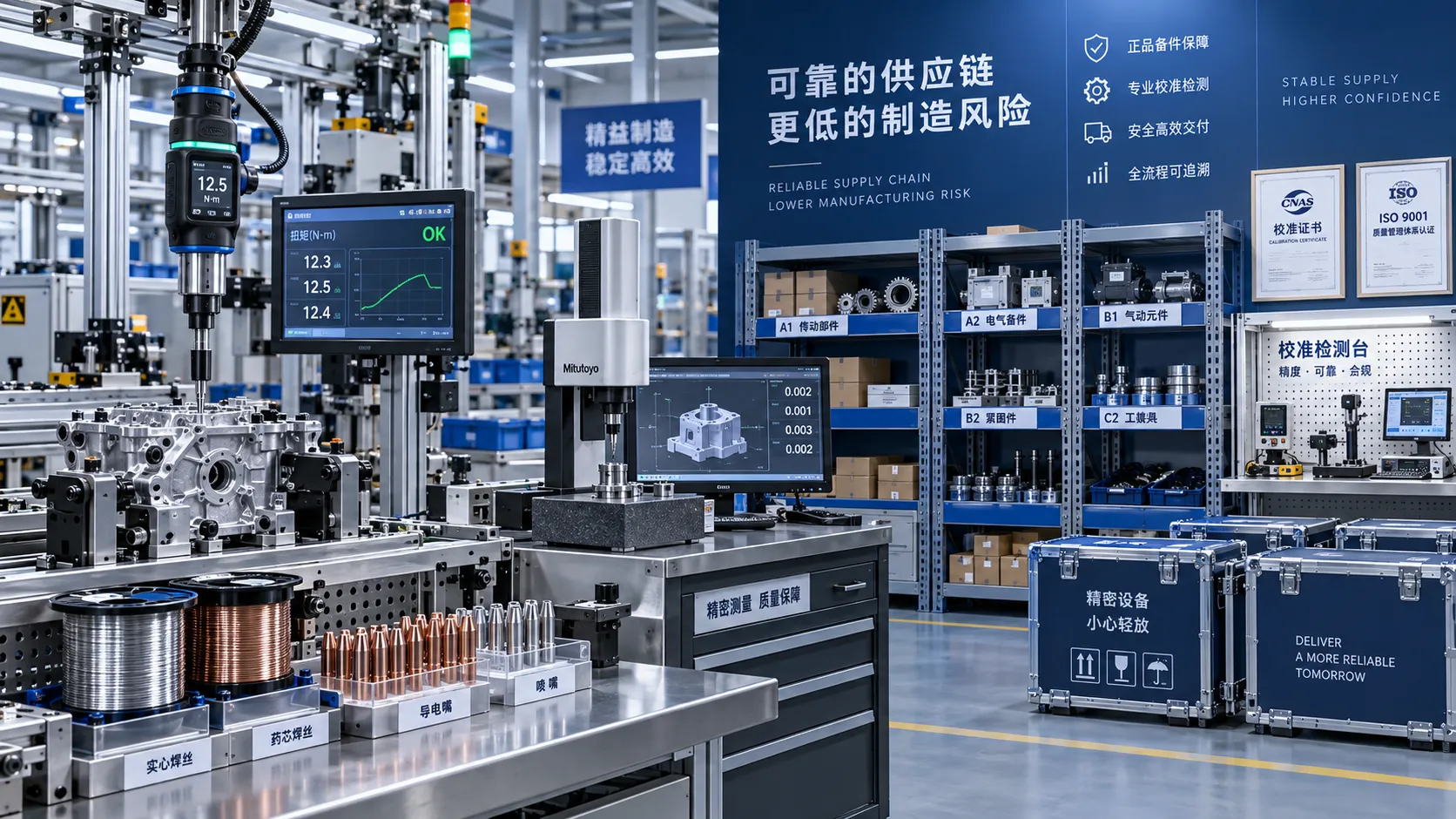
How Industrial Innovation Supplier Networks Reduce Sourcing Risk for Manufacturers
industrial innovation supplier network insights help manufacturers reduce sourcing risk, control lifecycle costs, and choose reliable tools, services, and suppliers with confidence.
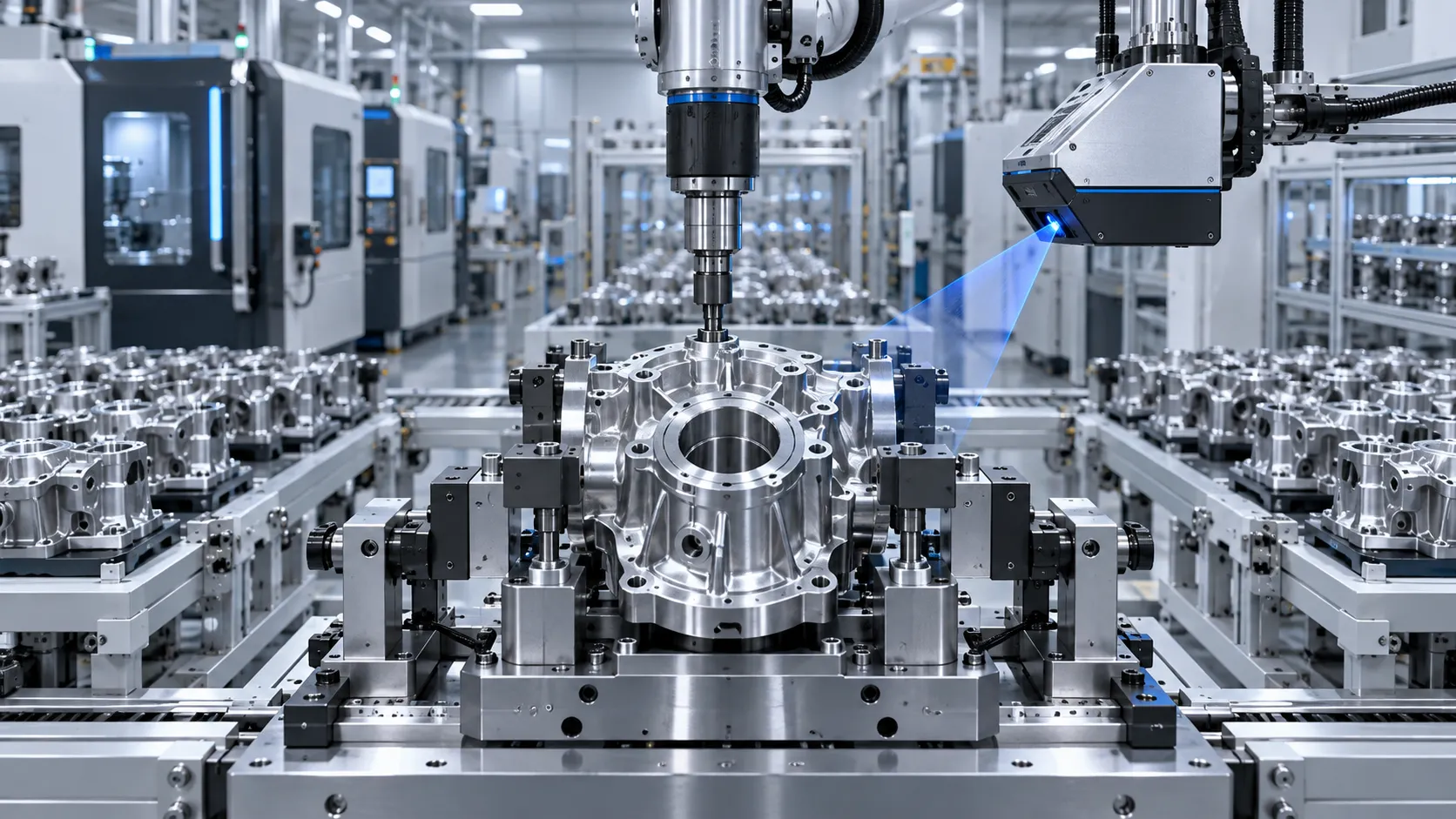
How Do Advanced Manufacturing Methods Improve Batch Consistency?
How do advanced manufacturing methods improve batch consistency? Discover how precision metrology, intelligent torque control, welding automation, and traceable data reduce variation and improve quality.
South East Asia Machine Tools Market: Demand Outlook by Manufacturing Industry
South East Asia machine tools market outlook: explore demand from automotive, electronics, fabrication, and infrastructure, plus smart sourcing priorities for manufacturers.
Which Industrial Standards Should Be Checked Before Export?
Which industrial standards should be checked before export? Discover essential compliance steps for industrial tools, welding equipment, laser systems, and metrology products.
Related News
- 00
0000-00
Are Lower-Cost Metalworking Tools More Likely to Fail Early? - 00
0000-00
PCB Prototyping Equipment Costs: Comparing In-House Machines and Outsourced Builds - 00
0000-00
Why Data-Driven Intelligence Costs Are Reshaping Enterprise Automation Budgets - 00
0000-00
What Does Data-Driven Intelligence Cost? Budgeting for Data, Tools, and Talent - 00
0000-00
What Determines Metrology Technology Prices for Factory Inspection Systems?
Ms. Elena Rodriguez
Weekly Insights
Stay ahead with our curated technology reports delivered every Monday.