
DC Power Tool Motors Explained: Voltage, Torque, Speed, and Duty Cycle





DC Power Tool Motors Explained: Voltage, Torque, Speed, and Duty Cycle
DC power tool motors sit at the center of tool performance. They decide how electrical energy becomes rotation, force, heat, and usable output.
For technical evaluation, four variables matter most: voltage, torque, speed, and duty cycle. Each one affects efficiency, control, and service life.
This also means DC power tool motors cannot be judged by headline speed or battery voltage alone. Real capability comes from the full operating balance.
In industrial assembly and professional maintenance, that balance shapes fastener quality, thermal stability, noise, and productivity under repeated load.
Why DC Power Tool Motors Matter in Tool Selection
A power tool motor is not only a power source. It is the performance architecture behind drilling, cutting, grinding, fastening, and polishing behavior.
When comparing DC power tool motors, evaluators usually ask three practical questions. Can the motor hold load, control heat, and survive the duty profile?
Those questions are becoming more important. Higher output expectations now meet tighter safety, efficiency, and ergonomic requirements across global tool categories.
- Assembly tools need repeatable torque and low thermal drift.
- Metalworking tools need sustained speed under heavy mechanical load.
- Service tools need compact packaging without sacrificing motor endurance.
That is why DC power tool motors should be evaluated as systems. The motor, controller, gearing, cooling path, and power source work together.
Voltage: More Than a Bigger Number
Voltage influences how a motor reaches its operating speed and how much electrical potential is available for the load.
In simple terms, higher voltage can support higher speed and lower current for the same power target. That usually helps reduce resistive heating.
However, higher voltage does not automatically mean better DC power tool motors. Motor winding design, controller limits, and thermal paths still define usable output.
Two tools with the same nominal voltage can behave very differently. One may sag under load, while another holds speed with much better efficiency.
What to check behind the voltage rating
- Nominal versus peak voltage during real operation.
- Battery or supply current capability under transient load.
- Controller current limits and thermal protection thresholds.
- Winding resistance and efficiency at expected load points.
In actual tool programs, voltage should be treated as an enabler. It creates operating headroom, but it does not replace sound motor design.
Torque: The Real Measure of Working Force
Torque is the rotational force that allows a tool to do useful work against resistance. It matters most when load suddenly rises.
For DC power tool motors, torque is closely tied to current. More current usually produces more torque, but also more heat.
This is where many buying decisions go wrong. Peak torque numbers often look attractive, yet continuous torque capability tells the more useful story.
A fastening tool may need short bursts. A grinder or mixer may need torque that stays stable for much longer periods.
Key torque distinctions
- Starting torque: force available from rest.
- Peak torque: short-duration maximum output.
- Continuous torque: sustainable output without overheating.
- Torque consistency: stability across battery state, temperature, and cycle length.
When reviewing DC power tool motors, ask how torque was measured. Test fixture, gear ratio, ambient temperature, and controller settings all influence results.
Speed: Useful RPM Versus Empty RPM
Speed is usually expressed in RPM, but unloaded RPM can be misleading. What matters is speed retention during real work.
In DC power tool motors, speed naturally drops as torque demand rises. This is normal, but the amount of drop separates strong designs from weak ones.
A high no-load speed may improve cutting feel in light tasks. Under heavy load, poor control can produce stalling, vibration, and excessive current draw.
From a technical standpoint, speed regulation often reveals the quality of the motor-controller pairing more clearly than catalog voltage claims.
Why speed control matters
- It improves finish quality in cutting and grinding tasks.
- It helps maintain torque output within safer thermal limits.
- It reduces cycle variation in repetitive assembly operations.
So, when comparing DC power tool motors, request loaded RPM curves whenever possible. They are far more useful than empty-speed marketing numbers.
Duty Cycle: Where Reliability Is Decided
Duty cycle defines how long a motor can run, how often it rests, and how much heat accumulates over repeated use.
This variable is often underweighted in early evaluation. Yet for DC power tool motors, duty cycle often predicts field reliability better than peak output data.
A motor that performs well for ten seconds may fail a production task that repeats every minute for an entire shift.
That is especially true in tightening stations, fabrication cells, and maintenance environments where stop-start cycles create sharp thermal swings.
Common duty cycle categories
- Intermittent duty: short bursts with cooling intervals.
- Repeated duty: frequent on-off cycling with limited rest.
- Continuous duty: near-steady operation under sustained load.
When DC power tool motors are selected without duty cycle analysis, overheating, insulation stress, and early bearing wear become much more likely.
How Voltage, Torque, Speed, and Duty Cycle Interact
These four factors should never be reviewed separately. They form one operating envelope, and each tradeoff changes the others.
Higher torque usually raises current. Higher current raises heat. More heat reduces continuous duty capability unless cooling and control are improved.
Likewise, increasing speed can improve productivity, but it may reduce torque margin at the working point or accelerate wear in certain gear systems.
This is why DC power tool motors should be mapped against actual use cases, not only against isolated specification lines.
Practical Evaluation Criteria for DC Power Tool Motors
A strong evaluation process should translate specifications into measurable operating behavior. That helps separate durable motor systems from optimistic claims.
Recommended checks
- Review torque-speed curves at realistic load points.
- Measure current draw during startup and stall-prone events.
- Track housing and winding temperature over repeated cycles.
- Check speed regulation after battery discharge or thermal soak.
- Compare continuous output, not only short burst performance.
- Confirm duty cycle limits against the target workflow.
More importantly, align the test method with the application. A drywall screwdriving profile is not the same as angle grinding or pipe maintenance.
From a risk perspective, the biggest mistake is evaluating DC power tool motors under conditions that are easier than the real operating environment.
Common Selection Mistakes and Better Decisions
Several patterns appear again and again in tool selection reviews. Most of them come from overvaluing one metric and ignoring system interaction.
- Choosing by voltage alone. Higher voltage does not guarantee stronger DC power tool motors.
- Using peak torque as a proxy for durability. Continuous performance matters more.
- Ignoring speed drop under load. That can hurt output quality and productivity.
- Skipping duty cycle validation. This often causes thermal overload in field use.
Better decisions usually come from matching motor behavior to task reality. Required torque, runtime, ambient temperature, and rest intervals should guide the selection.
For teams tracking industrial tool trends, this approach also supports cleaner benchmarking across product lines and regions.
Final Takeaway
DC power tool motors should be evaluated through operating balance, not headline numbers. Voltage, torque, speed, and duty cycle all shape usable performance.
The most reliable choice is usually the motor system that holds torque, maintains speed, controls heat, and survives the true workload profile.
In practical terms, request loaded performance data, thermal evidence, and duty cycle validation before making a final comparison.
That process leads to better decisions on DC power tool motors, especially where efficiency, consistency, and long-term field reliability matter most.
Related News
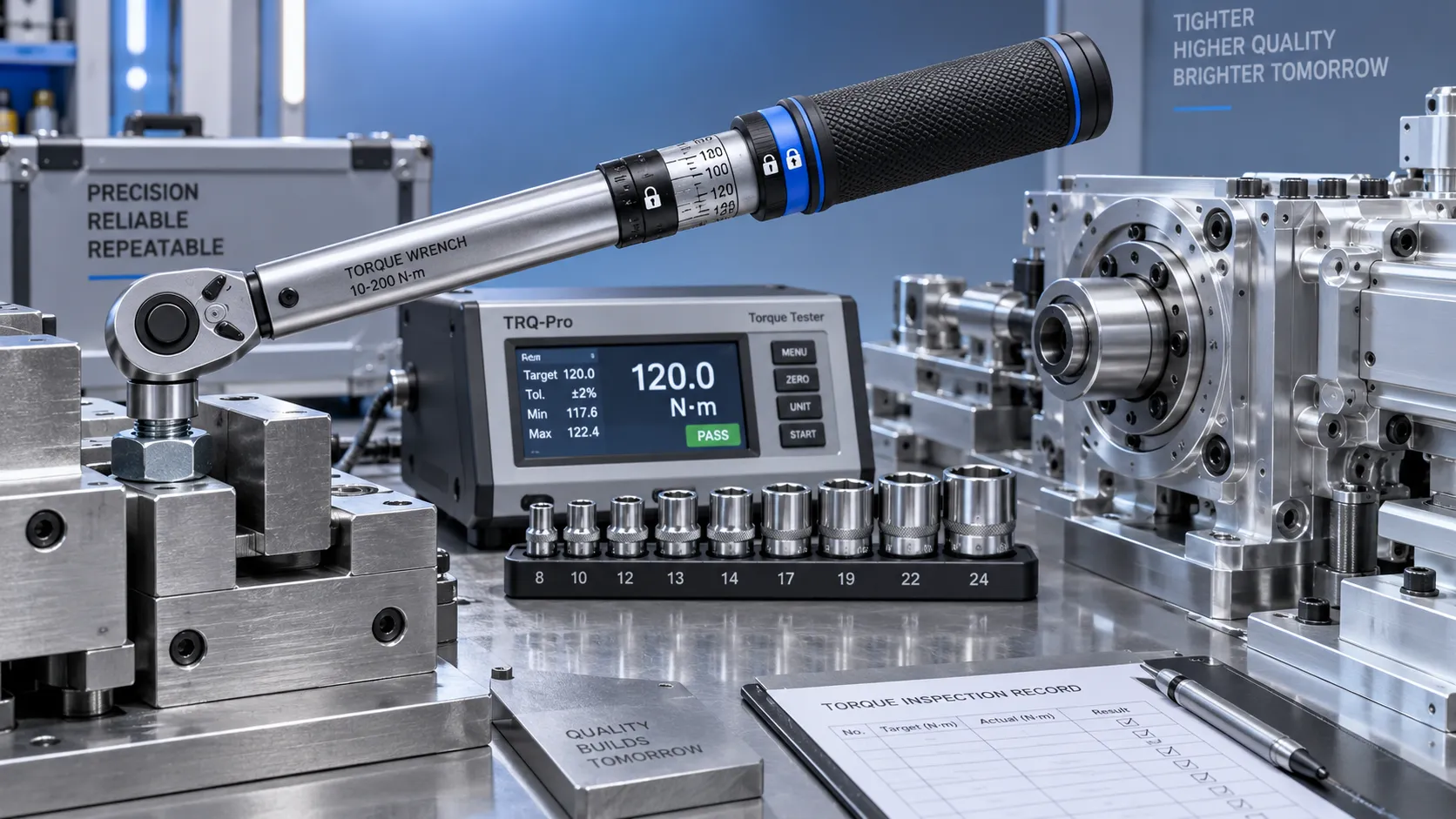
Selecting Adjustable Torque Tools for Repeatable Fastener Assembly
Adjustable torque tools: learn how to match range, accuracy, control methods, calibration, and ergonomics for repeatable, reliable fastener assembly.

How to Select Aerospace Inspection Tools for Aircraft Maintenance Tasks
Aerospace maintenance inspection tools: learn how to select reliable, traceable equipment for aircraft access, accuracy, calibration, and compliant maintenance decisions.

How to Select Wire Bonding Tools for Fine-Pitch Semiconductor Packaging
Explore semiconductor manufacturing tools for wire bonding and learn how to select precision solutions for fine-pitch packaging, reliable loops, accuracy, and yield.
How to Compare Industrial Tool Suppliers for Quality, Lead Time, and Total Cost
Industrial tool selection supplier comparison made simple: evaluate quality, lead times, total cost, service, and supply resilience for confident sourcing decisions.
Industrial Equipment Application Guidance: Match Machines to Operating Conditions
Application guidance industrial equipment: match capacity, duty cycle, materials, site conditions, safety, and lifecycle cost to improve reliable output. Read the guide.
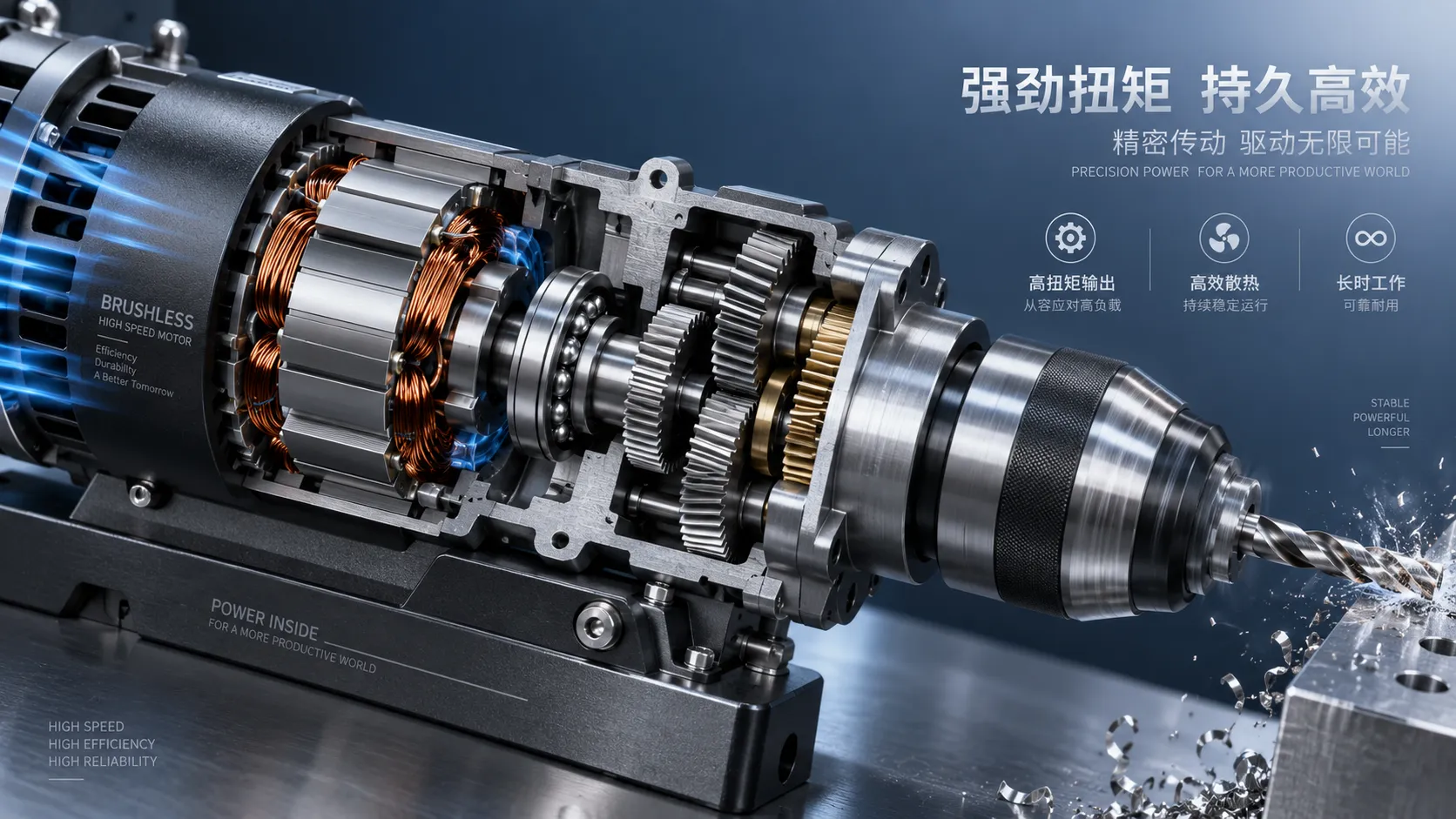
Selecting High-Speed Brushless Tool Motors for Torque, Heat, and Duty Cycle
High speed brushless tool motors: learn how to balance torque, heat, gearing, and duty cycle for reliable industrial tool performance and longer service life.
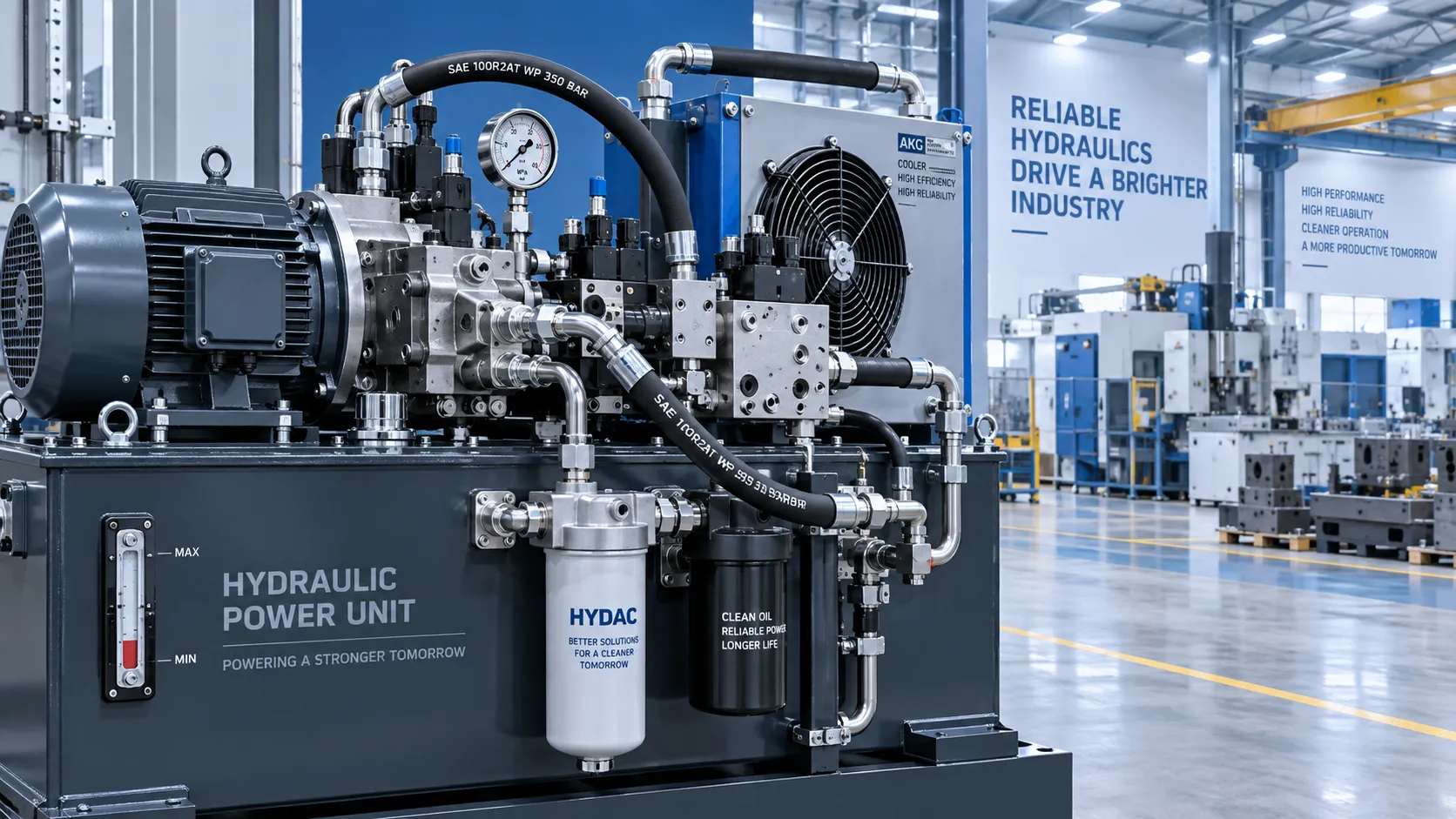
What Determines Industrial Hydraulic System Price for Heavy-Duty Equipment?
Industrial hydraulic system price depends on duty cycle, pressure, components, cooling, and integration. Compare quotes intelligently to secure reliable heavy-duty performance.
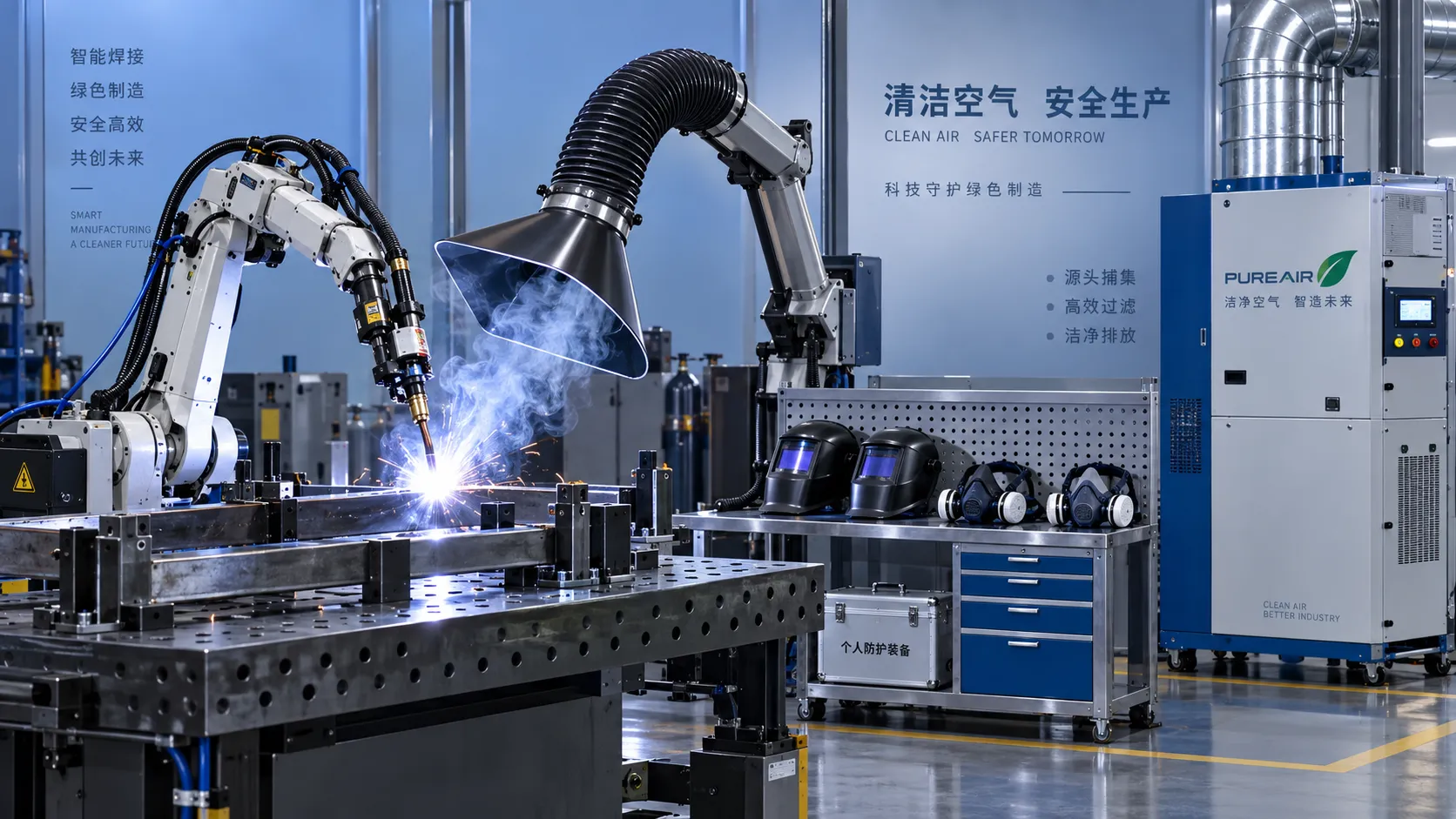
Welding Fume Extraction PPE: When Respirators Are Not Enough for Shop Safety
Welding fume extraction PPE: learn why respirators alone fall short and how source capture, ventilation, and layered controls improve shop safety.

How to Select Optical Metrology Solutions for Tight-Tolerance Manufacturing
Optical industrial metrology solutions for tight-tolerance manufacturing: evaluate accuracy, surface compatibility, workflow, and traceability to select with confidence.
Related News
- 00
0000-00
Selecting Adjustable Torque Tools for Repeatable Fastener Assembly - 00
0000-00
How to Select Aerospace Inspection Tools for Aircraft Maintenance Tasks - 00
0000-00
How to Select Wire Bonding Tools for Fine-Pitch Semiconductor Packaging - 00
0000-00
Industrial Equipment Application Guidance: Match Machines to Operating Conditions - 00
0000-00
Selecting High-Speed Brushless Tool Motors for Torque, Heat, and Duty Cycle
Prof. Marcus Chen
Weekly Insights
Stay ahead with our curated technology reports delivered every Monday.