
Why advanced manufacturing is reshaping lead times in 2026





In 2026, advanced manufacturing is no longer just a production upgrade—it is a strategic lever for shortening lead times, improving supply chain resilience, and strengthening competitive advantage. For industrial businesses, the shift matters because delivery speed now depends on more than labor availability or machine hours. It depends on digital visibility, process stability, precision measurement, automation, and how quickly engineering changes move across the production chain.
Across the broader industrial economy, advanced manufacturing is reshaping lead times by reducing hidden delays between planning, machining, joining, inspection, packaging, and shipment. It compresses waiting time, lowers rework, and improves scheduling accuracy. For sectors tied to industrial assembly, metal joining, and precision metrology, this transformation is especially visible.
Why lead time decisions now need a checklist
Lead time used to be measured mainly by production capacity. In 2026, that view is incomplete. Advanced manufacturing changes lead time at multiple points, including quoting, tooling, setup, inspection, and supplier coordination.
A checklist helps isolate which capabilities actually shorten delivery time and which only improve image. It also supports better investment decisions when comparing automation systems, digital tools, welding technologies, and metrology upgrades.
Core checklist: what to verify when advanced manufacturing claims faster lead times
- Map queue time first, not just cycle time, because advanced manufacturing often creates the biggest gain by cutting waiting periods between operations, approvals, inspections, and material handoffs.
- Check setup reduction methods, including digital work instructions, automatic parameter loading, modular fixtures, and quick-change tooling that reduce downtime between short production runs.
- Measure first-pass yield carefully, since faster equipment does not shorten lead times if poor welding quality, dimensional drift, or assembly errors force repeated rework.
- Verify in-process metrology integration, because advanced manufacturing delivers stronger lead time performance when measurement occurs during production, not only at final inspection.
- Assess digital coordination across ERP, MES, and shop-floor devices to confirm that job status, material location, and machine availability update in near real time.
- Review material flow design, including internal logistics, point-of-use storage, and barcode or RFID tracking, to prevent automated cells from waiting for simple replenishment tasks.
- Examine welding and joining process stability, especially for handheld laser welding, robotic arc welding, and torque-controlled fastening where parameter consistency directly affects throughput.
- Audit maintenance responsiveness, because advanced manufacturing assets shorten lead times only when predictive maintenance and spare-parts planning prevent avoidable stoppages.
- Compare supplier data readiness, since digital schedules fail when upstream vendors cannot support shorter release cycles, tighter tolerances, or electronic quality documentation.
- Validate engineering change speed by tracking how quickly revised drawings, tolerance updates, and process instructions reach machining, assembly, and inspection stations.
- Check operator enablement, including HMI design, safety protocols, and guided workflows, because advanced manufacturing still depends on fast, correct human-machine interaction.
- Track total lead time by product family, not plant average, so high-mix, low-volume items do not hide bottlenecks behind smoother standardized production lines.
How advanced manufacturing shortens lead times in real operations
Precision metrology reduces downstream delay
Precision measurement is often treated as a quality function, yet in advanced manufacturing it is a lead time tool. Inline gauging, digital calipers, laser measurement, and connected CMM workflows catch variation before defects move deeper into production.
This matters in complex assemblies where one dimensional issue can halt welding, fastening, or final fit-up. Earlier detection means fewer hold points, fewer quarantined lots, and faster release to the next operation.
Intelligent welding and joining cut rework loops
Modern metal joining systems now include parameter memory, arc monitoring, safety controls, and process traceability. In advanced manufacturing, those features reduce lead time by stabilizing heat input, bead consistency, and operator execution.
Handheld laser welding is one example. When matched with proper safety systems and trained use, it can accelerate joining on thin materials and reduce finishing work. The real gain is not only speed at the torch. It is less correction afterward.
Automation improves flow when variation is controlled
Robots, cobots, automated tool changers, and smart torque systems can shrink process time. However, advanced manufacturing only improves lead times when the surrounding process is stable enough to support automation.
If incoming materials vary, fixtures are inconsistent, or product revisions are frequent, automation may shift the bottleneck instead of removing it. The best results come from combining automation with standard work and metrology feedback.
Digital planning compresses coordination gaps
Many lead time losses happen between steps rather than inside them. Advanced manufacturing platforms reduce that gap with digital scheduling, live production dashboards, e-signoffs, and connected inventory visibility.
That coordination is especially valuable in global supply networks. When raw material fluctuations, export restrictions, or transport delays affect one node, digital updates help rebalance production before delays compound.
Scenario-based notes across the broader industrial market
High-mix industrial assembly
In high-mix environments, advanced manufacturing reshapes lead times mainly through rapid setup, guided assembly, and digital documentation. The ability to switch jobs quickly becomes more valuable than peak machine speed.
Connected torque tools, visual work instructions, and modular fixtures help maintain pace without sacrificing traceability. This is where short-run productivity and delivery reliability begin to align.
Construction and equipment maintenance
Field service and maintenance operations benefit differently. Here, advanced manufacturing shortens lead times through portable precision tools, faster spare-part fabrication, and more accurate diagnostics before disassembly begins.
Digital part records and metrology data reduce uncertainty. That shortens the time between fault detection, repair planning, and return-to-service decisions.
Automotive and aerospace support chains
In regulated sectors, advanced manufacturing must accelerate lead times without weakening compliance. Traceable welding parameters, calibrated inspection tools, and revision-controlled workflows support both speed and audit readiness.
The strategic advantage comes from reducing approval friction. Faster documentation and cleaner process records keep quality gates from becoming schedule barriers.
Common oversights that weaken lead time gains
- Buying faster machines without improving inspection flow often creates a new queue at quality control, where parts wait longer despite improved production speed.
- Ignoring consumables management can stall advanced manufacturing cells when nozzles, shielding gas, abrasives, or calibrated accessories are missing at changeover.
- Underestimating training time slows adoption, especially when new welding interfaces, metrology software, or digital workstations change established operator habits.
- Failing to standardize data formats limits advanced manufacturing value, because disconnected systems force manual entry and delay scheduling or quality decisions.
- Treating supplier lead time as fixed misses opportunities to co-develop packaging, tolerance bands, and replenishment signals that support faster internal flow.
Practical execution steps for 2026
- Start with one value stream and separate processing time from waiting time.
- Instrument bottlenecks with simple digital tracking before large automation spending.
- Prioritize metrology upgrades where rework and release delays are highest.
- Align welding, assembly, and inspection data so defects can be traced immediately.
- Use pilot cells to test advanced manufacturing assumptions on setup, yield, and scheduling.
- Review suppliers and logistics partners as part of the same lead time system.
For intelligence-driven industrial platforms such as GPTWM, the key lesson is clear: advanced manufacturing creates measurable lead time advantage when tools, process data, joining quality, and precision control are connected. The strongest performers are not simply faster at making parts. They are faster at detecting variation, adapting schedules, and releasing work with confidence.
In 2026, the next step is practical. Audit the current lead time path, rank hidden delays, and test where advanced manufacturing can remove friction first. Focus on queue time, process stability, and digital coordination. That is where shorter lead times become a durable competitive edge.
Related News
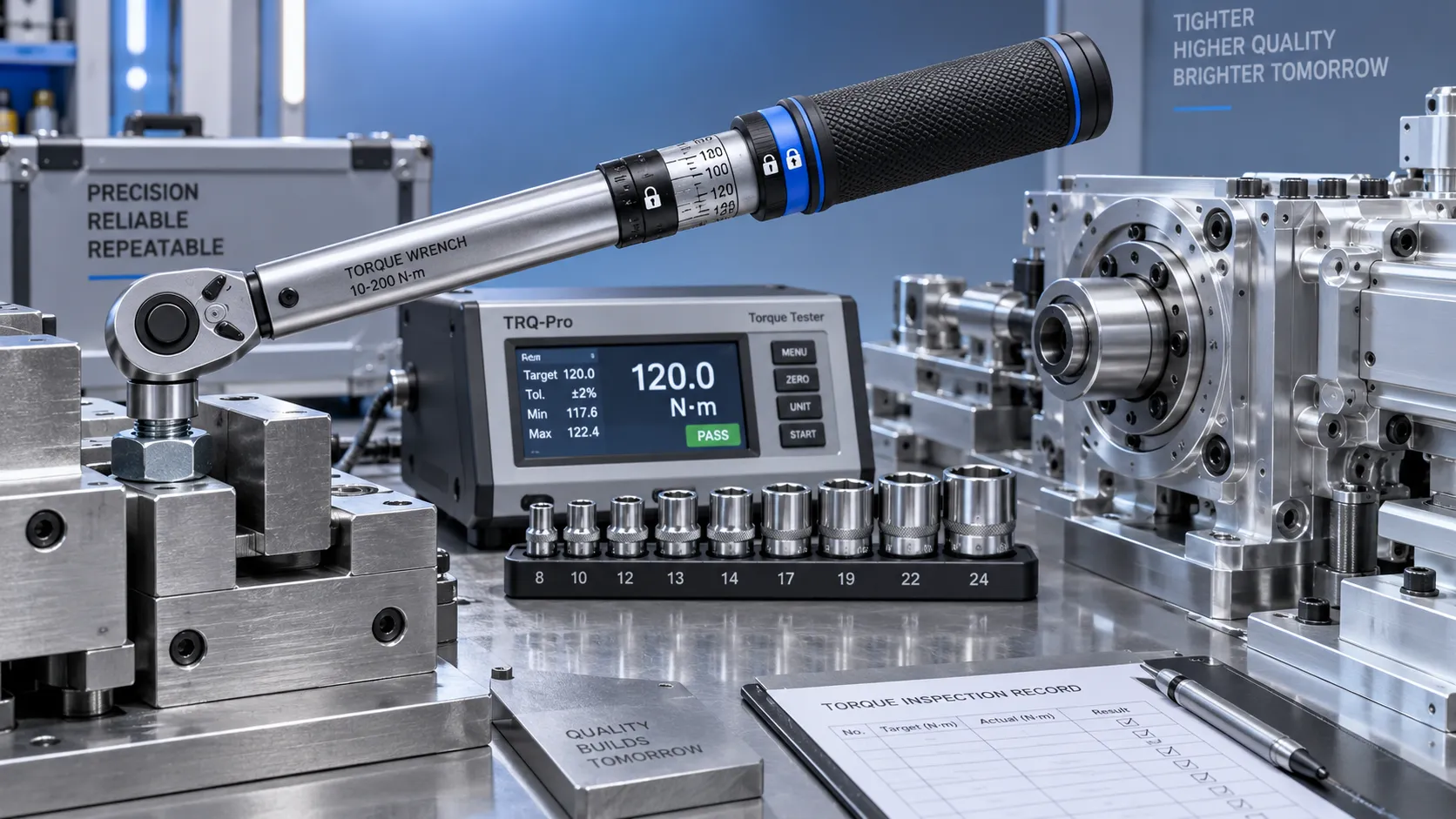
Selecting Adjustable Torque Tools for Repeatable Fastener Assembly
Adjustable torque tools: learn how to match range, accuracy, control methods, calibration, and ergonomics for repeatable, reliable fastener assembly.

How to Select Aerospace Inspection Tools for Aircraft Maintenance Tasks
Aerospace maintenance inspection tools: learn how to select reliable, traceable equipment for aircraft access, accuracy, calibration, and compliant maintenance decisions.
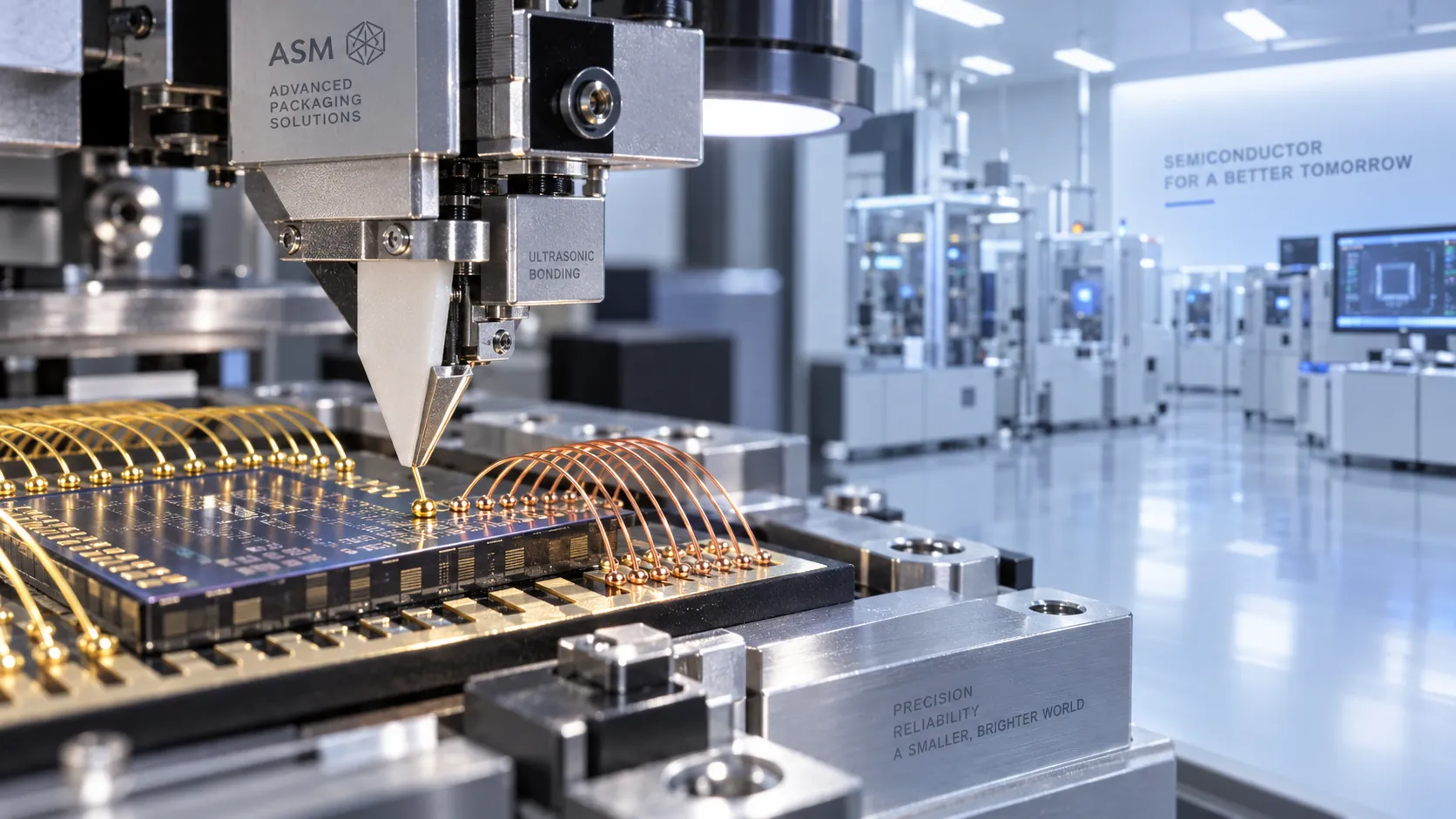
How to Select Wire Bonding Tools for Fine-Pitch Semiconductor Packaging
Explore semiconductor manufacturing tools for wire bonding and learn how to select precision solutions for fine-pitch packaging, reliable loops, accuracy, and yield.
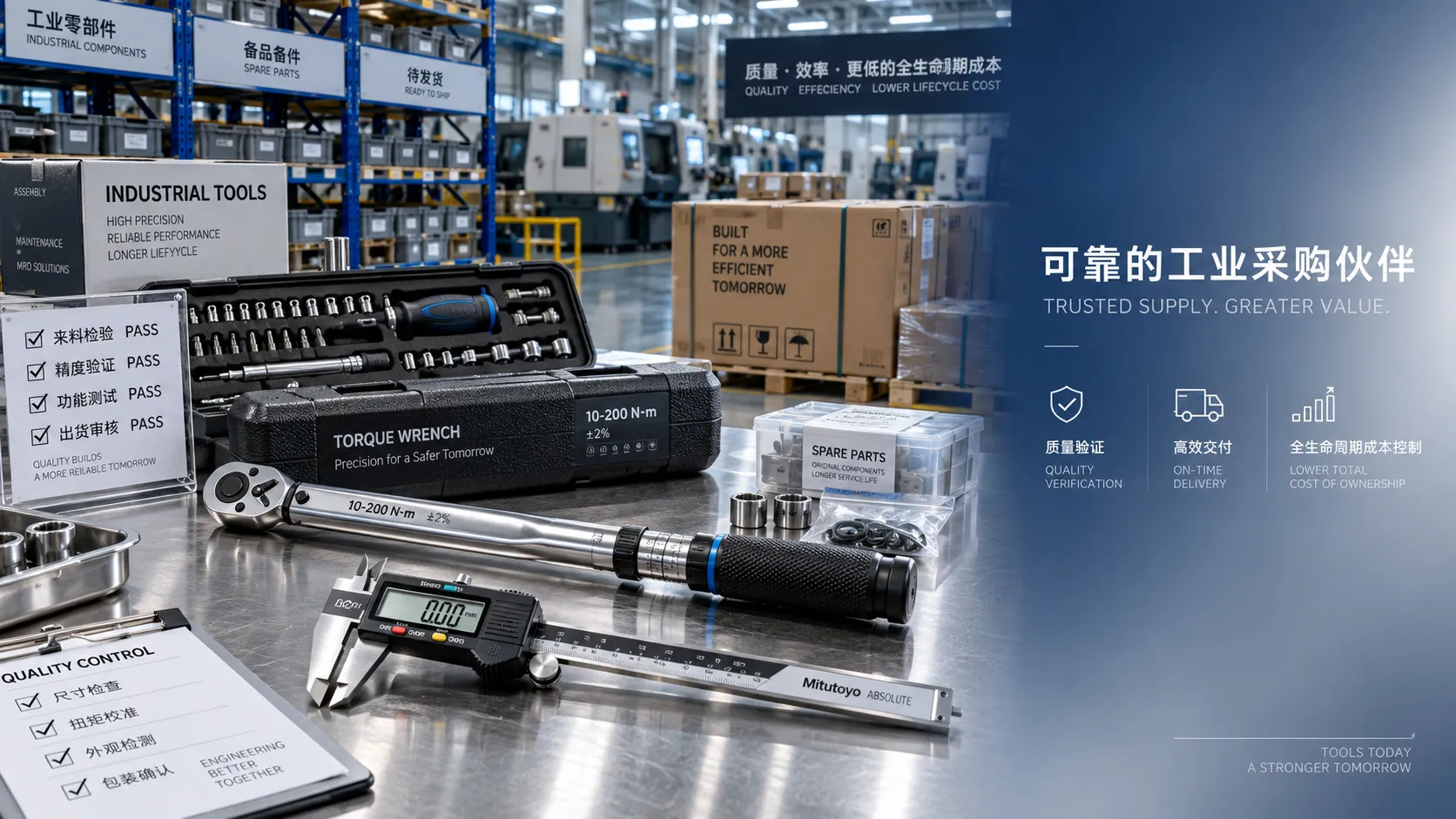
How to Compare Industrial Tool Suppliers for Quality, Lead Time, and Total Cost
Industrial tool selection supplier comparison made simple: evaluate quality, lead times, total cost, service, and supply resilience for confident sourcing decisions.
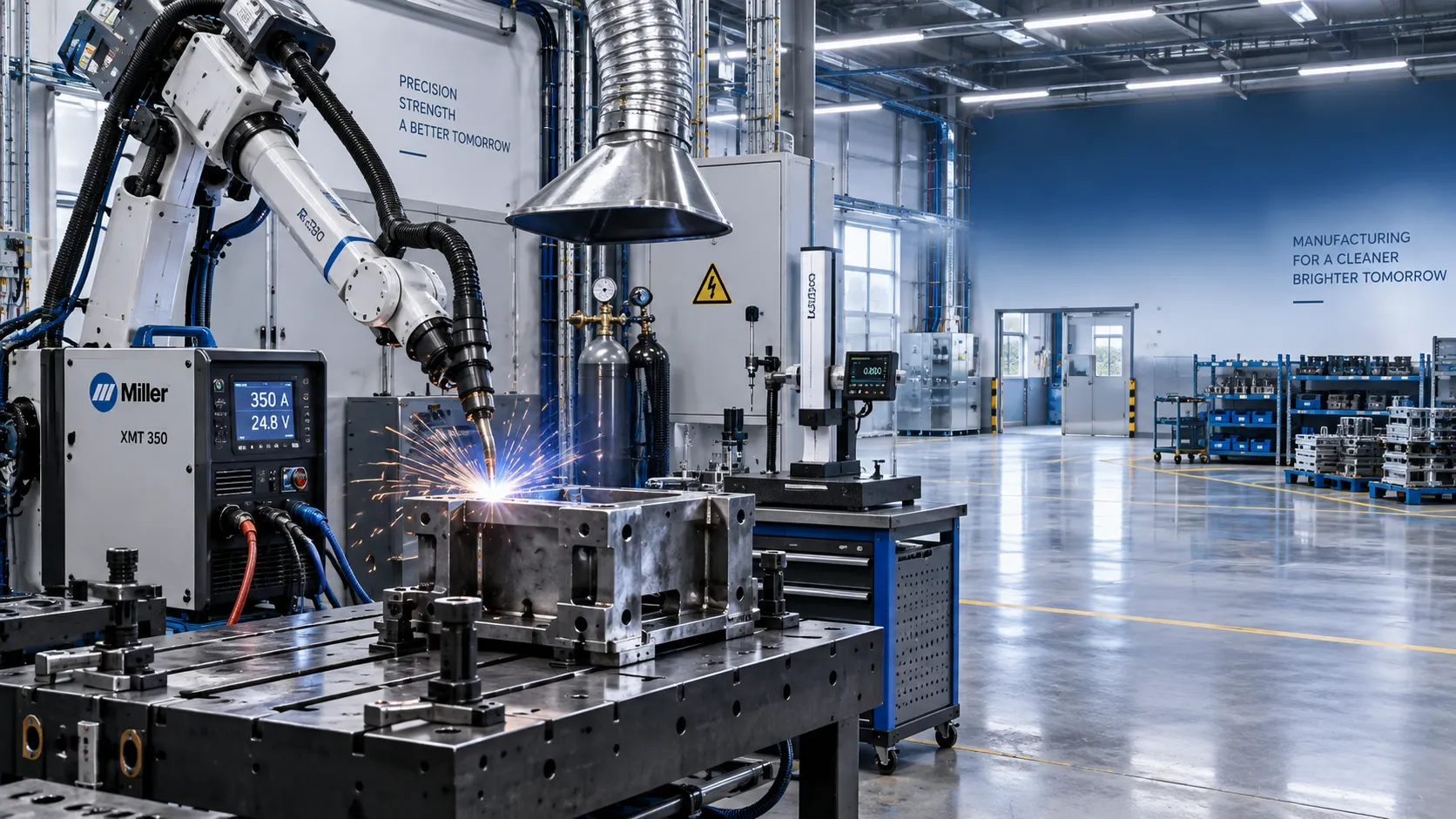
Industrial Equipment Application Guidance: Match Machines to Operating Conditions
Application guidance industrial equipment: match capacity, duty cycle, materials, site conditions, safety, and lifecycle cost to improve reliable output. Read the guide.
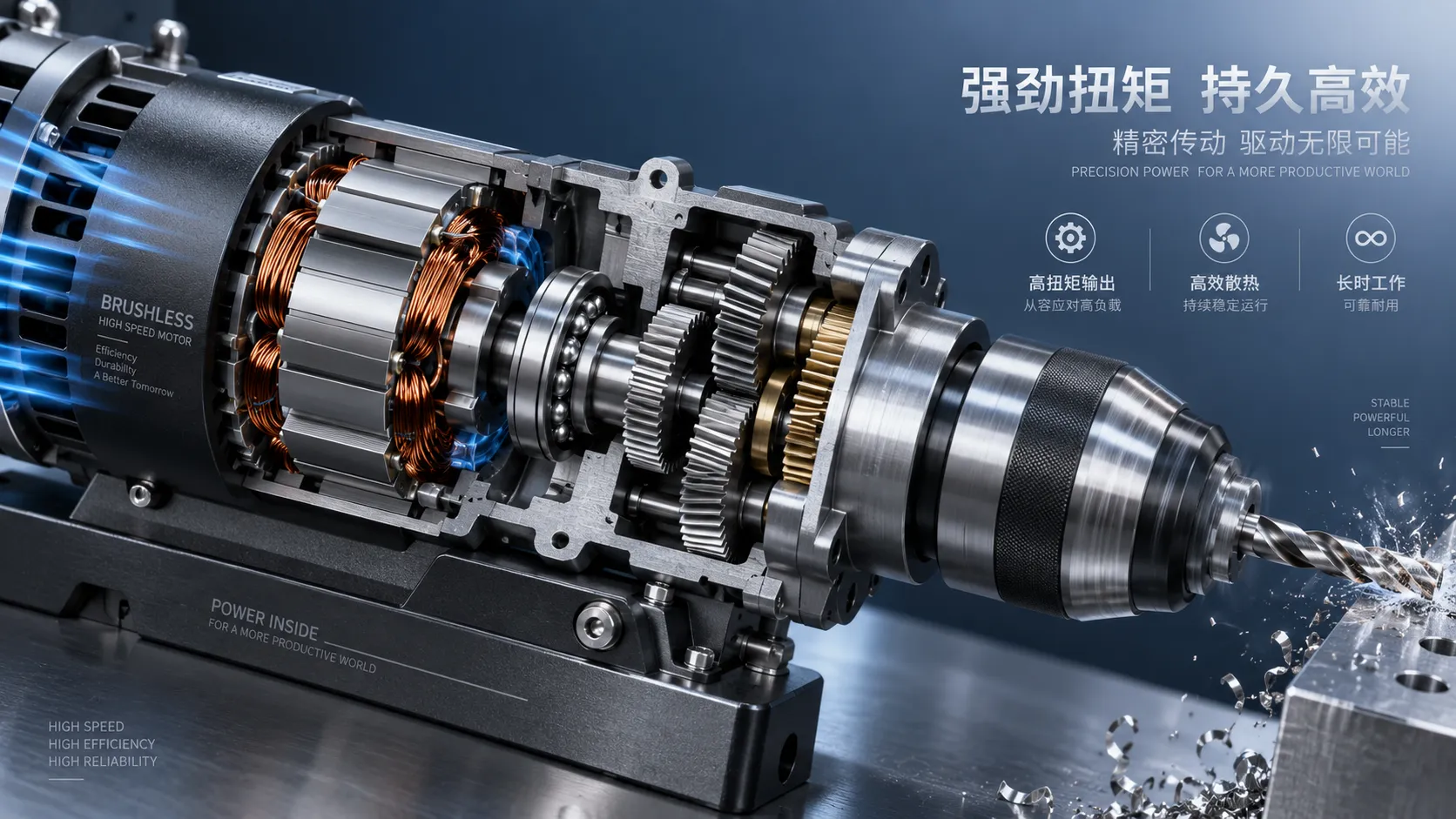
Selecting High-Speed Brushless Tool Motors for Torque, Heat, and Duty Cycle
High speed brushless tool motors: learn how to balance torque, heat, gearing, and duty cycle for reliable industrial tool performance and longer service life.
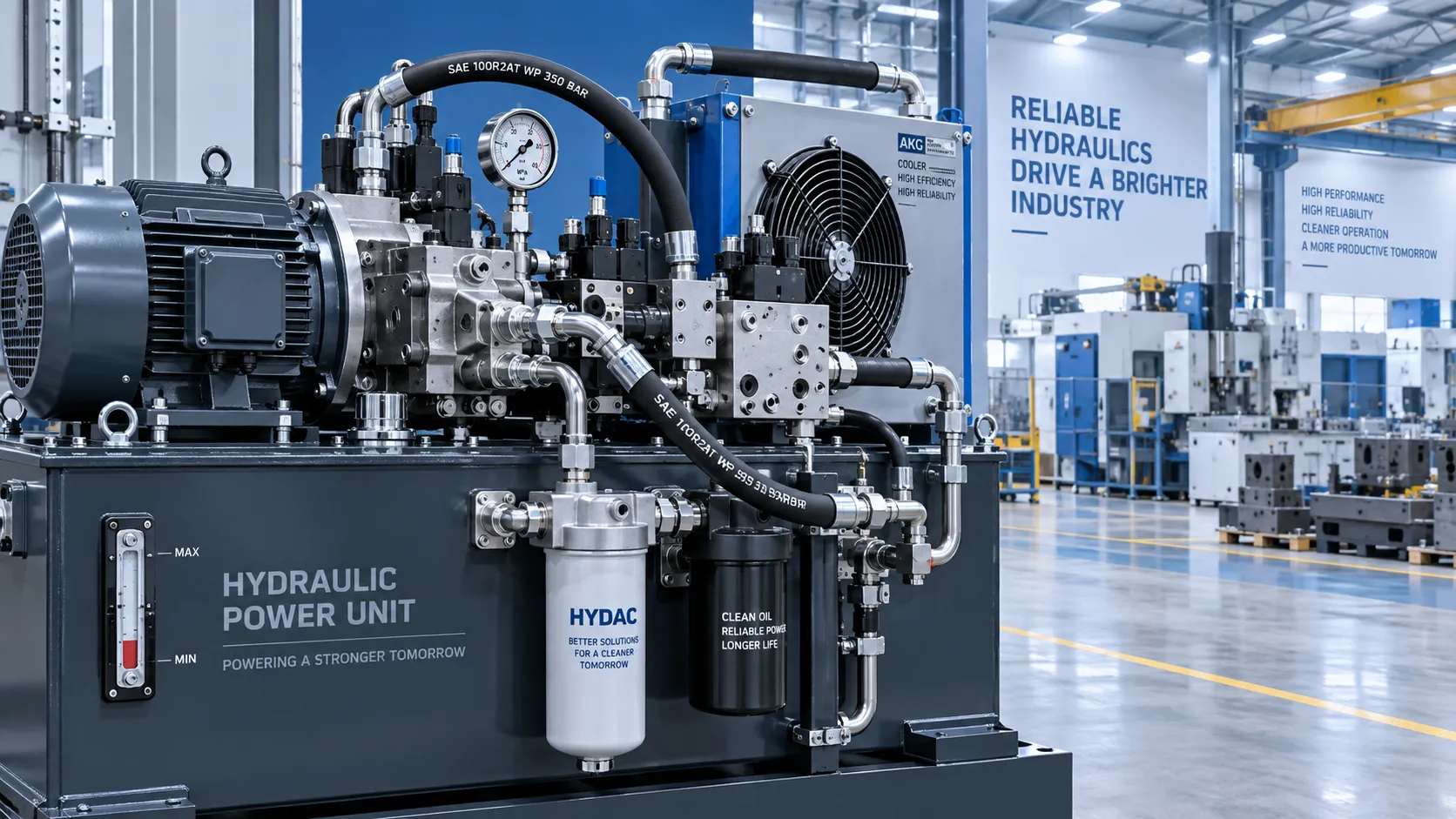
What Determines Industrial Hydraulic System Price for Heavy-Duty Equipment?
Industrial hydraulic system price depends on duty cycle, pressure, components, cooling, and integration. Compare quotes intelligently to secure reliable heavy-duty performance.
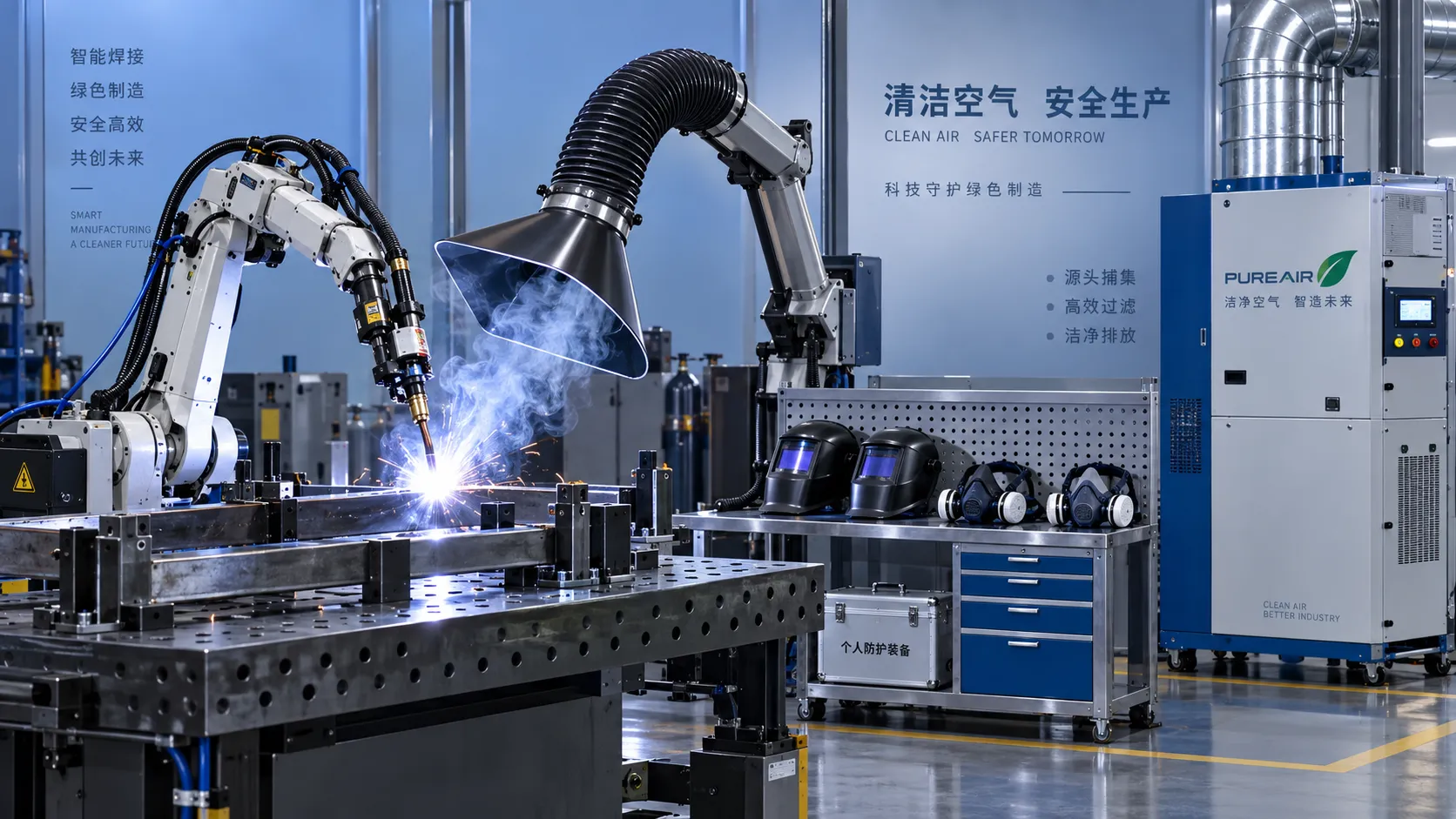
Welding Fume Extraction PPE: When Respirators Are Not Enough for Shop Safety
Welding fume extraction PPE: learn why respirators alone fall short and how source capture, ventilation, and layered controls improve shop safety.
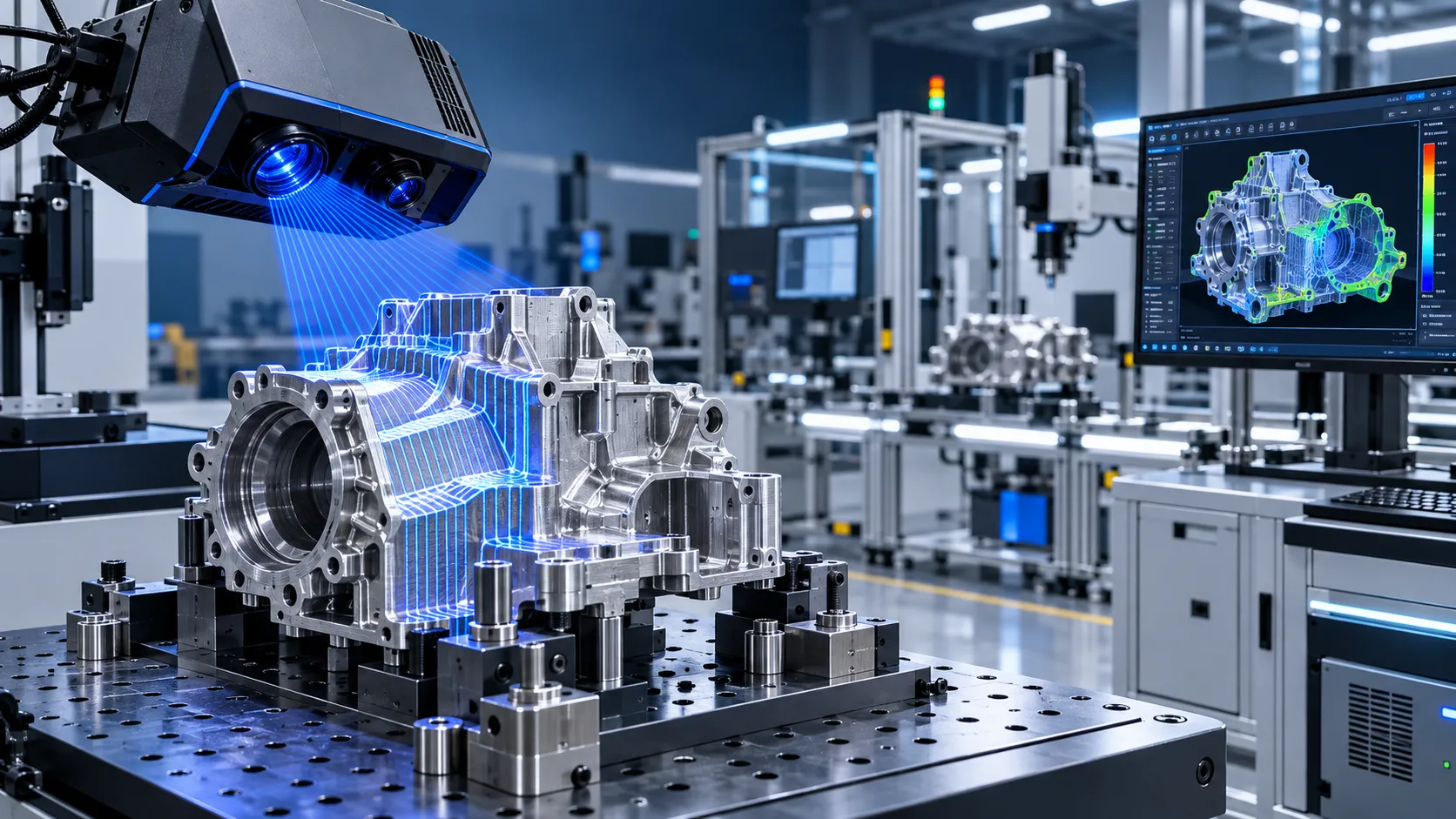
How to Select Optical Metrology Solutions for Tight-Tolerance Manufacturing
Optical industrial metrology solutions for tight-tolerance manufacturing: evaluate accuracy, surface compatibility, workflow, and traceability to select with confidence.
Related News
- 00
0000-00
How Middle East Manufacturers Can Improve Production Efficiency Under Heat and Labor Constraints - 00
0000-00
Why Are Specification-Oriented Articles Gaining Traction in Europe’s B2B Markets? - 00
0000-00
Industrial Solutions in Latin America: Key Growth Sectors and Market Entry Risks - 00
0000-00
What Is Driving Manufacturing Efficiency in Europe’s Industrial Sectors? - 00
0000-00
Industrial Market Trends in 2025: What Buyers Should Watch Across Supply and Demand
Dr. Alistair Vaughn
Weekly Insights
Stay ahead with our curated technology reports delivered every Monday.