
How material science is changing product quality standards





Material science is redefining product quality standards by shaping how industrial tools, welded assemblies, and precision instruments perform under real-world stress. For quality control and safety managers, understanding these material-driven changes is essential to reducing defects, improving compliance, and ensuring long-term reliability. This article explores how smarter material selection is influencing inspection criteria, safety expectations, and manufacturing consistency across modern industry.
Why material science now matters more in product quality control
For many years, product quality standards were defined mainly by dimensional tolerance, visual acceptance, and basic durability tests. That approach is no longer enough. Material science now affects how a product responds to heat, fatigue, corrosion, vibration, torque, impact, and repeated cleaning cycles.
In industrial assembly, welding, and precision metrology, even a small change in alloy composition, coating thickness, polymer blend, or heat treatment can shift inspection results. A tool may pass incoming inspection yet fail faster in field use because its microstructure does not match the service environment.
For quality managers, this means inspection plans must move beyond surface-level checks. For safety managers, it means risk assessment must include material behavior under abnormal use, overload, arc heat, chemical exposure, and ergonomic stress.
- Hardness alone does not predict reliability if toughness and crack resistance are poor.
- A corrosion-resistant finish may improve appearance but hide substrate weakness if adhesion is unstable.
- Lightweight materials can improve ergonomics, but they may require different fastening torque, storage conditions, and verification methods.
This shift explains why material science has become central to modern quality standards across construction, automotive service, aerospace maintenance, fabrication workshops, and industrial distribution.
What changed in the last mile of manufacturing
The last mile of manufacturing is where design intent meets actual operator handling, assembly variation, and maintenance reality. GPTWM focuses on this zone because failures often emerge there, not in abstract design models. Raw material fluctuations, export restrictions, and rapid tool innovation are pushing quality teams to update standards more frequently.
A welded joint, torque tool, caliper, or hydraulic accessory is judged not only by specification sheets but by stable performance across production batches. Material science gives teams a better way to predict that stability.
Which material-driven changes are reshaping quality standards?
Quality standards are changing because materials are no longer selected only for strength or cost. They are now chosen for lifecycle behavior, operator safety, environmental exposure, manufacturability, and compatibility with automation.
The table below shows how material science is changing inspection priorities for quality control and safety management in industrial products.
The biggest lesson is simple: a material that looks equivalent on paper may behave differently in welding, fastening, calibration stability, or field repair. Updated product quality standards increasingly require evidence of performance under realistic use conditions.
Key properties quality teams can no longer ignore
- Fracture toughness in impact-prone tools and welded structures.
- Thermal stability near weld zones, motors, batteries, or friction points.
- Corrosion behavior in humid, salty, or chemically cleaned environments.
- Dimensional stability in precision measuring instruments.
- Ergonomic and insulation performance for operator-facing components.
How material science affects welding, tools, and metrology in real scenarios
The impact of material science becomes clearer when quality teams review actual use cases. Standards fail when they stay too generic. They improve when they reflect material behavior in specific industrial scenarios.
Welded assemblies
In welded assemblies, material science influences weld pool behavior, distortion, porosity risk, hardness transition, and residual stress. A filler material that works on one steel grade may underperform on a slightly different chemistry or coating condition. Safety managers must also evaluate fumes, heat reflection, and operator exposure when handheld laser welding or high-energy joining is involved.
Power and hand tools
For power tools, brushless motor efficiency can be affected by heat-dissipation materials, magnet stability, and housing composition. For hand tools, the material balance between hardness and toughness determines whether edges chip, jaws deform, or handles fail under torque. These issues directly affect warranty rates, user injury risk, and repeat procurement confidence.
Precision measuring instruments
In metrology, material science shapes thermal expansion, wear resistance of contact surfaces, and long-term calibration repeatability. A caliper or gauge made from a stable material system can maintain measurement consistency under shop-floor temperature swings. That is critical for quality managers who need traceable measurements, not just initial accuracy.
The scenario comparison below helps teams align material science decisions with inspection and safety priorities.
For mixed-industry operations, the right checkpoint is not the same across all products. Quality standards become stronger when inspection criteria are built around material-specific failure modes instead of generic pass-fail language.
What should quality control and safety managers check before approval?
Material science should be built into supplier qualification, incoming inspection, process control, and field feedback. This is especially important when teams face cost pressure, multi-country sourcing, or short delivery windows.
A practical review framework
- Confirm the service environment. Check heat, moisture, chemicals, vibration, electrical exposure, and operator contact.
- Review material certificates and substitution history. Equivalent naming does not guarantee equivalent behavior.
- Match test methods to failure risk. Add fatigue, salt spray, thermal cycling, or dimensional stability tests where needed.
- Validate process compatibility. Welding settings, torque application, machining, and coating cure conditions all matter.
- Feed field complaints back into material review. Wear marks, cracks, corrosion spots, and calibration drift often reveal hidden material issues.
This is where GPTWM adds value. Its Strategic Intelligence Center helps industrial teams track raw material fluctuations, export standard restrictions, tool technology shifts, and evolving safety expectations. That intelligence supports better approval decisions before defects become claims or incidents.
Common approval risks
- Approving a lower-cost substitute without validating heat treatment consistency.
- Using only appearance checks for coated parts exposed to friction or chemicals.
- Treating initial calibration as proof of long-term metrology stability.
- Ignoring ergonomic material choices that influence grip safety and repetitive use strain.
How to compare material options without slowing procurement
Procurement and quality teams often struggle with the same problem: how to compare options quickly without approving hidden risk. Material science can simplify this if the comparison method is disciplined.
The table below provides a practical selection view for common industrial decision points where material science affects product quality standards.
The best decision is not always the most expensive one. It is the option whose material behavior is well understood in the intended application. That reduces rework, claims, downtime, and safety incidents far more effectively than chasing a low purchase price alone.
When a lower-cost substitute is acceptable
A substitute may be reasonable if the operating load is low, the environment is controlled, and additional verification is completed. Examples include non-critical fixtures, short service intervals, or low-cycle tools with strong inspection coverage. Even then, teams should confirm process compatibility and document the acceptance basis.
Standards, certification, and compliance: where material science changes the audit conversation
Audits and customer approvals are becoming more material-aware. Standards bodies may not always prescribe one exact material, but they increasingly expect evidence that the chosen material supports safe and consistent performance.
Areas that deserve closer documentation
- Traceability of material batches for critical components and welded parts.
- Records of hardness, corrosion, thermal cycling, or fatigue validation where relevant.
- Compatibility evidence for coatings, cleaning agents, hydraulic fluids, or insulating materials.
- Calibration and dimensional stability records for precision instruments.
Common frameworks such as ISO-based quality systems, welding procedure controls, and metrology traceability programs all benefit from stronger material evidence. GPTWM’s intelligence approach is useful here because compliance risk often emerges from supply chain changes before it appears in audit findings.
FAQ: practical questions about material science and product quality standards
How should a quality manager evaluate material science during supplier approval?
Start with the real operating condition, not just the drawing. Request material identification, processing information, and any available durability or environmental test data. If the part is safety-related, add validation for fatigue, corrosion, or thermal stability. Also check whether the supplier recently changed sourcing, coating chemistry, or heat treatment routes.
Which products are most sensitive to material science changes?
Welded components, torque tools, cutting tools, hydraulic equipment, and precision measuring instruments are especially sensitive. These products depend on stable mechanical, thermal, and wear behavior. Small material changes can affect safety, accuracy, cycle life, or process capability.
Can two materials with similar strength ratings perform very differently?
Yes. Similar strength does not guarantee similar toughness, weldability, corrosion resistance, or thermal response. That is why material science matters in product quality standards. A material with acceptable static strength may still fail early under cyclic loading or harsh cleaning chemicals.
What is a common safety mistake when new materials are introduced?
A frequent mistake is assuming that lighter or more advanced materials automatically reduce risk. In reality, they may change heat exposure, fracture mode, insulation behavior, or grip performance. Safety review should include operator interaction, maintenance methods, and failure behavior under misuse.
Why informed teams use GPTWM to make better material decisions
Material science is no longer a background topic reserved for R&D. It now shapes product quality standards, supplier qualification, inspection methods, maintenance reliability, and workplace safety. For quality control and safety managers, the challenge is not just knowing that materials matter. The challenge is knowing which changes require action now.
GPTWM supports that decision-making through focused intelligence on industrial assembly, metal joining, precision metrology, handheld laser welding safety, brushless tool efficiency limits, and IoT-based torque control trends. This combination helps teams connect raw material shifts with practical inspection and procurement consequences.
Why choose us
If your team is reviewing material substitutions, updating product quality standards, or comparing industrial tools and measuring equipment for compliance-sensitive use, GPTWM can help you narrow the decision faster. You can consult on parameter confirmation, application-based product selection, likely delivery-cycle impact, certification requirements, sampling support, and quotation communication for global industrial distribution and end-use planning.
This is especially valuable when you must balance budget pressure with defect prevention, or when a tool, welded assembly, or metrology device will be used across multiple environments. A more informed material science review today can prevent expensive field failures tomorrow.
Related News
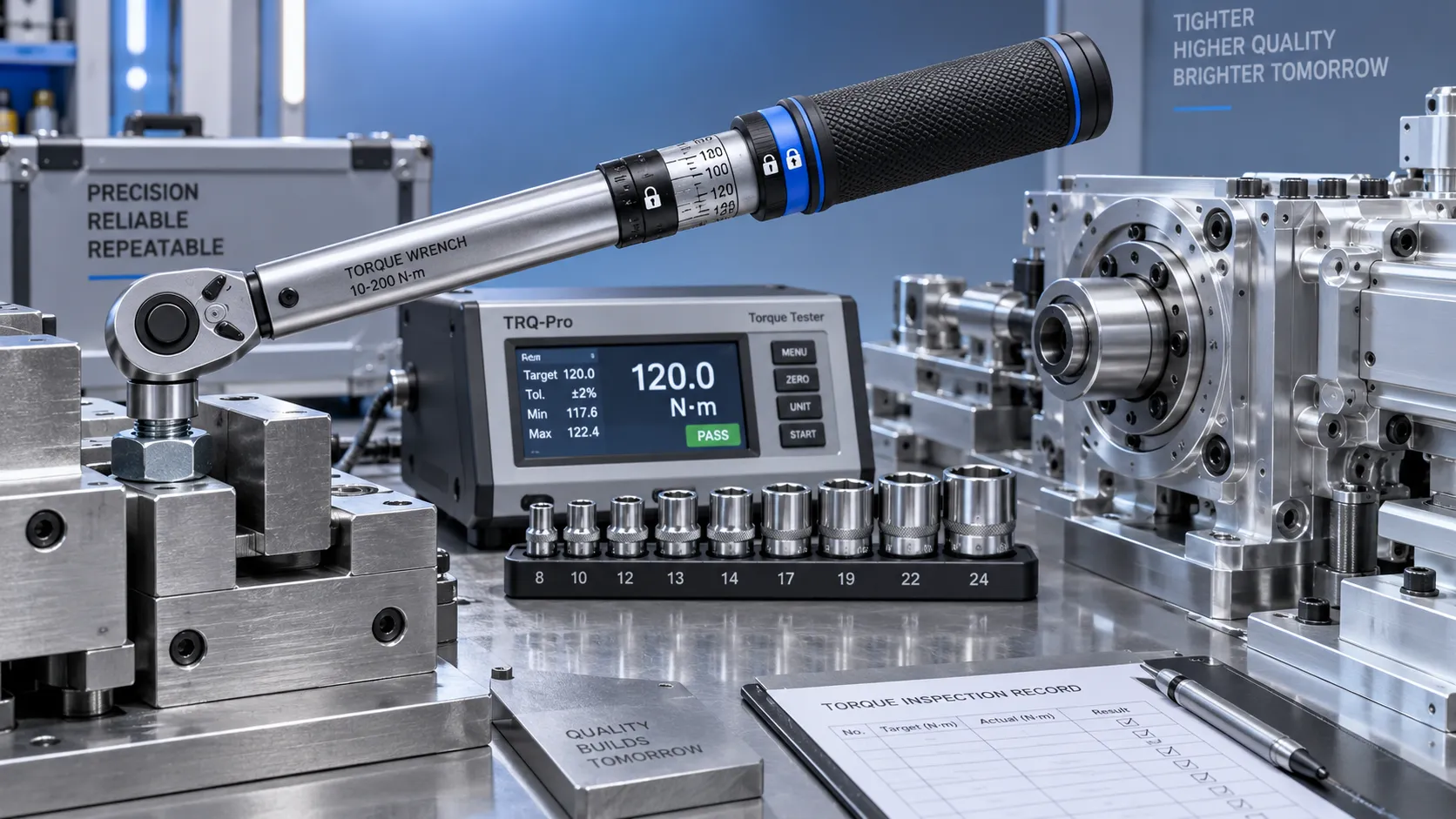
Selecting Adjustable Torque Tools for Repeatable Fastener Assembly
Adjustable torque tools: learn how to match range, accuracy, control methods, calibration, and ergonomics for repeatable, reliable fastener assembly.

How to Select Aerospace Inspection Tools for Aircraft Maintenance Tasks
Aerospace maintenance inspection tools: learn how to select reliable, traceable equipment for aircraft access, accuracy, calibration, and compliant maintenance decisions.

How to Select Wire Bonding Tools for Fine-Pitch Semiconductor Packaging
Explore semiconductor manufacturing tools for wire bonding and learn how to select precision solutions for fine-pitch packaging, reliable loops, accuracy, and yield.
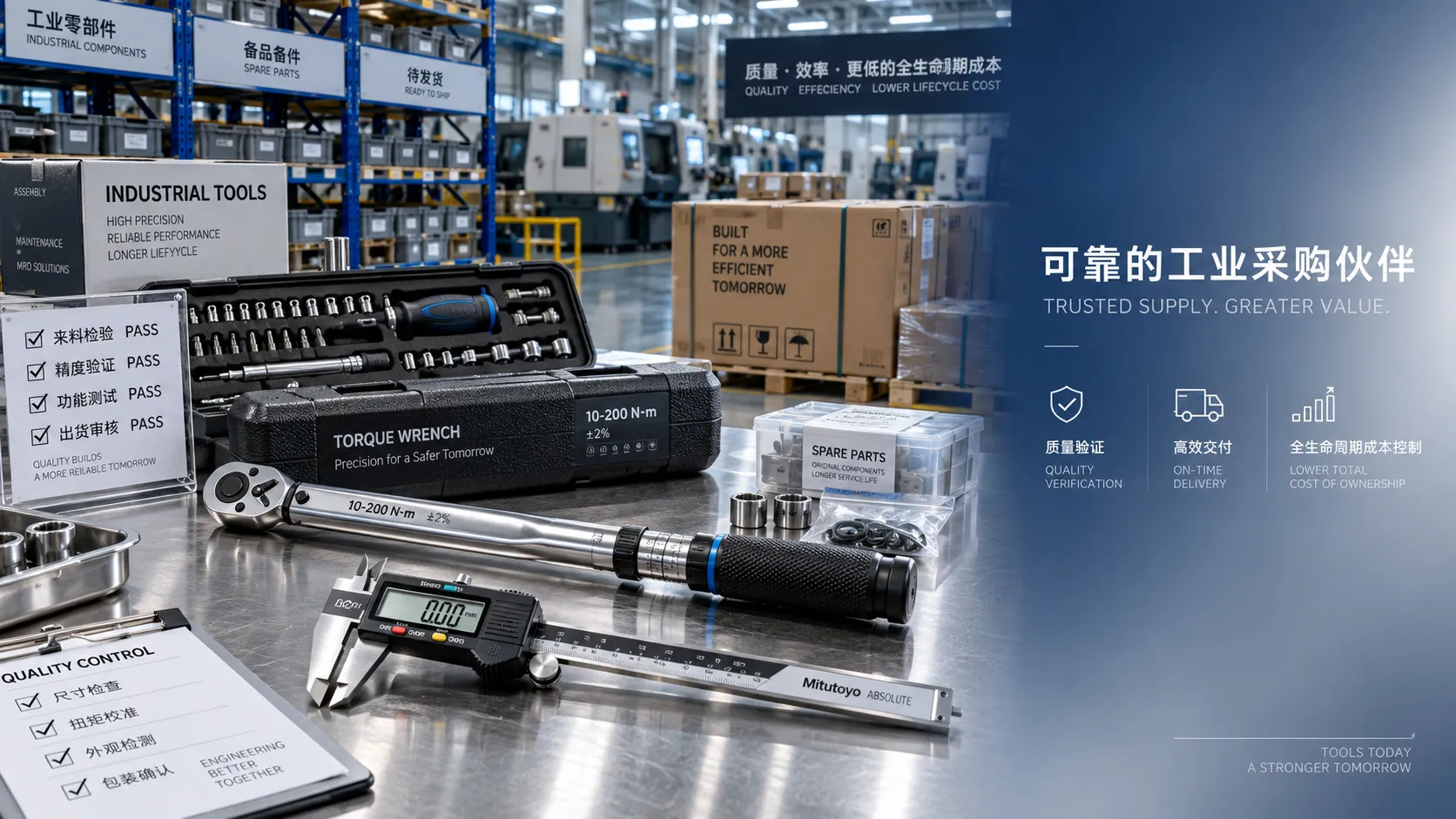
How to Compare Industrial Tool Suppliers for Quality, Lead Time, and Total Cost
Industrial tool selection supplier comparison made simple: evaluate quality, lead times, total cost, service, and supply resilience for confident sourcing decisions.
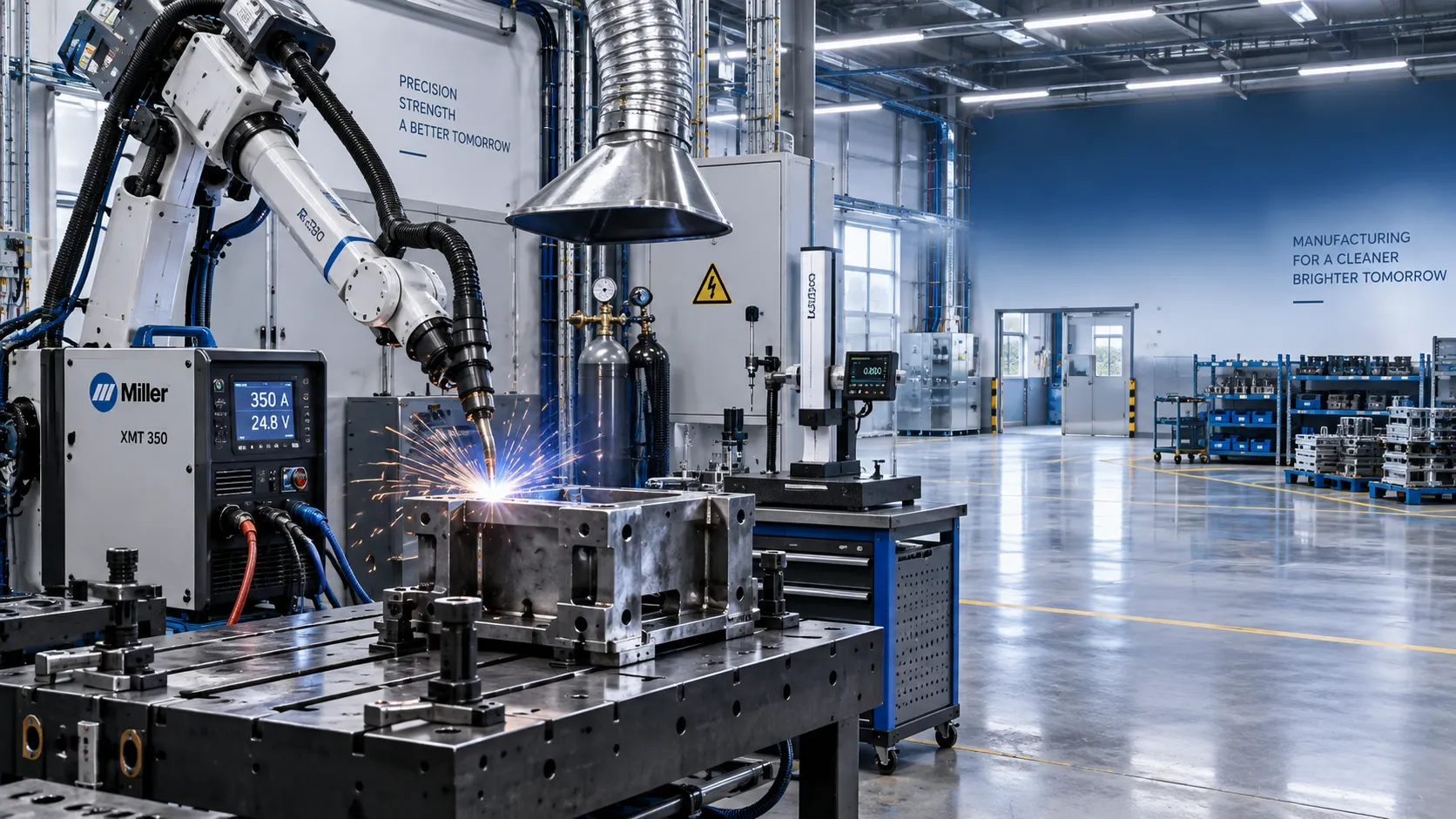
Industrial Equipment Application Guidance: Match Machines to Operating Conditions
Application guidance industrial equipment: match capacity, duty cycle, materials, site conditions, safety, and lifecycle cost to improve reliable output. Read the guide.
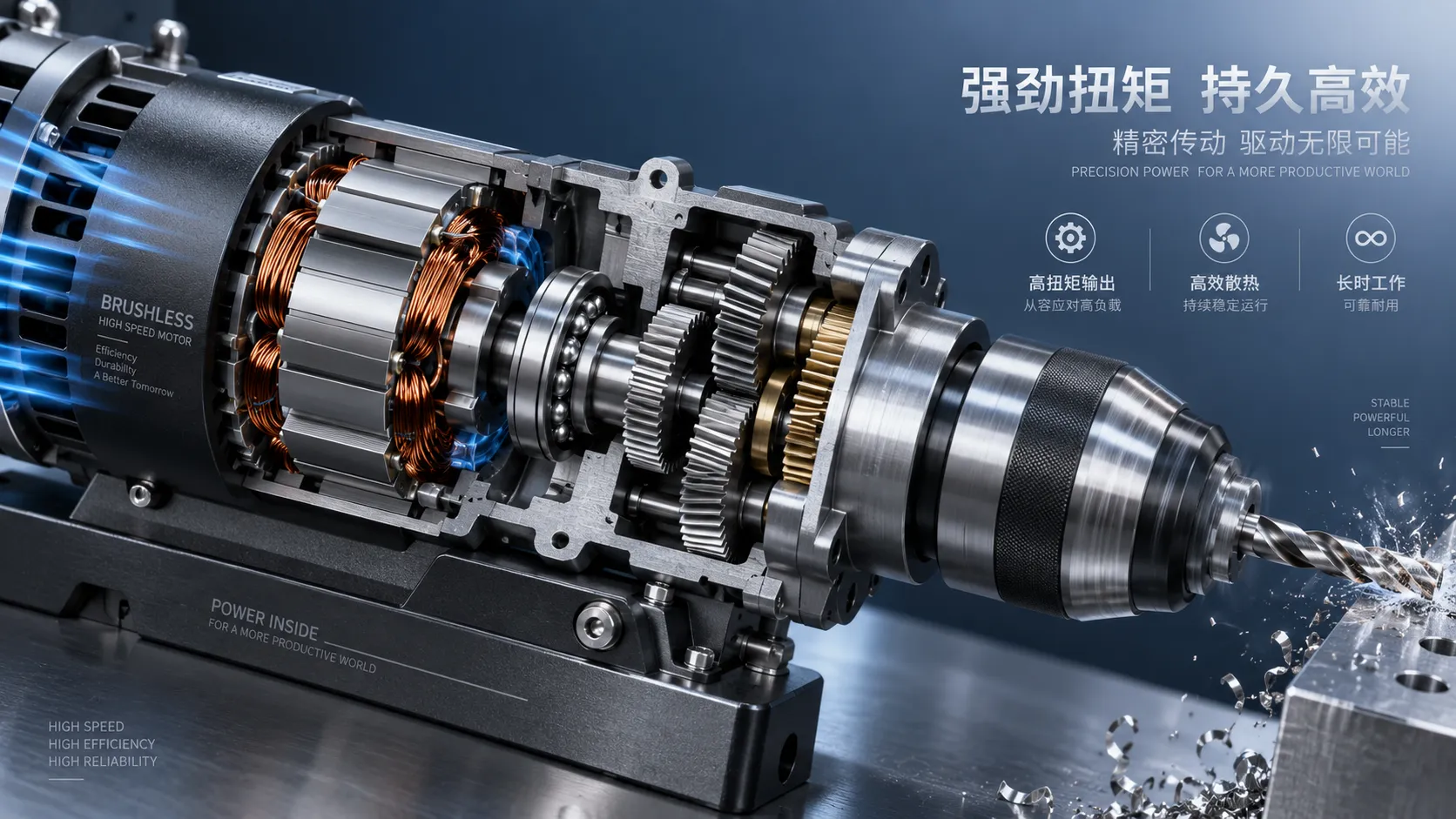
Selecting High-Speed Brushless Tool Motors for Torque, Heat, and Duty Cycle
High speed brushless tool motors: learn how to balance torque, heat, gearing, and duty cycle for reliable industrial tool performance and longer service life.
What Determines Industrial Hydraulic System Price for Heavy-Duty Equipment?
Industrial hydraulic system price depends on duty cycle, pressure, components, cooling, and integration. Compare quotes intelligently to secure reliable heavy-duty performance.
Welding Fume Extraction PPE: When Respirators Are Not Enough for Shop Safety
Welding fume extraction PPE: learn why respirators alone fall short and how source capture, ventilation, and layered controls improve shop safety.

How to Select Optical Metrology Solutions for Tight-Tolerance Manufacturing
Optical industrial metrology solutions for tight-tolerance manufacturing: evaluate accuracy, surface compatibility, workflow, and traceability to select with confidence.
Related News
- 00
0000-00
Selecting Adjustable Torque Tools for Repeatable Fastener Assembly - 00
0000-00
How to Select Aerospace Inspection Tools for Aircraft Maintenance Tasks - 00
0000-00
How to Select Wire Bonding Tools for Fine-Pitch Semiconductor Packaging - 00
0000-00
Industrial Equipment Application Guidance: Match Machines to Operating Conditions - 00
0000-00
Selecting High-Speed Brushless Tool Motors for Torque, Heat, and Duty Cycle
Prof. Marcus Chen
Weekly Insights
Stay ahead with our curated technology reports delivered every Monday.