
Why manufacturing technology upgrades fail to pay off





Many manufacturing technology investments look compelling on paper. Faster cycles, better traceability, and lower scrap all sound bankable. Yet many upgrades fail to create the expected return.
The real problem is usually not the manufacturing technology itself. Returns weaken when process maturity, operator behavior, data quality, and plant constraints are ignored during approval and rollout.
In complex industrial environments, success depends on matching the right technology to the right operating scene. That is where many projects quietly lose value before production starts.
When replacement projects look safe but underperform in stable production lines
A common scenario is a mature line receiving new manufacturing technology to replace older equipment. The promise is often higher throughput with less downtime and improved energy efficiency.
However, stable lines usually already run near their practical balance point. One faster machine can shift the bottleneck downstream instead of lifting total output.
This happens in assembly, welding, machining, packaging, and inspection cells. A local gain looks impressive, but the full system may deliver no additional sellable volume.
Core judgment points in this scene
- Is the current bottleneck truly located where the upgrade is planned?
- Can downstream handling, inspection, or maintenance absorb faster output?
- Will setup time, changeovers, or material flow erase the machine-level gain?
- Does the upgrade improve shipped output or only internal activity speed?
In this scene, manufacturing technology fails to pay off when decision models use theoretical capacity instead of constrained system capacity. That gap can destroy the projected business case.
When digital manufacturing technology is added to weak process discipline
Another frequent scene involves software, sensors, MES tools, connected torque systems, or machine monitoring platforms. These solutions promise visibility, alarms, and better control across operations.
But digital manufacturing technology cannot fix unstable standards by itself. If work instructions vary, data fields are inconsistent, and maintenance routines are weak, dashboards only display confusion faster.
Plants then face a double loss. They absorb the cost of the new system while supervisors still rely on manual workarounds because the underlying process remains unreliable.
Signals that this scene is high risk
- Different shifts record defects in different ways.
- Machine states are not consistently defined.
- Operators bypass scans, confirmations, or lock steps.
- Data owners are unclear after go-live.
In these conditions, manufacturing technology becomes a reporting layer without control power. Financially, that means recurring license cost without durable operational leverage.
When labor-saving automation enters high-mix, low-volume operations
Automation is often approved to reduce labor dependence. In repetitive environments, that can work well. In high-mix production, the outcome is less certain.
Flexible fixtures, programming updates, revalidation, and changeover support can consume more time than expected. The result is expensive manufacturing technology with lower utilization than planned.
This scene appears in job shops, custom fabrication, repair operations, aerospace support, and mixed assembly cells. Product variation can quietly overwhelm the automation business case.
Core judgment points in this scene
- How often do part geometry, tolerances, or routing change?
- How much engineering time is needed for each new variant?
- Are there hidden fixture, tooling, and validation costs?
- What utilization level is realistic after product mix volatility?
Manufacturing technology in this scene should be judged by flexibility-adjusted output, not nameplate speed. Otherwise, the payback period becomes fiction.
When quality-focused upgrades ignore measurement capability and training
Many upgrades target precision improvement. This includes vision systems, laser measurement, torque traceability, digital gauges, and advanced welding control.
These tools can create major value, especially in safety-critical or export-sensitive applications. Yet quality gains depend on calibration discipline, repeatability, and operator interpretation.
If measurement capability is not validated, a plant may confuse more data with better quality. Bad readings can trigger false corrections, rework, or shipment delays.
What must be checked before approval
- Gage repeatability and reproducibility for the target process.
- Calibration intervals and environmental sensitivity.
- Training depth for interpretation, not only button use.
- Link between measurement output and corrective action rules.
In precision-driven sectors, manufacturing technology pays off when metrology, process control, and human response are designed together, not purchased separately.
How scene-level needs differ across manufacturing technology investments
This comparison shows why one manufacturing technology strategy does not fit every plant. The operating scene determines what value is realistic and what risk deserves the most attention.
Practical ways to improve fit before funding manufacturing technology
A stronger approval process starts with scene diagnosis. The goal is to test whether the organization is ready to capture the promised gain.
- Map the current bottleneck and verify it with real production data.
- Separate machine benefit from line benefit and from business benefit.
- Estimate labor, engineering, maintenance, and training costs after launch.
- Run a pilot on one family, one shift, or one constrained cell.
- Define adoption metrics, not only installation milestones.
- Review data ownership, calibration routines, and support responsibilities.
For complex industrial environments, intelligence matters as much as equipment. GPTWM highlights this connection by linking metrology, joining, tooling, and operational economics into one decision view.
Common misjudgments that weaken manufacturing technology returns
Several mistakes appear repeatedly across industries. They are easy to miss because they often sit outside the vendor specification sheet.
- Approving on forecasted speed without verifying line balance.
- Treating software adoption as automatic after installation.
- Ignoring rework, fixture, and validation effort in high-mix settings.
- Assuming better instruments automatically improve quality outcomes.
- Using ROI models that exclude organizational learning time.
These issues explain why manufacturing technology can appear technically successful but financially disappointing. The installation works, yet the value stream does not materially improve.
The next step: evaluate manufacturing technology by scene, readiness, and measurable value
Better returns begin with sharper questions. Where is the real constraint, what operating scene applies, and which behavior changes must occur for the upgrade to matter?
When manufacturing technology is matched to actual process conditions, capital spending becomes more predictable. When it is approved on assumption alone, disappointment becomes expensive.
Use scene-based evaluation, pilot evidence, and operational intelligence before scaling. That approach creates a stronger bridge between technical promise and lasting manufacturing performance.
Related News
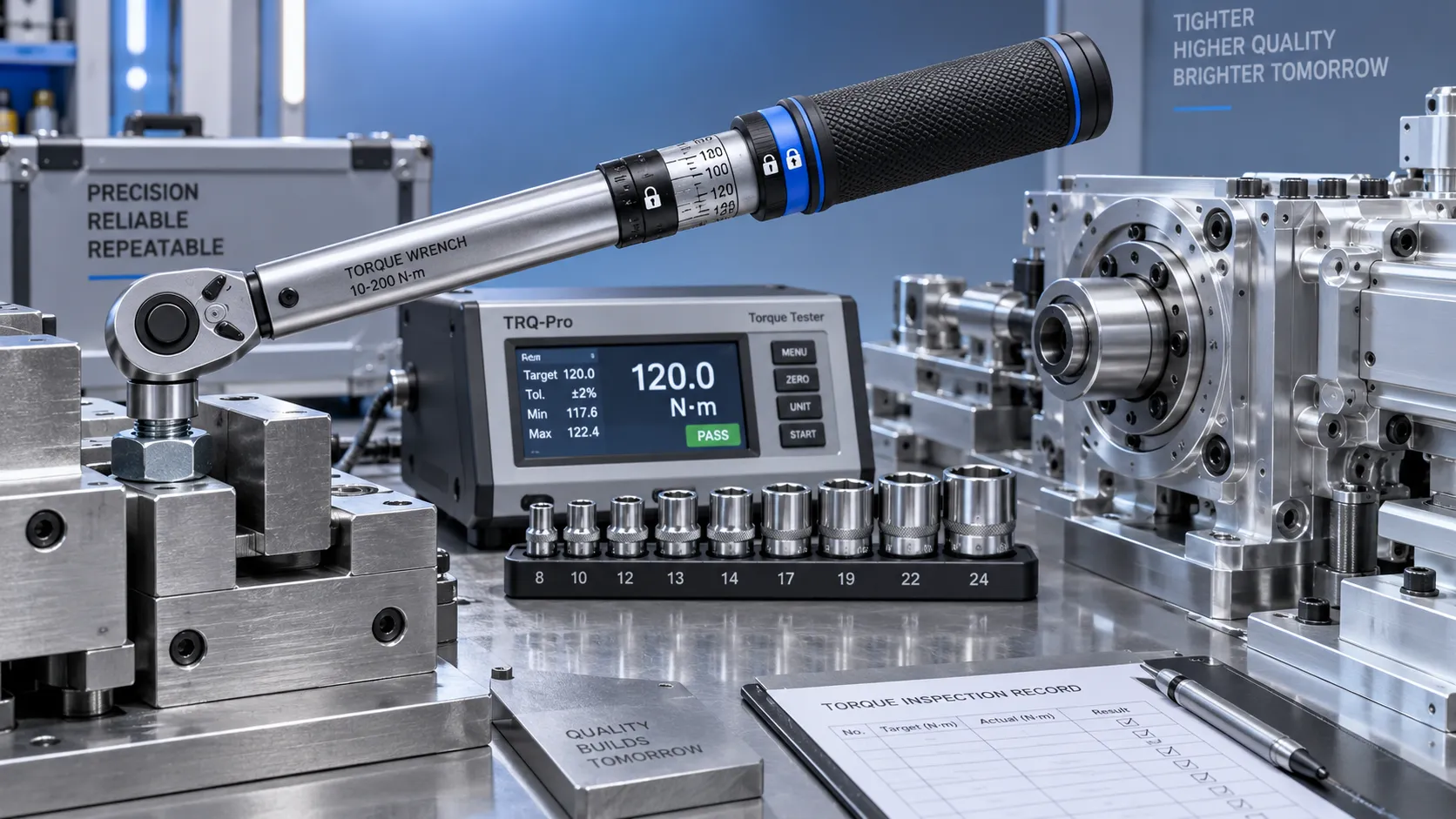
Selecting Adjustable Torque Tools for Repeatable Fastener Assembly
Adjustable torque tools: learn how to match range, accuracy, control methods, calibration, and ergonomics for repeatable, reliable fastener assembly.

How to Select Aerospace Inspection Tools for Aircraft Maintenance Tasks
Aerospace maintenance inspection tools: learn how to select reliable, traceable equipment for aircraft access, accuracy, calibration, and compliant maintenance decisions.

How to Select Wire Bonding Tools for Fine-Pitch Semiconductor Packaging
Explore semiconductor manufacturing tools for wire bonding and learn how to select precision solutions for fine-pitch packaging, reliable loops, accuracy, and yield.
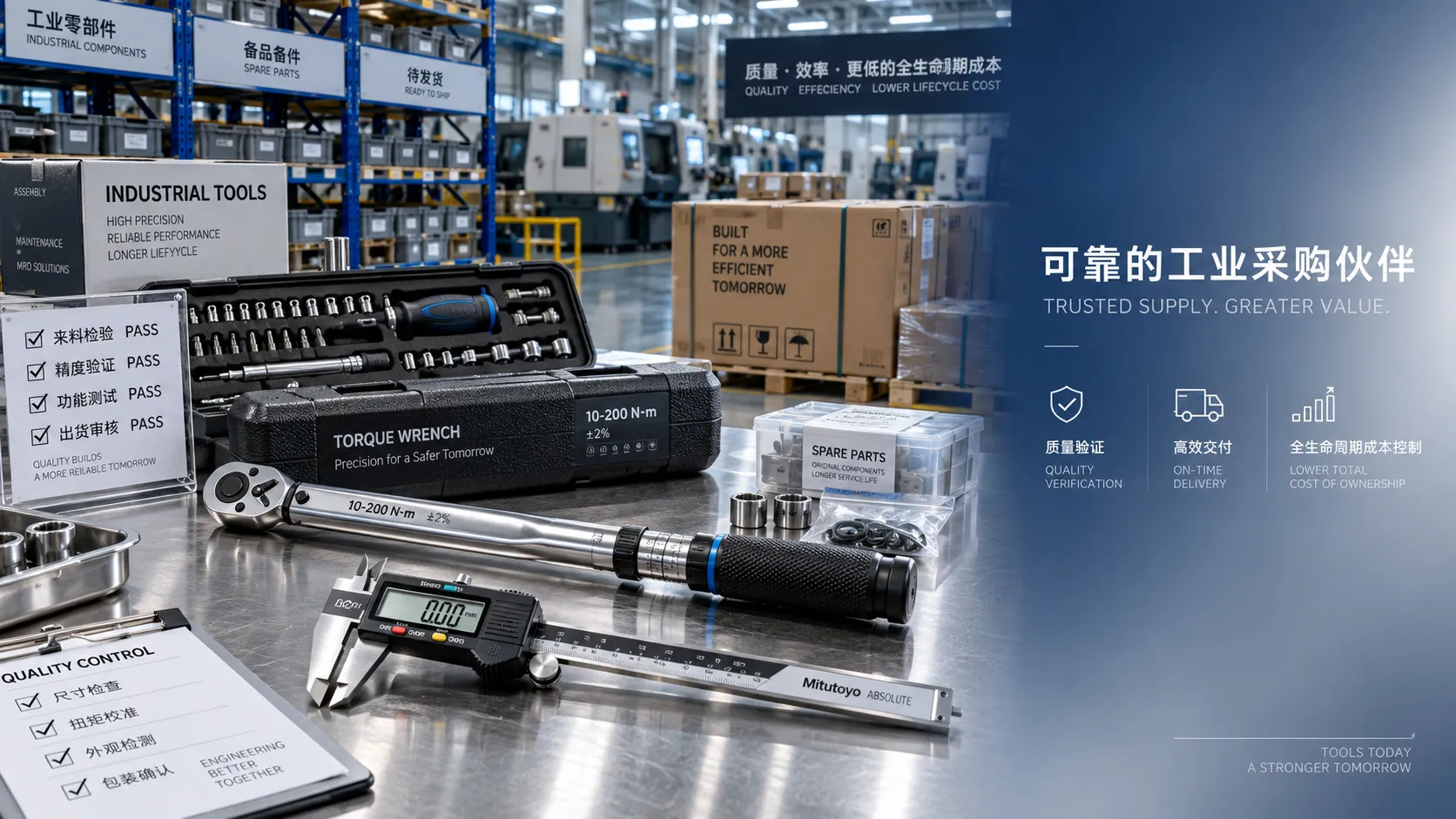
How to Compare Industrial Tool Suppliers for Quality, Lead Time, and Total Cost
Industrial tool selection supplier comparison made simple: evaluate quality, lead times, total cost, service, and supply resilience for confident sourcing decisions.
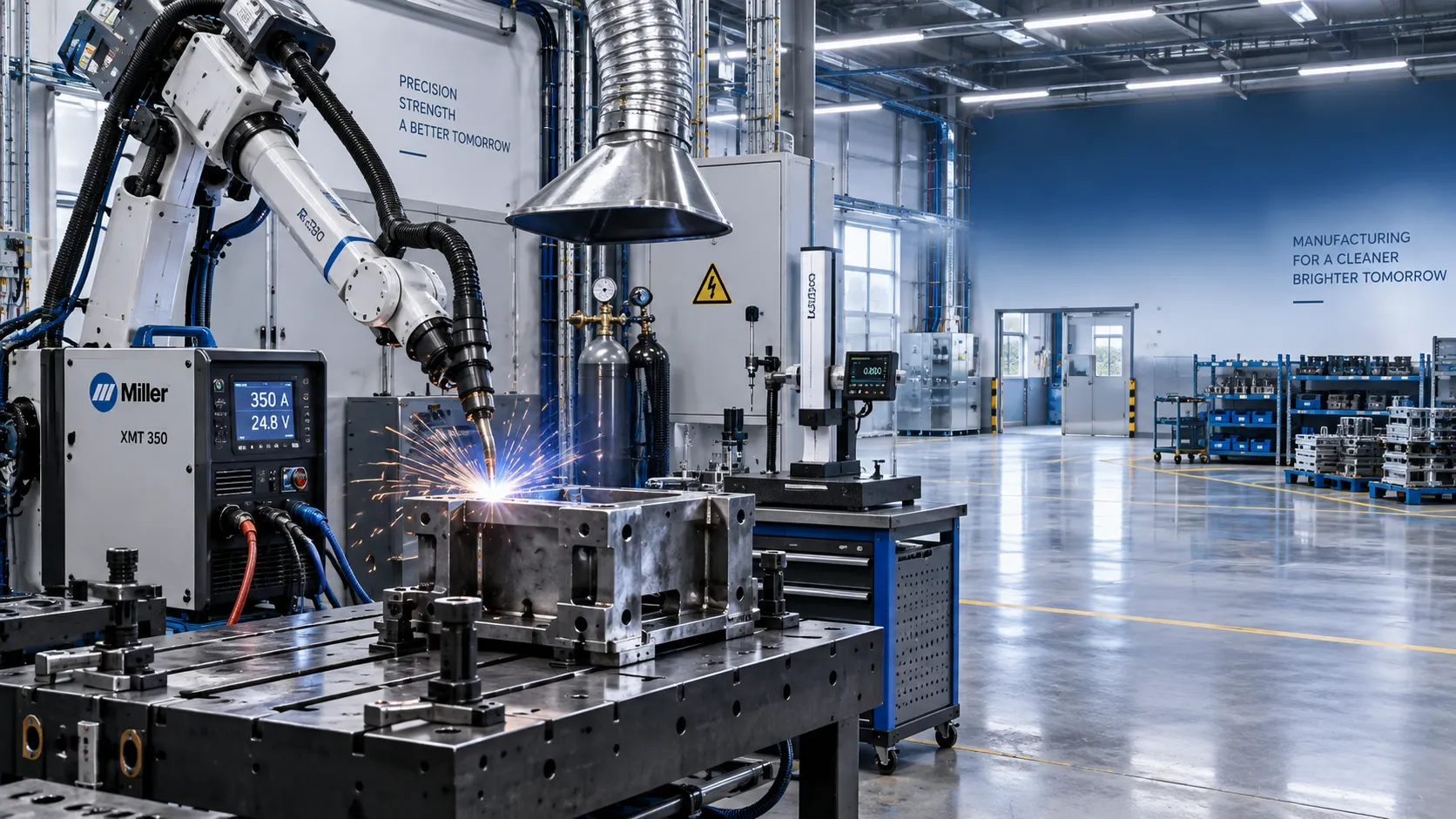
Industrial Equipment Application Guidance: Match Machines to Operating Conditions
Application guidance industrial equipment: match capacity, duty cycle, materials, site conditions, safety, and lifecycle cost to improve reliable output. Read the guide.
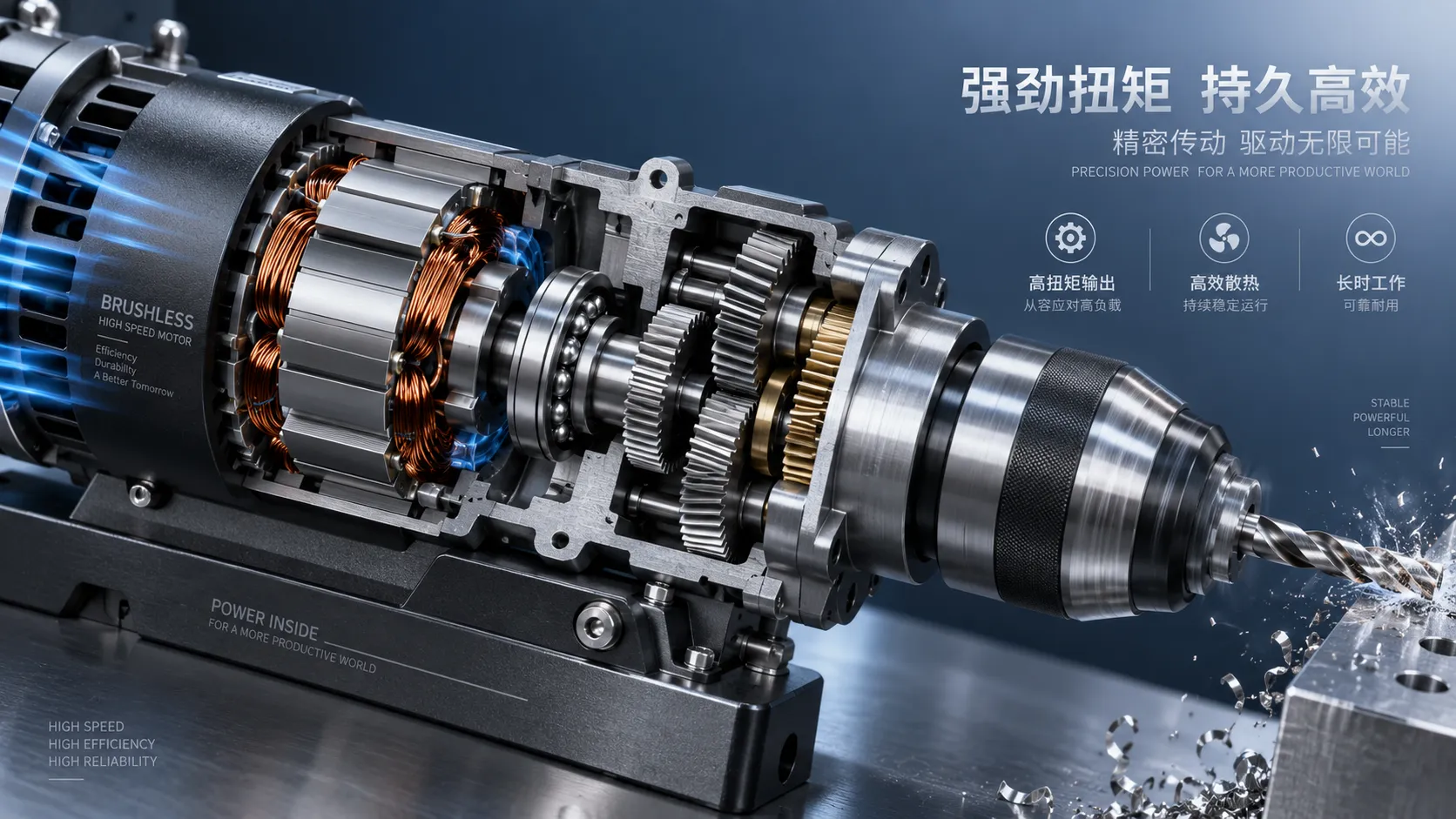
Selecting High-Speed Brushless Tool Motors for Torque, Heat, and Duty Cycle
High speed brushless tool motors: learn how to balance torque, heat, gearing, and duty cycle for reliable industrial tool performance and longer service life.
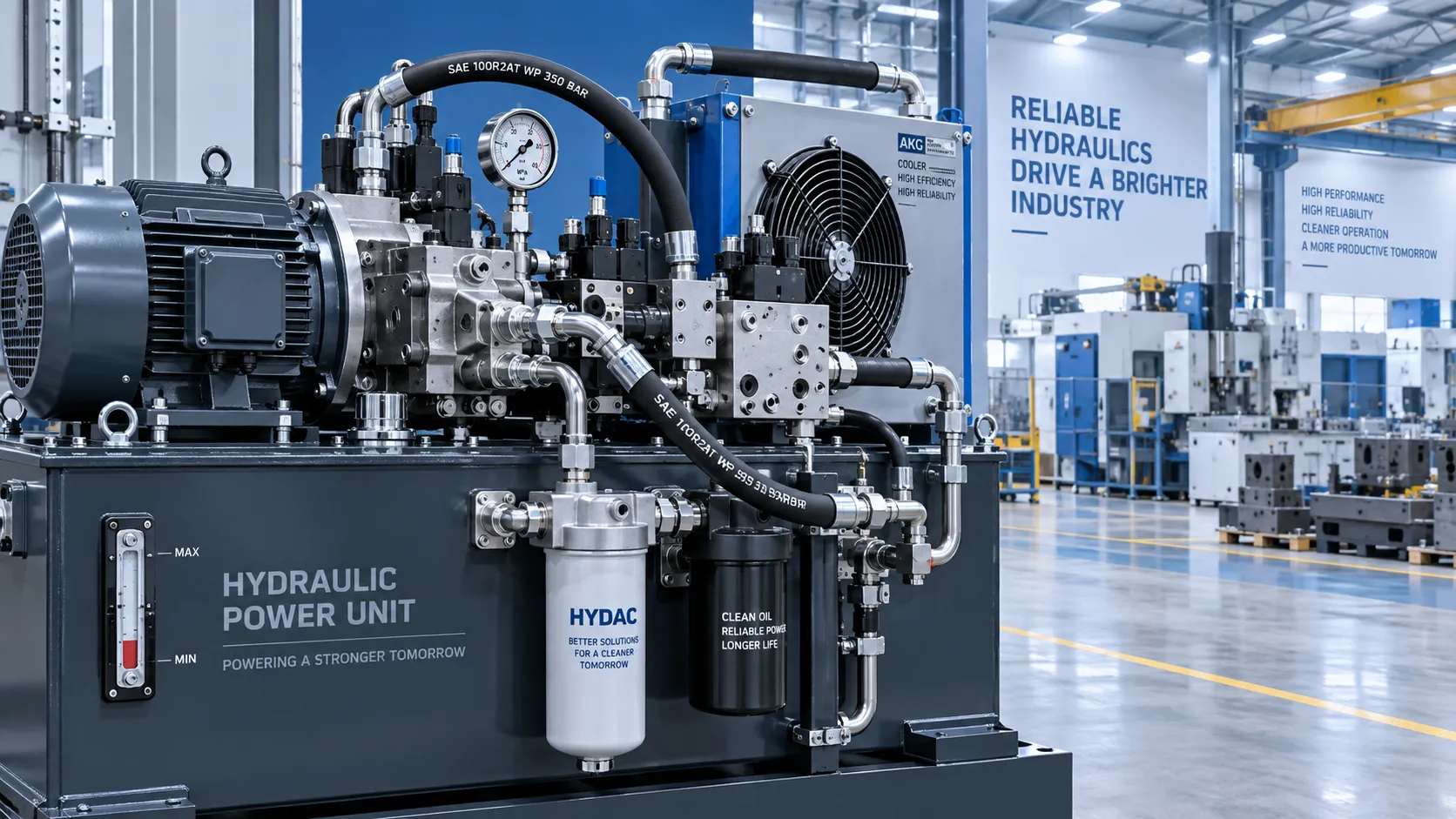
What Determines Industrial Hydraulic System Price for Heavy-Duty Equipment?
Industrial hydraulic system price depends on duty cycle, pressure, components, cooling, and integration. Compare quotes intelligently to secure reliable heavy-duty performance.
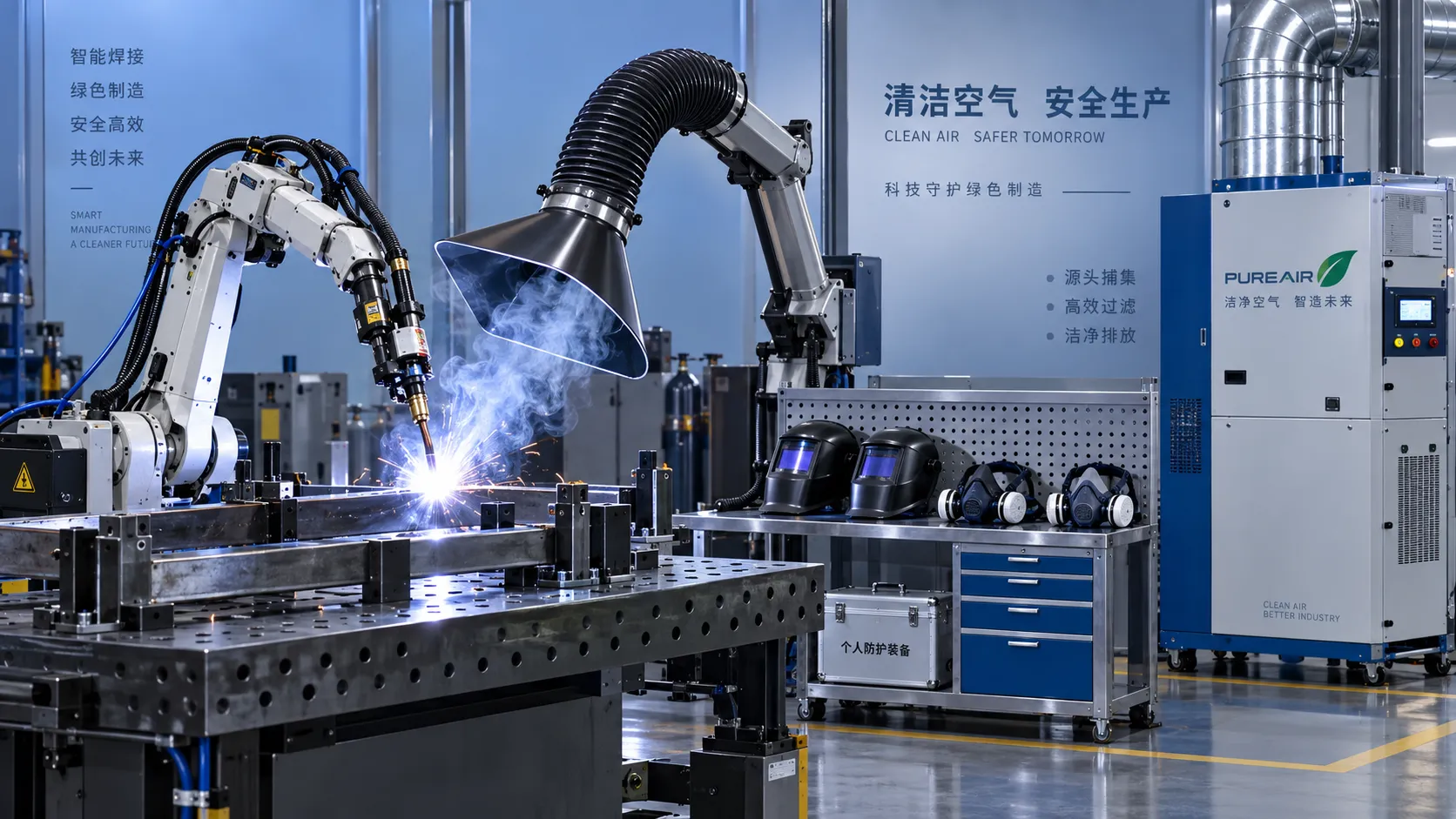
Welding Fume Extraction PPE: When Respirators Are Not Enough for Shop Safety
Welding fume extraction PPE: learn why respirators alone fall short and how source capture, ventilation, and layered controls improve shop safety.
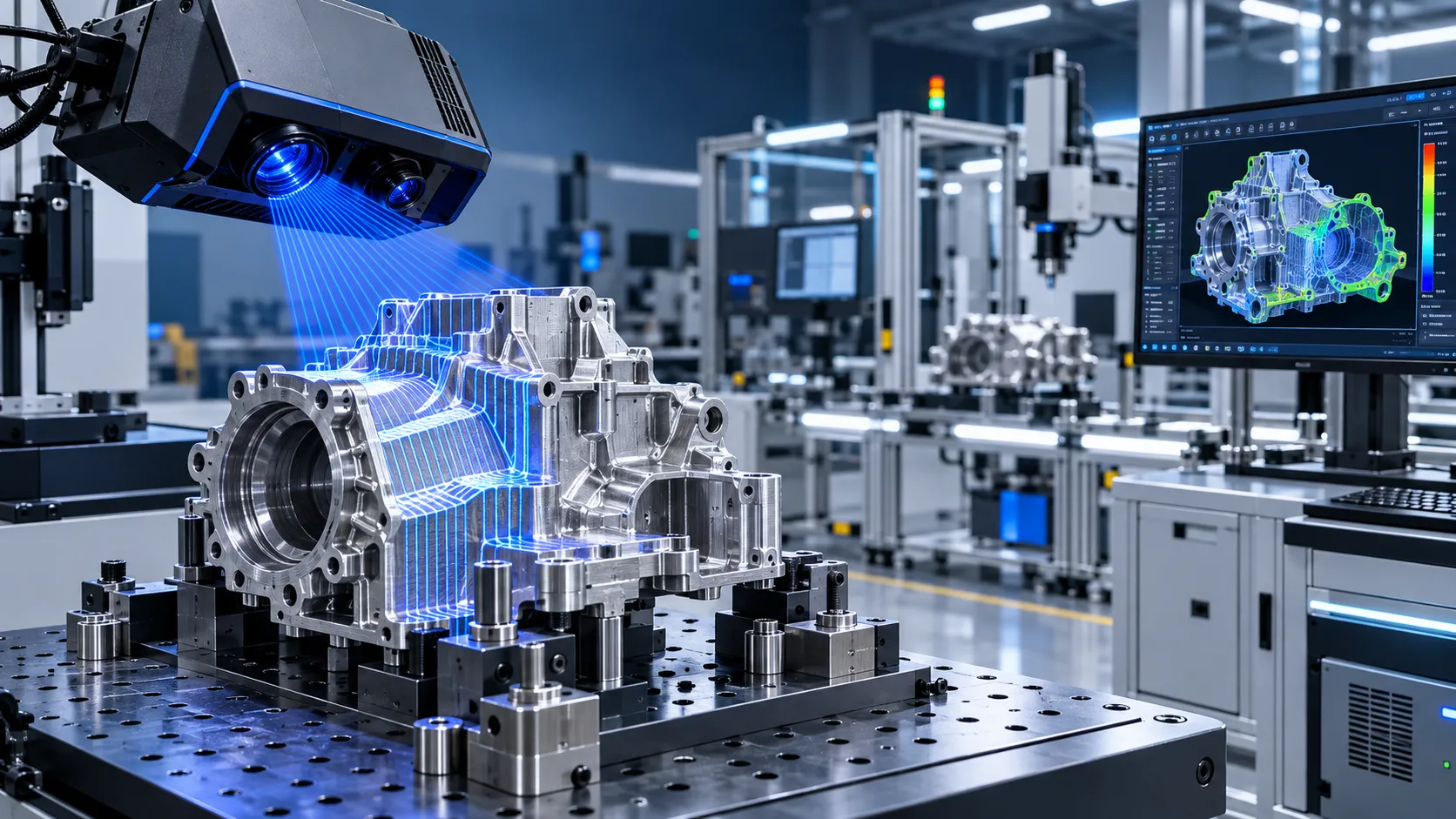
How to Select Optical Metrology Solutions for Tight-Tolerance Manufacturing
Optical industrial metrology solutions for tight-tolerance manufacturing: evaluate accuracy, surface compatibility, workflow, and traceability to select with confidence.
Related News
- 00
0000-00
Selecting Adjustable Torque Tools for Repeatable Fastener Assembly - 00
0000-00
How to Select Aerospace Inspection Tools for Aircraft Maintenance Tasks - 00
0000-00
How to Select Wire Bonding Tools for Fine-Pitch Semiconductor Packaging - 00
0000-00
Industrial Equipment Application Guidance: Match Machines to Operating Conditions - 00
0000-00
Selecting High-Speed Brushless Tool Motors for Torque, Heat, and Duty Cycle
Prof. Marcus Chen
Weekly Insights
Stay ahead with our curated technology reports delivered every Monday.