
What is driving industrial innovation in factory upgrades?





Industrial innovation is accelerating factory upgrades because manufacturers are under pressure from every direction at once: labor shortages, energy costs, stricter quality demands, faster product changeovers, and tighter compliance expectations. For technical evaluators, the key question is not whether modernization matters, but which technologies create measurable gains in throughput, reliability, safety, and traceability without adding unnecessary complexity.
In practice, the strongest drivers are no longer isolated machines or one-time automation projects. They are connected systems that improve the last mile of manufacturing performance: intelligent assembly tools, safer and more stable welding processes, in-line metrology, IoT torque control, data-driven maintenance, and software that links production decisions to actual plant conditions. These are the areas where industrial innovation is producing the clearest returns in factory upgrades.
For evaluation teams, this means the decision framework must go beyond headline terms like smart factory or Industry 4.0. The real task is to determine which upgrades solve current bottlenecks, what data they generate, how they integrate with legacy equipment, and whether they improve process capability at scale. The factories gaining an advantage are not always the most automated. They are the ones making disciplined, evidence-based upgrades.
What is the real search intent behind industrial innovation in factory upgrades?
Readers searching this topic usually want more than a general overview of modernization trends. They are trying to understand what is concretely pushing factories to upgrade now, which technologies matter most, and how to judge whether those investments are technically and economically justified.
For technical evaluators, the priority is practical interpretation. They need to know which innovation drivers are strong enough to affect procurement, engineering standards, plant architecture, maintenance models, and quality control strategies. They are also looking for a way to separate market hype from deployable improvements.
This is why industrial innovation should be discussed as an operational response to measurable pressure. The best answers connect technology change to performance outcomes such as first-pass yield, defect reduction, operator safety, tool life, energy efficiency, downtime prevention, and audit-ready traceability.
Why are factories upgrading now instead of waiting?
The first major driver is cost volatility. Raw materials, energy, logistics, and labor all fluctuate more sharply than in the past. When production economics become unstable, factories need tools and systems that reduce waste, shorten cycle times, and improve repeatability. Upgrades become a risk-control strategy, not simply a growth initiative.
The second driver is labor pressure. Many plants struggle to recruit and retain experienced welders, assemblers, and maintenance personnel. Industrial innovation helps standardize tasks that once depended heavily on individual skill. Intelligent tools, guided workflows, and automated measurement systems reduce process variation and preserve output quality even when workforce experience is uneven.
A third force is product complexity. Manufacturers increasingly produce more variants in smaller batches. Traditional fixed processes are harder to sustain when changeovers are frequent. Upgraded factories need flexible cells, programmable tools, digital work instructions, and measurement systems that can adapt quickly without sacrificing control.
Compliance pressure is also rising. In sectors linked to automotive, aerospace, electronics, energy, and export manufacturing, documentation and traceability standards are becoming stricter. Factory upgrades are often driven by the need to verify process consistency, capture tool data, record weld parameters, and prove dimensional accuracy during audits or customer reviews.
Finally, competitive timing matters. Companies can no longer rely only on low-cost production. They must demonstrate stable quality, rapid delivery, and responsive engineering support. Industrial innovation supports that shift by making production systems more visible, controllable, and scalable.
Which technologies are driving the most meaningful industrial innovation?
Not every new technology has equal value. The most influential innovations in factory upgrades are the ones that improve process stability while creating usable operational data. For many industrial environments, this begins with connected assembly tools and torque control systems.
IoT-based intelligent torque control is especially important in high-mix assembly. These systems verify torque delivery, detect deviations, log results by station or product, and reduce rework caused by under-tightening or over-tightening. For technical evaluators, their value lies in both error prevention and traceability.
Advanced welding technology is another major driver. Safer handheld laser welding, more refined arc control, and improved power electronics are changing how plants think about joining productivity and operator protection. In upgrade decisions, the key evaluation criteria include heat input stability, training requirements, shielding demands, safety infrastructure, and defect sensitivity.
Precision metrology is equally central. Factory upgrades increasingly rely on in-line or near-line measurement systems that provide faster feedback than manual inspection alone. Dimensional verification, alignment checks, surface analysis, and calibration control help plants detect drift earlier and prevent quality escapes before they spread through production.
Brushless motor technology in industrial tools also deserves attention. Better motor efficiency, lower maintenance demand, and improved controllability make brushless platforms more suitable for digitally managed production environments. In power tools and handheld systems, these gains support longer duty cycles, lower heat generation, and more consistent performance.
Machine connectivity platforms complete the picture. Sensors, gateways, and manufacturing software are useful when they turn machine signals into decisions: when to recalibrate, when a weld trend is moving out of tolerance, when a fastening tool repeatedly reaches a limit, or when a maintenance event should be scheduled before failure occurs.
How do smart assembly and metal joining upgrades create value on the shop floor?
For factories focused on final assembly and fabrication, innovation matters most when it reduces variation at the point where parts, operators, and tools meet. This last mile of manufacturing is where small inconsistencies become warranty claims, scrap, rework, or delayed shipments.
In assembly, smart tools reduce dependence on memory and manual confirmation. They can enforce recipes, verify sequence completion, and prevent incorrect parameter selection. This is highly valuable in plants where the same line handles multiple products, each with different fastening requirements.
In metal joining, upgraded welding systems improve consistency by controlling energy delivery more precisely and by making parameter windows easier to maintain. Better process control reduces porosity, distortion, spatter, and heat-related defects. When combined with stronger safety design, these systems can also broaden the range of tasks that can be standardized across shifts.
From an evaluator’s perspective, the most useful question is not whether a tool is advanced, but whether it narrows the gap between nominal process settings and actual field performance. Technologies that improve repeatability under real production conditions usually create more value than those that only look impressive in demonstrations.
Why precision metrology is a major innovation driver, not just a quality function
Many factory upgrade plans still treat metrology as a downstream inspection step. That approach is becoming outdated. Precision measurement is now a direct driver of industrial innovation because it supports process correction in real time, not just defect detection after the fact.
In modern production, metrology helps determine whether machines, fixtures, joining systems, and assembly tools are holding tolerance under actual operating conditions. It turns quality from a periodic checkpoint into a live control loop. That shift is essential for factories trying to reduce scrap and improve capability without slowing output.
For technical evaluators, this means metrology systems should be assessed as part of the production architecture. Questions should include measurement speed, uncertainty, environmental robustness, calibration traceability, software interoperability, and whether results can feed SPC, MES, or maintenance workflows.
The strongest business case appears when measurement data shortens reaction time. If a plant can identify drift before nonconforming batches accumulate, the savings can be substantial. This is particularly true in industries where a small dimensional deviation causes downstream fit issues, leak risks, alignment problems, or expensive rework.
How should technical evaluators judge whether an upgrade is truly worth it?
Evaluation should begin with bottleneck clarity. A factory does not need every new technology. It needs the technologies that solve its highest-cost problems. These may include fastening errors, weld inconsistency, unplanned downtime, inspection delays, calibration gaps, energy waste, or poor traceability.
Once the bottleneck is defined, evaluators should test four dimensions. First is process impact: will the upgrade improve cycle time, quality, changeover flexibility, or safety? Second is integration: can it connect with current equipment, software, and operator workflows? Third is maintainability: can plant teams support it without excessive vendor dependence? Fourth is economics: are the gains measurable within a realistic time frame?
A useful evaluation model compares baseline performance with pilot data. Baseline metrics might include defect rate, first-pass yield, mean time between failures, torque nonconformance rate, weld rework hours, inspection turnaround time, or calibration-related stoppages. Pilot data should show whether the proposed system improves those numbers in actual production conditions.
Technical evaluators should also be alert to hidden costs. These can include software licensing, retraining, fixture redesign, network requirements, safety enclosure upgrades, consumable changes, and validation effort. A low purchase price may conceal a difficult deployment. Conversely, a higher initial investment may produce stronger long-term value if it reduces recurring operational losses.
What risks and adoption barriers should be considered early?
One common risk is over-automation. Some factories install complex systems where simpler connected tools or targeted measurement upgrades would have delivered faster returns. Industrial innovation works best when sophistication matches process need. Excess complexity often reduces user acceptance and slows problem resolution.
Another barrier is poor data design. Plants may collect large volumes of machine and tool data without defining who will use it, how alerts should work, or what thresholds trigger action. Data without workflow alignment becomes noise. The goal is actionable visibility, not digital clutter.
Legacy integration is also a major issue. Older lines may lack communication standards, physical space, or electrical architecture for modern equipment. This does not prevent upgrades, but it means phased implementation is often smarter than a full replacement strategy. Gateways, edge devices, and modular retrofits can be more practical than sweeping rebuilds.
Safety and ergonomics must also be built into the evaluation. This is especially true for welding, handheld tools, and high-use assembly stations. A technology that improves output but creates new exposure risks or operator fatigue may underperform in practice. Sustainable innovation improves both human and process conditions.
What does a realistic factory upgrade roadmap look like?
Most successful programs start with a focused pilot, not a plant-wide transformation. The pilot should target a process with visible pain points and measurable performance indicators. This could be a fastening station with recurring torque failures, a welding cell with variable quality, or an inspection area causing production delays.
After the pilot, the next step is controlled scaling. Standardize data structures, operator training, maintenance routines, and reporting formats before expanding across lines or plants. Without this discipline, local successes remain isolated and difficult to replicate.
Technical evaluators should also establish governance around validation. Every upgrade should have agreed acceptance criteria, a review period, and ownership for ongoing optimization. Technology value often depends less on installation than on how consistently settings, calibration, and process response are maintained afterward.
A mature roadmap usually combines quick wins with foundational investments. Quick wins may include connected fastening tools, better measurement feedback, or upgraded welding controls. Foundational investments may include traceability architecture, interoperability standards, and data models that support long-term digital manufacturing goals.
Why industrial innovation is increasingly about decision quality
The deeper shift in factory upgrades is not only mechanization or digitization. It is better decision-making. Industrial innovation gives manufacturers more precise visibility into what is happening at the tool, weld, measurement, and workstation level. That visibility allows faster correction, more reliable forecasting, and stronger process accountability.
For organizations working across industrial assembly, metal joining, and precision metrology, this is where competitive advantage now forms. Better tools matter. Better data matters. But the real breakthrough comes when engineering, quality, maintenance, and operations use that information to make faster and better decisions.
That is why factory upgrades are no longer just capital projects. They are intelligence projects. The plants that benefit most are those that treat industrial innovation as a structured method for improving process capability, reducing uncertainty, and building traceable manufacturing performance from the last mile upward.
In summary, factory upgrades are being driven by a combination of cost pressure, labor constraints, product complexity, compliance demands, and the need for resilient quality. The most valuable innovations are those that improve repeatability, visibility, and control in real operating conditions. For technical evaluators, the right response is a disciplined assessment of process fit, integration readiness, data usefulness, and measurable return.
Industrial innovation is not about adopting every new technology. It is about choosing the upgrades that make production more stable, safer, and more intelligent. When assembly systems, welding processes, and metrology platforms are evaluated through that lens, modernization becomes far easier to justify and far more likely to deliver lasting value.
Related News
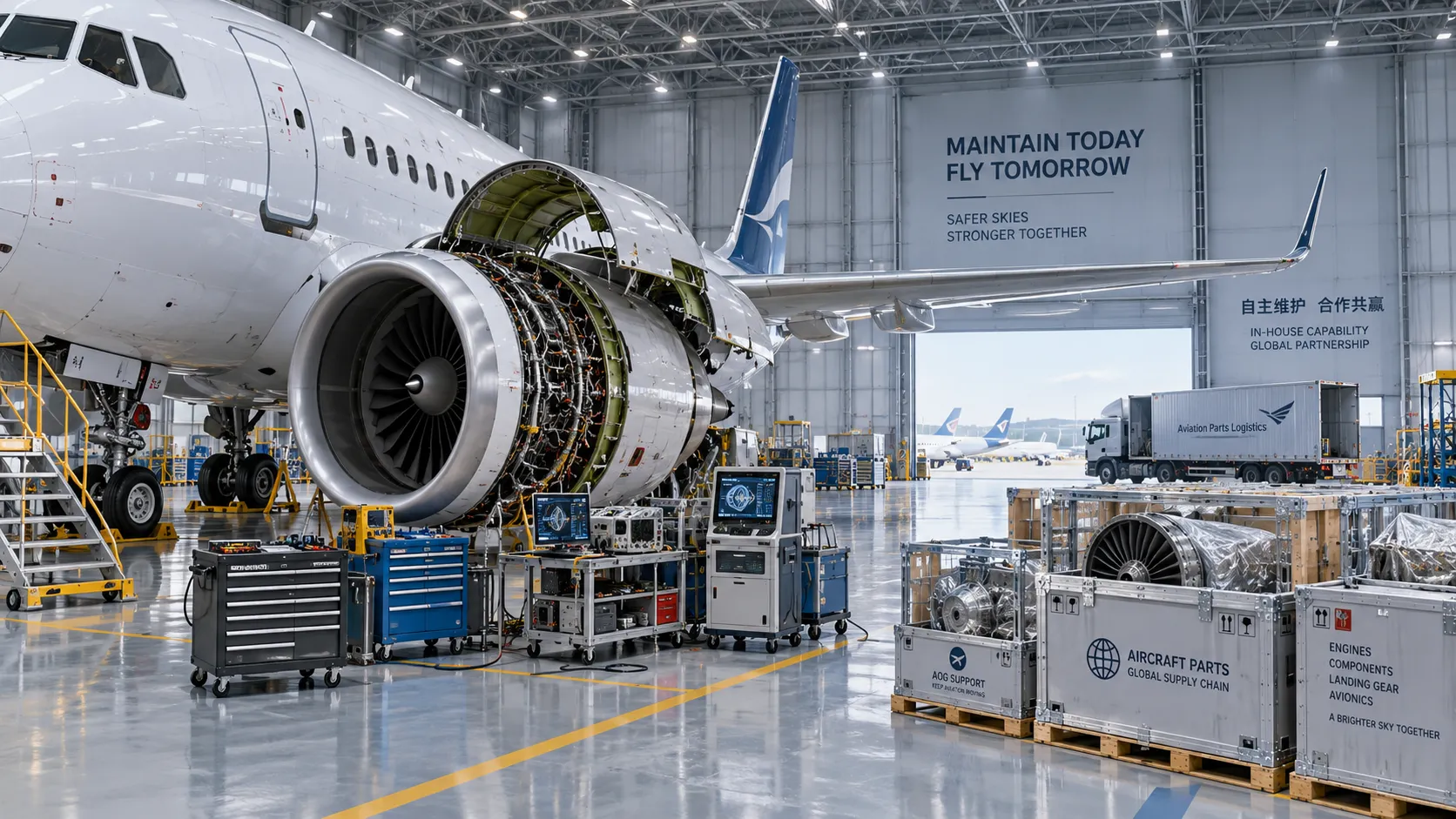
In-House vs. Outsourced Aircraft Maintenance: Comparing Total Costs
Compare aerospace maintenance cost for in-house vs. outsourced aircraft upkeep. Discover hidden expenses, downtime impacts, and break-even factors to find the best fit for your fleet.
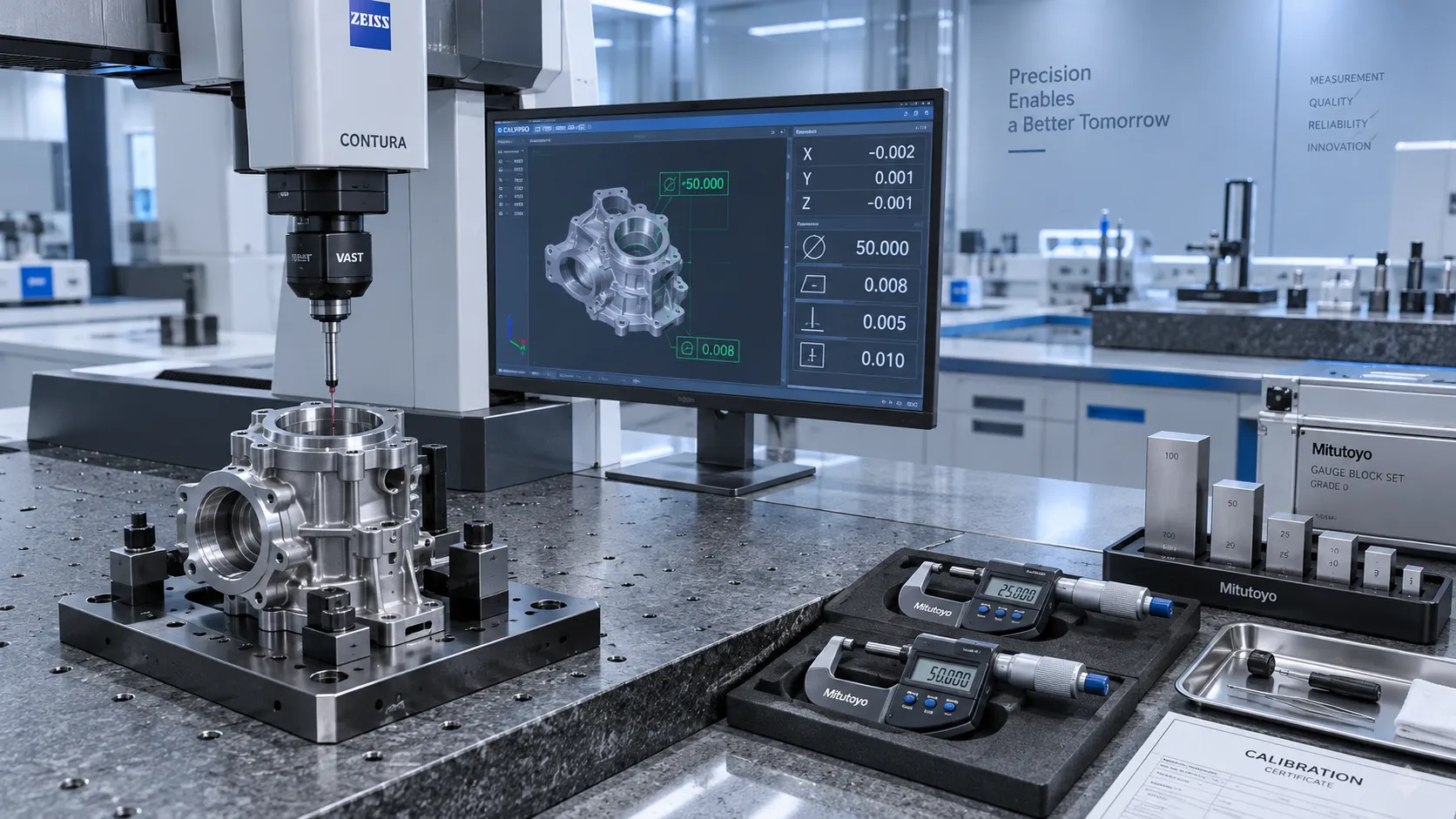
How to Select High-Precision Measuring Instruments for Tight-Tolerance Production?
High-precision measuring instruments are essential for tight-tolerance production. Learn how to evaluate accuracy, repeatability, environment, calibration, and data integration.
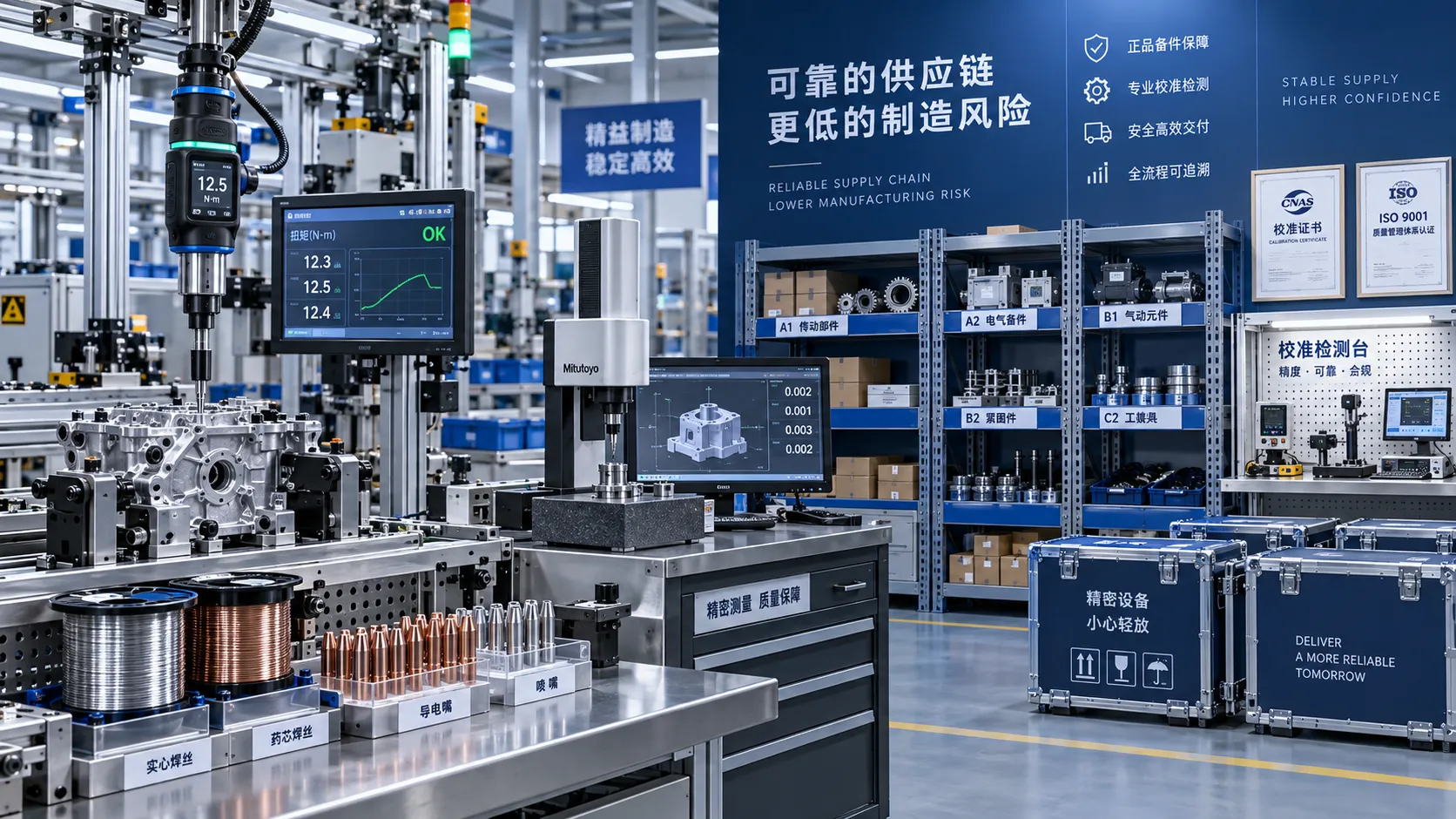
How Industrial Innovation Supplier Networks Reduce Sourcing Risk for Manufacturers
industrial innovation supplier network insights help manufacturers reduce sourcing risk, control lifecycle costs, and choose reliable tools, services, and suppliers with confidence.
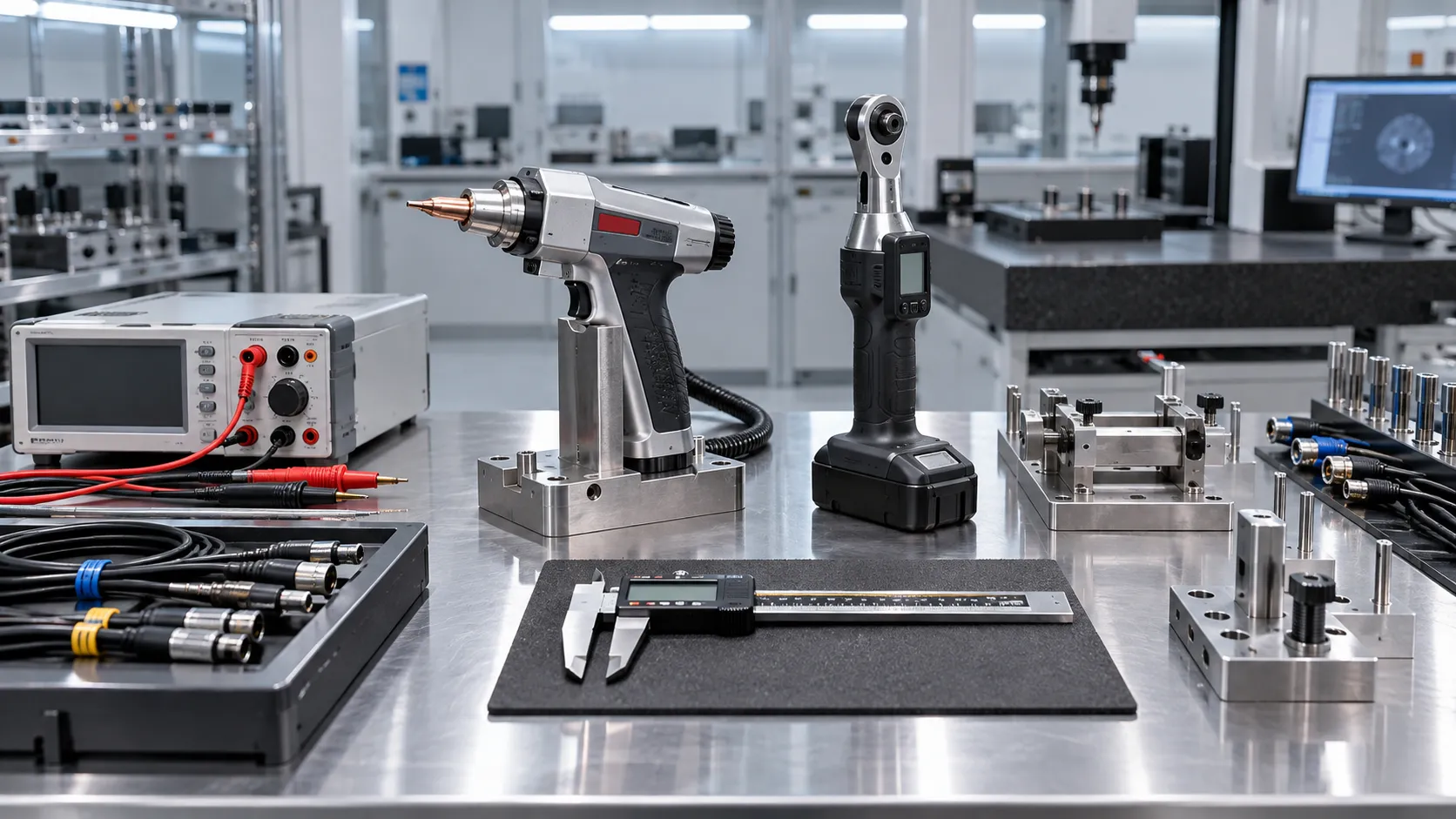
Which Industrial Standards Should Be Checked Before Export?
Which industrial standards should be checked before export? Discover essential compliance steps for industrial tools, welding equipment, laser systems, and metrology products.
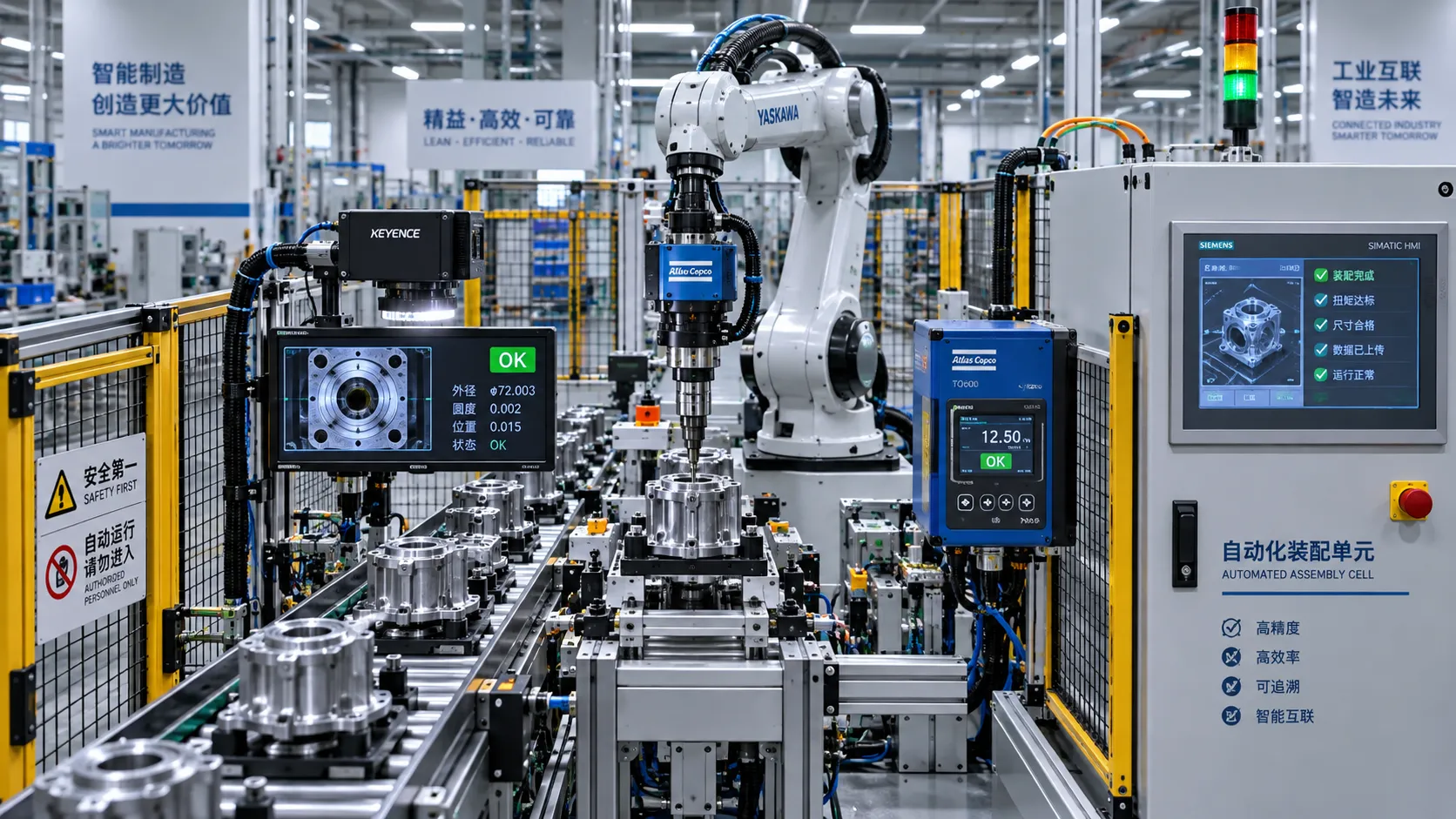
What Industrial Automation Exporters Need to Know Before Entering ASEAN Markets
Industrial automation exporter to ASEAN: learn how to navigate compliance, local service, digital readiness, pricing, and market entry for scalable growth.
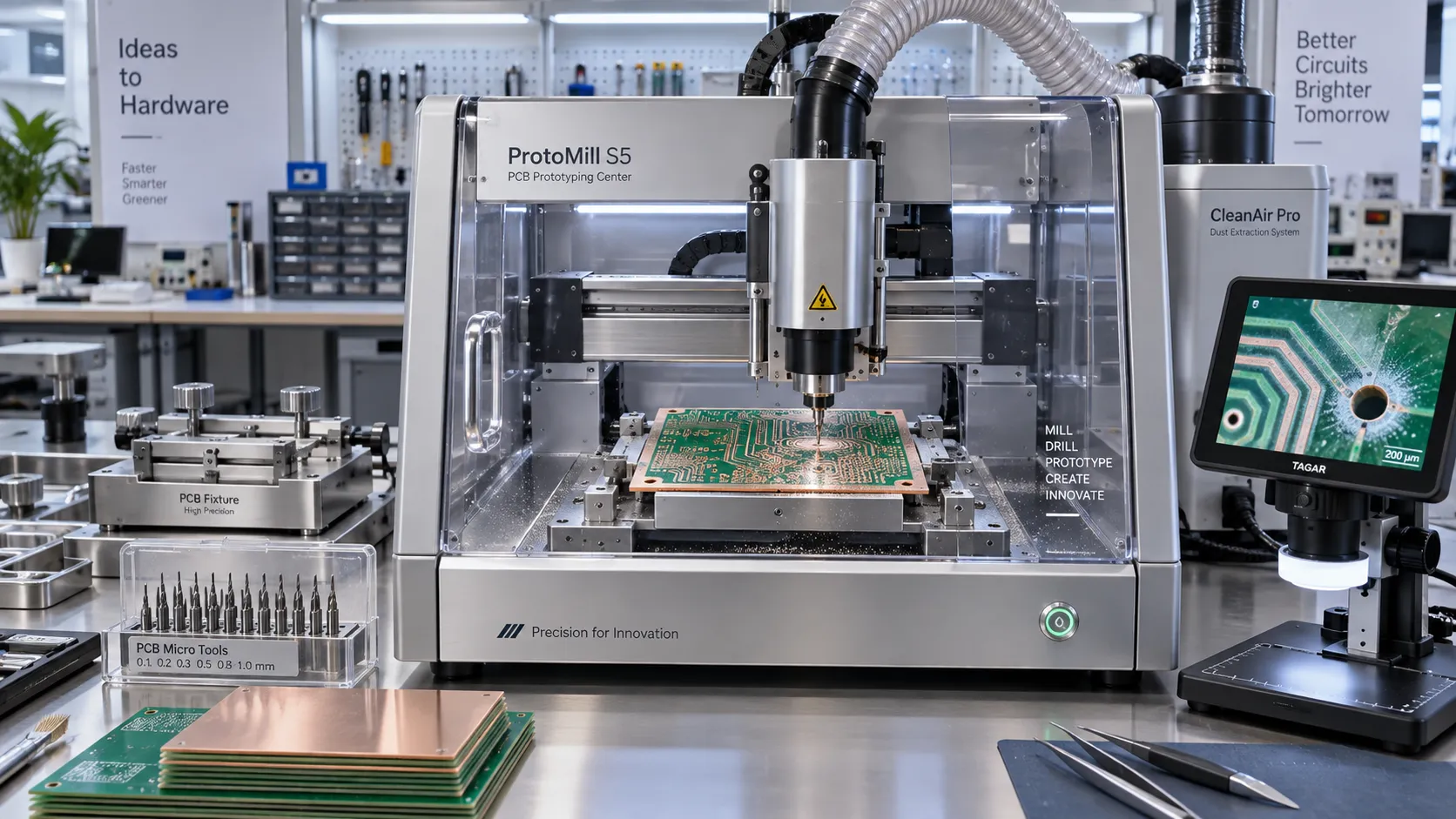
Prototype PCB Manufacturing Equipment: What Engineers Should Evaluate Before Purchase
Prototype PCB manufacturing equipment: discover the key factors engineers should evaluate—from accuracy and materials to software, safety, and ROI—before buying.
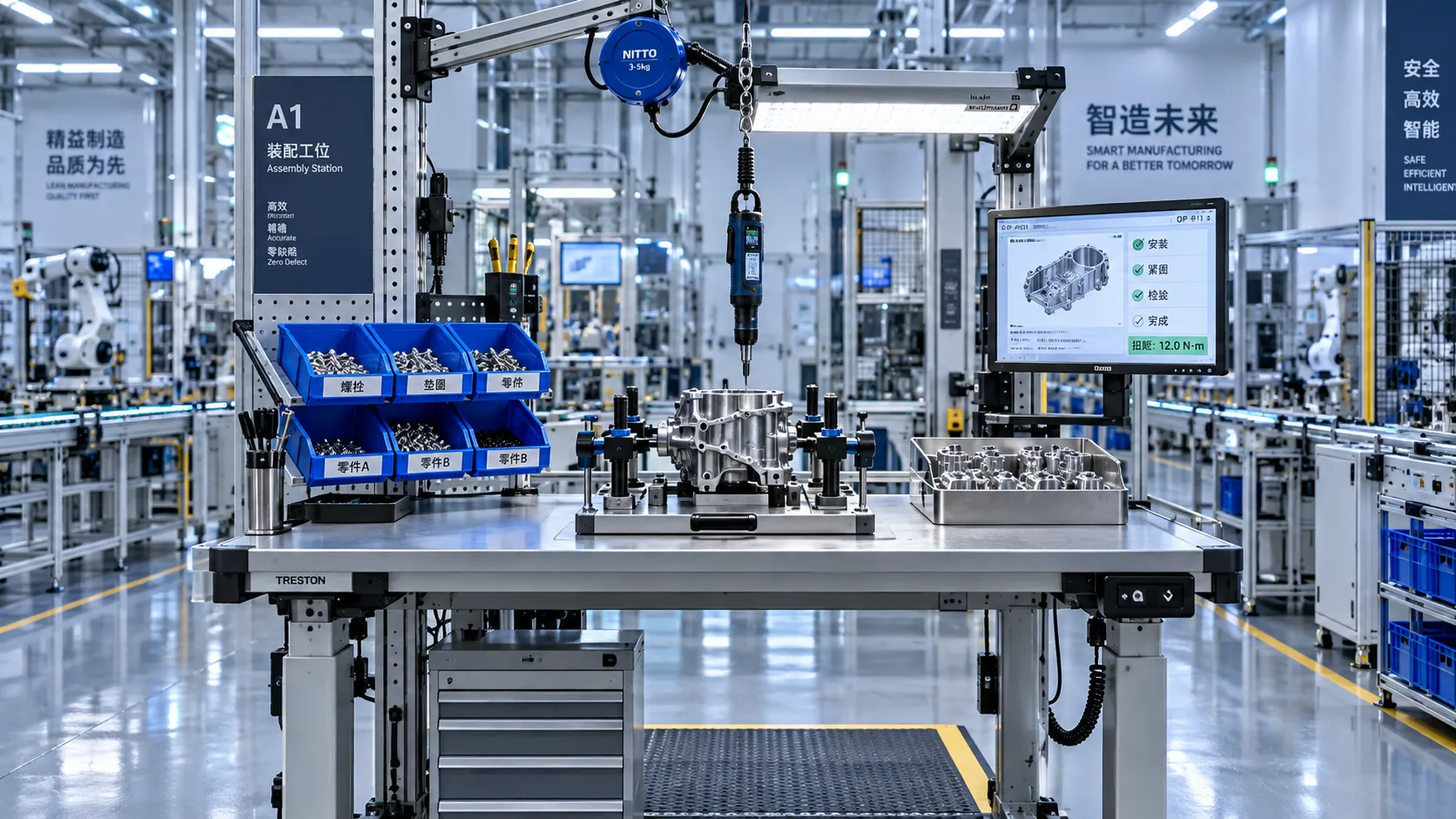
Workplace Ergonomics for Manufacturing: Reducing Repetitive-Strain Risks on Assembly Lines
Workplace ergonomics for manufacturing helps reduce repetitive-strain risks on assembly lines through smarter workstation design, tool selection, task analysis, and quality-focused improvements.
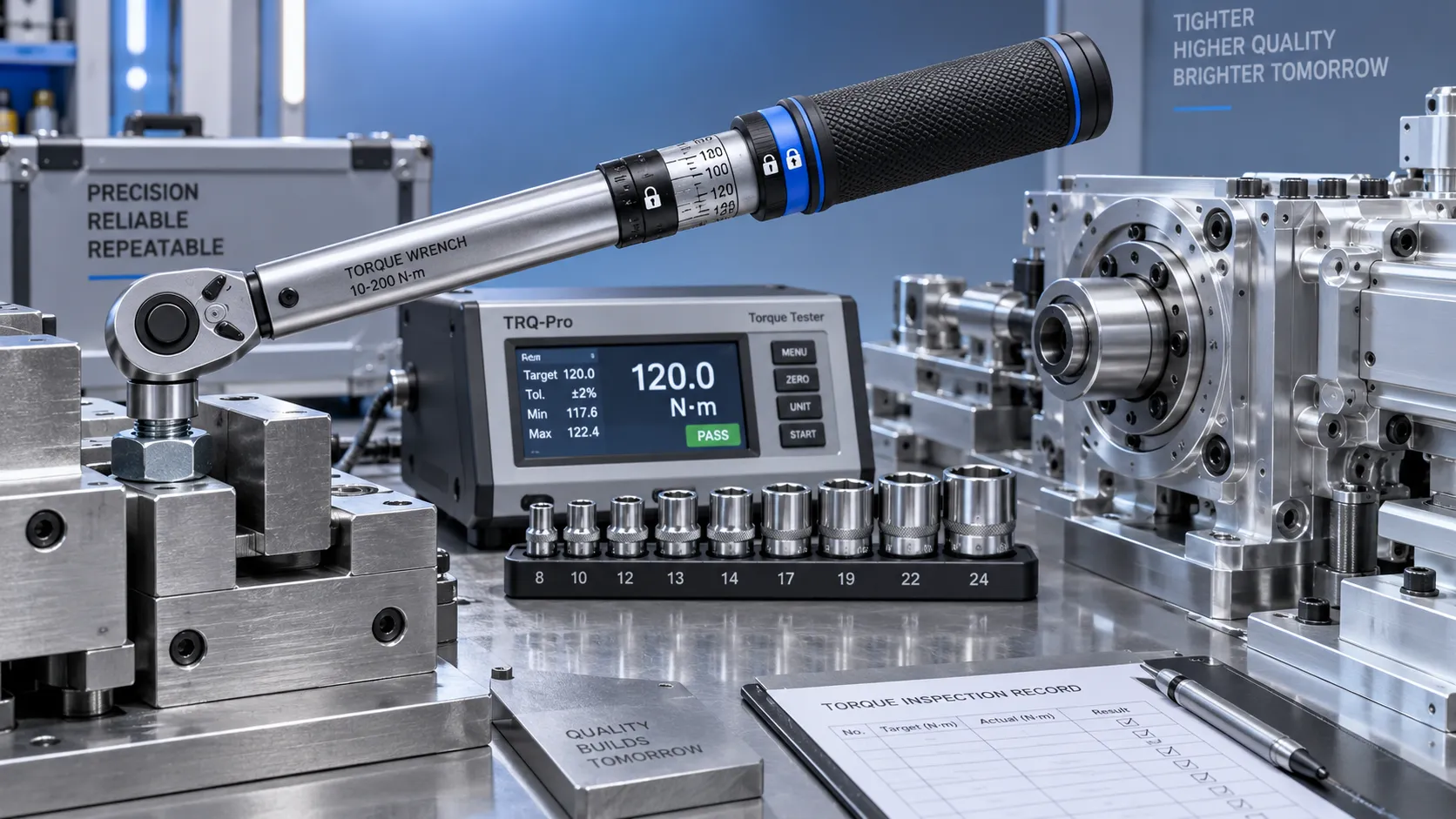
Selecting Adjustable Torque Tools for Repeatable Fastener Assembly
Adjustable torque tools: learn how to match range, accuracy, control methods, calibration, and ergonomics for repeatable, reliable fastener assembly.
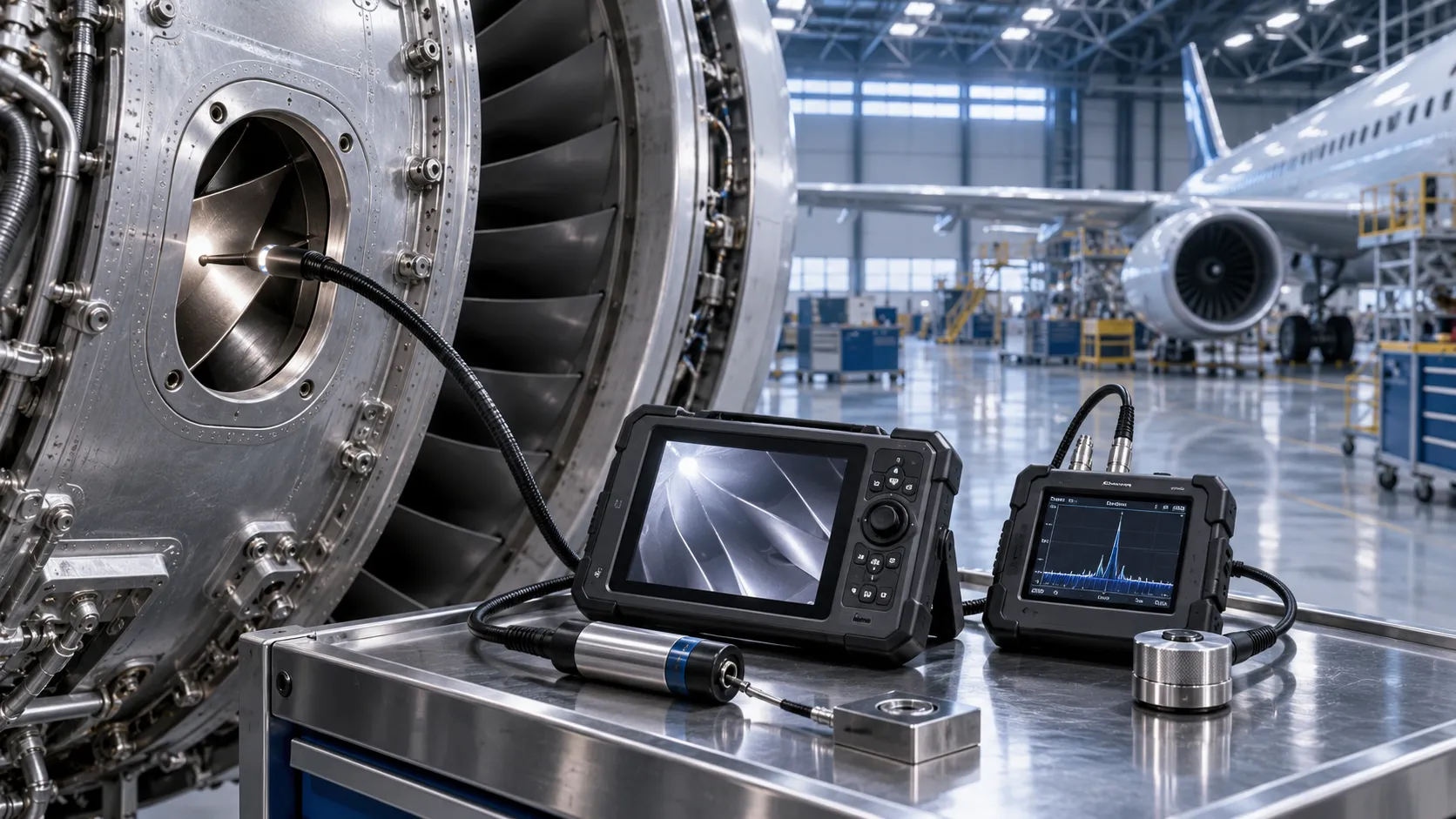
How to Select Aerospace Inspection Tools for Aircraft Maintenance Tasks
Aerospace maintenance inspection tools: learn how to select reliable, traceable equipment for aircraft access, accuracy, calibration, and compliant maintenance decisions.
Related News
- 00
0000-00
How to Select High-Precision Measuring Instruments for Tight-Tolerance Production? - 00
0000-00
Prototype PCB Manufacturing Equipment: What Engineers Should Evaluate Before Purchase - 00
0000-00
Workplace Ergonomics for Manufacturing: Reducing Repetitive-Strain Risks on Assembly Lines - 00
0000-00
Selecting Adjustable Torque Tools for Repeatable Fastener Assembly - 00
0000-00
How to Select Aerospace Inspection Tools for Aircraft Maintenance Tasks
Prof. Marcus Chen
Weekly Insights
Stay ahead with our curated technology reports delivered every Monday.