
How smart manufacturing cuts waste without slowing output





In today’s high-pressure industrial landscape, smart manufacturing is proving that companies do not have to choose between reducing waste and maintaining output. For business decision-makers, the real advantage lies in using data, automation, and precision control to improve efficiency without disrupting production flow. This article explores how manufacturers can cut material loss, energy waste, and process variation while protecting speed, quality, and long-term competitiveness.
What smart manufacturing means in practical terms
Smart manufacturing combines connected machines, production data, automation, and measurement systems to improve how work moves across the factory floor.
The goal is not automation for its own sake. The goal is better decisions, tighter process control, and less waste at every production step.
In many industrial settings, waste appears quietly. It hides in scrap, rework, idle time, excess energy use, and uneven quality.
Smart manufacturing makes those hidden losses visible. Once visible, they can be measured, traced, and reduced without slowing output.
This matters across assembly, welding, machining, inspection, packaging, and maintenance. It also matters in mixed production environments with changing product specifications.
GPTWM closely tracks this shift through its intelligence coverage of industrial assembly, metal joining, and precision metrology technologies.
That perspective shows a clear pattern. The strongest smart manufacturing results come from linking precision tools, process intelligence, and operational discipline.
Why waste reduction is now an output strategy
Waste reduction used to be viewed as a cost-control project. Today, it is increasingly part of output protection and delivery reliability.
When scrap rates rise, machines stop more often. When variation increases, inspection loads grow. When energy consumption spikes, production costs become harder to control.
These losses affect throughput even when line speed looks unchanged. Smart manufacturing addresses the root causes before they disrupt schedules.
Several industry signals explain the growing focus:
- Material price volatility increases the cost of scrap and rework.
- Energy costs make inefficient equipment more visible on profit margins.
- Labor shortages raise the value of stable, error-resistant processes.
- Global quality standards demand stronger traceability and repeatability.
- Shorter lead times require fewer production interruptions.
In this context, smart manufacturing supports output by preventing losses before they become line-level problems.
Key waste categories that connected production can reduce
How smart manufacturing cuts waste without reducing speed
The strongest systems reduce waste by improving process precision, not by adding friction to production.
Real-time visibility prevents slow, expensive drift
Connected sensors track temperature, torque, vibration, cycle time, weld quality, and dimensional results as production runs.
That visibility catches small deviations early. Early correction avoids larger defects later, which protects both quality and throughput.
Automated control improves repeatability
Smart manufacturing uses programmable logic, closed-loop control, and digital work instructions to reduce operator-to-operator variation.
For fastening, welding, dispensing, and machining, consistent settings prevent overuse of materials and reduce correction time.
Precision metrology reduces overprocessing
High-precision measurement is essential. Without accurate data, teams may overcompensate, inspect too much, or reject acceptable parts.
GPTWM’s focus on precision metrology reflects this reality. Better measurement supports smarter tolerances, faster approvals, and lower waste.
Predictive maintenance protects line continuity
Unexpected failure often creates the worst kind of waste. It stops output and creates quality instability before the stop becomes visible.
Smart manufacturing tools analyze equipment condition trends. Maintenance can then be scheduled before breakdowns interrupt production.
Energy optimization lowers waste in the background
Not all waste is physical scrap. Smart manufacturing also reduces energy waste through machine load balancing, idle shutdown logic, and smarter compressed air management.
These gains usually happen without reducing output volume. In many cases, stable power use improves process consistency.
Typical industrial scenarios where the gains are most visible
Smart manufacturing delivers the clearest waste reduction in processes where precision, repeatability, and traceability directly affect production cost.
These examples show why smart manufacturing is not limited to one sector. Its value appears anywhere process variation creates avoidable waste.
Business value beyond cost savings
The business case for smart manufacturing extends beyond lower scrap and lower energy use.
- More stable quality supports stronger customer trust.
- Cleaner process data improves compliance and traceability.
- Reduced process variation shortens ramp-up for new products.
- Higher equipment reliability protects delivery commitments.
- Better resource use supports sustainability targets.
For global industrial operations, these gains can strengthen margins while preserving operational flexibility.
This aligns with GPTWM’s mission to connect traditional craftsmanship with intelligent tools through practical industrial intelligence.
Implementation priorities that keep output moving
A successful smart manufacturing program usually starts with focused problems, not broad digital ambition.
Start with measurable waste points
Map where losses occur most often. Scrap, changeover delays, tool wear, energy spikes, and repeated defects are good starting points.
Prioritize high-frequency processes
Processes with high repetition produce faster data and clearer returns. They also reveal whether smart manufacturing controls are practical at scale.
Connect data to decisions
Data alone does not reduce waste. Alerts, thresholds, escalation rules, and response actions must be clearly defined.
Use metrology as a control layer
Measurement should validate whether process changes truly improve output. This prevents digital noise from replacing practical process control.
Scale only after process stability improves
Expanding too quickly can spread weak standards. Stabilize one area, document results, then extend the model across similar operations.
A practical next step for smarter, leaner production
Smart manufacturing works best when it is tied to visible operational waste and supported by precise industrial intelligence.
A practical next step is to review one production line, identify the top three loss sources, and connect them to measurable control points.
From there, use monitoring, automation, and metrology to reduce variation without adding unnecessary process delay.
For organizations tracking the future of industrial assembly, welding, and precision measurement, GPTWM provides a useful intelligence foundation.
In a market shaped by tighter margins and faster delivery demands, smart manufacturing offers a practical path to cut waste without slowing output.
Related News
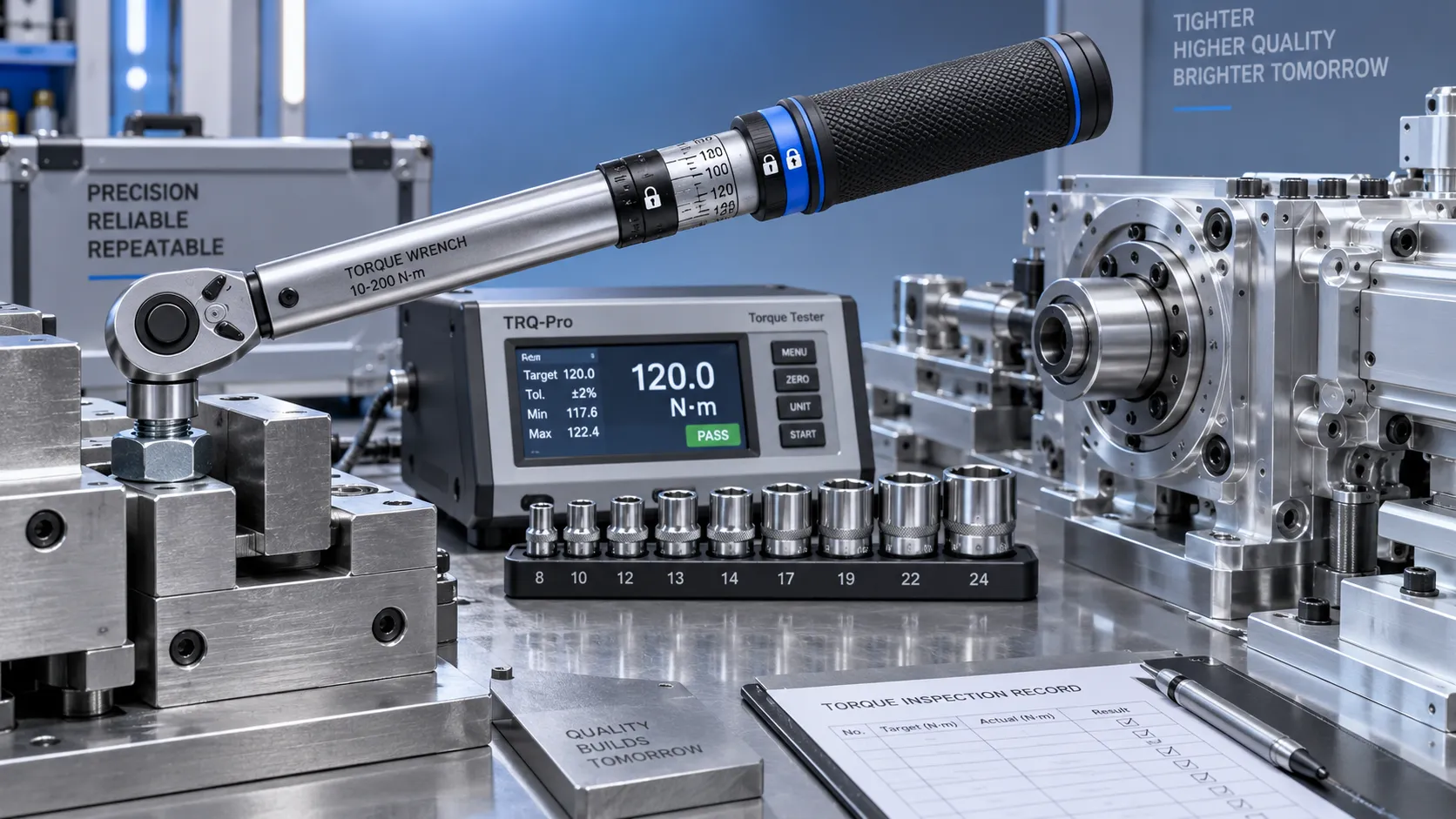
Selecting Adjustable Torque Tools for Repeatable Fastener Assembly
Adjustable torque tools: learn how to match range, accuracy, control methods, calibration, and ergonomics for repeatable, reliable fastener assembly.

How to Select Aerospace Inspection Tools for Aircraft Maintenance Tasks
Aerospace maintenance inspection tools: learn how to select reliable, traceable equipment for aircraft access, accuracy, calibration, and compliant maintenance decisions.
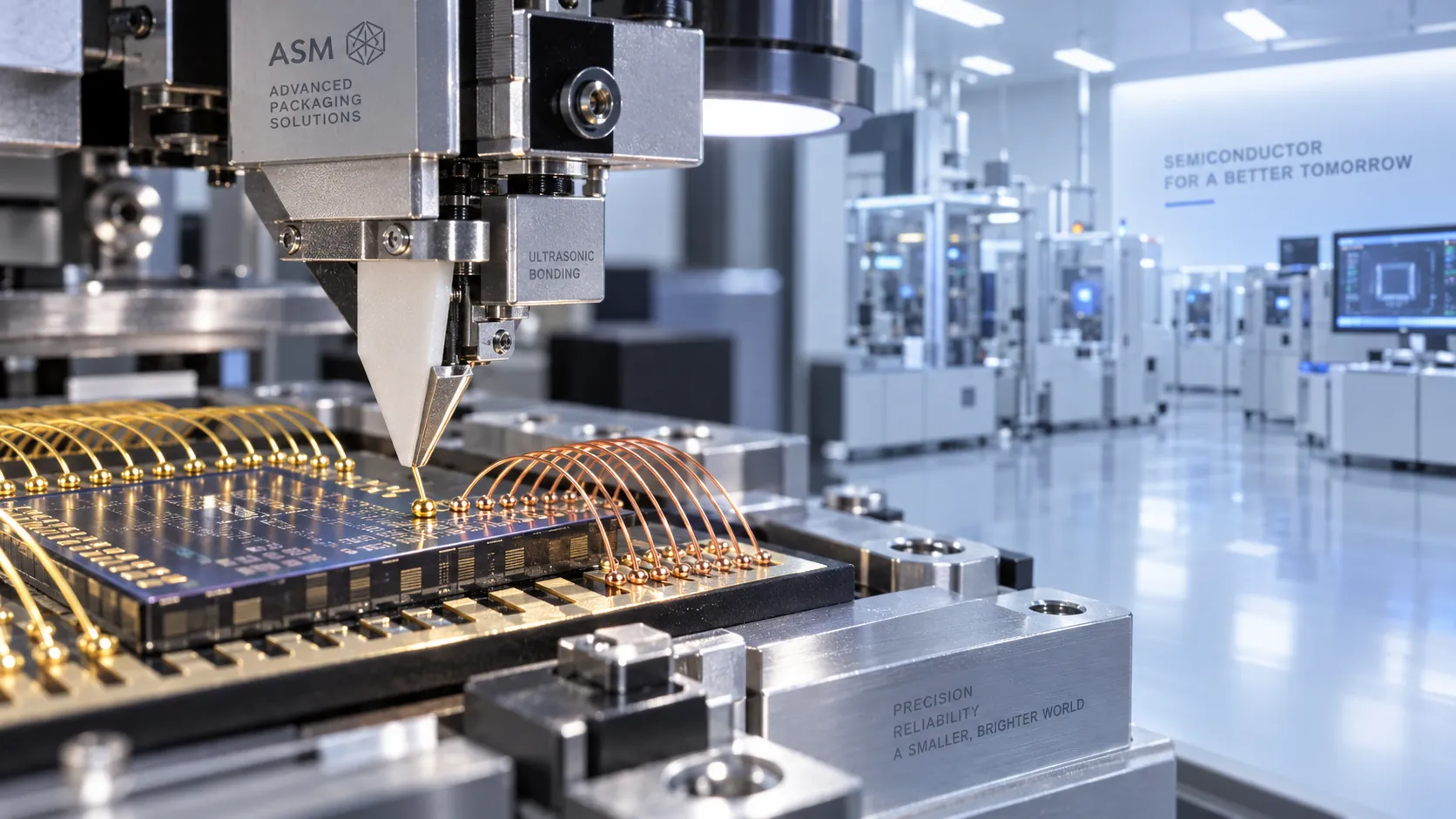
How to Select Wire Bonding Tools for Fine-Pitch Semiconductor Packaging
Explore semiconductor manufacturing tools for wire bonding and learn how to select precision solutions for fine-pitch packaging, reliable loops, accuracy, and yield.
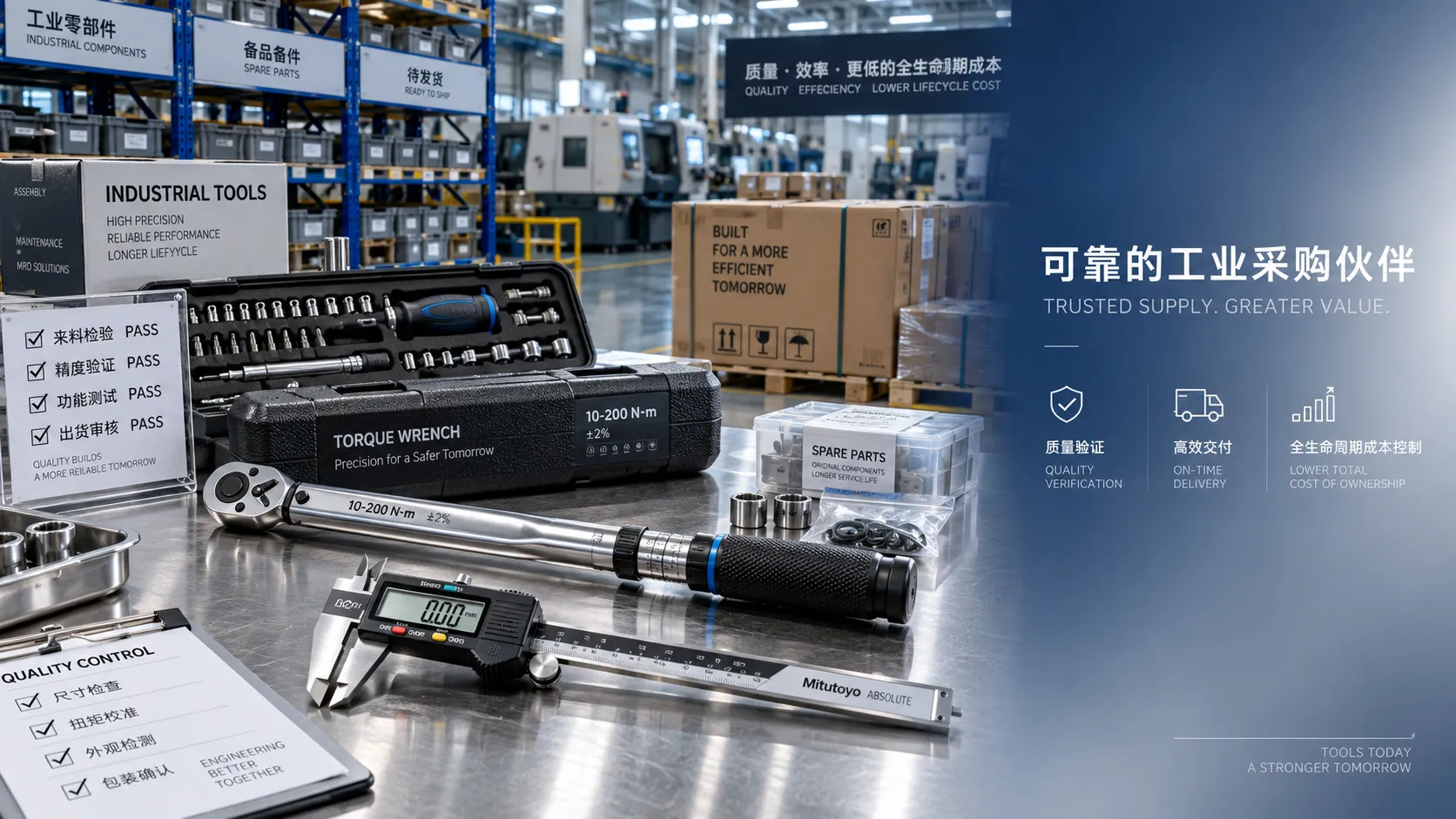
How to Compare Industrial Tool Suppliers for Quality, Lead Time, and Total Cost
Industrial tool selection supplier comparison made simple: evaluate quality, lead times, total cost, service, and supply resilience for confident sourcing decisions.
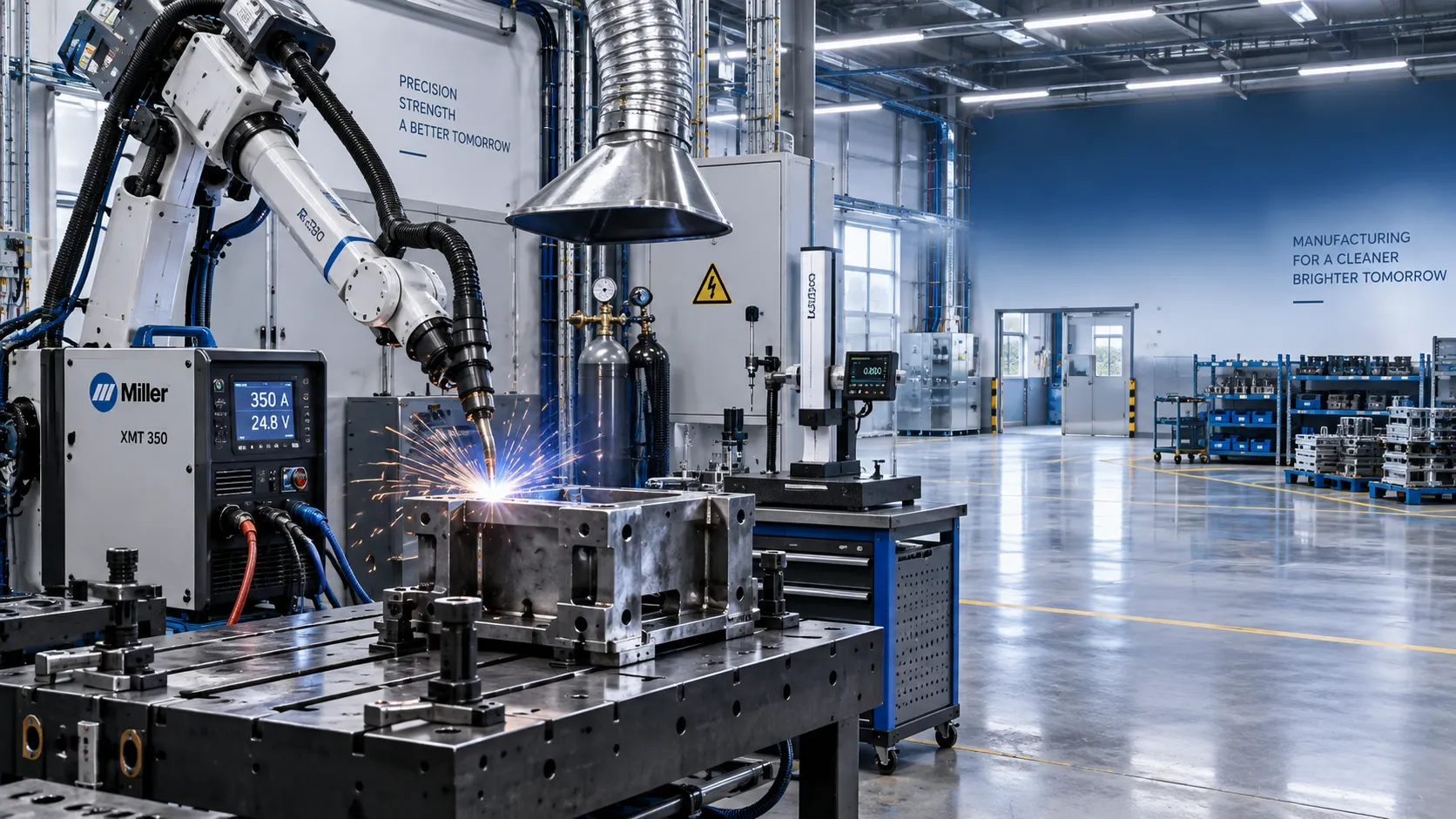
Industrial Equipment Application Guidance: Match Machines to Operating Conditions
Application guidance industrial equipment: match capacity, duty cycle, materials, site conditions, safety, and lifecycle cost to improve reliable output. Read the guide.
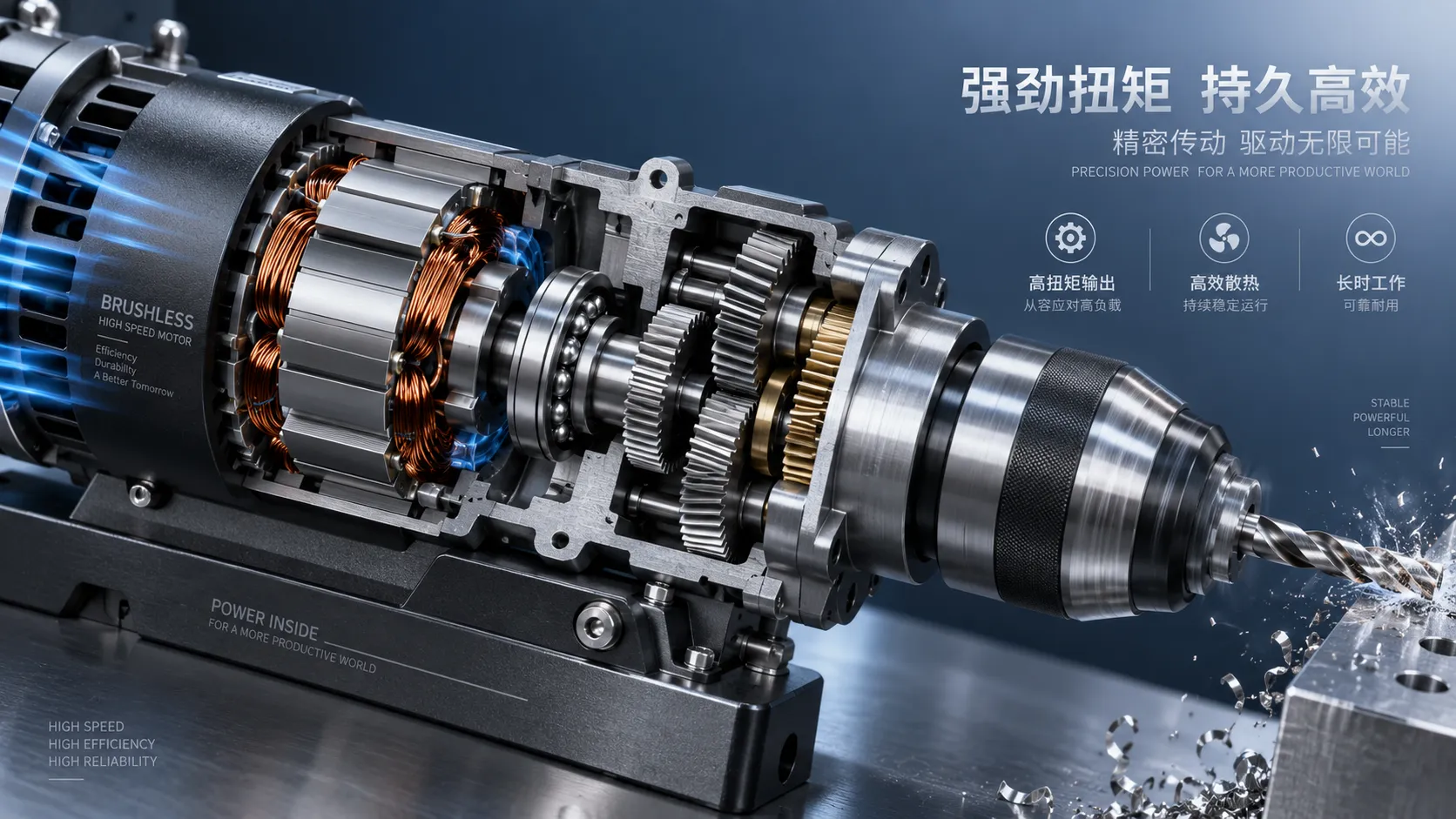
Selecting High-Speed Brushless Tool Motors for Torque, Heat, and Duty Cycle
High speed brushless tool motors: learn how to balance torque, heat, gearing, and duty cycle for reliable industrial tool performance and longer service life.
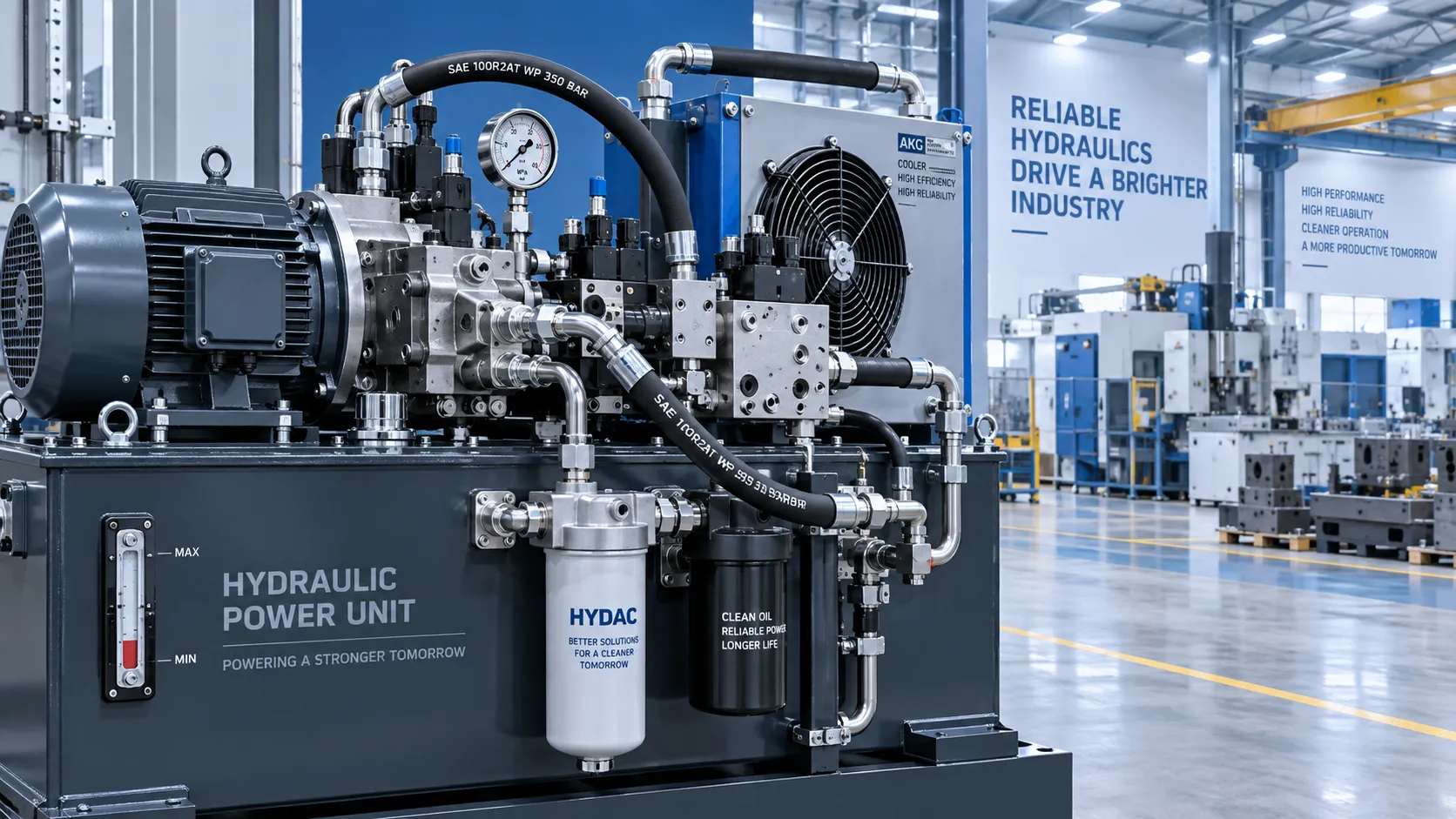
What Determines Industrial Hydraulic System Price for Heavy-Duty Equipment?
Industrial hydraulic system price depends on duty cycle, pressure, components, cooling, and integration. Compare quotes intelligently to secure reliable heavy-duty performance.
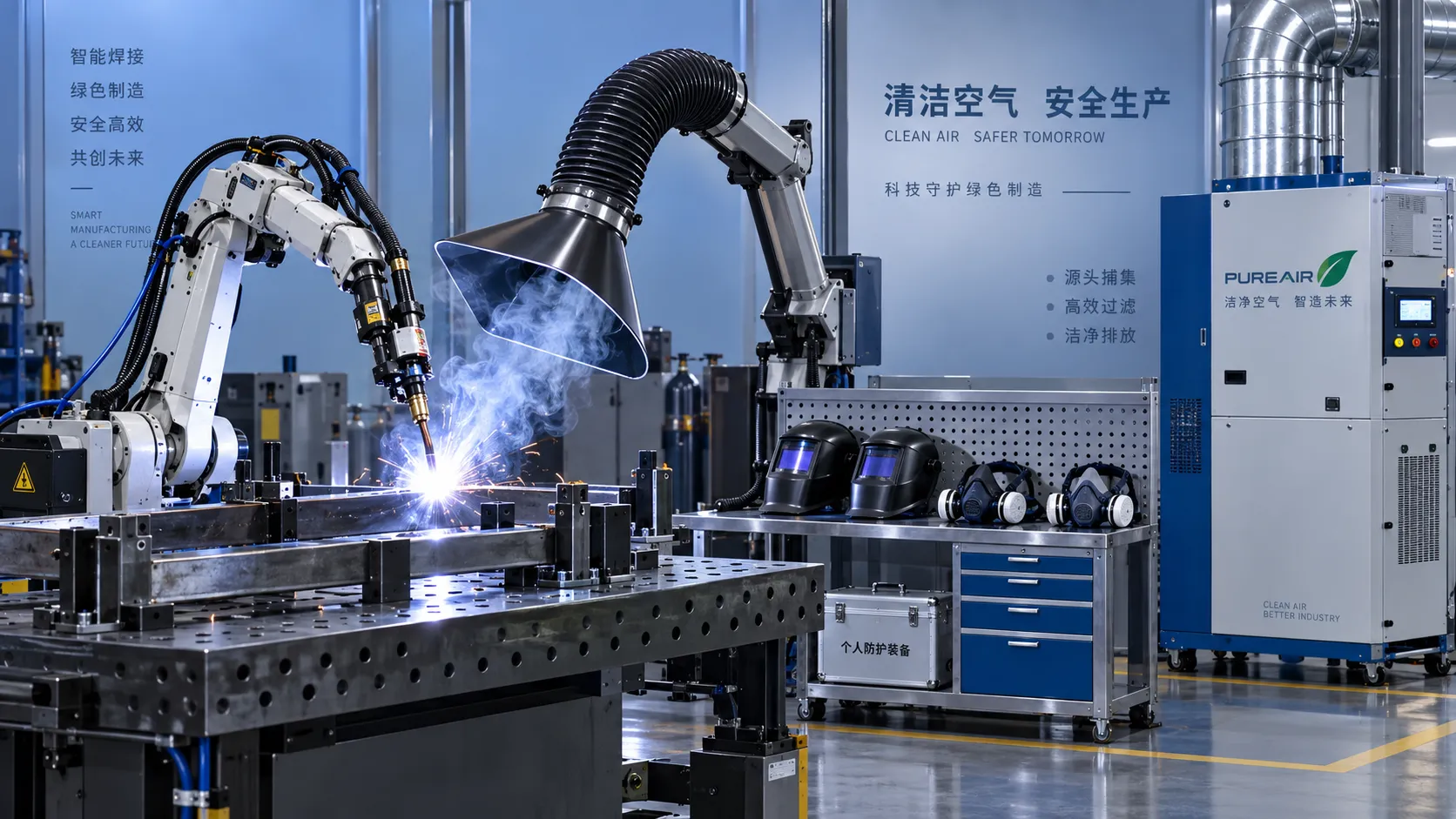
Welding Fume Extraction PPE: When Respirators Are Not Enough for Shop Safety
Welding fume extraction PPE: learn why respirators alone fall short and how source capture, ventilation, and layered controls improve shop safety.
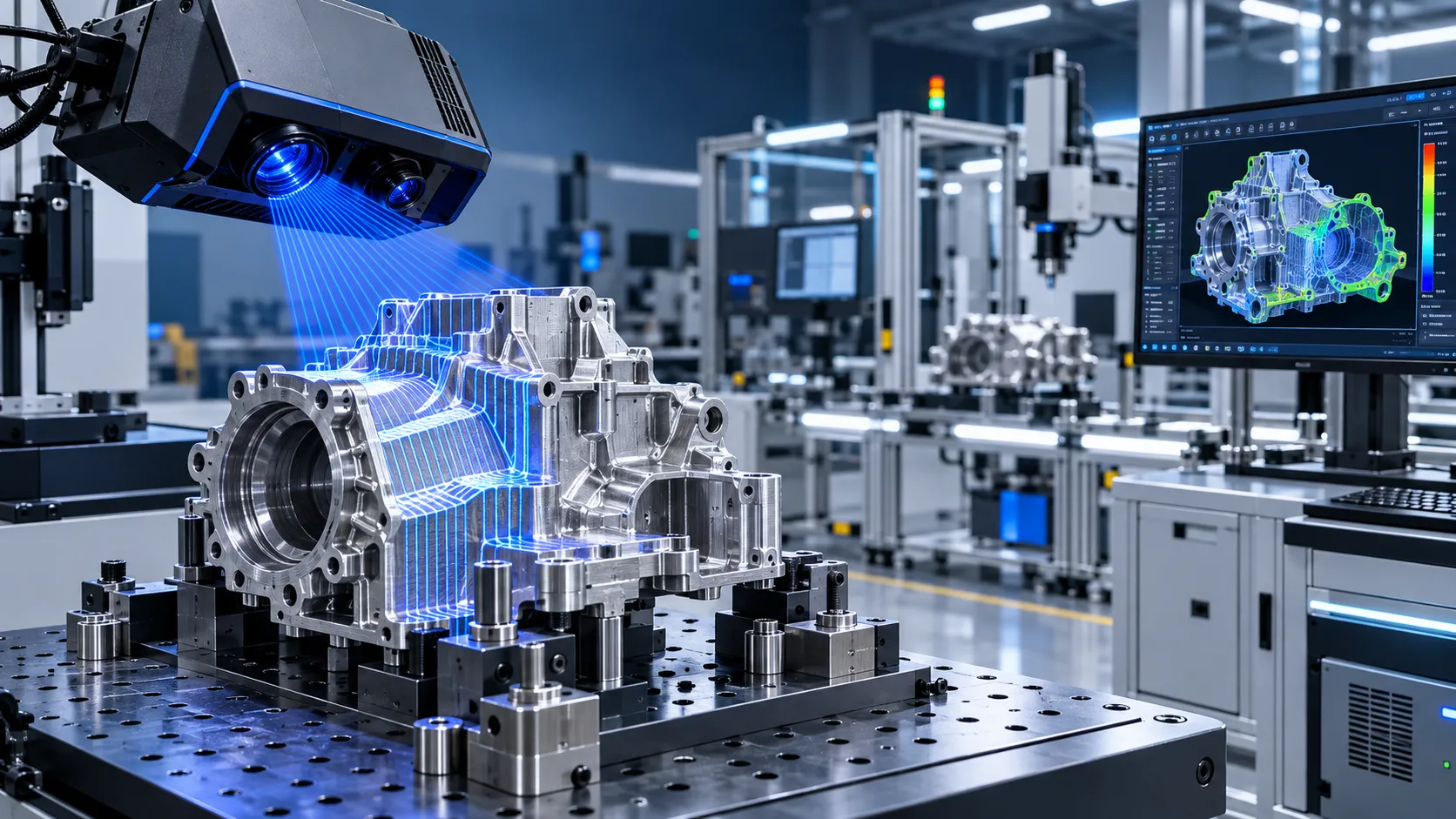
How to Select Optical Metrology Solutions for Tight-Tolerance Manufacturing
Optical industrial metrology solutions for tight-tolerance manufacturing: evaluate accuracy, surface compatibility, workflow, and traceability to select with confidence.
Related News
- 00
0000-00
Selecting Adjustable Torque Tools for Repeatable Fastener Assembly - 00
0000-00
How to Select Aerospace Inspection Tools for Aircraft Maintenance Tasks - 00
0000-00
How to Select Wire Bonding Tools for Fine-Pitch Semiconductor Packaging - 00
0000-00
Industrial Equipment Application Guidance: Match Machines to Operating Conditions - 00
0000-00
Selecting High-Speed Brushless Tool Motors for Torque, Heat, and Duty Cycle
Prof. Marcus Chen
Weekly Insights
Stay ahead with our curated technology reports delivered every Monday.