
How technology integration cuts service delays





For after-sales maintenance teams, every delay can mean rising costs, customer frustration, and lost trust. Technology integration is reshaping service workflows by connecting diagnostic tools, repair data, inventory systems, and field communication into one faster response chain. In industrial environments where precision and uptime matter, this shift helps maintenance professionals reduce bottlenecks, improve accuracy, and deliver more reliable support.
In sectors linked to industrial assembly, metal joining, precision measurement, and equipment servicing, response time is rarely a single-department issue. Delays often begin with fragmented systems: one platform for warranty claims, another for spare parts, separate files for service history, and manual updates between the workshop and field technicians.
This is where technology integration becomes practical rather than theoretical. For after-sales teams supporting welding systems, torque tools, metrology devices, hydraulic units, and related industrial equipment, integrated digital workflows can shorten diagnosis cycles, improve first-time fix rates, and reduce repeat site visits within a 24-hour to 72-hour service window.
For readers following GPTWM, the value is especially clear. In the last mile of manufacturing support, the quality of service depends not only on technician skill, but also on how quickly intelligence, inventory, field data, and repair instructions are stitched together into one decision-ready chain.
Why service delays happen in industrial after-sales operations
Most service delays do not result from a single failure. They build up across 4 common friction points: incomplete fault information, slow internal approval, unavailable spare parts, and weak communication between service coordinators and field personnel. Without technology integration, each stage adds minutes or hours, and those hours quickly become lost production time.
Fragmented data slows diagnosis
A maintenance technician may need 5 to 7 pieces of information before confirming a repair path: equipment model, service history, calibration record, operating environment, fault code, spare-part compatibility, and warranty status. If these are stored across emails, spreadsheets, and separate ERP or CRM tools, diagnosis becomes a manual search task rather than a technical one.
This issue is common in service environments dealing with handheld welding equipment, precision calipers, laser measurement tools, industrial power tools, and hydraulic assemblies. Even a 15-minute lookup delay repeated across 8 service tickets per day can push response back by 2 hours or more.
Inventory blind spots create avoidable repeat visits
When technicians cannot see live stock levels for consumables, replacement boards, sensors, seals, nozzles, or batteries, the first visit often becomes an inspection-only trip. In industrial service, that can double travel time and add 1 to 3 days if regional warehouses are not linked to field scheduling systems.
Technology integration reduces this risk by linking service tickets to parts availability, approved substitutes, and replenishment triggers. For equipment with high uptime requirements, even a small improvement in parts visibility can produce measurable gains in service completion speed.
Communication gaps affect safety and accuracy
After-sales work in industrial environments often involves safety-sensitive tools, including welding systems, electrical assemblies, rotating motor-driven tools, and metrology equipment requiring calibration discipline. If photos, operating conditions, and field notes are not shared in one channel, the support engineer may recommend the wrong procedure or overlook a compliance issue.
For example, a torque control issue may be caused by software settings, worn mechanical components, or sensor drift within a tolerance band such as ±1% to ±3%. Without integrated records, teams may replace hardware unnecessarily instead of correcting parameters remotely.
The table below shows how delay sources typically appear in industrial after-sales operations and where technology integration has the greatest impact.
The key point is not that every company needs a large digital overhaul at once. The priority is to identify where 2 or 3 disconnected systems are creating the longest delays, then connect those first. In many industrial service teams, the biggest gains come from linking ticketing, parts data, and field reporting before expanding into broader analytics.
How technology integration cuts service delays in practice
Technology integration works when it removes decision lag from the service chain. In practical terms, it means the right people receive the right information at the right step, whether the issue involves a failed motor controller, a handheld laser welding safety concern, a calibration exception, or an urgent replacement request from an automotive or aerospace maintenance site.
1. Integrated diagnostics speed first response
When diagnostic software, device logs, and prior repair records are linked, remote triage becomes far faster. A support engineer can review fault patterns in 10 to 20 minutes instead of waiting for handwritten reports or separate attachments. This is particularly useful for brushless motor tools, IoT torque systems, and digital metrology instruments that generate machine-readable performance data.
Typical gains from connected diagnostics
- Shorter triage time during the first 30 minutes after ticket creation
- Higher first-time fix rate through clearer fault isolation
- Reduced unnecessary board, sensor, or battery replacement
- Better remote support for geographically dispersed customer sites
2. Linked inventory and service planning reduce idle time
In industrial maintenance, the best technician still loses time if the required part is in the wrong warehouse or not picked before dispatch. Technology integration connects work orders, stock location, substitute parts, and route planning. That allows coordinators to assign jobs based on both technician skill and parts readiness, usually across a 50 km to 300 km service radius.
For service leaders, this also improves replenishment logic. If consumable burn rates or common replacement components are tracked by equipment family, restocking can shift from reactive ordering to threshold-based planning, such as reordering when availability falls below 2 weeks of average usage.
3. Mobile field tools close the communication loop
Field apps are often underestimated. Yet in many after-sales teams, the mobile layer is where technology integration becomes visible. Technicians can capture serial numbers, upload weld seam images, record measurement deviations, confirm torque values, and obtain digital sign-off on site. This avoids delayed back-office entry and reduces missing information.
A well-designed field workflow usually includes 6 core data points: asset ID, fault category, symptom description, image or video evidence, part used, and service completion status. With these captured in real time, service managers gain faster visibility into backlog, repeat failures, and technician utilization.
The following comparison highlights how connected service workflows differ from disconnected ones in a typical industrial maintenance setting.
In short, technology integration cuts service delays by making the workflow visible and coordinated. The speed improvement is not just about software response; it comes from reducing manual handoffs across diagnosis, approval, dispatch, repair, and closure.
What after-sales maintenance teams should integrate first
Many organizations hesitate because integration sounds expensive or disruptive. In reality, phased deployment is usually more effective. For most industrial support teams, the first phase should connect the systems that influence service response within the first 4 to 8 hours after ticket intake.
Priority layer 1: Ticketing, asset history, and service knowledge
If technicians cannot see prior faults, replaced components, calibration dates, or operating conditions, they begin every service event almost from zero. The first integration goal should be a shared asset profile. This is especially important for fleets of measuring instruments, welding units, and power tools with recurring maintenance patterns.
Priority layer 2: Inventory and spare-part mapping
The second layer should connect stock records to service demand. Maintenance leaders should map at least 3 categories: fast-moving consumables, critical replacement parts, and long-lead components. This makes planning more realistic, especially when lead times range from 48 hours for standard items to 2 to 6 weeks for specialized assemblies.
Priority layer 3: Mobile field reporting and escalation
The third layer is often the most visible to customers. When field technicians can update case status on site, attach supporting evidence, and request engineering support through one channel, delays caused by fragmented communication drop sharply. This also creates cleaner records for warranty decisions and continuous improvement reviews.
A practical 5-step rollout path
- Audit current delay points across the service chain
- Select 2 or 3 systems with the highest operational overlap
- Standardize data fields such as asset ID, fault code, and part number
- Run a pilot over 30 to 60 days with one product group or region
- Measure response time, repeat visit rate, and closure quality before scaling
This staged approach helps teams avoid a common mistake: buying advanced dashboards before fixing core data flow. For industrial after-sales work, reliable execution beats complex visualization in the early stages.
Selection criteria, risks, and service KPIs that matter
Choosing the right integrated service setup requires more than feature comparison. After-sales teams need to evaluate whether the solution fits industrial realities such as offline work, serial-number traceability, multi-site inventory, safety documentation, and equipment families with different maintenance intervals.
Four selection criteria for industrial service teams
- Data consistency: Can the system keep part numbers, fault codes, and asset records aligned across departments?
- Field usability: Can technicians complete updates in 3 to 5 minutes on a mobile device, even with weak connectivity?
- Integration scope: Does it connect with ERP, CRM, inventory, and technical documentation without excessive manual export?
- Reporting value: Can managers track first-time fix rate, mean time to repair, and repeat failure trends by equipment type?
Risks to manage during implementation
The main risk is not technology failure but poor process alignment. If teams keep inconsistent naming rules, incomplete asset records, or unclear approval thresholds, even a capable platform will inherit old inefficiencies. Another risk is overloading technicians with too many mandatory fields, which slows adoption and reduces data quality.
A balanced design usually limits required field inputs to essential operational data and moves non-critical reporting into later review stages. In many cases, 8 to 12 mandatory fields are enough for fast, high-quality service documentation.
KPIs that show whether technology integration is working
After implementation, teams should track a focused KPI set over at least 1 full service quarter. Useful indicators include first response time, first-time fix rate, repeat visit ratio, parts fill rate, and average closure time. These metrics reveal whether technology integration is cutting service delays or simply shifting work from one department to another.
For example, a team may aim to reduce first response from 8 hours to 2 hours, improve first-time fix rate by 10% to 15%, or lower repeat visits within 30 days. Targets will vary by industry and product complexity, but the principle remains the same: measure operational flow, not just software usage.
Why this matters for precision-focused industrial support
For organizations serving precision tools, welding processes, and metrology-driven operations, delays carry more than scheduling impact. They can affect calibration validity, production quality, operator safety, and customer confidence in long-term equipment reliability. That is why technology integration is increasingly tied to service quality, not only administrative efficiency.
GPTWM’s industry focus highlights this shift clearly. As industrial assembly and maintenance become more data-driven, after-sales teams need connected intelligence as much as they need technical skill. Fast access to sector updates, equipment trends, safety considerations, and component demand signals helps service organizations make better decisions before delays become larger operational losses.
For after-sales maintenance personnel, the most effective path is often practical and incremental: connect diagnostics, service history, parts visibility, and field communication first. Once those 4 foundations work together, teams can improve response speed, repair accuracy, and customer trust with far less friction.
If your organization is reviewing service workflows for industrial tools, welding equipment, metrology devices, or maintenance support systems, now is the right time to evaluate where technology integration can remove delays and strengthen uptime performance. Contact us to discuss your service challenges, request a tailored solution path, or learn more about precision-focused industrial support strategies.
Related News
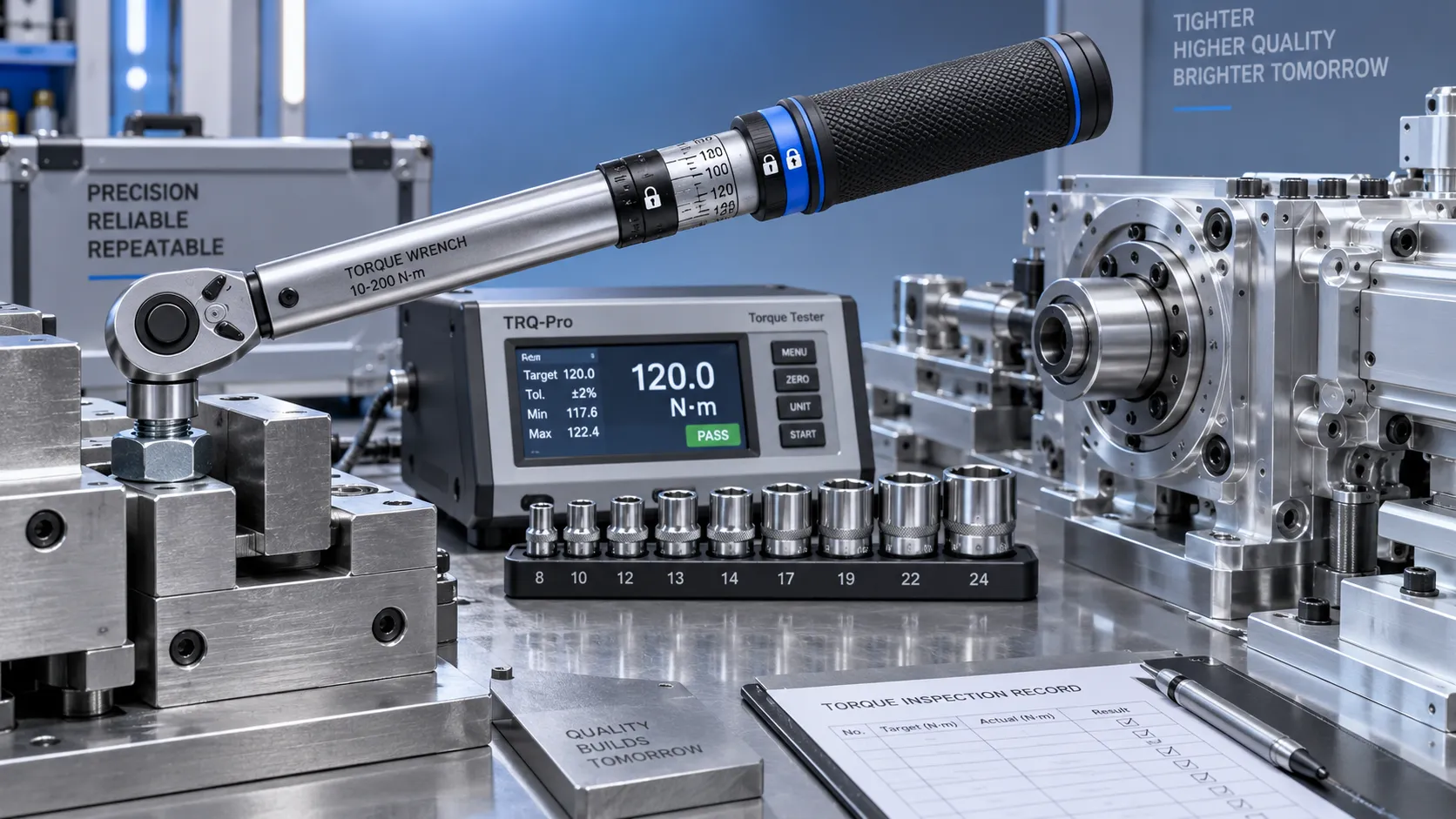
Selecting Adjustable Torque Tools for Repeatable Fastener Assembly
Adjustable torque tools: learn how to match range, accuracy, control methods, calibration, and ergonomics for repeatable, reliable fastener assembly.
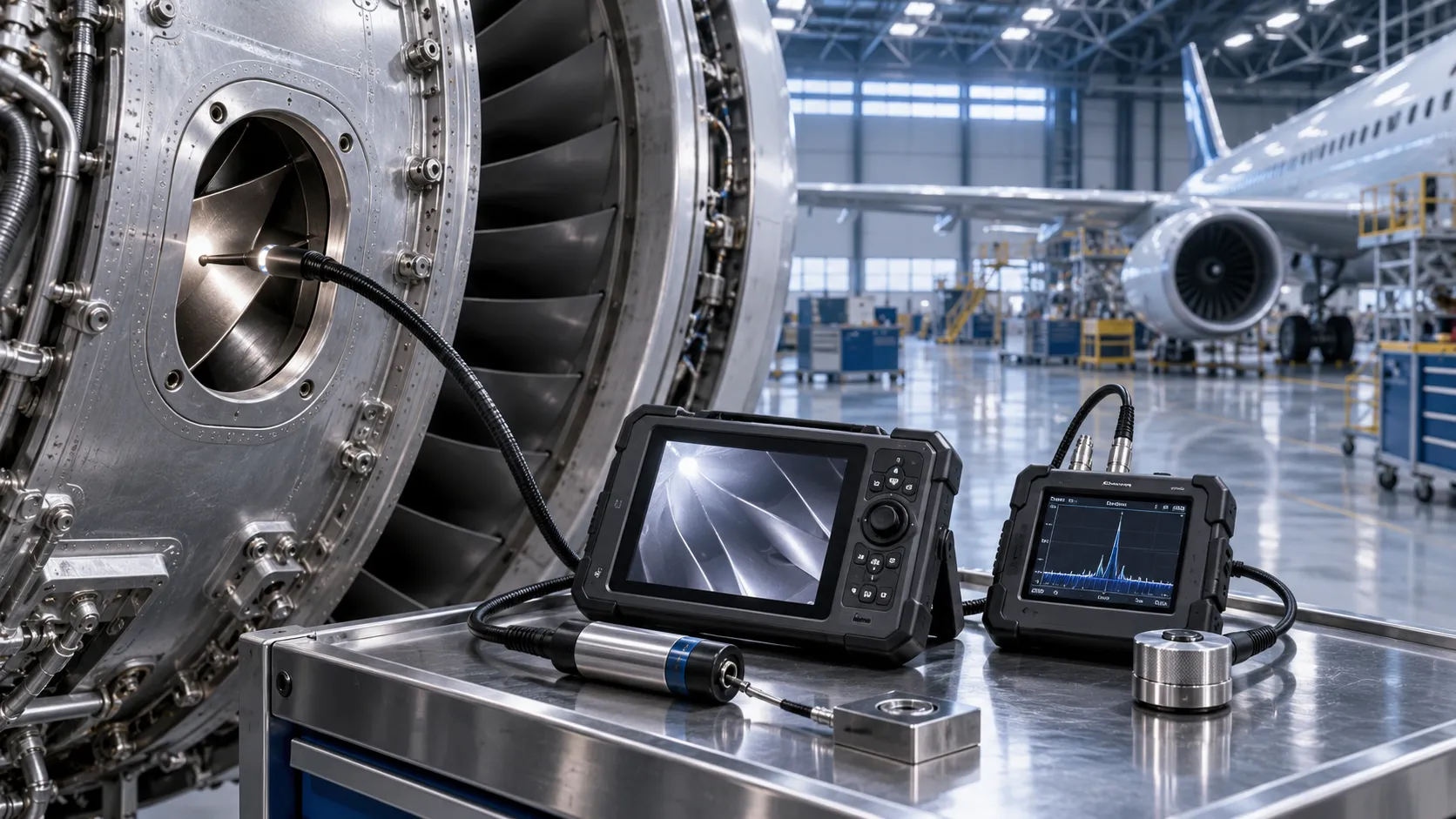
How to Select Aerospace Inspection Tools for Aircraft Maintenance Tasks
Aerospace maintenance inspection tools: learn how to select reliable, traceable equipment for aircraft access, accuracy, calibration, and compliant maintenance decisions.

How to Select Wire Bonding Tools for Fine-Pitch Semiconductor Packaging
Explore semiconductor manufacturing tools for wire bonding and learn how to select precision solutions for fine-pitch packaging, reliable loops, accuracy, and yield.
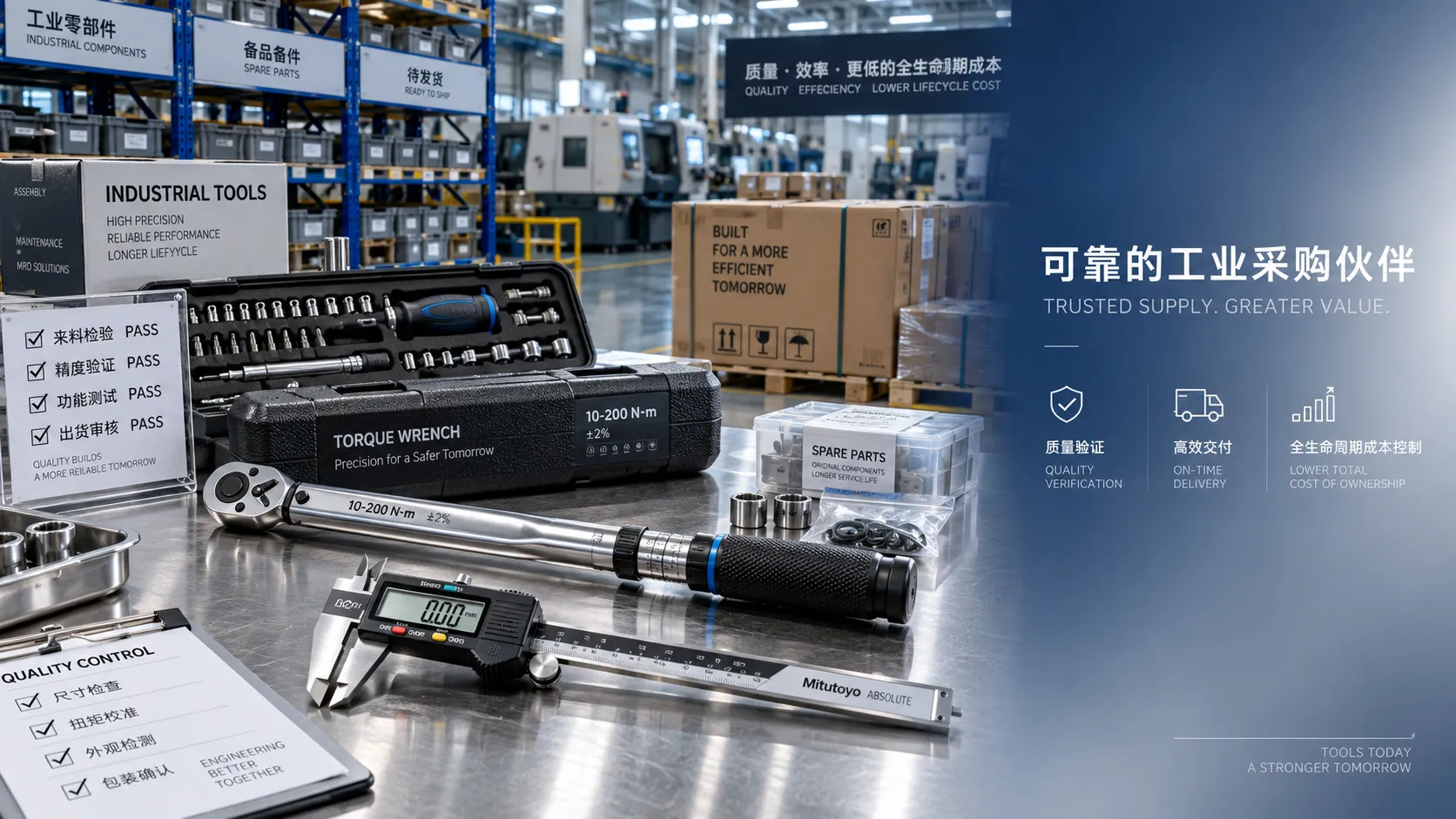
How to Compare Industrial Tool Suppliers for Quality, Lead Time, and Total Cost
Industrial tool selection supplier comparison made simple: evaluate quality, lead times, total cost, service, and supply resilience for confident sourcing decisions.
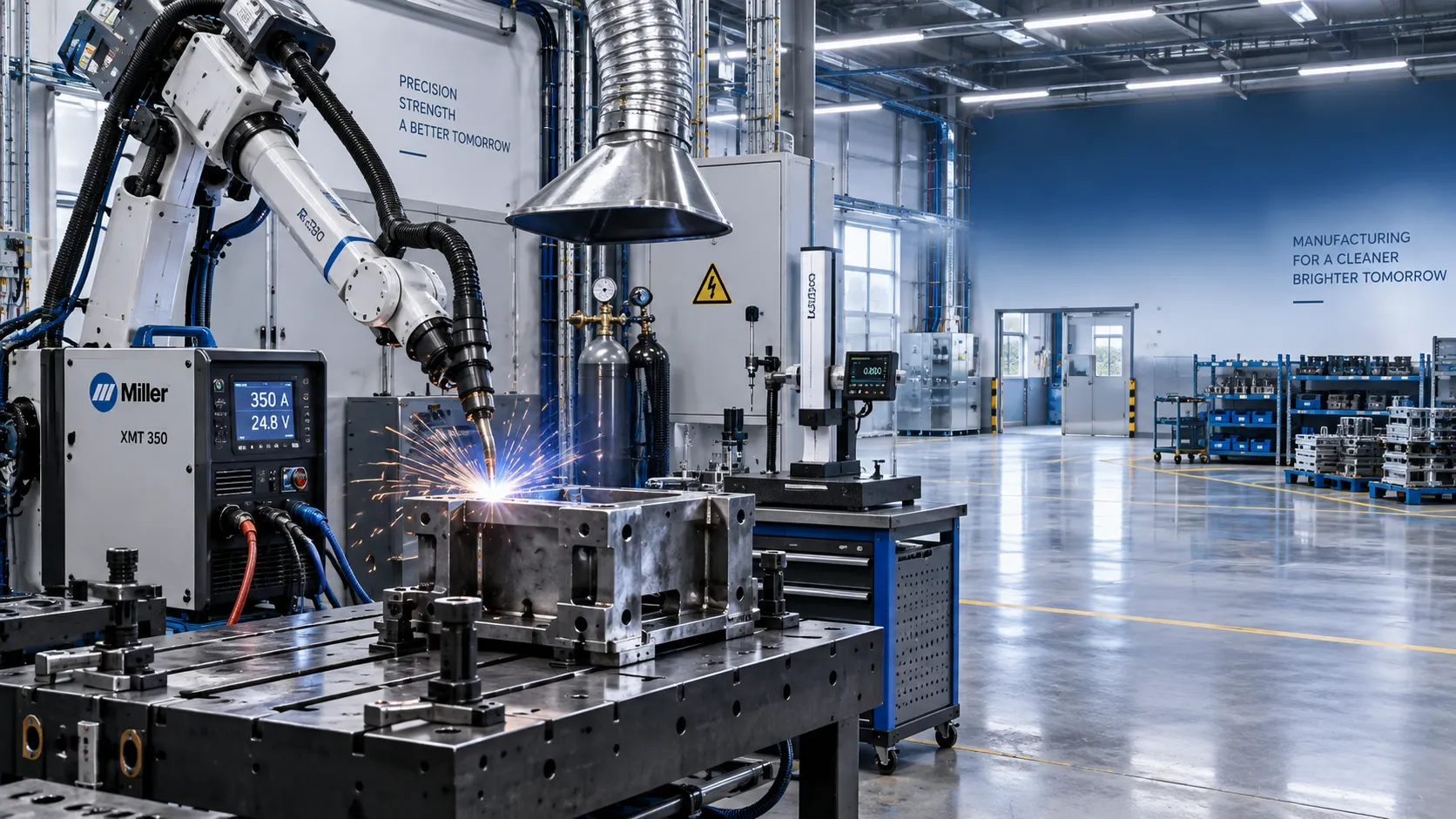
Industrial Equipment Application Guidance: Match Machines to Operating Conditions
Application guidance industrial equipment: match capacity, duty cycle, materials, site conditions, safety, and lifecycle cost to improve reliable output. Read the guide.
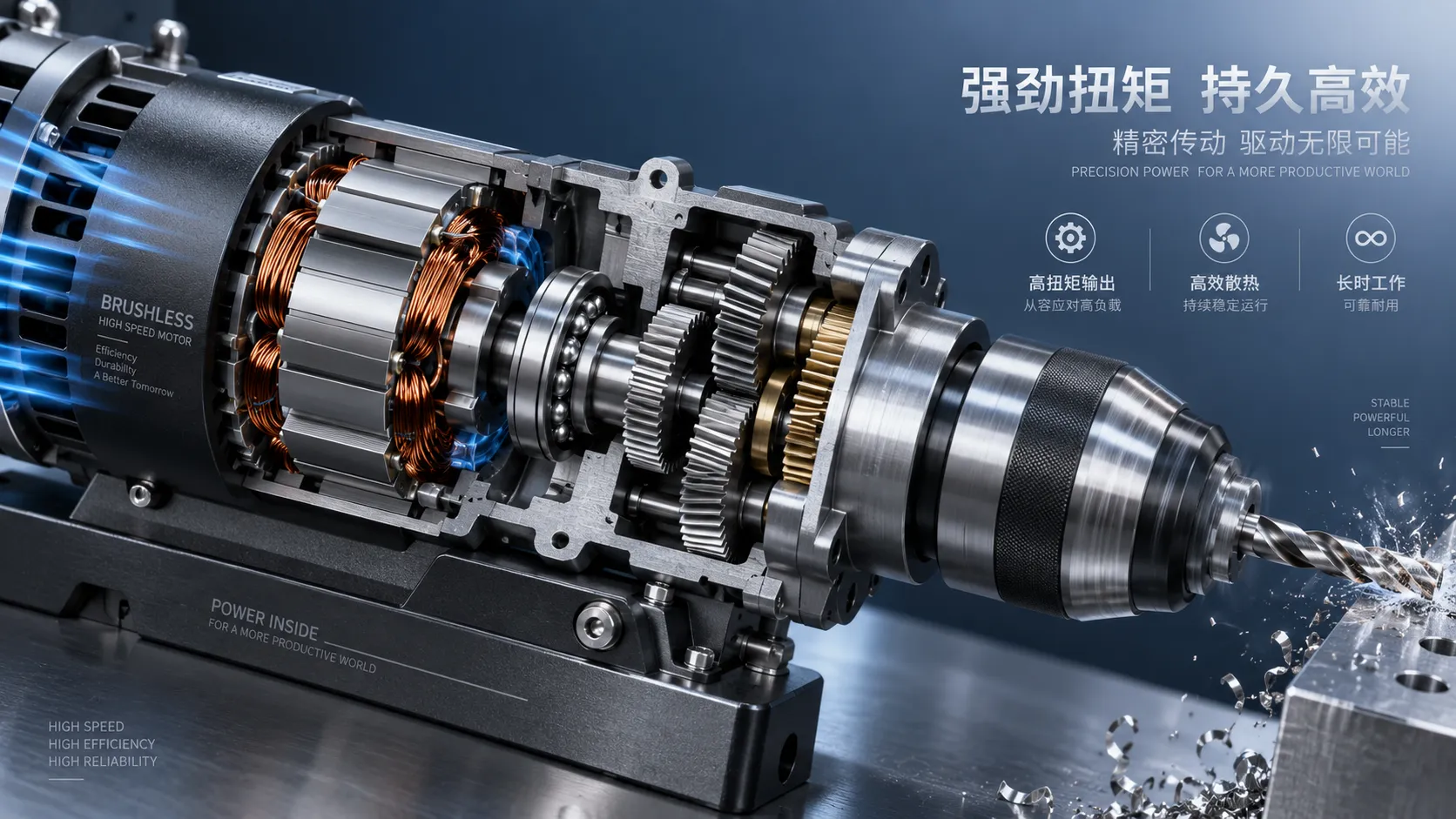
Selecting High-Speed Brushless Tool Motors for Torque, Heat, and Duty Cycle
High speed brushless tool motors: learn how to balance torque, heat, gearing, and duty cycle for reliable industrial tool performance and longer service life.
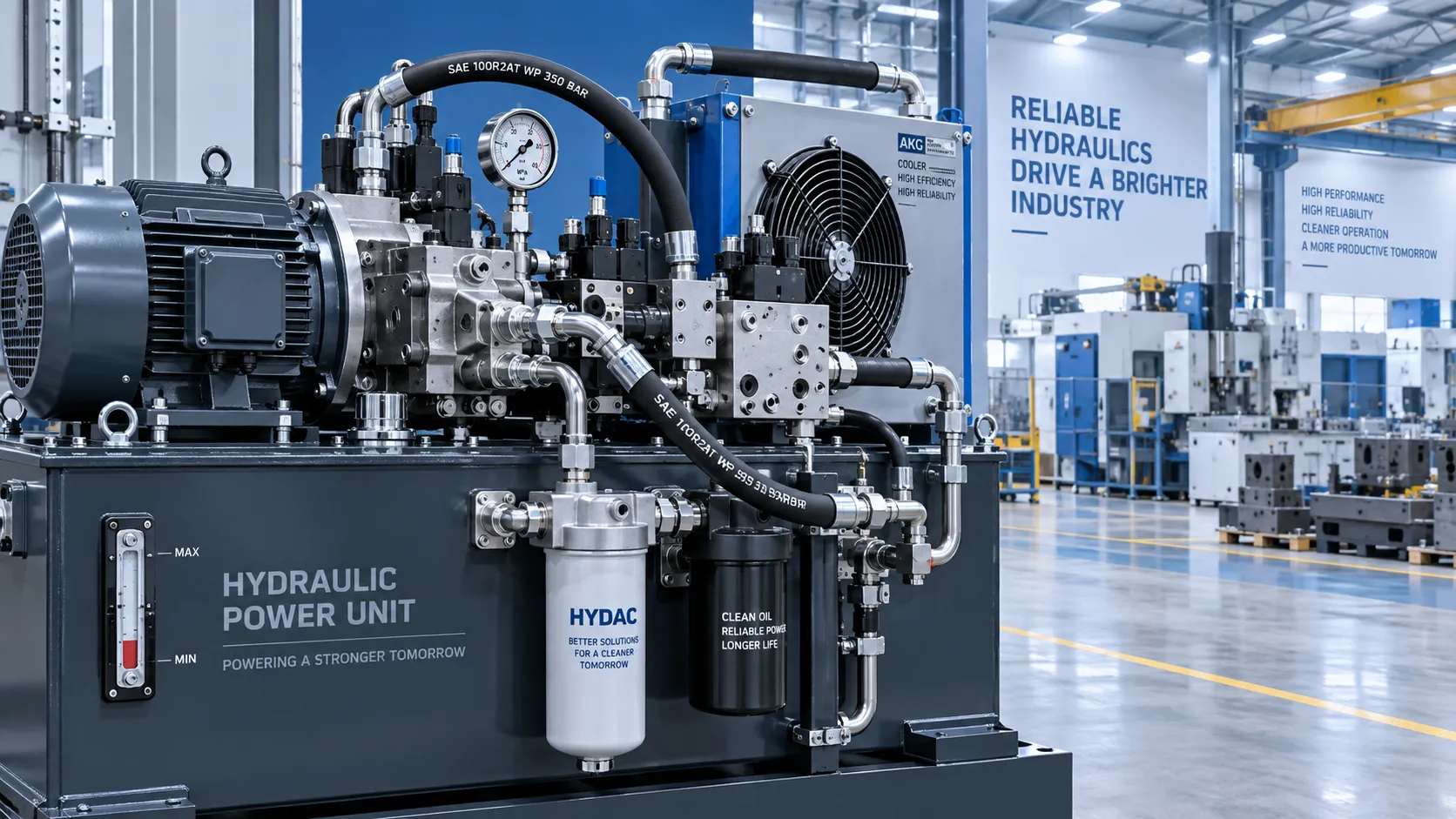
What Determines Industrial Hydraulic System Price for Heavy-Duty Equipment?
Industrial hydraulic system price depends on duty cycle, pressure, components, cooling, and integration. Compare quotes intelligently to secure reliable heavy-duty performance.
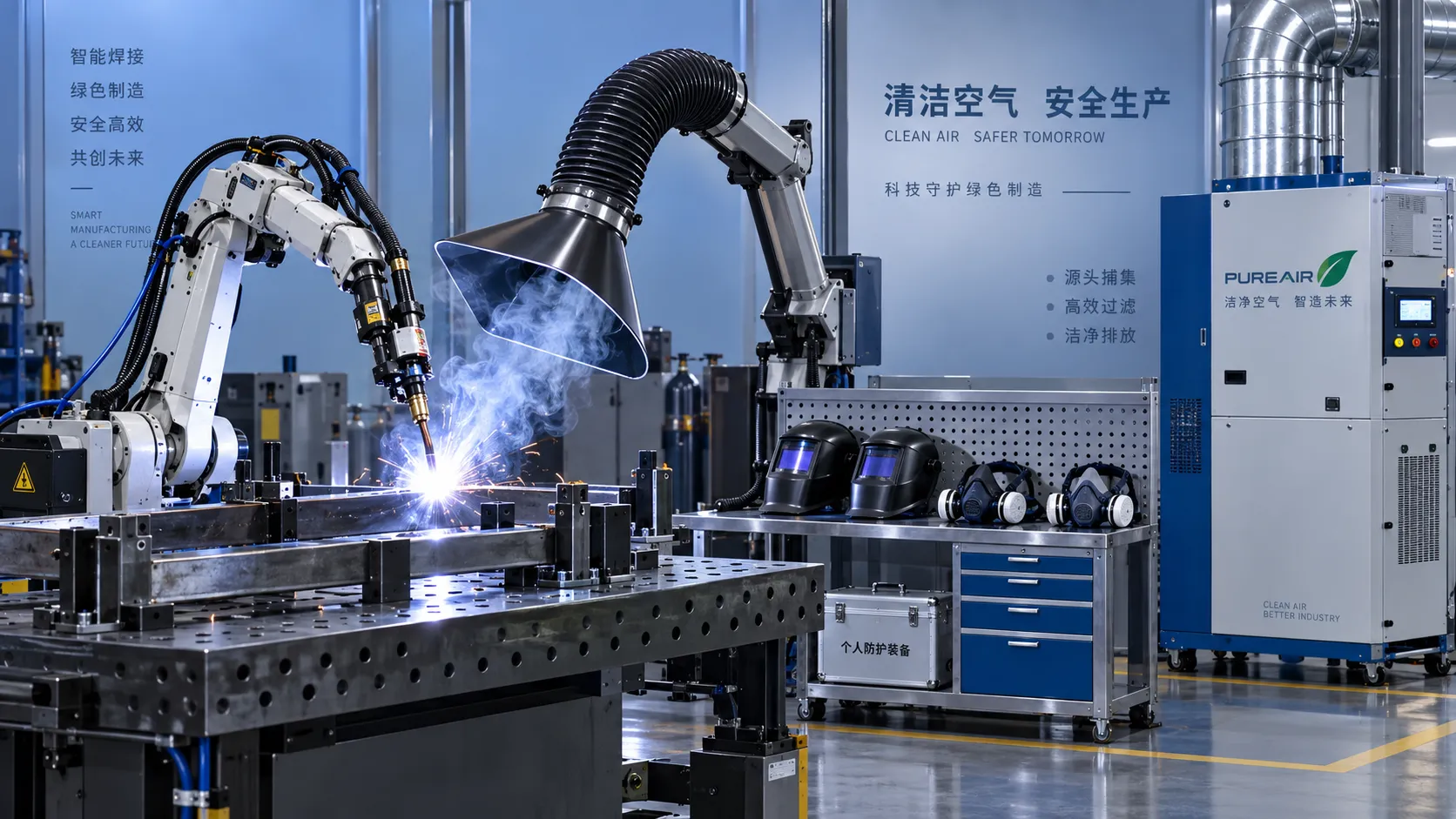
Welding Fume Extraction PPE: When Respirators Are Not Enough for Shop Safety
Welding fume extraction PPE: learn why respirators alone fall short and how source capture, ventilation, and layered controls improve shop safety.
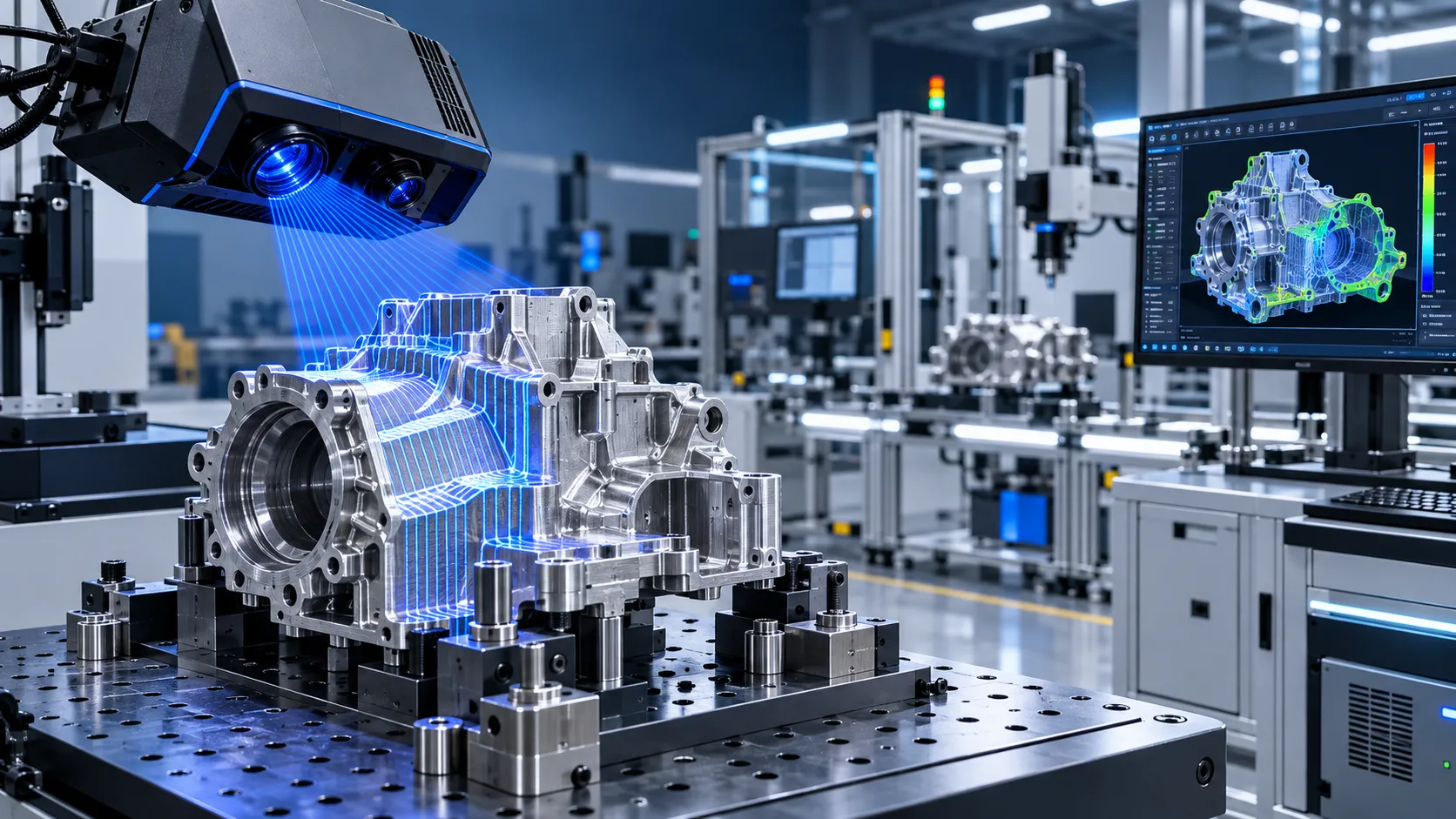
How to Select Optical Metrology Solutions for Tight-Tolerance Manufacturing
Optical industrial metrology solutions for tight-tolerance manufacturing: evaluate accuracy, surface compatibility, workflow, and traceability to select with confidence.
Related News
- 00
0000-00
Selecting Adjustable Torque Tools for Repeatable Fastener Assembly - 00
0000-00
How to Select Aerospace Inspection Tools for Aircraft Maintenance Tasks - 00
0000-00
How to Select Wire Bonding Tools for Fine-Pitch Semiconductor Packaging - 00
0000-00
Industrial Equipment Application Guidance: Match Machines to Operating Conditions - 00
0000-00
Selecting High-Speed Brushless Tool Motors for Torque, Heat, and Duty Cycle
Prof. Marcus Chen
Weekly Insights
Stay ahead with our curated technology reports delivered every Monday.