
Manufacturing technology trends reshaping factory upgrades





Manufacturing technology is redefining how factory upgrades are planned, funded, and executed. For project managers and engineering leaders, staying ahead means understanding which innovations truly improve throughput, quality, and long-term ROI. This article explores the trends reshaping modern production environments, helping decision-makers align smart investments with operational resilience, precision, and scalable industrial performance.
In practical terms, factory modernization is no longer a single equipment purchase or a one-time automation project. It is a staged transformation that touches tooling, joining processes, metrology, software integration, maintenance routines, workforce training, and supply risk management. For leaders managing budgets, deadlines, and output commitments, the challenge is not finding new technology, but choosing the right manufacturing technology for measurable results within 6 to 24 months.
This is where platforms such as GPTWM add value. By focusing on industrial assembly, metal joining, and precision metrology, GPTWM helps decision-makers understand where modern tools deliver genuine gains and where hidden constraints can delay commissioning, raise training costs, or weaken global compliance readiness.
Why manufacturing technology is now central to factory upgrade strategy
For many factories, the upgrade conversation has shifted from isolated machines to connected production capability. A new line must produce more parts per shift, reduce rework, support traceability, and remain adaptable as product mix changes. In sectors linked to construction, automotive, aerospace maintenance, and industrial distribution, even a 3% to 5% improvement in first-pass yield can justify targeted modernization.
Project managers are also under pressure from shorter delivery windows. A plant may have only 8 to 12 weeks for shutdown planning and 2 to 4 weeks for installation before customer orders are affected. Under those conditions, manufacturing technology decisions must be evaluated by implementation complexity, not just by brochure performance.
The shift from machine replacement to system-level upgrades
Older upgrade models focused on replacing worn equipment with faster models. Today, the priority is system compatibility. A torque tool, laser welding unit, gauging device, and MES interface must share usable data. If they do not, the factory creates digital islands that increase manual checks and delay root-cause analysis.
That is why manufacturing technology increasingly combines hardware, sensing, and software. A handheld welding platform without safety interlocks, parameter logging, or operator authentication may appear lower cost at purchase, yet create higher compliance and quality risk after deployment.
Core pressures driving upgrades
- Rising quality expectations, often requiring tighter tolerance verification such as ±0.02 mm to ±0.10 mm depending on the process.
- Labor variability, especially in welding, fastening, inspection, and rework-intensive operations.
- Energy and maintenance costs, where brushless systems and smart controls can reduce servicing frequency by 15% to 30% in suitable applications.
- Export and customer compliance requirements, including traceability, process records, and standardized operating procedures.
The table below outlines how common upgrade targets map to operational outcomes. It is useful for project leaders building business cases or aligning engineering and finance teams around realistic expectations.
A key takeaway is that manufacturing technology produces the greatest value when upgrades are linked to a bottleneck: high rework, poor repeatability, weak traceability, or downtime concentration. Buying for general modernization rarely performs as well as buying against a defined production constraint.
Technology trends that are reshaping modern factory investment
Not every trend deserves equal investment. For project leaders, the most relevant manufacturing technology trends are those that improve process stability, visibility, and resource efficiency without causing long commissioning delays. In current industrial practice, five trends stand out because they affect both daily operations and long-range capital planning.
1. Intelligent torque and fastening ecosystems
Torque-critical assembly has moved beyond standalone tools. Modern systems capture angle, torque curve, operator ID, timestamp, and station location in real time. This matters in high-mix production where a single incorrect tightening sequence can trigger field failures or expensive disassembly.
For engineering teams, the value is not only accuracy. It is also process governance. Parameter lockouts, digital work instructions, and exception alarms can reduce hidden variation across shifts. In many plants, this type of manufacturing technology is one of the fastest ways to improve traceability within a 90-day implementation window.
2. Safer handheld laser welding adoption
Handheld laser welding has expanded because it can reduce post-processing time and limit thermal distortion in selected joining tasks. However, adoption only makes sense when safety design, shielding logic, ventilation, material compatibility, and operator training are addressed from day one.
What project managers should verify before approval
- Operating envelope, including material thickness range and required joint consistency.
- Protective workflow, such as interlocks, eyewear policy, and designated work zones.
- Training plan covering at least 2 to 3 proficiency stages before full production release.
- Maintenance and consumable expectations over the first 6 to 12 months.
In other words, manufacturing technology selection in welding should be framed as a process package, not just as a source purchase. GPTWM’s intelligence perspective is valuable here because it connects tool evolution with practical adoption limits and compliance concerns.
3. In-line metrology and closed-loop quality control
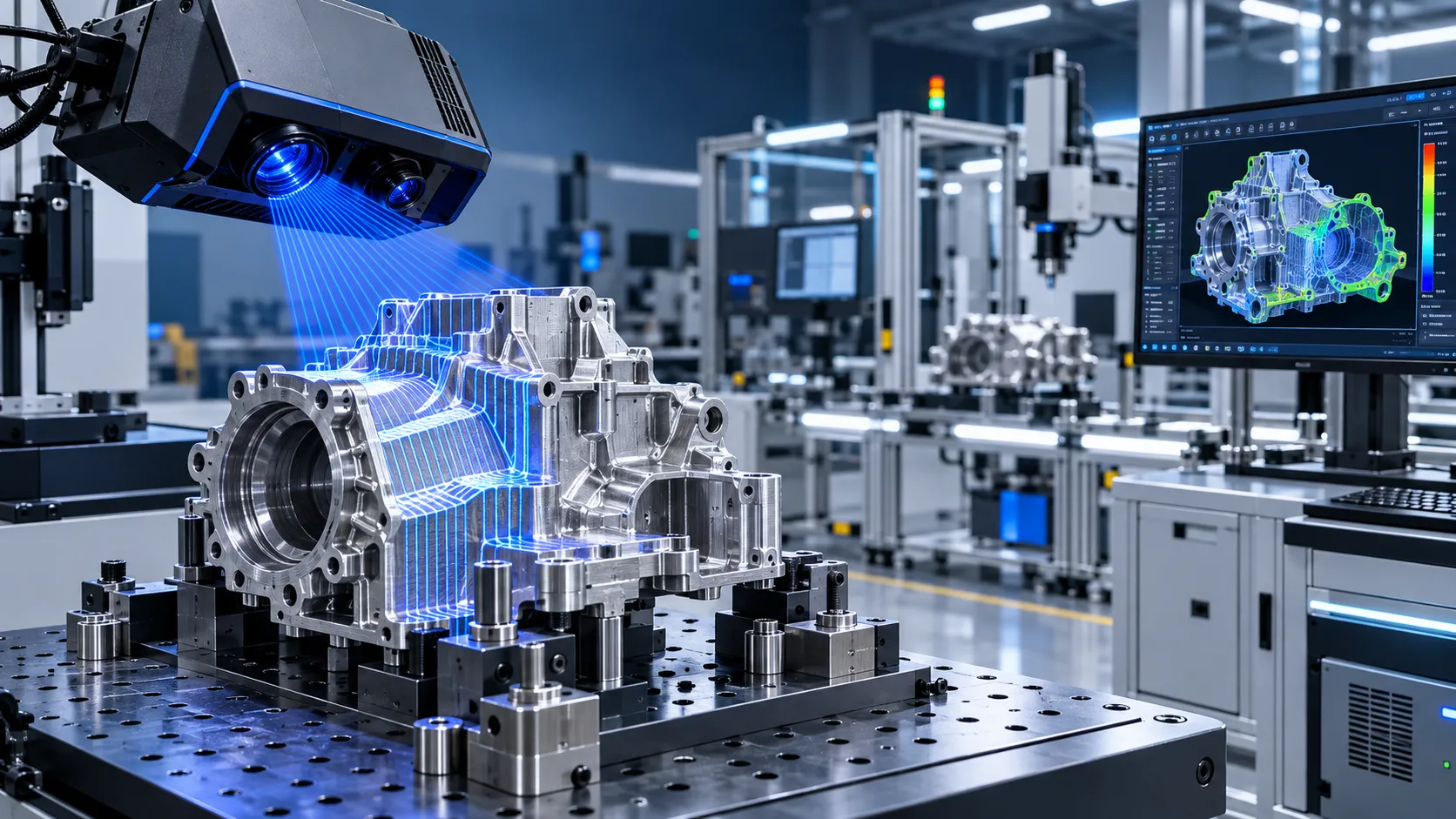
Measurement is becoming more embedded in production. Instead of waiting for batch inspection, factories increasingly use digital calipers, sensors, and gauging stations to verify dimensions at the point of process. This can shorten reaction time from several hours to a few minutes when drift begins.
When manufacturing technology includes connected metrology, supervisors gain better visibility into repeat deviations. That helps teams decide whether the issue comes from tool wear, fixture movement, thermal effects, operator sequence, or material inconsistency.
The following comparison helps decision-makers choose the right inspection model for different production environments.
The most effective approach is often phased. Many plants start with at-station measurement on 2 or 3 critical dimensions, then expand to broader in-line control once the team proves data discipline and calibration readiness.
4. Energy-efficient tool platforms and brushless systems
Power tools and auxiliary equipment are often overlooked in upgrade budgets, yet they strongly affect uptime, ergonomics, and maintenance cost. Brushless motor platforms generally offer better service intervals and more stable performance under repetitive duty cycles, especially in assembly and maintenance operations.
For factories with multi-shift use, even small reductions in heat buildup, vibration, or wear can translate into fewer stoppages over 12 months. This makes manufacturing technology decisions at the tool level relevant to broader production efficiency, not just worker convenience.
5. Data-guided maintenance and upgrade sequencing
Smart factories are not defined only by automation. They are defined by better timing. Sensors, usage logs, and service alerts help maintenance teams act before failure affects delivery. For project owners, this improves upgrade sequencing because they can prioritize lines with the highest downtime concentration or calibration drift risk.
A practical rule is to review the top 20% of assets that cause roughly 80% of disruption. That review can reveal whether the next investment should be in a welding cell, a torque control platform, a gauging upgrade, or a digital maintenance layer.
How project managers can evaluate manufacturing technology without losing control of cost and schedule
The biggest risk in factory modernization is not choosing outdated equipment. It is launching an upgrade with unclear acceptance criteria. A good evaluation framework links technical fit, operational impact, implementation burden, and total lifecycle cost. That prevents a low-purchase-price solution from becoming an expensive integration problem.
A four-part evaluation framework
- Process fit: Does the technology match the actual material, tolerance, shift pattern, and takt time?
- Integration fit: Can it connect with existing PLC, MES, ERP, or manual reporting workflows?
- People fit: How many training hours are required, and how much operator variation can the system absorb?
- Economic fit: What is the expected payback period, including maintenance, calibration, consumables, and downtime risk?
Common approval mistakes
One common mistake is approving equipment based on peak performance rather than stable output. A machine may achieve excellent speed in demonstrations yet require tighter fixturing, more frequent setup, or higher operator skill than the plant can sustain. Another is ignoring data ownership. If manufacturing technology cannot export usable process records, quality teams may still rely on spreadsheets and manual trace logs.
Project leaders should also define acceptance in measurable terms. Useful criteria include cycle-time improvement, scrap reduction, calibration interval, service response target, and digital record completeness. Without such definitions, site acceptance tests can become subjective and delay handover by 1 to 3 weeks.
A practical implementation roadmap
Most successful upgrades follow a staged path rather than a full-plant conversion. This allows teams to validate performance on one line, confirm operator adoption, and refine SOPs before scale-up.
- Baseline the current process using 4 to 6 metrics such as OEE, rework rate, setup time, and downtime frequency.
- Select one pilot area with clear bottlenecks and manageable production risk.
- Run a controlled implementation with training, calibration, and safety verification.
- Measure results over 30, 60, and 90 days instead of judging only first-week performance.
- Expand in phases once maintenance, quality, and production teams agree on the standard model.
Where GPTWM supports smarter upgrade decisions
For decision-makers navigating complex factory upgrades, information quality matters as much as equipment quality. GPTWM is positioned around the last mile of industrial manufacturing, where assembly precision, metal joining performance, ergonomic tool design, and process intelligence directly affect output and brand reliability.
Its Strategic Intelligence Center supports project managers who need more than trend headlines. They need context on raw material shifts, export restrictions, intelligent torque systems, metrology demand, and the practical limits of tool platforms in real production settings. That perspective helps teams evaluate manufacturing technology through the lens of implementation feasibility and business resilience.
Why this matters to engineering and sourcing teams
When sourcing, process engineering, and operations work from the same intelligence base, upgrade decisions become faster and more consistent. Teams can compare options on lifecycle value, not only on unit price. That is especially important in applications requiring precision instruments, hydraulic equipment, smart assembly tools, or welding systems with evolving safety expectations.
Manufacturing technology will continue to shape how factories compete on precision, responsiveness, and scalability. The strongest upgrade programs are those that connect modern tools with disciplined process design, accurate measurement, and actionable market intelligence.
If you are planning a line retrofit, evaluating intelligent fastening, reviewing metrology upgrades, or assessing safer welding adoption, GPTWM can help you turn scattered market signals into a practical decision framework. Contact us to discuss your application, request a tailored solution view, or learn more about precision tools and industrial intelligence strategies that support your next factory upgrade.
Related News
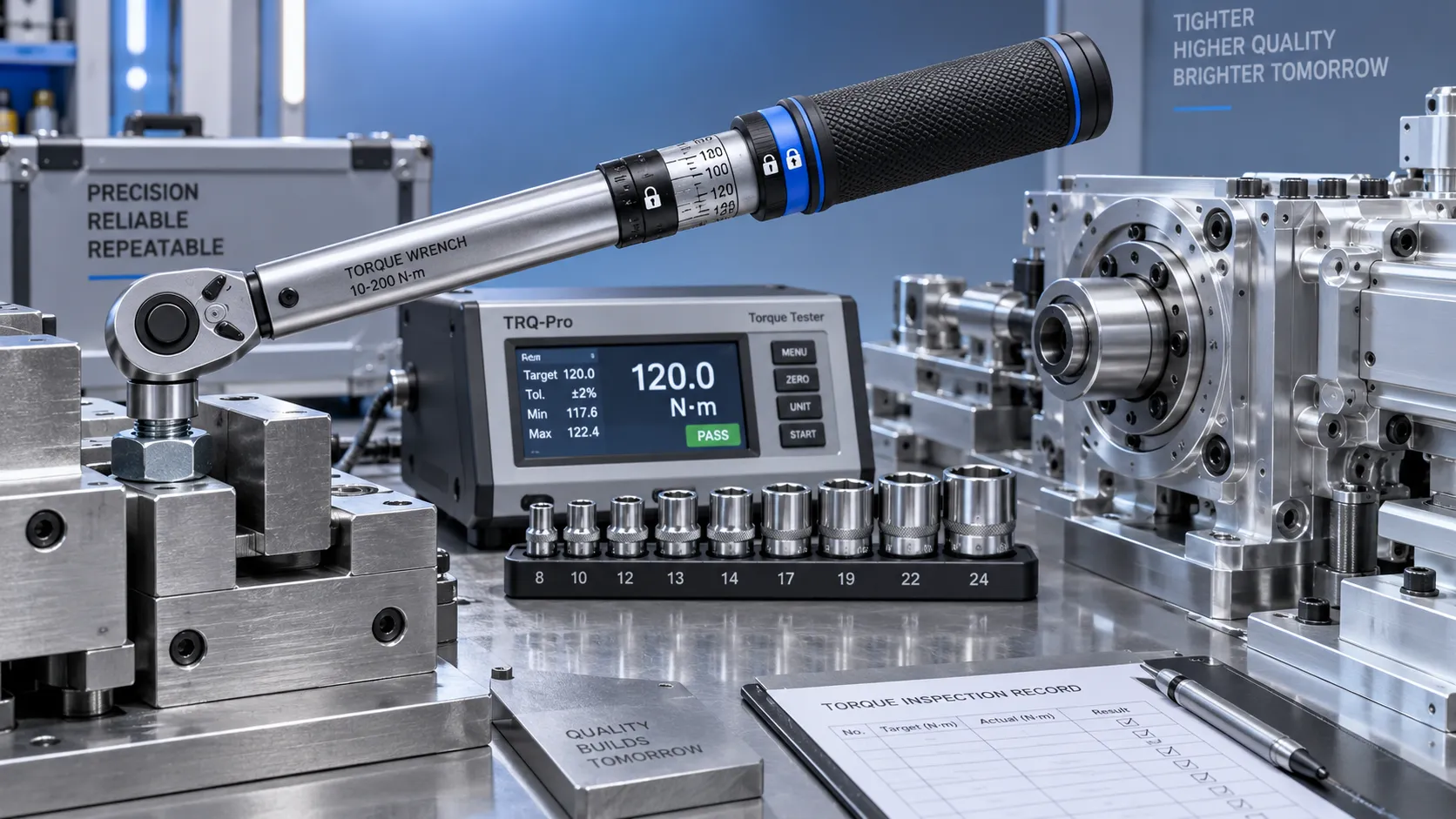
Selecting Adjustable Torque Tools for Repeatable Fastener Assembly
Adjustable torque tools: learn how to match range, accuracy, control methods, calibration, and ergonomics for repeatable, reliable fastener assembly.
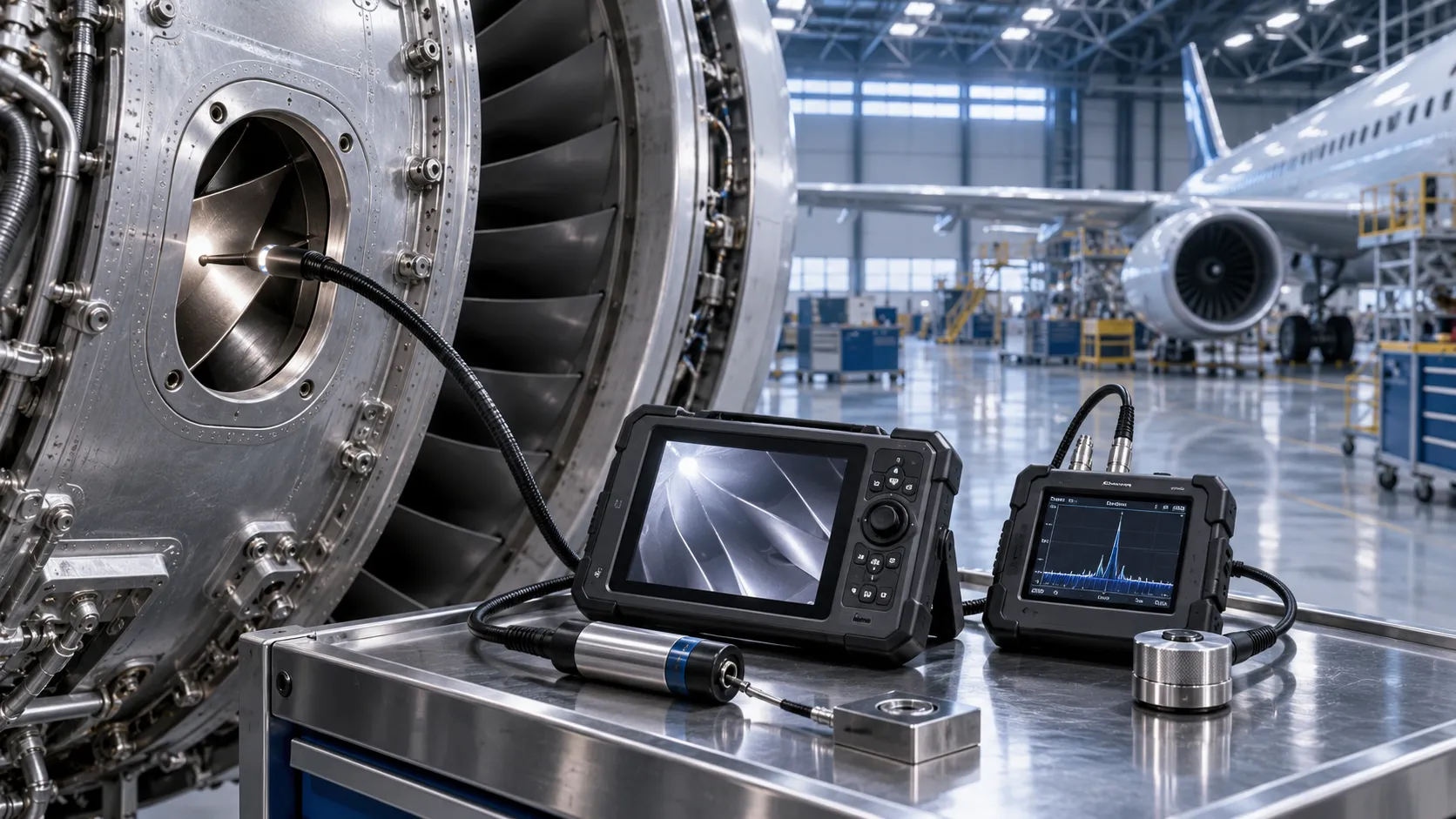
How to Select Aerospace Inspection Tools for Aircraft Maintenance Tasks
Aerospace maintenance inspection tools: learn how to select reliable, traceable equipment for aircraft access, accuracy, calibration, and compliant maintenance decisions.
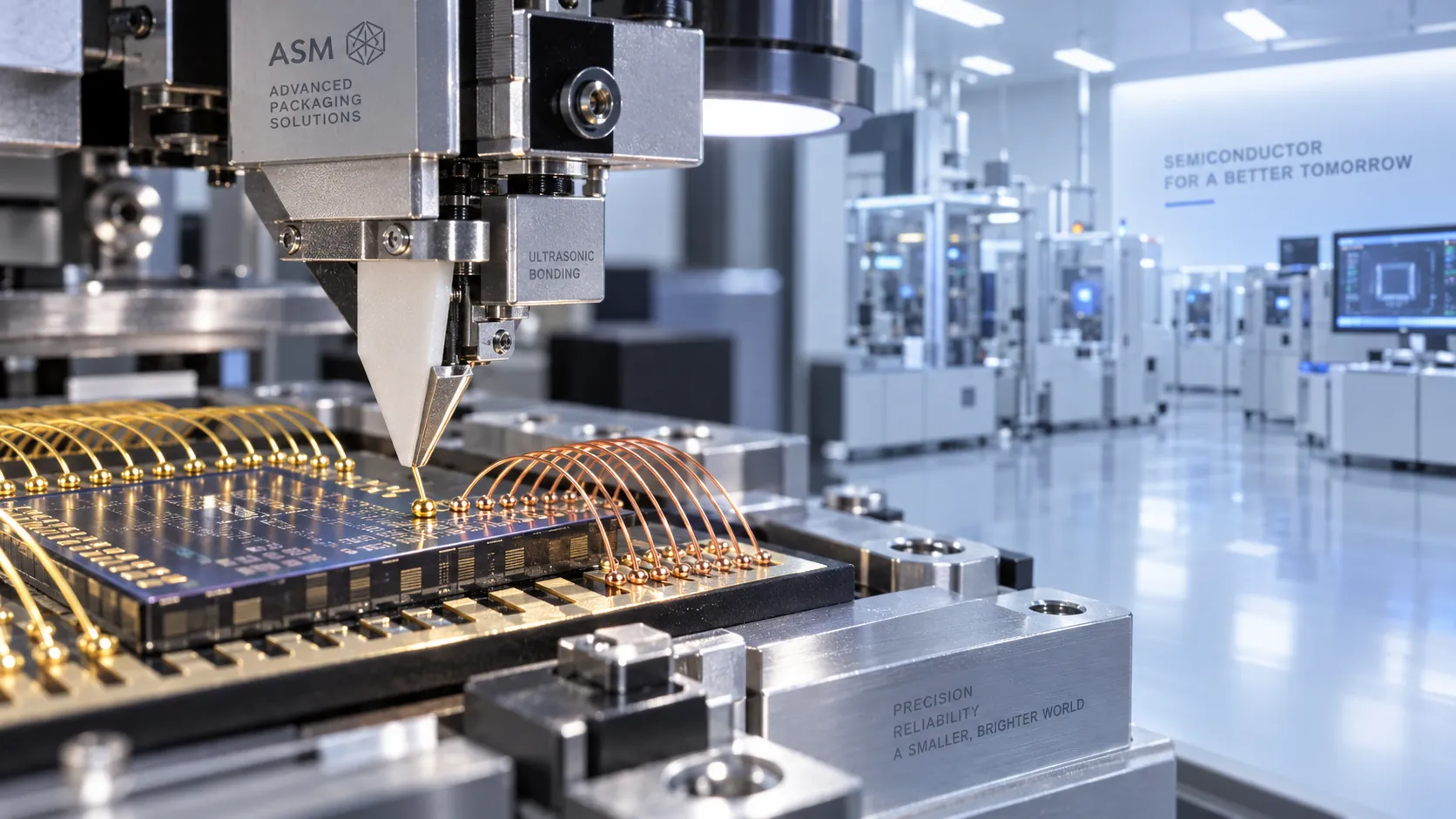
How to Select Wire Bonding Tools for Fine-Pitch Semiconductor Packaging
Explore semiconductor manufacturing tools for wire bonding and learn how to select precision solutions for fine-pitch packaging, reliable loops, accuracy, and yield.
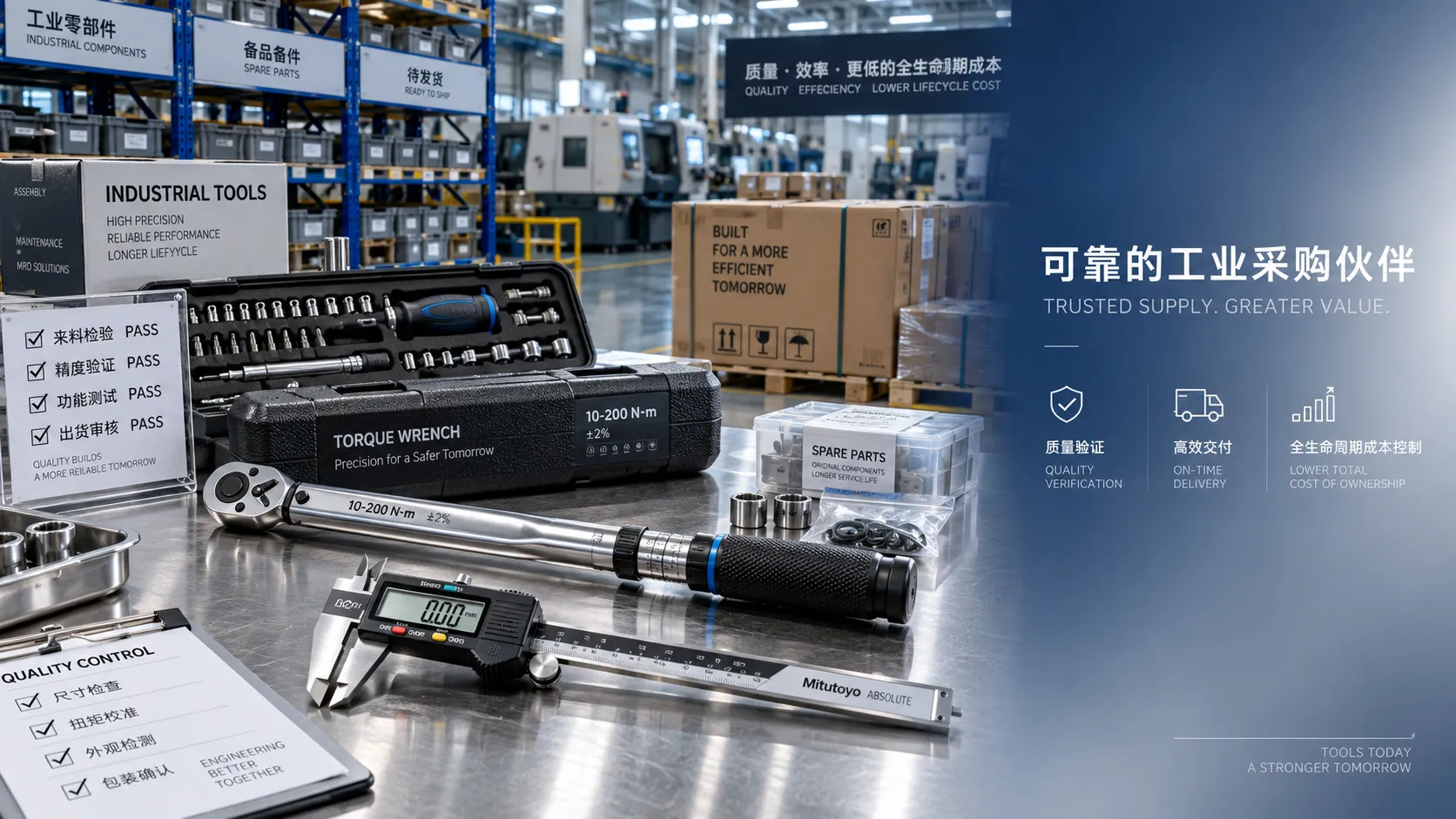
How to Compare Industrial Tool Suppliers for Quality, Lead Time, and Total Cost
Industrial tool selection supplier comparison made simple: evaluate quality, lead times, total cost, service, and supply resilience for confident sourcing decisions.
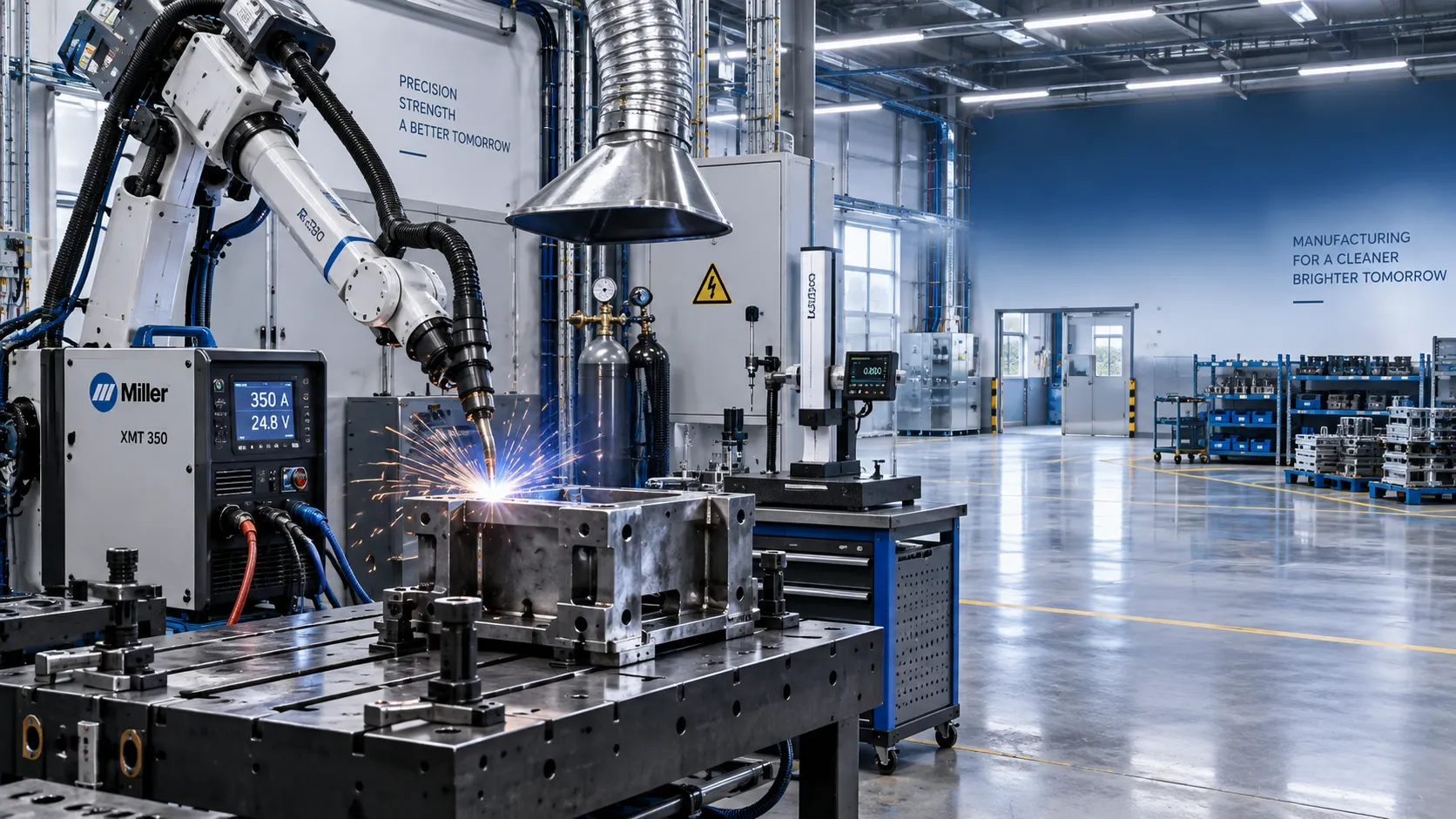
Industrial Equipment Application Guidance: Match Machines to Operating Conditions
Application guidance industrial equipment: match capacity, duty cycle, materials, site conditions, safety, and lifecycle cost to improve reliable output. Read the guide.
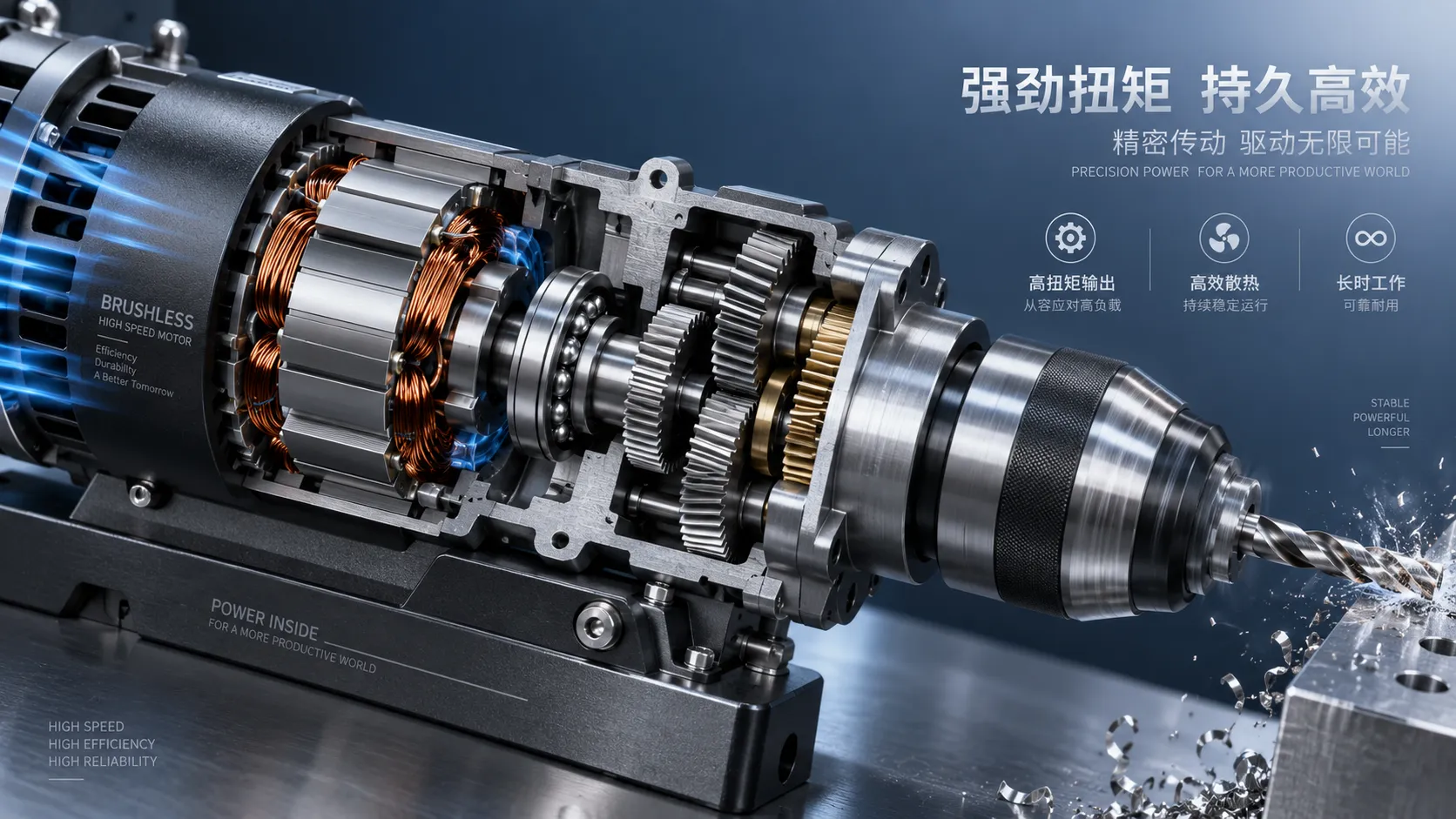
Selecting High-Speed Brushless Tool Motors for Torque, Heat, and Duty Cycle
High speed brushless tool motors: learn how to balance torque, heat, gearing, and duty cycle for reliable industrial tool performance and longer service life.
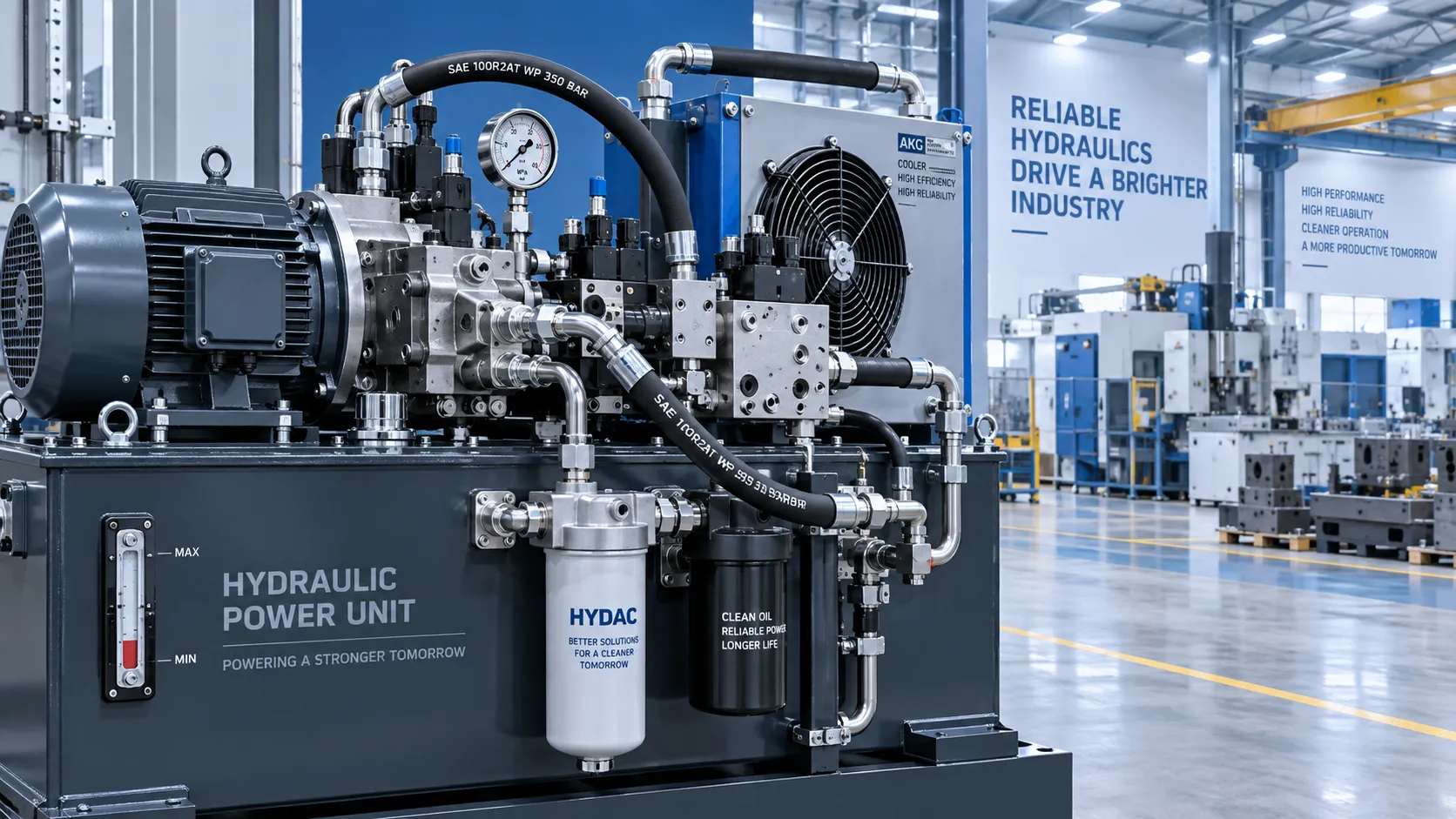
What Determines Industrial Hydraulic System Price for Heavy-Duty Equipment?
Industrial hydraulic system price depends on duty cycle, pressure, components, cooling, and integration. Compare quotes intelligently to secure reliable heavy-duty performance.
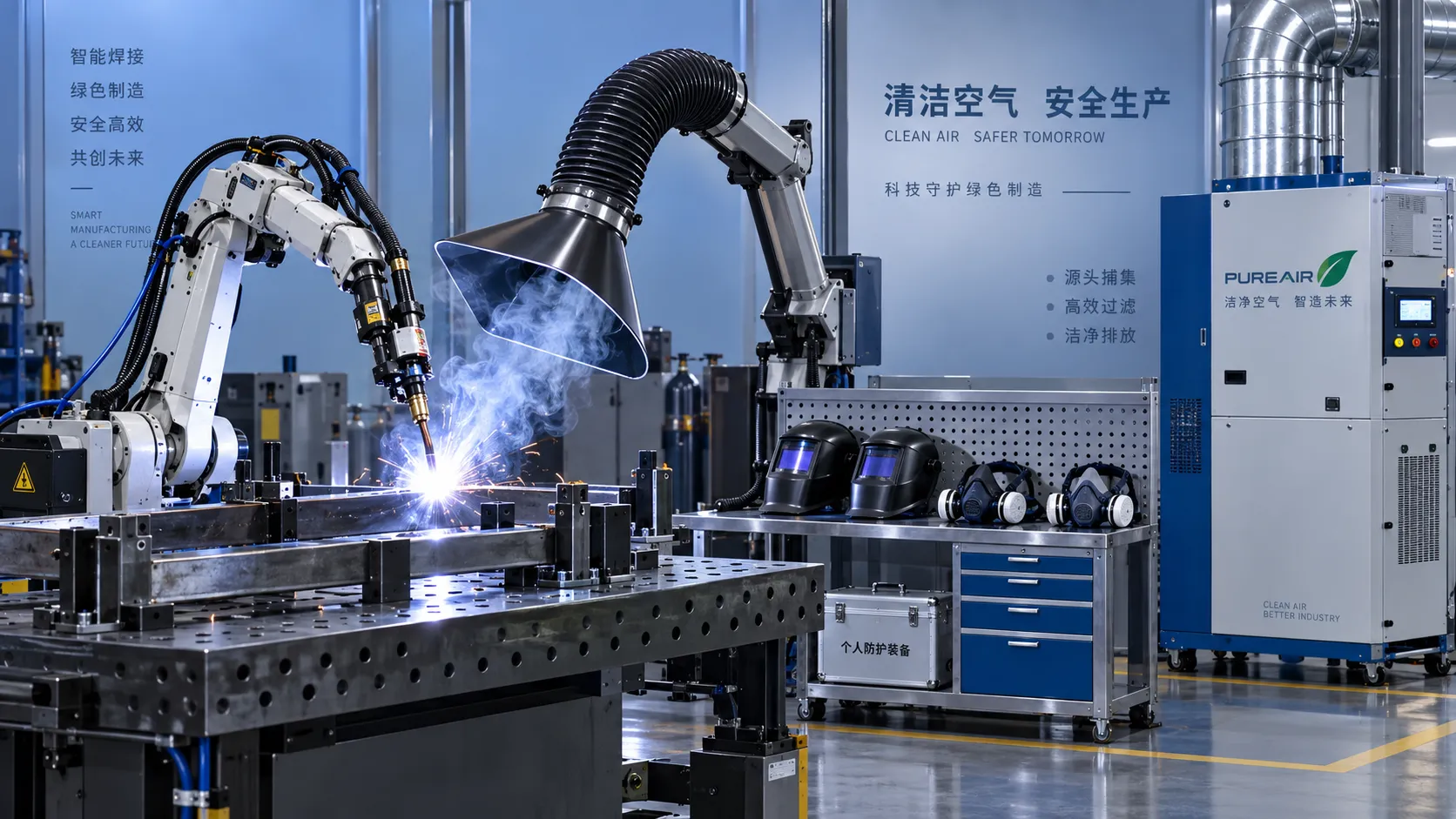
Welding Fume Extraction PPE: When Respirators Are Not Enough for Shop Safety
Welding fume extraction PPE: learn why respirators alone fall short and how source capture, ventilation, and layered controls improve shop safety.
How to Select Optical Metrology Solutions for Tight-Tolerance Manufacturing
Optical industrial metrology solutions for tight-tolerance manufacturing: evaluate accuracy, surface compatibility, workflow, and traceability to select with confidence.
Related News
- 00
0000-00
Selecting Adjustable Torque Tools for Repeatable Fastener Assembly - 00
0000-00
How to Select Aerospace Inspection Tools for Aircraft Maintenance Tasks - 00
0000-00
How to Select Wire Bonding Tools for Fine-Pitch Semiconductor Packaging - 00
0000-00
Industrial Equipment Application Guidance: Match Machines to Operating Conditions - 00
0000-00
Selecting High-Speed Brushless Tool Motors for Torque, Heat, and Duty Cycle
Prof. Marcus Chen
Weekly Insights
Stay ahead with our curated technology reports delivered every Monday.