
Why global construction demand is shifting in 2026





Global construction is entering a new phase in 2026, driven by infrastructure upgrades, regional supply chain shifts, and rising demand for smarter, safer building technologies. For distributors, agents, and channel partners, understanding where demand is moving—and which industrial tools, welding systems, and precision instruments are gaining traction—will be critical to securing growth, optimizing inventory, and capturing higher-value opportunities across evolving international markets.
The key change is not simply that more projects are being launched. It is that project types, buying cycles, specification standards, and site requirements are becoming more segmented across regions. In practical terms, global construction demand in 2026 is shifting toward infrastructure resilience, energy-efficient buildings, modular assembly, and faster field installation.
For distributors serving contractors, fabricators, MRO buyers, and project procurement teams, this shift directly affects product mix. Demand is rising for portable welding systems, precision measuring tools, hydraulic equipment, ergonomic power tools, and safer handheld solutions that can perform under tighter timelines, stricter tolerances, and more demanding compliance conditions.
For intelligence-led platforms such as GPTWM, the opportunity lies in translating these market changes into actionable channel decisions: which categories to stock, which regions to prioritize, which technical features to highlight, and how to build margin through professional application knowledge rather than price competition alone.
Where global construction demand is moving in 2026
Global construction is no longer moving in one uniform direction. In 2026, demand is splitting across at least 4 major tracks: public infrastructure renewal, industrial plant upgrades, energy transition projects, and high-speed urban building programs. Each track requires different combinations of metal joining, measurement accuracy, and tool portability.
This matters because a distributor that treats all construction demand as the same will likely carry the wrong stock profile. A road and bridge contractor has different purchasing priorities from a prefabrication workshop, and both differ from a renewable-energy EPC team working on steel structures in remote environments.
Infrastructure renewal is driving heavy-duty and field-ready demand
In many mature markets, bridges, transport corridors, water systems, and public utility assets are entering a replacement or reinforcement cycle. These projects often run in 12–36 month phases and require robust welding equipment, hydraulic lifting or pressing tools, and measuring instruments that maintain stable accuracy in outdoor conditions.
For channel partners, this means higher interest in durable tool housings, IP-rated electrical protection, repeatable torque control, and inspection-grade calipers, gauges, or alignment devices. Procurement teams increasingly ask not only for product price, but also for service intervals, spare part lead times, and operator safety features.
Industrial construction is shifting toward precision and speed
Warehouse expansion, electronics plants, battery facilities, and process industry upgrades are creating a strong layer of global construction demand tied to industrial assembly quality. In these applications, tolerance control can fall within ±0.5 mm to ±1.5 mm on selected installation points, which raises the value of metrology and fit-up tools.
Buyers in this segment care about 3 things at once: installation speed, repeatability, and traceable quality. That combination favors digital measuring instruments, compact welding solutions for confined spaces, and brushless power tools designed for frequent daily use over 6–10 hour work shifts.
Energy transition projects are expanding remote-site requirements
Solar mounting systems, wind tower maintenance, grid reinforcement, and energy storage facilities are changing the geography of global construction. More work is being done in remote, elevated, or weather-exposed locations, where weight reduction, battery efficiency, and simplified field calibration matter more than in fixed workshop settings.
This trend supports demand for portable joining systems, cordless or hybrid tools, lightweight hydraulic units, and instruments that can be recalibrated on predictable service cycles such as every 6 or 12 months. Distributors that can bundle tools with application guidance gain an advantage over those selling standalone SKUs.
The table below maps 4 major demand directions in global construction and the tool categories most likely to benefit. For distributors and agents, this comparison helps align inventory planning with sector-specific buying behavior instead of relying on broad market assumptions.
A clear pattern emerges: global construction demand in 2026 is favoring tools and systems that reduce rework, shorten installation time, and improve on-site quality control. That creates stronger pricing power for distributors that understand application fit, not just product availability.
Why distributors need a different product and channel strategy
As construction buyers become more selective, distributors cannot depend on a broad catalog alone. In many regions, purchasing teams now evaluate suppliers across 4 to 6 decision factors: technical suitability, delivery lead time, operator safety, documentation support, maintenance access, and total operating cost over the first 12–24 months.
This shift is especially important in global construction because delayed deliveries or poor tool fit can disrupt project phases, create site rework, and expose contractors to penalty risk. Channel partners that can advise on matching tools to job conditions are more likely to win repeat orders and preferred-vendor status.
Category planning should follow site conditions, not only sales history
A common distribution mistake is overcommitting to high-volume SKUs that performed well in the previous 2 years, even when end-use conditions are changing. For example, a shift from workshop fabrication to mixed field assembly can quickly increase demand for portable welding, compact hydraulic force tools, and rugged inspection devices.
In global construction, category planning should consider at least 5 filters: project environment, material thickness range, duty cycle, power access, and safety requirement. A distributor that applies these filters can rationalize stock and reduce slow-moving inventory without narrowing its offer too aggressively.
Practical stock mix signals to monitor
- Increase in requests for lighter tools under 8 kg for elevated or remote work
- More specification questions around repeatability, tolerance, and calibration intervals
- Shorter expected delivery windows, often 7–15 days for project-critical items
- Growing preference for safety-oriented handheld joining systems and ergonomic designs
- More bundled purchasing of tools, accessories, and inspection instruments in one order
Technical sales support is becoming a margin driver
Price pressure remains real, but in 2026 many buyers in global construction are willing to pay more for lower operational risk. If a distributor can explain duty cycle limits, consumable usage patterns, maintenance frequency, or fit-up accuracy, the conversation shifts from unit price to project outcome.
This is where GPTWM-style intelligence becomes commercially useful. Export restrictions, raw material volatility, and application trends can all influence which products are easiest to move, which need substitution planning, and which should be positioned as premium rather than standard channel items.
Regional shifts are changing channel opportunity
Not every region is growing for the same reason. Some markets are led by public infrastructure stimulus, others by industrial relocation, and others by energy investment. For distributors, this means the best growth may come from targeted expansion into 2 or 3 verticals rather than entering every construction category at once.
A focused channel strategy also improves forecasting. If a partner knows that local demand is strongest in steel-intensive, medium-scale projects with 3–9 month build windows, it can prioritize the right combinations of joining tools, metrology instruments, and hydraulic support equipment.
Which tools and systems are gaining traction
The shift in global construction demand is closely linked to a shift in tool selection criteria. Buyers increasingly favor products that lower labor dependence, reduce quality variation, and improve operator safety. This is especially visible in welding, torque control, cutting, alignment, and inspection workflows.
Portable and safety-focused welding solutions
On-site joining requirements are expanding beyond traditional heavy stationary setups. Contractors want welding systems that are easier to transport, quicker to set up, and safer for mixed-skill operator teams. In many projects, setup reduction of even 10–20 minutes per task can improve daily throughput over repeated cycles.
Safety is becoming a stronger buying factor as well. Handheld systems must be assessed not only for output performance, but also for guarding, training needs, heat management, and suitability for confined or elevated work areas. Distributors should be prepared to explain where a portable option is appropriate and where a fixed solution remains preferable.
Precision measurement is moving closer to the jobsite
As modular and industrialized construction expands, measuring activity is no longer limited to final inspection. It now supports layout, pre-fit verification, installation checks, and maintenance documentation. That raises demand for calipers, gauges, alignment tools, and digital instruments that can be used reliably outside laboratory-style conditions.
For distributors, the sales opportunity is not only in standalone tools. It is in application kits: measuring instruments plus protective storage, calibration planning, and operator guidance. This approach fits global construction buyers who want fewer sourcing steps and better consistency across multiple project teams.
Brushless and torque-controlled power tools
Fast assembly environments are rewarding tools that deliver stable output with less maintenance. Brushless platforms typically attract attention because they reduce wear components and support longer use cycles. When paired with torque control or IoT-based monitoring, they also help standardize installation quality across shifts and crews.
In global construction, this matters most where repeated fastening, structural support installation, or equipment mounting must be documented and replicated. A tool that reduces over-tightening, under-tightening, or unplanned service stoppage can create measurable value even if its initial purchase price is higher.
The next table outlines common product groups gaining momentum in global construction and the buyer questions distributors should expect during pre-sale discussions. This can help sales teams prepare more targeted proposals and improve conversion quality.
The strongest-selling categories are not necessarily the cheapest or most familiar. They are the ones that match changing site conditions in global construction and reduce friction across purchasing, installation, and inspection stages.
How channel partners can respond without increasing risk
The best response to shifting global construction demand is disciplined adaptation, not uncontrolled range expansion. Distributors and agents should strengthen decision processes in 3 areas: market sensing, inventory logic, and technical selling. This allows growth while keeping exposure to obsolete stock and unsuitable products under control.
Build a 90-day demand review cycle
Construction markets can change quickly due to project approvals, logistics disruptions, or specification changes. A practical approach is to review demand signals every 90 days using quote requests, lead time changes, contractor feedback, and after-sales inquiries. This cadence is fast enough to capture shifts without creating constant churn.
Use a tiered inventory model
For many channel businesses, a 3-tier stock model works well. Tier 1 includes fast-moving essentials with predictable replenishment. Tier 2 covers project-based technical products with moderate rotation. Tier 3 includes specialized items supplied against qualified demand, often with longer lead times of 2–6 weeks.
This model is useful in global construction because demand is uneven. It helps partners avoid locking cash into highly specialized products while still remaining responsive to profitable project opportunities.
Equip sales teams with application intelligence
A sales team does not need to become a full engineering department, but it should understand the 5 or 6 most common application questions for each strategic product group. These usually include material range, site environment, power source, operator skill level, maintenance needs, and inspection expectations.
That is where GPTWM’s intelligence orientation becomes highly relevant. When market analysis is connected to product positioning, distributors can speak more credibly to contractors, fabricators, and procurement managers. This improves close rates and supports healthier margins in competitive bids.
A practical response framework for 2026
- Identify the top 2 or 3 construction segments in your region.
- Map each segment to core tool, welding, and metrology demand.
- Separate standard stock from project-driven specialist items.
- Create technical answer sheets for the most queried products.
- Review supplier lead times and substitution options every quarter.
Global construction demand is shifting in 2026 because the market now values speed, resilience, safety, and measurable quality more than broad undifferentiated supply. For distributors, agents, and channel partners, the winners will be those who recognize where project activity is moving, align their product mix with real site conditions, and support buyers with useful technical guidance.
With stronger visibility into welding trends, precision metrology demand, hydraulic equipment use cases, and industrial tool evolution, GPTWM helps channel businesses turn market complexity into practical commercial decisions. If you want to refine your category strategy, evaluate demand signals in global construction, or explore higher-value product opportunities, contact us today to get tailored insights and solution guidance.
Related News
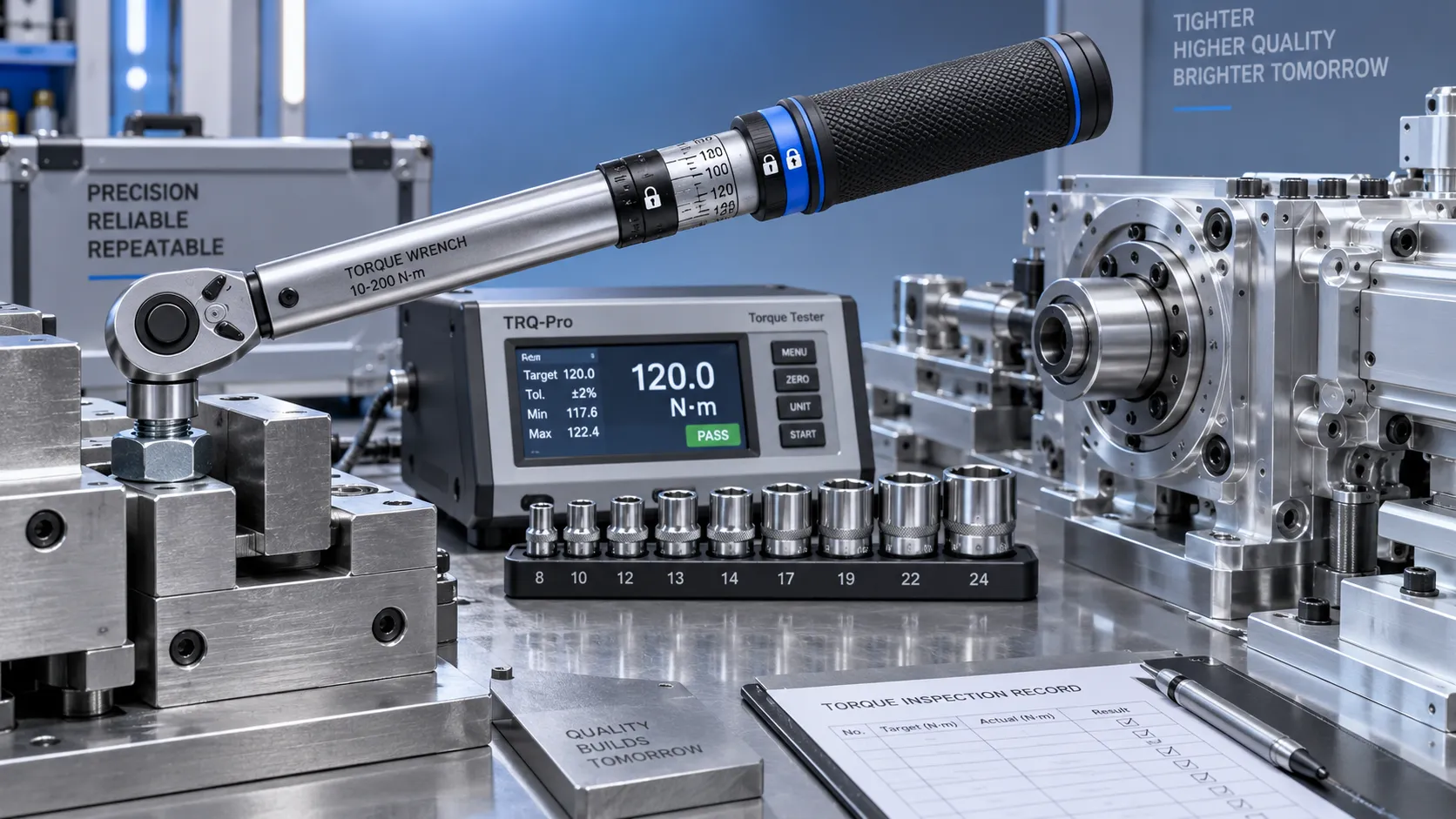
Selecting Adjustable Torque Tools for Repeatable Fastener Assembly
Adjustable torque tools: learn how to match range, accuracy, control methods, calibration, and ergonomics for repeatable, reliable fastener assembly.

How to Select Aerospace Inspection Tools for Aircraft Maintenance Tasks
Aerospace maintenance inspection tools: learn how to select reliable, traceable equipment for aircraft access, accuracy, calibration, and compliant maintenance decisions.

How to Select Wire Bonding Tools for Fine-Pitch Semiconductor Packaging
Explore semiconductor manufacturing tools for wire bonding and learn how to select precision solutions for fine-pitch packaging, reliable loops, accuracy, and yield.
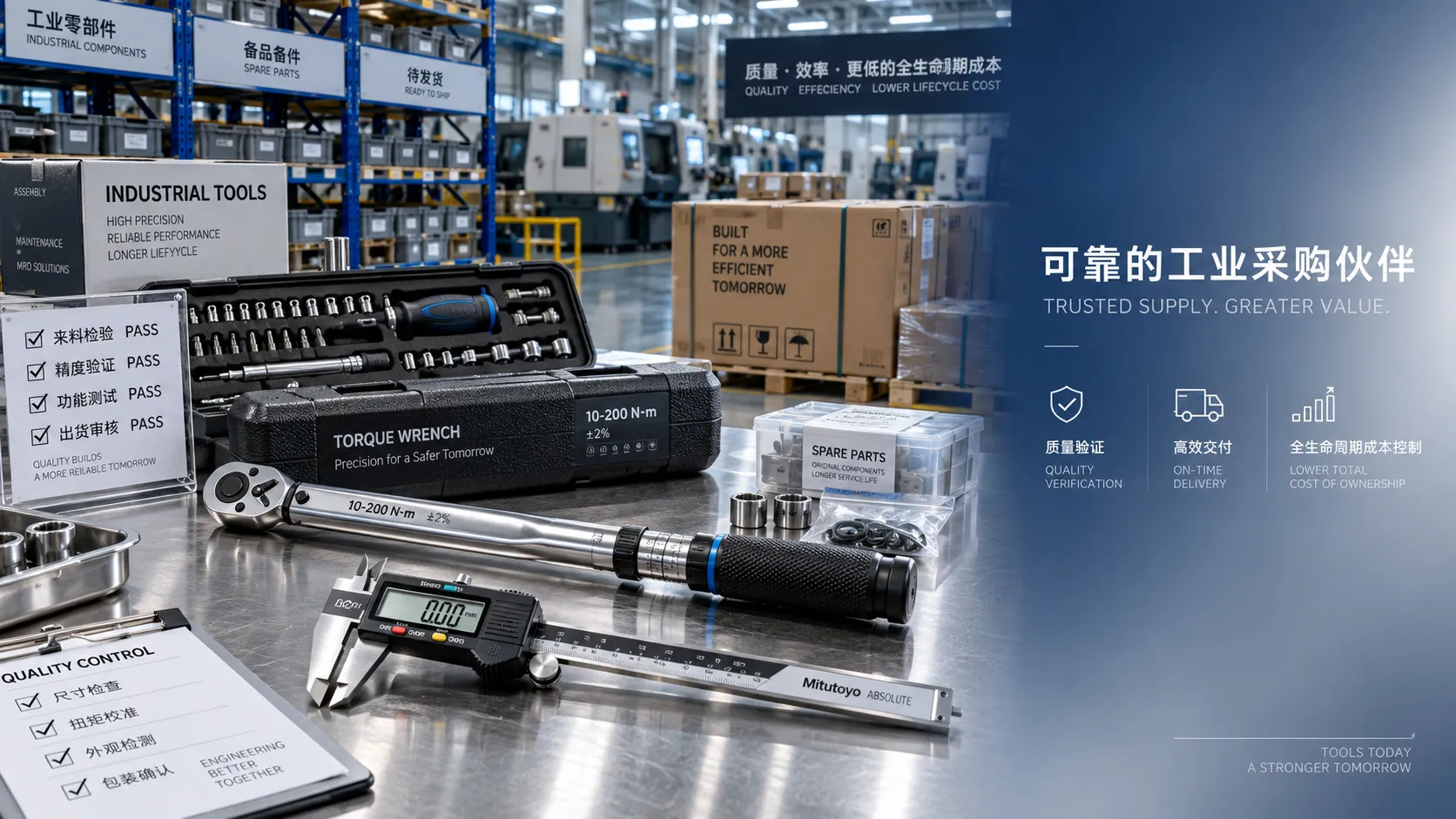
How to Compare Industrial Tool Suppliers for Quality, Lead Time, and Total Cost
Industrial tool selection supplier comparison made simple: evaluate quality, lead times, total cost, service, and supply resilience for confident sourcing decisions.

Industrial Equipment Application Guidance: Match Machines to Operating Conditions
Application guidance industrial equipment: match capacity, duty cycle, materials, site conditions, safety, and lifecycle cost to improve reliable output. Read the guide.

Selecting High-Speed Brushless Tool Motors for Torque, Heat, and Duty Cycle
High speed brushless tool motors: learn how to balance torque, heat, gearing, and duty cycle for reliable industrial tool performance and longer service life.
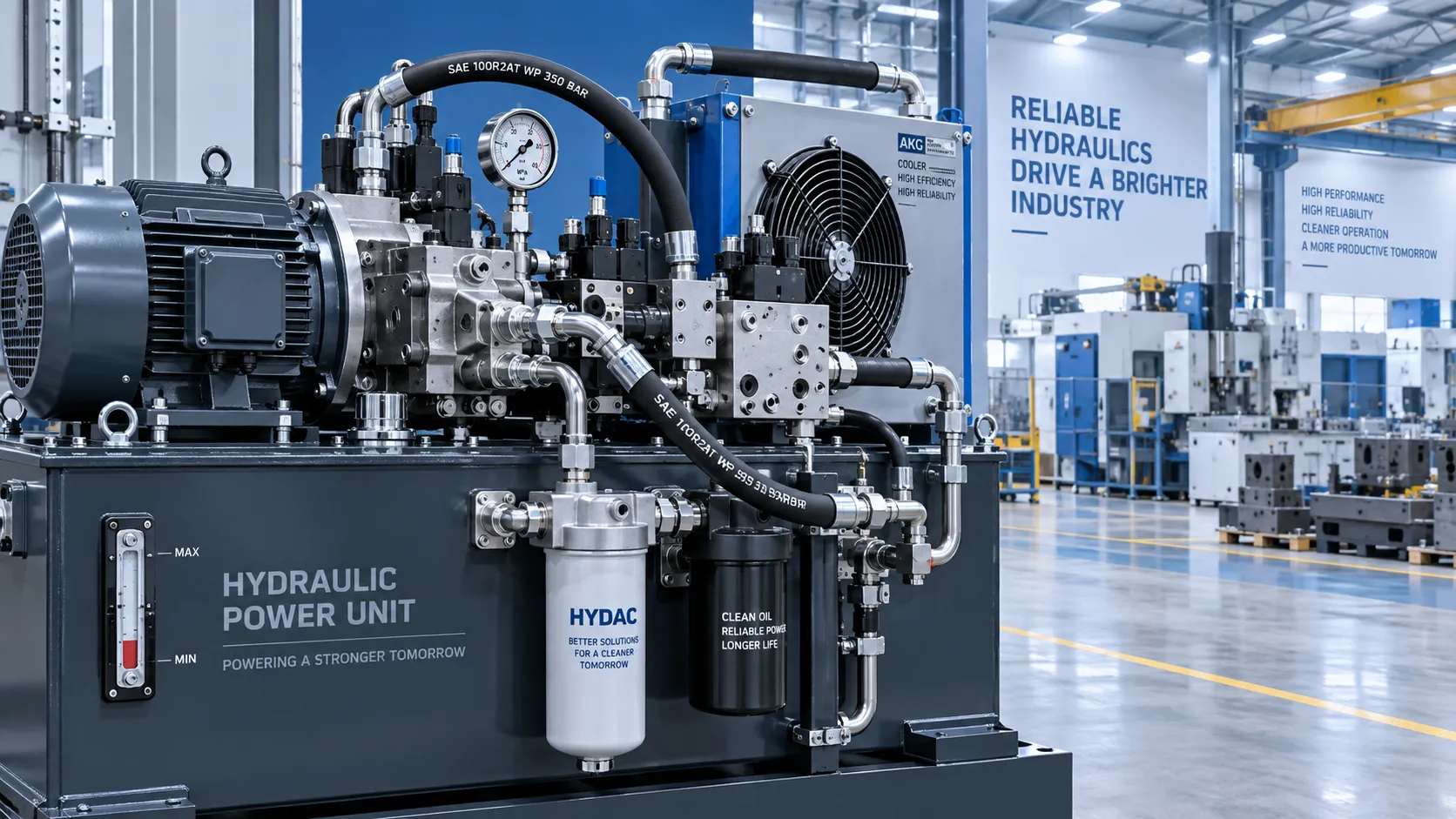
What Determines Industrial Hydraulic System Price for Heavy-Duty Equipment?
Industrial hydraulic system price depends on duty cycle, pressure, components, cooling, and integration. Compare quotes intelligently to secure reliable heavy-duty performance.

Welding Fume Extraction PPE: When Respirators Are Not Enough for Shop Safety
Welding fume extraction PPE: learn why respirators alone fall short and how source capture, ventilation, and layered controls improve shop safety.

How to Select Optical Metrology Solutions for Tight-Tolerance Manufacturing
Optical industrial metrology solutions for tight-tolerance manufacturing: evaluate accuracy, surface compatibility, workflow, and traceability to select with confidence.
Related News
- 00
0000-00
How Middle East Manufacturers Can Improve Production Efficiency Under Heat and Labor Constraints - 00
0000-00
Why Are Specification-Oriented Articles Gaining Traction in Europe’s B2B Markets? - 00
0000-00
Industrial Solutions in Latin America: Key Growth Sectors and Market Entry Risks - 00
0000-00
What Is Driving Manufacturing Efficiency in Europe’s Industrial Sectors? - 00
0000-00
Industrial Market Trends in 2025: What Buyers Should Watch Across Supply and Demand
Dr. Alistair Vaughn
Weekly Insights
Stay ahead with our curated technology reports delivered every Monday.