
What welding innovations reduce defects on the line





For quality-control and safety leaders, the welding innovations that most reliably reduce line defects are not the most fashionable ones. They are the technologies that stabilize heat input, detect variation early, document every critical parameter, and reduce operator-dependent inconsistency without creating new safety risks. In practice, that means real-time monitoring, adaptive control, better fixturing and sensing, safer laser workflows where appropriate, and stronger integration between welding, inspection, and downstream assembly data.
Behind the search for welding innovations is a practical question: which upgrades actually lower scrap, rework, and field risk, rather than simply adding capital cost or complexity. For quality and safety teams, the answer depends less on marketing claims and more on defect mode, part mix, operator exposure, traceability requirements, and how fast the process can detect drift before bad welds move down the line.
Quality-control readers typically want to know which innovations reduce porosity, lack of fusion, burn-through, spatter-related variation, dimensional distortion, and inconsistent penetration. Safety managers want to know whether newer systems improve fume control, arc exposure protection, ergonomic risk, and operator error prevention. Both groups also need to judge implementation effort, training burden, data reliability, and whether a technology scales across shifts and plants.
The most useful way to evaluate this topic is not by welding category alone, but by defect prevention mechanism. Some innovations prevent defects by controlling parameters more tightly. Others catch defects sooner through sensing and analytics. Others reduce human variability through guided workflows, better torch handling, or automated setup verification. The strongest investments usually combine all three rather than relying on a single breakthrough tool.
What quality and safety teams should focus on first
If the goal is fewer defects on the line, start by mapping your top recurring weld failures to the point where process variation first becomes visible. Many plants discover that defects do not begin at final inspection. They begin earlier, when wire feed, shielding gas, joint fit-up, torch angle, clamping pressure, or part cleanliness drifts outside the process window without immediate feedback.
That is why the most effective welding innovations are those that shorten the time between variation and response. A system that flags unstable current, abnormal travel speed, missing gas flow, or changing gap condition in real time can prevent a full batch of nonconforming parts. Compared with end-of-line inspection alone, upstream detection almost always delivers a larger reduction in rework cost and line disruption.
For safety leaders, first priority should go to innovations that improve consistency while lowering operator exposure to heat, fumes, reflected light, repetitive motion, and rushed manual adjustment. The best technologies reduce the need for workers to compensate manually for unstable processes. When operators spend less time correcting poor starts, difficult fit-up, or visibility issues, both defect rates and incident risk tend to fall together.
Real-time weld monitoring is one of the fastest ways to cut hidden variation
Among today’s most practical welding innovations, real-time process monitoring has one of the clearest quality payoffs. These systems track current, voltage, wire feed speed, travel speed, heat input, gas flow, and sometimes acoustic or optical signatures during each weld. The value is not only in recording data. It is in detecting abnormal patterns while the part is still in process.
For quality control, this matters because many common defects are preceded by measurable instability. Porosity may be linked to erratic gas flow or contamination. Lack of fusion may follow low heat input, poor travel speed, or excessive gap change. Excess spatter can signal parameter mismatch that also affects downstream cleaning time and appearance standards. Monitoring gives teams a way to see these patterns before destructive testing or customer complaints reveal them.
Modern systems also improve traceability. Instead of passing or failing a completed batch based mainly on sampling, plants can build a digital record for each weld or part family. This is especially valuable in regulated or high-consequence sectors, but it also helps general manufacturers identify which shift, machine, consumable lot, or fixture condition correlates with rising defects. That level of granularity supports faster containment and more credible root-cause analysis.
Safety teams gain from monitoring as well. A monitored process reduces the pressure on operators to “weld by feel” under unstable conditions. Alarm thresholds can trigger intervention before overheating, excessive spatter, or abnormal torch behavior escalates into a safety event. In facilities where staffing turnover is high, monitored process limits provide an added layer of control that is less dependent on individual intuition.
Adaptive parameter control reduces defects caused by drift, fit-up change, and mixed conditions
Real-time monitoring is powerful, but monitoring alone does not correct defects. That is where adaptive parameter control stands out among welding innovations. These systems adjust process settings in response to sensed changes, such as joint gap, material thickness, position, or thermal condition. The goal is to keep the weld inside a validated process window even when real production conditions are less stable than lab conditions.
For production lines with variable fit-up, mixed materials, or changing thermal loads, adaptive control can significantly reduce inconsistent penetration and lack of fusion. Instead of using one fixed recipe for all parts that nominally share a drawing, the system compensates within approved limits. This is especially useful where parts enter the welding station with accumulated tolerance stack-up from prior forming, machining, or assembly operations.
Quality leaders should evaluate adaptive systems carefully, however. The strongest solutions are not “self-optimizing” black boxes. They are systems with validated control logic, auditable parameter changes, and clear evidence that adaptation improves outcomes instead of masking upstream process problems. If joint preparation or fixturing is poor, adaptive control can help, but it should not become an excuse to tolerate uncontrolled incoming variation.
From a safety perspective, adaptive control can reduce the need for mid-process manual intervention. Fewer stop-and-adjust moments mean fewer opportunities for awkward posture, hurried troubleshooting, and exposure near hot components. But the implementation must include safeguards around limits, override permissions, and alarm management so operators understand when the system is compensating normally and when it is signaling a true process risk.
Advanced sensing and machine vision help catch bad fit-up before the weld fails
Many line defects blamed on welding actually begin with joint condition. Gaps that are too wide, edges that are misaligned, surfaces that are contaminated, or components that shift under clamping can all undermine a perfectly acceptable weld schedule. This is why advanced sensing, seam tracking, and machine vision rank high among welding innovations that reduce defects in real operations.
Pre-weld vision systems can verify part presence, orientation, gap, bevel condition, and surface readiness before arc initiation. In robotic cells, seam tracking helps maintain torch position when part geometry varies slightly. During welding, optical or thermal sensing can detect whether the energy is landing where expected. Post-weld vision can identify bead shape anomalies, underfill, or obvious discontinuities before parts move to expensive downstream steps.
For quality teams, the key benefit is separation of welding defects from upstream part-condition defects. If data shows that bad welds correlate strongly with gap variation at station entry, the solution may be fixture maintenance, cutting accuracy, or cleaning discipline rather than a new power source alone. This improves capital allocation and prevents the common mistake of solving the wrong problem at the welding stage.
Safety managers should also value these systems because they reduce manual checking around active welding zones. Automated verification lowers the need for close-range visual inspection while heat, spatter, and fumes are present. It can also reduce rework handling, which often exposes workers to repeated grinding, awkward repositioning, and additional weld passes that elevate total line risk.
Handheld laser welding can reduce some defect modes, but only in the right use case
Handheld laser systems are among the most discussed welding innovations today, and they do offer real quality advantages in certain applications. They can produce narrow, clean welds with lower heat input, smaller heat-affected zones, reduced distortion, and less post-process finishing. On thin materials or appearance-sensitive assemblies, those benefits can translate directly into fewer cosmetic defects and less dimensional correction.
For quality control, the important point is that handheld laser welding is not a universal defect cure. It is most effective when material condition, joint design, operator training, and safety controls are tightly managed. Reflective materials, inconsistent gap conditions, poor edge preparation, or incorrect travel technique can still produce lack of fusion or inconsistent penetration. The technology changes the process window, but it does not remove the need for process discipline.
Safety is where implementation quality matters most. Handheld laser adoption must include enclosure strategy where possible, interlocks, beam control, eye protection protocols, fume extraction, reflection risk assessment, and operator certification. A plant can lower rework yet increase safety exposure if it introduces laser capability without a mature control framework. Safety managers should insist that any productivity claim be evaluated together with exposure mitigation and emergency response readiness.
When applied selectively, handheld laser systems can support both quality and safety goals. They may reduce grinding, lower thermal stress, and shorten handling time on parts that would otherwise require multiple corrective steps. But they should be chosen based on defect history, material mix, and line design, not because they are the newest tool in the market.
Smarter power sources and waveform control improve arc stability and repeatability
Not all impactful welding innovations are dramatic. Some of the best defect reductions come from improved inverter power sources, advanced waveform control, pulse processes, and more stable wire feeding systems. These upgrades often reduce spatter, improve arc starts, stabilize droplet transfer, and maintain more consistent heat input across operators and shifts. In high-volume environments, that repeatability can create large cumulative savings.
For lines struggling with burn-through on thin stock, excessive cleanup, or variable bead profile, a better-controlled waveform can outperform more disruptive capital projects. Pulse and modified transfer modes can widen the usable process window, particularly where cosmetic quality, gap sensitivity, or heat management is challenging. Combined with qualified consumables, these systems can reduce both visible defects and latent metallurgical issues linked to erratic process behavior.
Quality teams should still verify results through defect data, not only arc appearance. A cleaner-looking weld is not automatically a stronger or more compliant one. Trials should compare first-pass yield, destructive test outcomes, rework frequency, parameter stability, and operator learning curve. A useful innovation is one that makes acceptable weld quality easier to sustain, not one that only improves performance in the hands of the most experienced welder.
From the safety side, more stable arc behavior can reduce spatter events, glare management challenges, and operator frustration. Better starts and fewer feed interruptions also mean less manual correction and less temptation to bypass standard work under production pressure. In that sense, arc stability is both a quality variable and a human-factors variable.
Data integration across welding, inspection, and assembly creates stronger defect prevention
One of the most underused welding innovations is not a machine at all, but a connected data framework. When weld parameters, inspection results, torque data, fixture status, consumable lots, and operator actions are linked at part level, plants can move from isolated troubleshooting to line-wide defect prevention. This is especially relevant in mixed assembly environments where weld quality interacts with later fastening, sealing, or dimensional alignment steps.
For example, a weld that passes visual inspection may still contribute to downstream torque variation if distortion changes assembly fit. Likewise, repeated fastening anomalies may point back to weld-induced geometry changes rather than fastener quality. Integrated data makes these relationships visible. It allows quality managers to identify whether rework is truly local to welding or whether welding is one node in a broader variation chain.
This type of traceability also supports more disciplined containment. Instead of quarantining large batches based on broad time windows, teams can isolate parts associated with a specific monitored deviation, fixture alarm, or consumable change. That reduces disruption while strengthening confidence in release decisions. For safety leaders, integrated records also help confirm whether process deviations coincided with exposure incidents, maintenance shortcuts, or procedural noncompliance.
In organizations moving toward digital factory models, the highest value often comes from combining modest welding hardware improvements with much stronger data visibility. A plant may gain more from knowing exactly when and why defects form than from buying a premium system that still operates as a data island.
How to decide which welding innovations are worth the investment
Quality-control and safety leaders should evaluate welding innovations through a defect-and-risk matrix rather than broad technology categories. Start with the top five recurring defect types by cost, frequency, and customer impact. Then identify whether each is caused mainly by parameter instability, fit-up variation, consumable issues, operator technique, thermal distortion, inadequate inspection, or unsafe workarounds. The best investment is the one that addresses the dominant mechanism first.
Next, compare technologies using practical decision criteria: defect reduction potential, detection speed, traceability value, training burden, maintenance complexity, safety effect, compatibility with current fixtures and materials, and time to measurable return. This prevents teams from overvaluing technologies that look advanced but do not match the plant’s actual failure modes. In many cases, a combination of monitoring, vision, and process discipline will outperform a single high-profile equipment purchase.
Pilot testing should include more than weld quality samples. Measure first-pass yield, rework hours, scrap cost, downtime, alarm frequency, false positives, ergonomic impact, consumable usage, and near-miss exposure. If a new system improves weld appearance but increases nuisance alarms or slows line response, the net result may be disappointing. Both quality and safety outcomes must improve under production conditions, not only in controlled demonstrations.
It is also wise to assess organizational readiness. Some innovations fail not because the technology is weak, but because parameter governance, calibration discipline, preventive maintenance, or operator training is inconsistent. If the plant cannot sustain data review and reaction plans, a sophisticated monitoring platform may become an expensive recorder rather than a defect prevention tool.
Practical priorities for reducing defects on the line
If you need a practical sequence, begin with process visibility. Add or strengthen real-time monitoring for the variables most closely linked to your critical defects. Then improve pre-weld verification through sensing or vision where fit-up and positioning issues are common. After that, evaluate adaptive control or smarter power source upgrades where process drift remains a significant cause of failures.
Consider handheld laser welding selectively for thin materials, low-distortion requirements, or applications where conventional methods create heavy finishing burdens. But treat laser adoption as both a quality project and a safety project from day one. Finally, connect welding data to inspection and assembly records so recurring failures can be traced across the line rather than investigated in isolation.
These priorities reflect a simple principle: the most effective welding innovations are the ones that make defects harder to create, easier to detect, and faster to contain. When quality and safety teams evaluate technology through that lens, they are more likely to choose solutions that produce durable gains instead of short-lived pilot success.
In summary, the welding innovations that reduce defects on the line most consistently are real-time monitoring, adaptive parameter control, advanced sensing and vision, improved power source and waveform management, carefully governed handheld laser applications, and integrated production data. None of these works best as a standalone fix. Their real value comes from aligning process control, traceability, operator support, and safety management around the specific defects your line can least afford.
Related News
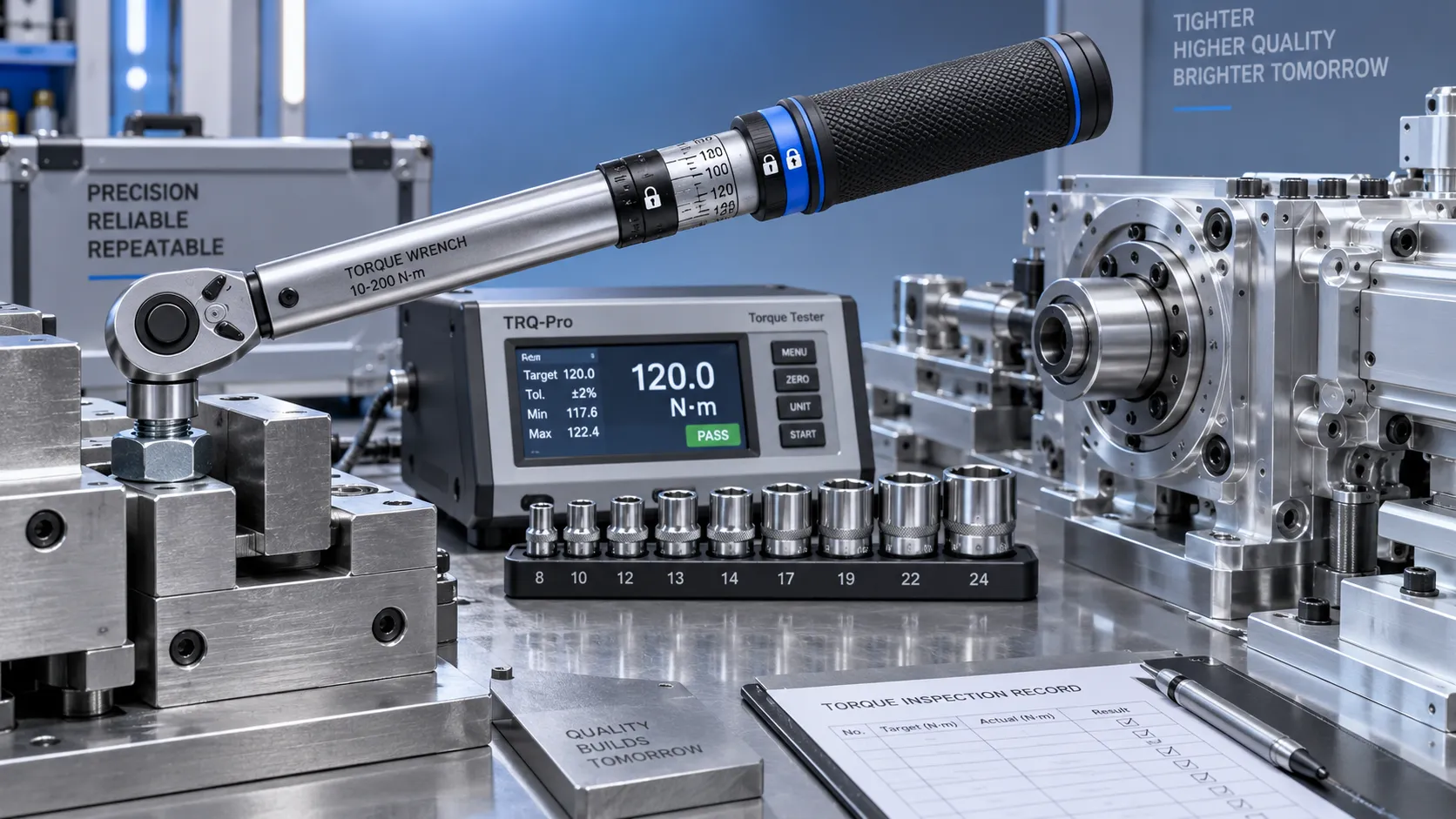
Selecting Adjustable Torque Tools for Repeatable Fastener Assembly
Adjustable torque tools: learn how to match range, accuracy, control methods, calibration, and ergonomics for repeatable, reliable fastener assembly.
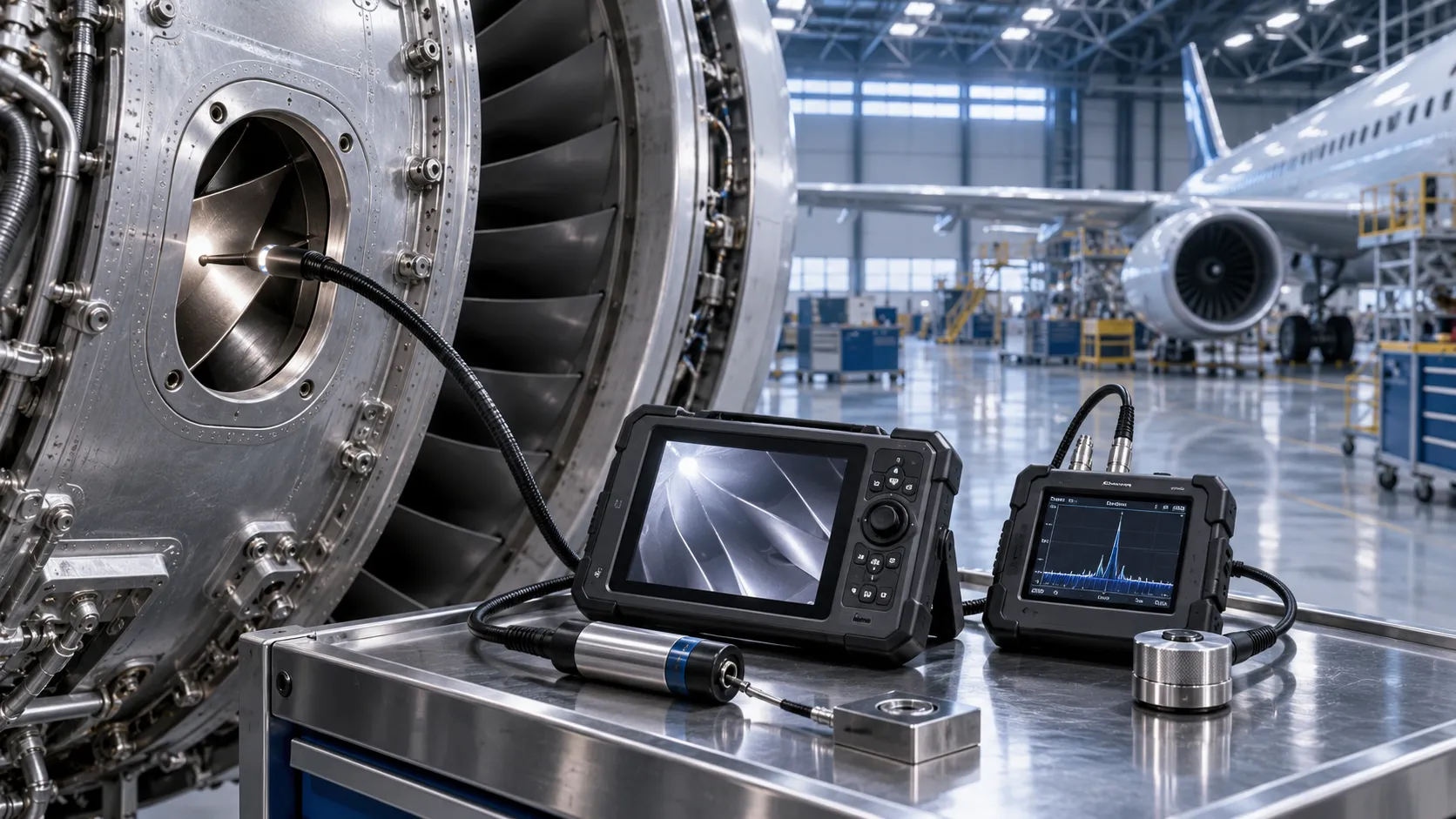
How to Select Aerospace Inspection Tools for Aircraft Maintenance Tasks
Aerospace maintenance inspection tools: learn how to select reliable, traceable equipment for aircraft access, accuracy, calibration, and compliant maintenance decisions.
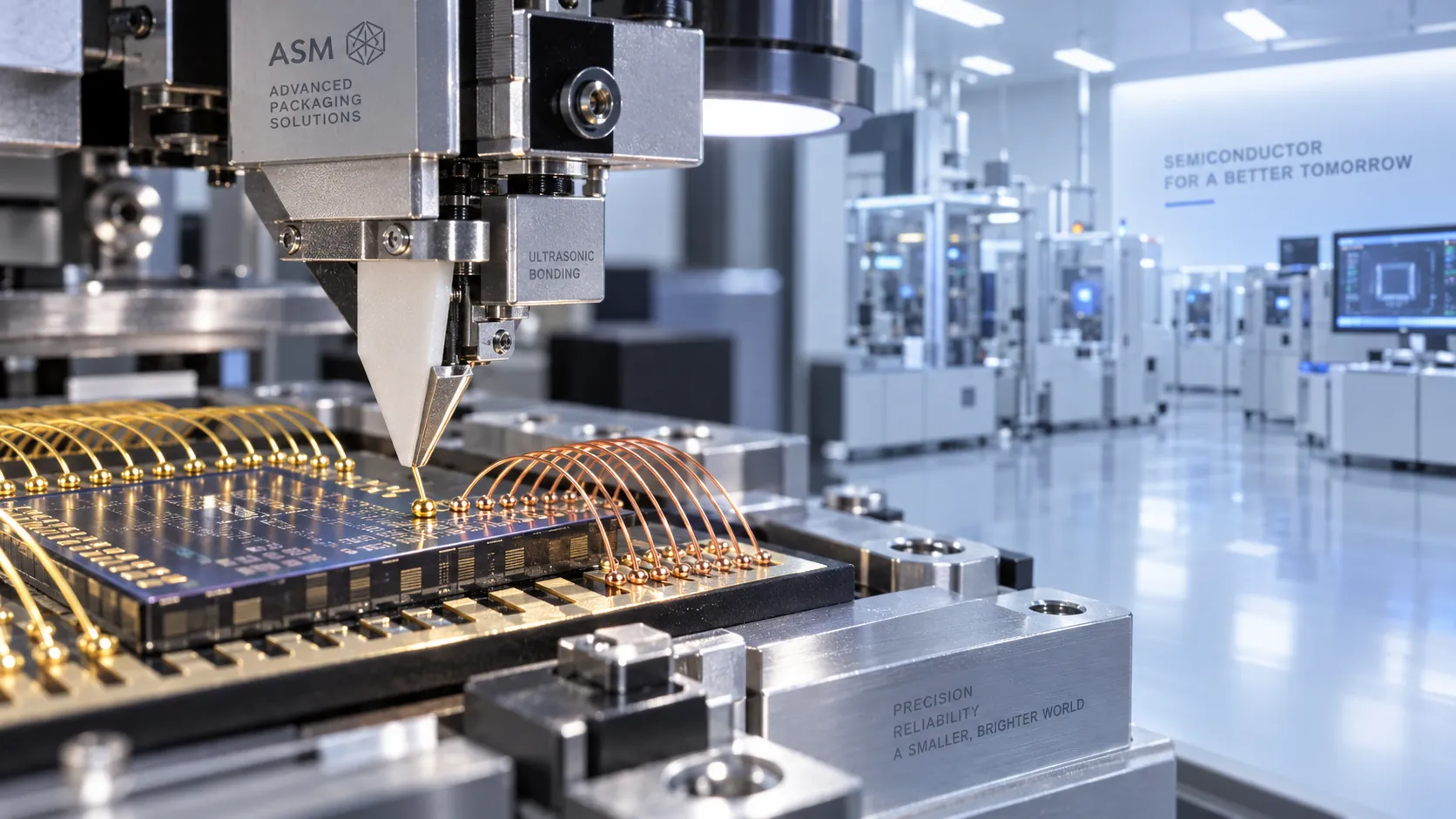
How to Select Wire Bonding Tools for Fine-Pitch Semiconductor Packaging
Explore semiconductor manufacturing tools for wire bonding and learn how to select precision solutions for fine-pitch packaging, reliable loops, accuracy, and yield.
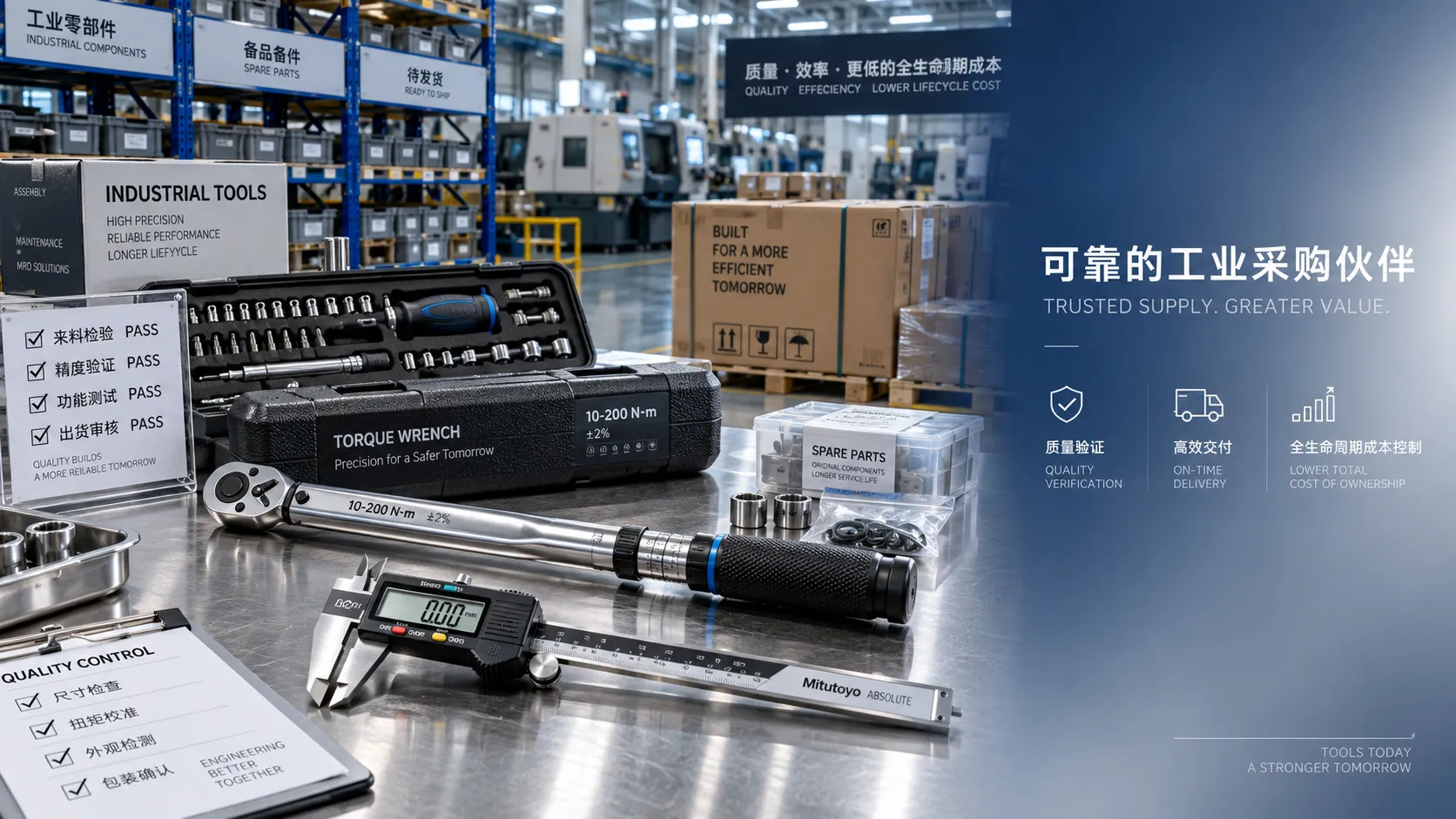
How to Compare Industrial Tool Suppliers for Quality, Lead Time, and Total Cost
Industrial tool selection supplier comparison made simple: evaluate quality, lead times, total cost, service, and supply resilience for confident sourcing decisions.
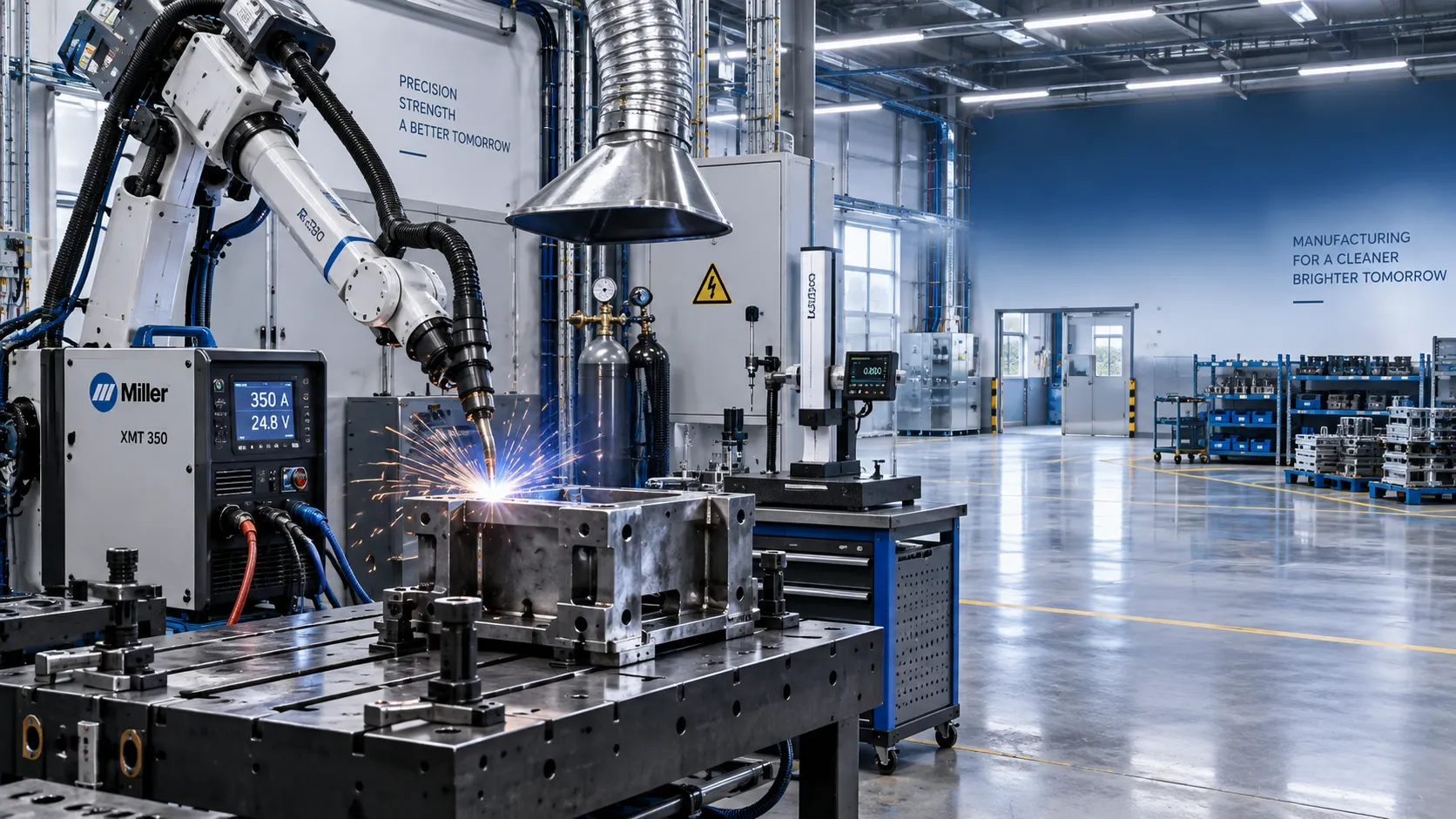
Industrial Equipment Application Guidance: Match Machines to Operating Conditions
Application guidance industrial equipment: match capacity, duty cycle, materials, site conditions, safety, and lifecycle cost to improve reliable output. Read the guide.
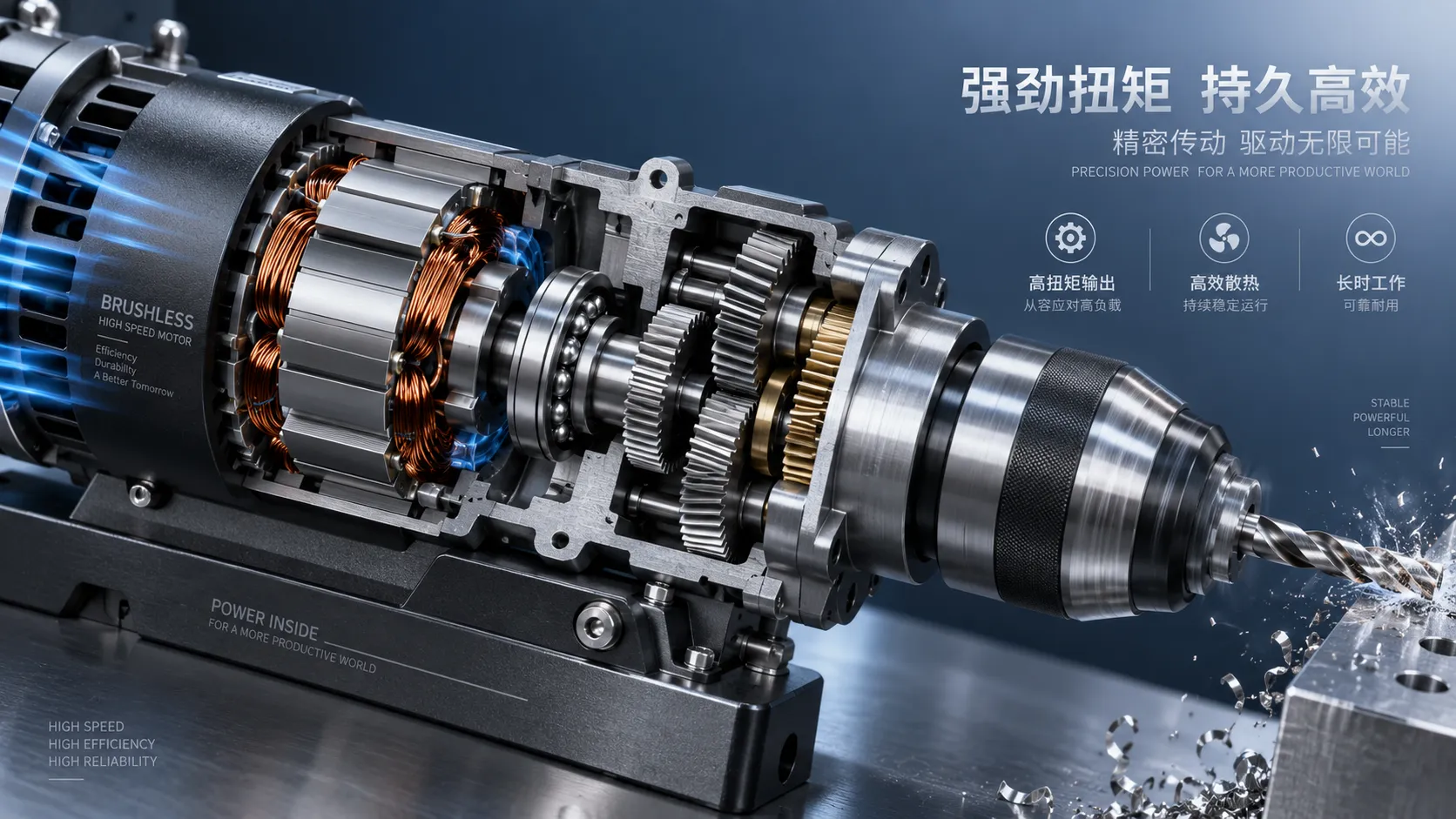
Selecting High-Speed Brushless Tool Motors for Torque, Heat, and Duty Cycle
High speed brushless tool motors: learn how to balance torque, heat, gearing, and duty cycle for reliable industrial tool performance and longer service life.
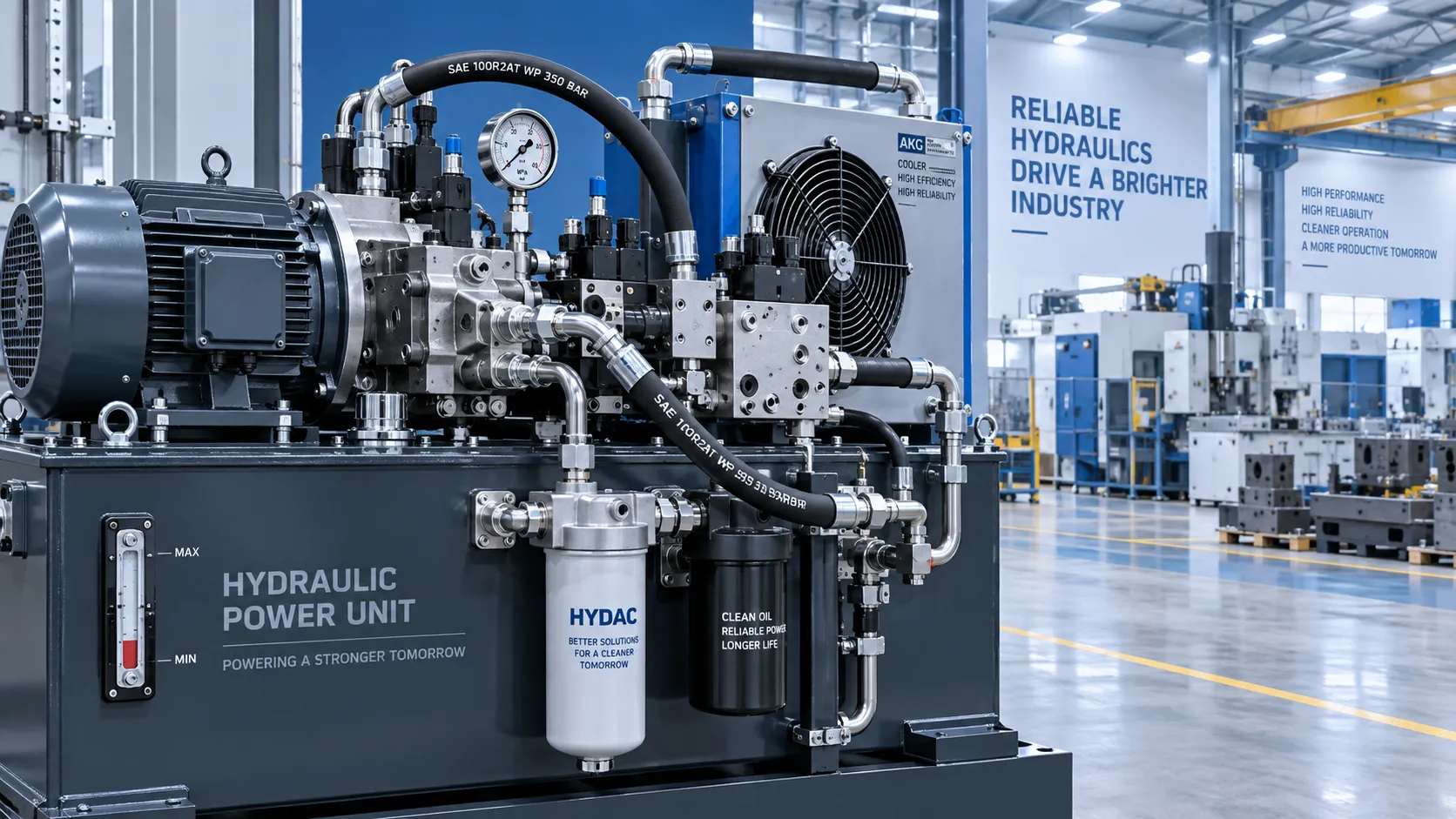
What Determines Industrial Hydraulic System Price for Heavy-Duty Equipment?
Industrial hydraulic system price depends on duty cycle, pressure, components, cooling, and integration. Compare quotes intelligently to secure reliable heavy-duty performance.
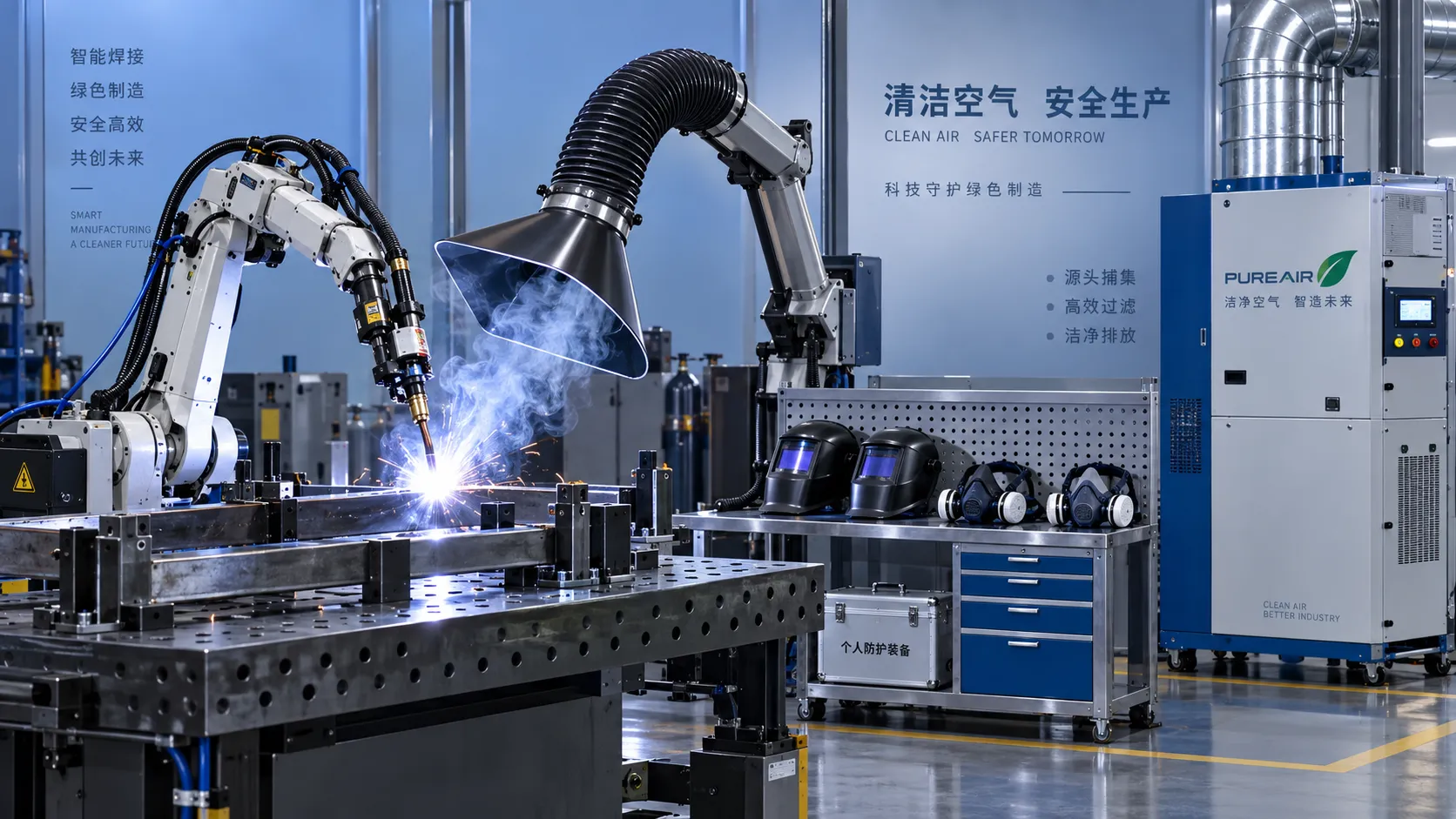
Welding Fume Extraction PPE: When Respirators Are Not Enough for Shop Safety
Welding fume extraction PPE: learn why respirators alone fall short and how source capture, ventilation, and layered controls improve shop safety.
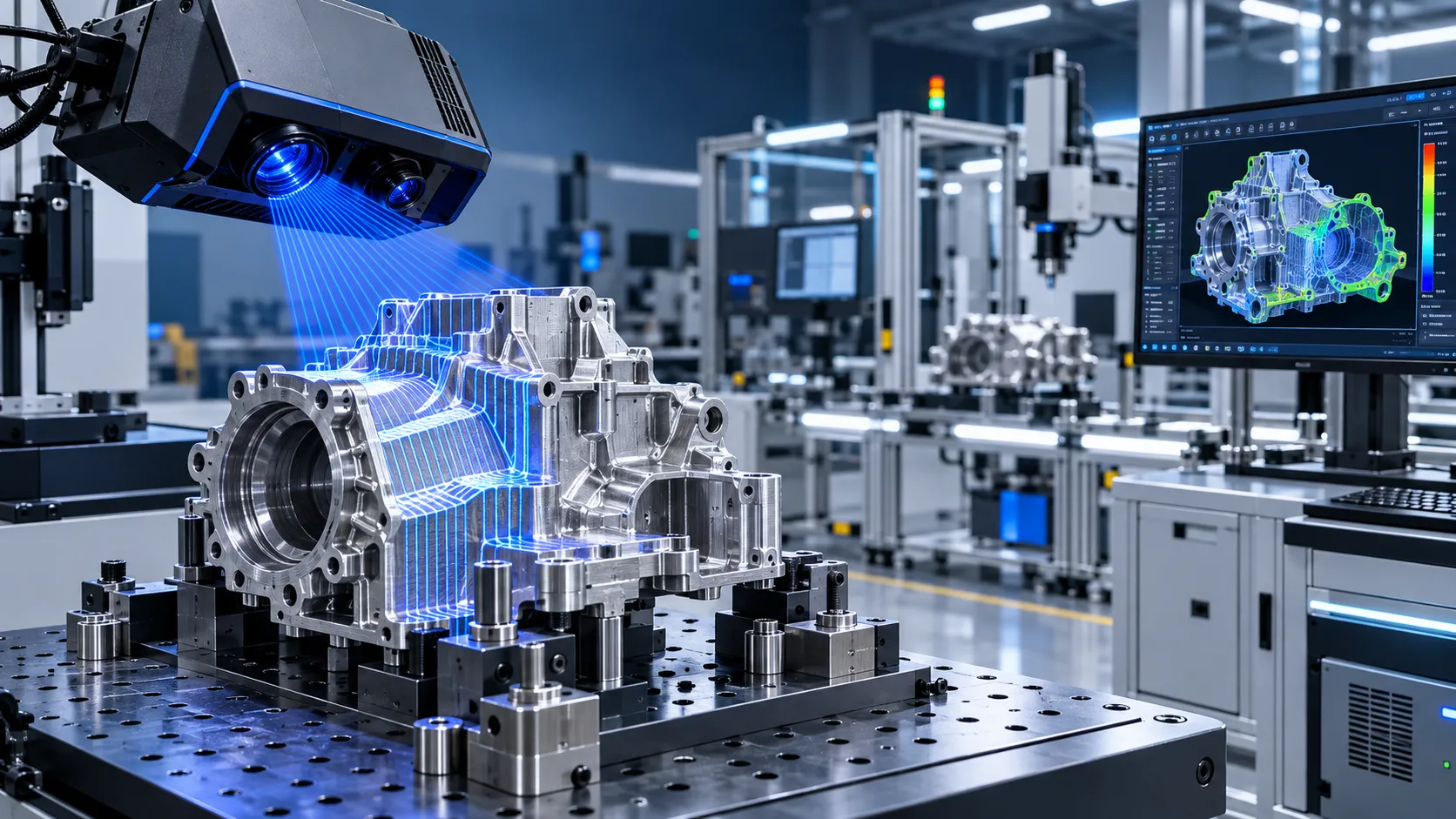
How to Select Optical Metrology Solutions for Tight-Tolerance Manufacturing
Optical industrial metrology solutions for tight-tolerance manufacturing: evaluate accuracy, surface compatibility, workflow, and traceability to select with confidence.
Related News
- 00
0000-00
Welding Fume Extraction PPE: When Respirators Are Not Enough for Shop Safety - 00
0000-00
Which ANSI Standards Apply to Welding Equipment in Industrial Fabrication? - 00
0000-00
How Energy-Efficient Welding Equipment Cuts Power Use in High-Volume Fabrication - 00
0000-00
Which ISO Standards Govern Welding Technology Quality Control and Qualification? - 00
0000-00
North American Welding Innovations Reshaping Automation, Quality, and Labor Productivity
Welding Metallurgy Expert
Weekly Insights
Stay ahead with our curated technology reports delivered every Monday.