
How industrial research reveals the next supply risks





How industrial research reveals the next supply risks
Industrial research is now the earliest warning layer for supply instability across the broader industrial economy.
It helps detect raw material stress, tooling bottlenecks, regulatory change, and demand migration before visible disruption appears.
For business evaluation, the value is practical.
Better industrial research improves sourcing confidence, investment timing, supplier screening, and resilience planning across interconnected industrial scenarios.
In sectors tracked by GPTWM, even small shifts in metrology, welding safety, brushless tools, or export standards can forecast larger supply risks.
The real advantage comes from converting scattered market signals into usable decisions.
Why supply risk looks different across industrial scenarios
Not every shortage begins with missing inventory.
Some risks begin with testing failures, standard revisions, motor component constraints, or delayed adoption of safer joining methods.
That is why industrial research must be scenario-based rather than purely price-based.
A construction equipment chain reacts differently from aerospace maintenance, automotive service, or power tool distribution.
Each setting has its own trigger points, acceptable lead times, quality thresholds, and compliance exposure.
Industrial research reveals these differences early, allowing risk signals to be ranked by operational impact instead of headline noise.
Key signals that usually appear before disruption
- Volatility in alloy, copper, rare earth, and specialty steel inputs
- Export control revisions affecting tools, electronics, or calibration components
- Certification delays for welding safety or precision measuring devices
- Falling tool efficiency caused by motor, battery, or sensor constraints
- Demand spikes from construction, automotive repair, or aircraft maintenance
Scenario 1: Raw material shifts that quietly reshape tool availability
One common scenario starts with raw materials rather than finished products.
Industrial research often detects risk when steel grades, copper content, abrasives, or engineered polymers begin moving outside normal cost bands.
These changes influence welding systems, hydraulic equipment, measuring instruments, and handheld tools at different speeds.
The first visible impact may be margin compression, but the deeper issue is specification substitution.
When suppliers replace materials to preserve delivery, durability and calibration stability can drift.
Strong industrial research compares cost movement with technical performance reports, not only supplier quotations.
Core judgment points in this scenario
- Are price changes concentrated in one material or spreading across categories?
- Have product tolerances, wear rates, or thermal stability changed recently?
- Do suppliers disclose equivalent-grade substitutions clearly?
- Is the cost shock temporary, seasonal, or linked to structural shortage?
Scenario 2: Export restrictions and standards changes that freeze movement
Another high-risk scenario begins with policy.
Industrial research tracks export restrictions, customs rules, dual-use concerns, and regional safety standards affecting industrial goods.
This matters because supply chains fail when goods are available but cannot move, clear, or qualify.
Handheld laser welding offers a useful example.
Safety regulation changes can alter shipment eligibility, training needs, enclosure requirements, and service support expectations across markets.
Without industrial research, these changes look administrative.
In reality, they can delay channel expansion and create unplanned replacement demand.
Where this scenario creates hidden exposure
Compliance bottlenecks often hit precision instruments, electronic controllers, and specialized joining equipment first.
The commercial risk rises when one uncertified component blocks an entire system shipment.
Scenario 3: Performance limits in tools that signal upcoming supply stress
Supply risk also appears through performance ceilings.
Industrial research can reveal when brushless motors, torque systems, batteries, sensors, or calibration modules approach efficiency limits.
At first, this seems like a product engineering issue.
Yet it often signals concentrated dependency on a small component base.
If tool makers cannot improve runtime, heat control, or accuracy without scarce parts, future shortages become more likely.
Industrial research should connect technical benchmarks with supplier concentration and component replacement difficulty.
Practical warning signs
- Longer lead times on control boards, magnets, chips, or power cells
- More frequent firmware or torque recalibration updates
- Stable list prices but shrinking accessory availability
- Higher failure rates in intensive industrial duty cycles
Scenario 4: Demand migration across construction, automotive, and aerospace maintenance
Demand shifts can create supply risk even when production capacity looks sufficient.
Industrial research maps where structural demand is accelerating and which categories absorb available inventory first.
Construction activity may tighten hydraulic equipment and rugged measuring tools.
Automotive service may increase torque control, portable welding, and inspection demand.
Aerospace maintenance may absorb premium calibration instruments with stricter documentation needs.
Industrial research clarifies whether demand is cyclical restocking or a longer technological upgrade wave.
How scenario needs differ in real industrial research
Scenario-fit suggestions for turning industrial research into decisions
- Build a risk dashboard combining commodity data, standards updates, and field performance feedback.
- Separate short-term price noise from long-term supply structure changes.
- Rank categories by calibration sensitivity, safety exposure, and replacement difficulty.
- Use industrial research to compare supplier claims with technical evidence and regional demand signals.
- Refresh assumptions quarterly in fast-moving sectors like power tools, welding, and metrology.
Common misjudgments that weaken supply risk foresight
A frequent mistake is treating industrial research as a news summary.
Useful industrial research must connect economics, engineering, compliance, and application behavior.
Another mistake is focusing only on direct suppliers.
Many disruptions start deeper in motor design, calibration modules, optical parts, or safety certification systems.
It is also risky to assume all end markets recover or slow at the same pace.
Industrial research becomes powerful when it identifies which scenario is changing first and why.
Next steps: use industrial research as a working supply radar
The next supply risk rarely arrives without clues.
Industrial research exposes those clues through disciplined tracking of materials, standards, tool performance, and demand evolution.
For organizations evaluating industrial opportunities, the smartest move is to operationalize that intelligence.
Use scenario-based monitoring, compare technical and commercial signals, and update sourcing assumptions before disruptions become visible.
GPTWM supports this approach by linking precision tools, welding intelligence, metrology insight, and market analysis into one decision-ready view.
When industrial research is structured well, supply risk stops being a surprise and becomes a manageable forecast.
Related News
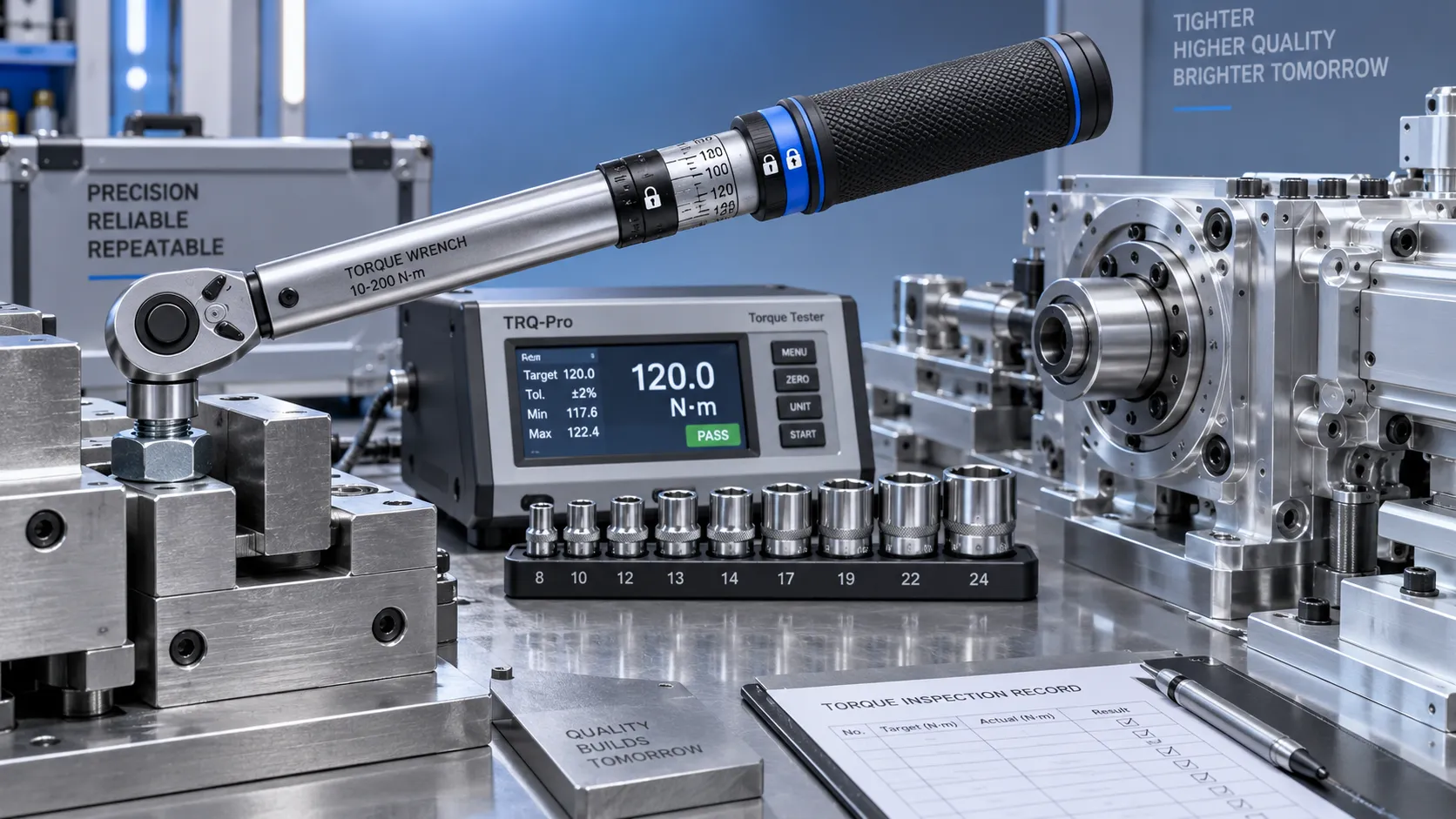
Selecting Adjustable Torque Tools for Repeatable Fastener Assembly
Adjustable torque tools: learn how to match range, accuracy, control methods, calibration, and ergonomics for repeatable, reliable fastener assembly.
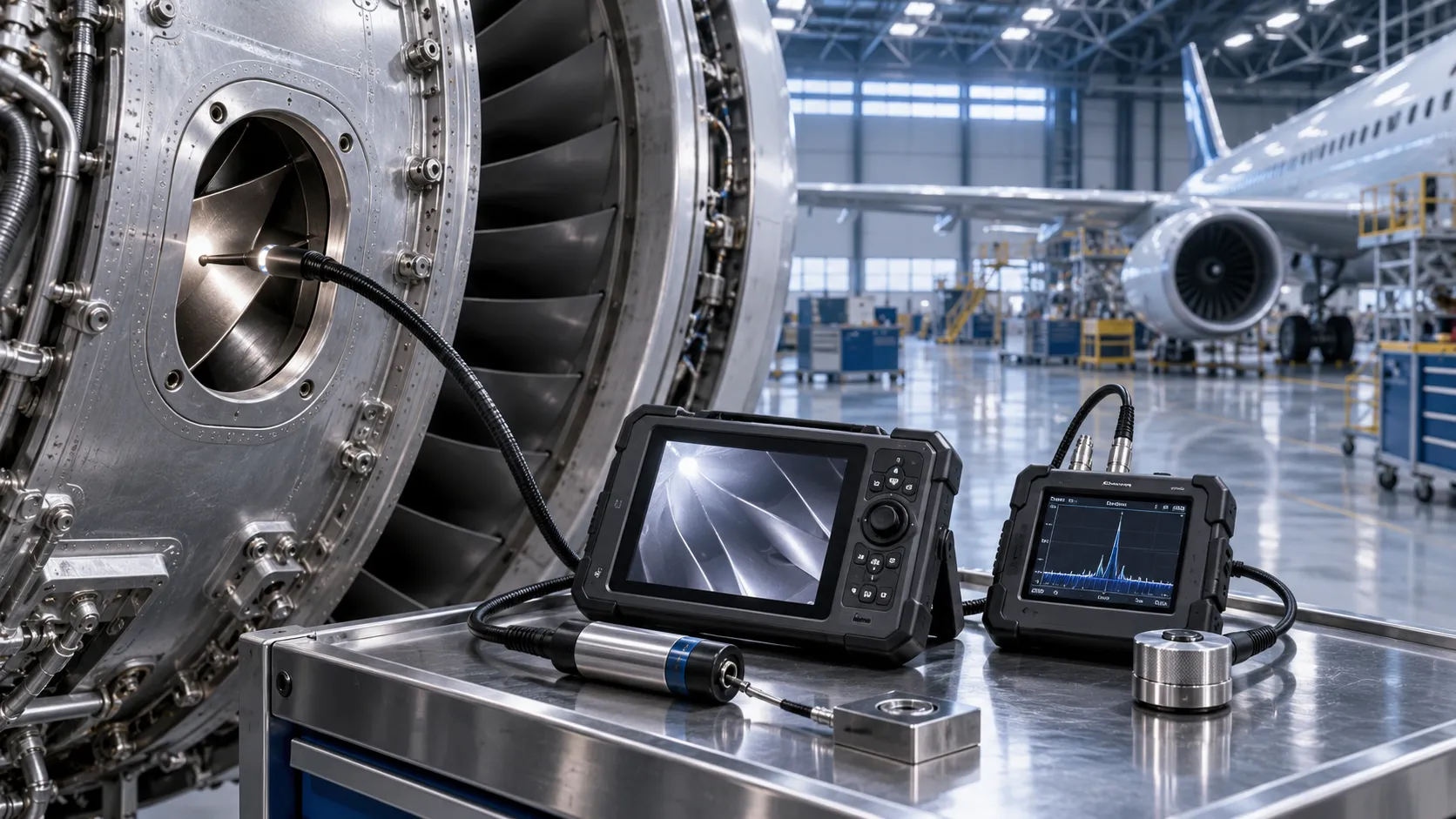
How to Select Aerospace Inspection Tools for Aircraft Maintenance Tasks
Aerospace maintenance inspection tools: learn how to select reliable, traceable equipment for aircraft access, accuracy, calibration, and compliant maintenance decisions.

How to Select Wire Bonding Tools for Fine-Pitch Semiconductor Packaging
Explore semiconductor manufacturing tools for wire bonding and learn how to select precision solutions for fine-pitch packaging, reliable loops, accuracy, and yield.
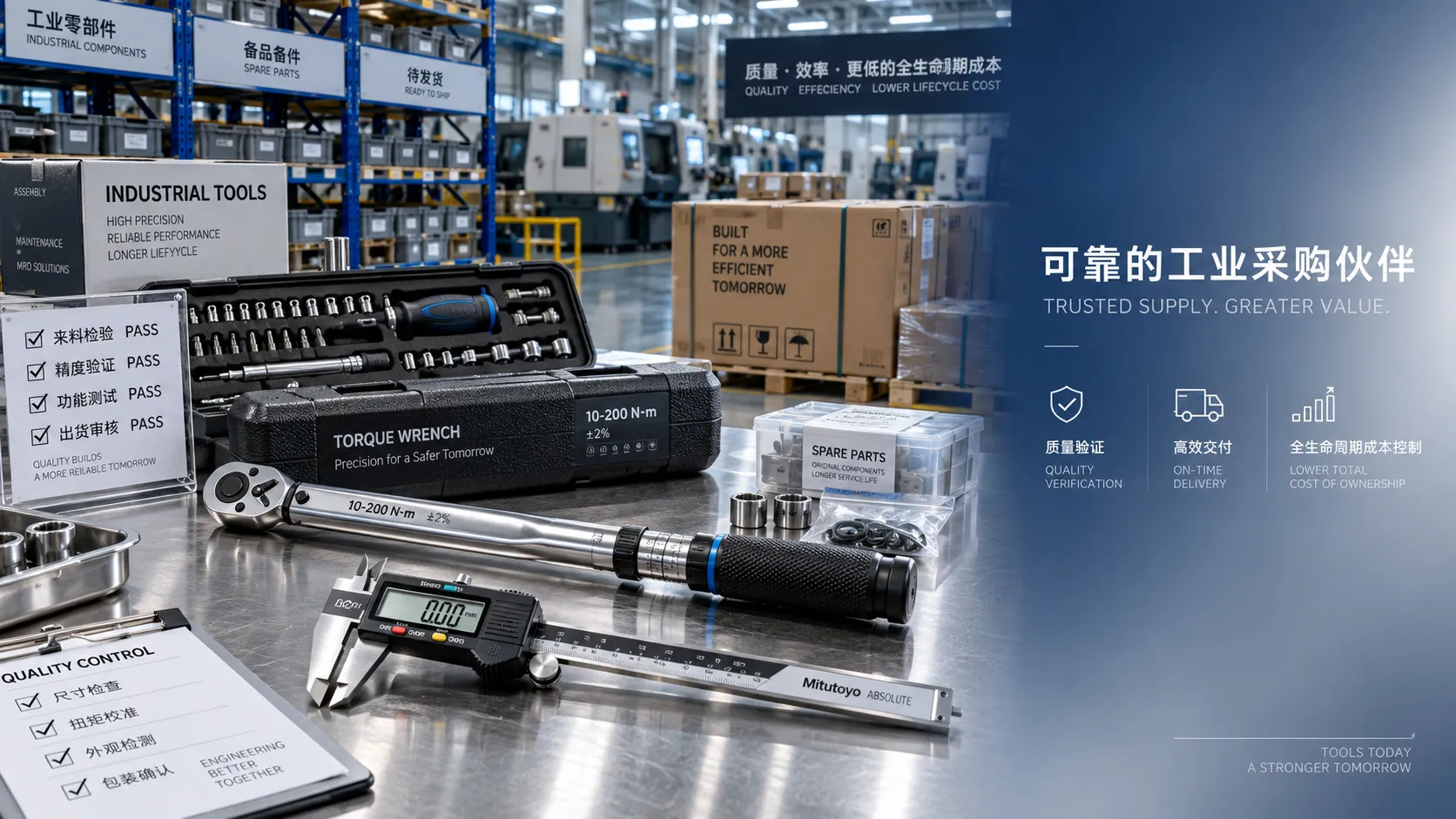
How to Compare Industrial Tool Suppliers for Quality, Lead Time, and Total Cost
Industrial tool selection supplier comparison made simple: evaluate quality, lead times, total cost, service, and supply resilience for confident sourcing decisions.
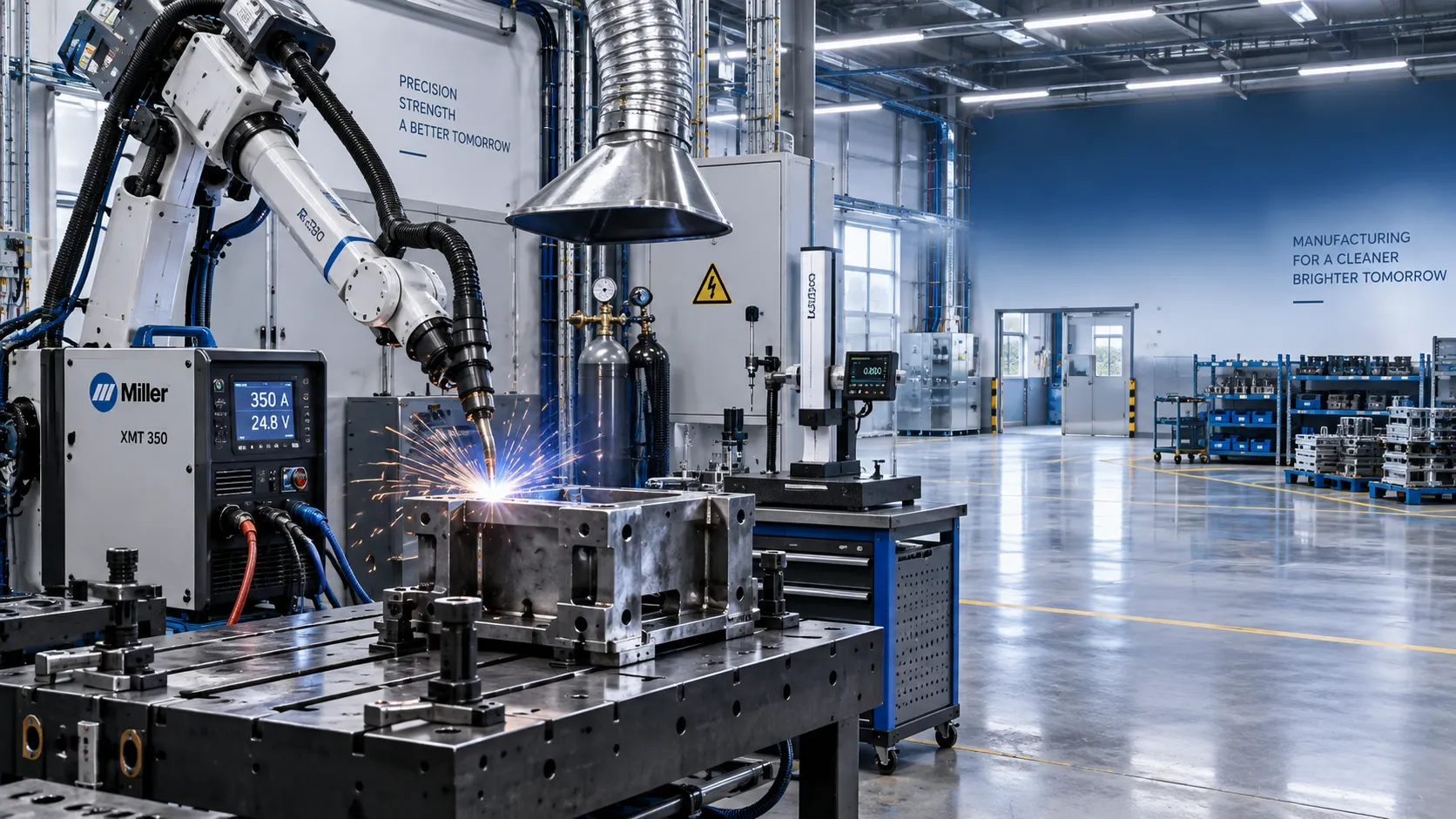
Industrial Equipment Application Guidance: Match Machines to Operating Conditions
Application guidance industrial equipment: match capacity, duty cycle, materials, site conditions, safety, and lifecycle cost to improve reliable output. Read the guide.
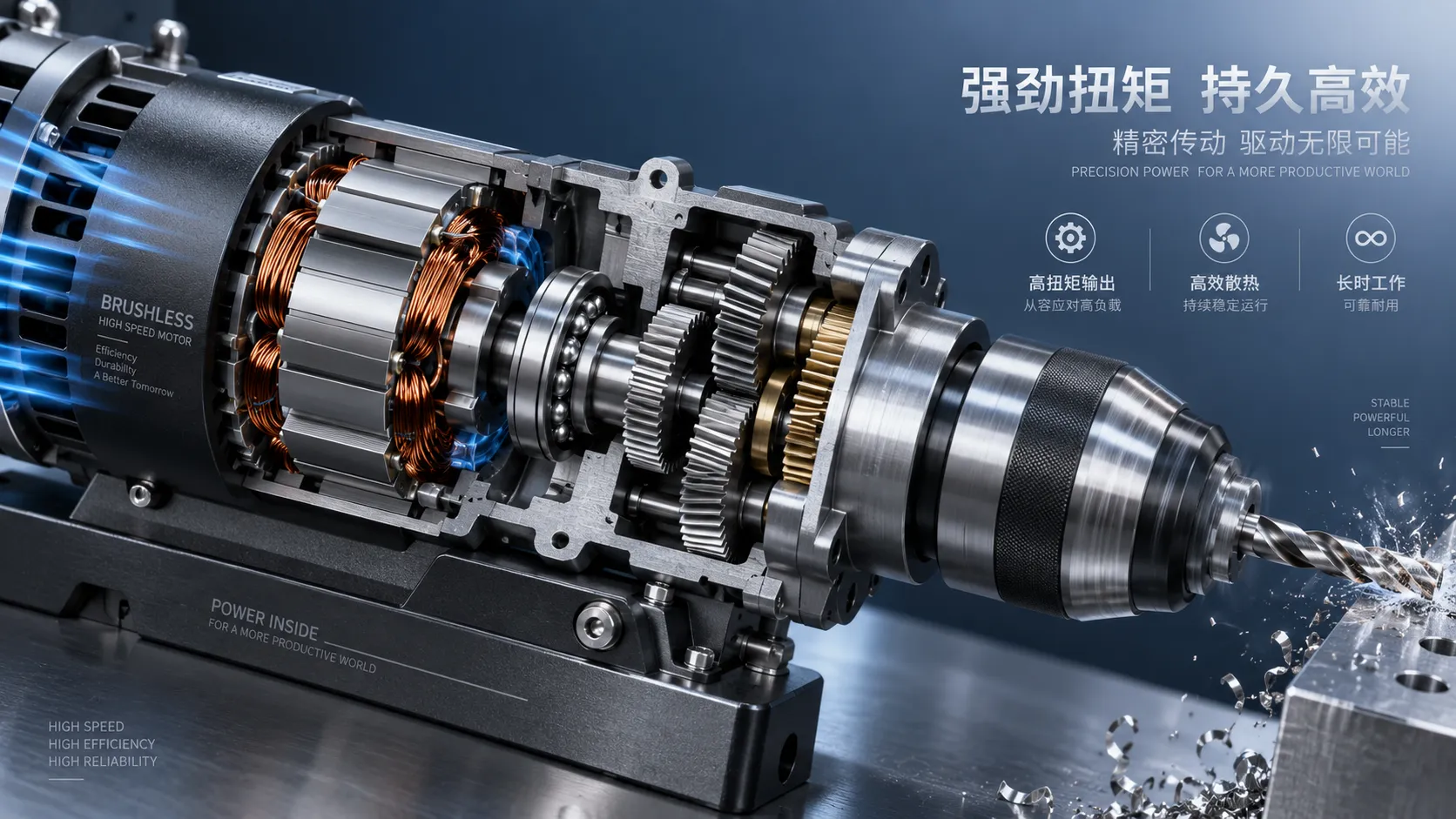
Selecting High-Speed Brushless Tool Motors for Torque, Heat, and Duty Cycle
High speed brushless tool motors: learn how to balance torque, heat, gearing, and duty cycle for reliable industrial tool performance and longer service life.
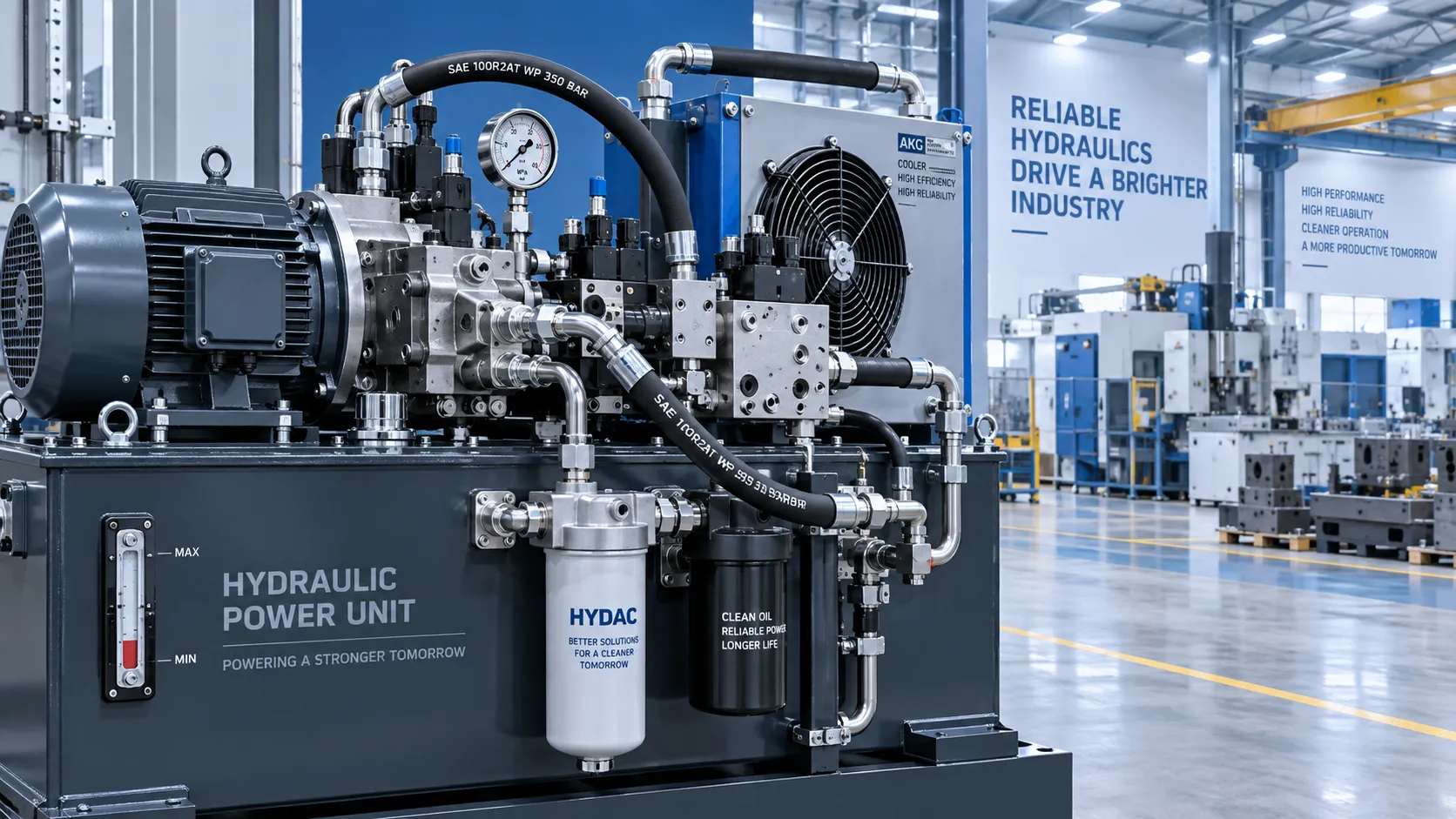
What Determines Industrial Hydraulic System Price for Heavy-Duty Equipment?
Industrial hydraulic system price depends on duty cycle, pressure, components, cooling, and integration. Compare quotes intelligently to secure reliable heavy-duty performance.
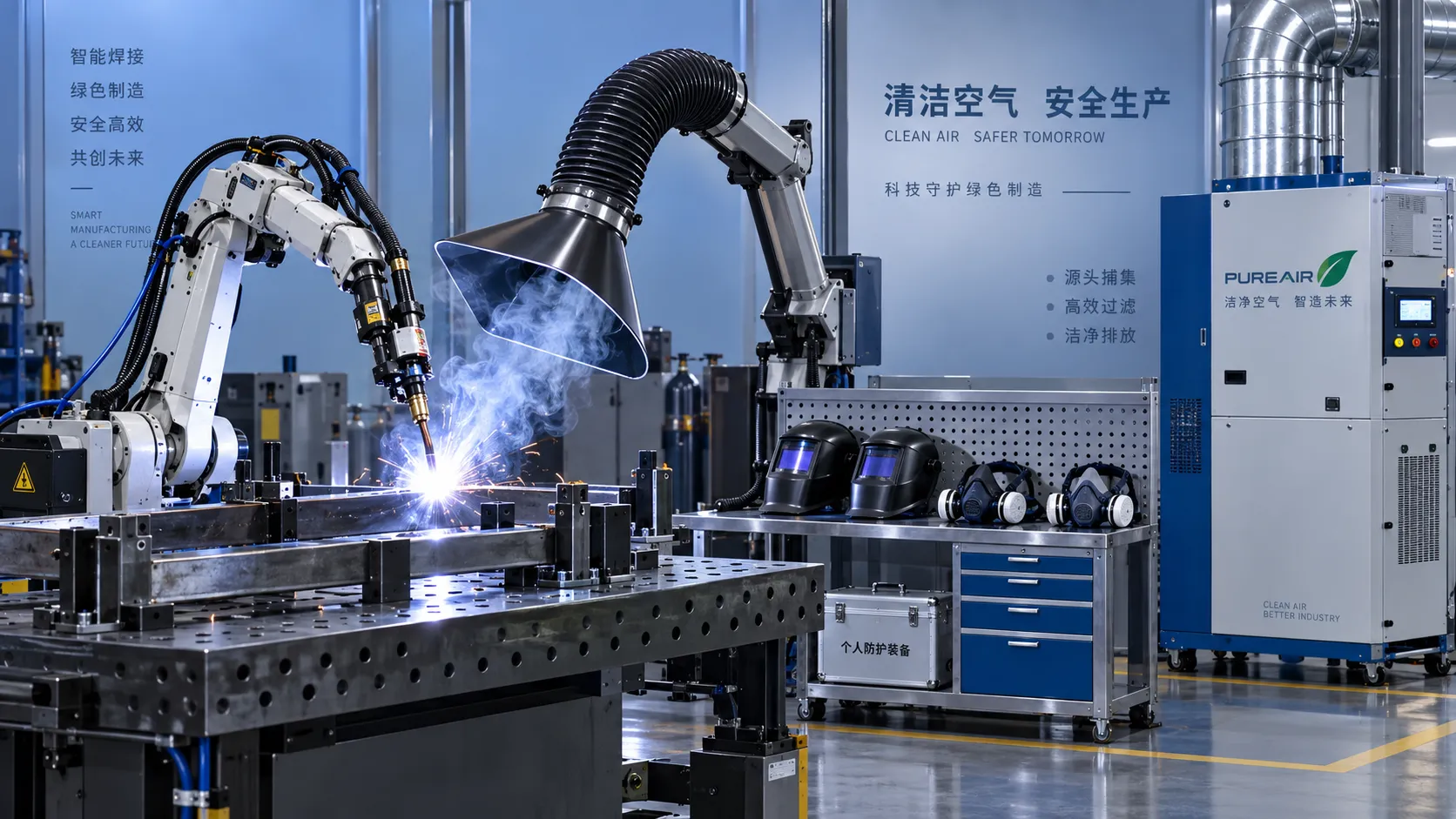
Welding Fume Extraction PPE: When Respirators Are Not Enough for Shop Safety
Welding fume extraction PPE: learn why respirators alone fall short and how source capture, ventilation, and layered controls improve shop safety.
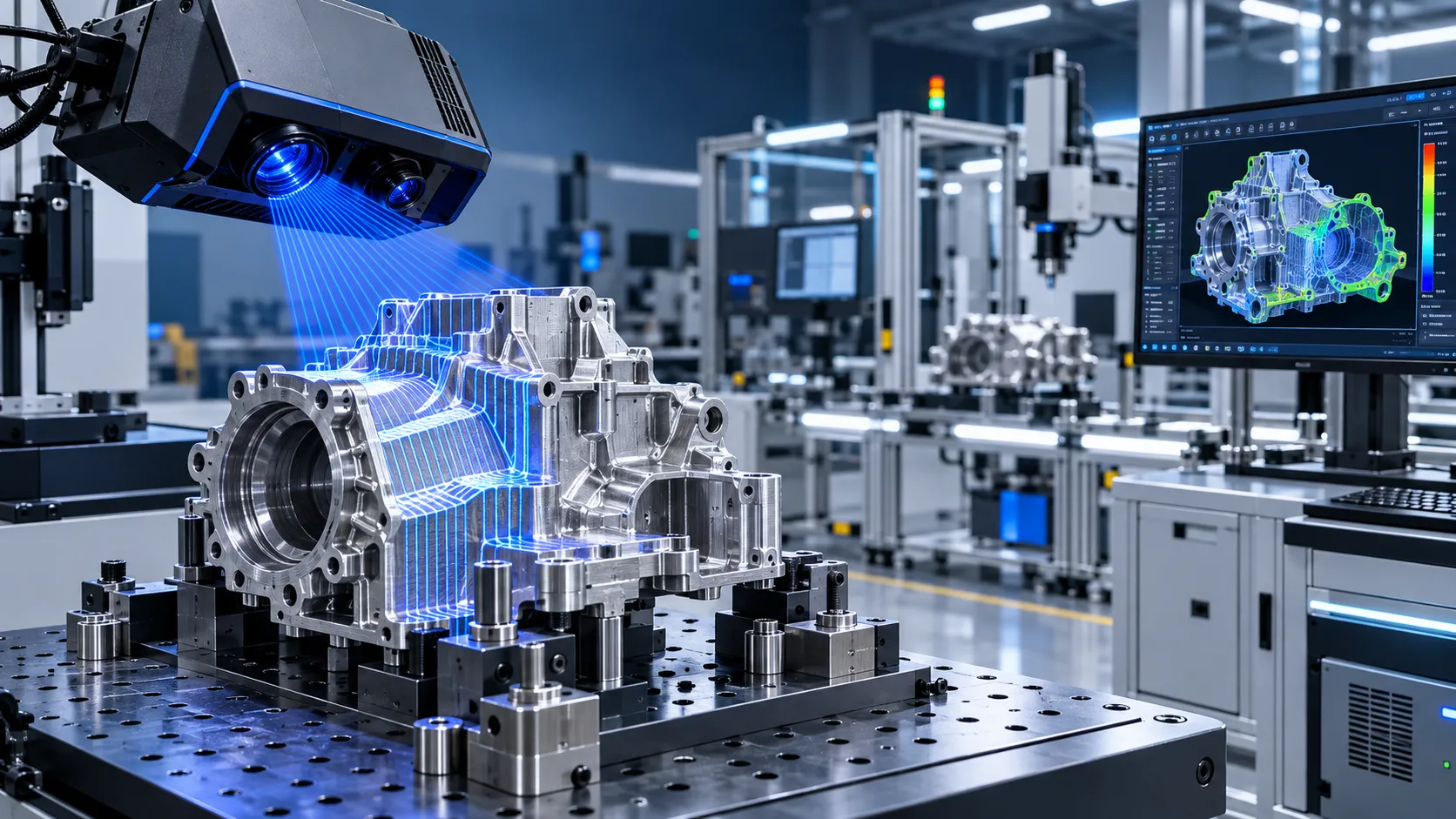
How to Select Optical Metrology Solutions for Tight-Tolerance Manufacturing
Optical industrial metrology solutions for tight-tolerance manufacturing: evaluate accuracy, surface compatibility, workflow, and traceability to select with confidence.
Related News
- 00
0000-00
How Procurement Teams Can Map the Industrial Value Chain to Reduce Supply Risk - 00
0000-00
How Industry Category Guides Help Global Sourcing Teams Compare Suppliers Faster - 00
0000-00
Intelligent Tools in Southeast Asia: Key Market Trends, Buyers, and Supply Chain Shifts - 00
0000-00
Industrial Value Chain Europe: Where Sourcing Risks and Lead-Time Pressure Are Rising - 00
0000-00
North America's Industrial Value Chain: Key Shifts in Sourcing, Labor, and Logistics
Dr. Alistair Vaughn
Weekly Insights
Stay ahead with our curated technology reports delivered every Monday.