
When power tool efficiency saves more than energy





For procurement teams, power tool efficiency is no longer just about reducing energy use—it directly affects labor productivity, maintenance cycles, operator safety, and total cost of ownership. In today’s competitive industrial market, choosing the right tools means balancing performance, durability, and long-term value, making efficiency a strategic factor in smarter sourcing decisions.
In sectors such as metal fabrication, construction, automotive service, aerospace maintenance, and industrial assembly, tool performance is measured at the point of use. A drill, grinder, impact wrench, or fastening system that completes a task 10% faster can influence shift output, reduce rework, and shorten planned downtime across dozens of operators.
For buyers managing multiple sites or international supply chains, power tool efficiency also affects spare parts planning, battery platform compatibility, operator training, and service intervals. This is where data-led sourcing becomes critical. Intelligence platforms such as GPTWM help procurement teams compare not just product claims, but the operational consequences behind those claims.
Why power tool efficiency matters beyond electricity consumption
The phrase power tool efficiency is often narrowed to motor output versus energy input. In real procurement practice, the term is broader. It includes torque delivery stability, duty cycle, vibration control, thermal performance, charging speed, and the ability to maintain output under continuous load for 2 to 8 hours per shift.
Efficiency shows up in labor, uptime, and safety
An efficient tool does more work per minute while requiring fewer interruptions. In fastening, for example, consistent torque reduces retightening and inspection failures. In cutting or grinding, stable speed under load lowers operator force demand and can reduce fatigue during repetitive tasks over a 6-hour production window.
For procurement teams, this means energy savings are only one line in the business case. The larger value often comes from 3 areas: fewer stoppages, lower maintenance frequency, and more predictable output quality. On high-mix production lines, even a 5% to 12% improvement in task completion time can change staffing efficiency and delivery reliability.
Common hidden costs linked to low-efficiency tools
- More heat buildup, which shortens motor or battery life after repeated cycles
- Longer task times, adding labor cost across 20, 50, or 100 operators
- Inconsistent torque or speed, increasing rework and inspection failures
- Higher vibration exposure, which can affect operator comfort and safe usage duration
- Frequent charging or maintenance interruptions that disrupt workflow planning
The table below outlines how procurement teams can translate power tool efficiency into purchasing metrics that are easier to compare during RFQ review.
This comparison shows why power tool efficiency cannot be judged from wattage alone. Procurement teams need a multi-factor view that includes uptime, repeatability, and user conditions, especially when tools support mission-critical assembly or maintenance operations.
How procurement teams should evaluate efficient power tools
A reliable sourcing process should move from specification matching to application matching. The same rated tool may perform differently in steel framing, heavy fastening, precision assembly, or field service. Efficient procurement begins with job mapping, not catalog browsing.
Start with task profile and duty cycle
Buyers should first define four basic variables: material type, target output, daily usage hours, and acceptable error tolerance. A tool used for 30 short cycles per day has different efficiency requirements from one used for 300 repetitive cycles in a production cell. This distinction affects motor type, housing design, and cooling needs.
Four essential sourcing questions
- What is the actual load range: light, medium, or heavy-duty?
- Is runtime continuity more important than peak power output?
- Will operators share one battery platform across 3 to 8 tool categories?
- What downtime cost is created if service support exceeds 48 to 72 hours?
The table below provides a practical framework for evaluating power tool efficiency across common industrial buying scenarios.
For most industrial buyers, the key lesson is that efficiency priorities shift by application. A procurement matrix aligned to real usage conditions prevents overbuying in low-demand jobs and underbuying in high-cycle environments.
Use total cost of ownership instead of purchase price only
The unit price difference between two tools may look modest, but the lifecycle cost gap can widen over 12 to 36 months. Buyers should estimate battery replacement intervals, average maintenance events per year, consumable wear rates, and lost labor from interruptions. This is where power tool efficiency often proves its financial value.
For example, a tool that costs 15% more upfront but reduces service calls from 4 times per year to 2 times per year may offer better value in plants where technician response time is limited. Likewise, a battery system that recharges in 45 minutes instead of 90 minutes can improve shift continuity without increasing spare inventory.
Technical signals that indicate better power tool efficiency
Procurement teams do not need to become design engineers, but they do need to recognize which technical signals usually correlate with stronger field performance. Looking beyond marketing terms helps reduce sourcing risk and supports more objective vendor comparison.
Motor platform, thermal control, and power management
Brushless motor systems are widely selected in industrial tools because they typically improve control precision and reduce wear components compared with traditional brushed designs. In demanding applications, thermal control is just as important as peak output. If a tool derates after 15 to 20 minutes of heavy use, nominal power becomes less relevant than sustained power.
Thermal stability should be reviewed together with housing ventilation, internal electronics protection, and overload behavior. A procurement checklist should ask whether the tool maintains stable performance across 3 repeated load phases: startup, continuous operation, and post-load recovery.
Technical checkpoints during supplier review
- Rated versus sustained output under continuous operation
- Expected battery cycle range before noticeable runtime decline
- Availability of torque or speed adjustment for mixed-material applications
- Ingress protection or dust management features for harsh environments
- Recommended maintenance interval in operating hours or months
Efficiency also depends on accessories and system fit
Even a high-performing tool can lose efficiency when paired with the wrong accessory. Worn abrasives, low-grade bits, poorly matched sockets, or non-standard chargers can reduce output and increase safety risk. Procurement planning should therefore treat the tool as part of a working system, not an isolated item.
This system view is especially important in industrial assembly and metal joining environments, where tools interact with fasteners, fixtures, measurement routines, and operator sequences. GPTWM’s focus on the last mile of manufacturing is relevant here: real productivity gains come from coordination between tool performance, process design, and quality control.
Implementation, supplier management, and risk control
Selecting efficient tools is only the first step. Procurement results improve when implementation is structured. A 5-step rollout can reduce mismatch risk, improve adoption, and generate measurable evidence before scaling across plants or contractors.
A practical 5-step rollout model
- Define the target task, output baseline, and operator group.
- Shortlist 2 to 3 tool options with comparable specifications.
- Run a field trial for 7 to 14 days under normal workload conditions.
- Measure runtime, cycle time, heat, downtime, and user feedback.
- Standardize the selected platform with service and spare parts terms.
This process creates a defensible sourcing decision. It also helps purchasing teams align with operations, maintenance, and EHS stakeholders, who may evaluate tool efficiency from different angles. A plant manager may focus on throughput, while a safety lead may prioritize vibration exposure and control stability.
Common procurement mistakes to avoid
One common mistake is buying on peak specification alone. Another is standardizing too quickly without checking service coverage, spare battery availability, or calibration support for torque-sensitive tools. In global procurement, buyers should also review export restrictions, lead time variability, and local voltage or charging compatibility across regions.
A third mistake is separating tool sourcing from measurement and process control. In many production environments, efficient fastening or cutting only delivers value when paired with reliable inspection tools, quality checkpoints, and operator training. Procurement decisions are stronger when they reflect the full process chain rather than a single SKU comparison.
What strong suppliers should be ready to provide
- Application-based recommendations instead of generic catalog matching
- Maintenance schedules and common wear-part planning guidance
- Battery, charger, and accessory compatibility mapping
- Delivery windows, service response terms, and replacement part lead times
- Trial support or sample validation for high-volume procurement projects
When power tool efficiency is evaluated through output, reliability, ergonomics, and lifecycle economics, procurement becomes more strategic. The strongest sourcing outcomes come from linking tool choice to real operating conditions, measurable trial data, and long-term service capability rather than headline specs alone.
For distributors, plant buyers, and industrial sourcing teams looking to strengthen decision quality, GPTWM offers intelligence that connects market shifts, tool technology trends, and manufacturing realities. To refine your next sourcing plan, get a customized solution, consult product details, or explore more industrial efficiency insights with GPTWM.
Related News
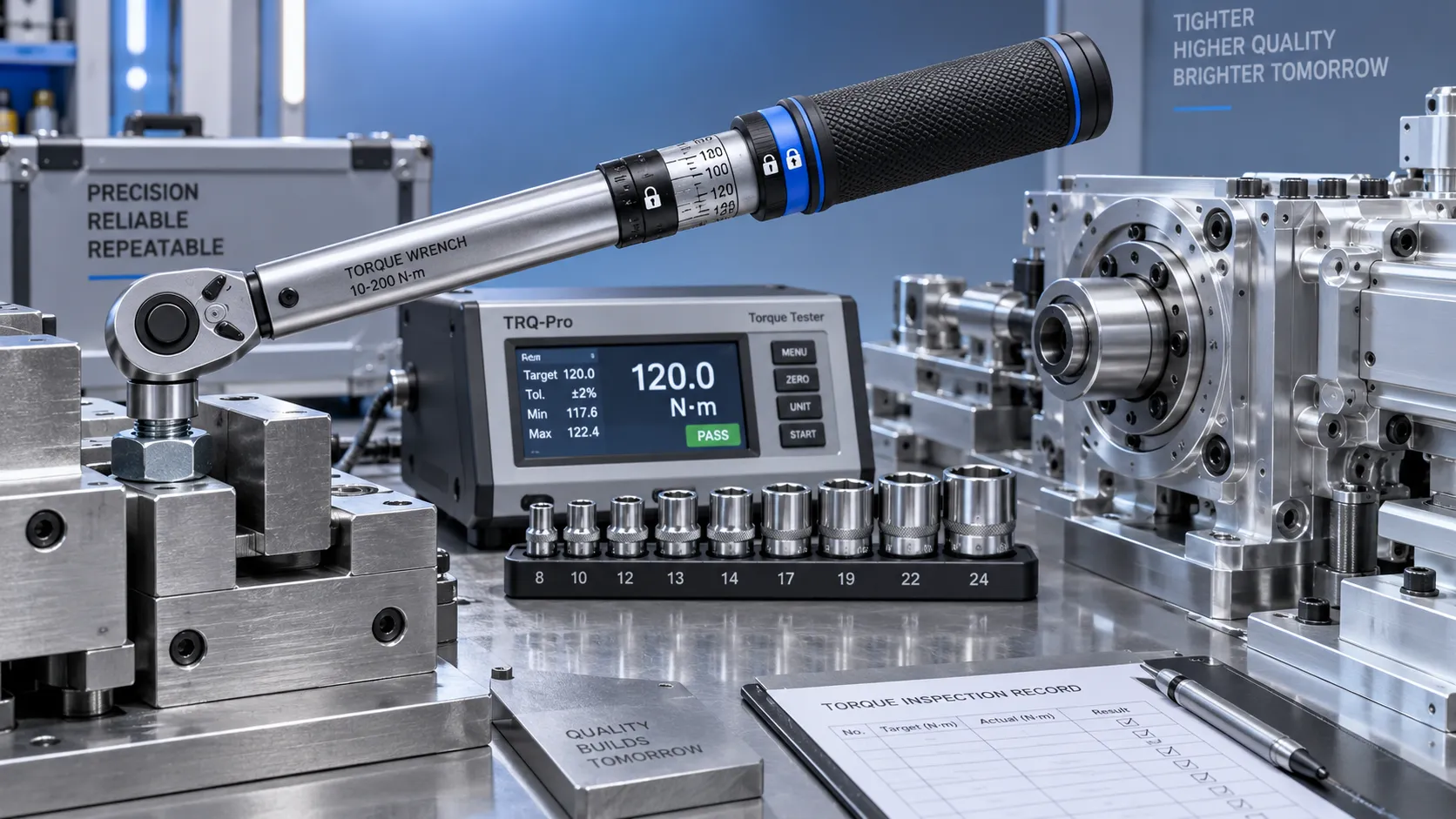
Selecting Adjustable Torque Tools for Repeatable Fastener Assembly
Adjustable torque tools: learn how to match range, accuracy, control methods, calibration, and ergonomics for repeatable, reliable fastener assembly.

How to Select Aerospace Inspection Tools for Aircraft Maintenance Tasks
Aerospace maintenance inspection tools: learn how to select reliable, traceable equipment for aircraft access, accuracy, calibration, and compliant maintenance decisions.

How to Select Wire Bonding Tools for Fine-Pitch Semiconductor Packaging
Explore semiconductor manufacturing tools for wire bonding and learn how to select precision solutions for fine-pitch packaging, reliable loops, accuracy, and yield.
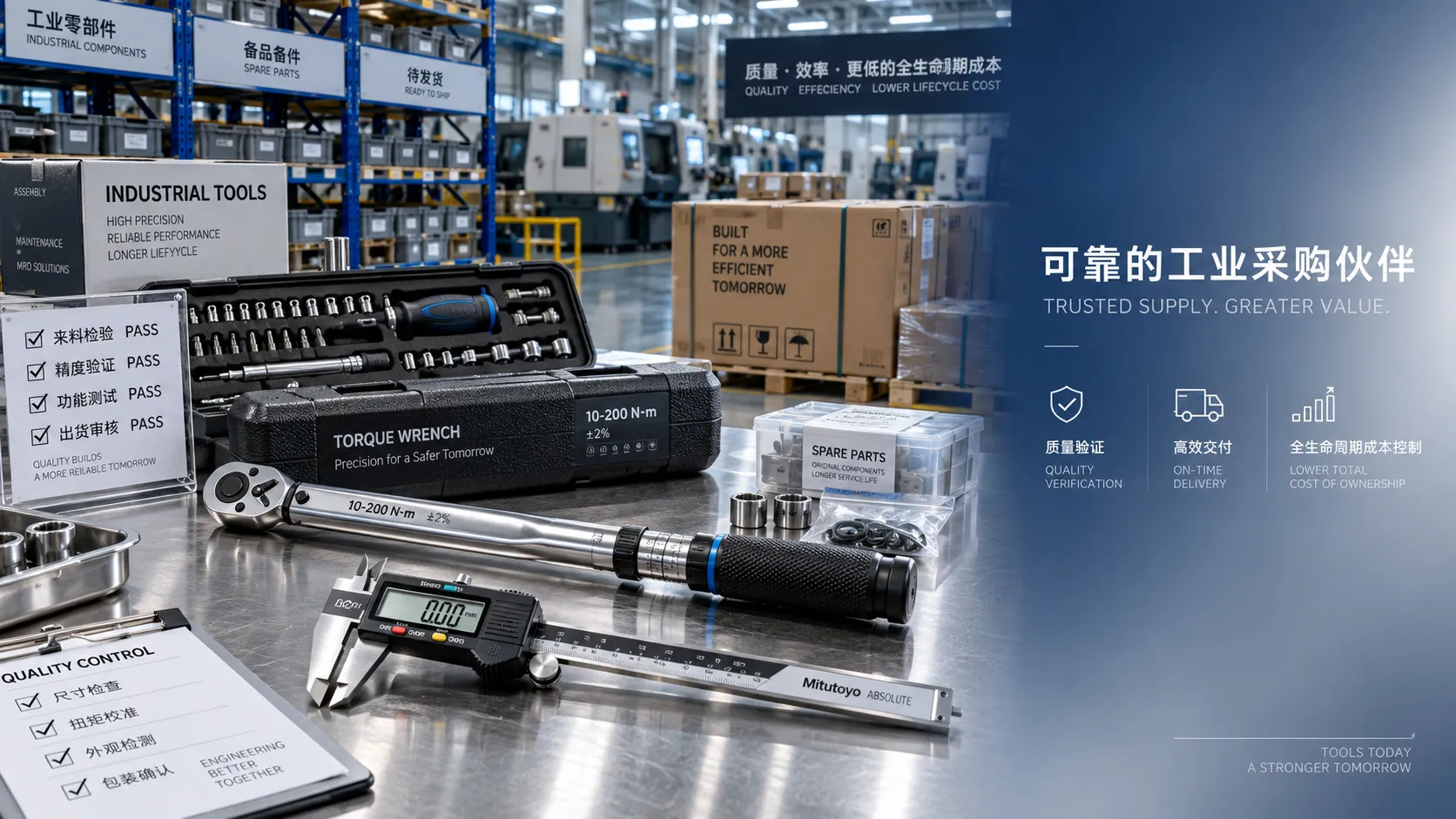
How to Compare Industrial Tool Suppliers for Quality, Lead Time, and Total Cost
Industrial tool selection supplier comparison made simple: evaluate quality, lead times, total cost, service, and supply resilience for confident sourcing decisions.

Industrial Equipment Application Guidance: Match Machines to Operating Conditions
Application guidance industrial equipment: match capacity, duty cycle, materials, site conditions, safety, and lifecycle cost to improve reliable output. Read the guide.
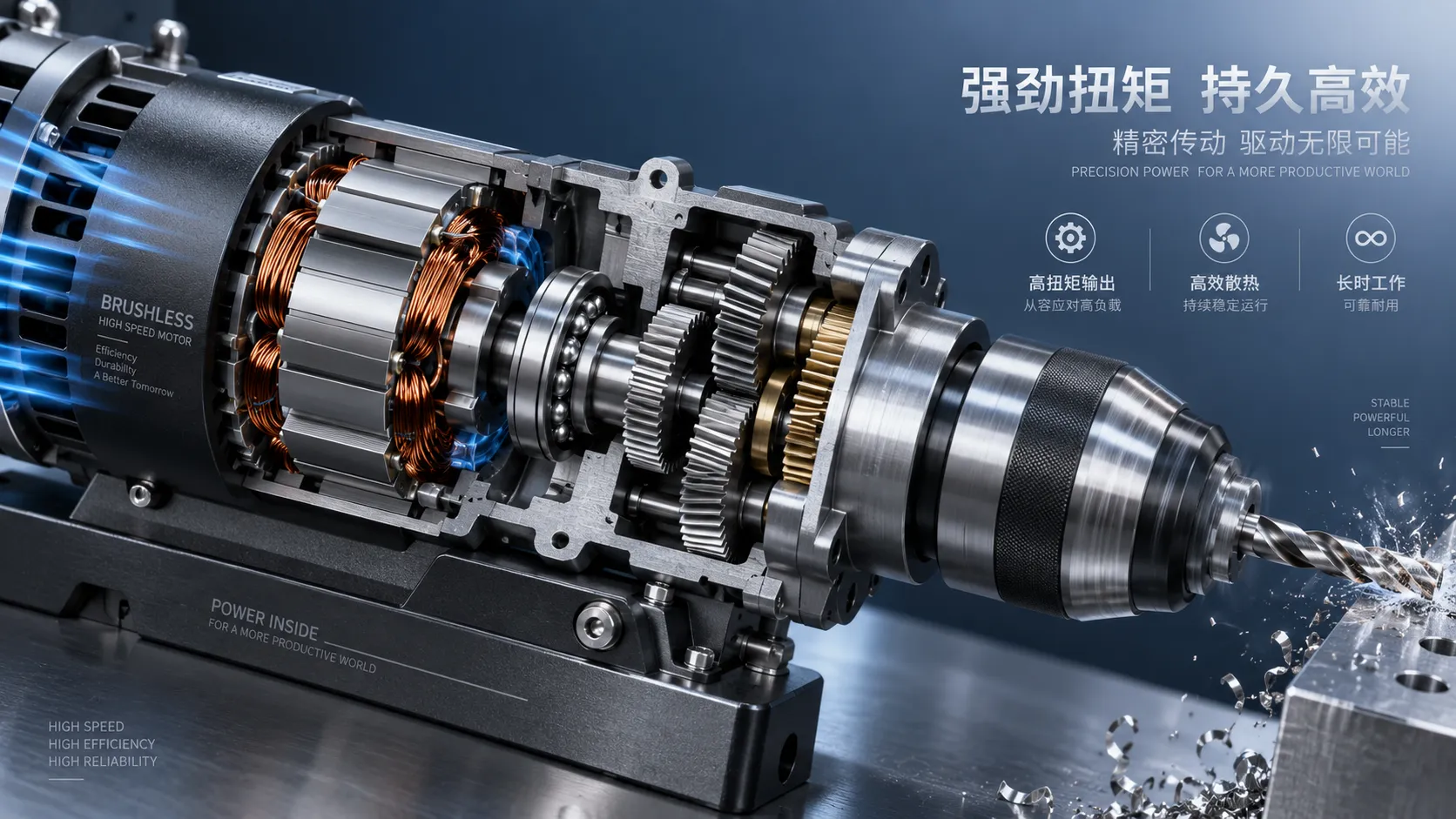
Selecting High-Speed Brushless Tool Motors for Torque, Heat, and Duty Cycle
High speed brushless tool motors: learn how to balance torque, heat, gearing, and duty cycle for reliable industrial tool performance and longer service life.
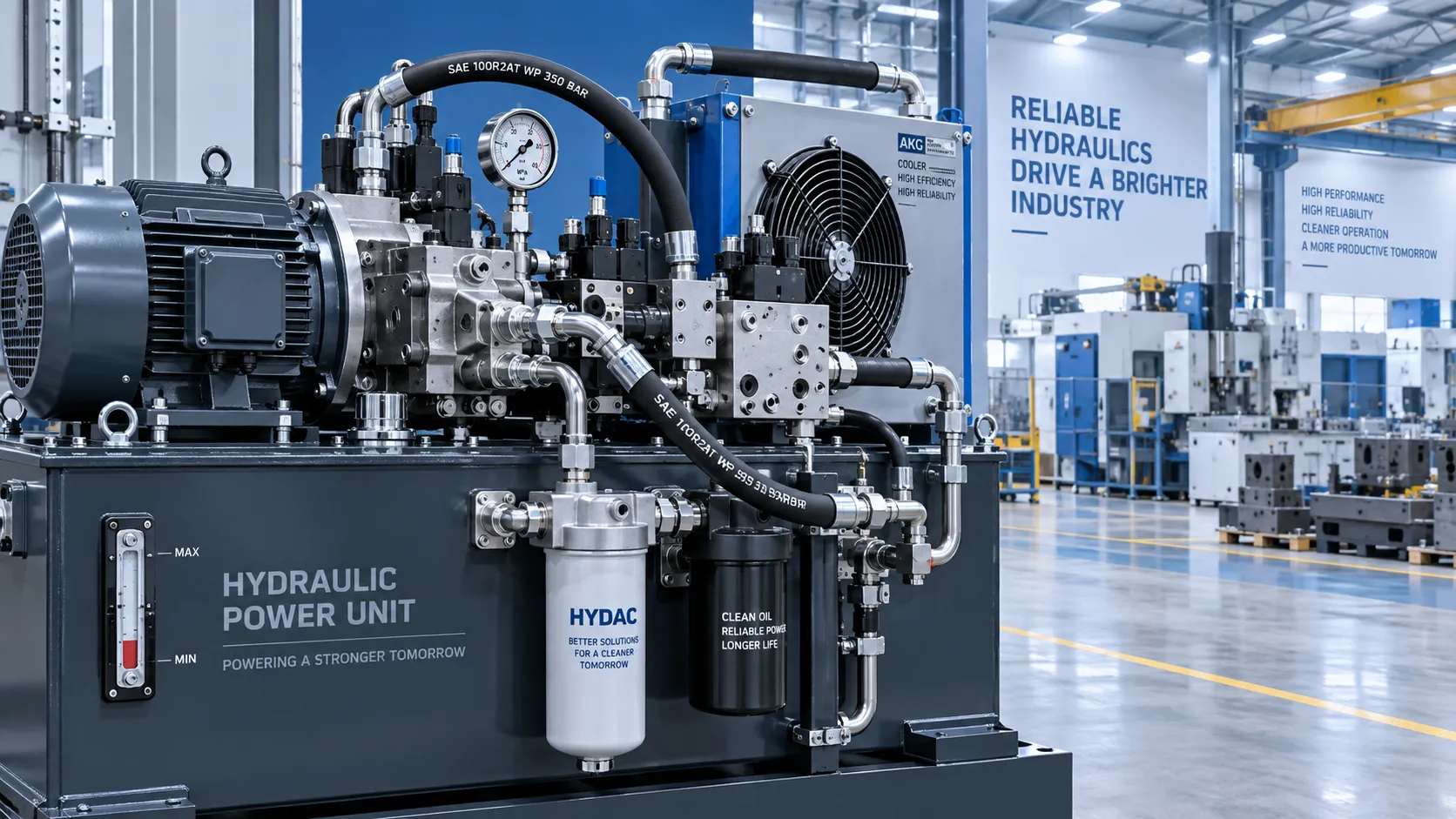
What Determines Industrial Hydraulic System Price for Heavy-Duty Equipment?
Industrial hydraulic system price depends on duty cycle, pressure, components, cooling, and integration. Compare quotes intelligently to secure reliable heavy-duty performance.

Welding Fume Extraction PPE: When Respirators Are Not Enough for Shop Safety
Welding fume extraction PPE: learn why respirators alone fall short and how source capture, ventilation, and layered controls improve shop safety.

How to Select Optical Metrology Solutions for Tight-Tolerance Manufacturing
Optical industrial metrology solutions for tight-tolerance manufacturing: evaluate accuracy, surface compatibility, workflow, and traceability to select with confidence.
Related News
- 00
0000-00
How to Select Battery Assembly Tools for Torque Control and High-Volume Production - 00
0000-00
How Battery, Torque, and Duty Cycle Affect Cordless Power Tool Efficiency - 00
0000-00
How to Size High-Torque Tool Motors for Continuous-Duty Assembly Lines - 00
0000-00
How to Choose 24V Brushless Tool Motors for Torque, Runtime, and Duty Cycle? - 00
0000-00
Automotive Repair Tools List: What Every Workshop Needs for Daily Service Jobs
Electro-Mech Tool Designer
Weekly Insights
Stay ahead with our curated technology reports delivered every Monday.