
What precision engineering changes in product reliability





Why precision engineering matters in reliability-critical production
In industrial manufacturing, precision engineering shapes how products perform after shipment, not only how they look on a drawing.
It influences repeatability, fatigue resistance, sealing stability, thermal behavior, and maintenance intervals across diverse operating environments.
For sectors tracked by GPTWM, reliability is built where metrology, assembly control, tooling intelligence, and process discipline meet.
This is why precision engineering changes product reliability so visibly in tools, welded systems, measuring instruments, and industrial equipment.
The practical question is not whether precision matters, but which scenario needs which level of control.
How reliability expectations shift across different industrial scenarios
Not every product fails for the same reason.
A handheld power tool may degrade from vibration and motor imbalance.
A welded assembly may fail from heat distortion, poor joint consistency, or hidden residual stress.
A measuring instrument may drift because of dimensional instability, wear, or calibration loss.
Precision engineering changes product reliability by matching tolerances, materials, and verification methods to the actual risk profile.
This scenario-based view prevents overengineering in low-risk use and underengineering where safety and uptime depend on exact performance.
Scenario 1: In power tools, precision engineering reduces wear, heat, and vibration failure
In electric and pneumatic tools, reliability often begins with alignment, balance, and bearing fit.
Small geometric errors can create large long-term effects under high rotational speed and repeated load cycles.
Precision engineering improves rotor concentricity, gear meshing, shaft straightness, and housing integrity.
These changes lower friction, reduce noise, and limit localized overheating that shortens component life.
Brushless motor systems show this clearly.
When tolerances are controlled tightly, torque output becomes more consistent and electronic load response becomes more predictable.
That supports better runtime stability and less mechanical stress during peak demand.
Key judgment points in tool reliability
- Bearing seat accuracy affects vibration, heat, and service life.
- Gear profile consistency affects noise, efficiency, and wear rate.
- Torque transmission accuracy affects output stability under changing load.
- Assembly repeatability affects field failure variation between production batches.
Scenario 2: In welded assemblies, precision engineering protects joint integrity and field safety
Metal joining is one of the clearest cases where precision engineering changes product reliability.
A strong weld is not defined only by visible bead appearance.
Joint fit-up, edge preparation, heat input control, and distortion management all influence final performance.
When part geometry varies too much, weld penetration becomes inconsistent and residual stress rises.
Precision engineering improves fixture design, dimensional control, and process repeatability before the arc even starts.
In handheld laser welding, that also supports safer operation by reducing unpredictable reflections, burn-through risk, and rework frequency.
Reliable welded products depend on exact preparation as much as welding energy.
Core checks for welded product reliability
- Gap control between mating parts.
- Heat-affected zone consistency.
- Fixture rigidity during joining.
- Post-weld dimensional verification.
Scenario 3: In metrology products, precision engineering preserves trust in every reading
For calipers, gauges, and inspection systems, reliability means stable accuracy over time, not only initial specification compliance.
Precision engineering supports that stability through material selection, surface finish, guideway accuracy, and thermal compensation behavior.
A measuring tool with poor dimensional stability may pass factory inspection but fail in daily industrial use.
Wear resistance and calibration retention become essential in environments with dust, oils, temperature change, and frequent handling.
Precision engineering changes product reliability here by reducing drift and preserving confidence in quality decisions based on measurement data.
Scenario 4: In hydraulic and load-bearing equipment, precision engineering prevents leakage and fatigue
Hydraulic systems and structural service equipment often fail from cumulative micro-errors rather than one dramatic defect.
Seal groove variation, surface roughness deviation, and poor mating accuracy can slowly produce leakage, pressure loss, and contamination.
Precision engineering improves contact surfaces, bore geometry, and load distribution across moving interfaces.
This lowers fatigue concentration and extends usable service intervals in construction, automotive maintenance, and aerospace support operations.
Where uptime is critical, precision engineering is a direct reliability strategy, not a premium feature.
Where scenario needs differ most in precision engineering
How to adapt precision engineering strategy by scenario
The best reliability gains come from linking control effort to failure consequence and lifecycle cost.
- Map failure modes before tightening tolerances.
- Prioritize dimensions that directly affect load, heat, sealing, or alignment.
- Use metrology data to identify process drift early.
- Apply intelligent torque control where fastening consistency changes safety or uptime.
- Validate with real-use testing, not only drawing compliance.
- Review supplier capability for repeatability, not just nominal specification.
This is where industrial intelligence becomes valuable.
GPTWM highlights how raw material shifts, export standards, and process technology trends can alter achievable reliability in real production chains.
Common misjudgments that weaken product reliability
One common mistake is treating precision engineering as a drawing issue only.
In practice, reliability depends on the whole chain from material condition to assembly verification.
Another mistake is tightening every tolerance equally.
That raises cost without improving the dimensions most tied to failure behavior.
A third oversight is ignoring maintenance conditions.
Products that test well in ideal settings may lose reliability when exposed to contamination, shock, or thermal cycling.
Precision engineering changes product reliability only when design intent, tooling, process capability, and inspection discipline stay connected.
What to do next when evaluating reliability through precision engineering
Start with the operating scenario, then trace the main reliability risks back to measurable production variables.
Focus on where precision engineering has the strongest impact on wear, joint stability, accuracy retention, sealing, or load distribution.
Use comparative testing, metrology records, and process data to separate cosmetic quality from durable performance.
For ongoing market and technology intelligence, GPTWM offers a structured view into precision tools, welding systems, and measurement trends shaping industrial reliability.
Precision engineering is not simply finer manufacturing.
It is a practical reliability framework that helps industrial products work longer, safer, and more consistently in the field.
Related News
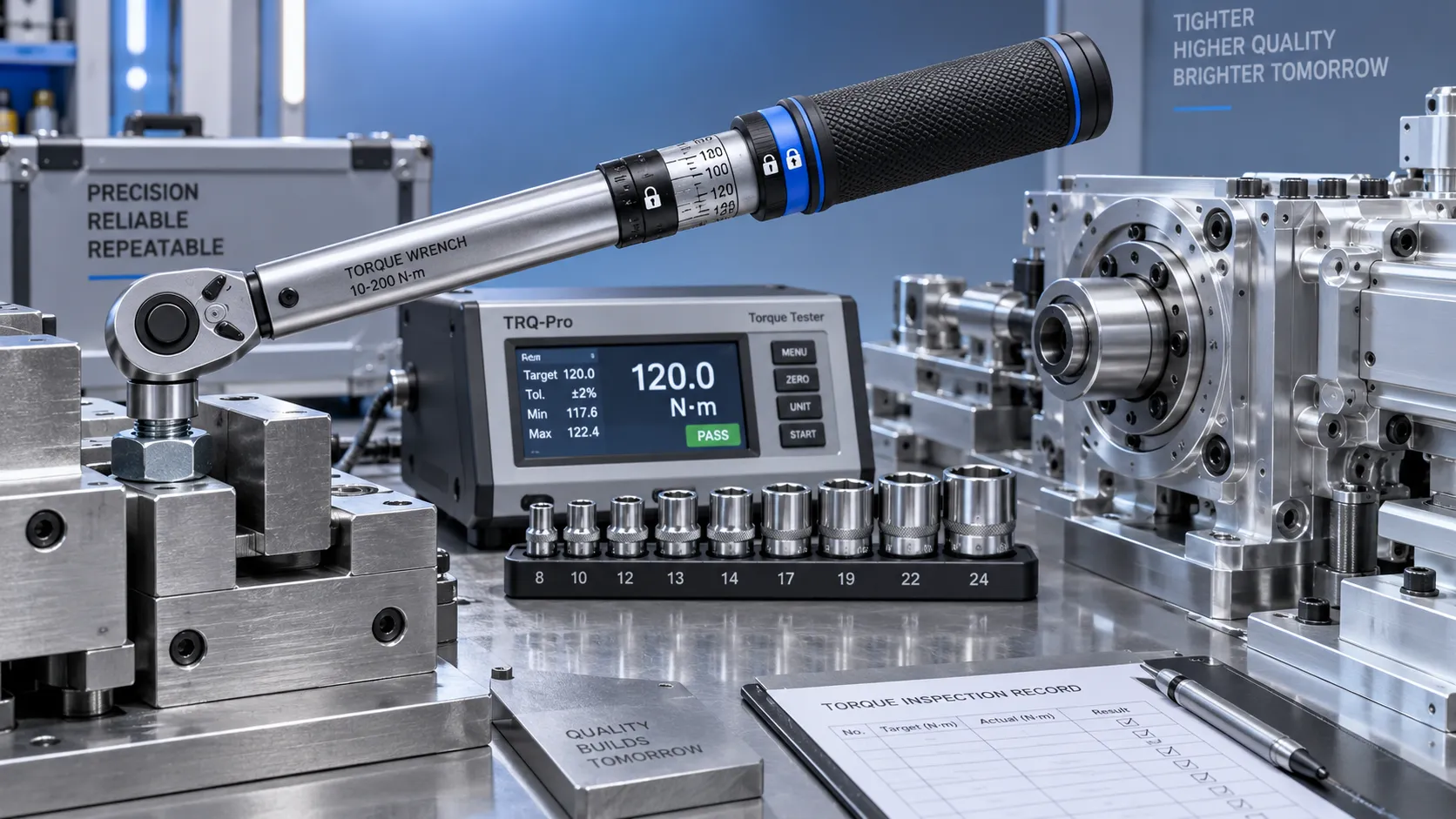
Selecting Adjustable Torque Tools for Repeatable Fastener Assembly
Adjustable torque tools: learn how to match range, accuracy, control methods, calibration, and ergonomics for repeatable, reliable fastener assembly.

How to Select Aerospace Inspection Tools for Aircraft Maintenance Tasks
Aerospace maintenance inspection tools: learn how to select reliable, traceable equipment for aircraft access, accuracy, calibration, and compliant maintenance decisions.
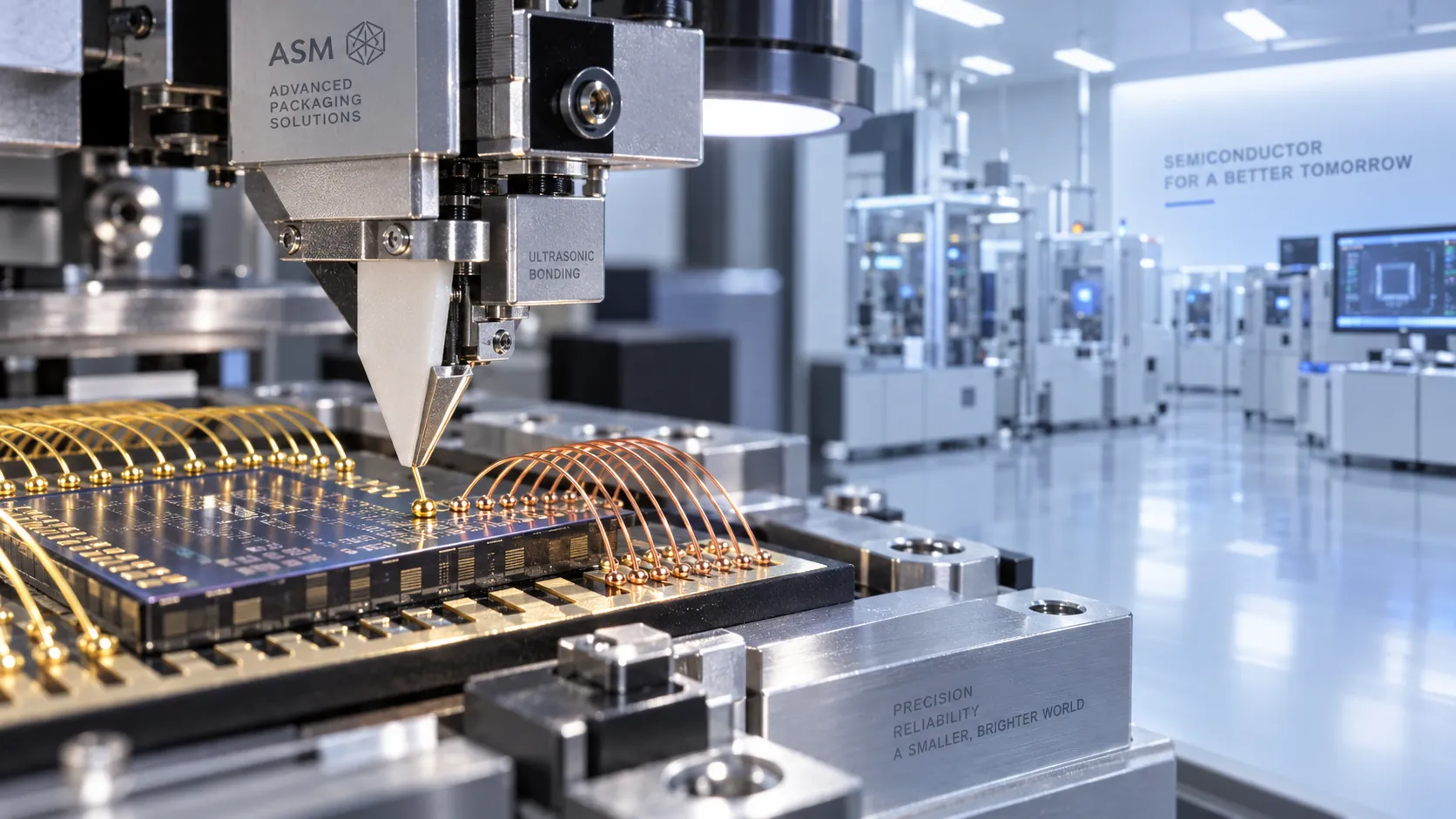
How to Select Wire Bonding Tools for Fine-Pitch Semiconductor Packaging
Explore semiconductor manufacturing tools for wire bonding and learn how to select precision solutions for fine-pitch packaging, reliable loops, accuracy, and yield.
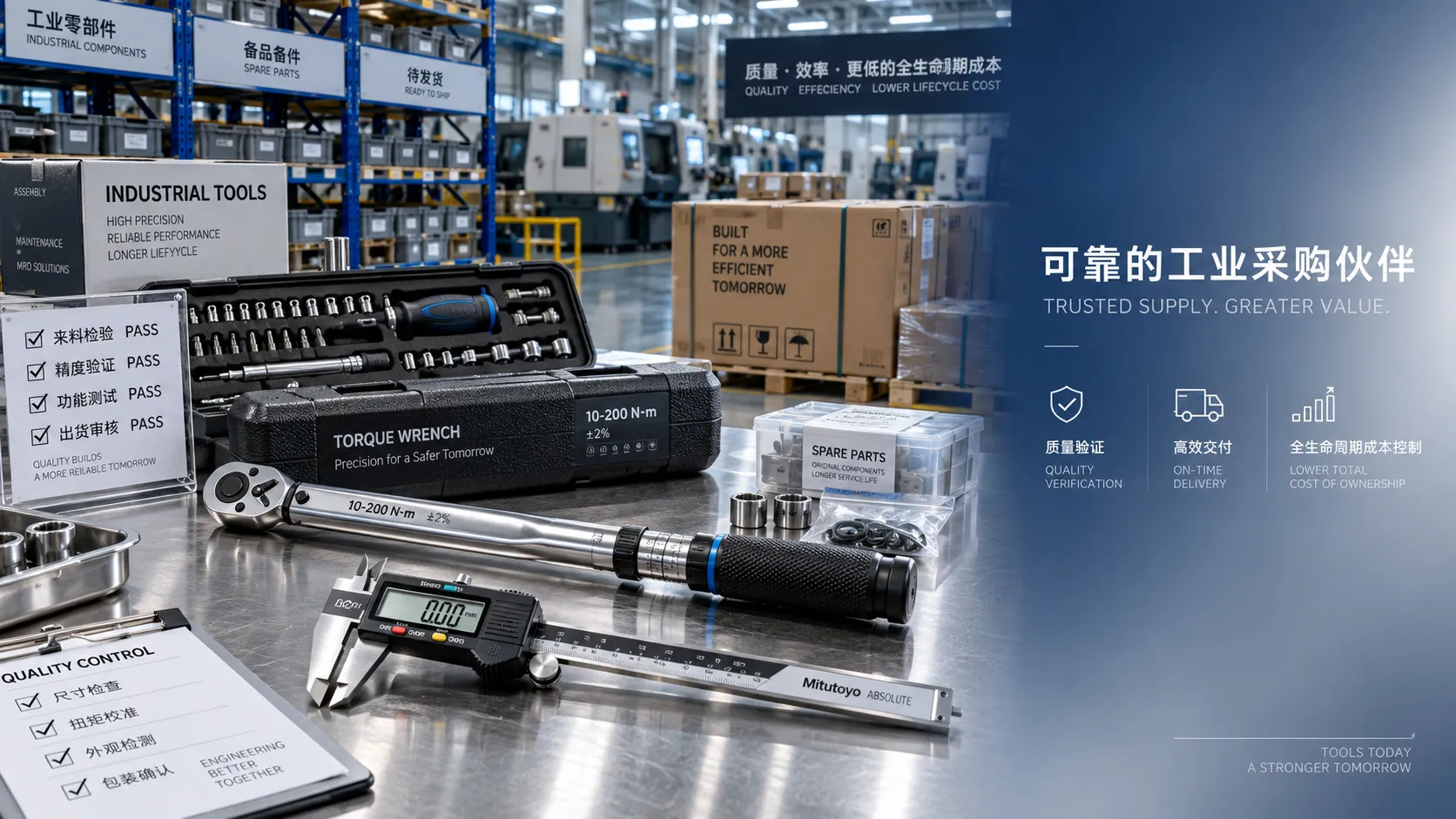
How to Compare Industrial Tool Suppliers for Quality, Lead Time, and Total Cost
Industrial tool selection supplier comparison made simple: evaluate quality, lead times, total cost, service, and supply resilience for confident sourcing decisions.
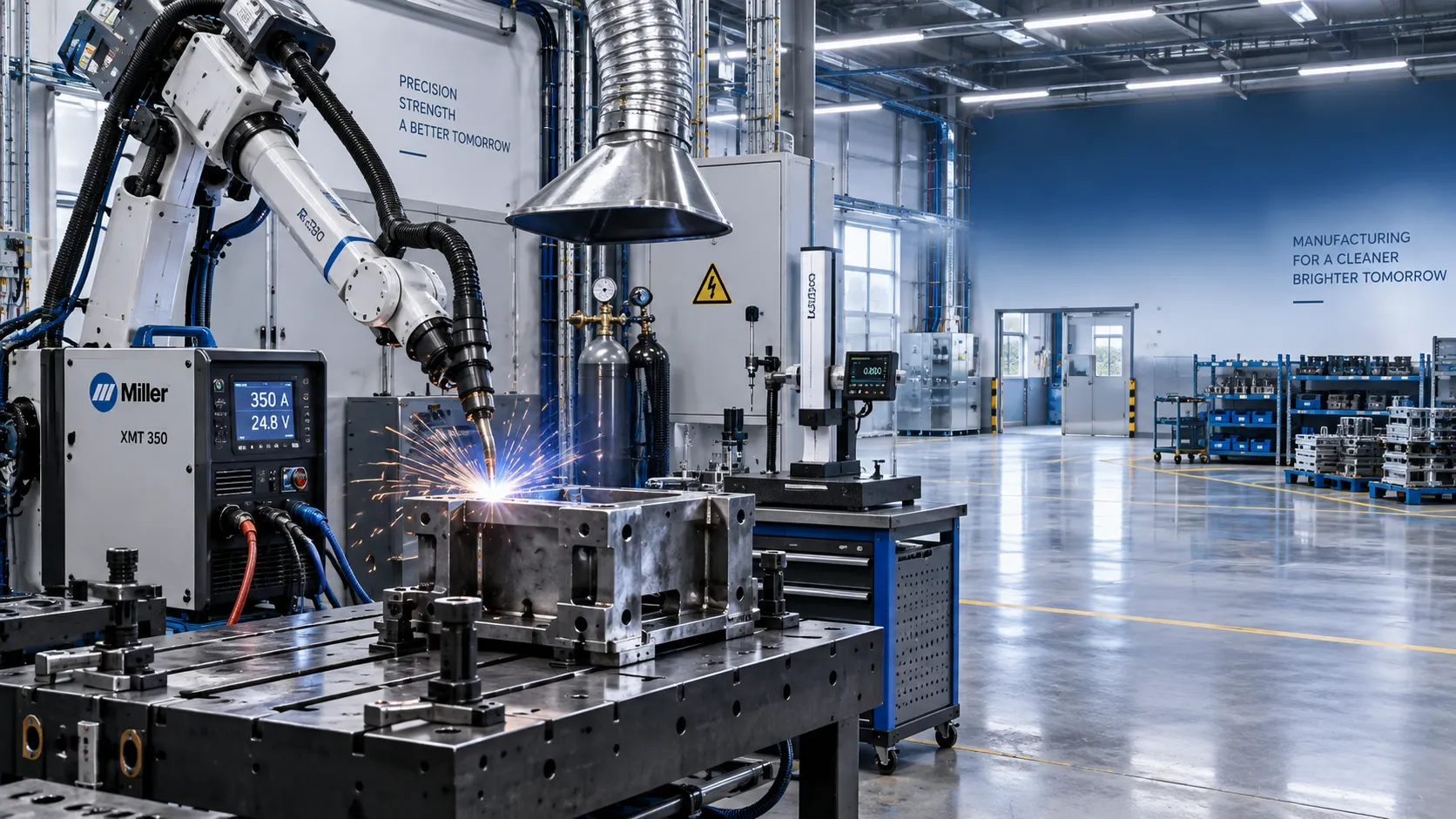
Industrial Equipment Application Guidance: Match Machines to Operating Conditions
Application guidance industrial equipment: match capacity, duty cycle, materials, site conditions, safety, and lifecycle cost to improve reliable output. Read the guide.
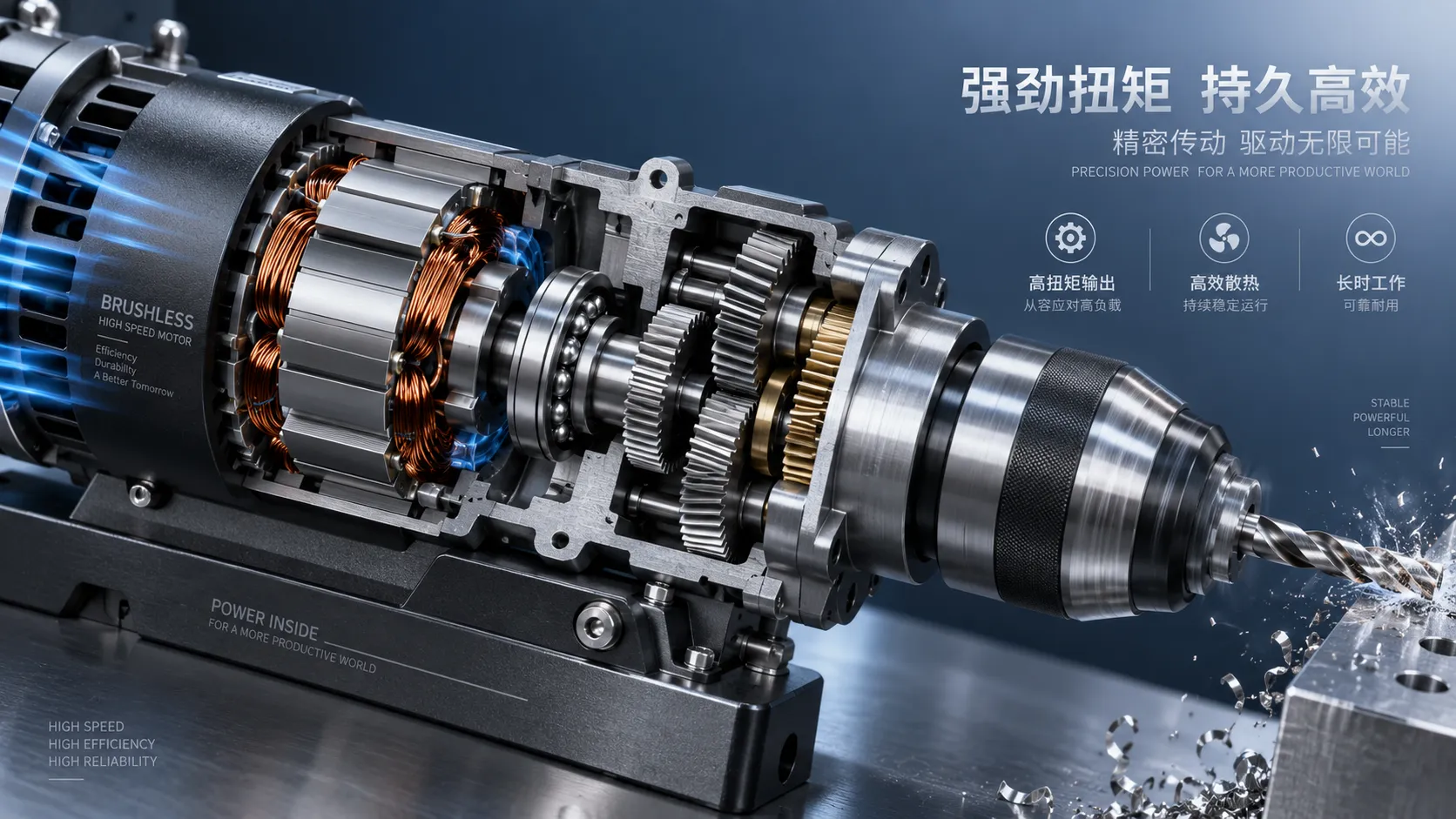
Selecting High-Speed Brushless Tool Motors for Torque, Heat, and Duty Cycle
High speed brushless tool motors: learn how to balance torque, heat, gearing, and duty cycle for reliable industrial tool performance and longer service life.
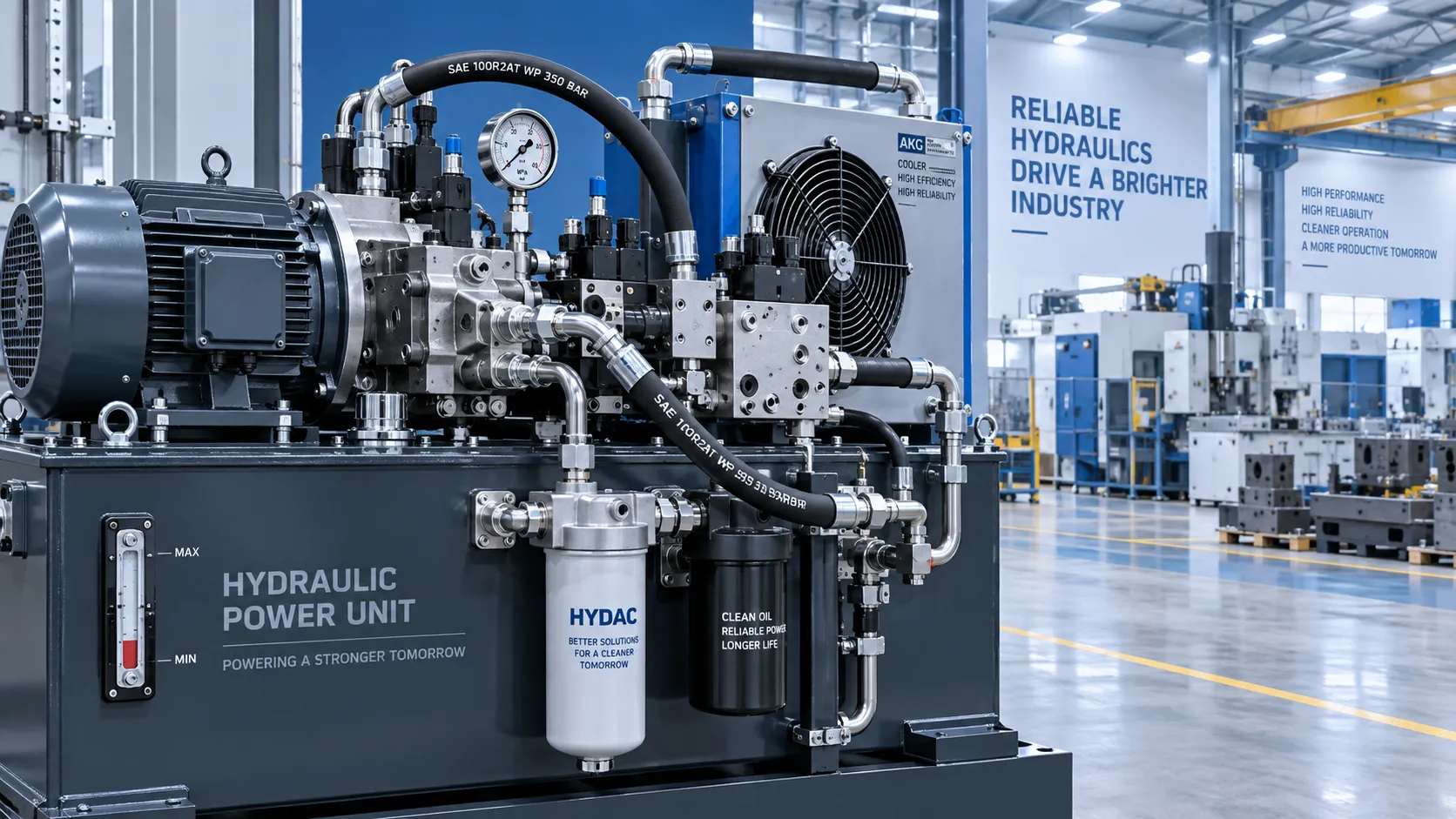
What Determines Industrial Hydraulic System Price for Heavy-Duty Equipment?
Industrial hydraulic system price depends on duty cycle, pressure, components, cooling, and integration. Compare quotes intelligently to secure reliable heavy-duty performance.
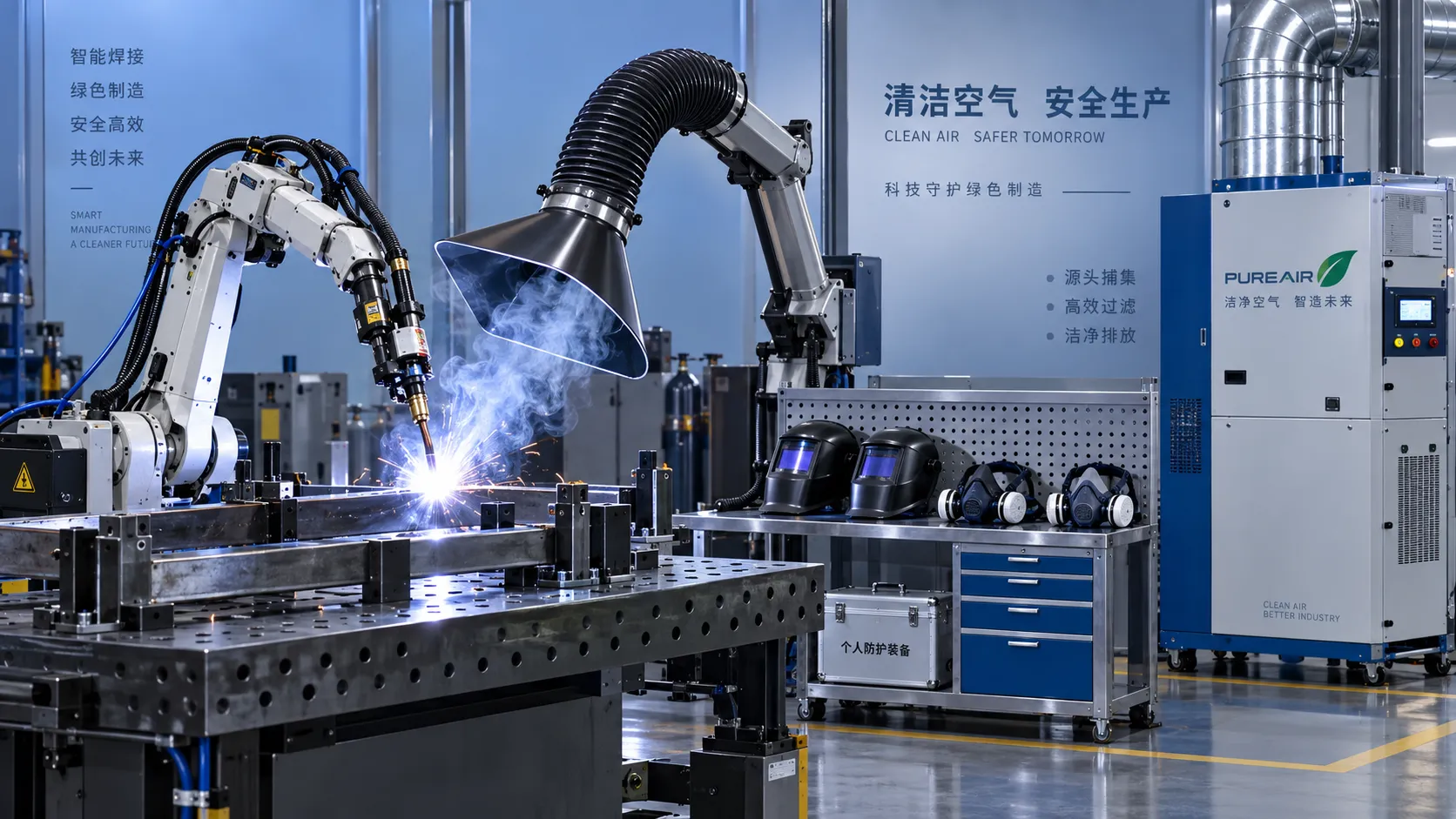
Welding Fume Extraction PPE: When Respirators Are Not Enough for Shop Safety
Welding fume extraction PPE: learn why respirators alone fall short and how source capture, ventilation, and layered controls improve shop safety.
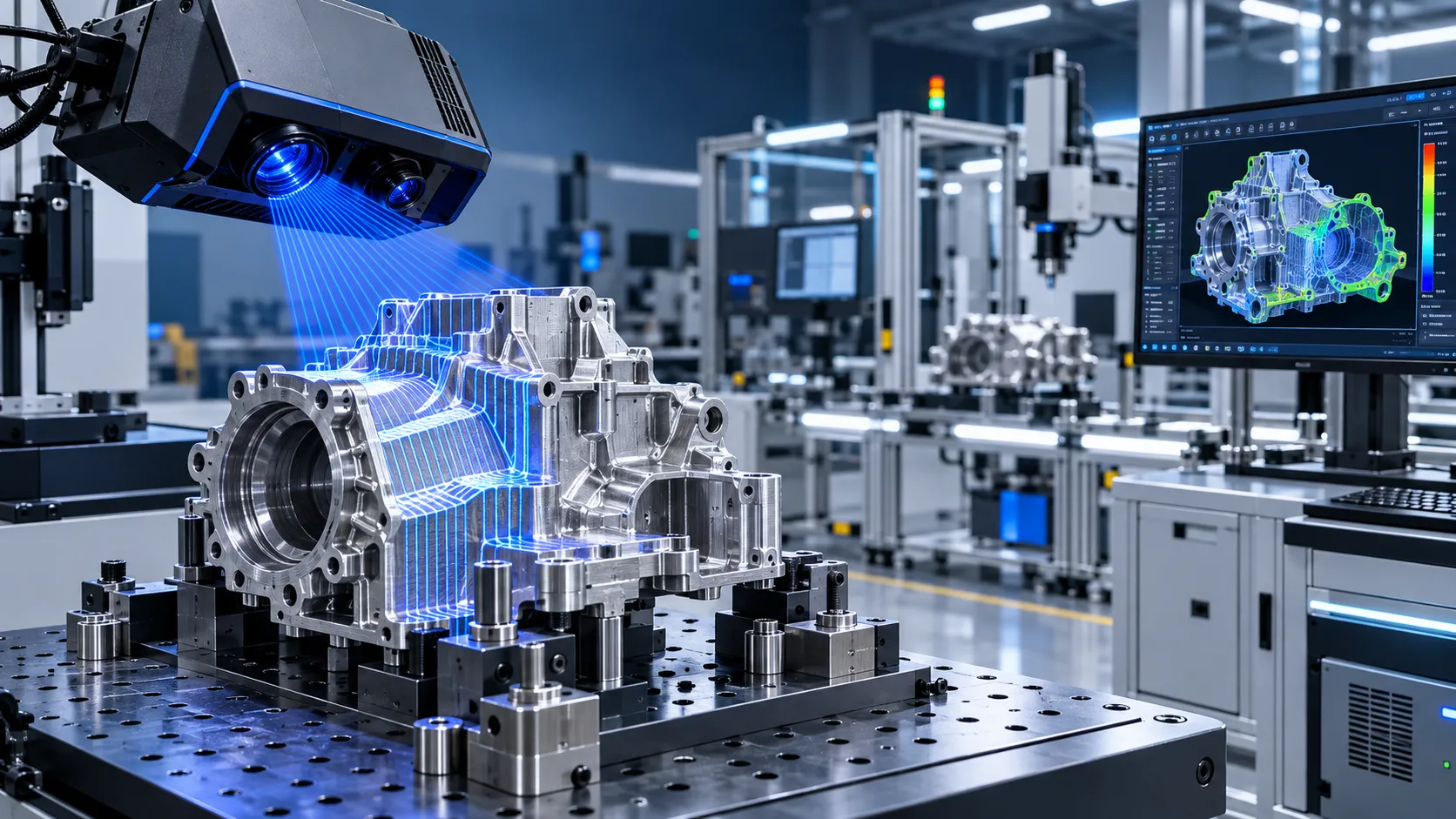
How to Select Optical Metrology Solutions for Tight-Tolerance Manufacturing
Optical industrial metrology solutions for tight-tolerance manufacturing: evaluate accuracy, surface compatibility, workflow, and traceability to select with confidence.
Related News
- 00
0000-00
Selecting Adjustable Torque Tools for Repeatable Fastener Assembly - 00
0000-00
How to Select Aerospace Inspection Tools for Aircraft Maintenance Tasks - 00
0000-00
How to Select Wire Bonding Tools for Fine-Pitch Semiconductor Packaging - 00
0000-00
Industrial Equipment Application Guidance: Match Machines to Operating Conditions - 00
0000-00
Selecting High-Speed Brushless Tool Motors for Torque, Heat, and Duty Cycle
Prof. Marcus Chen
Weekly Insights
Stay ahead with our curated technology reports delivered every Monday.