
Is advanced manufacturing worth the upfront cost





For financial decision-makers, the real question is not whether advanced manufacturing is innovative, but whether it delivers measurable returns. From precision tools and welding systems to metrology-driven process control, the upfront investment can be significant. Yet when reduced downtime, higher output consistency, lower labor dependence, and stronger long-term margins are fully evaluated, advanced manufacturing often proves to be a strategic cost advantage rather than a budget burden.
Why a Checklist Matters Before Judging Advanced Manufacturing Cost
The phrase advanced manufacturing often triggers a narrow discussion about capital expense. That is incomplete. A sound decision compares initial spend with lifecycle performance, risk reduction, and operating flexibility.
In broad industrial settings, the value of advanced manufacturing is rarely captured by one metric. Precision, throughput, quality traceability, energy stability, and labor resilience must be reviewed together.
A checklist approach prevents expensive blind spots. It also helps connect factory-floor realities with balance-sheet outcomes, especially where welding, assembly, inspection, and tool control influence total production economics.
Core Checklist: How to Decide if Advanced Manufacturing Is Worth the Upfront Cost
- Measure baseline downtime before investing. Record stoppages, repair frequency, changeover losses, and idle machine hours to determine whether advanced manufacturing can unlock hidden capacity.
- Calculate scrap and rework costs in detail. Include misalignment, weld defects, tolerance failures, and inspection bottlenecks that precision automation or metrology systems may sharply reduce.
- Test labor sensitivity across shifts. Compare output stability when skilled operators are unavailable, because advanced manufacturing often protects continuity under staffing pressure.
- Review process consistency, not only peak speed. Faster output means little if torque, fit-up, weld penetration, or dimensional control vary beyond acceptable limits.
- Estimate maintenance impact early. New equipment should be assessed for spare parts access, predictive diagnostics, service intervals, and mean time to repair.
- Map energy use per good unit produced. Efficient drives, closed-loop controls, and optimized thermal processes can improve margins even when equipment prices are higher.
- Check digital traceability requirements. Industries facing export standards, quality audits, or customer documentation demands often gain strategic value from connected production data.
- Validate integration with existing assets. The best advanced manufacturing plan strengthens current tooling, welding cells, gauges, and ERP flows instead of forcing disruptive replacement.
- Model total cost over five to seven years. Include training, software, calibration, consumables, maintenance, financing, and expected productivity gains.
- Stress-test demand scenarios. Advanced manufacturing becomes more attractive when product mix changes often or when customers require shorter lead times.
What Drives Return in Real Industrial Applications
Precision Tooling and Assembly
In assembly environments, advanced manufacturing creates value through repeatability. Smart torque systems, sensor-guided fastening, and automated verification reduce variation that manual methods often cannot control at scale.
That repeatability directly affects warranty exposure, throughput confidence, and final fit quality. When every fastening cycle is logged, the plant gains both quality assurance and stronger customer trust.
Welding and Metal Joining
For welding operations, the upfront cost question should focus on defect prevention. Advanced manufacturing systems stabilize arc behavior, heat input, joint consistency, and operator safety across repeated production runs.
When handheld laser welding, robotic cells, or monitored power sources reduce post-weld correction, the savings extend beyond labor. Material recovery, delivery reliability, and downstream finishing costs also improve.
Metrology and Quality Control
Metrology-centered advanced manufacturing may appear indirect, yet it often delivers some of the fastest returns. Early detection of drift prevents entire batches from moving deeper into value-added stages.
High-precision measurement also supports process learning. Instead of reacting to defects, teams can tune fixtures, tools, and sequences using evidence, which compounds efficiency over time.
Mixed-Volume, High-Variation Production
In operations with frequent changeovers, advanced manufacturing adds value through flexibility. Programmable systems reduce setup losses and help maintain quality across a broader mix of parts and tolerances.
This matters in general industry because demand rarely stays fixed. Equipment that adapts quickly can protect margins when product requirements, labor availability, or customer timelines shift unexpectedly.
Commonly Overlooked Cost Factors and Risk Warnings
Ignoring Data Readiness
Advanced manufacturing produces better decisions only when process data is usable. Poor sensor discipline, weak naming standards, or disconnected systems can limit expected return.
Underestimating Training Time
Productivity may dip before it rises. Training operators, technicians, and maintenance staff is part of the investment, not a side task to be minimized.
Buying for Maximum Automation Instead of Process Need
Not every process needs a fully automated cell. Sometimes semi-automation, digital inspection, or smarter tooling delivers stronger returns with lower operational complexity.
Treating ROI as Purely Labor Reduction
Labor savings matter, but advanced manufacturing often pays back through fewer defects, less downtime, faster compliance reporting, and steadier output under variable conditions.
Missing Supplier and Service Support Risk
A technically strong system can still become expensive if calibration, spare parts, or field service are slow. Support quality should be priced into the decision.
Practical Execution Steps for a Better Investment Decision
- Start with one constrained process, such as welding rework, inspection delay, or fastening inconsistency, and define a measurable business target.
- Build a simple before-and-after model using throughput, defect rate, energy use, downtime, and labor variability instead of headline equipment cost alone.
- Run a pilot or phased rollout where possible. Early performance data is more reliable than vendor assumptions or generic ROI benchmarks.
- Link technical metrics to financial outcomes. Translate tolerance control, arc stability, and cycle consistency into margin, delivery performance, and customer retention.
- Revisit the model after implementation. Continuous measurement is essential if advanced manufacturing is expected to produce long-term competitive advantage.
Is Advanced Manufacturing Worth the Upfront Cost?
In many industrial environments, yes. Advanced manufacturing is worth the upfront cost when the evaluation includes total process economics rather than purchase price alone.
The strongest cases usually involve recurring quality loss, unstable labor availability, rising compliance pressure, or the need for more predictable output. Under those conditions, advanced manufacturing shifts from optional upgrade to margin defense.
The next step is practical: audit one process, quantify one hidden cost pattern, and test one targeted improvement path. That disciplined approach reveals whether advanced manufacturing is a heavy expense or a durable financial advantage.
Related News
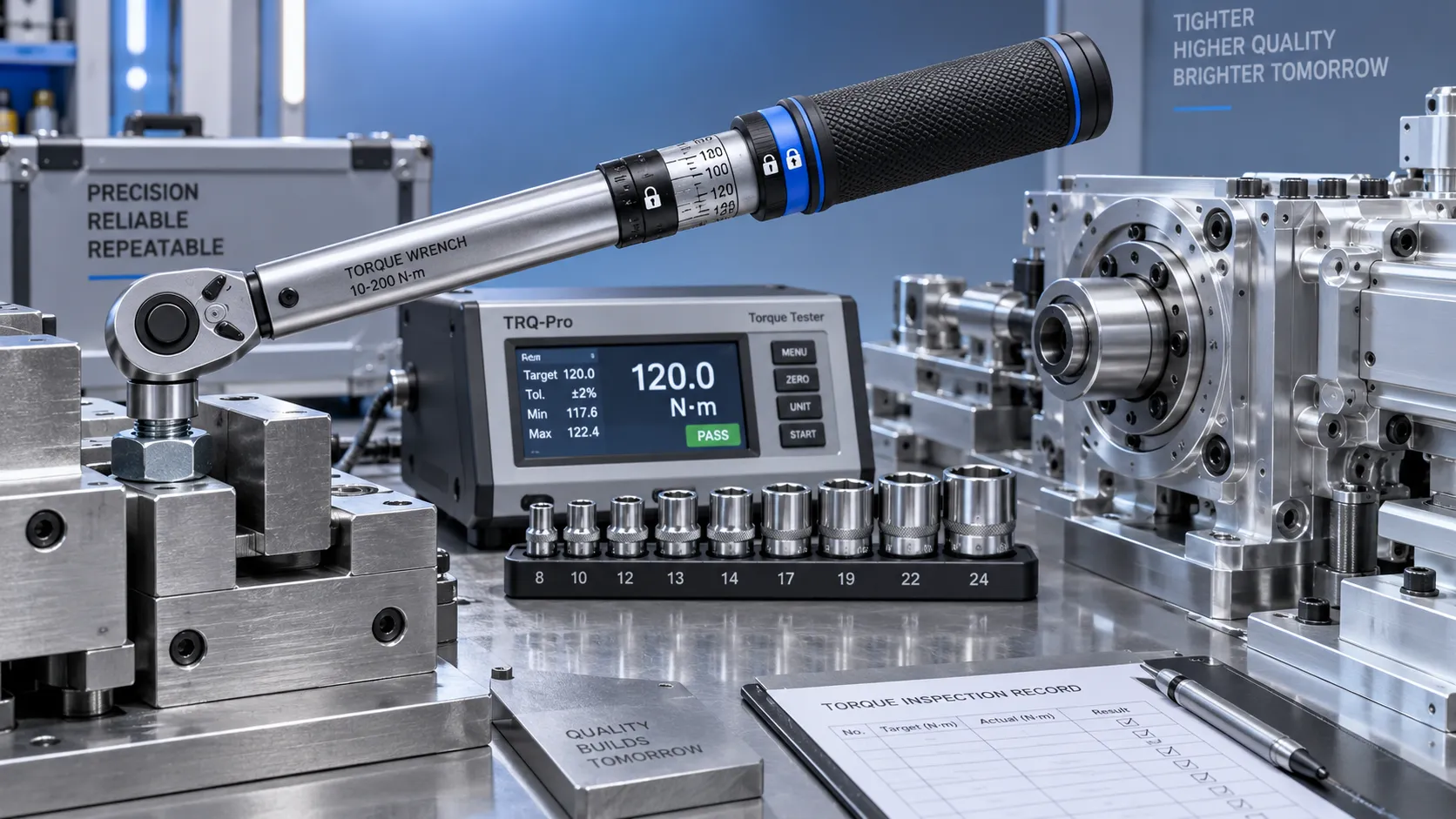
Selecting Adjustable Torque Tools for Repeatable Fastener Assembly
Adjustable torque tools: learn how to match range, accuracy, control methods, calibration, and ergonomics for repeatable, reliable fastener assembly.
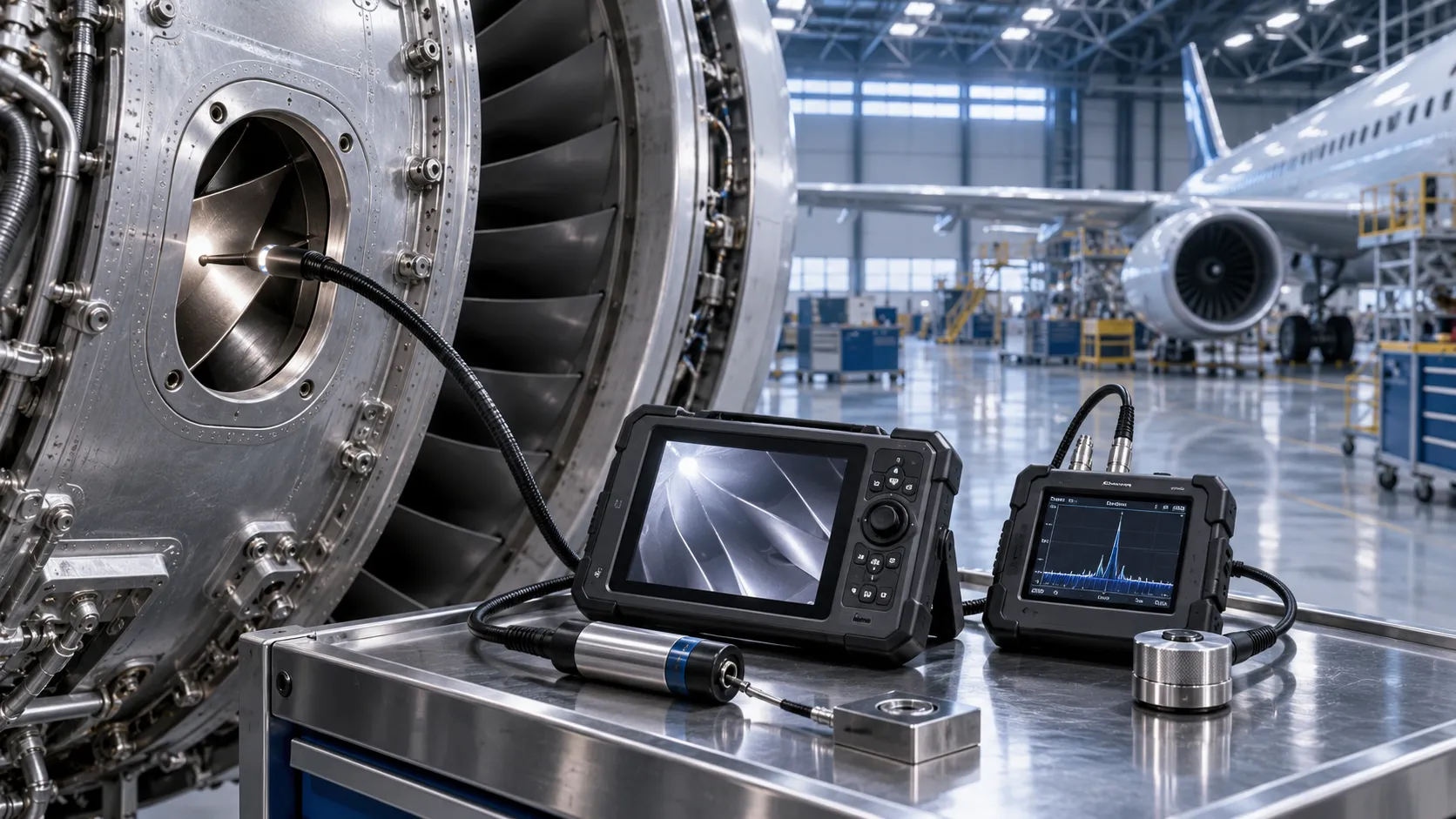
How to Select Aerospace Inspection Tools for Aircraft Maintenance Tasks
Aerospace maintenance inspection tools: learn how to select reliable, traceable equipment for aircraft access, accuracy, calibration, and compliant maintenance decisions.
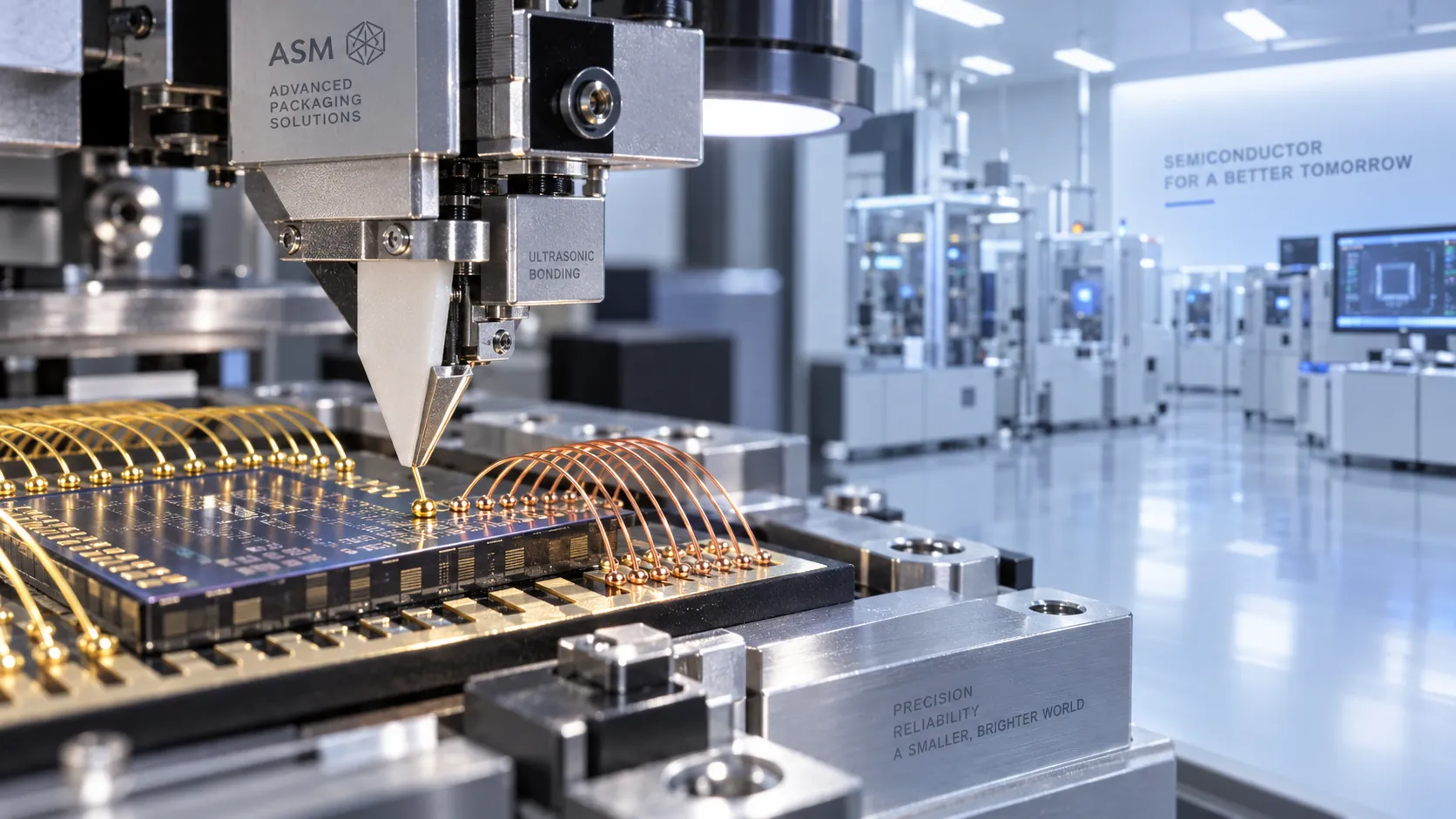
How to Select Wire Bonding Tools for Fine-Pitch Semiconductor Packaging
Explore semiconductor manufacturing tools for wire bonding and learn how to select precision solutions for fine-pitch packaging, reliable loops, accuracy, and yield.
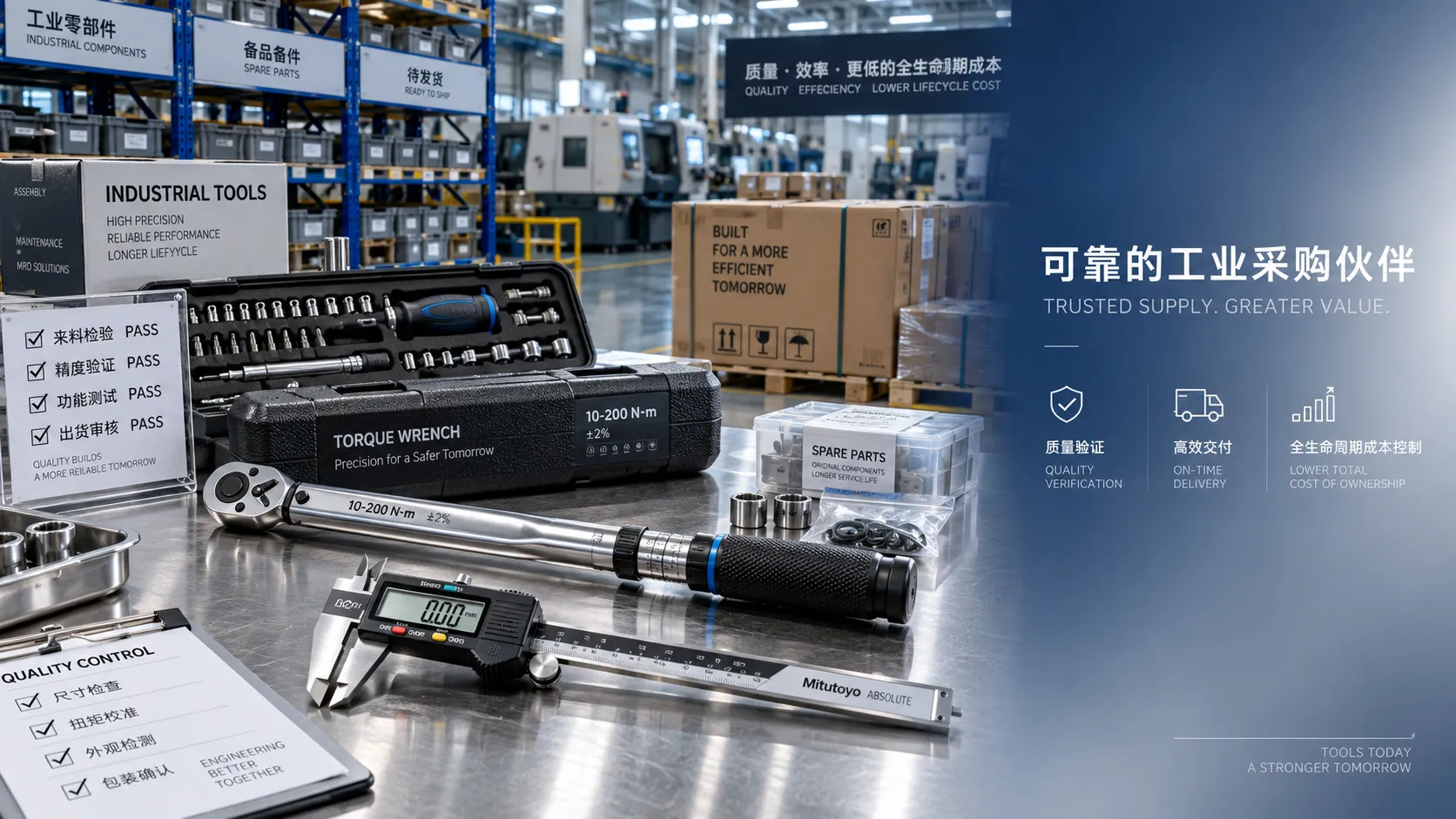
How to Compare Industrial Tool Suppliers for Quality, Lead Time, and Total Cost
Industrial tool selection supplier comparison made simple: evaluate quality, lead times, total cost, service, and supply resilience for confident sourcing decisions.
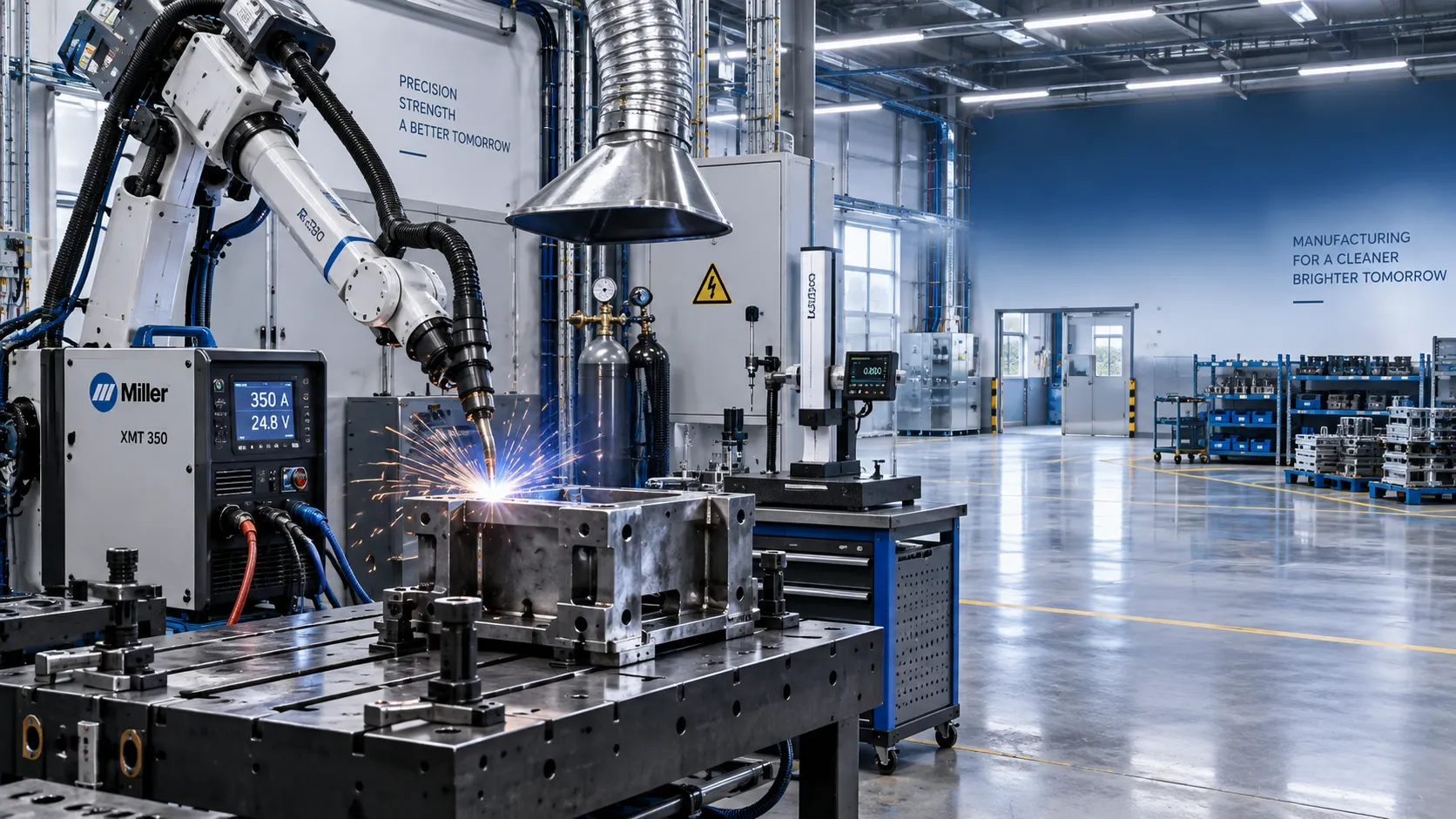
Industrial Equipment Application Guidance: Match Machines to Operating Conditions
Application guidance industrial equipment: match capacity, duty cycle, materials, site conditions, safety, and lifecycle cost to improve reliable output. Read the guide.
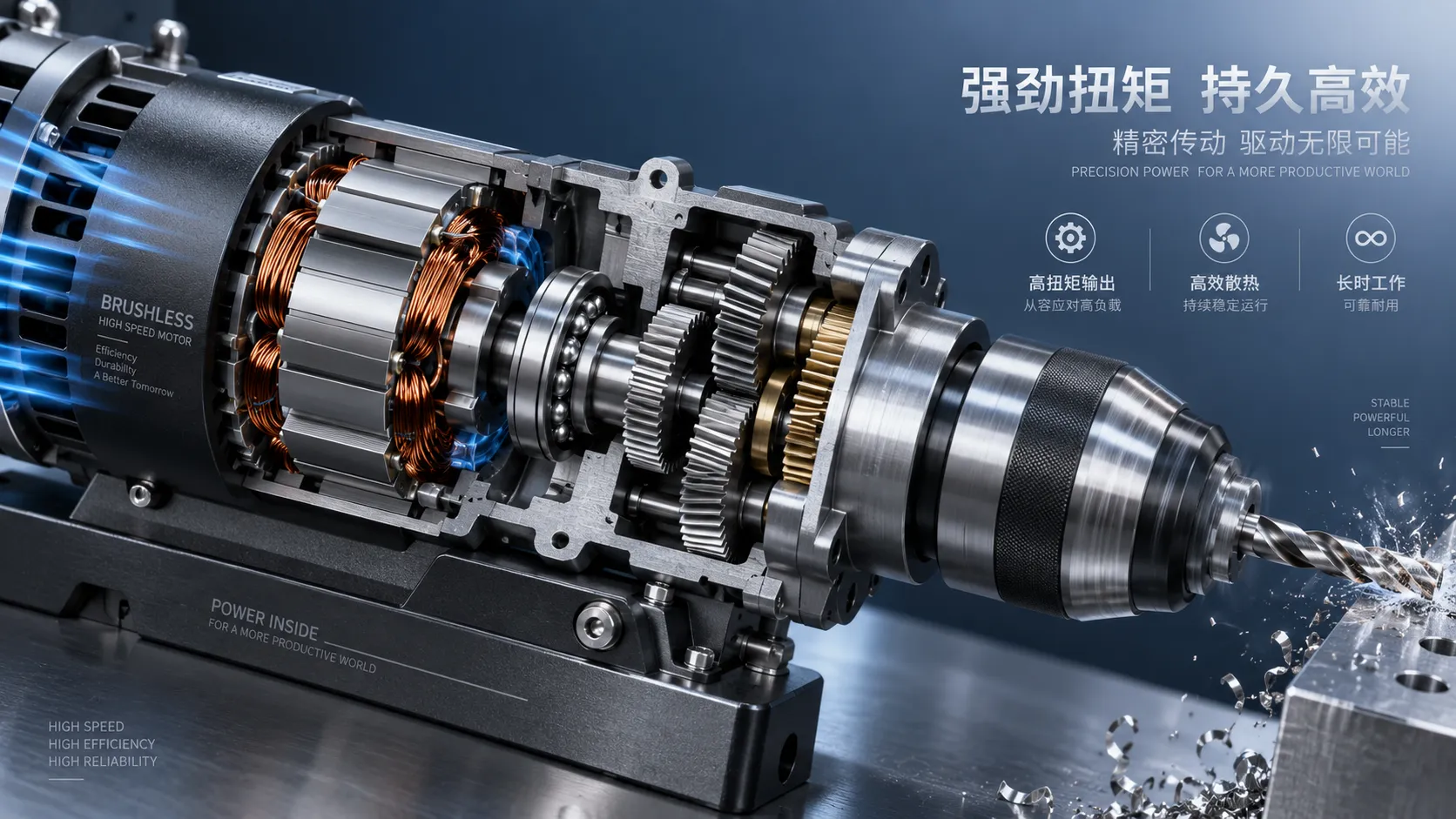
Selecting High-Speed Brushless Tool Motors for Torque, Heat, and Duty Cycle
High speed brushless tool motors: learn how to balance torque, heat, gearing, and duty cycle for reliable industrial tool performance and longer service life.
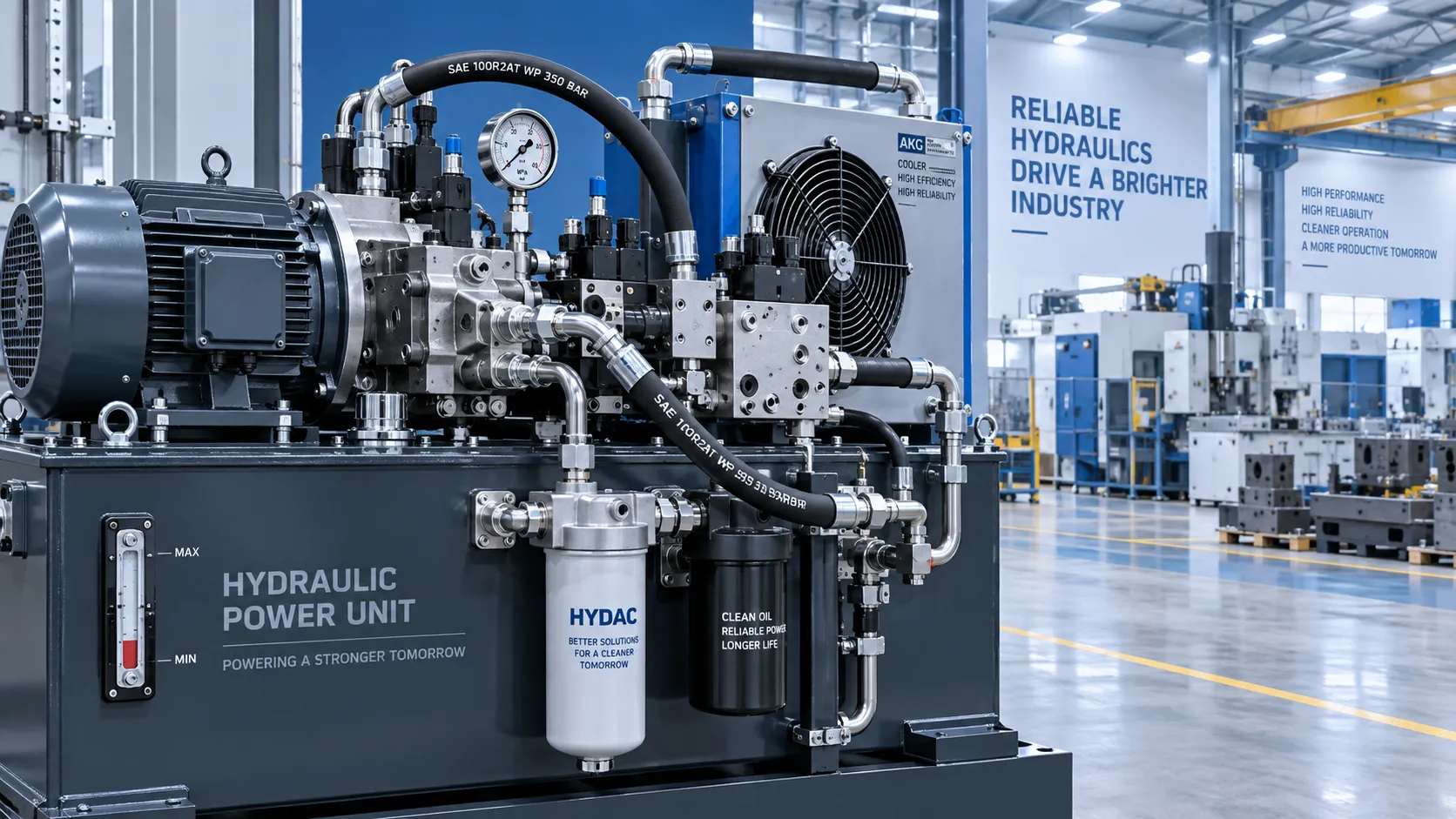
What Determines Industrial Hydraulic System Price for Heavy-Duty Equipment?
Industrial hydraulic system price depends on duty cycle, pressure, components, cooling, and integration. Compare quotes intelligently to secure reliable heavy-duty performance.
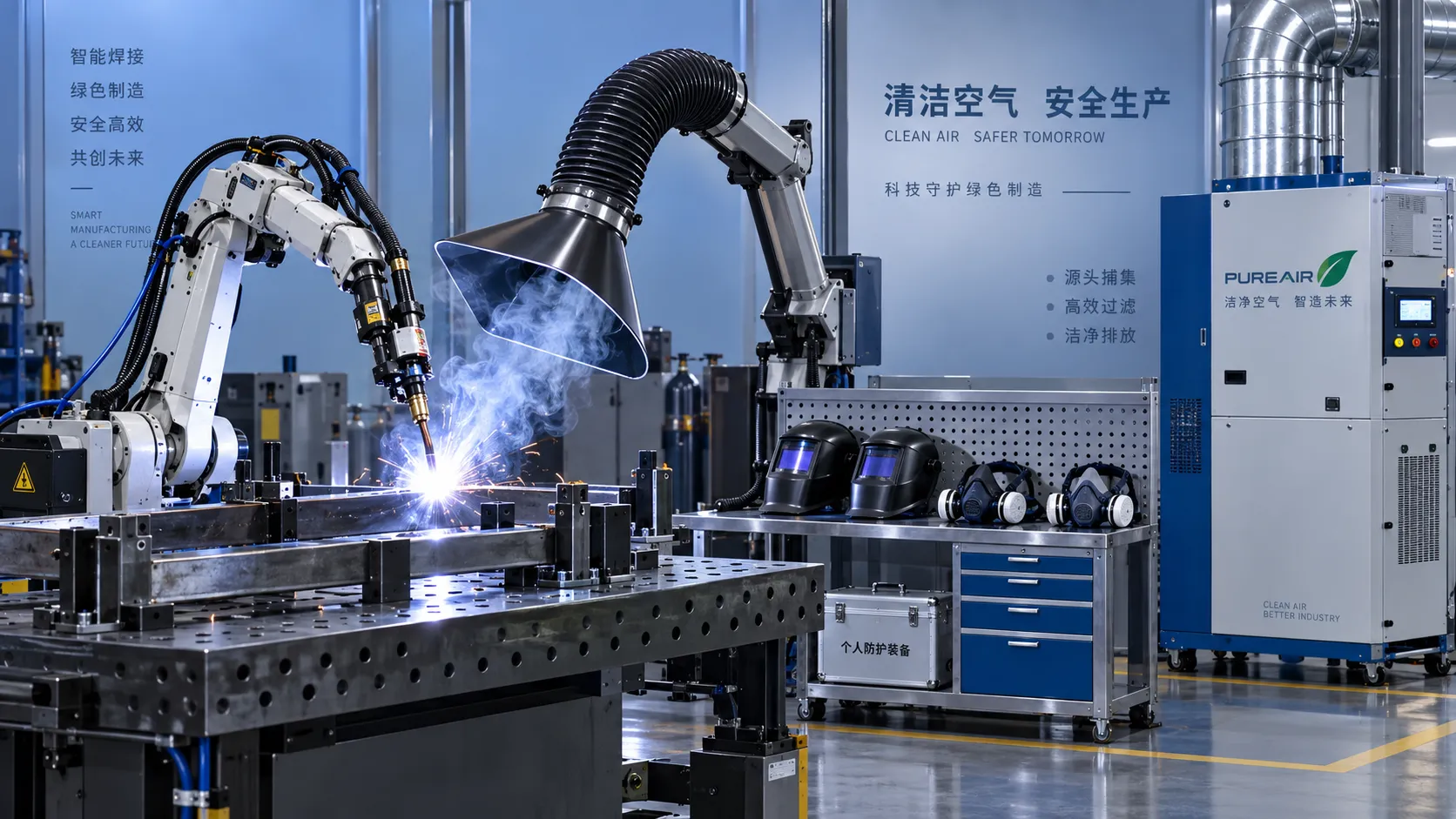
Welding Fume Extraction PPE: When Respirators Are Not Enough for Shop Safety
Welding fume extraction PPE: learn why respirators alone fall short and how source capture, ventilation, and layered controls improve shop safety.
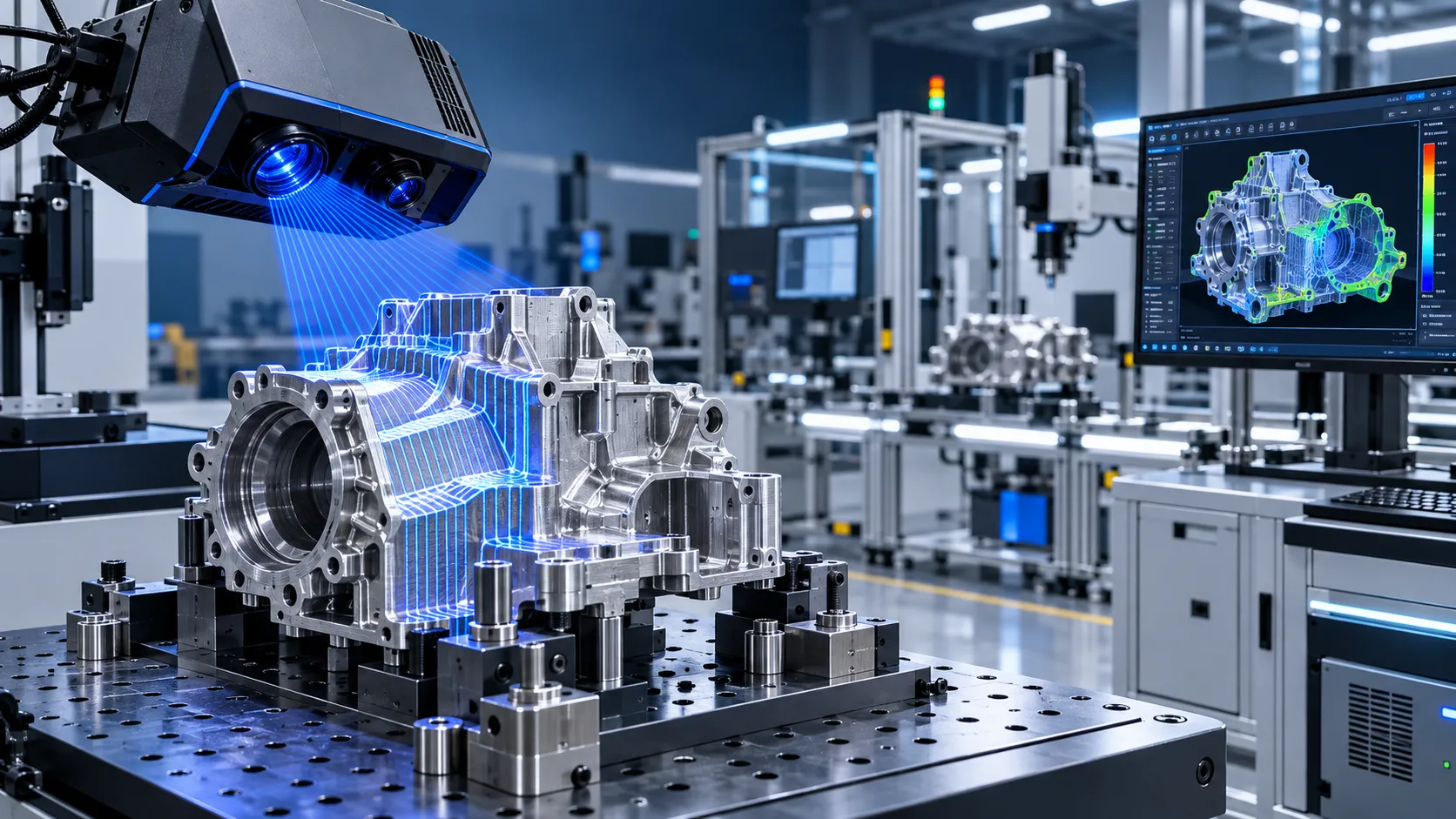
How to Select Optical Metrology Solutions for Tight-Tolerance Manufacturing
Optical industrial metrology solutions for tight-tolerance manufacturing: evaluate accuracy, surface compatibility, workflow, and traceability to select with confidence.
Related News
- 00
0000-00
Selecting Adjustable Torque Tools for Repeatable Fastener Assembly - 00
0000-00
How to Select Aerospace Inspection Tools for Aircraft Maintenance Tasks - 00
0000-00
How to Select Wire Bonding Tools for Fine-Pitch Semiconductor Packaging - 00
0000-00
Industrial Equipment Application Guidance: Match Machines to Operating Conditions - 00
0000-00
Selecting High-Speed Brushless Tool Motors for Torque, Heat, and Duty Cycle
Prof. Marcus Chen
Weekly Insights
Stay ahead with our curated technology reports delivered every Monday.