
How metalworking tools affect cut quality and downtime





In metalworking, the condition and selection of metalworking tools directly shape cut quality, cycle time, and unplanned downtime. For operators, even small issues like edge wear, vibration, or poor tool matching can lead to rough finishes, scrap, and frequent stoppages. This article explains how tool choice, maintenance, and operating practice influence performance, helping users improve consistency, reduce interruptions, and keep production running efficiently.
Across general industry, metalworking tools sit at the center of process stability. They affect dimensional accuracy, edge condition, machine load, and labor efficiency. When tools perform well, operations stay predictable. When they degrade, hidden losses build quickly.
This matters in fabrication, maintenance, automotive work, aerospace repair, and construction support. It also matters for intelligence-led platforms such as GPTWM, where production efficiency depends on linking tool performance with measurable operating data.
Metalworking tools and their direct role in cut quality
Metalworking tools include cutters, drills, end mills, inserts, saw blades, abrasives, punches, and tool holders. Each one controls how force enters the material. That interaction decides chip formation, heat generation, and final surface condition.
Cut quality usually appears in several measurable forms:
- Surface finish and roughness
- Burr formation at the edge
- Dimensional accuracy and repeatability
- Heat tint, distortion, or microcracking
- Straightness, roundness, and profile control
A sharp, correctly selected tool cuts cleanly with controlled force. A worn or mismatched tool plows, rubs, or chatters. That change increases heat, worsens finish, and shortens the safe production window.
Tool material also matters. High-speed steel, carbide, ceramics, CBN, and diamond each suit different hardness levels, speeds, and thermal loads. Using the wrong grade often causes premature wear or unstable cutting behavior.
Why geometry matters
Geometry influences cutting pressure more than many users expect. Rake angle, clearance angle, edge preparation, flute design, and nose radius all change chip flow. Better chip evacuation often means better finish and lower downtime.
For thin sheet, aggressive geometry may reduce burrs. For hard alloys, stronger edge preparation may prevent chipping. Tool geometry should match both material behavior and machine rigidity.
Current industry signals affecting tool performance decisions
General industry now faces tighter tolerance demands, shorter batch cycles, and wider material variety. These pressures make metalworking tools more strategic. Tool failure no longer affects only one part. It can disrupt the whole schedule.
Several operating signals deserve close attention:
These signals show why metalworking tools should be managed as performance assets, not basic consumables. Reliable tool data supports stronger decisions on maintenance, stocking, machining strategy, and process improvement.
How metalworking tools influence downtime in daily operations
Downtime often starts with small tool problems. A chipped edge can increase spindle load. A loose holder can trigger vibration. A clogged flute can trap chips. These issues develop fast and often stop production without warning.
Common downtime drivers linked to metalworking tools include:
- Unexpected breakage from overload or impact
- Frequent tool changes caused by short tool life
- Rework from poor finish or out-of-tolerance parts
- Machine stoppage for chip removal or cleaning
- Long setup time from poor tool standardization
Not all downtime is visible on machine logs. Slow cutting, repeated inspection, and frequent manual deburring also reduce effective capacity. In many workshops, these hidden losses exceed the cost of the tool itself.
The link between wear and interruption
As metalworking tools wear, cutting forces rise. Surface quality declines before total failure happens. Monitoring this trend helps teams replace tools at the right time, avoiding both premature disposal and emergency stoppages.
Useful warning signs include changing chip color, louder cutting noise, increased power draw, new burr patterns, and inconsistent dimensions. These signals should trigger inspection before downtime spreads.
Application value across typical industrial scenarios
The effect of metalworking tools changes by process, material, and production target. A practical view helps users connect tool choices with business value in real environments.
In each scenario, better metalworking tools improve more than finish alone. They reduce inspection load, support repeatable output, and help maintain production timing under variable industrial conditions.
Practical methods to improve cut quality and reduce downtime
Improvement starts with disciplined basics. Many cut quality issues come from selection errors, worn holders, poor feed settings, or missed cleaning. Strong routines often deliver faster gains than major equipment changes.
1. Match the tool to the material
Choose metalworking tools by hardness, thickness, coating needs, and heat sensitivity. Stainless steel, aluminum, mild steel, and hardened alloys all need different geometries and cutting data.
2. Standardize holders and setup checks
Runout, clamping force, and tool length consistency affect finish and life. Standardized holders simplify setup, reduce variation, and make replacement faster during planned maintenance.
3. Track wear before failure
Set inspection points by cycle count, cutting time, or parts completed. Record flank wear, chipping, crater wear, and edge rounding. This creates replacement rules based on evidence, not guesswork.
4. Control vibration and chip flow
Chatter damages both part quality and tool life. Improve rigidity, reduce overhang, tune feeds and speeds, and keep coolant or air flow effective. Clean chip evacuation protects the cutting zone.
5. Use operating data
Simple data points can reveal tool problems early. Watch cycle time drift, spindle load changes, temperature patterns, scrap rate, and deburring effort. Digital monitoring makes metalworking tools easier to manage systematically.
Common selection and maintenance mistakes to avoid
Several avoidable mistakes repeatedly lower performance:
- Using one tool grade for every material
- Ignoring holder wear and spindle condition
- Increasing speed to compensate for dull edges
- Extending tool life until catastrophic failure
- Overlooking coolant delivery and chip control
These mistakes raise total cost even when tool purchasing cost seems lower. Strong metalworking tools strategy should measure output quality, stoppage frequency, and labor impact together.
Operational next steps for more reliable metalworking tools performance
A practical next step is to review the three tools that cause the most rework or stoppage. Check wear patterns, setup consistency, material match, and actual cycle history. Small corrections can produce immediate gains.
Then build a simple improvement sheet covering tool type, material, cutting data, average life, failure mode, and finish result. This creates a repeatable foundation for smarter metalworking tools decisions.
For broader industrial planning, GPTWM supports this approach by connecting tool intelligence, process signals, and market trends. That helps turn everyday cutting performance into more stable quality, lower downtime, and stronger operational control.
When metalworking tools are selected carefully, monitored consistently, and maintained with discipline, cut quality improves and interruptions fall. In modern industry, that combination remains one of the clearest paths to better efficiency.
Related News
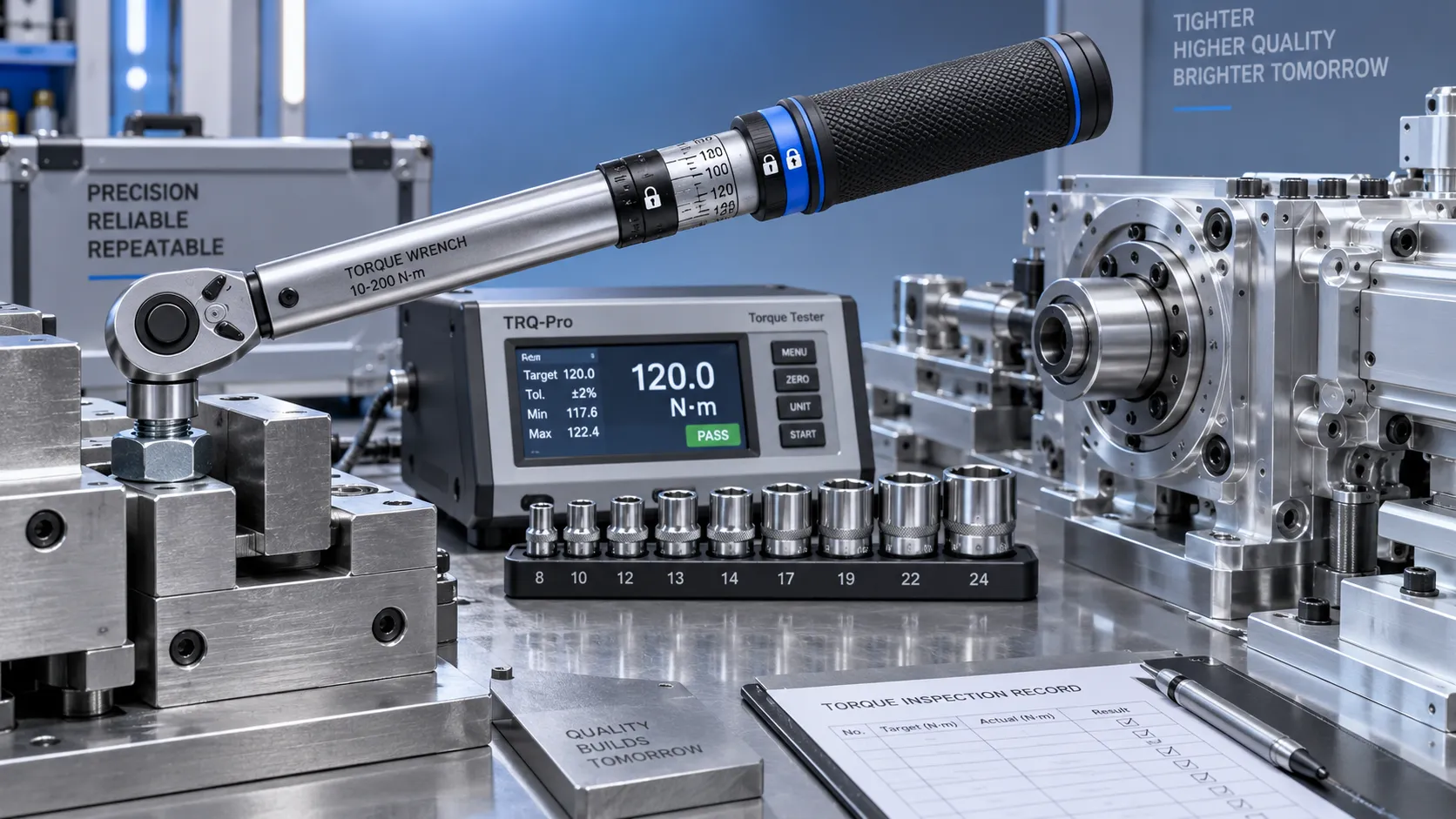
Selecting Adjustable Torque Tools for Repeatable Fastener Assembly
Adjustable torque tools: learn how to match range, accuracy, control methods, calibration, and ergonomics for repeatable, reliable fastener assembly.

How to Select Aerospace Inspection Tools for Aircraft Maintenance Tasks
Aerospace maintenance inspection tools: learn how to select reliable, traceable equipment for aircraft access, accuracy, calibration, and compliant maintenance decisions.
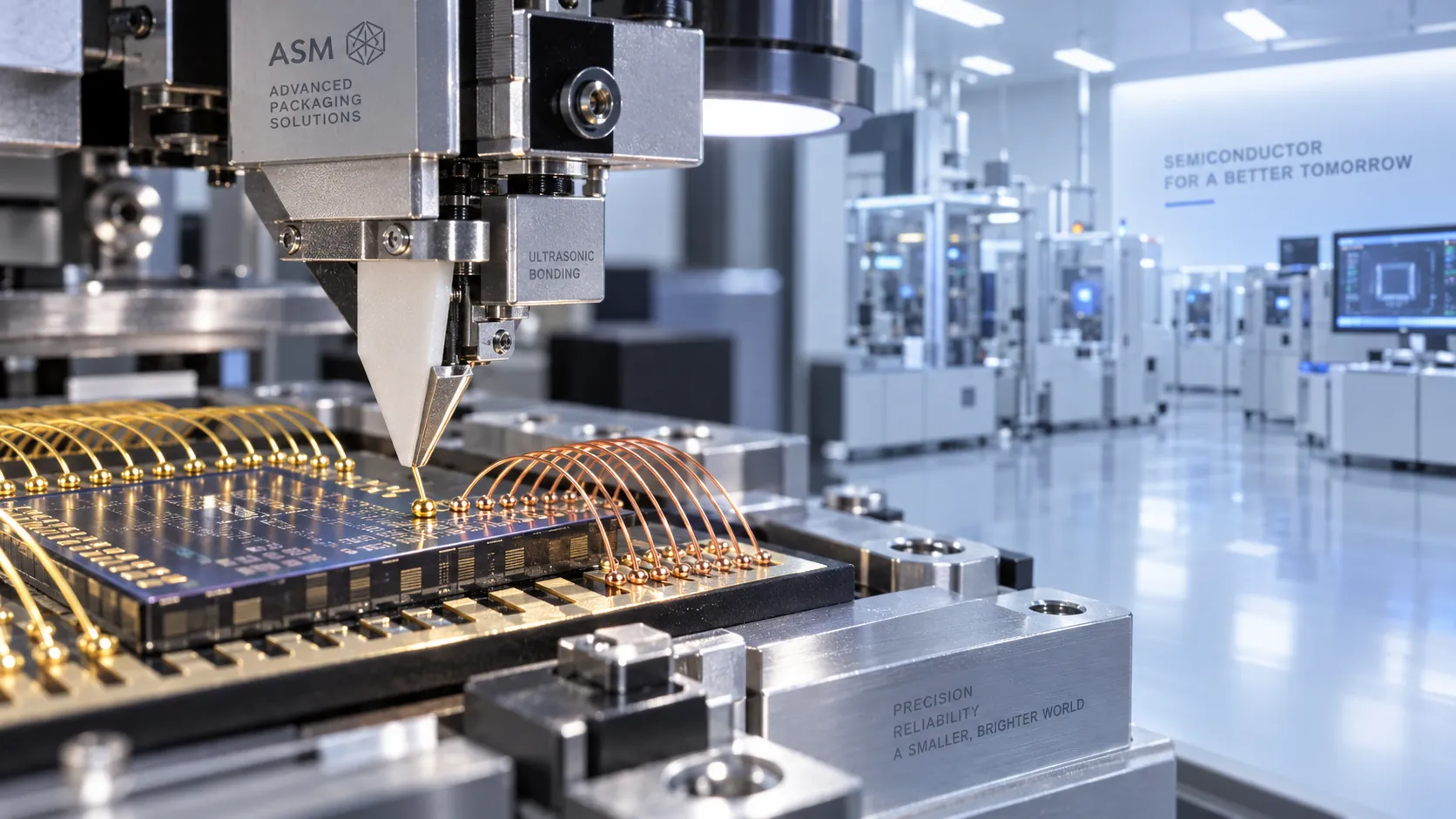
How to Select Wire Bonding Tools for Fine-Pitch Semiconductor Packaging
Explore semiconductor manufacturing tools for wire bonding and learn how to select precision solutions for fine-pitch packaging, reliable loops, accuracy, and yield.
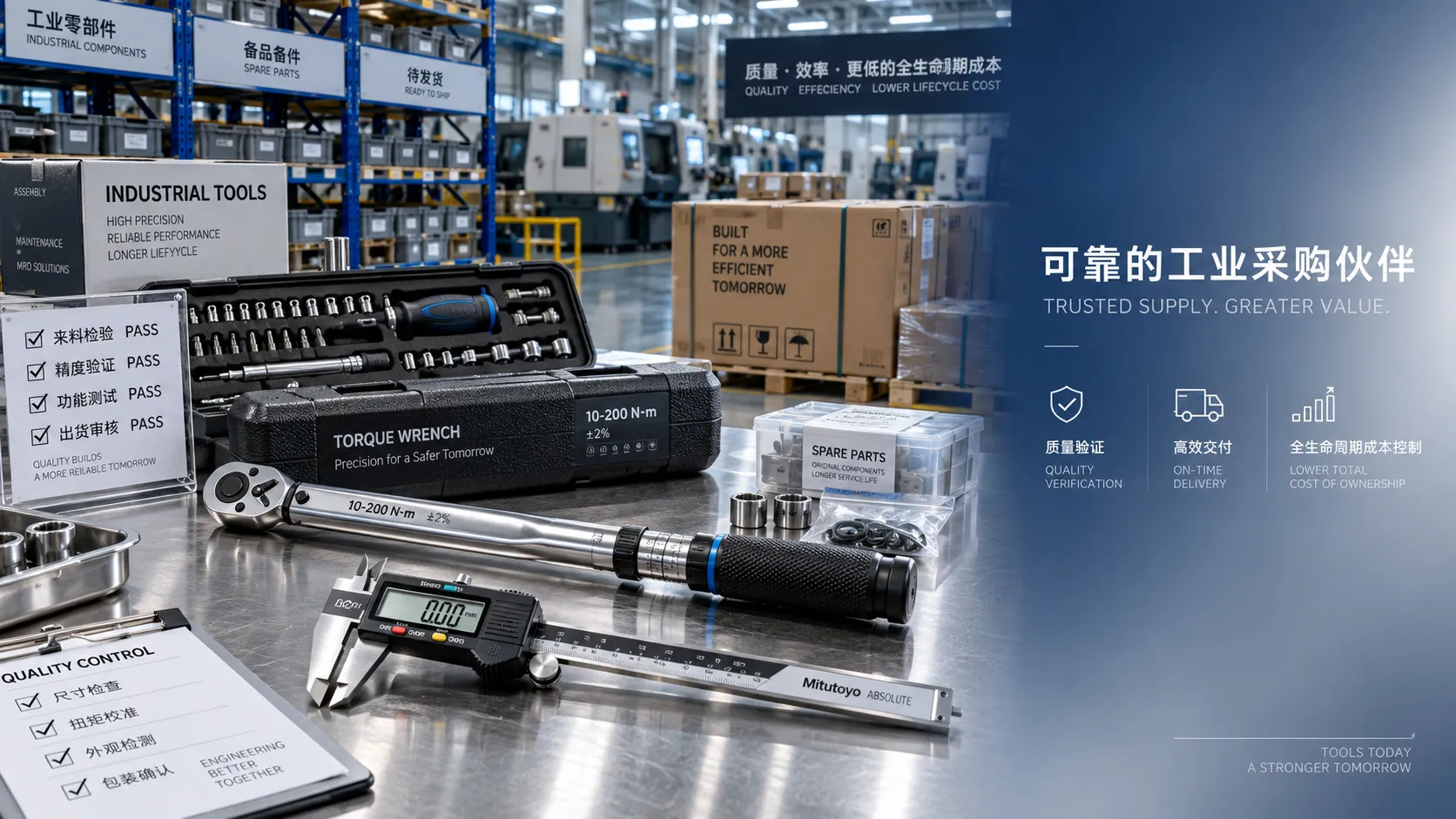
How to Compare Industrial Tool Suppliers for Quality, Lead Time, and Total Cost
Industrial tool selection supplier comparison made simple: evaluate quality, lead times, total cost, service, and supply resilience for confident sourcing decisions.
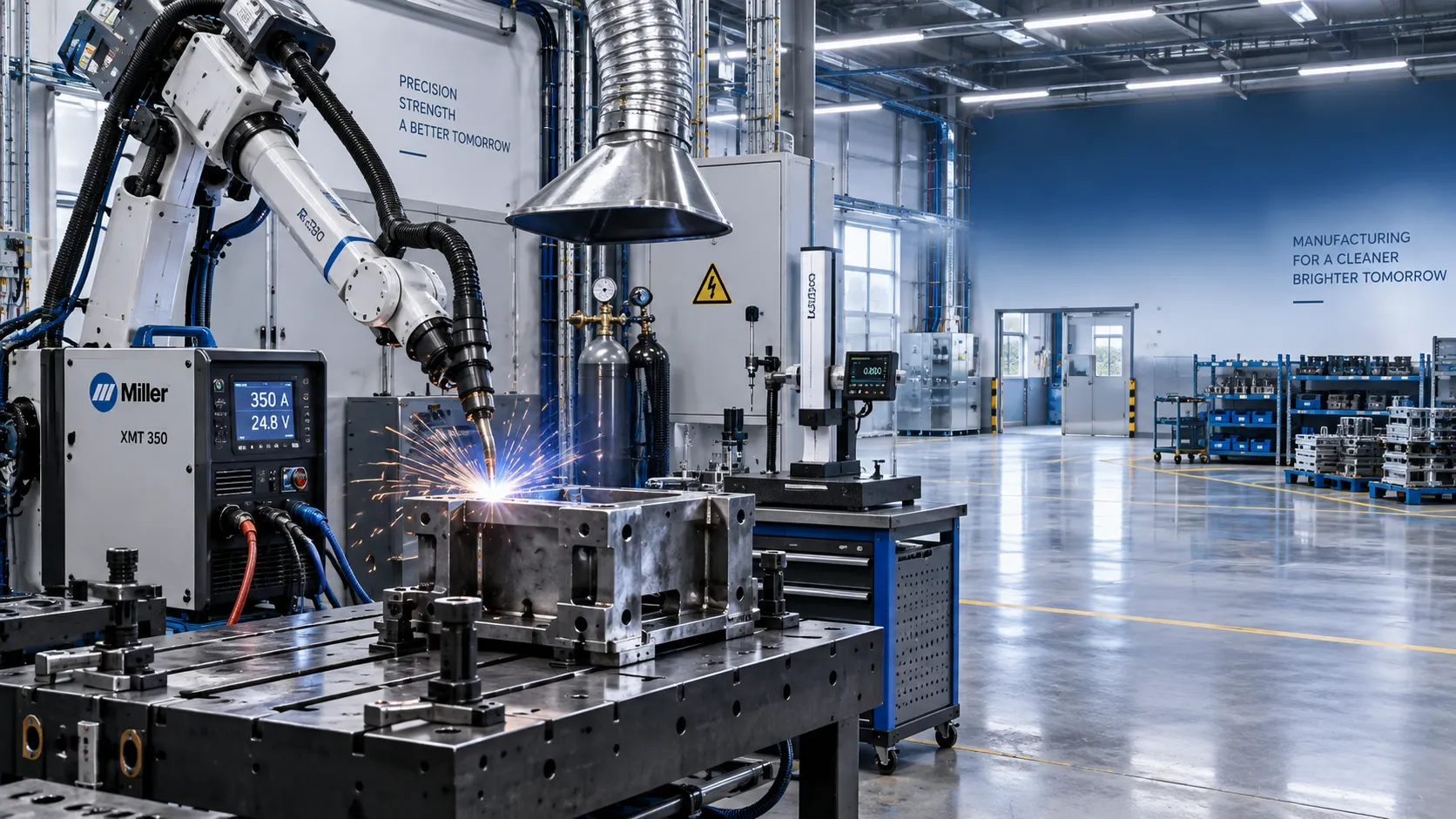
Industrial Equipment Application Guidance: Match Machines to Operating Conditions
Application guidance industrial equipment: match capacity, duty cycle, materials, site conditions, safety, and lifecycle cost to improve reliable output. Read the guide.
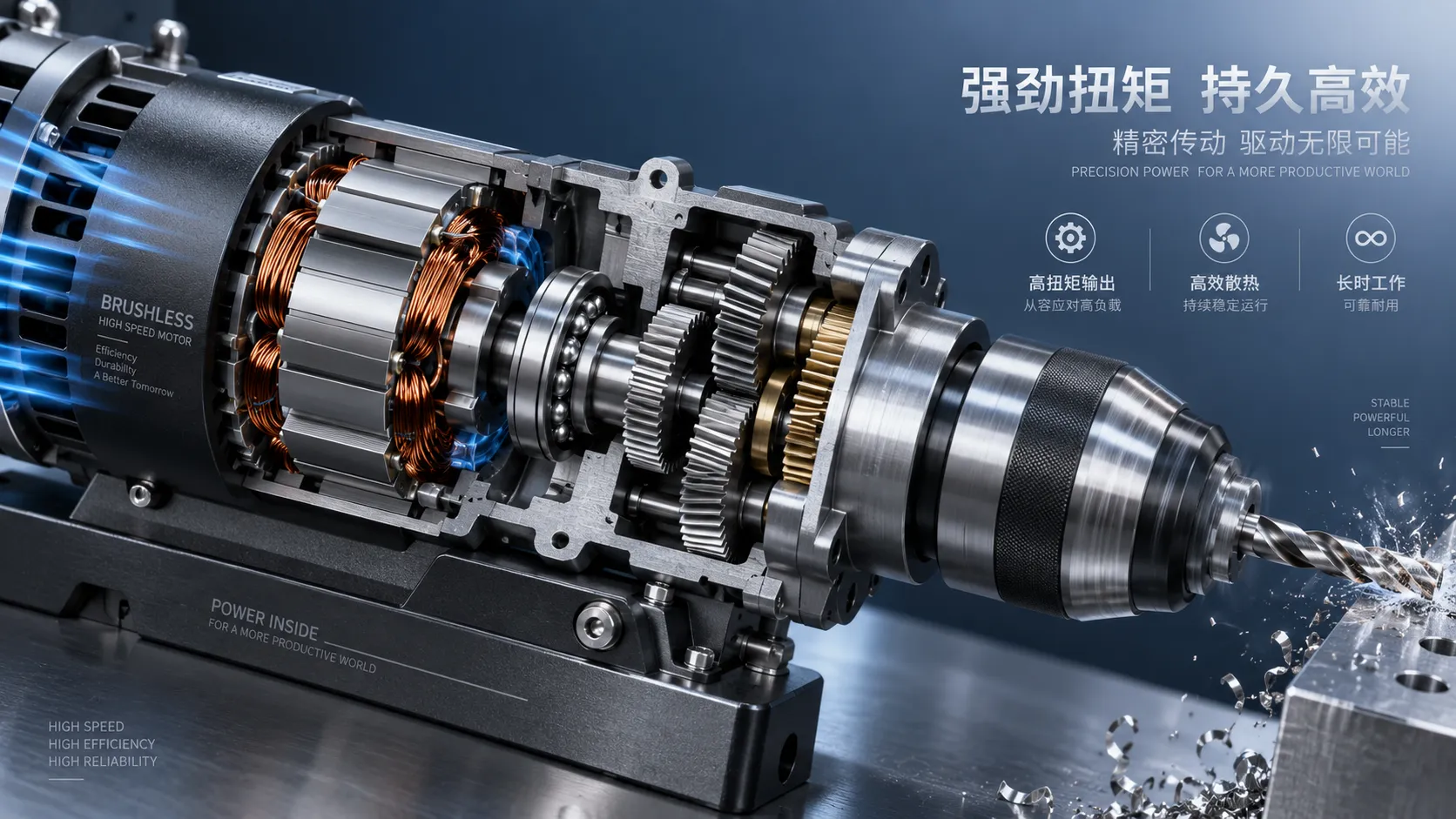
Selecting High-Speed Brushless Tool Motors for Torque, Heat, and Duty Cycle
High speed brushless tool motors: learn how to balance torque, heat, gearing, and duty cycle for reliable industrial tool performance and longer service life.
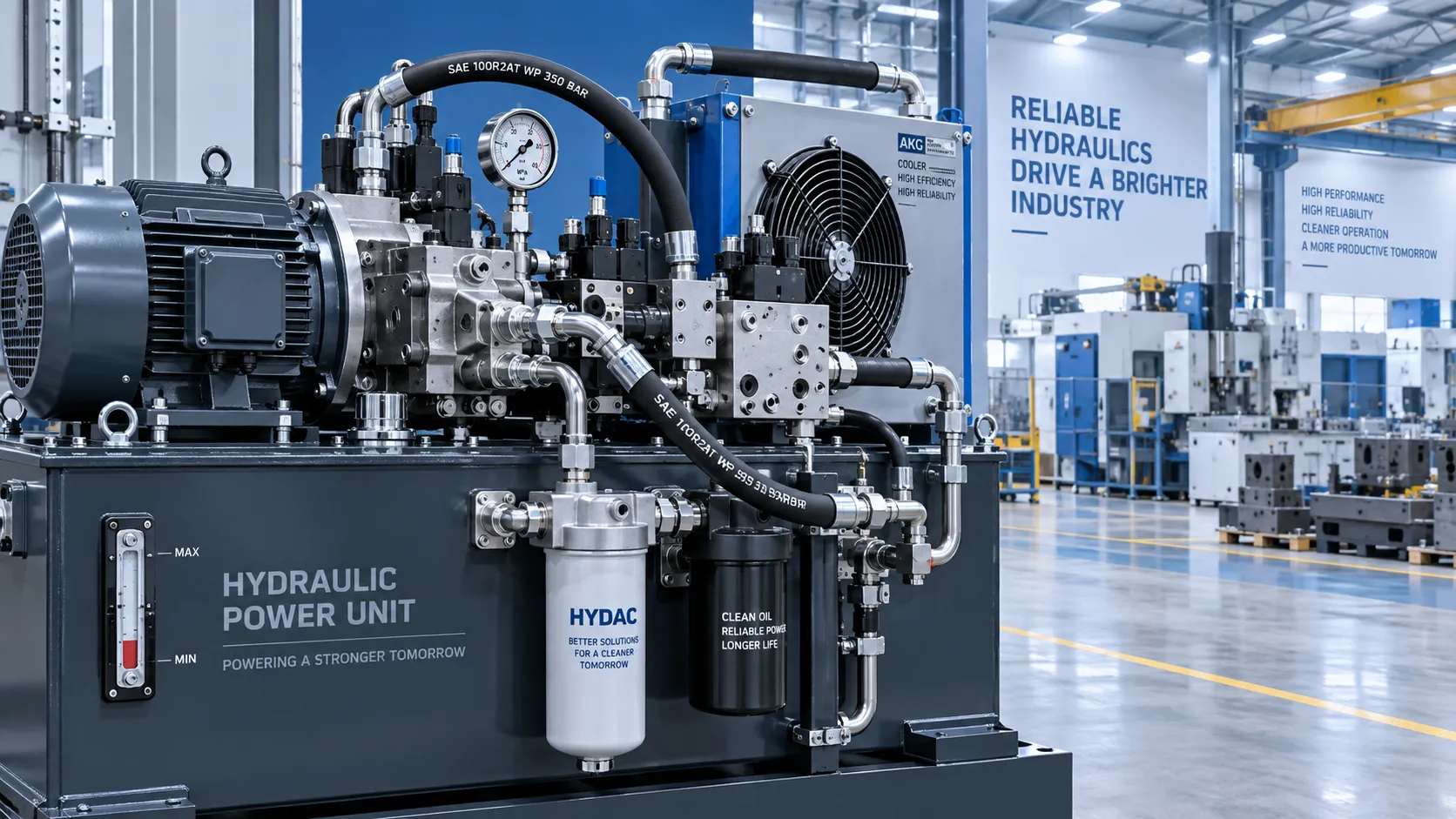
What Determines Industrial Hydraulic System Price for Heavy-Duty Equipment?
Industrial hydraulic system price depends on duty cycle, pressure, components, cooling, and integration. Compare quotes intelligently to secure reliable heavy-duty performance.
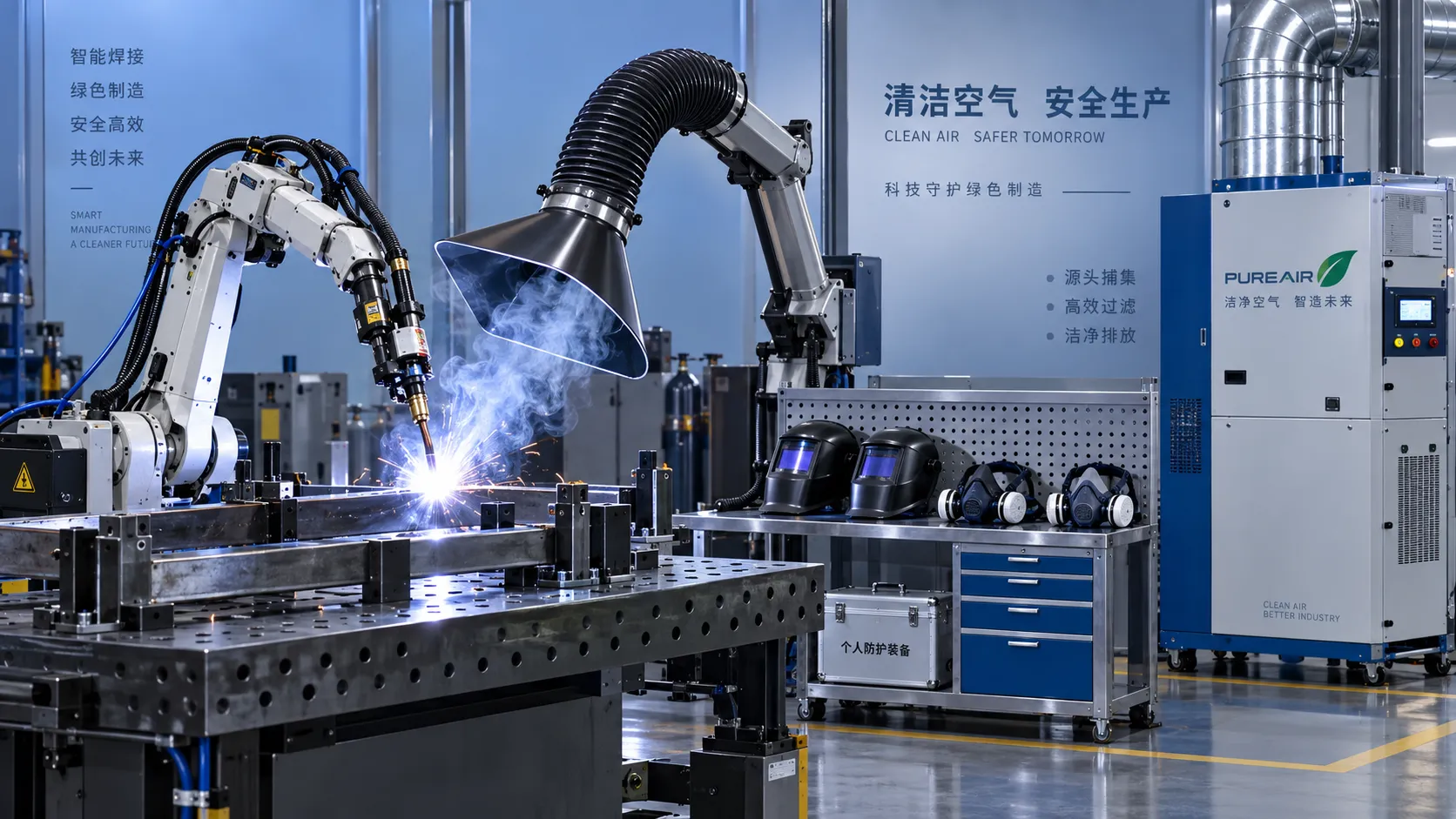
Welding Fume Extraction PPE: When Respirators Are Not Enough for Shop Safety
Welding fume extraction PPE: learn why respirators alone fall short and how source capture, ventilation, and layered controls improve shop safety.
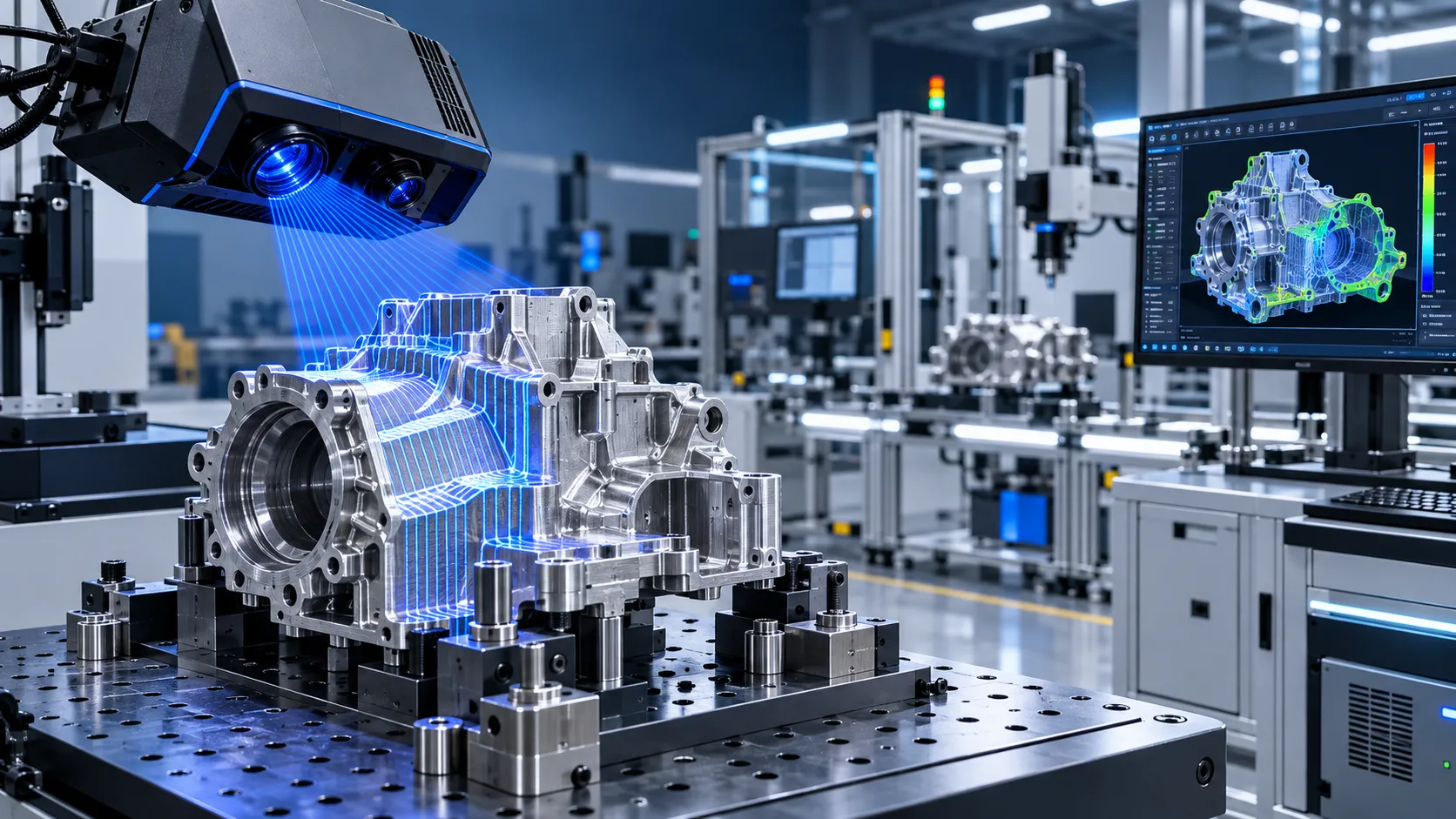
How to Select Optical Metrology Solutions for Tight-Tolerance Manufacturing
Optical industrial metrology solutions for tight-tolerance manufacturing: evaluate accuracy, surface compatibility, workflow, and traceability to select with confidence.
Related News
- 00
0000-00
Planning Access, Material Flow, and Clearance Around a 3200mm Sliding Saw - 00
0000-00
How to Select Vernier Precision Calipers for Tight-Tolerance Machining Inspection - 00
0000-00
How to Choose Metalworking Tools for Sheet Metal by Thickness and Forming Tasks - 00
0000-00
Metrology Technology Europe: Which Systems Improve Inspection Accuracy on the Line? - 00
0000-00
How to Choose Precision Measuring Instruments in North America for Tighter Tolerance Work
Metrology Fellow
Weekly Insights
Stay ahead with our curated technology reports delivered every Monday.