
Why industrial innovation is reshaping factory ROI





Industrial innovation is no longer a future theme. It now shapes factory ROI through faster cycles, lower waste, stronger traceability, and smarter capital allocation.
Across mixed industrial environments, industrial innovation connects tooling, welding, metrology, energy control, and digital workflows into one measurable value system.
For platforms like GPTWM, this shift matters because the last mile of manufacturing often decides profit, quality, and resilience.
When factories combine precision tools, intelligent joining, and data-led inspection, ROI improves not only through output growth, but through fewer hidden losses.
Why industrial innovation matters more in today’s factory scenarios
Factory economics have changed. Labor pressure, energy volatility, compliance demands, and shorter product cycles are squeezing traditional margins.
In this environment, industrial innovation is not a branding exercise. It is a practical response to operational complexity and financial uncertainty.
A manual line may still look productive on paper. Yet poor torque consistency, rework in welding, or delayed inspection can erase margins quietly.
The strongest ROI gains often appear where traditional craftsmanship meets intelligent tools. That is exactly where GPTWM focuses its intelligence stitching model.
Scenario signals that justify an innovation review
- Frequent rework in assembly or metal joining
- High variation between shifts or operators
- Inspection results arriving too late for correction
- Rising energy use without proportional output growth
- Customer audits requiring tighter traceability
- Export restrictions or standards changing sourcing choices
These signals reveal where industrial innovation can move from cost center perception to measurable ROI contribution.
Scenario 1: High-mix assembly lines need industrial innovation for stable output
High-mix production creates constant setup changes. That increases the risk of wrong torque, mismatched parts, and inconsistent sequence control.
In this scenario, industrial innovation works best through intelligent torque tools, connected work instructions, and in-line metrology checkpoints.
The key judgment point is not automation alone. It is whether each station can reduce variation while preserving flexibility.
What improves ROI in this scenario
- Digital torque validation reduces defect escape
- Guided assembly cuts training time
- Real-time measurement prevents batch-level scrap
- Traceable process data strengthens warranty defense
This is where industrial innovation turns operational discipline into direct margin protection.
Scenario 2: Welding-intensive operations gain ROI through safer, smarter process control
Metal joining remains a major source of quality cost. Heat distortion, operator fatigue, and inconsistent seam quality can damage throughput and reputation.
Industrial innovation in welding includes handheld laser welding safety systems, process monitoring, ergonomic torch design, and better shielding control.
The core judgment point is whether the process can raise speed without increasing downstream correction work.
Where value is created
Smarter welding reduces spatter, lowers finishing labor, and improves first-pass yield. Safety upgrades also reduce disruption risk and support compliance readiness.
For many factories, industrial innovation in joining does not replace craftsmanship. It protects it with more repeatable process windows.
Scenario 3: Precision inspection environments use industrial innovation to prevent hidden losses
Factories often underestimate the cost of slow or disconnected inspection. A delayed measurement report can allow defects to multiply across shifts.
Industrial innovation here means integrating precision metrology with production decisions, not treating inspection as a separate final gate.
The most important judgment point is response speed. Can the system detect drift early enough to avoid scrap accumulation?
Typical ROI effects
- Reduced rework through early deviation alerts
- Better machine capability insight
- Lower customer returns from dimensional failures
- Stronger confidence in global quality reporting
This use of industrial innovation supports both operational efficiency and commercial credibility.
Scenario 4: Energy-sensitive factories need industrial innovation beyond simple automation
Some factories automate aggressively but fail to improve ROI because energy intensity keeps rising. Output grows, but profit per unit does not.
Industrial innovation becomes valuable when equipment efficiency, brushless motor performance, and load-specific tool selection are reviewed together.
The judgment point is simple: does the upgrade reduce total conversion cost, not just labor dependency?
When energy data is linked with machine utilization and tool wear, industrial innovation reveals waste patterns that basic accounting misses.
How scenario needs differ when industrial innovation is applied
How to choose the right industrial innovation path for your factory reality
Not every factory needs the same upgrade sequence. The best industrial innovation roadmap starts with bottleneck economics, not technology fashion.
A practical adaptation checklist
- Map where value leaks happen: scrap, delay, warranty, energy, or downtime.
- Check whether variation comes from tools, method, material, or measurement timing.
- Prioritize industrial innovation projects with visible payback inside one operational cycle.
- Demand traceable metrics before and after implementation.
- Use intelligence on standards, export shifts, and sector demand before scaling investments.
GPTWM’s strategic intelligence approach is useful here because technology decisions rarely exist in isolation from supply, compliance, and market evolution.
Common misjudgments that weaken industrial innovation ROI
Many initiatives fail because factories buy advanced equipment without fixing process logic. Technology then amplifies existing inconsistency instead of removing it.
- Treating industrial innovation as equipment replacement only
- Ignoring metrology until final inspection
- Measuring output but not first-pass quality
- Separating safety investment from productivity strategy
- Overlooking operator ergonomics in tool performance
- Scaling digital tools without clear data ownership
Another mistake is using ROI models that exclude avoided losses. Industrial innovation often pays back by preventing defects that never become visible invoices.
The next move: turn industrial innovation into a measurable factory advantage
The real question is no longer whether industrial innovation matters. The question is which scenario inside the factory can unlock value fastest.
Start with one line, one process family, or one quality loss pattern. Measure baseline performance before changing tools, joining methods, or inspection logic.
Then connect operational data with sector intelligence. Raw material shifts, export rules, ergonomic trends, and demand structure all influence long-term ROI.
Industrial innovation delivers the strongest return when precision tools, intelligent welding, and metrology insights work as one system.
That is why factory ROI is being reshaped now. Better decisions are increasingly built on precision, visibility, and actionable industrial intelligence.
Related News
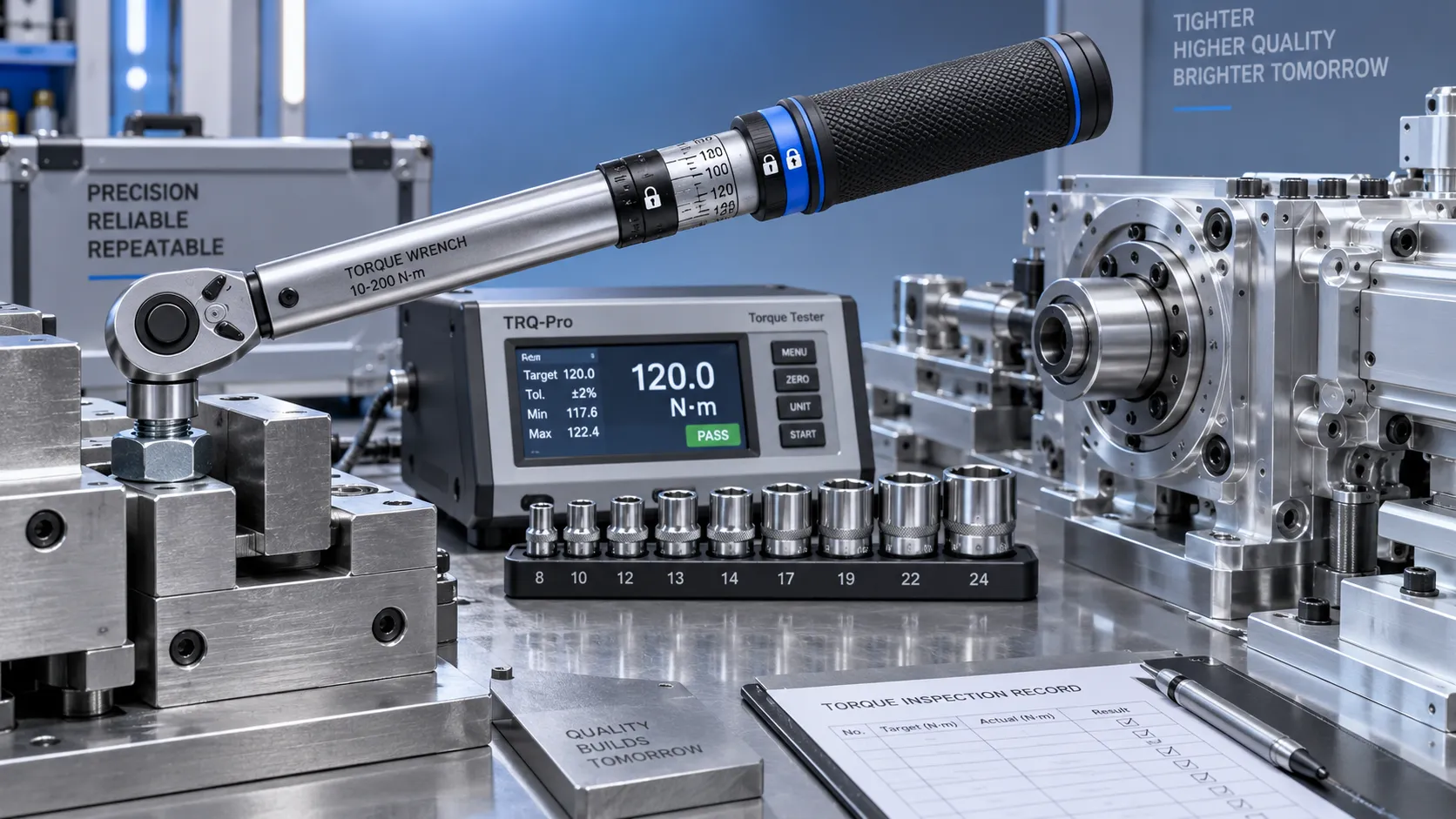
Selecting Adjustable Torque Tools for Repeatable Fastener Assembly
Adjustable torque tools: learn how to match range, accuracy, control methods, calibration, and ergonomics for repeatable, reliable fastener assembly.

How to Select Aerospace Inspection Tools for Aircraft Maintenance Tasks
Aerospace maintenance inspection tools: learn how to select reliable, traceable equipment for aircraft access, accuracy, calibration, and compliant maintenance decisions.

How to Select Wire Bonding Tools for Fine-Pitch Semiconductor Packaging
Explore semiconductor manufacturing tools for wire bonding and learn how to select precision solutions for fine-pitch packaging, reliable loops, accuracy, and yield.
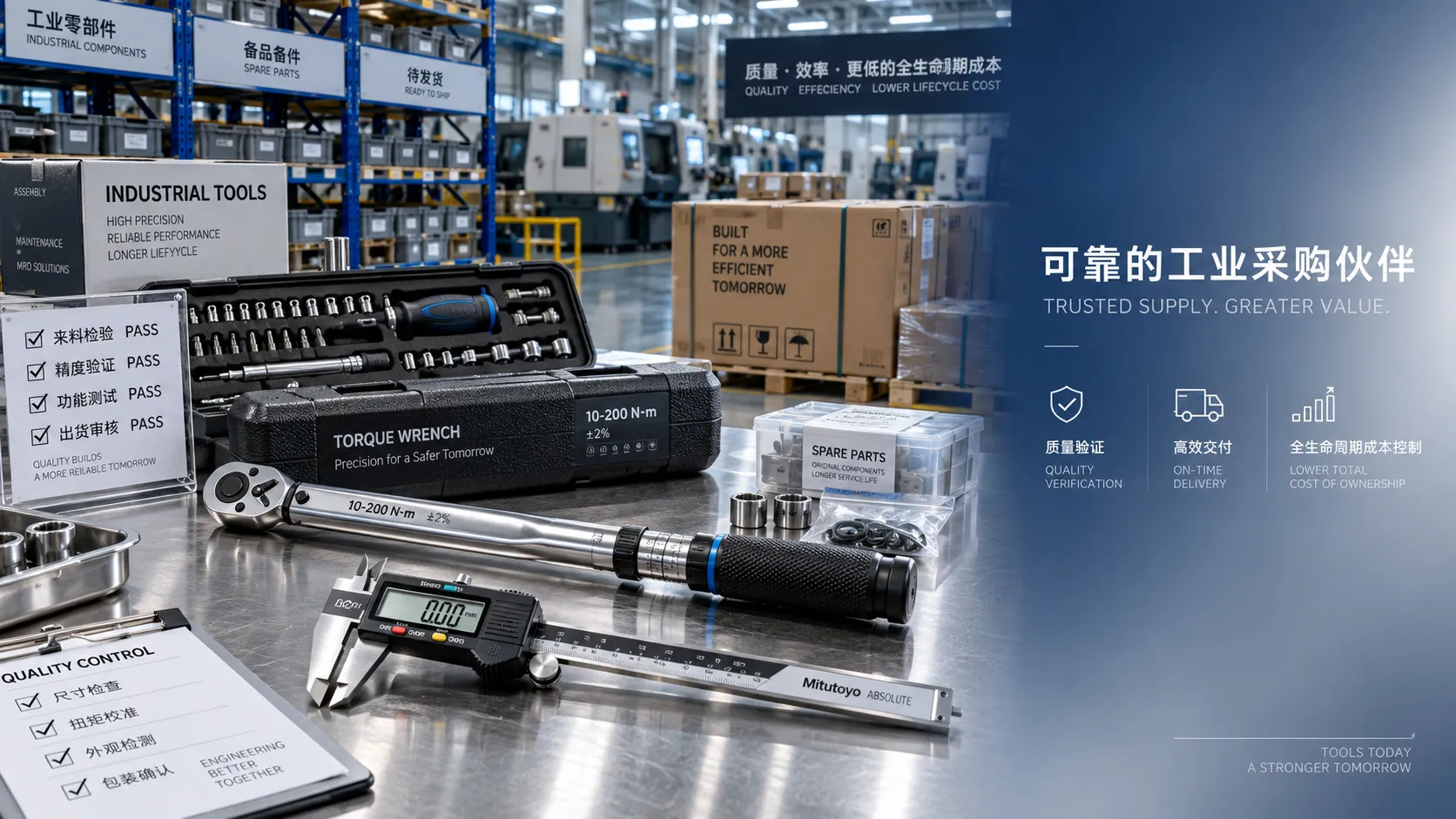
How to Compare Industrial Tool Suppliers for Quality, Lead Time, and Total Cost
Industrial tool selection supplier comparison made simple: evaluate quality, lead times, total cost, service, and supply resilience for confident sourcing decisions.
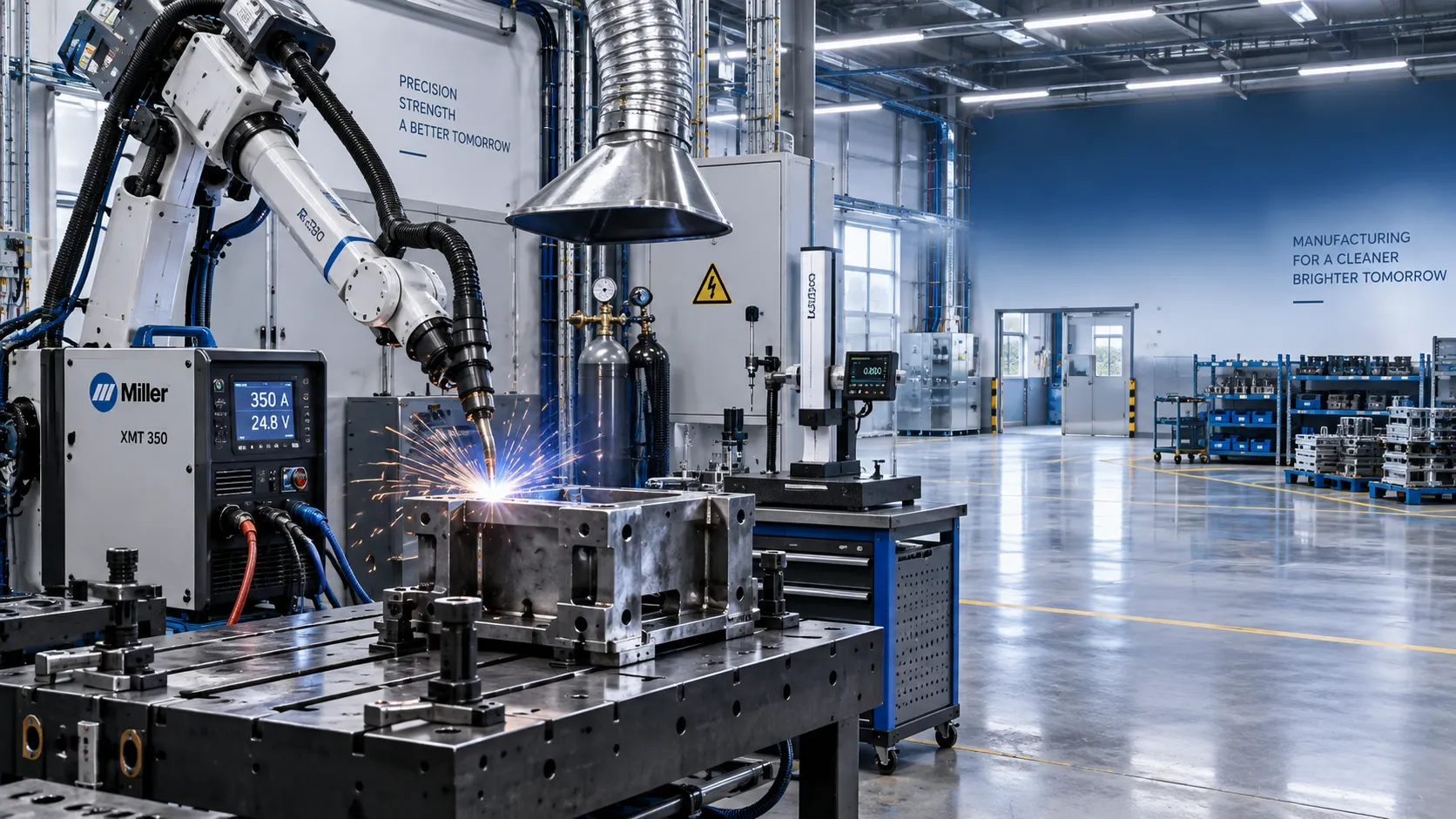
Industrial Equipment Application Guidance: Match Machines to Operating Conditions
Application guidance industrial equipment: match capacity, duty cycle, materials, site conditions, safety, and lifecycle cost to improve reliable output. Read the guide.
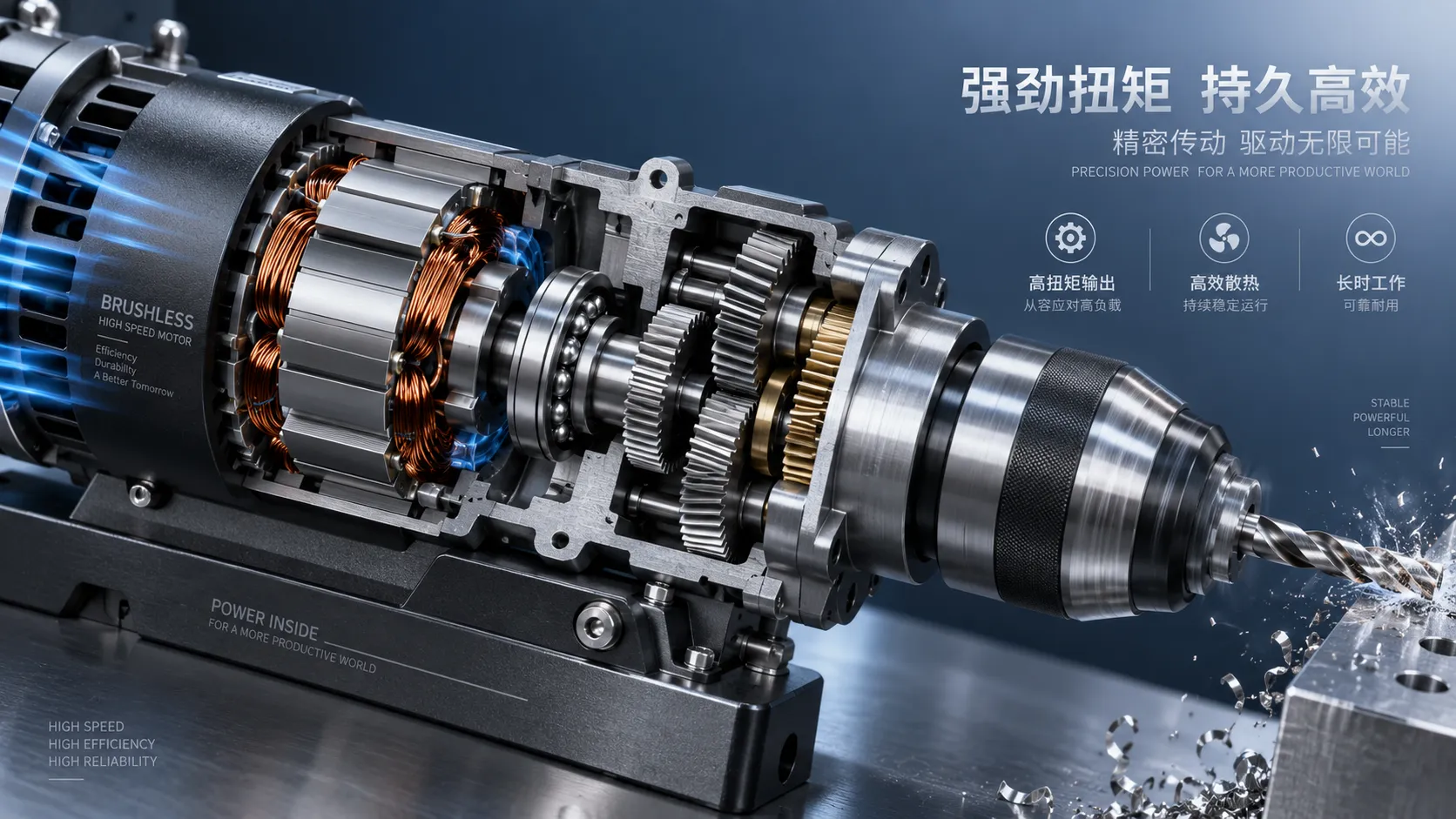
Selecting High-Speed Brushless Tool Motors for Torque, Heat, and Duty Cycle
High speed brushless tool motors: learn how to balance torque, heat, gearing, and duty cycle for reliable industrial tool performance and longer service life.
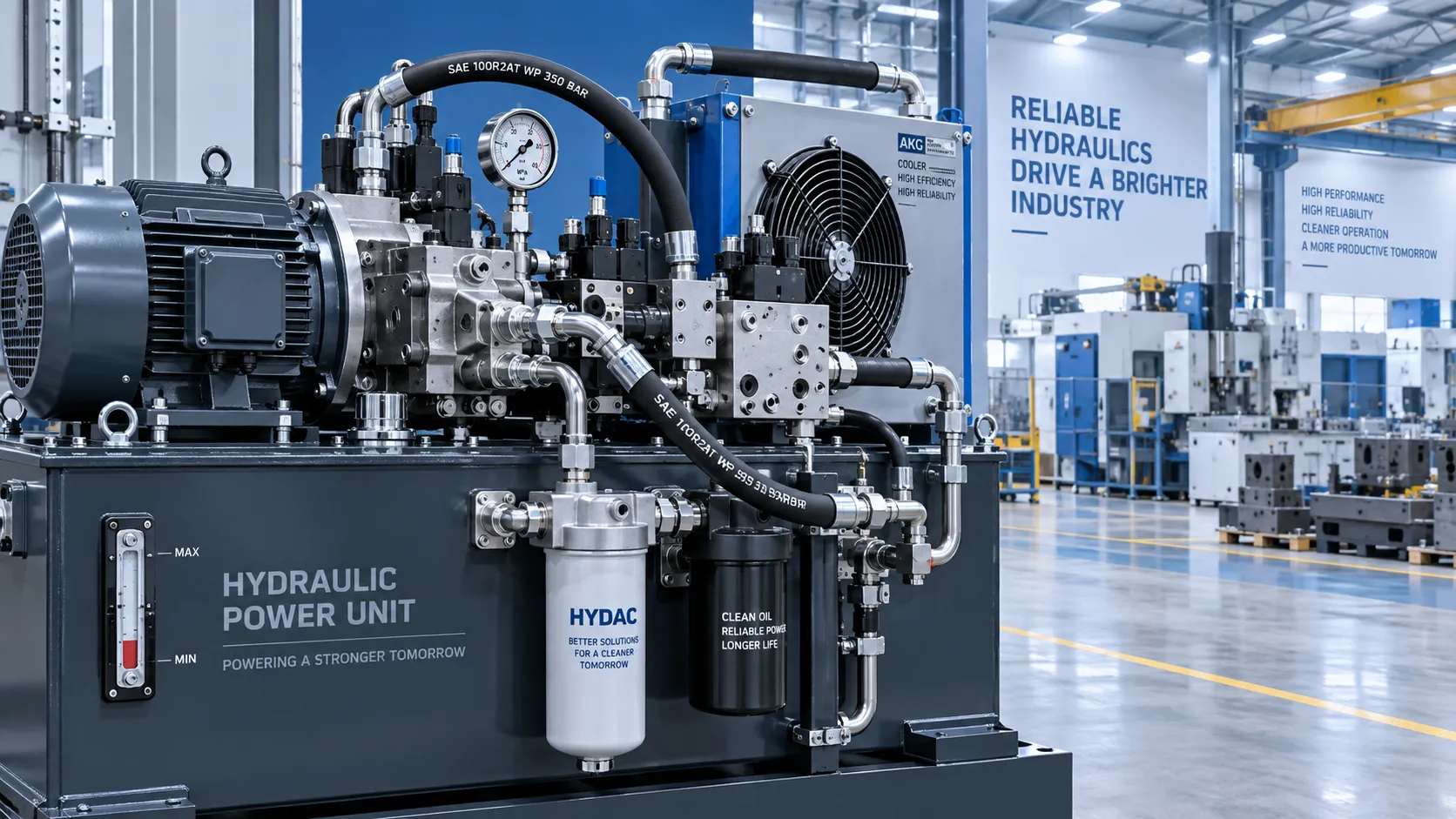
What Determines Industrial Hydraulic System Price for Heavy-Duty Equipment?
Industrial hydraulic system price depends on duty cycle, pressure, components, cooling, and integration. Compare quotes intelligently to secure reliable heavy-duty performance.
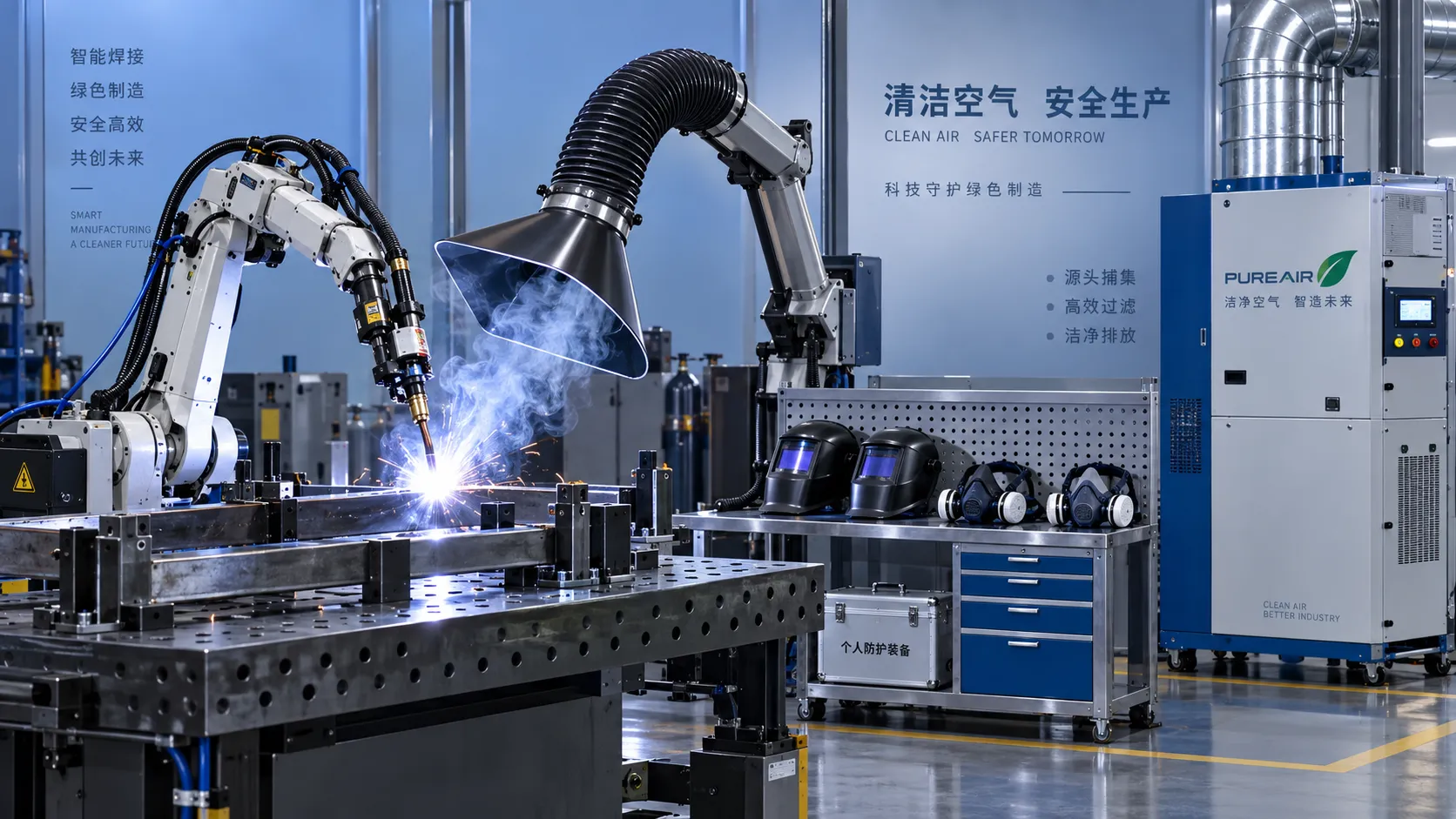
Welding Fume Extraction PPE: When Respirators Are Not Enough for Shop Safety
Welding fume extraction PPE: learn why respirators alone fall short and how source capture, ventilation, and layered controls improve shop safety.
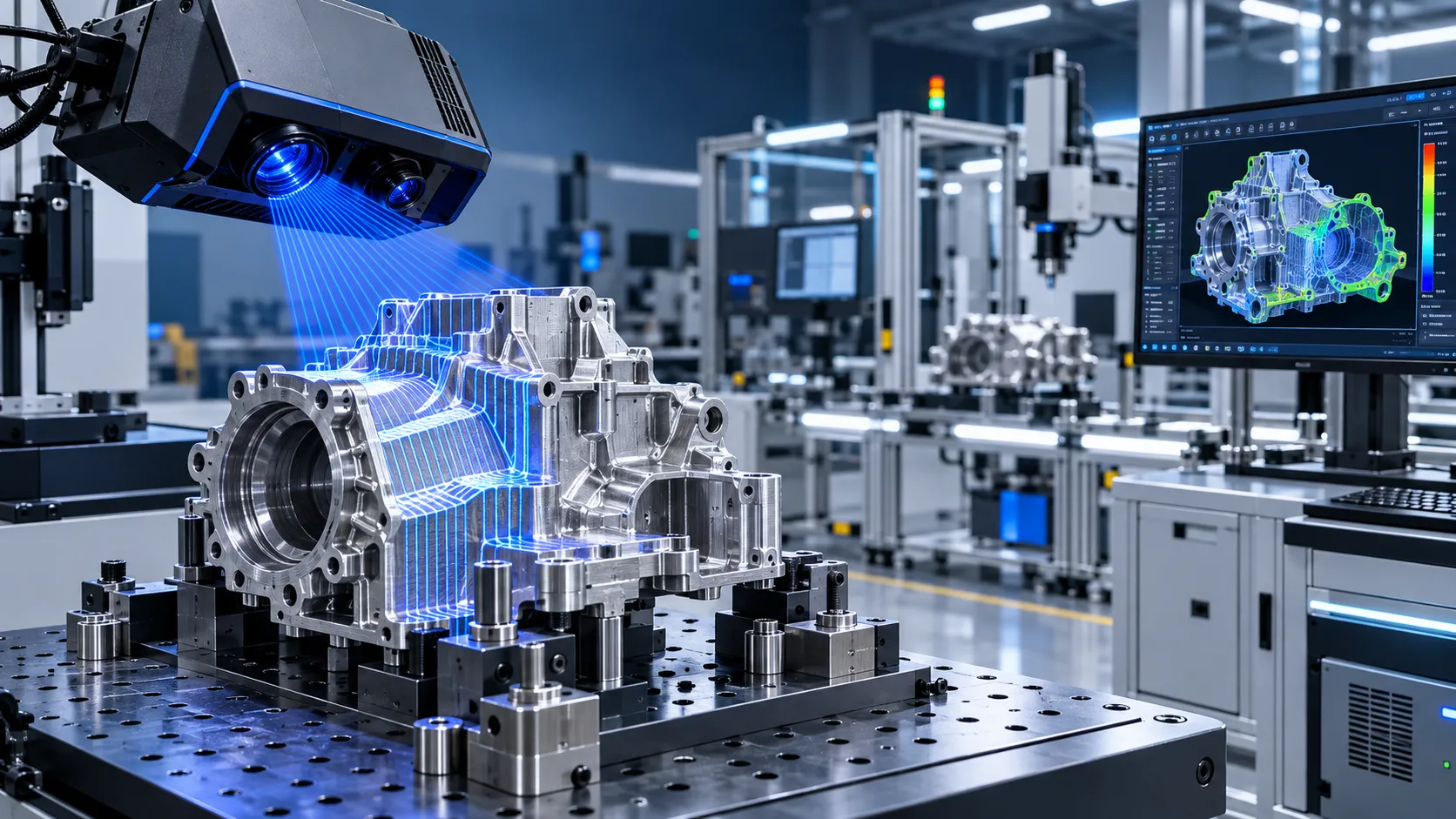
How to Select Optical Metrology Solutions for Tight-Tolerance Manufacturing
Optical industrial metrology solutions for tight-tolerance manufacturing: evaluate accuracy, surface compatibility, workflow, and traceability to select with confidence.
Related News
- 00
0000-00
How Middle East Manufacturers Can Improve Production Efficiency Under Heat and Labor Constraints - 00
0000-00
Why Are Specification-Oriented Articles Gaining Traction in Europe’s B2B Markets? - 00
0000-00
Industrial Solutions in Latin America: Key Growth Sectors and Market Entry Risks - 00
0000-00
What Is Driving Manufacturing Efficiency in Europe’s Industrial Sectors? - 00
0000-00
Industrial Market Trends in 2025: What Buyers Should Watch Across Supply and Demand
Dr. Alistair Vaughn
Weekly Insights
Stay ahead with our curated technology reports delivered every Monday.