
What industrial IoT solves before deployment begins





Before sensors, gateways, and dashboards arrive on site, industrial IoT already creates value by exposing what a project must solve first.
It reveals data gaps, asset limitations, network constraints, cybersecurity risks, and workflow conflicts that often stay hidden during early planning.
In complex industrial environments, this early visibility protects schedules, controls spending, and improves the chance that deployment delivers measurable performance.
For sectors covered by GPTWM, from assembly and welding to precision metrology and maintenance, industrial IoT is not only a connected technology stack.
It is a pre-deployment decision framework that clarifies readiness across machines, people, processes, and compliance expectations.
Industrial IoT as a pre-deployment readiness lens
Industrial IoT usually describes connected devices, machine data, edge systems, software platforms, and analytics used in industrial operations.
Yet before deployment begins, industrial IoT serves another role: it tests assumptions behind the future system.
A strong planning phase asks practical questions.
- Can existing equipment provide usable data?
- Do machine states follow consistent naming and logic?
- Will networks support stable and secure transmission?
- Are workflows ready to act on the insights produced?
- Do teams agree on the business outcome being measured?
When industrial IoT answers these questions early, deployment stops being a speculative technology investment.
It becomes an execution plan built on operational reality.
Current industry signals shaping industrial IoT planning
Across industrial sectors, pre-deployment planning has become more important because production systems are more connected, more customized, and more regulated.
The pressure is especially visible in precision tooling, metal joining, inspection, and field maintenance operations.
These signals show why industrial IoT planning now starts with operational discipline, not device shopping.
What industrial IoT solves before deployment begins
The strongest industrial IoT programs solve hidden readiness issues before installation begins.
That early work often determines whether a deployment scales smoothly or stalls after a pilot.
1. Data compatibility problems
Industrial IoT identifies whether machines output structured, readable, and relevant information.
Some assets report only simple run signals, while others generate rich process data with different formats and units.
Without early mapping, analytics later become unreliable.
2. Equipment readiness gaps
Not every machine is physically or logically ready for industrial IoT integration.
Controllers may lack open interfaces, sensors may be missing, and signal quality may be too unstable for useful monitoring.
Readiness reviews prevent unrealistic deployment assumptions.
3. Network and infrastructure constraints
Industrial IoT planning checks coverage, latency, bandwidth, environmental conditions, and power availability.
In welding cells, tool rooms, outdoor yards, or maintenance zones, physical interference can disrupt reliable communication.
Fixing infrastructure later is usually far more expensive.
4. Cybersecurity exposure
Industrial IoT expands the digital attack surface.
Pre-deployment assessment defines user roles, remote access rules, patch ownership, device authentication, and network segmentation.
This avoids security controls being added as costly afterthoughts.
5. Workflow misalignment
Industrial IoT only matters when insight leads to action.
If alerts do not fit maintenance routines or if quality data does not enter inspection decisions, connected systems create noise instead of value.
Workflow alignment should happen before configuration.
6. ROI ambiguity
Industrial IoT often fails when success criteria stay vague.
Early planning clarifies whether the target is lower downtime, better traceability, faster calibration, improved energy use, or safer operations.
Clear targets guide architecture choices.
Business value across industrial environments
Pre-deployment industrial IoT work creates value even before a single dashboard is launched.
It reduces avoidable redesign, shortens commissioning cycles, and raises confidence in scale-up decisions.
- Better budget control through realistic scope definition
- Faster deployment because interfaces are prevalidated
- Stronger data trust for quality, maintenance, and compliance use cases
- Lower integration risk across multiple vendors and legacy assets
- Improved internal alignment around performance objectives
For industrial assembly, welding, and metrology operations, this matters because process quality depends on repeatability, traceability, and timely response.
Industrial IoT helps secure those foundations before digital layers are added.
Typical pre-deployment industrial IoT scenarios
The same industrial IoT principle applies across different industrial contexts, but the readiness questions vary by process.
Practical recommendations before deployment
Industrial IoT preparation works best when it follows a disciplined sequence.
- Define one measurable business objective and one baseline for comparison.
- Map assets, protocols, signal types, and data owners.
- Check physical installation constraints, power sources, and network conditions.
- Document cybersecurity rules before selecting edge or cloud architecture.
- Align alerts, dashboards, and reports with real operational decisions.
- Run a limited validation scope before scaling across sites.
This sequence keeps industrial IoT grounded in process needs rather than abstract innovation goals.
It also supports stronger communication between operations, engineering, IT, and compliance functions.
A clear next step for industrial IoT execution
The most effective next step is not immediate full-scale deployment.
It is a structured readiness assessment focused on data, assets, infrastructure, security, and workflow response.
That approach turns industrial IoT into a practical operating strategy with fewer surprises and stronger long-term returns.
For organizations tracking industrial assembly, welding, inspection, and maintenance evolution, this early discipline is where digital performance truly begins.
Industrial IoT succeeds first by showing what must be solved before deployment starts.
Related News
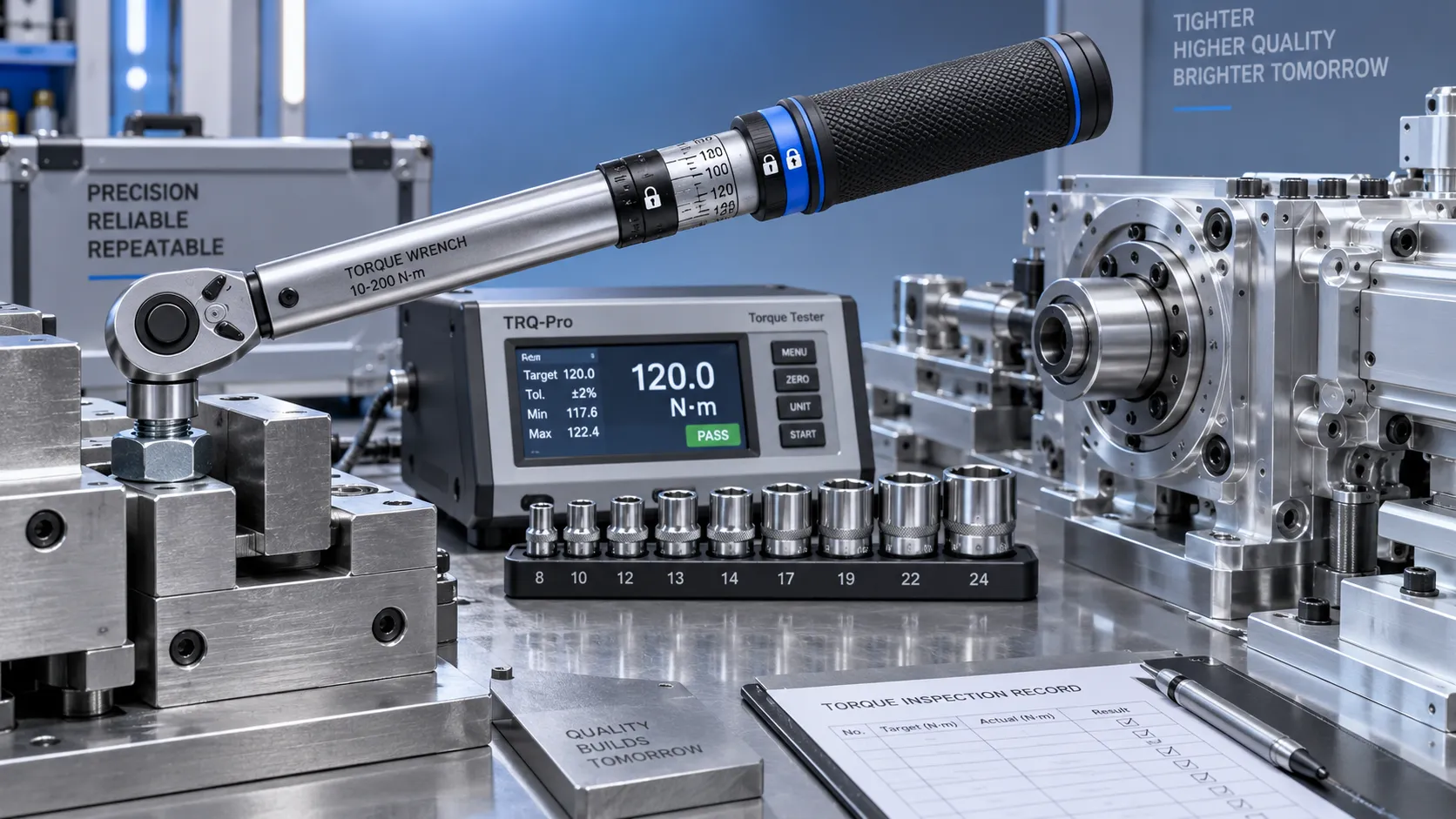
Selecting Adjustable Torque Tools for Repeatable Fastener Assembly
Adjustable torque tools: learn how to match range, accuracy, control methods, calibration, and ergonomics for repeatable, reliable fastener assembly.

How to Select Aerospace Inspection Tools for Aircraft Maintenance Tasks
Aerospace maintenance inspection tools: learn how to select reliable, traceable equipment for aircraft access, accuracy, calibration, and compliant maintenance decisions.

How to Select Wire Bonding Tools for Fine-Pitch Semiconductor Packaging
Explore semiconductor manufacturing tools for wire bonding and learn how to select precision solutions for fine-pitch packaging, reliable loops, accuracy, and yield.
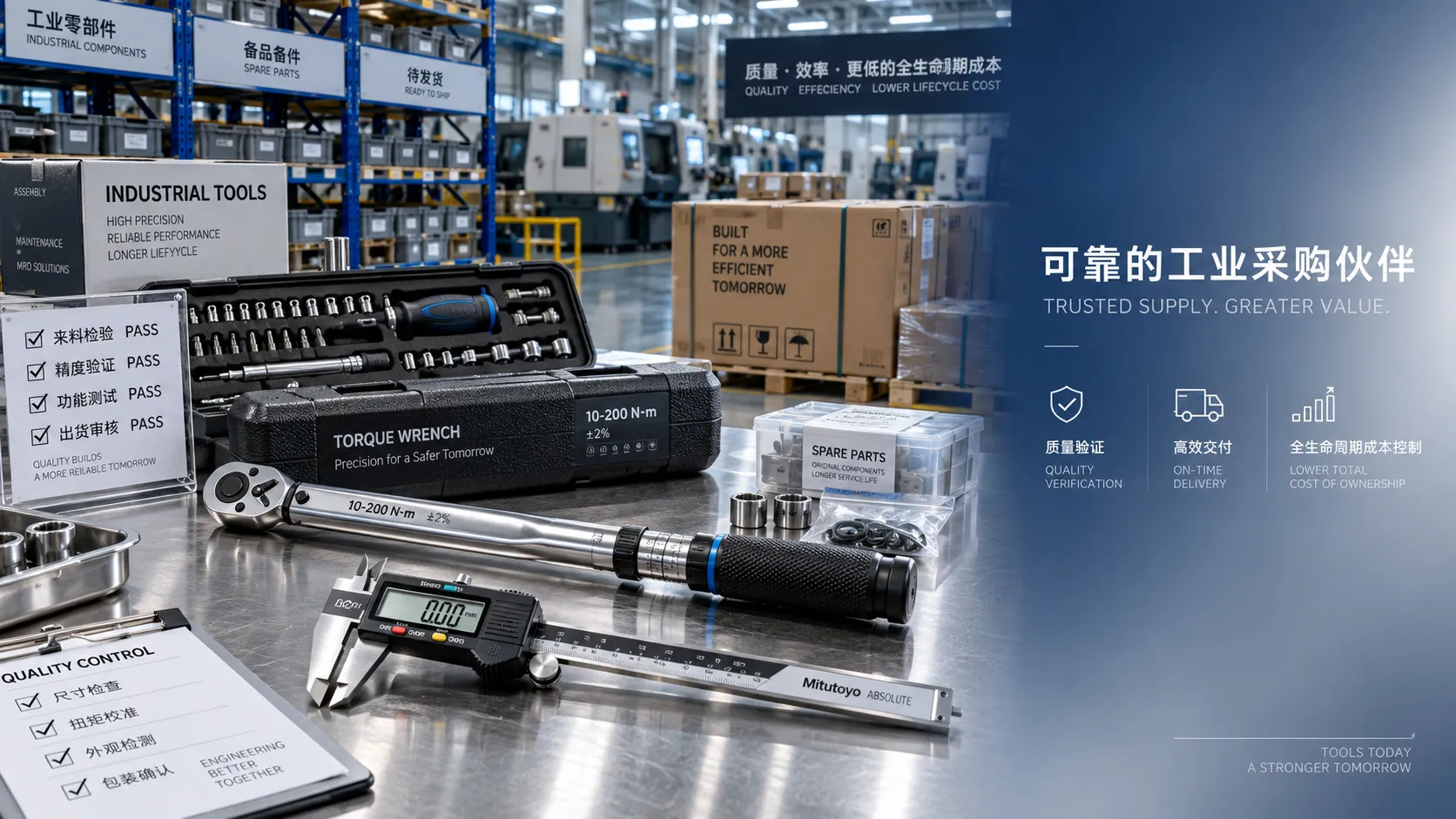
How to Compare Industrial Tool Suppliers for Quality, Lead Time, and Total Cost
Industrial tool selection supplier comparison made simple: evaluate quality, lead times, total cost, service, and supply resilience for confident sourcing decisions.
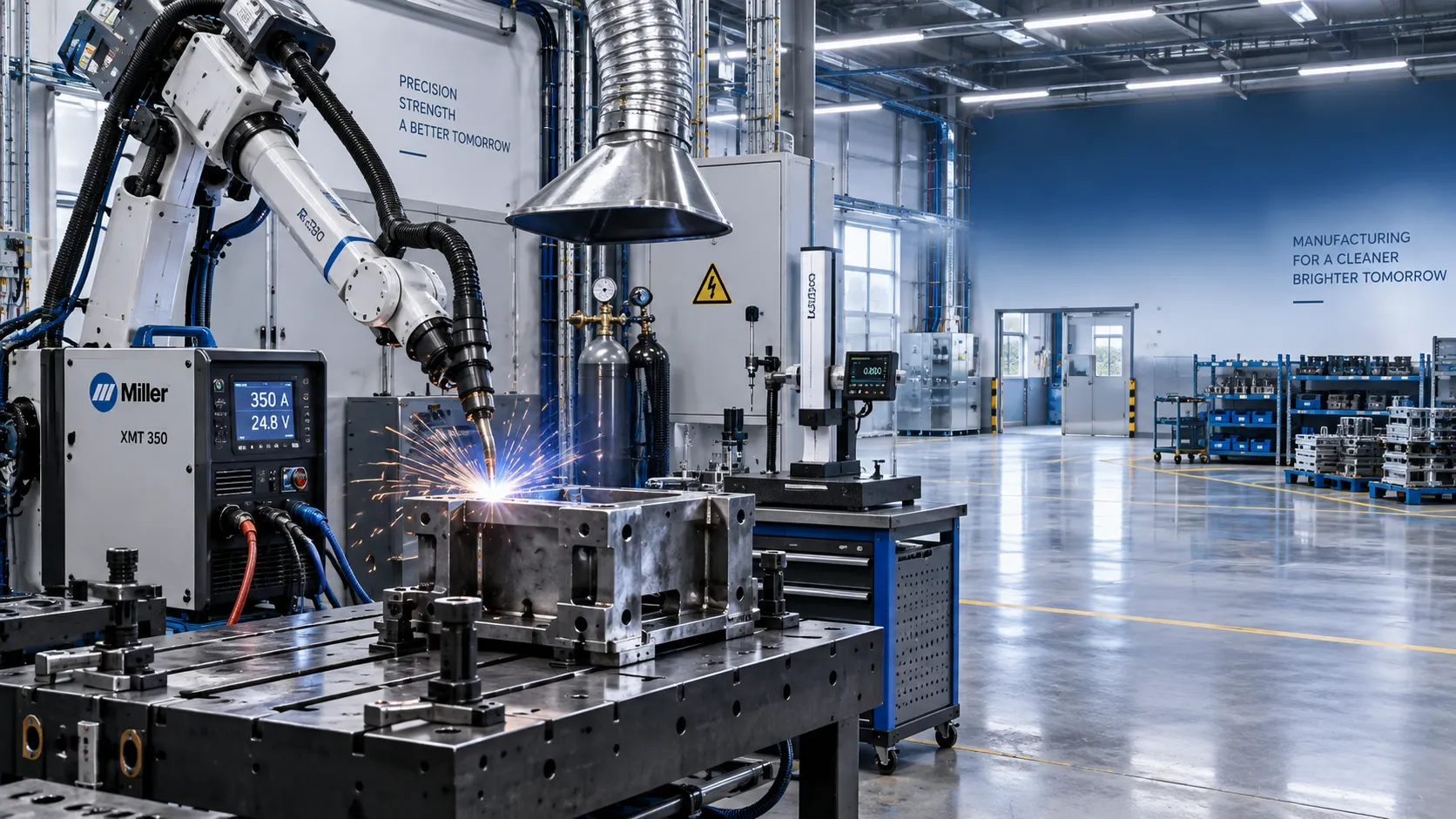
Industrial Equipment Application Guidance: Match Machines to Operating Conditions
Application guidance industrial equipment: match capacity, duty cycle, materials, site conditions, safety, and lifecycle cost to improve reliable output. Read the guide.
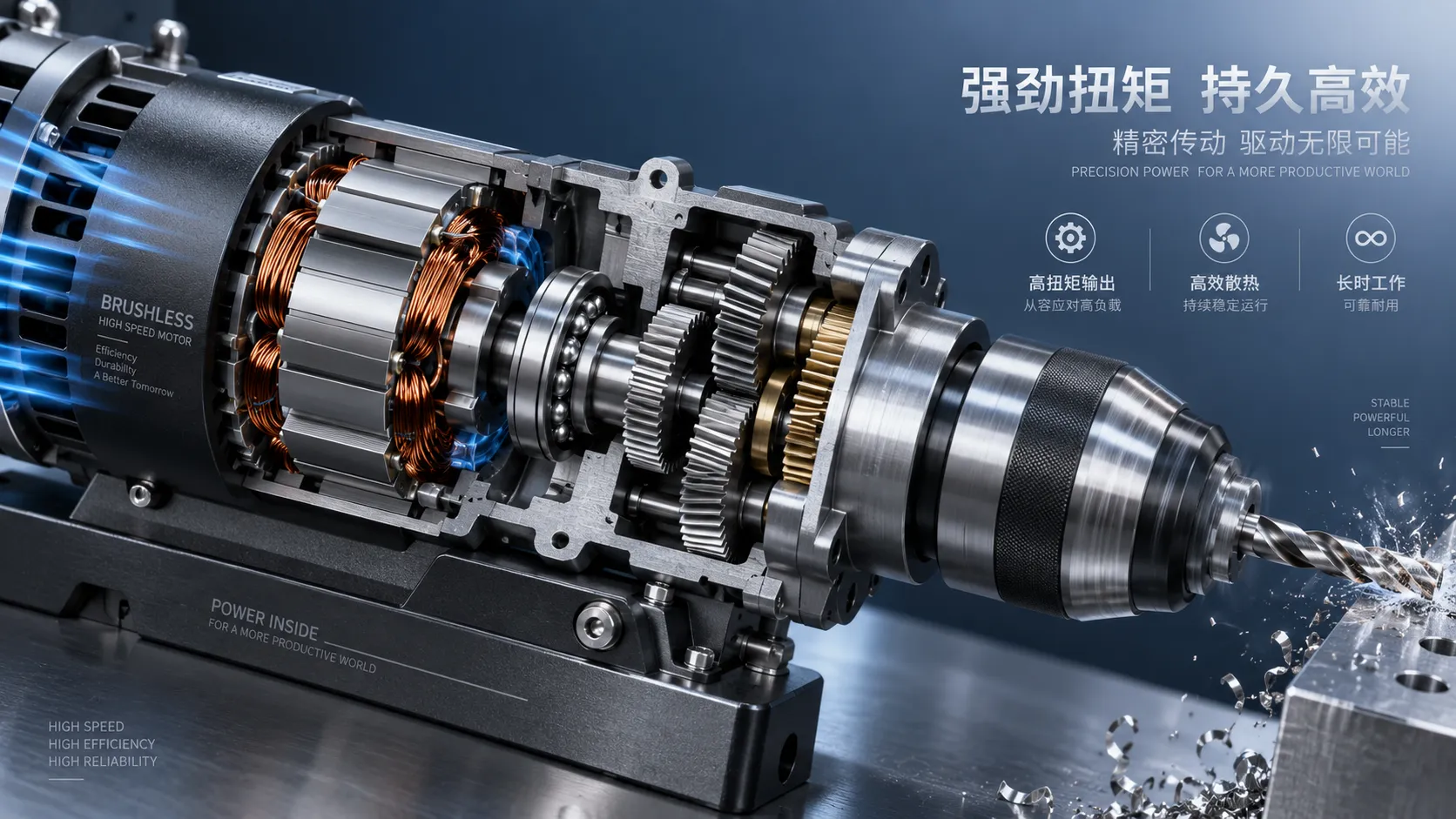
Selecting High-Speed Brushless Tool Motors for Torque, Heat, and Duty Cycle
High speed brushless tool motors: learn how to balance torque, heat, gearing, and duty cycle for reliable industrial tool performance and longer service life.
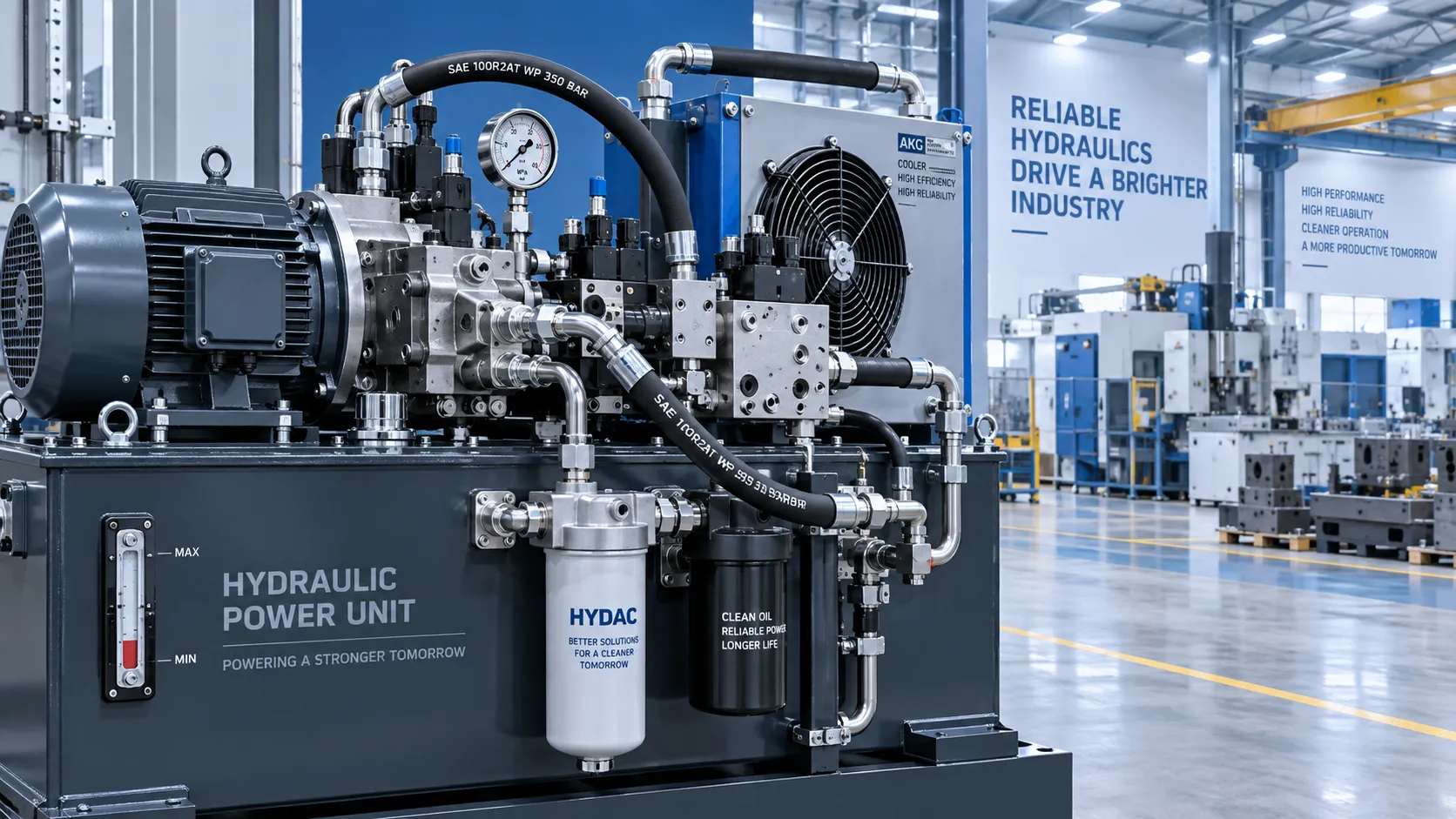
What Determines Industrial Hydraulic System Price for Heavy-Duty Equipment?
Industrial hydraulic system price depends on duty cycle, pressure, components, cooling, and integration. Compare quotes intelligently to secure reliable heavy-duty performance.
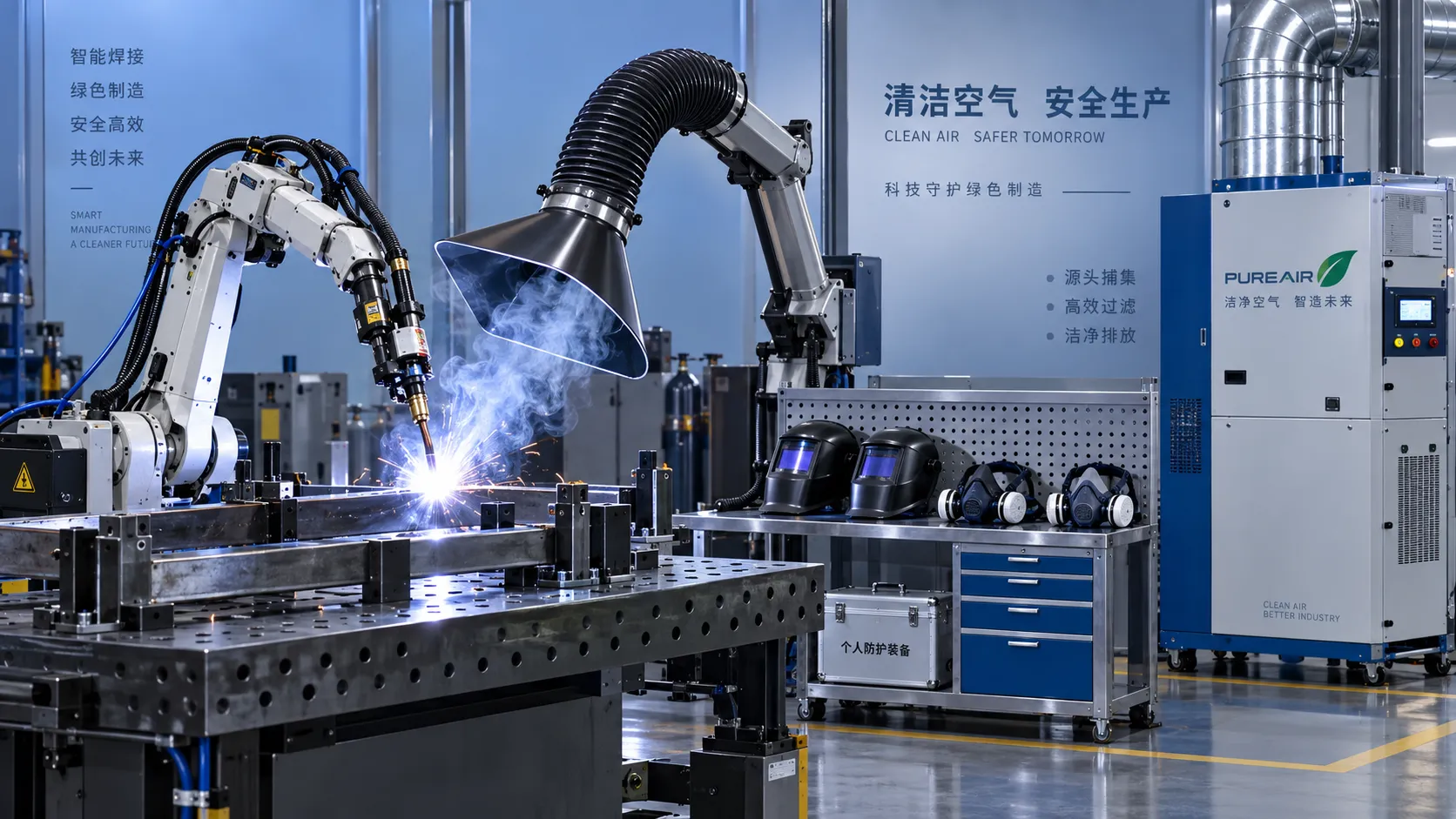
Welding Fume Extraction PPE: When Respirators Are Not Enough for Shop Safety
Welding fume extraction PPE: learn why respirators alone fall short and how source capture, ventilation, and layered controls improve shop safety.

How to Select Optical Metrology Solutions for Tight-Tolerance Manufacturing
Optical industrial metrology solutions for tight-tolerance manufacturing: evaluate accuracy, surface compatibility, workflow, and traceability to select with confidence.
Related News
- 00
0000-00
Selecting Adjustable Torque Tools for Repeatable Fastener Assembly - 00
0000-00
How to Select Aerospace Inspection Tools for Aircraft Maintenance Tasks - 00
0000-00
How to Select Wire Bonding Tools for Fine-Pitch Semiconductor Packaging - 00
0000-00
Industrial Equipment Application Guidance: Match Machines to Operating Conditions - 00
0000-00
Selecting High-Speed Brushless Tool Motors for Torque, Heat, and Duty Cycle
Prof. Marcus Chen
Weekly Insights
Stay ahead with our curated technology reports delivered every Monday.