
How to Choose Automation Industry Tools for Assembly, Inspection, and Material Handling





Choosing automation industry tools for assembly, inspection, and material handling is rarely a simple equipment decision. It affects throughput, defect rates, operator safety, maintenance planning, and how easily a production line can adapt when demand or product mix changes.
In many industrial settings, the best tools are not the most advanced on paper. They are the ones that fit the actual process, work reliably with existing systems, and support consistent results across shifts, sites, and supplier networks.
That is why automation industry tools now draw attention beyond engineering detail alone. Assembly accuracy, inspection traceability, and material flow resilience have become linked to cost control, compliance, and long-term project execution.
What automation industry tools really cover
The term automation industry tools includes more than robots or conveyor systems. It usually refers to the connected hardware, control elements, sensing devices, and software functions that help industrial tasks run with less variation and less manual intervention.
For assembly, this can mean electric torque tools, collaborative robots, feeders, screwdriving stations, and poka-yoke controls. For inspection, it often includes machine vision, laser measurement, gauges, sensors, and data capture platforms.
For material handling, the list expands to conveyors, AGVs, AMRs, lifts, smart racks, barcode systems, and load monitoring devices. Each category solves a different problem, yet all three areas influence one another in daily operations.
A poorly matched handling system can starve an assembly cell. Weak inspection capability can hide assembly variation. An overbuilt assembly platform can become expensive if upstream material delivery remains unstable.
Why selection matters more now
Industrial projects now face tighter lead times, frequent design revisions, labor pressure, and more visible quality expectations. Tool selection has become a strategic issue because mistakes are difficult to correct after line commissioning.
At the same time, standards and market signals keep shifting. Export restrictions, raw material cost changes, and safety requirements can alter the economics of a tool choice long after purchase approval.
This is where intelligence-led evaluation becomes practical. Platforms such as GPTWM track developments in industrial assembly, metal joining, and precision metrology, helping teams compare technical options against broader operational trends.
That perspective matters when deciding between brushless tool platforms, IoT torque systems, laser-based inspection, or automated handling architectures. The decision is no longer only about capacity. It is also about durability, compliance, and upgrade paths.
Start with the process, not the catalog
A common mistake is comparing automation industry tools by feature lists before mapping the production reality. A better approach starts with the process itself.
Clarify the production objective
Define whether the line needs speed, repeatability, flexibility, traceability, or safer handling of difficult materials. Most projects need all five, but one or two usually drive the business case.
Identify the real source of loss
Cycle delays may come from part presentation, not fastening. Inspection escapes may come from inconsistent lighting, not camera resolution. Material congestion may come from poor routing, not insufficient transport vehicles.
Set measurable requirements
Required torque range, tolerance band, payload, reach, takt time, data retention, and changeover duration should be quantified early. Without that baseline, vendors will optimize for demonstration, not for site reality.
How needs differ across assembly, inspection, and handling
Although these functions share infrastructure, the evaluation logic is not identical. The table below highlights where attention usually belongs.
This comparison also shows why single-point optimization often fails. A fast assembly station adds little value if inspection becomes the bottleneck or if handled materials arrive inconsistently.
Key criteria that separate strong choices from expensive mistakes
Integration quality
The most useful automation industry tools connect cleanly with PLCs, MES platforms, quality records, and maintenance systems. Data silos usually create hidden labor, delayed diagnosis, and weak traceability.
Scalability
A tool should support expected product changes, output increases, and additional stations. Flexible fixturing, modular controllers, and software-expandable functions often deliver better lifecycle value than oversized hardware.
Metrology confidence
Inspection tools need more than nominal accuracy. They need repeatability in plant conditions, clear calibration procedures, and dependable data history. GPTWM’s focus on precision metrology reflects how measurement quality shapes downstream confidence.
Safety and human interaction
Automation does not remove risk. It changes the risk profile. Handheld laser welding safety, guarding requirements, collaborative robot zones, and lifting interfaces all deserve attention before installation, not after incidents.
Serviceability
A technically strong system can still perform poorly if parts, firmware support, and troubleshooting expertise are difficult to access. Mean time to repair matters as much as mean time between failures in many facilities.
Typical decision patterns in real industrial environments
Across construction equipment, automotive systems, aerospace maintenance, and general fabrication, the same pattern appears. Tool choices succeed when they match process variation, not just nominal product design.
- High-mix assembly lines usually favor programmable fastening and flexible part presentation.
- Tight-tolerance production often prioritizes machine vision and precision measuring instruments.
- Heavy or awkward workpieces benefit from guided lifting, automated transfer, and load-aware handling controls.
- Sites with labor variability often gain from stronger error-proofing and guided work sequences.
These choices are especially relevant in the “last mile” of manufacturing, where small inconsistencies become visible defects, rework, or shipment delays. GPTWM’s intelligence model is useful here because it connects tool selection to operating conditions, market demand, and technology maturity.
Questions worth asking before approval
When comparing automation industry tools, a short list of practical questions often reveals more than a polished demonstration.
- What failure mode does this tool reduce, and how will that reduction be measured?
- Can the tool maintain performance under real dust, vibration, lighting, and shift conditions?
- How easily can new product variants be introduced without major downtime?
- Which standards, certifications, and safety rules apply in the target market?
- What data becomes available after installation, and who will use it?
- Does the vendor support calibration, software updates, and local service response?
These questions shift the discussion from broad promises to operational evidence. They also help balance short-term purchase price against long-term reliability and process control.
Building a stronger selection framework
A reliable framework usually combines technical fit, economic logic, and external intelligence. Internal process mapping explains what the site needs. Supplier comparison shows what the market offers. Sector monitoring reveals what may change next.
That last point is often underestimated. Brushless motor limits, intelligent torque control adoption, calibration demands, and export-related compliance rules can all influence the useful life of automation industry tools.
Using a source such as GPTWM can support that evaluation without turning the process into marketing noise. Its value lies in combining manufacturing intelligence, metrology insight, and commercial trend analysis in one decision context.
The next step is usually straightforward: map the process losses, rank the critical parameters, compare candidate tools against real operating constraints, and review the choice against evolving industry signals before final commitment.
That approach leads to better assembly consistency, more trustworthy inspection, and smoother material handling without overengineering the line. In practice, the right automation industry tools are the ones that keep performance stable when production reality becomes less predictable.
Related News
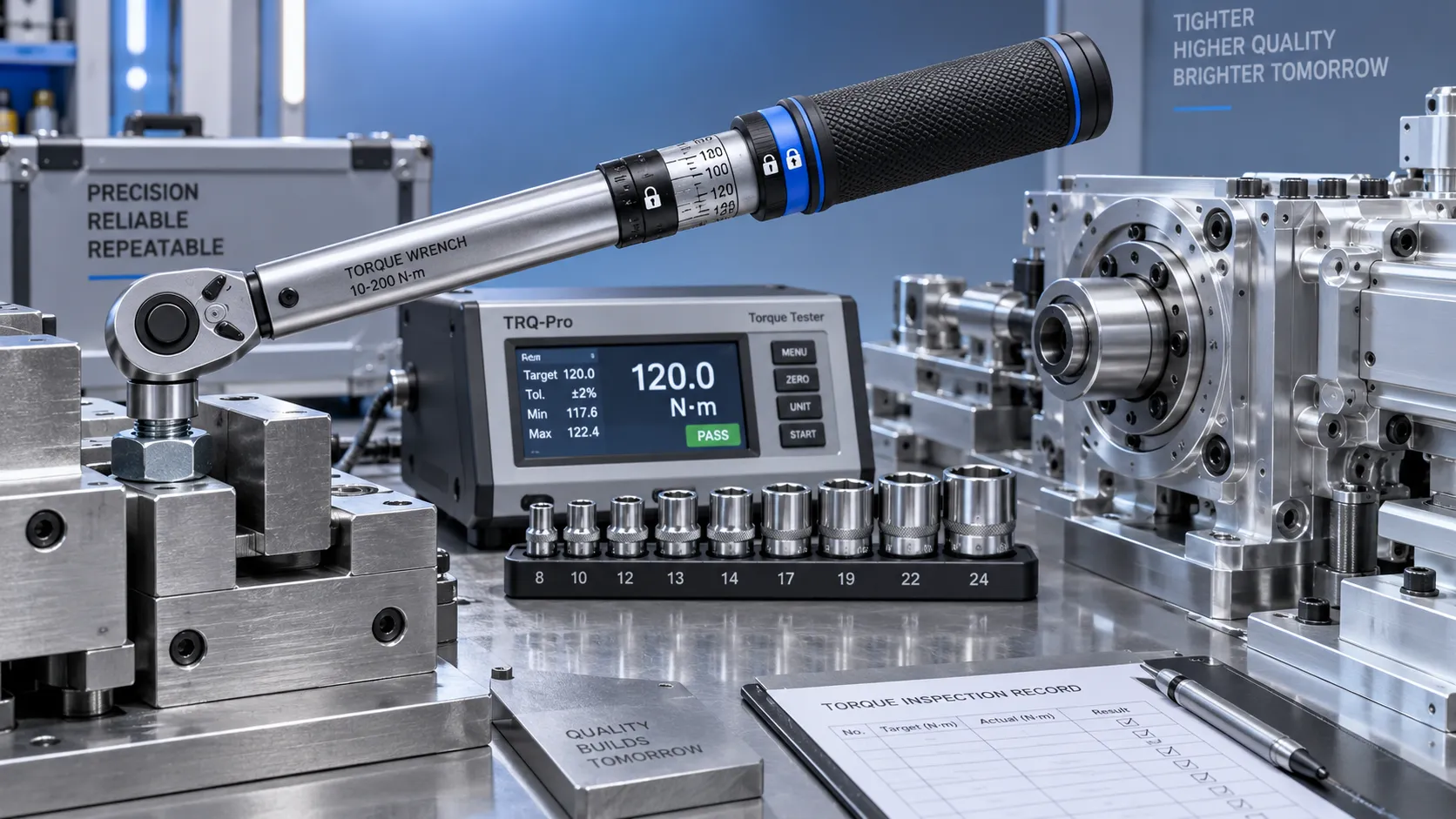
Selecting Adjustable Torque Tools for Repeatable Fastener Assembly
Adjustable torque tools: learn how to match range, accuracy, control methods, calibration, and ergonomics for repeatable, reliable fastener assembly.

How to Select Aerospace Inspection Tools for Aircraft Maintenance Tasks
Aerospace maintenance inspection tools: learn how to select reliable, traceable equipment for aircraft access, accuracy, calibration, and compliant maintenance decisions.

How to Select Wire Bonding Tools for Fine-Pitch Semiconductor Packaging
Explore semiconductor manufacturing tools for wire bonding and learn how to select precision solutions for fine-pitch packaging, reliable loops, accuracy, and yield.
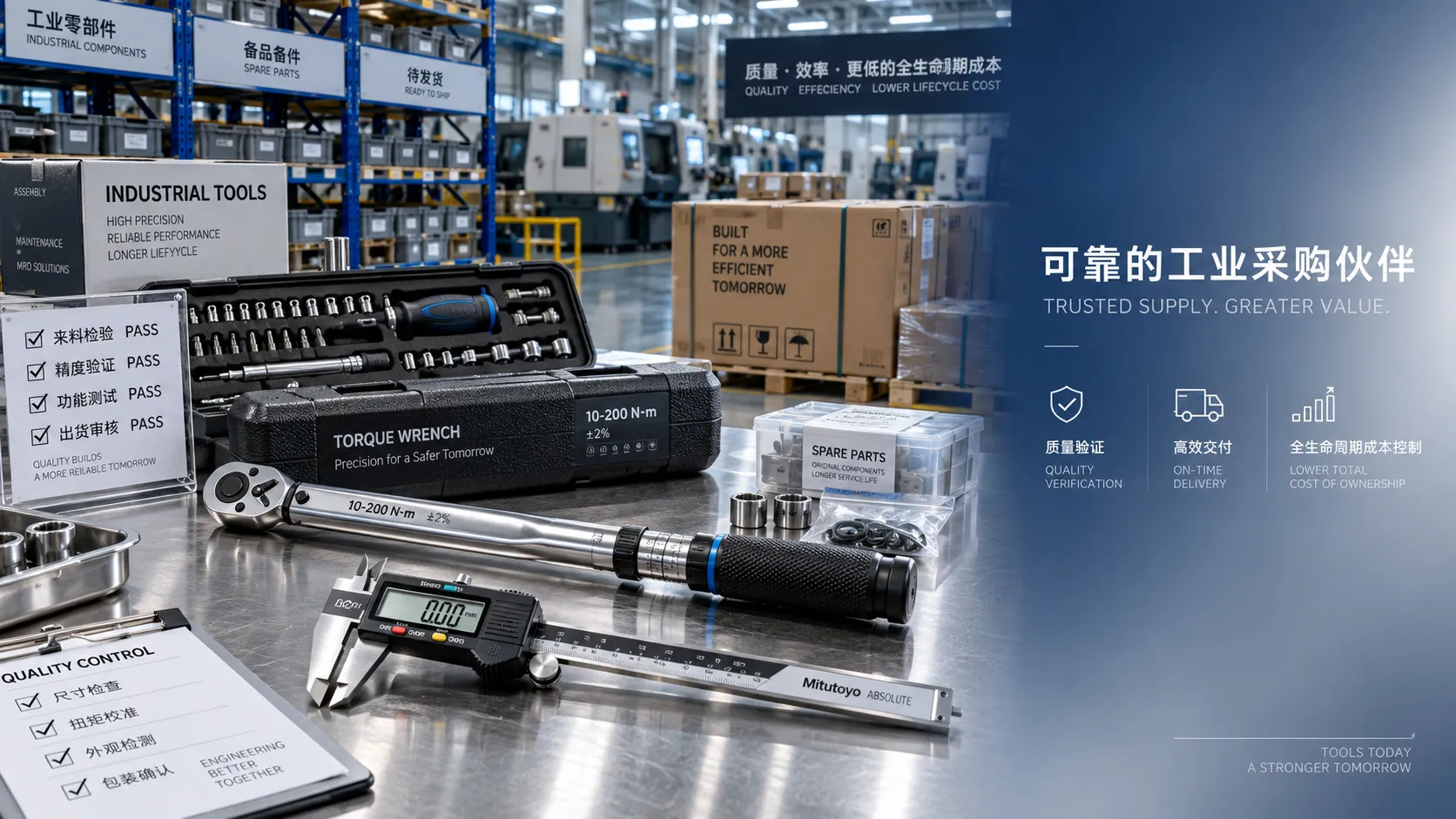
How to Compare Industrial Tool Suppliers for Quality, Lead Time, and Total Cost
Industrial tool selection supplier comparison made simple: evaluate quality, lead times, total cost, service, and supply resilience for confident sourcing decisions.
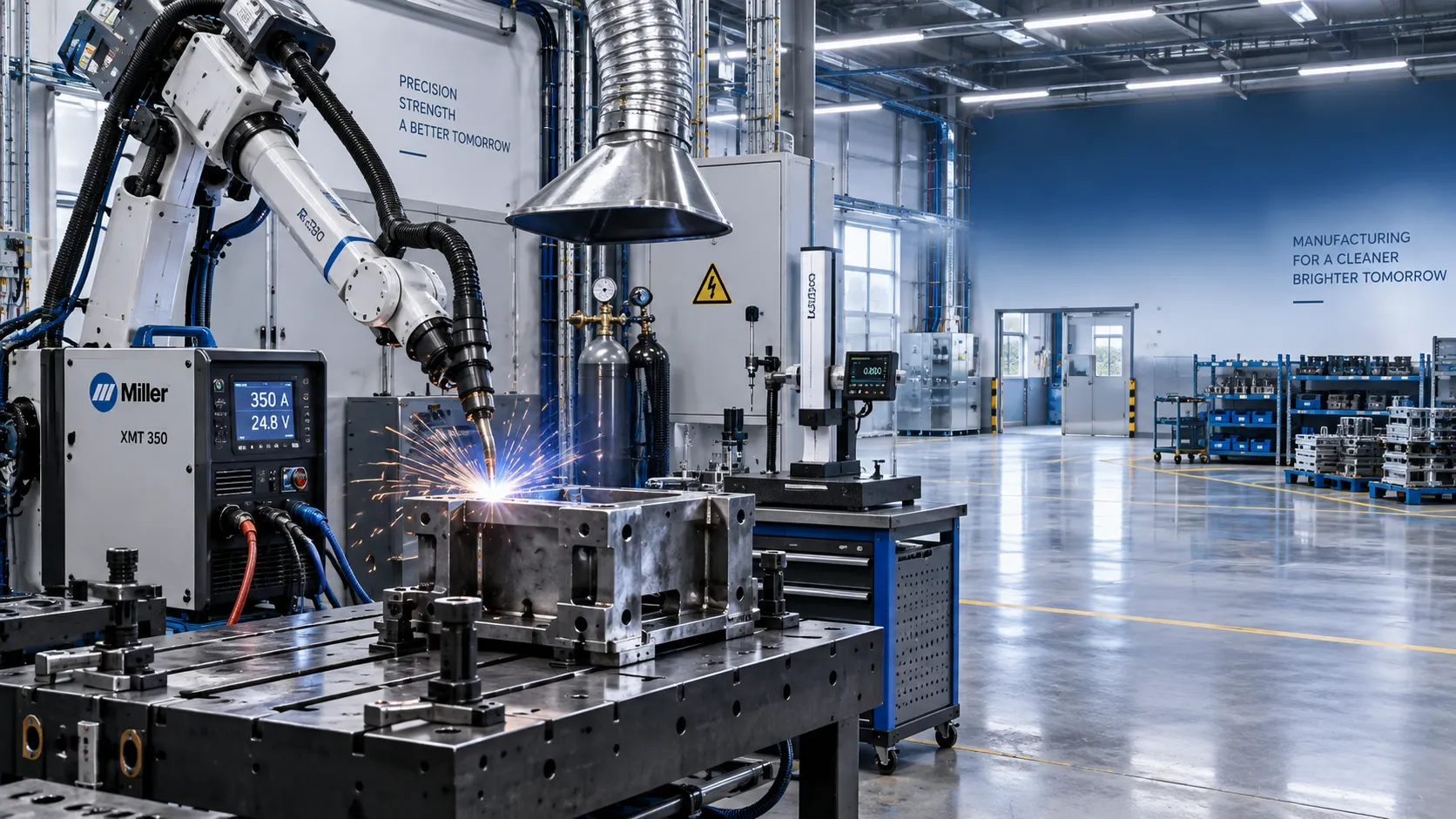
Industrial Equipment Application Guidance: Match Machines to Operating Conditions
Application guidance industrial equipment: match capacity, duty cycle, materials, site conditions, safety, and lifecycle cost to improve reliable output. Read the guide.
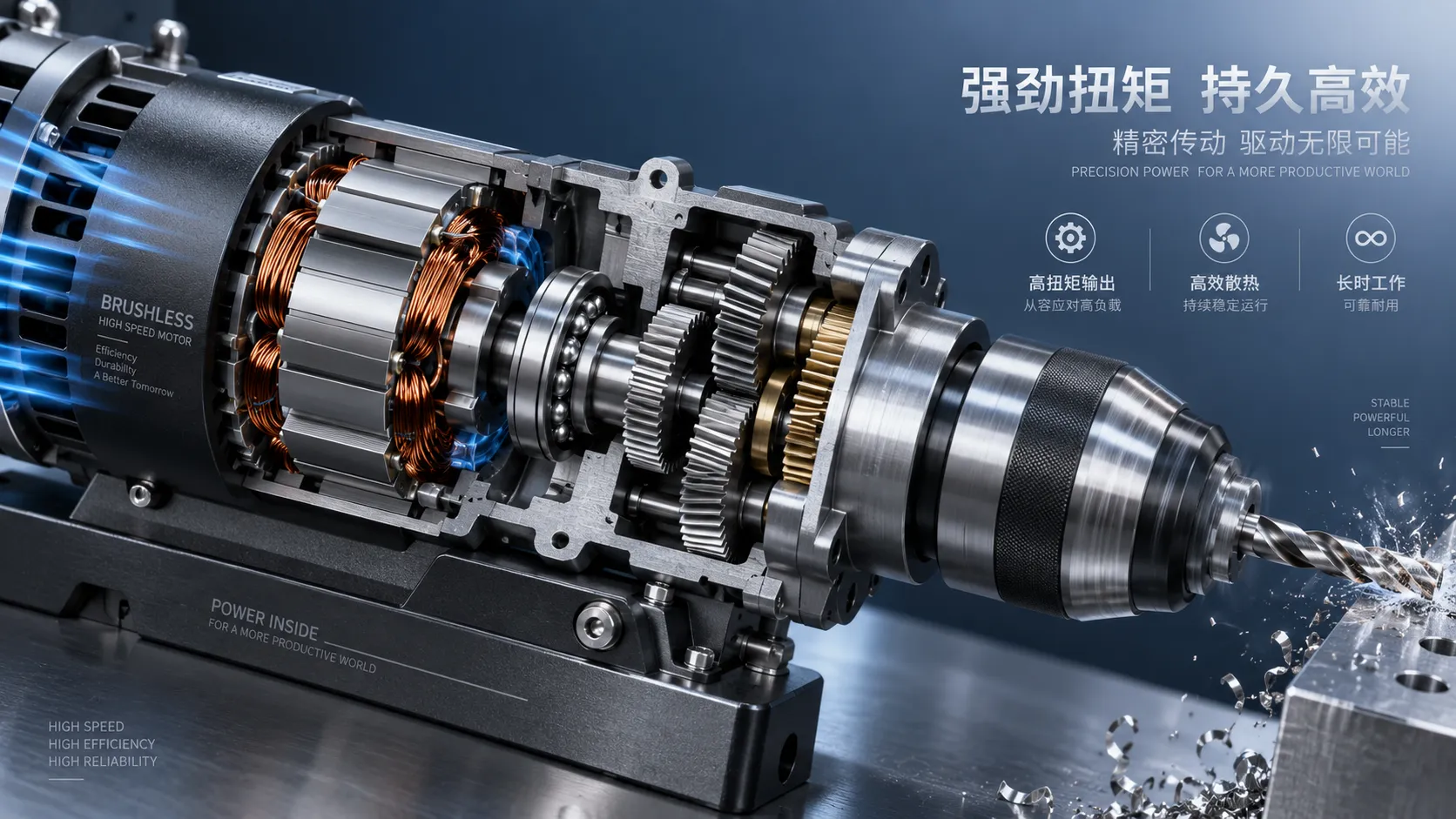
Selecting High-Speed Brushless Tool Motors for Torque, Heat, and Duty Cycle
High speed brushless tool motors: learn how to balance torque, heat, gearing, and duty cycle for reliable industrial tool performance and longer service life.
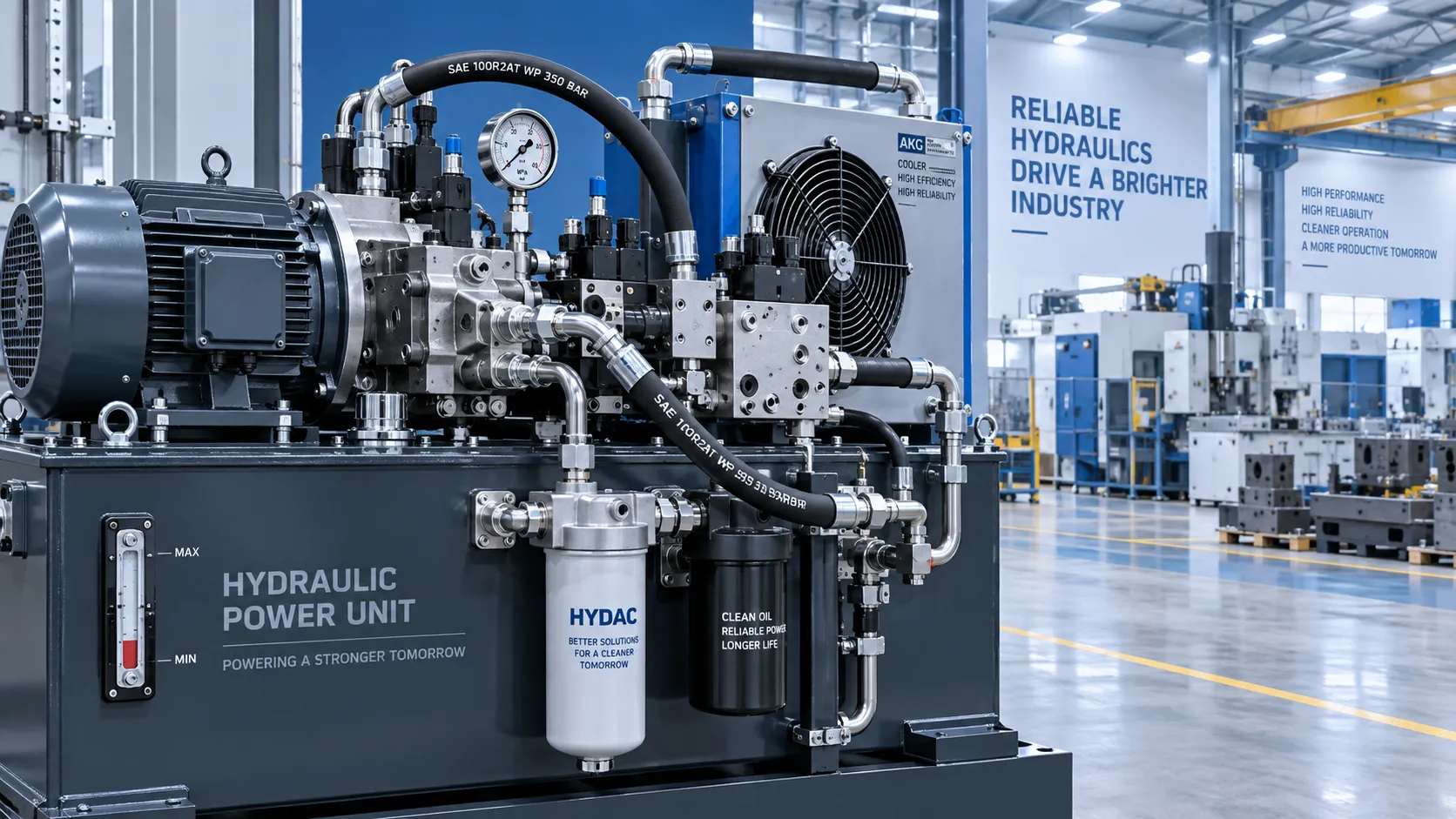
What Determines Industrial Hydraulic System Price for Heavy-Duty Equipment?
Industrial hydraulic system price depends on duty cycle, pressure, components, cooling, and integration. Compare quotes intelligently to secure reliable heavy-duty performance.
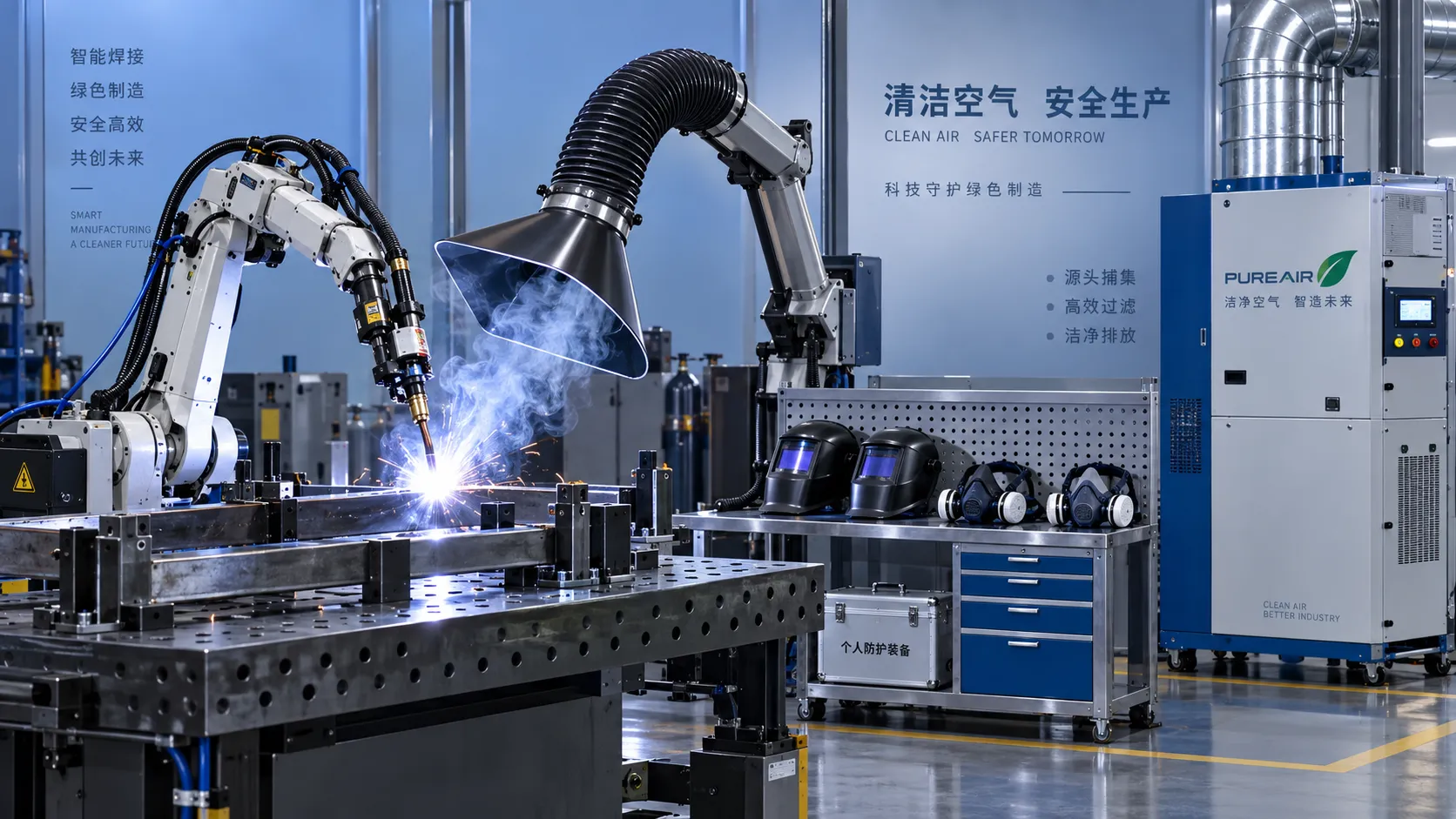
Welding Fume Extraction PPE: When Respirators Are Not Enough for Shop Safety
Welding fume extraction PPE: learn why respirators alone fall short and how source capture, ventilation, and layered controls improve shop safety.
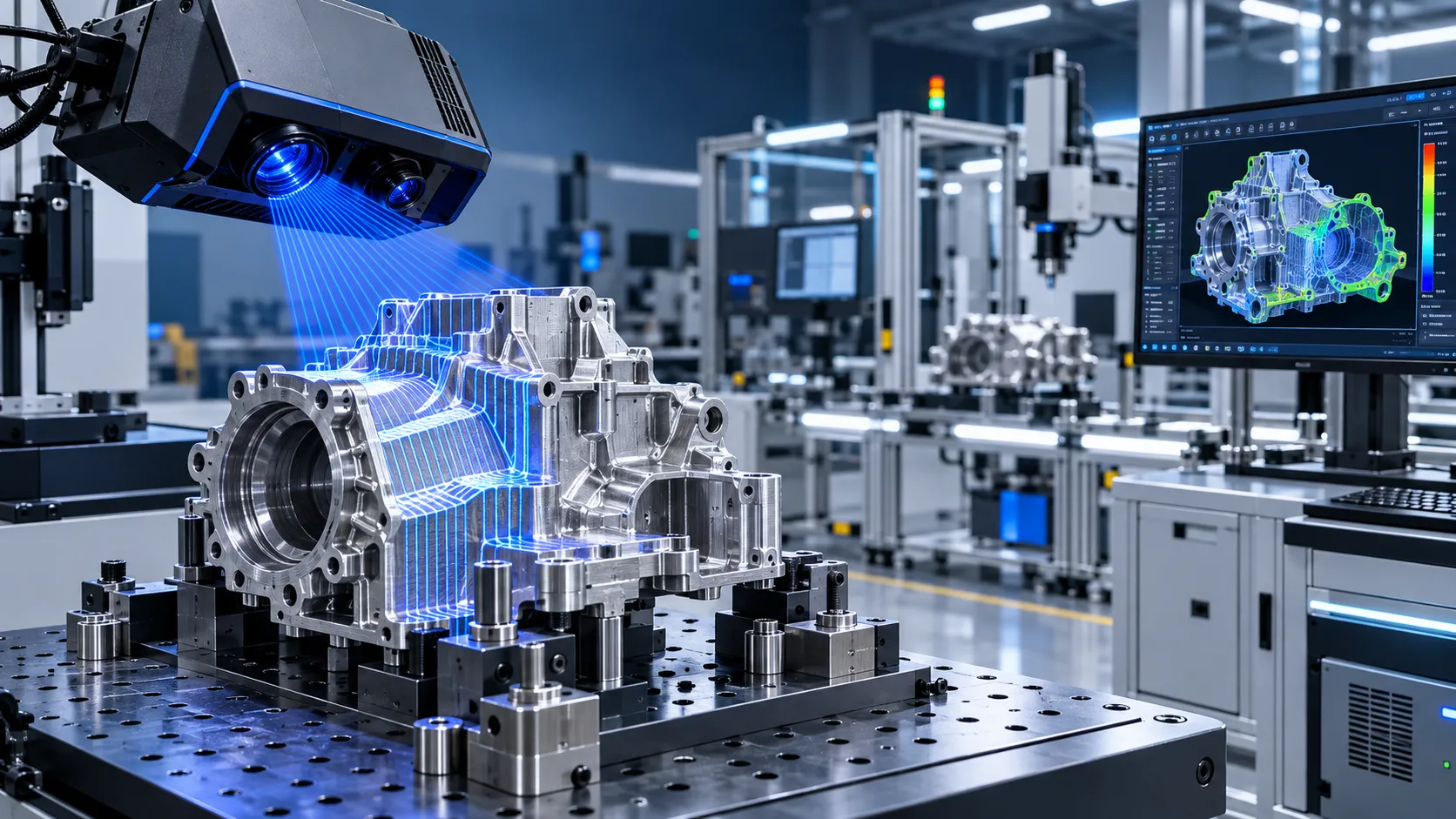
How to Select Optical Metrology Solutions for Tight-Tolerance Manufacturing
Optical industrial metrology solutions for tight-tolerance manufacturing: evaluate accuracy, surface compatibility, workflow, and traceability to select with confidence.
Related News
- 00
0000-00
Selecting Adjustable Torque Tools for Repeatable Fastener Assembly - 00
0000-00
How to Select Aerospace Inspection Tools for Aircraft Maintenance Tasks - 00
0000-00
How to Select Wire Bonding Tools for Fine-Pitch Semiconductor Packaging - 00
0000-00
Industrial Equipment Application Guidance: Match Machines to Operating Conditions - 00
0000-00
Selecting High-Speed Brushless Tool Motors for Torque, Heat, and Duty Cycle
Prof. Marcus Chen
Weekly Insights
Stay ahead with our curated technology reports delivered every Monday.