
Precision Metrology Solutions for Tight-Tolerance Parts: What Should You Verify First?





Precision Metrology Solutions for Tight-Tolerance Parts: What Should You Verify First?
When tight-tolerance parts are under review, the first checkpoint is not the drawing alone.
It is the credibility of the measurement process behind the decision.
That is where precision metrology solutions become essential.
They do more than report numbers.
They verify whether those numbers are stable, traceable, and relevant to actual part function.
In real production, small uncertainty can create large downstream risk.
A part may appear compliant yet still fail during assembly, sealing, motion, or fatigue loading.
So the smarter question is simple: what should be verified first before trusting any pass or fail result?
Start with Measurement System Trust
The first priority is measurement system capability.
Before checking any critical feature, confirm that the instrument, method, and operator can deliver repeatable results.
This is the foundation of effective precision metrology solutions.
If repeatability is weak, every later decision becomes fragile.
Gauge repeatability and reproducibility, fixture stability, and calibration status should be checked first.
For very tight tolerances, even thermal drift and probe force can distort the outcome.
This also means the same part should return nearly the same result across repeated runs.
Verify these basics first
- Calibration traceability to recognized standards
- Measurement uncertainty versus tolerance band
- Operator consistency across shifts
- Part fixturing and datum repeatability
- Environmental control, especially temperature and vibration
If any item looks weak, fix it before deeper dimensional analysis begins.
Confirm Functional Datums Before Dimensions
The next step is datum strategy.
Many inspection errors happen because parts are measured from convenient surfaces, not functional references.
Good precision metrology solutions align measurements with how the part works in assembly.
That point matters more than it seems.
A hole position may look acceptable from one setup and fail from another.
The difference often comes from datum mismatch, not part quality.
From a decision standpoint, verifying functional datums early prevents misleading acceptance results.
Questions worth asking
- Are inspection datums identical to assembly datums?
- Does the fixture simulate real part constraint?
- Are geometric controls interpreted consistently?
- Is software alignment masking real form error?
When datum logic is correct, every later measurement becomes more meaningful and easier to defend.
Focus on Critical-to-Function Features
Not every feature deserves the same inspection intensity.
Strong precision metrology solutions prioritize critical-to-function features first.
These usually include sealing surfaces, bearing fits, threaded engagement zones, mating holes, flatness planes, and true position requirements.
A broad inspection report may look impressive, but it can hide the real risk.
What matters is whether the measured features predict performance.
This is especially true in aerospace maintenance, automotive assemblies, hydraulic systems, and precision metal joining applications.
In these cases, one out-of-control feature can outweigh twenty passing dimensions.
A practical feature priority model
This approach keeps inspection resources aligned with business impact, not just drawing density.
Match the Method to the Tolerance and Surface
Another early verification point is method selection.
Different parts need different precision metrology solutions.
A tactile CMM may work well for stable machined geometry.
An optical system may suit delicate or fast-cycle inspection better.
Laser scanning can support form analysis, but reflective surfaces may require special handling.
Surface finish, edge condition, material behavior, and accessibility all influence method reliability.
A poor method can create noise that looks like process variation.
Common matching rules
- Use tactile systems for high-confidence contact geometry
- Use optical tools for speed, fragile parts, or dense point capture
- Check surface reflectivity before choosing laser-based inspection
- Validate software filtering rules for form and profile analysis
The best precision metrology solutions are not always the most advanced ones.
They are the ones that fit the tolerance, geometry, and production context without adding avoidable uncertainty.
Check Process Stability, Not Just Part Results
Part inspection alone gives only a partial story.
High-value precision metrology solutions also reveal process behavior.
This is a more obvious signal in plants facing tool wear, material shifts, or setup drift.
A passing part today does not guarantee a stable process tomorrow.
Trend data matters.
Capability studies, control charts, and feature drift analysis help detect hidden movement before scrap rates rise.
In actual operations, that insight supports better scheduling, tool replacement, and supplier conversations.
What to review alongside inspection data
- Cp and Cpk for critical characteristics
- Shift-to-shift variation patterns
- Tool life correlation with dimensional change
- Material lot impact on surface or form consistency
This turns measurement from a gatekeeping function into a decision system.
Build a Verification Sequence That Reduces Risk
A useful sequence keeps teams focused and faster.
For tight-tolerance parts, the most effective precision metrology solutions usually follow a clear order.
- Confirm calibration, uncertainty, and repeatability
- Validate datum alignment with functional assembly
- Inspect critical-to-function features first
- Match inspection technology to surface and tolerance
- Review process trends before final acceptance decisions
That sequence is practical because it removes false confidence early.
It also improves communication between quality, manufacturing, sourcing, and engineering teams.
For platforms such as GPTWM, this is where intelligence becomes useful on the shop floor.
Market updates, method trends, and application-specific insight help refine those verification priorities.
That connection between data and execution is increasingly important across global manufacturing networks.
Final Takeaway
The first thing to verify is not the part dimension itself.
It is whether the full measurement system deserves trust.
From there, precision metrology solutions should confirm functional datums, prioritize critical features, and match the right method to the real application.
Finally, review process stability so inspection supports better action, not just better reporting.
That is how tight-tolerance verification becomes more reliable, more efficient, and more useful for manufacturing decisions.
If verification priorities are being updated, start with trust, then align every measurement with function and process risk.
Related News

How to Select Aerospace Inspection Tools for Aircraft Maintenance Tasks
Aerospace maintenance inspection tools: learn how to select reliable, traceable equipment for aircraft access, accuracy, calibration, and compliant maintenance decisions.

How to Select Wire Bonding Tools for Fine-Pitch Semiconductor Packaging
Explore semiconductor manufacturing tools for wire bonding and learn how to select precision solutions for fine-pitch packaging, reliable loops, accuracy, and yield.
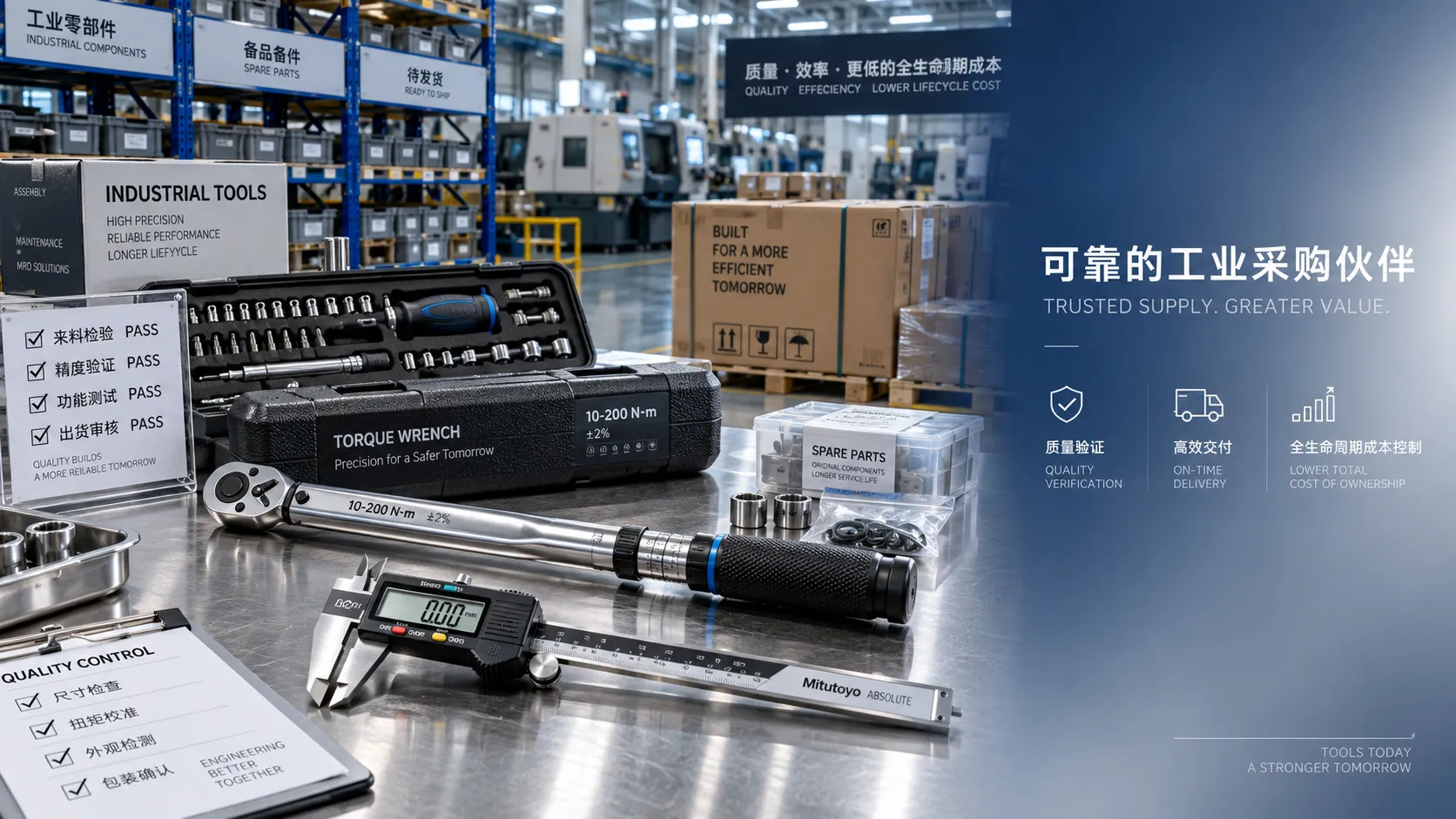
How to Compare Industrial Tool Suppliers for Quality, Lead Time, and Total Cost
Industrial tool selection supplier comparison made simple: evaluate quality, lead times, total cost, service, and supply resilience for confident sourcing decisions.

Industrial Equipment Application Guidance: Match Machines to Operating Conditions
Application guidance industrial equipment: match capacity, duty cycle, materials, site conditions, safety, and lifecycle cost to improve reliable output. Read the guide.
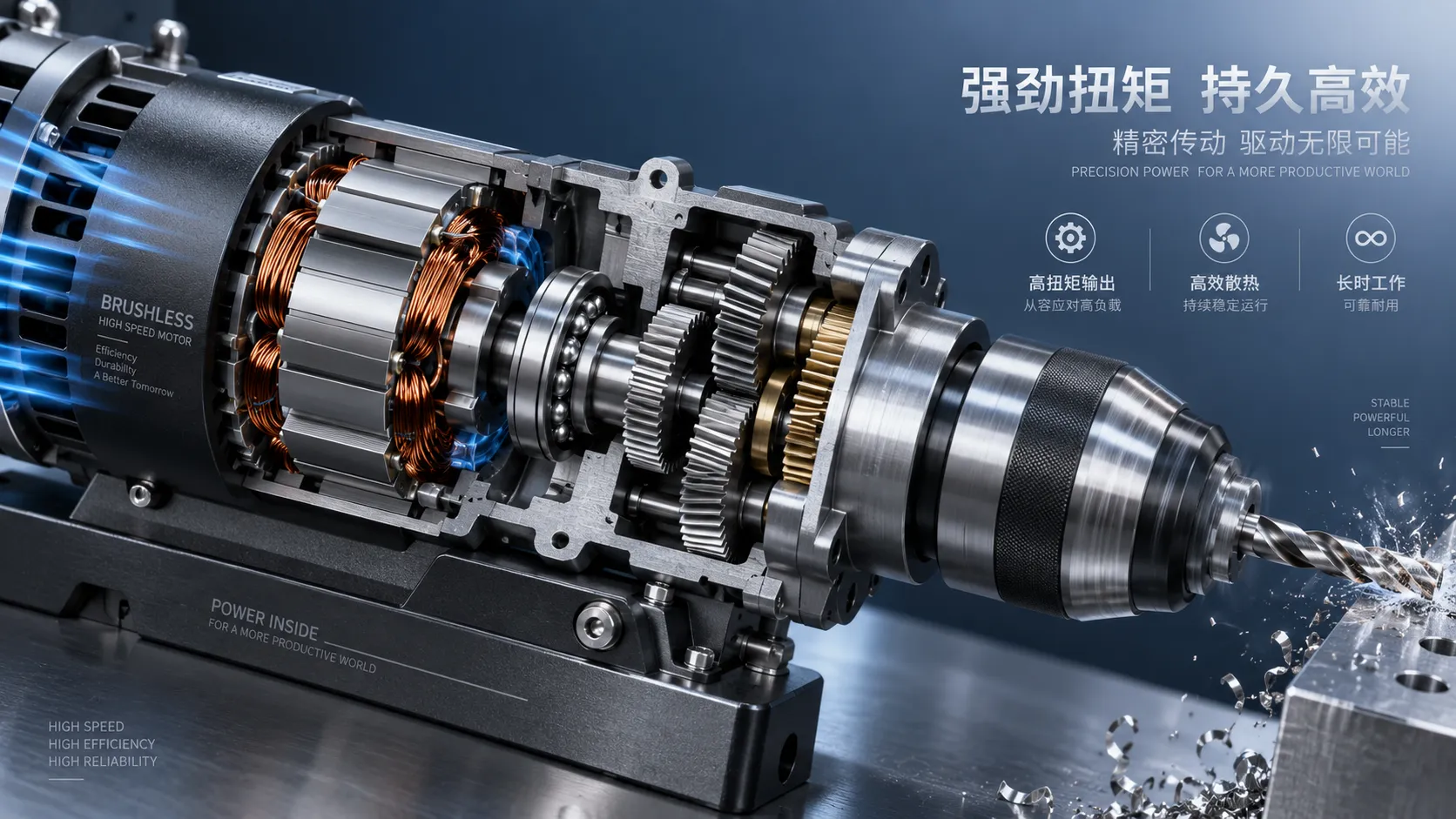
Selecting High-Speed Brushless Tool Motors for Torque, Heat, and Duty Cycle
High speed brushless tool motors: learn how to balance torque, heat, gearing, and duty cycle for reliable industrial tool performance and longer service life.
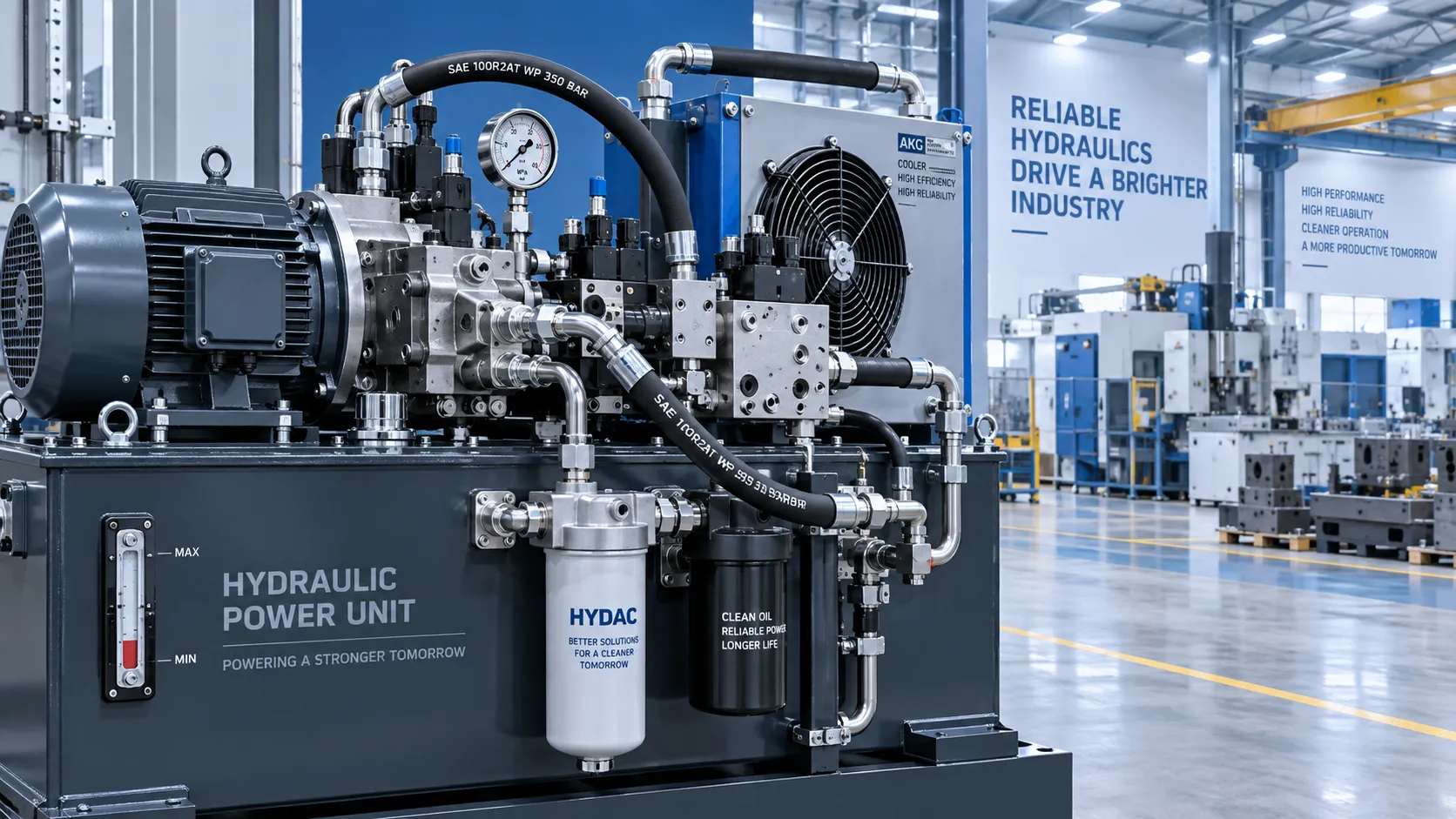
What Determines Industrial Hydraulic System Price for Heavy-Duty Equipment?
Industrial hydraulic system price depends on duty cycle, pressure, components, cooling, and integration. Compare quotes intelligently to secure reliable heavy-duty performance.

Welding Fume Extraction PPE: When Respirators Are Not Enough for Shop Safety
Welding fume extraction PPE: learn why respirators alone fall short and how source capture, ventilation, and layered controls improve shop safety.

How to Select Optical Metrology Solutions for Tight-Tolerance Manufacturing
Optical industrial metrology solutions for tight-tolerance manufacturing: evaluate accuracy, surface compatibility, workflow, and traceability to select with confidence.

Ergonomic Standards for Assembly Workstations: A Practical Compliance Checklist
Ergonomic standards assembly checklist for safer, compliant workstations—optimize posture, reach, tools, manual handling, lighting, and repetition while supporting quality and productivity.
Related News
- 00
0000-00
How to Select Aerospace Inspection Tools for Aircraft Maintenance Tasks - 00
0000-00
How to Select Wire Bonding Tools for Fine-Pitch Semiconductor Packaging - 00
0000-00
Industrial Equipment Application Guidance: Match Machines to Operating Conditions - 00
0000-00
Selecting High-Speed Brushless Tool Motors for Torque, Heat, and Duty Cycle - 00
0000-00
How to Select Optical Metrology Solutions for Tight-Tolerance Manufacturing
Prof. Marcus Chen
Weekly Insights
Stay ahead with our curated technology reports delivered every Monday.