
High Pressure Hydraulic Systems Selection Guide: Pressure, Flow, Seals, and Safety





Selecting high pressure hydraulic systems is rarely a matter of choosing the highest pressure number on a datasheet. In practical evaluation, pressure, flow, seal chemistry, temperature behavior, duty cycle, and safety controls interact in ways that define whether a system will deliver stable force or create avoidable risk.
That is why this topic remains relevant across construction equipment, automotive service tooling, aerospace maintenance, metal forming, and precision industrial assembly. In these environments, hydraulic performance directly affects uptime, repair intervals, operator protection, and the quality of downstream work.
From the perspective of GPTWM, where industrial intelligence connects tooling, joining, and metrology decisions, high pressure hydraulic systems are part of a wider efficiency chain. A poor hydraulic choice does not stay isolated. It influences torque consistency, fixture stability, inspection repeatability, and maintenance economics.
What High Pressure Hydraulic Systems Really Involve
The term usually refers to hydraulic arrangements designed to transmit force through pressurized fluid at levels well above standard low-pressure circuits. The exact threshold varies by application, but the engineering logic stays consistent.
A complete selection review should look beyond the power unit. Pumps, valves, cylinders, hoses, fittings, manifolds, filtration, seals, and monitoring devices must behave as one pressure-containing system.
In actual service, the weakest element often decides reliability. A premium pump paired with marginal hoses or the wrong seal material can shorten system life faster than an undersized motor.
Pressure Is Capacity, Not the Whole Story
Pressure determines available force. It does not describe how quickly that force can be delivered, how long it can be sustained, or how stable it remains during repeated cycles.
Many selection errors begin when nominal pressure rating is treated as proof of fitness. The more useful question is whether the system can hold required pressure within the real operating envelope.
Why the Market Is Paying Closer Attention
Industrial users are being pushed toward tighter tolerances, shorter maintenance windows, and stronger compliance expectations. That makes hydraulic selection more visible in procurement and technical review.
Raw material variability also matters. Changes in steel quality, elastomer sourcing, and regional certification requirements can shift the service behavior of apparently similar components.
GPTWM tracks these signals because hydraulic equipment now sits inside broader decisions about intelligent tools, service productivity, and export readiness. A pressure circuit that performs well in one region may need different sealing, labeling, or documentation for another.
More Data, Higher Expectations
Monitoring technology is changing evaluation standards. Buyers increasingly expect pressure sensing, temperature feedback, cycle counting, and service diagnostics rather than purely mechanical performance claims.
That shift is especially relevant when high pressure hydraulic systems support critical fastening, clamping, lifting, or testing tasks where traceability has operational value.
Pressure and Flow Must Be Read Together
Pressure creates force. Flow creates speed. A system with sufficient pressure but weak flow may reach the target slowly, overheat under demand, or become impractical in repetitive work.
At the same time, excessive flow can introduce shock, fluid heating, valve instability, and poor controllability. This is common when fast actuation is favored without considering load response.
The most useful evaluation method is to map required force and required cycle time together. That reveals whether the pump, actuator, and control package are balanced for the intended workload.
Seals Deserve More Attention Than They Usually Get
Seal choice is often treated as a detail, yet it is one of the main reasons high pressure hydraulic systems fail in service. Pressure capability means little if the sealing package cannot survive the fluid, heat, and motion profile.
Material selection depends on media compatibility, temperature range, extrusion resistance, and dynamic sealing demands. NBR, FKM, PTFE blends, and polyurethane each suit different environments.
The important point is context. A seal that performs well in a clean indoor press may struggle in field equipment exposed to abrasive dust, thermal swings, and longer idle periods.
Questions That Improve Seal Decisions
- Is the fluid mineral-based, synthetic, fire-resistant, or application-specific?
- Will pressure be steady, pulsating, or shock-loaded?
- Does the application involve static holding, rapid cycling, or both?
- What contamination level is realistic between maintenance intervals?
- Will low-temperature starts or elevated ambient heat change seal behavior?
These questions help separate catalog compatibility from field compatibility. In many cases, that distinction determines whether leakage appears in months or in years.
Safety Margins Need a System View
Safety in high pressure hydraulic systems is not limited to a relief valve. It depends on pressure containment, hose routing, guarding, lockout procedures, emergency pressure release, and predictable failure modes.
Pressure spikes deserve particular attention. Transient loads can exceed nominal operating values by a large margin, especially in rapid clamping, impact-prone circuits, or applications with abrupt valve closure.
Where people work near the equipment, stored energy becomes a serious design issue. A system that remains pressurized after shutdown can create hazards during maintenance, coupling changes, or inspection.
Core Safety Checks
- Confirm working, proof, and burst ratings for every pressure-retaining component.
- Review hose bend radius, abrasion exposure, and mechanical protection.
- Check relief valve setting against the true weakest link in the circuit.
- Specify pressure gauges or sensors where abnormal conditions must be detected early.
- Verify maintenance access and safe depressurization steps.
This is where high pressure hydraulic systems selection becomes a risk-management exercise, not simply a component comparison.
How Application Context Changes the Right Choice
The same pressure class may serve very different purposes. Mobile rescue tools, shop presses, bolt tensioning units, lifting equipment, and hydraulic test benches all impose different demands on responsiveness and serviceability.
In construction and heavy maintenance, contamination tolerance and rugged hose protection often deserve priority. In aerospace or metrology-linked fixtures, cleaner fluid control and tighter pressure stability may matter more.
Metal joining and precision assembly add another layer. When hydraulic force affects clamping repeatability or part position, pressure drift can become a quality issue, not just a maintenance issue.
A Practical Evaluation Path
A useful review process starts with load, movement, and environmental data rather than supplier claims. Force requirement, desired speed, holding time, ambient temperature, installation space, and service access should be documented early.
After that, compare candidate high pressure hydraulic systems using a short list of decision criteria that are hard to fake in marketing material.
- Continuous operating pressure versus peak pressure tolerance
- Pump efficiency across the expected flow window
- Seal and hose compatibility with actual fluid and temperature range
- Filtration strategy and contamination control limits
- Availability of service parts, test data, and inspection documentation
- Ability to integrate pressure monitoring or predictive maintenance features
This is also the stage where lifecycle cost becomes clearer. Lower initial price can disappear quickly when replacement seals, downtime, fluid loss, and troubleshooting hours are included.
What to Review Next
The strongest decisions usually come from turning application needs into a repeatable comparison sheet. Pressure, flow, seals, safety devices, and maintenance demands should be reviewed as linked variables, not isolated checkpoints.
For organizations following GPTWM market intelligence, the next step is to align technical screening with wider supply and compliance signals. Material trends, export restrictions, documentation standards, and sensor integration can all affect the long-term fit of high pressure hydraulic systems.
A clear shortlist should therefore include not only rated performance, but also failure tolerance, seal strategy, diagnostic readiness, and service support. That approach makes high pressure hydraulic systems easier to compare and much harder to regret after deployment.
Related News
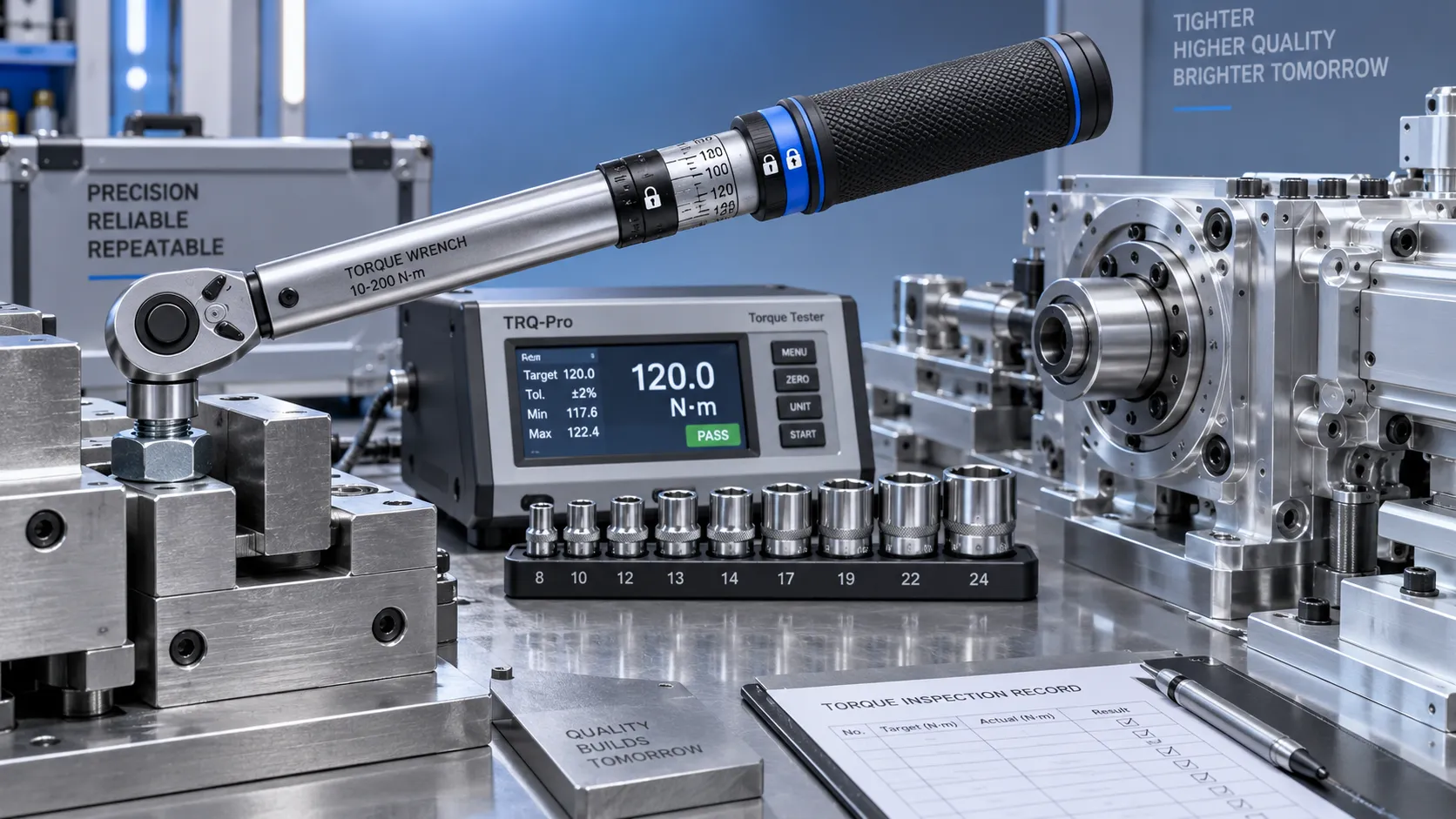
Selecting Adjustable Torque Tools for Repeatable Fastener Assembly
Adjustable torque tools: learn how to match range, accuracy, control methods, calibration, and ergonomics for repeatable, reliable fastener assembly.

How to Select Aerospace Inspection Tools for Aircraft Maintenance Tasks
Aerospace maintenance inspection tools: learn how to select reliable, traceable equipment for aircraft access, accuracy, calibration, and compliant maintenance decisions.

How to Select Wire Bonding Tools for Fine-Pitch Semiconductor Packaging
Explore semiconductor manufacturing tools for wire bonding and learn how to select precision solutions for fine-pitch packaging, reliable loops, accuracy, and yield.
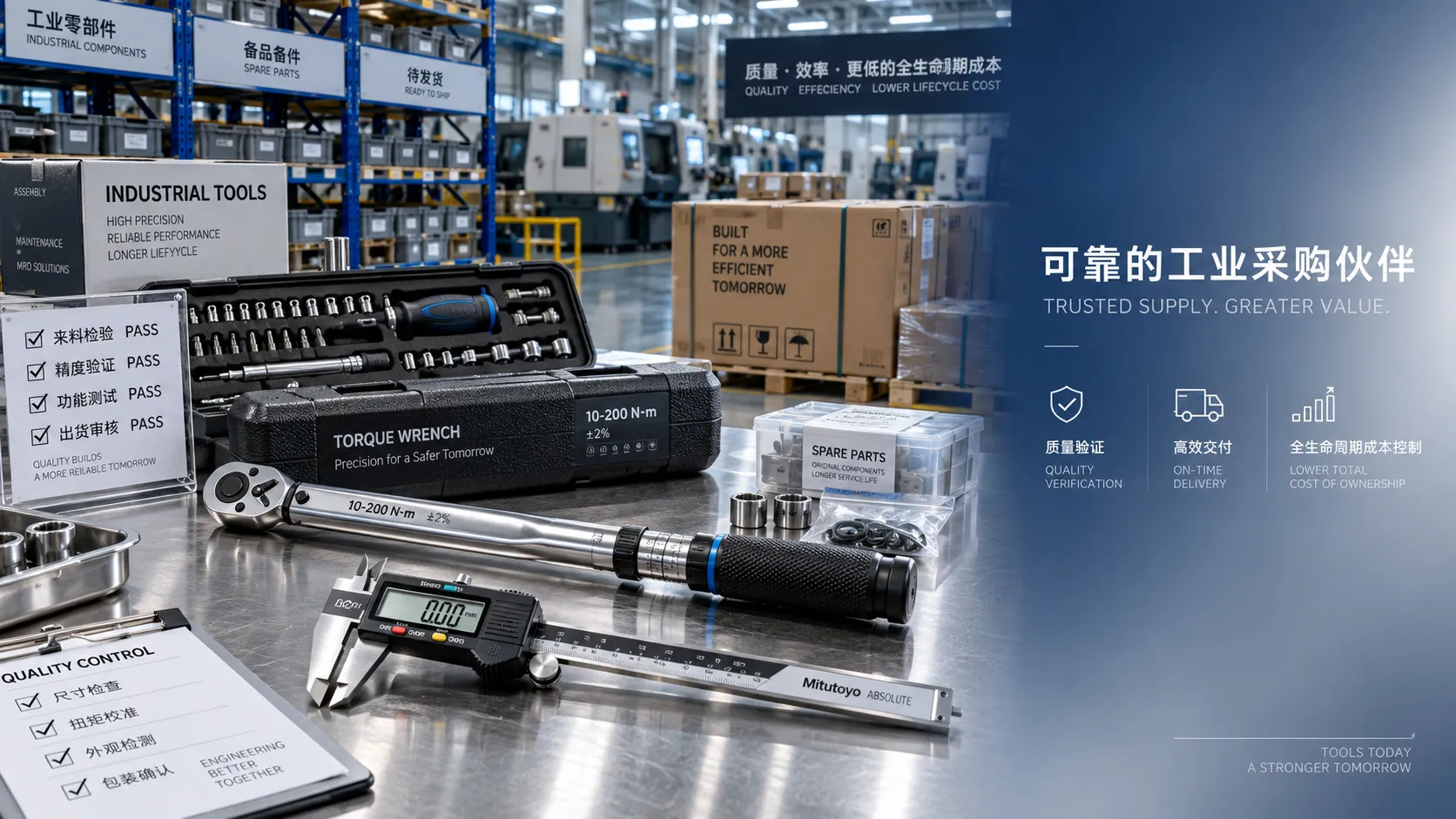
How to Compare Industrial Tool Suppliers for Quality, Lead Time, and Total Cost
Industrial tool selection supplier comparison made simple: evaluate quality, lead times, total cost, service, and supply resilience for confident sourcing decisions.
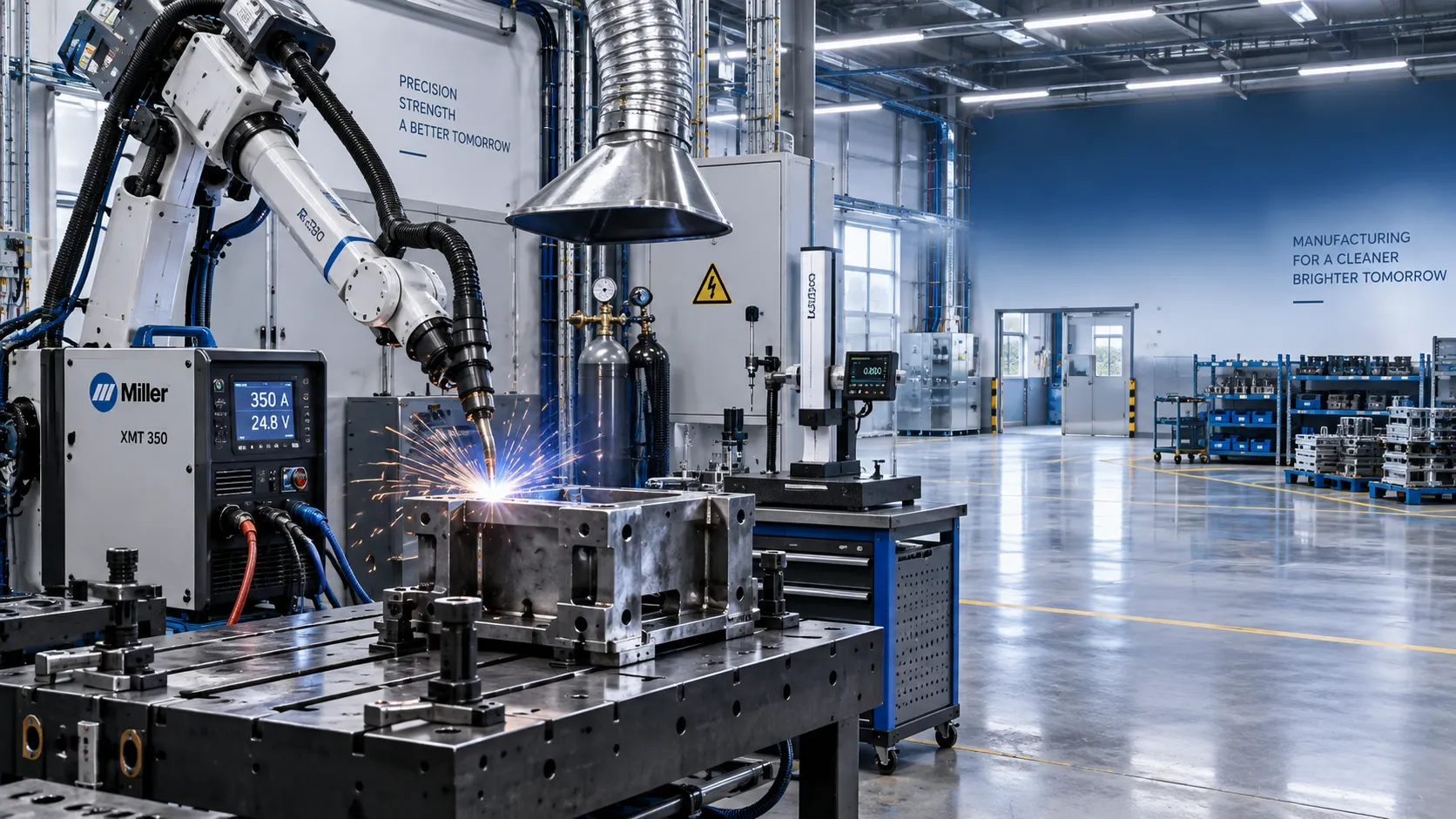
Industrial Equipment Application Guidance: Match Machines to Operating Conditions
Application guidance industrial equipment: match capacity, duty cycle, materials, site conditions, safety, and lifecycle cost to improve reliable output. Read the guide.
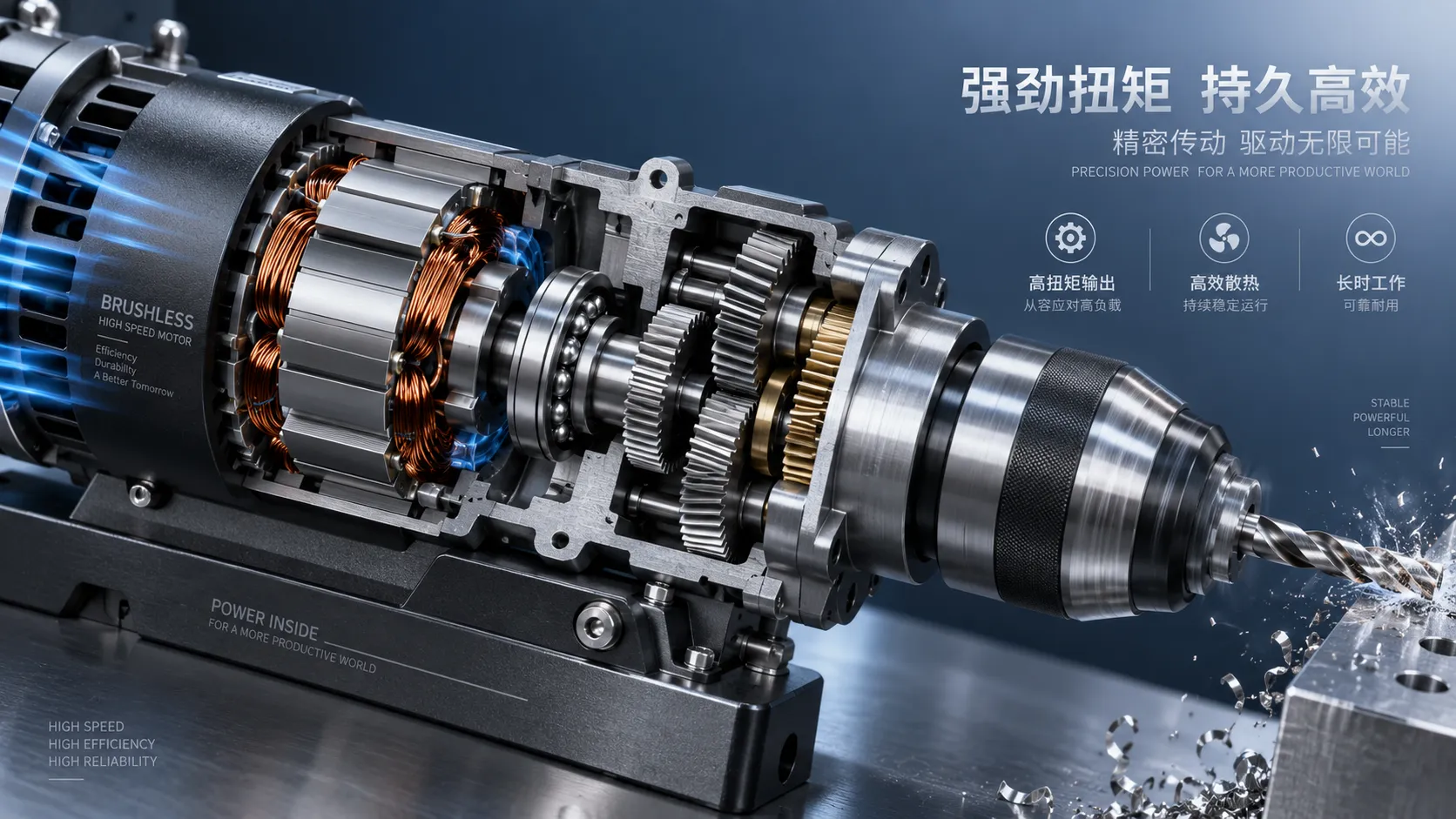
Selecting High-Speed Brushless Tool Motors for Torque, Heat, and Duty Cycle
High speed brushless tool motors: learn how to balance torque, heat, gearing, and duty cycle for reliable industrial tool performance and longer service life.
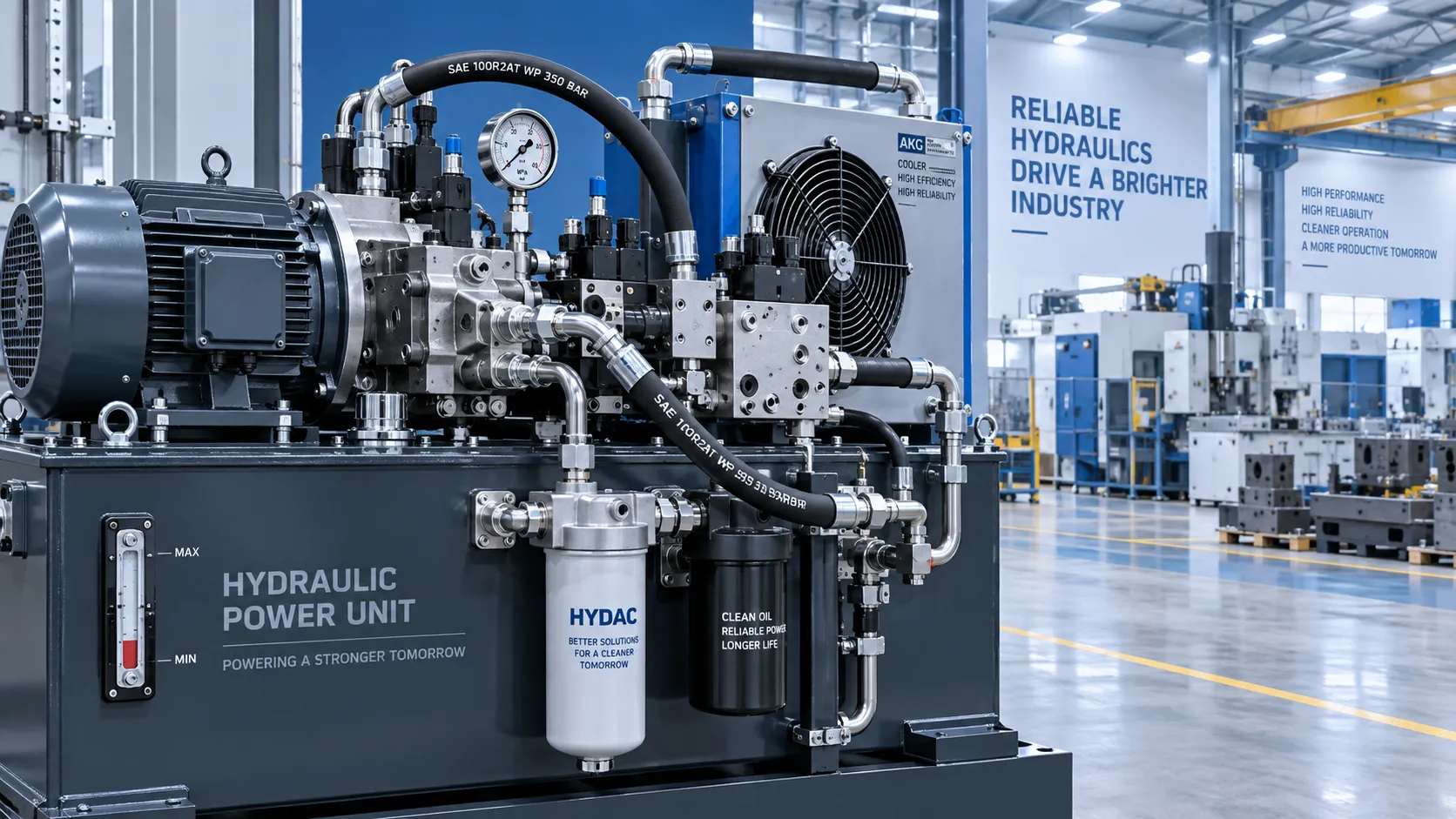
What Determines Industrial Hydraulic System Price for Heavy-Duty Equipment?
Industrial hydraulic system price depends on duty cycle, pressure, components, cooling, and integration. Compare quotes intelligently to secure reliable heavy-duty performance.
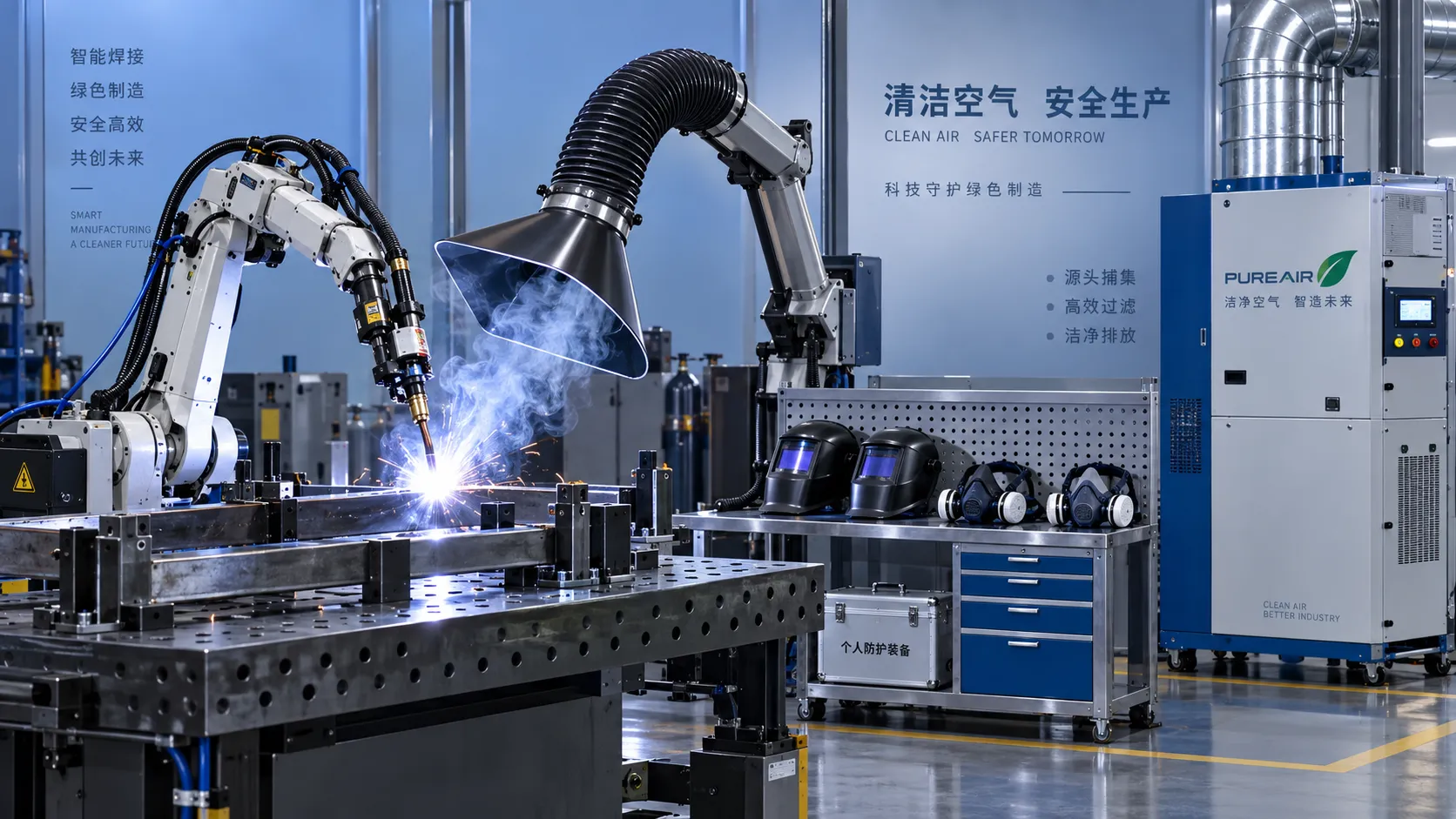
Welding Fume Extraction PPE: When Respirators Are Not Enough for Shop Safety
Welding fume extraction PPE: learn why respirators alone fall short and how source capture, ventilation, and layered controls improve shop safety.
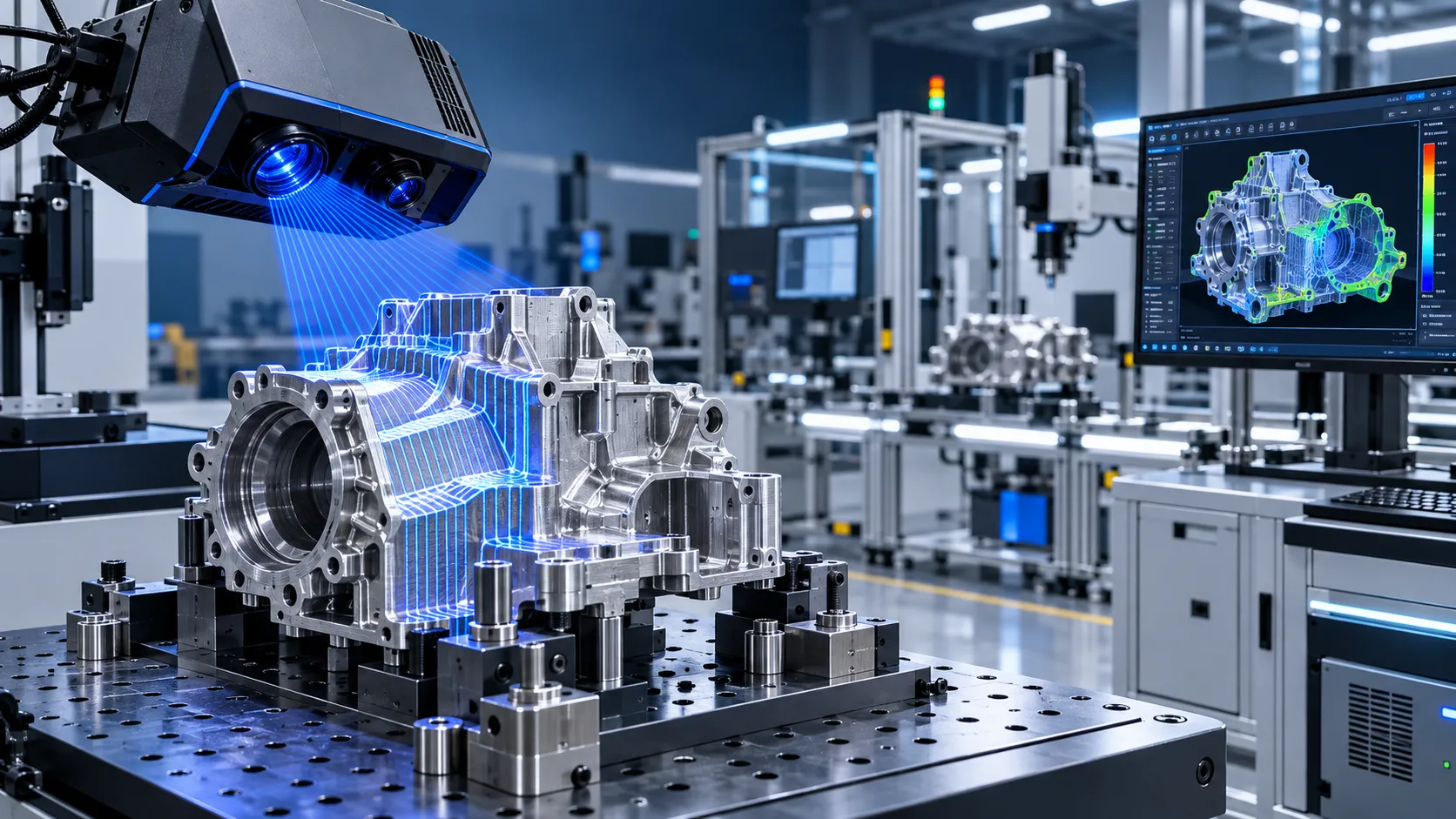
How to Select Optical Metrology Solutions for Tight-Tolerance Manufacturing
Optical industrial metrology solutions for tight-tolerance manufacturing: evaluate accuracy, surface compatibility, workflow, and traceability to select with confidence.
Related News
- 00
0000-00
What Determines Industrial Hydraulic System Price for Heavy-Duty Equipment? - 00
0000-00
High Pressure Hydraulic Systems Selection Guide: Pressure, Flow, Seals, and Safety - 00
0000-00
Pneumatic Industrial Assembly Tools: How to Choose the Right Type for Line Work - 00
0000-00
Hydraulic Systems Troubleshooting: Common Pressure Loss Causes and Fixes - 00
0000-00
Hydraulic Systems Troubleshooting: 7 Causes of Pressure Loss and Slow Actuation
Fluid Torque Specialist
Weekly Insights
Stay ahead with our curated technology reports delivered every Monday.