
Manufacturing Technology for Electronics: Which Processes Matter Most for Yield?





Where Yield in Manufacturing Technology for Electronics Is Really Won
In manufacturing technology for electronics, yield rarely depends on one impressive machine. It depends on whether printing, placement, joining, inspection, and control work as one stable chain.
That matters across the broader industrial economy. Electronics now sit inside tools, metrology devices, welding controls, vehicle systems, and connected maintenance equipment.
A board that passes electrical test but drifts in torque accuracy or sensor calibration still creates field risk. That is why yield in manufacturing technology for electronics must be judged against end-use reliability.
This is also where GPTWM’s perspective is useful. Its focus on industrial assembly, metal joining, and precision metrology highlights a practical truth: the last mile of manufacturing decides whether design intent survives production variation.
The most important processes are the ones that prevent hidden instability early, not the ones that look fastest on a brochure.
Different Production Settings Push Different Yield Risks
The same manufacturing technology for electronics performs differently in different settings. A low-volume control board, a consumer module, and a harsh-environment sensor assembly do not fail for the same reasons.
High-mix production usually struggles with setup variation, program control, and first-pass accuracy. High-volume lines more often fight drift, contamination, and accumulated tolerance loss.
Products linked to metrology, industrial tools, or welding equipment add another layer. Mechanical shock, heat, vibration, and calibration sensitivity make process capability more important than simple throughput.
In practice, the right question is not, “Which process is most advanced?” It is, “Which process removes the dominant defect mode in this production context?”
For Dense SMT Assemblies, Solder Printing and Reflow Usually Matter Most
In compact PCB assembly, solder paste printing is often the first real yield gate. Many defects blamed on placement or components begin with unstable paste volume.
Fine-pitch pads, small apertures, and mixed component sizes make transfer efficiency inconsistent. When that happens, opens, bridges, head-in-pillow issues, and weak joints follow downstream.
Reflow then determines whether those printed deposits become reliable joints. Thermal profile imbalance can damage sensitive parts, leave voiding in power devices, or create warpage-related defects.
This is a common scenario in control electronics used inside intelligent power tools and industrial measurement instruments. Compact layouts increase functional density, but also reduce tolerance for minor process drift.
The better judgment method is to monitor paste height, area, and volume trends together with oven profile repeatability. Looking only at line speed misses the real source of yield loss.
What deserves closer control here
- Stencil design matched to pad geometry, not copied from an earlier product.
- Paste storage, open time, and humidity discipline.
- Board support quality to prevent print distortion.
- Profile validation for the actual component mix, not a nominal recipe.
When Products Face Heat, Shock, or Power Load, Joining Technology Changes the Priority
Not every electronic assembly lives on a protected indoor board. Power modules, battery interfaces, sensor housings, and cable terminations often work in harsher conditions.
In those cases, manufacturing technology for electronics depends heavily on the joining process. Soldering remains important, but laser welding, resistance welding, ultrasonic bonding, or crimp validation may matter more for final yield.
This is especially true where electronics meet metal structures. A weak electrical path may come from intermetallic growth, surface contamination, or unstable energy input rather than board-level assembly alone.
GPTWM’s emphasis on metal joining is relevant here. Electronics yield is increasingly tied to how precisely dissimilar materials are joined at the edge between electrical and mechanical systems.
The adaptation rule is simple: when field life depends on mechanical endurance, the yield-critical process is often the joining method that carries current, heat, or force.
Inspection Matters Most When Defects Are Small, Fast, and Expensive
Inspection does not create quality by itself, but in manufacturing technology for electronics it protects yield when failure modes are hard to see and costly to escape.
Automated optical inspection works well for polarity, presence, offset, and visible solder issues. X-ray becomes more important for hidden joints, bottom-terminated components, and void analysis.
For assemblies tied to precision tools or metrology systems, electrical test alone is not enough. Functional drift can come from subtle assembly variation that still passes continuity checks.
That is why the strongest yield systems combine SPI, AOI, X-ray where needed, and measurement feedback from the actual device function. Inspection must be connected to correction, not treated as a reporting ritual.
A frequent misjudgment is adding more inspection after defects appear, while leaving the unstable upstream process untouched. Detection without process closure only increases handling cost.
In High-Mix Production, Changeover Control Often Beats Raw Equipment Speed
Short-run, high-mix production creates a different yield problem. The issue is rarely maximum machine capacity. The issue is whether each setup repeats correctly under frequent product change.
Wrong feeder mapping, profile mismatch, revision confusion, and fixture inconsistency can erase the value of advanced manufacturing technology for electronics in a single shift.
This pattern appears in industrial control electronics, service parts, and specialized assemblies with multiple options. Here, digital work instructions, version traceability, and recipe locking are as yield-critical as hardware precision.
The more product variants increase, the more process governance becomes a core manufacturing technology for electronics rather than an administrative layer.
Precision Devices Need Metrology Inside the Yield Strategy
Some electronics are judged by far more than electrical continuity. Torque controllers, digital gauges, sensing modules, and smart welding accessories must also remain accurate over time.
In these applications, manufacturing technology for electronics intersects with precision metrology. Calibration transfer, fixture repeatability, and measurement system analysis become direct yield factors.
A board can be perfectly assembled and still fail the business requirement if sensor offset, timing drift, or torque feedback variance exceeds the usable window.
This is why advanced electronics production increasingly uses closed-loop data from testing, calibration, and field returns. Yield should reflect whether the product performs within decision-grade tolerances, not just whether it powers on.
What Commonly Gets Misread Before Process Selection
Several mistakes appear across otherwise capable operations. They usually come from treating similar products as if they share the same process priorities.
- Choosing equipment by specification range, while ignoring material behavior and actual defect history.
- Comparing capital cost, while missing maintenance load, calibration burden, and rework exposure.
- Assuming AOI coverage means process control is already sufficient.
- Copying parameters from one board family to another with different copper mass or package mix.
- Evaluating yield at shipment only, without linking it to long-term reliability and return data.
In real operations, the better approach is narrower and more disciplined. Match the process decision to the defect mechanism, then verify the process under the actual production condition.
A Practical Way to Prioritize Manufacturing Technology for Electronics
When process priorities are still unclear, start by separating cosmetic defects from yield-critical escapes. Then rank defects by repair cost, reliability risk, and recurrence pattern.
Next, map each major defect to the process step that creates it, the step that can detect it, and the step that can truly prevent it. Prevention should guide investment before detection expansion.
For many lines, that means focusing first on paste control, thermal stability, joining consistency, traceability discipline, and metrology-backed verification. Those are the processes that most often move yield in a lasting way.
The next step is practical: define the real use environment, compare the dominant failure modes across product types, and set a process priority list tied to risk, not assumption.
Manufacturing technology for electronics delivers the best yield when process choices are made with context. Stable production comes from fit, feedback, and control across the full assembly chain.
Related News
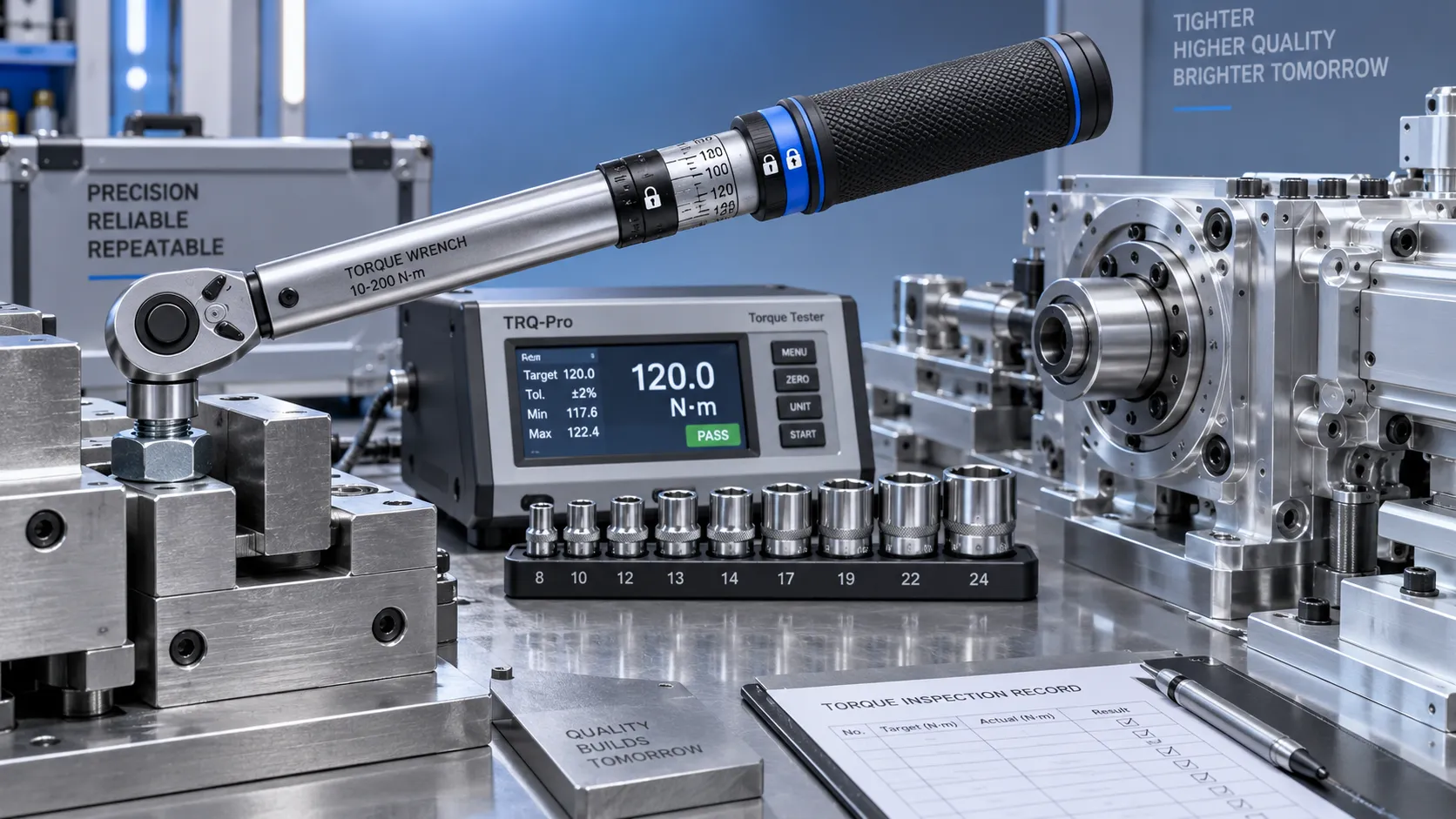
Selecting Adjustable Torque Tools for Repeatable Fastener Assembly
Adjustable torque tools: learn how to match range, accuracy, control methods, calibration, and ergonomics for repeatable, reliable fastener assembly.
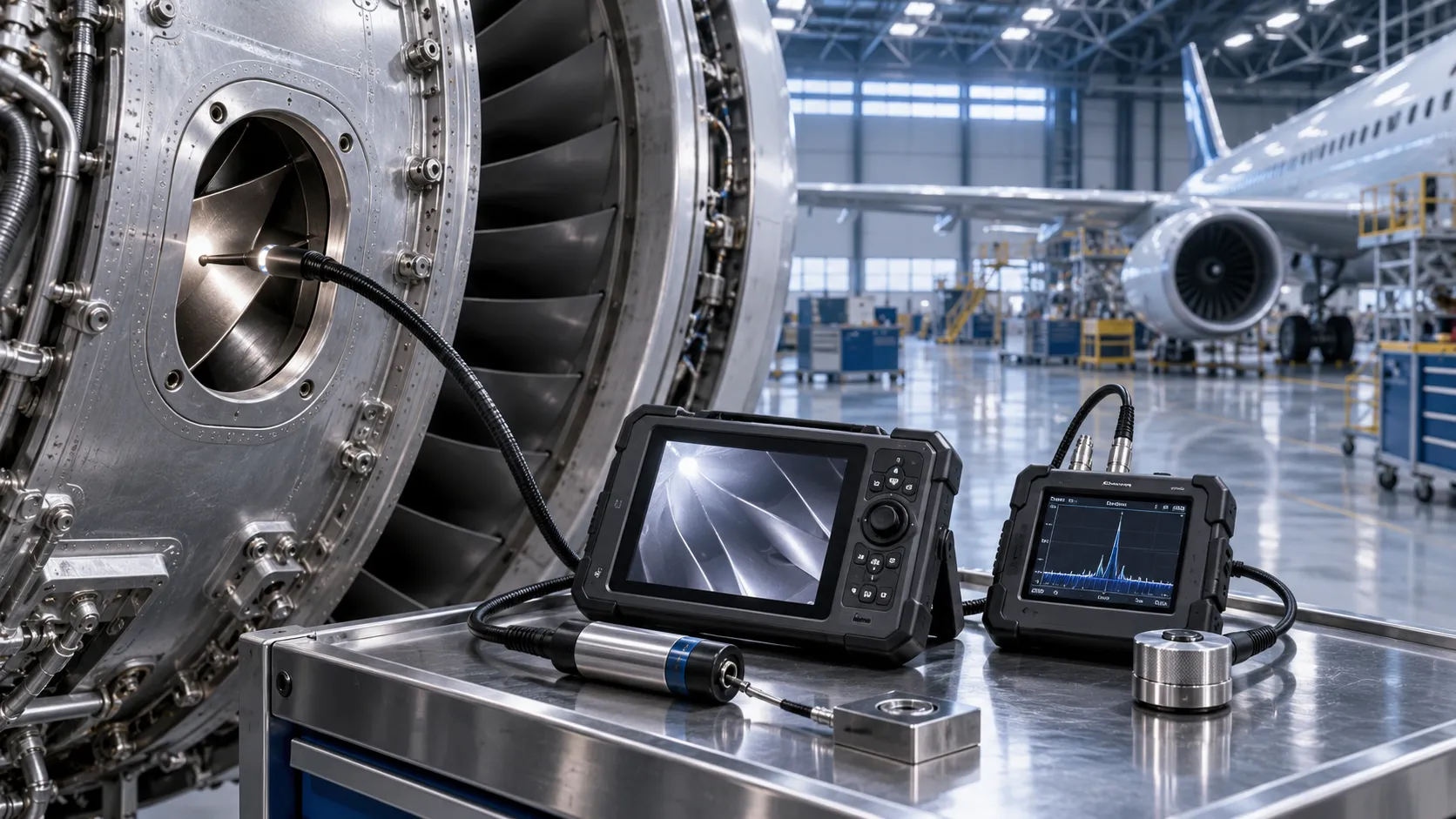
How to Select Aerospace Inspection Tools for Aircraft Maintenance Tasks
Aerospace maintenance inspection tools: learn how to select reliable, traceable equipment for aircraft access, accuracy, calibration, and compliant maintenance decisions.
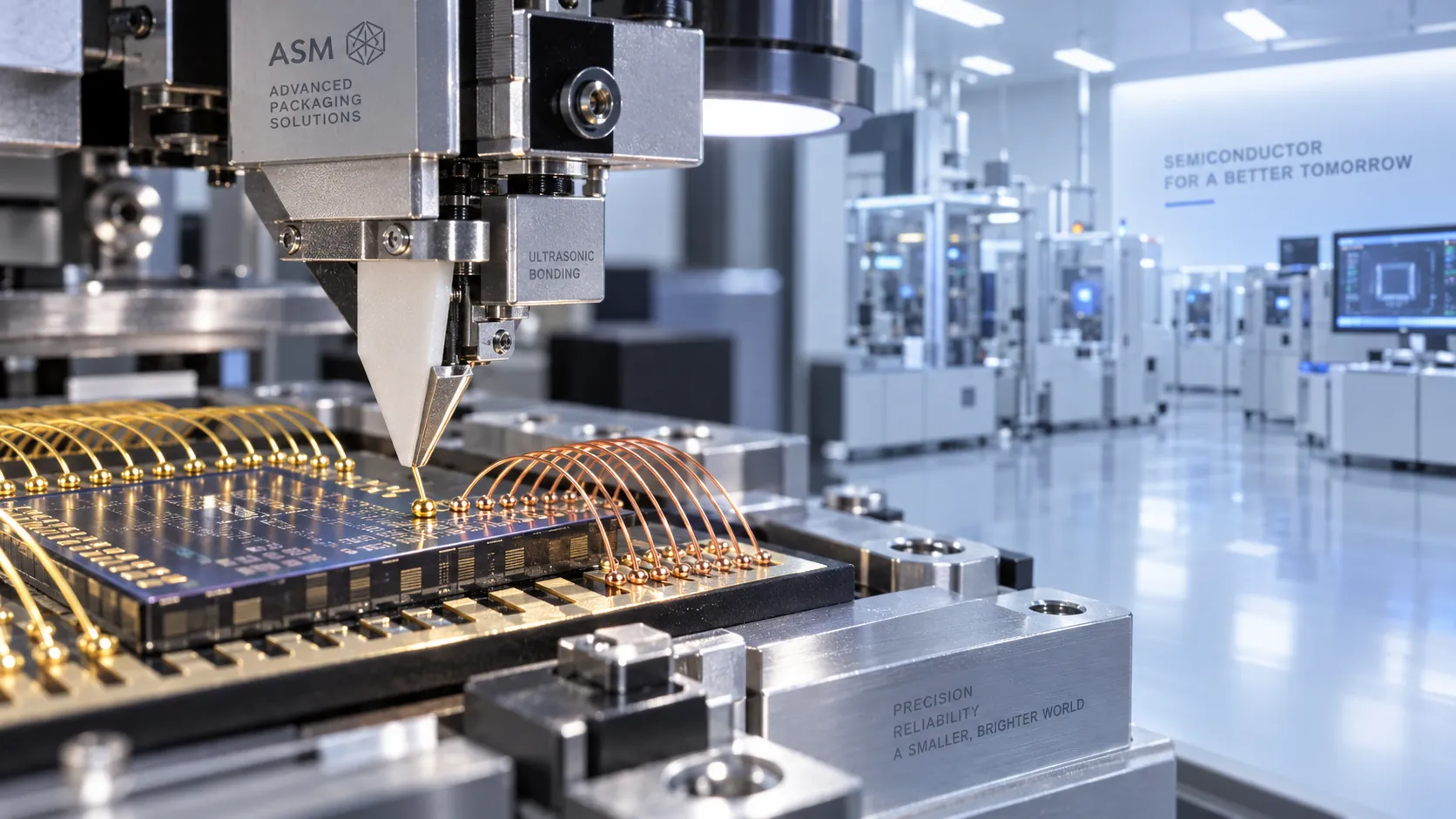
How to Select Wire Bonding Tools for Fine-Pitch Semiconductor Packaging
Explore semiconductor manufacturing tools for wire bonding and learn how to select precision solutions for fine-pitch packaging, reliable loops, accuracy, and yield.
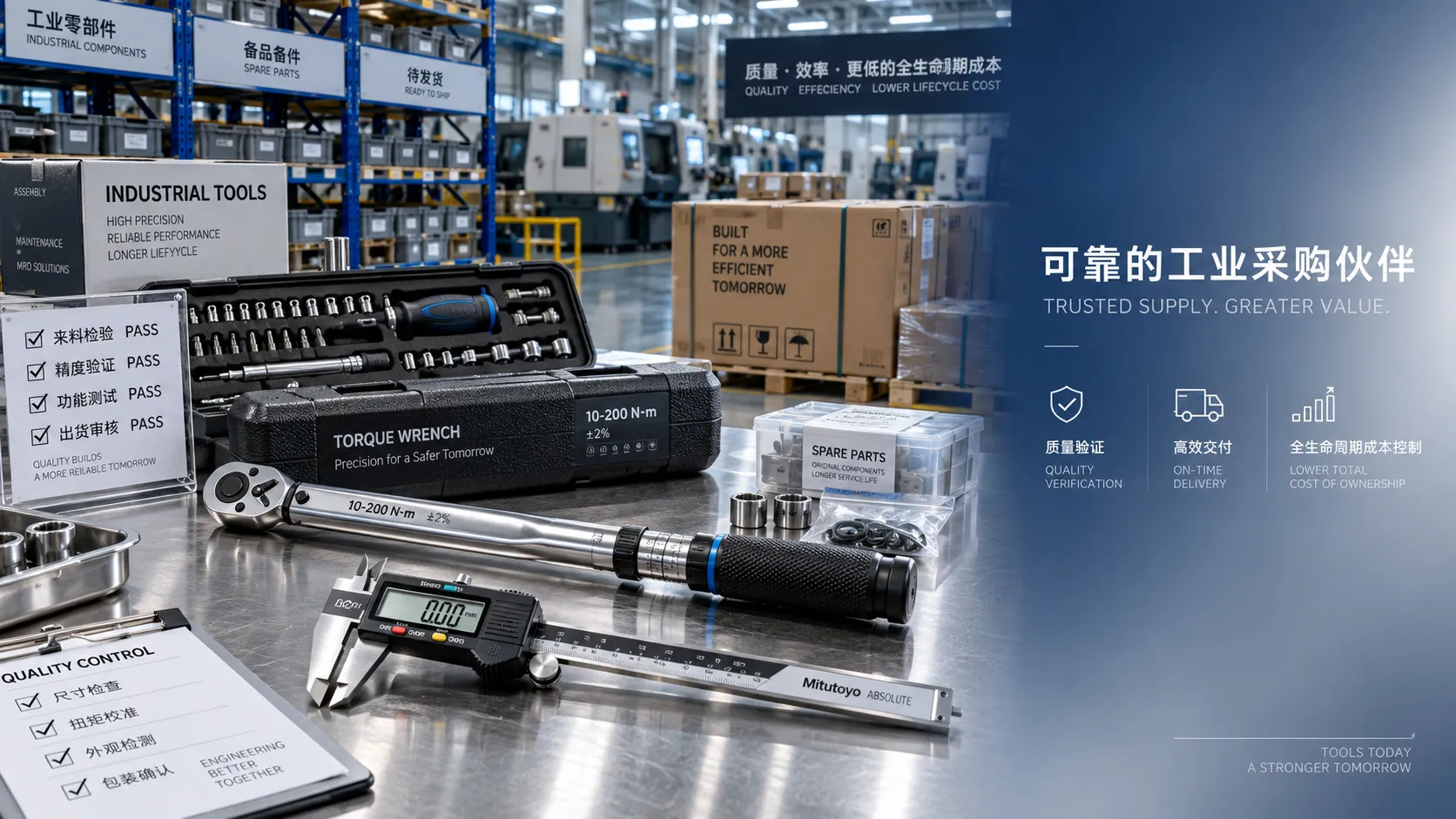
How to Compare Industrial Tool Suppliers for Quality, Lead Time, and Total Cost
Industrial tool selection supplier comparison made simple: evaluate quality, lead times, total cost, service, and supply resilience for confident sourcing decisions.
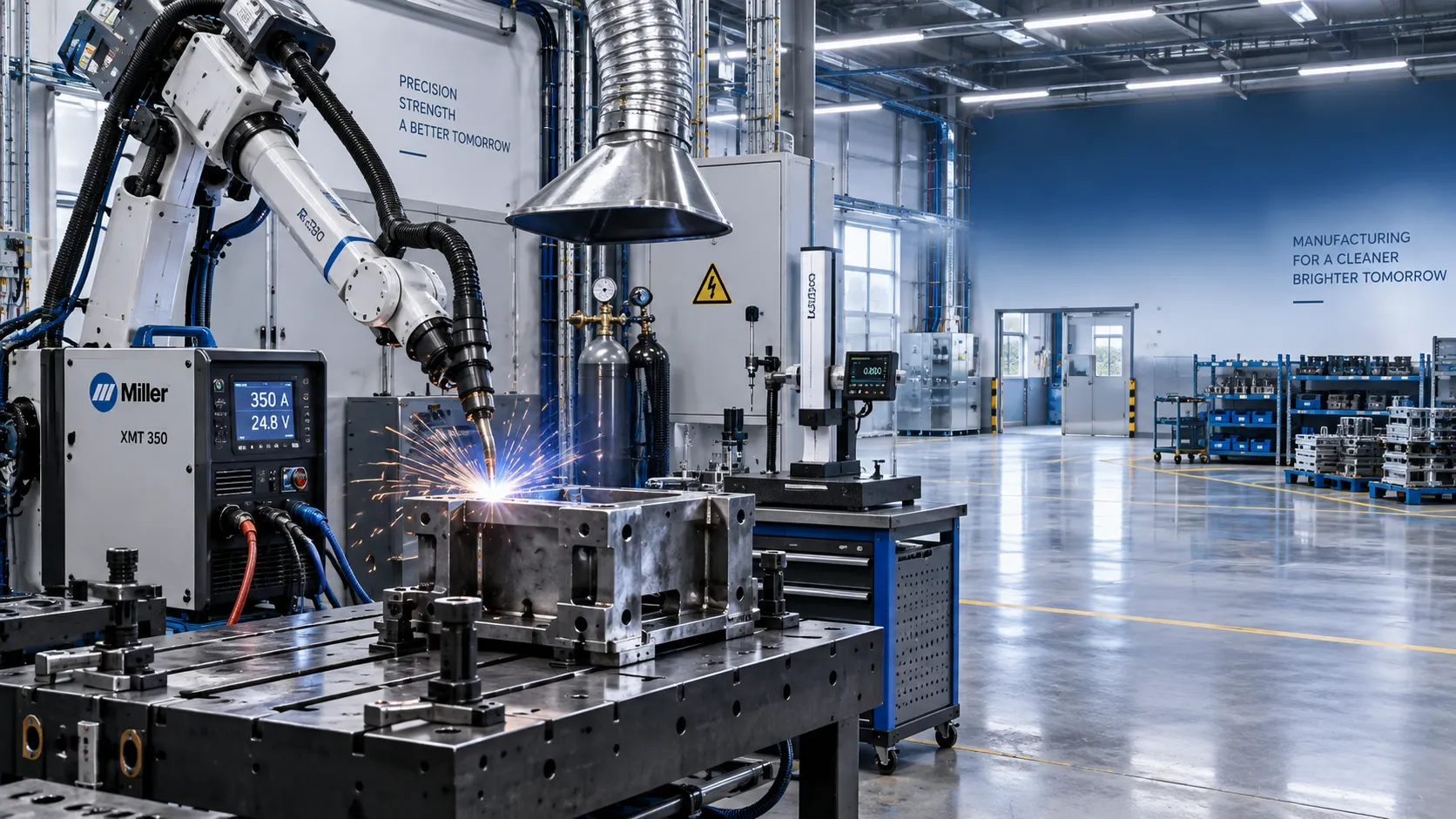
Industrial Equipment Application Guidance: Match Machines to Operating Conditions
Application guidance industrial equipment: match capacity, duty cycle, materials, site conditions, safety, and lifecycle cost to improve reliable output. Read the guide.
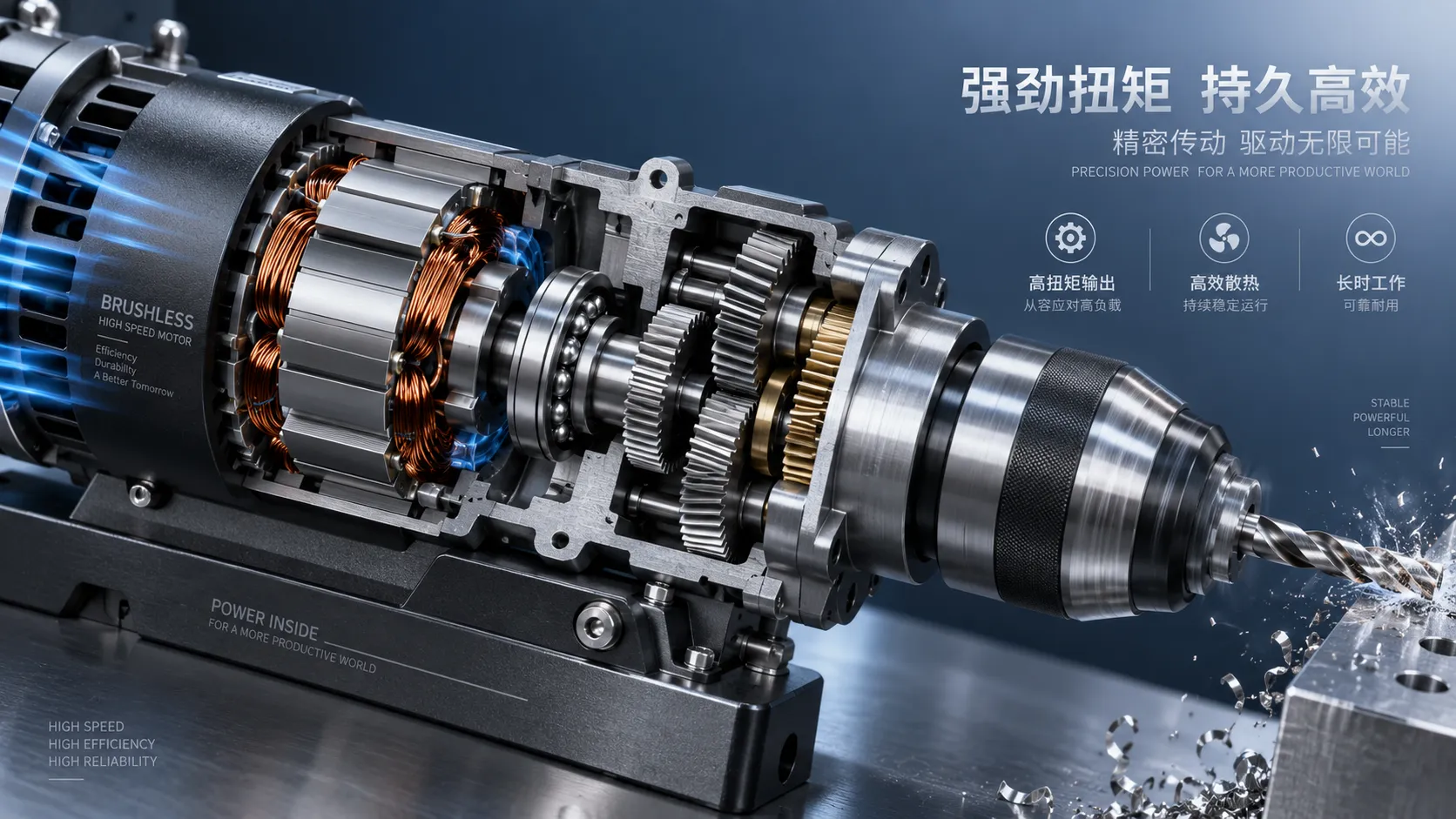
Selecting High-Speed Brushless Tool Motors for Torque, Heat, and Duty Cycle
High speed brushless tool motors: learn how to balance torque, heat, gearing, and duty cycle for reliable industrial tool performance and longer service life.
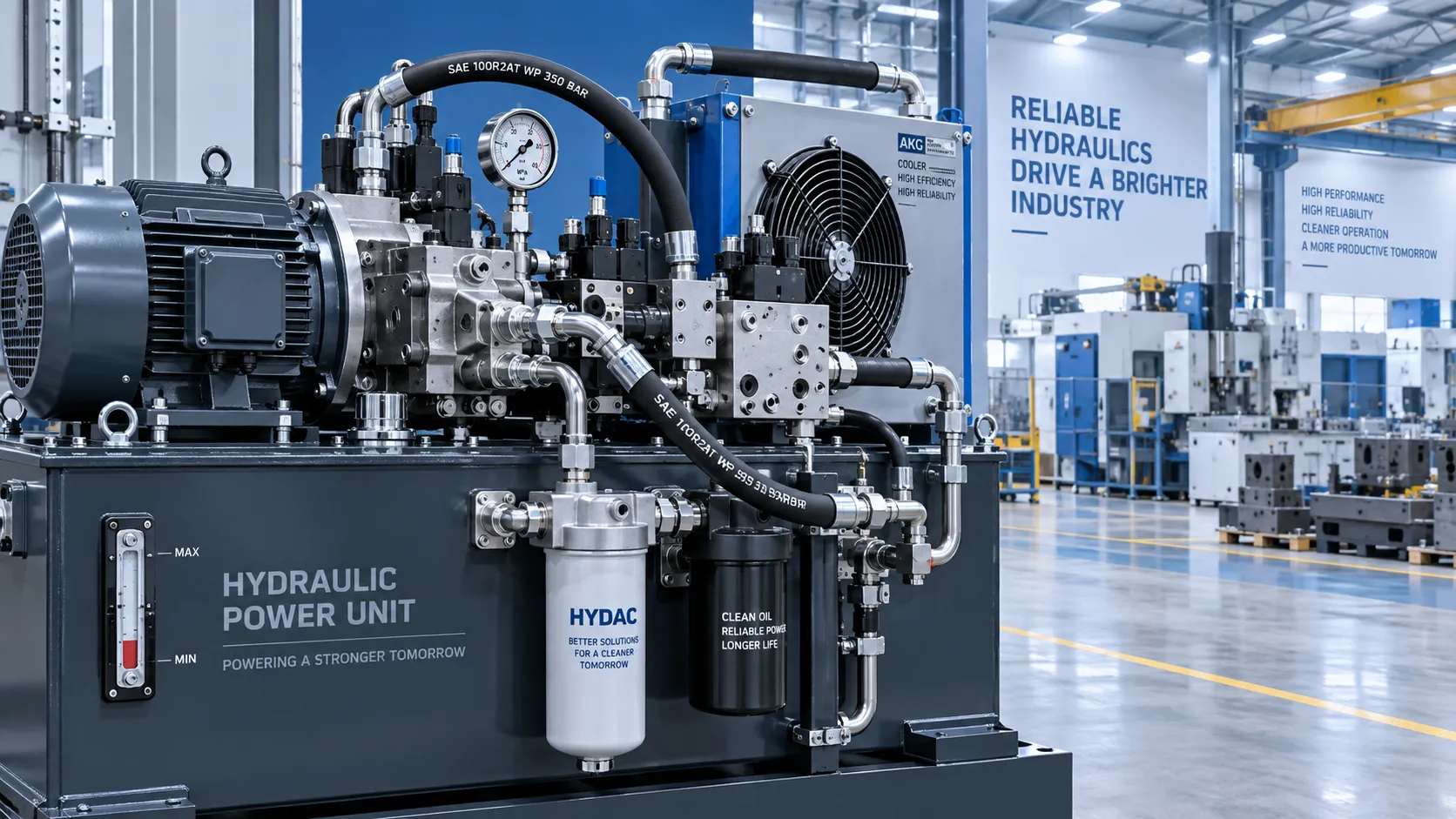
What Determines Industrial Hydraulic System Price for Heavy-Duty Equipment?
Industrial hydraulic system price depends on duty cycle, pressure, components, cooling, and integration. Compare quotes intelligently to secure reliable heavy-duty performance.
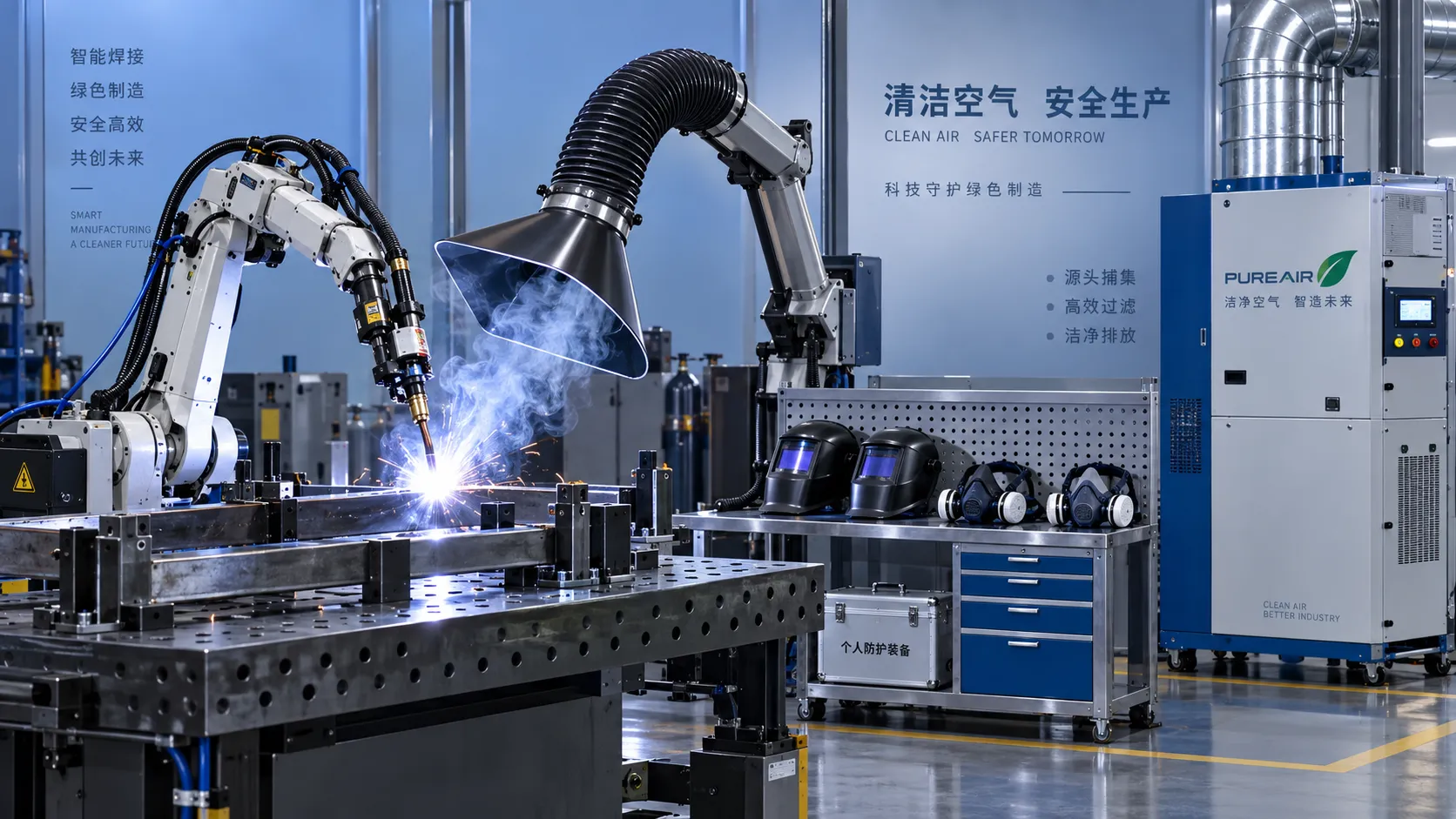
Welding Fume Extraction PPE: When Respirators Are Not Enough for Shop Safety
Welding fume extraction PPE: learn why respirators alone fall short and how source capture, ventilation, and layered controls improve shop safety.
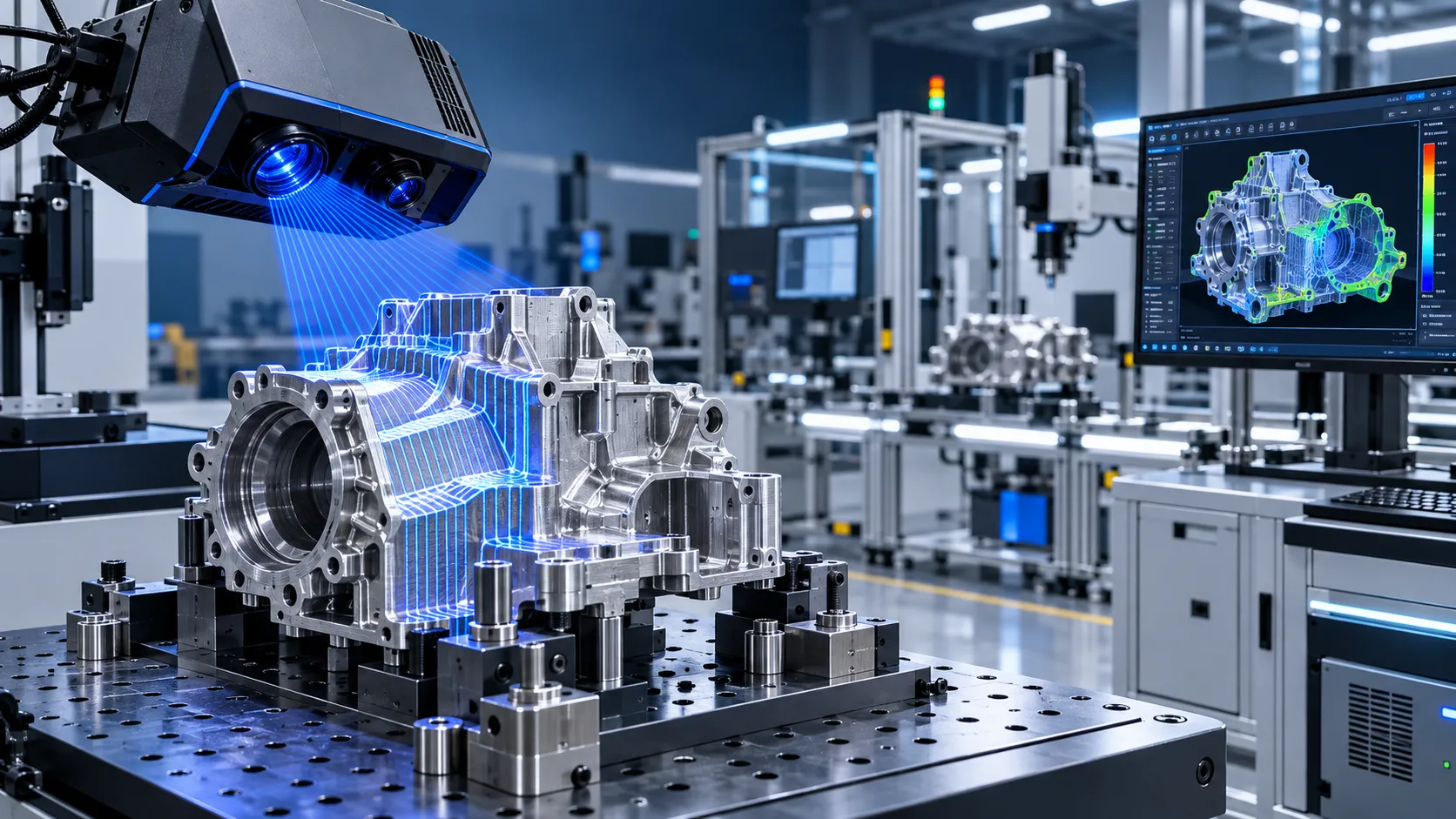
How to Select Optical Metrology Solutions for Tight-Tolerance Manufacturing
Optical industrial metrology solutions for tight-tolerance manufacturing: evaluate accuracy, surface compatibility, workflow, and traceability to select with confidence.
Related News
- 00
0000-00
Selecting Adjustable Torque Tools for Repeatable Fastener Assembly - 00
0000-00
How to Select Aerospace Inspection Tools for Aircraft Maintenance Tasks - 00
0000-00
How to Select Wire Bonding Tools for Fine-Pitch Semiconductor Packaging - 00
0000-00
Industrial Equipment Application Guidance: Match Machines to Operating Conditions - 00
0000-00
Selecting High-Speed Brushless Tool Motors for Torque, Heat, and Duty Cycle
Prof. Marcus Chen
Weekly Insights
Stay ahead with our curated technology reports delivered every Monday.