
Industrial Trends in Southeast Asia: Which Sectors Are Driving Equipment Demand?





Industrial Trends Southeast Asia Are Redrawing the Equipment Map
Industrial trends Southeast Asia are no longer defined by low-cost expansion alone. The region is moving into a more complex phase of industrial upgrading, supply chain relocation, and project execution pressure.
That shift matters because equipment demand is becoming more selective. Orders are rising, but the mix is changing toward safer welding systems, tighter metrology, more durable power tools, and smarter assembly control.
Across the region, factory investors, contractors, and industrial operators are responding to the same question: where will the next wave of reliable demand come from, and what tools will support it?
From a GPTWM perspective, the most useful signal is not headline growth alone. It is the “last mile” of manufacturing and maintenance, where metal joining quality, measurement accuracy, and tool productivity decide whether expansion plans actually convert into output.
This is why industrial trends Southeast Asia deserve a closer reading. The region’s demand story is broad, but a few sectors are clearly pulling harder on welding, precision tools, metrology devices, hydraulic systems, and industrial power equipment.
The Strongest Demand Signals Are Coming From Real Asset Buildout
Recent changes show a practical pattern. Demand is strongest where physical assets are being built, upgraded, or localized, not where activity remains mostly speculative.
Several sectors stand out because they require repeated use of fabrication, installation, measurement, repair, and compliance work. That combination drives recurring equipment purchases instead of one-off spending.
The point is not that every market is moving at the same speed. Industrial trends Southeast Asia vary by country, but these sectors share one common feature: they convert industrial ambition into tool-intensive execution.
Why This Change Is Becoming More Visible Now
The first driver is supply chain diversification. Southeast Asia continues to attract production shifts from companies seeking resilience, tariff flexibility, and lower concentration risk.
That relocation creates immediate demand for line setup, installation, calibration, inspection, and maintenance tools. It also lifts requirements for consistent output across multiple plants and supplier tiers.
The second driver is urban and industrial infrastructure expansion. New transport links, logistics facilities, utilities, and industrial estates create steady demand for field welding, cutting, fastening, and measurement work.
A third force is the quality threshold imposed by export markets. Once suppliers serve electronics, automotive, aerospace maintenance, or energy projects, tolerance control and documentation become harder to ignore.
More importantly, the region is not only buying more equipment. It is buying equipment that can support traceability, ergonomic performance, safety compliance, and lower operator error.
This is where GPTWM’s intelligence lens becomes relevant. In the current cycle, raw material volatility, export restrictions, handheld laser welding safety rules, and brushless motor efficiency limits are no longer niche topics. They directly affect tool selection and replacement timing.
Electronics and EV Supply Chains Are Pulling Demand Up the Value Curve
Among all industrial trends Southeast Asia, the most important shift may be the move from simple assembly toward higher-value, higher-precision production environments.
Electronics manufacturing illustrates this clearly. As boards, connectors, housings, thermal systems, and test modules become more complex, the need for accurate fastening and dimensional verification rises with them.
That means more spending on torque-controlled tools, digital measuring instruments, benchtop inspection systems, and repeatable workstation setups. Low-cost tools can still enter the market, but they are losing ground where reject rates are expensive.
The EV ecosystem adds another layer. Battery pack structures, cooling systems, cable routing, lightweight materials, and safety-critical joints all raise the bar for metal joining and process control.
In practical terms, welding demand here is not just about volume. It is about process stability, operator protection, and post-join verification. Handheld laser systems, fume control, and joint inspection tools are gaining attention for that reason.
This part of industrial trends Southeast Asia matters because it pushes demand upward in capability. The region is asking for more than tools that simply work. It increasingly needs tools that prove they worked correctly.
Construction, Utilities, and Industrial Parks Still Create the Broadest Base
High-precision sectors may attract more attention, but broad equipment demand still depends heavily on construction and infrastructure. This remains one of the widest channels for industrial trends Southeast Asia.
Transport corridors, warehousing, data centers, ports, water systems, and factory shell development generate demand across many equipment layers at once. Portable welders, rebar tools, hydraulic crimpers, grinders, cutters, and field measurement devices all benefit.
What is changing is the jobsite expectation. Projects are under pressure to reduce delays, rework, and labor strain. That favors lighter tools, stronger battery platforms, faster setup, and equipment that can handle difficult site conditions.
More visible now is the link between infrastructure quality and downstream manufacturing. Industrial parks do not only consume equipment during construction. They also anchor future maintenance, retrofitting, and production tool demand.
- Early-stage projects favor rugged installation and civil-support tools.
- Mid-stage buildout increases welding, fastening, hydraulic, and alignment demand.
- Operational phases shift spending toward inspection, repair, calibration, and uptime support.
That lifecycle view is useful because industrial trends Southeast Asia should not be read only through new-build announcements. The more durable revenue often emerges after facilities begin operating.
The Real Change Is Happening in Specifications, Not Just in Volumes
One of the clearest signals across industrial trends Southeast Asia is specification tightening. Buyers are asking more detailed questions about safety, reliability, calibration intervals, data capture, and energy efficiency.
This changes market behavior in three ways. First, replacement cycles become less random. Older tools are retired when they fail compliance or create quality instability, not only when they physically break.
Second, the premium segment gains credibility. Where output consistency matters, better measurement tools and controlled fastening systems can protect margins more effectively than lower upfront pricing.
Third, service capability becomes part of product value. Calibration support, spare parts availability, operator training, and documentation now influence equipment decisions more directly.
This is especially relevant for platforms like GPTWM, which track not only sector news but also evolutionary changes in tool intelligence. IoT-based torque control, ergonomic standard alignment, and lightweight tool design are becoming commercial demand signals, not just technical talking points.
Where to Watch Next if Equipment Planning Needs Better Timing
The next phase of industrial trends Southeast Asia will likely be shaped by timing discipline rather than broad optimism. Demand remains attractive, but the strongest outcomes will come from reading the right signals early.
Several indicators deserve close attention:
- Factory relocation announcements that move from policy approval to actual equipment installation.
- Infrastructure packages that progress from planning to contractor mobilization.
- Export-oriented sectors facing stricter quality or safety certification thresholds.
- Maintenance-heavy industries where aging assets force higher inspection and repair spending.
- Tool categories affected by raw material swings, battery supply pressure, or regulatory shifts.
In actual planning, it helps to separate short-cycle demand from structural demand. A burst of project activity can lift portable equipment sales quickly, but precision metrology and intelligent assembly tools usually follow deeper industrial upgrading.
That distinction keeps market interpretation grounded. Not every spike means lasting opportunity, and not every slow-moving segment lacks strategic value.
A Practical Reading of the Region’s Next Industrial Phase
Industrial trends Southeast Asia point to a region building capacity on two levels at once. One is visible in infrastructure, industrial parks, and physical expansion. The other is visible in better process control, safer welding, smarter tools, and tighter measurement culture.
The sectors driving equipment demand are therefore not only the largest by output. They are the ones where project execution, quality assurance, and operational uptime intersect most strongly.
A useful next step is to map demand by application rather than by headline industry alone. Compare where joining quality is becoming critical, where calibration expectations are rising, and where maintenance intensity is increasing.
Then track which specifications are changing fastest. In this market, that often reveals more than top-line growth numbers do.
For ongoing judgment, GPTWM-style intelligence is most valuable when it connects sector movement with tool-level consequences. That is where industrial trends Southeast Asia become actionable, and where equipment planning becomes much more precise.
Related News
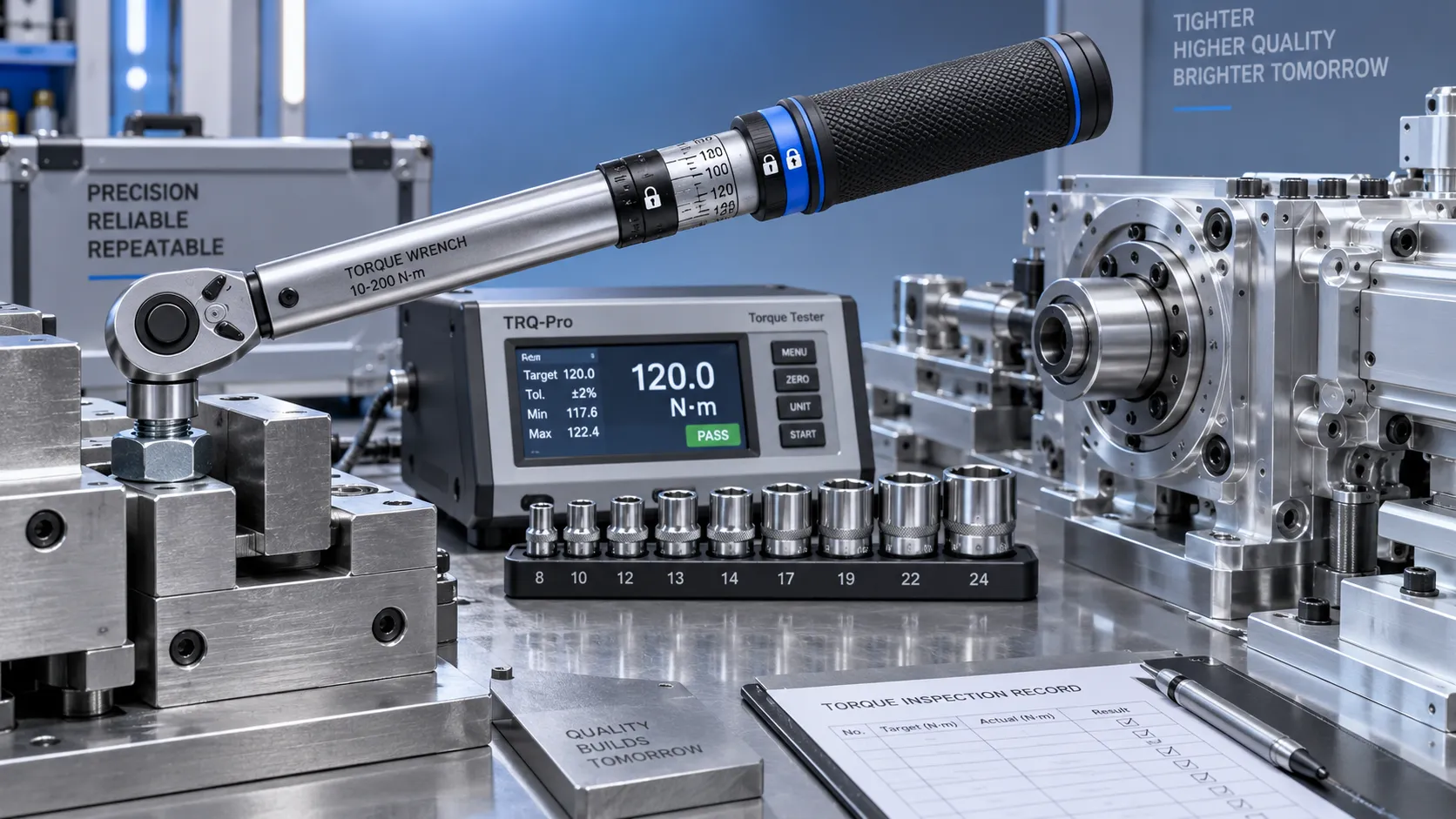
Selecting Adjustable Torque Tools for Repeatable Fastener Assembly
Adjustable torque tools: learn how to match range, accuracy, control methods, calibration, and ergonomics for repeatable, reliable fastener assembly.
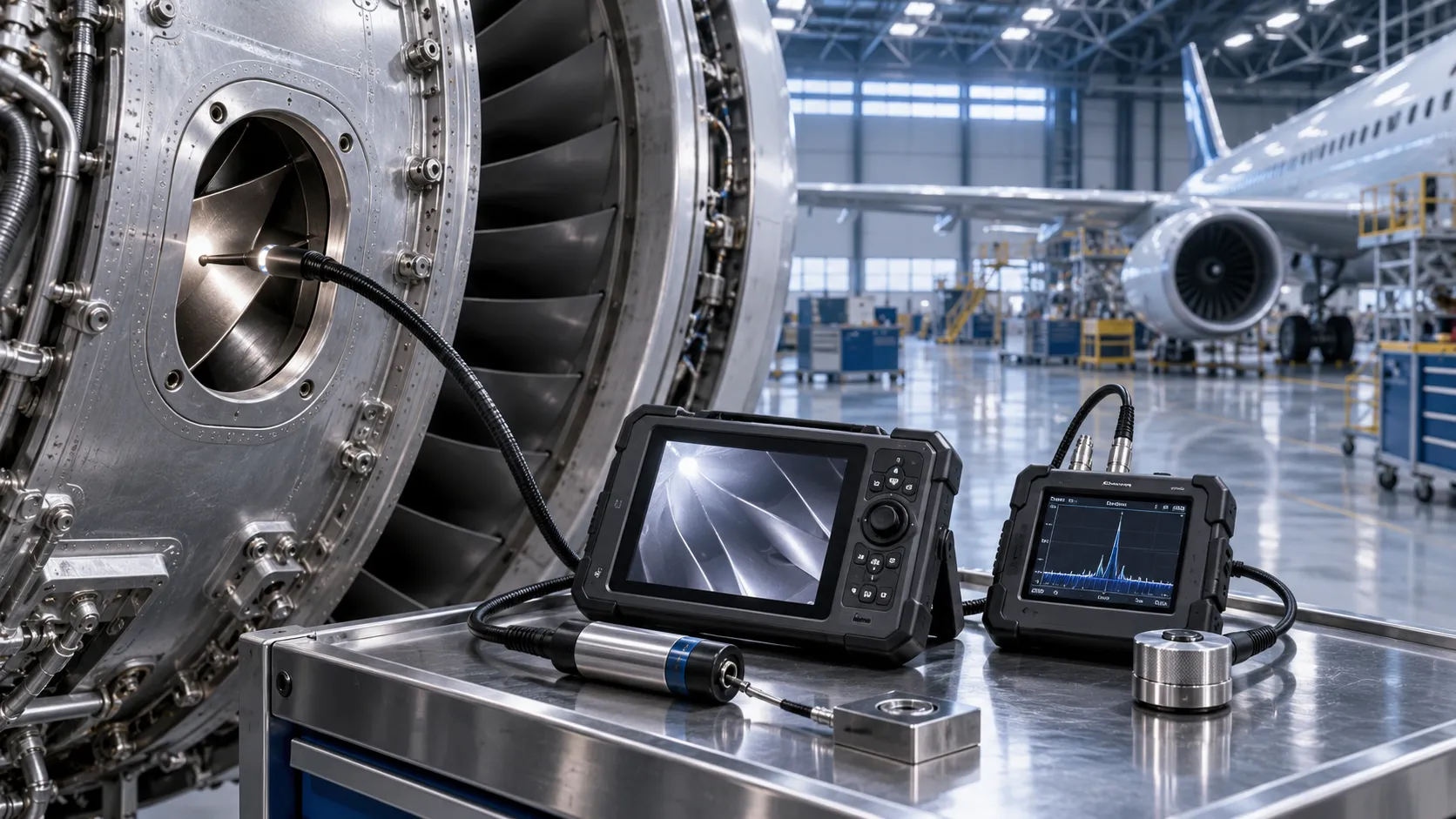
How to Select Aerospace Inspection Tools for Aircraft Maintenance Tasks
Aerospace maintenance inspection tools: learn how to select reliable, traceable equipment for aircraft access, accuracy, calibration, and compliant maintenance decisions.

How to Select Wire Bonding Tools for Fine-Pitch Semiconductor Packaging
Explore semiconductor manufacturing tools for wire bonding and learn how to select precision solutions for fine-pitch packaging, reliable loops, accuracy, and yield.
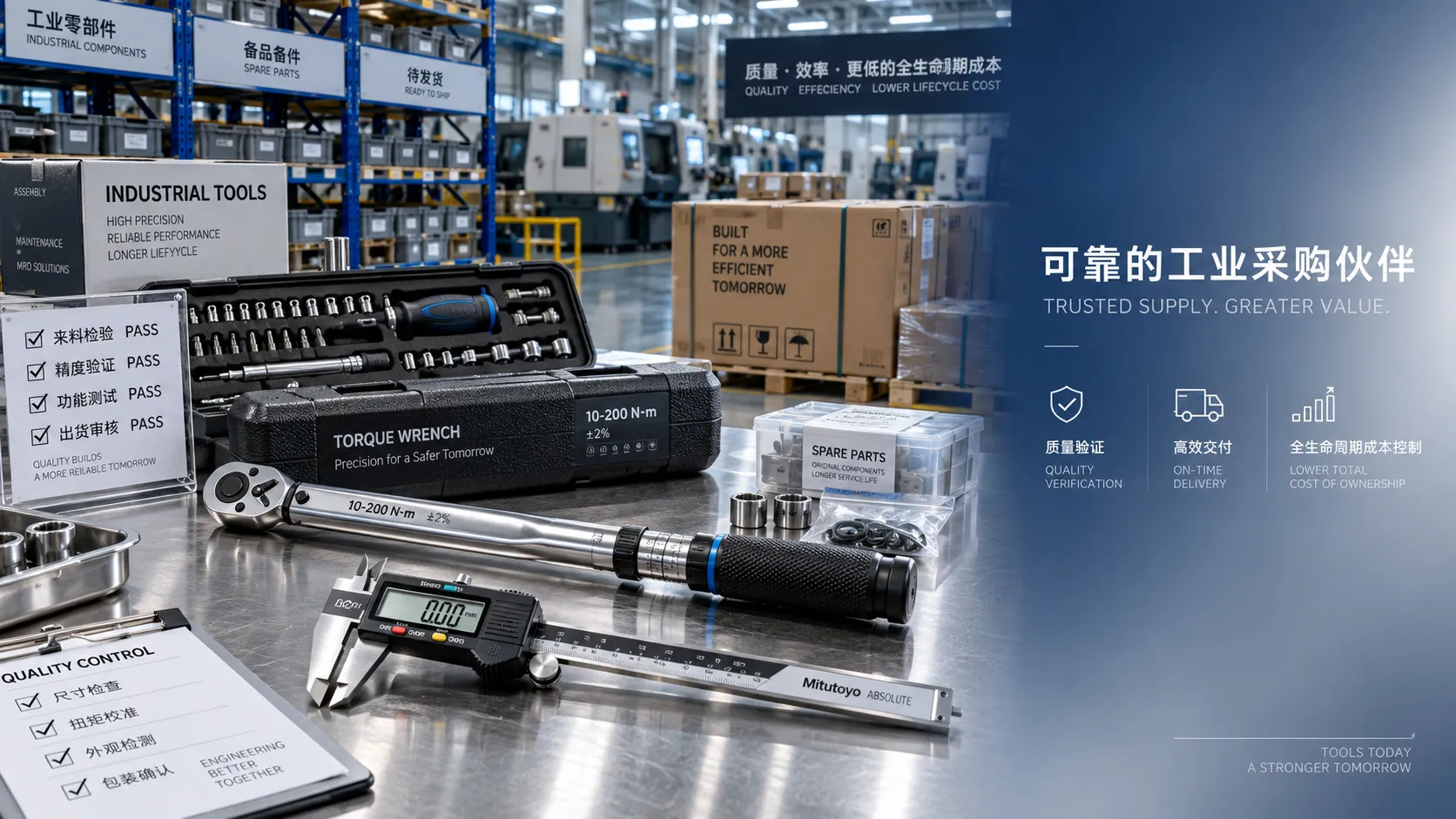
How to Compare Industrial Tool Suppliers for Quality, Lead Time, and Total Cost
Industrial tool selection supplier comparison made simple: evaluate quality, lead times, total cost, service, and supply resilience for confident sourcing decisions.
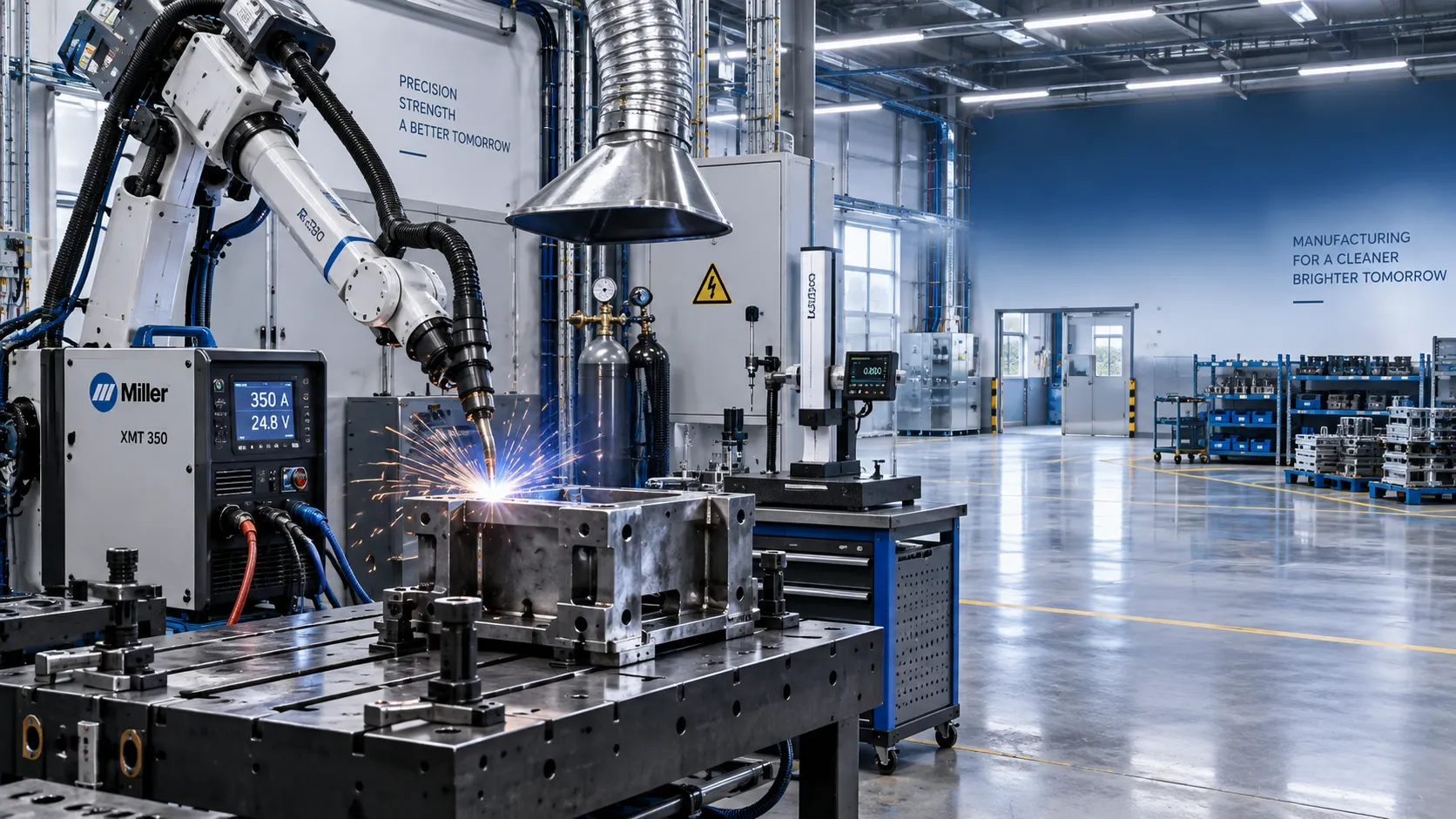
Industrial Equipment Application Guidance: Match Machines to Operating Conditions
Application guidance industrial equipment: match capacity, duty cycle, materials, site conditions, safety, and lifecycle cost to improve reliable output. Read the guide.
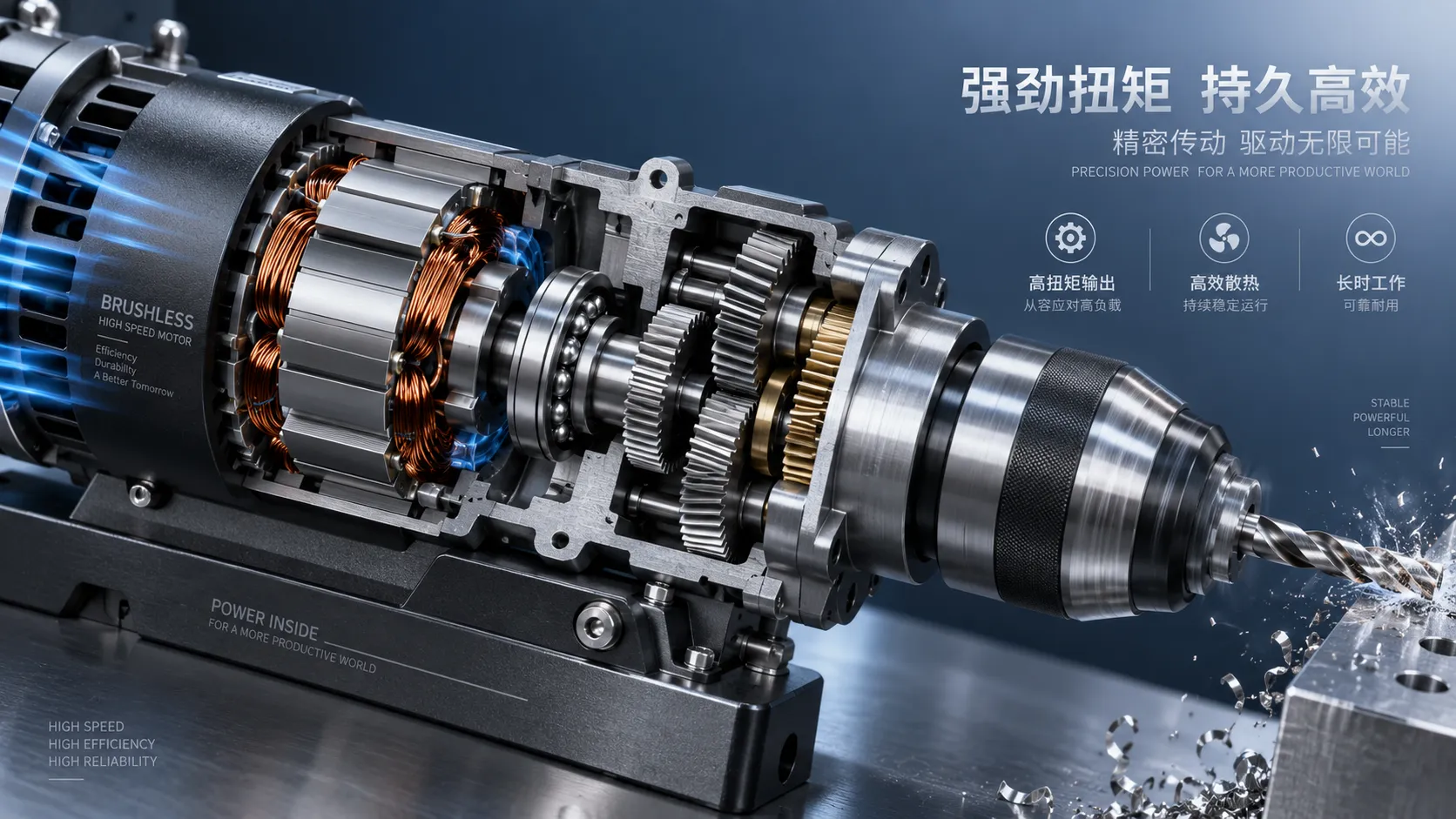
Selecting High-Speed Brushless Tool Motors for Torque, Heat, and Duty Cycle
High speed brushless tool motors: learn how to balance torque, heat, gearing, and duty cycle for reliable industrial tool performance and longer service life.
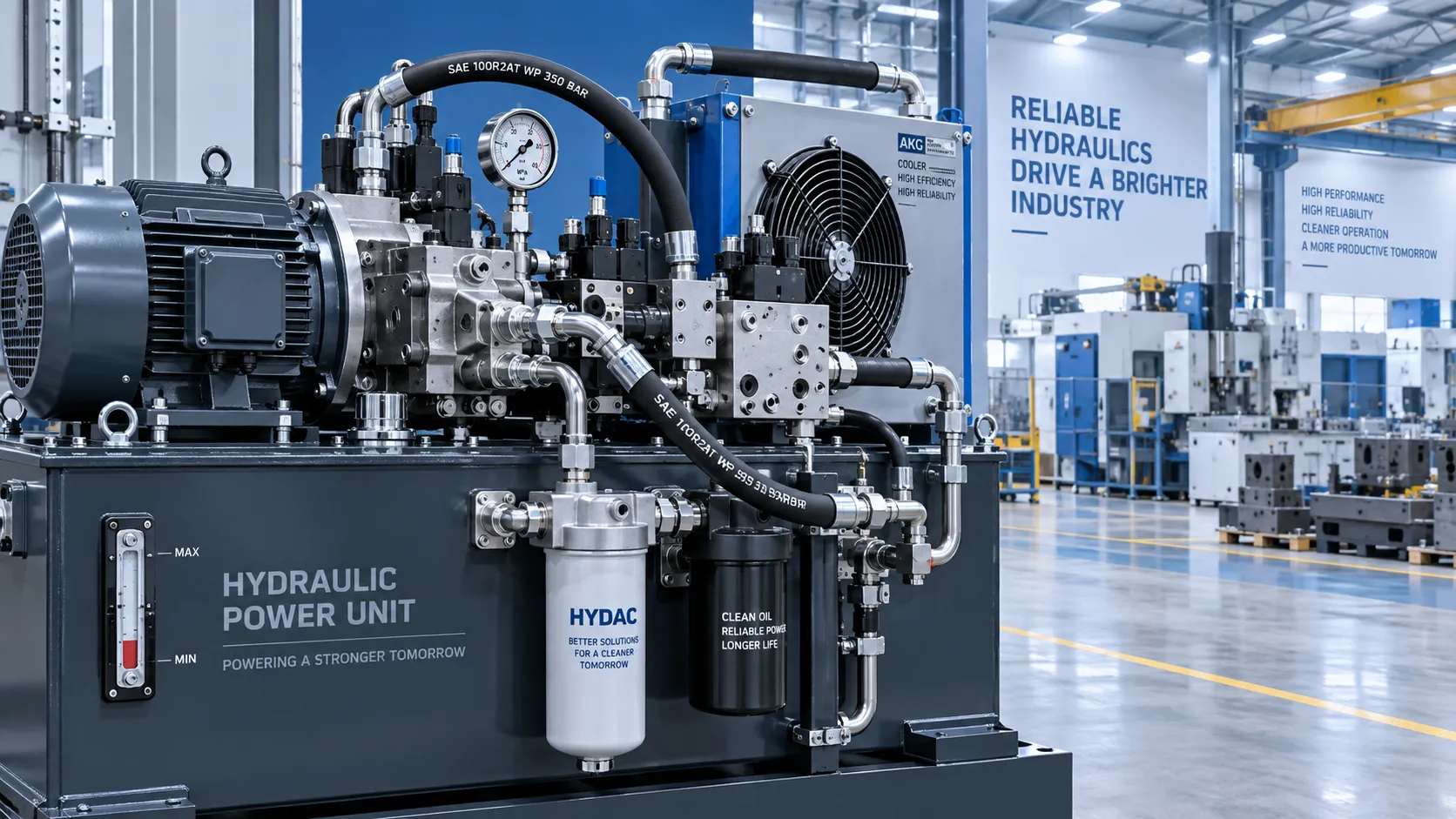
What Determines Industrial Hydraulic System Price for Heavy-Duty Equipment?
Industrial hydraulic system price depends on duty cycle, pressure, components, cooling, and integration. Compare quotes intelligently to secure reliable heavy-duty performance.
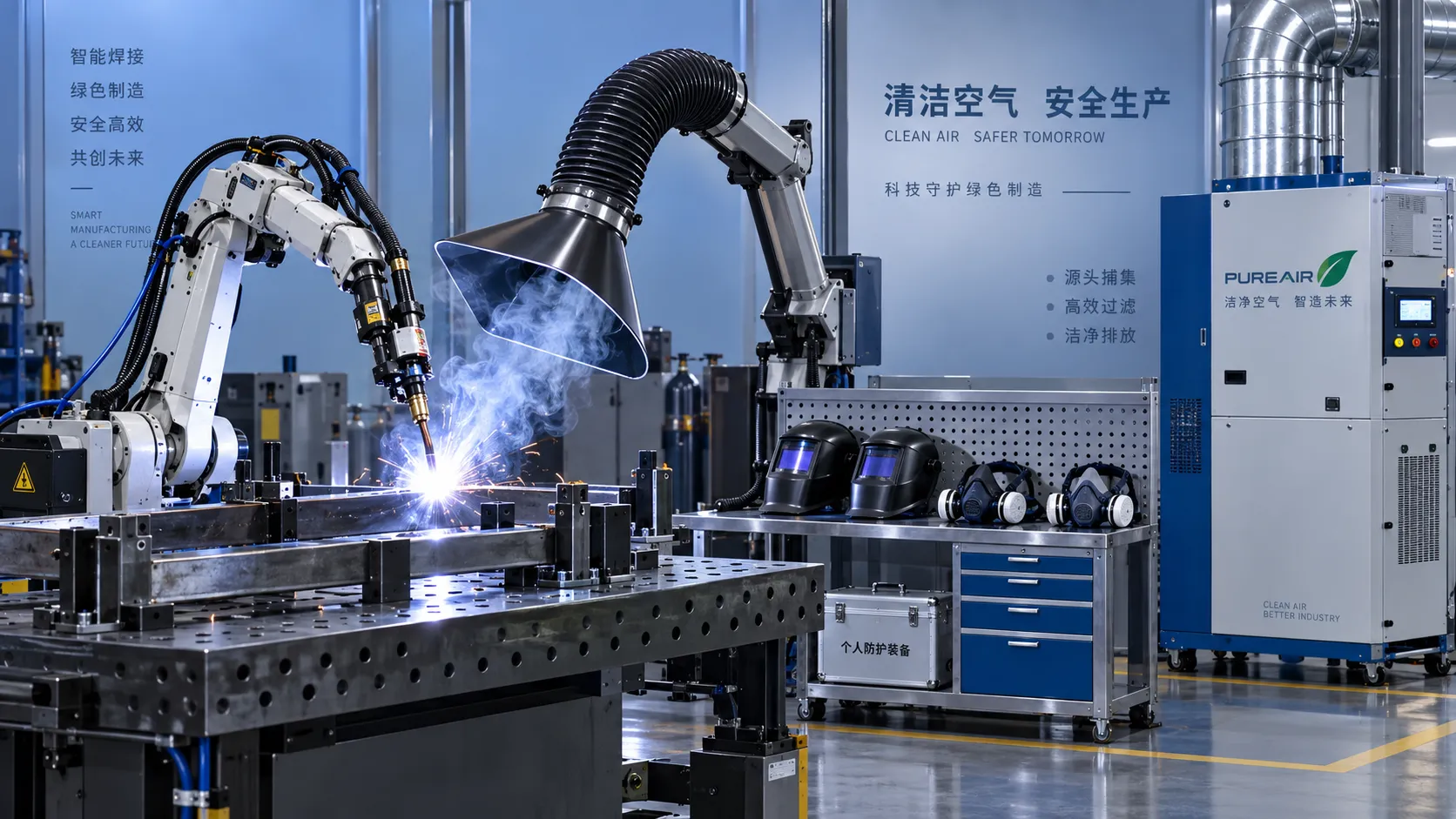
Welding Fume Extraction PPE: When Respirators Are Not Enough for Shop Safety
Welding fume extraction PPE: learn why respirators alone fall short and how source capture, ventilation, and layered controls improve shop safety.
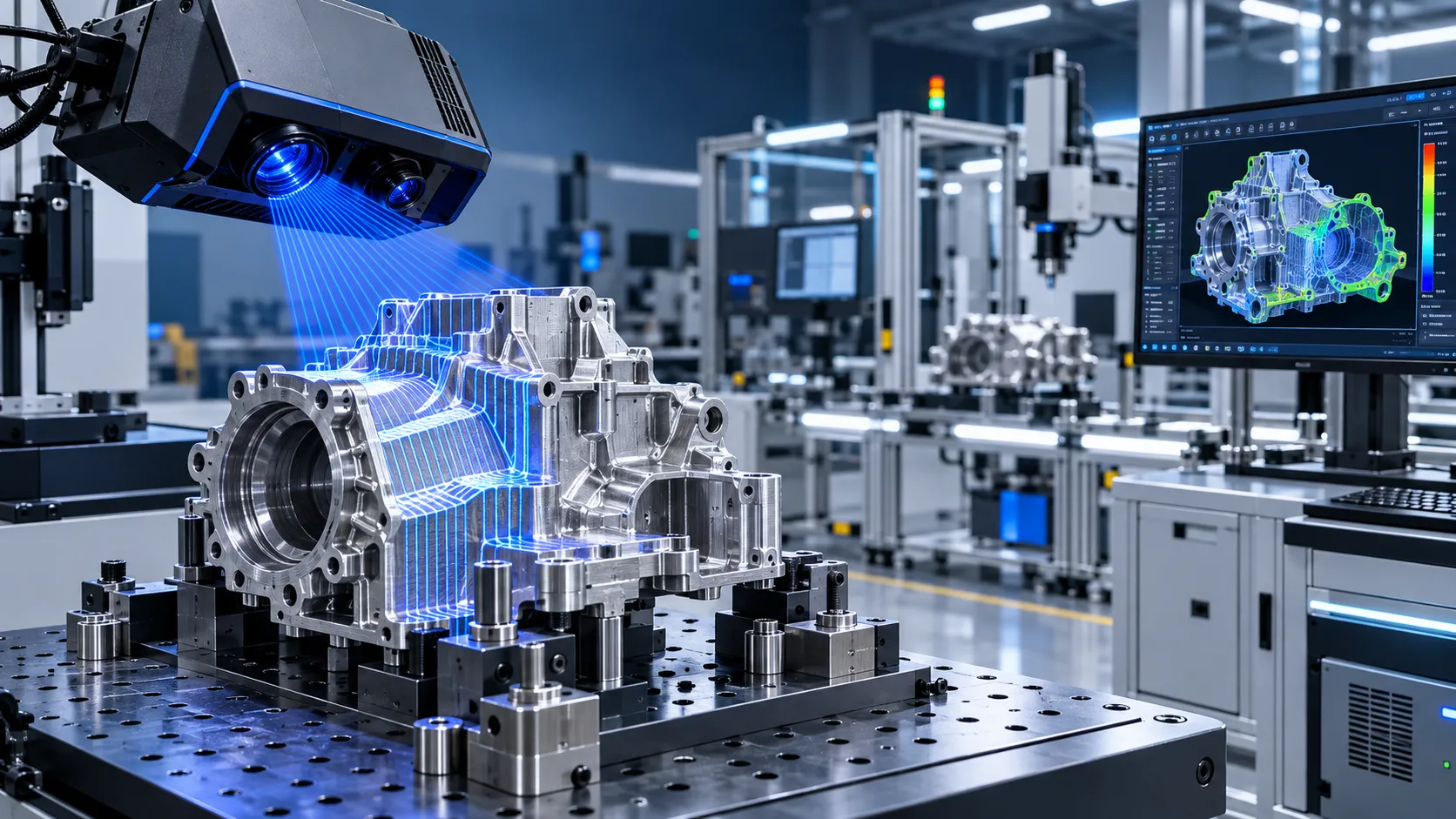
How to Select Optical Metrology Solutions for Tight-Tolerance Manufacturing
Optical industrial metrology solutions for tight-tolerance manufacturing: evaluate accuracy, surface compatibility, workflow, and traceability to select with confidence.
Related News
- 00
0000-00
How Middle East Manufacturers Can Improve Production Efficiency Under Heat and Labor Constraints - 00
0000-00
Why Are Specification-Oriented Articles Gaining Traction in Europe’s B2B Markets? - 00
0000-00
Industrial Solutions in Latin America: Key Growth Sectors and Market Entry Risks - 00
0000-00
What Is Driving Manufacturing Efficiency in Europe’s Industrial Sectors? - 00
0000-00
Industrial Market Trends in 2025: What Buyers Should Watch Across Supply and Demand
Dr. Alistair Vaughn
Weekly Insights
Stay ahead with our curated technology reports delivered every Monday.