
Torque Control Systems for Assembly: How to Choose Accuracy, Speed, and Traceability





Torque Control Systems for Assembly: How to Choose Accuracy, Speed, and Traceability
Selecting torque control systems for assembly is no longer only about tightening performance. It now shapes product quality, takt time, and audit readiness across the full production flow.
The real evaluation challenge is balance. A system that improves torque accuracy may reduce cycle speed. A faster setup may weaken traceability or process control.
That is why torque control systems for assembly should be assessed as production infrastructure, not just as tools. The right choice supports both immediate throughput and long-term manufacturing discipline.
This guide explains the criteria, trade-offs, and practical checkpoints that matter when comparing systems for real-world assembly lines.
Start with the Assembly Risk Profile
Before comparing features, define the joint risk. Not every fastening step needs the same level of control, proof, or investment.
A low-risk enclosure screw and a safety-critical suspension fastener require very different torque control systems for assembly. Treating them the same usually wastes money or adds hidden quality exposure.
Build the first screen around four questions:
- What happens if torque is too low, too high, or applied at the wrong angle?
- How stable is the joint, including friction, material stack, and lubrication?
- How fast must the station run to meet takt time?
- What level of traceability is required by customers, standards, or regulators?
This early mapping narrows the field quickly. It also prevents feature-driven buying, which often looks strong in demos but fails under production pressure.
Accuracy Is More Than a Torque Number
When evaluating torque control systems for assembly, published torque accuracy is only the starting point. Real process capability depends on the full tightening chain.
Controller logic, transducer quality, rundown speed, reaction effects, socket wear, and joint variation all influence the final clamp load. A precise tool in a weak process still produces unstable results.
Look closely at these accuracy factors:
- Measurement range and repeatability across the actual operating window
- Performance on hard joints versus soft joints
- Control of torque, angle, speed, and seating detection
- Compensation for joint scatter and rundown variability
- Calibration intervals and drift behavior over time
In practical terms, torque-plus-angle strategies often outperform simple shutoff methods for critical joints. They offer better visibility into seating, yield behavior, and abnormal tightening signatures.
More accurate torque control systems for assembly usually justify their cost when rework, warranty risk, or field failure carries a high financial penalty.
Speed Must Be Measured at the Station Level
Cycle time claims can be misleading. Fast free speed does not automatically translate into faster station output.
What matters is full-station productivity. That includes tool positioning, rundown, confirmation, operator movement, error recovery, and data transfer.
Assess speed using a wider lens:
- Measure average cycle time, not only best-case cycle time.
- Include retries, mis-hits, and operator confirmation delays.
- Check whether multiple tightening programs can switch automatically.
- Review feeder, fixture, and MES interaction latency.
This is where advanced torque control systems for assembly show their value. Program selection by barcode, part presence, recipe, or network command can remove several seconds from each unit.
From a throughput standpoint, a slightly slower tool with cleaner first-pass yield may outperform a faster tool that generates more exceptions and interruptions.
Traceability Is Now a Core Selection Factor
Traceability used to be a premium feature. In many sectors, it is now a baseline requirement.
Modern torque control systems for assembly should capture tightening results in a structured, searchable, and exportable format. Raw torque values alone are not enough for meaningful analysis.
The most useful traceability package usually includes:
- Timestamp, operator, station, tool, and part identity
- Program version and tightening strategy used
- Final torque, angle, pass-fail status, and curve data
- Exception codes, override events, and rework records
- Direct integration with MES, QMS, or ERP environments
This matters for audits, but it matters even more for root-cause work. When defects appear, traceable data shortens investigation time and limits the size of containment actions.
In sectors moving toward connected manufacturing, torque control systems for assembly increasingly act as data nodes within broader Industry 4.0 workflows.
Compare System Architectures Carefully
Architecture decisions shape scalability, maintenance, and process consistency. They also affect how easily the system can adapt to future product changes.
Common options include:
The best torque control systems for assembly usually match the joint class, production mix, and digital maturity of the plant rather than simply offering the most features.
Do Not Ignore Human Factors and Serviceability
Selection errors often come from focusing only on control logic. In daily production, ergonomics and maintainability heavily influence actual performance.
Check these practical issues during trials:
- Tool weight, grip comfort, and reaction management
- Battery runtime or cable routing impact
- User interface clarity during normal and fault states
- Time needed for calibration, backup, and program changes
- Local spare parts, service coverage, and support response
A technically advanced platform can still underperform if operators struggle with it or maintenance teams cannot restore it quickly after a failure.
For that reason, the strongest torque control systems for assembly are usually the ones that combine control precision with stable everyday usability.
A Practical Evaluation Framework
A structured evaluation reduces bias and makes supplier comparison more defensible. It also helps internal teams align around the same decision logic.
Use a weighted scorecard with these categories:
- Joint performance: torque capability, repeatability, and strategy fit.
- Productivity: cycle time, first-pass yield, and changeover ease.
- Traceability: data depth, storage, retrieval, and system integration.
- Lifecycle cost: maintenance, calibration, consumables, and downtime risk.
- Scalability: software flexibility, network readiness, and future line expansion.
Request on-site or simulated trials using your real joints, operators, and line conditions. Laboratory demonstrations rarely expose the full behavior of torque control systems for assembly.
Also ask suppliers for failed-joint examples, not only pass-case data. How the system detects cross-threading, double hits, or missing fasteners often reveals its real value.
Finally, review the digital roadmap. As connected production expands, torque control systems for assembly should support stronger analytics, cleaner integration, and more reliable process governance.
Final Decision Guidance
The best choice is rarely the fastest or the most precise in isolation. It is the system that delivers the right control level for the joint, the line, and the compliance environment.
Well-selected torque control systems for assembly improve process capability, reduce hidden rework, and create a stronger base for traceable manufacturing.
In current manufacturing conditions, that balance matters more than ever. Accuracy protects quality, speed protects output, and traceability protects decision-making.
Use those three filters together, test under real conditions, and let the process risk decide the system level. That approach leads to a more reliable investment and a cleaner production result.
Related News
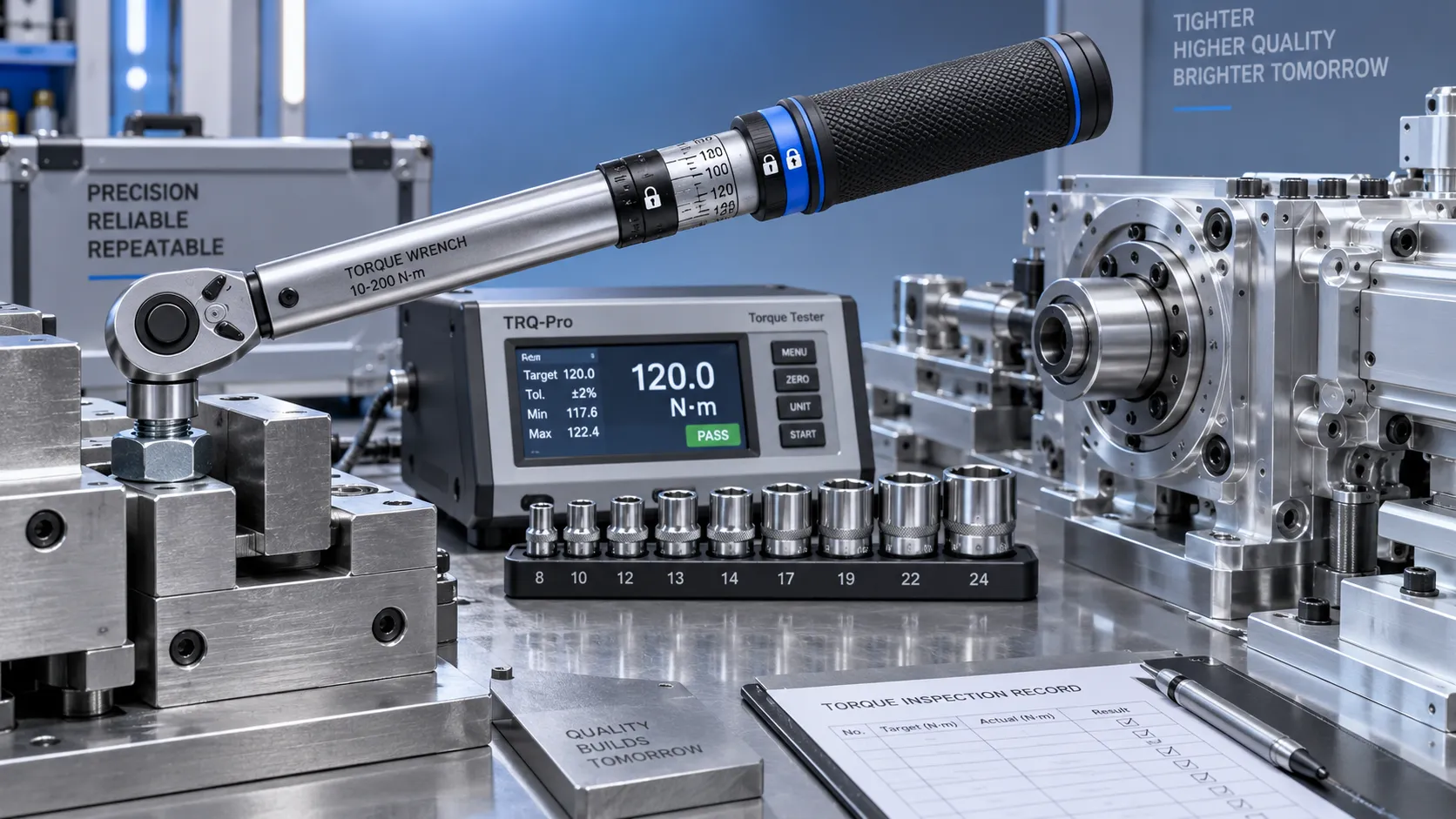
Selecting Adjustable Torque Tools for Repeatable Fastener Assembly
Adjustable torque tools: learn how to match range, accuracy, control methods, calibration, and ergonomics for repeatable, reliable fastener assembly.

How to Select Aerospace Inspection Tools for Aircraft Maintenance Tasks
Aerospace maintenance inspection tools: learn how to select reliable, traceable equipment for aircraft access, accuracy, calibration, and compliant maintenance decisions.

How to Select Wire Bonding Tools for Fine-Pitch Semiconductor Packaging
Explore semiconductor manufacturing tools for wire bonding and learn how to select precision solutions for fine-pitch packaging, reliable loops, accuracy, and yield.
How to Compare Industrial Tool Suppliers for Quality, Lead Time, and Total Cost
Industrial tool selection supplier comparison made simple: evaluate quality, lead times, total cost, service, and supply resilience for confident sourcing decisions.
Industrial Equipment Application Guidance: Match Machines to Operating Conditions
Application guidance industrial equipment: match capacity, duty cycle, materials, site conditions, safety, and lifecycle cost to improve reliable output. Read the guide.
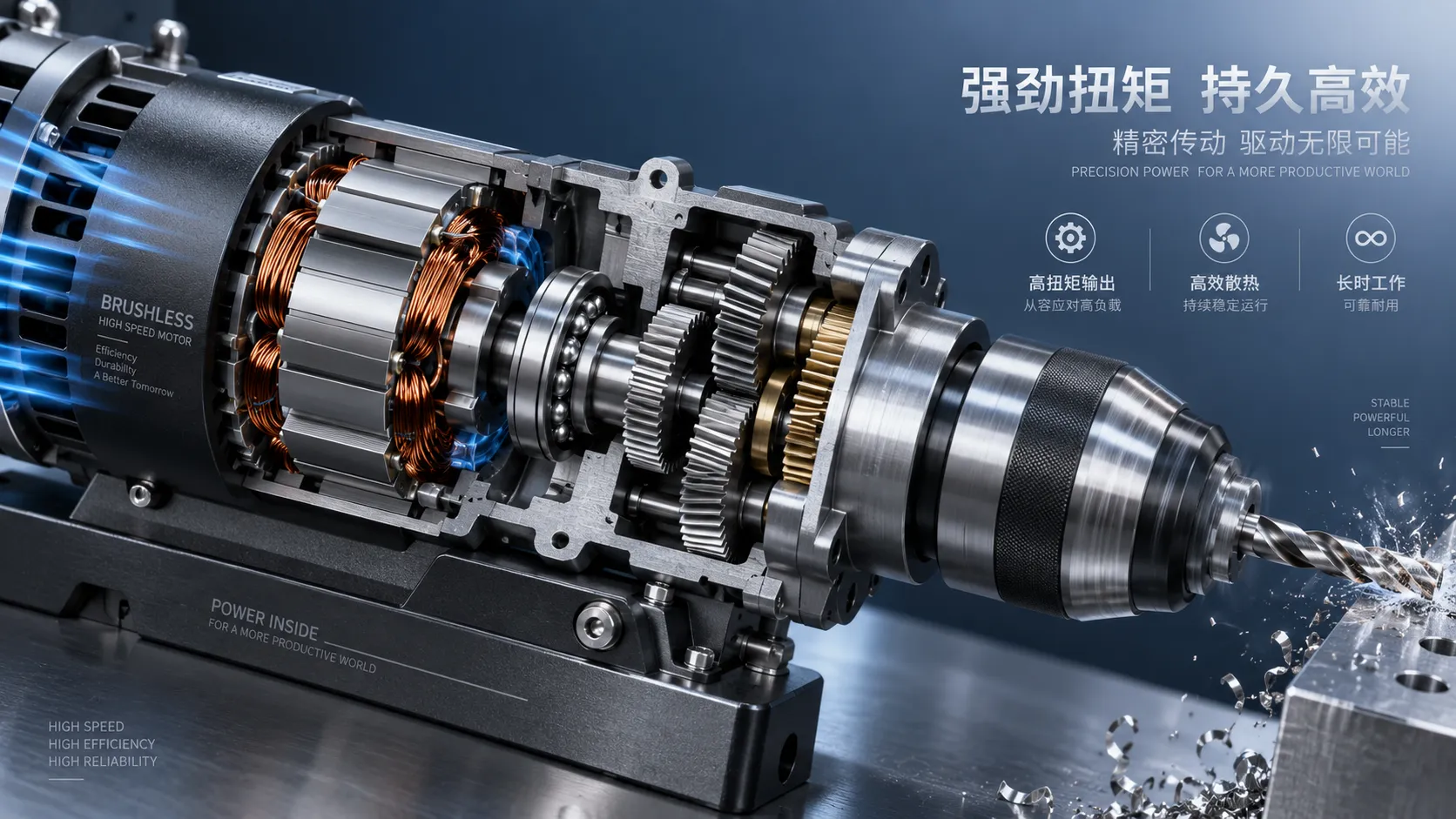
Selecting High-Speed Brushless Tool Motors for Torque, Heat, and Duty Cycle
High speed brushless tool motors: learn how to balance torque, heat, gearing, and duty cycle for reliable industrial tool performance and longer service life.
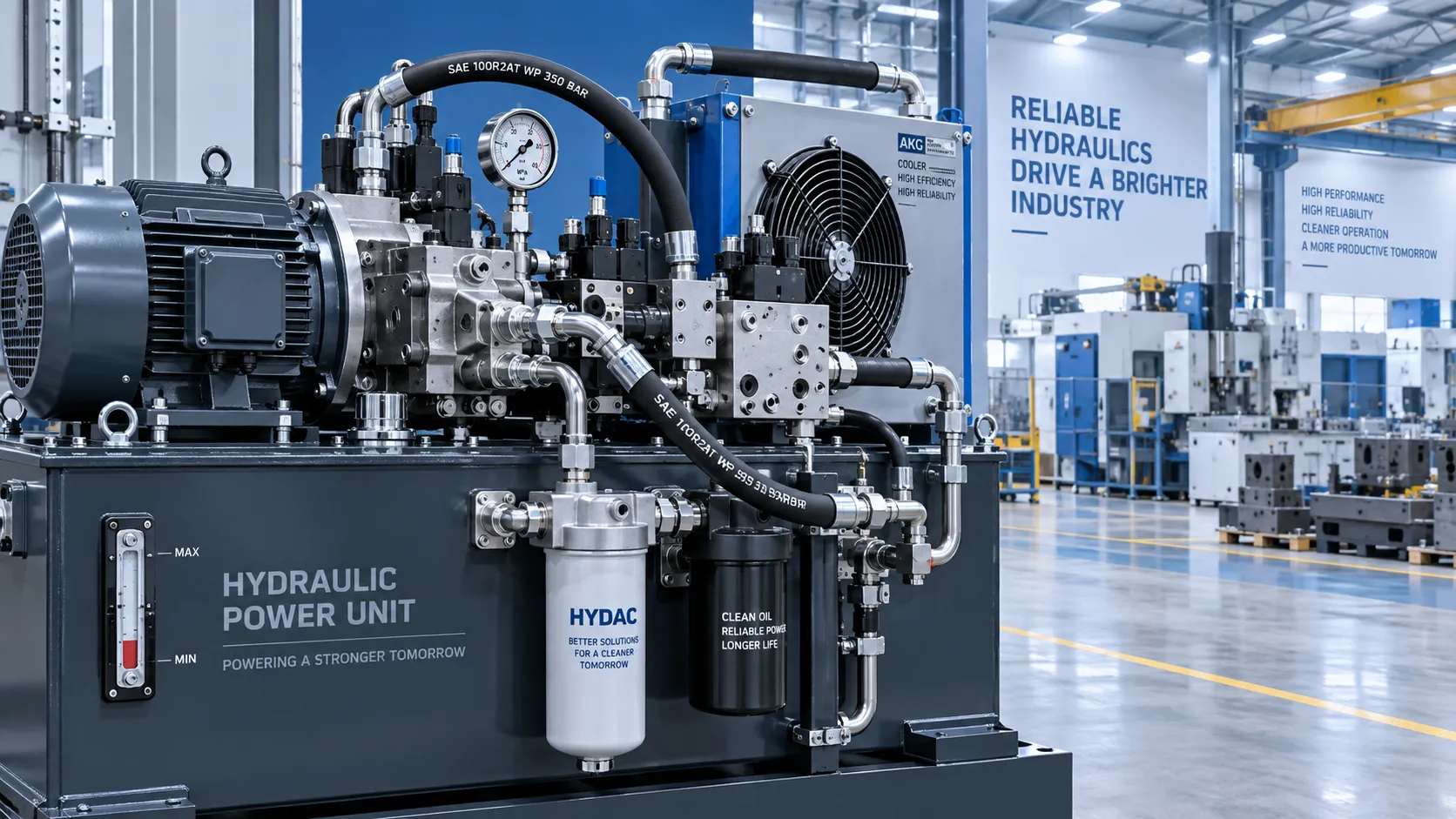
What Determines Industrial Hydraulic System Price for Heavy-Duty Equipment?
Industrial hydraulic system price depends on duty cycle, pressure, components, cooling, and integration. Compare quotes intelligently to secure reliable heavy-duty performance.
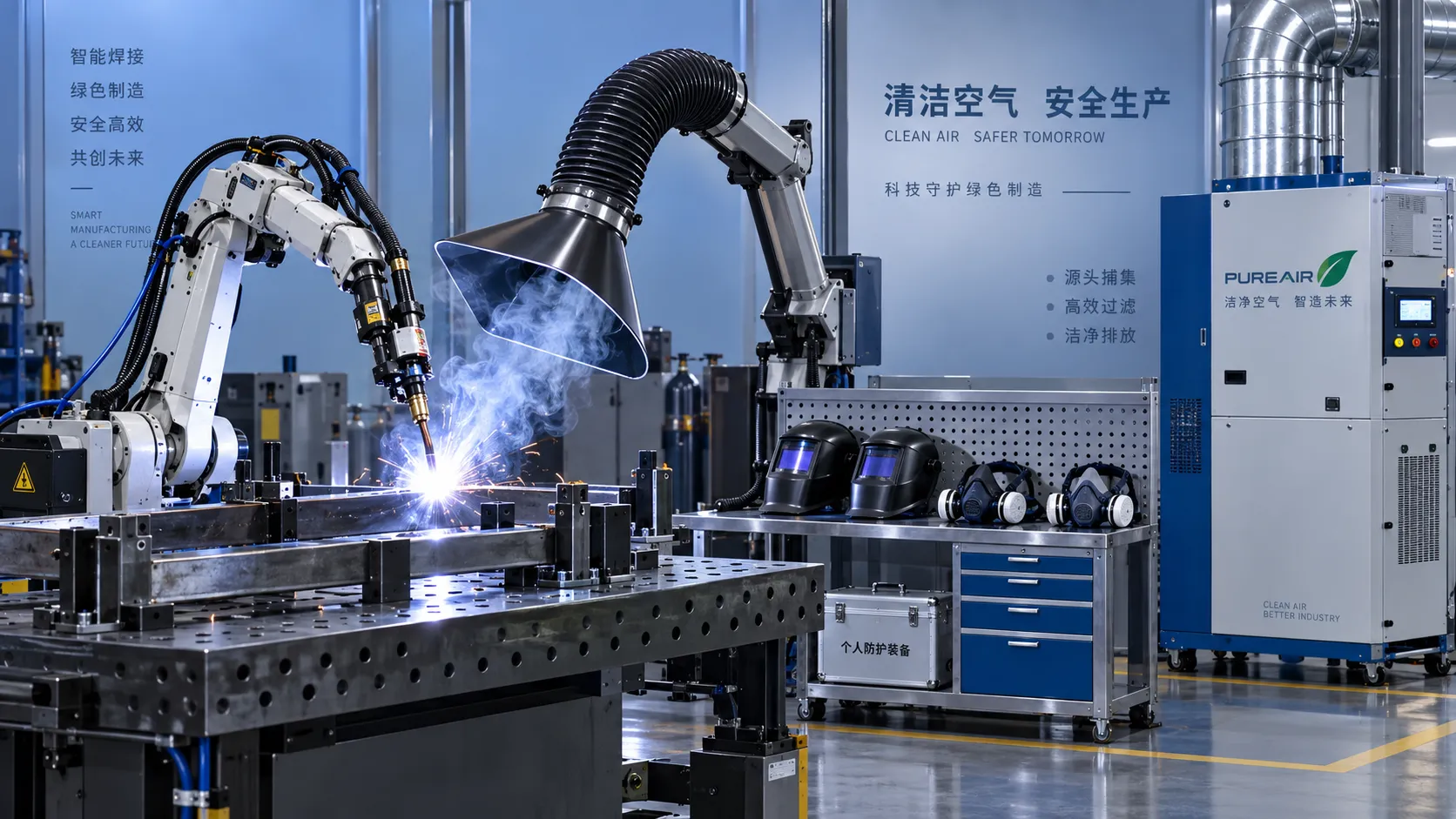
Welding Fume Extraction PPE: When Respirators Are Not Enough for Shop Safety
Welding fume extraction PPE: learn why respirators alone fall short and how source capture, ventilation, and layered controls improve shop safety.

How to Select Optical Metrology Solutions for Tight-Tolerance Manufacturing
Optical industrial metrology solutions for tight-tolerance manufacturing: evaluate accuracy, surface compatibility, workflow, and traceability to select with confidence.
Related News
- 00
0000-00
Selecting Adjustable Torque Tools for Repeatable Fastener Assembly - 00
0000-00
How to Select Aerospace Inspection Tools for Aircraft Maintenance Tasks - 00
0000-00
How to Select Wire Bonding Tools for Fine-Pitch Semiconductor Packaging - 00
0000-00
Industrial Equipment Application Guidance: Match Machines to Operating Conditions - 00
0000-00
Selecting High-Speed Brushless Tool Motors for Torque, Heat, and Duty Cycle
Prof. Marcus Chen
Weekly Insights
Stay ahead with our curated technology reports delivered every Monday.