
How to Evaluate Advanced Manufacturing Systems for Complex Production Lines





Evaluating advanced manufacturing systems for complex production lines is no longer a feature-by-feature exercise. It is a business decision shaped by throughput, process stability, digital compatibility, quality discipline, and long-term adaptability.
In sectors where assembly, welding, inspection, and data control intersect, the real question is not whether a system is advanced. It is whether that system fits the production logic, risk profile, and scaling path of the line.
That is why advanced manufacturing now attracts closer scrutiny across construction equipment, automotive supply, aerospace maintenance, industrial tools, and precision measurement workflows. Small mismatches in integration or accuracy can create large downstream costs.
What an Advanced Manufacturing System Really Includes
In complex production lines, advanced manufacturing usually refers to a connected production environment rather than a single machine. It combines automation, sensing, control software, quality verification, and process feedback.
A robotic cell may be impressive on its own. Still, the business value depends on how it interacts with feeders, welding stations, metrology tools, torque systems, traceability software, and maintenance routines.
This broader view matters in mixed industrial settings. A line that handles metal joining, precision fastening, dimensional inspection, and packaging needs coordination across every stage, not isolated technical excellence.
Seen this way, advanced manufacturing is best evaluated as an operating system for production. Its strength lies in synchronizing people, machines, materials, and data without creating hidden friction.
Why the Topic Has Gained Urgency
Complex lines are under pressure from several directions at once. Product variation is rising. Quality expectations are tightening. Labor structures are shifting. Export rules and material volatility are also affecting investment timing.
In this context, advanced manufacturing decisions cannot be separated from market intelligence. A system that looks efficient today may become restrictive if compliance standards, component sourcing, or customer traceability demands change.
This is where industry intelligence platforms such as GPTWM add practical value. Its coverage of industrial assembly, metal joining, and precision metrology helps connect equipment evaluation with broader signals from standards, adoption trends, and demand shifts.
For example, growing use of handheld laser welding safety protocols or IoT-based torque control changes what counts as a future-ready line. Evaluation needs to capture those shifts before capital is committed.
The Core Dimensions That Deserve Attention
A reliable assessment framework should compare systems across several dimensions at once. Looking only at cycle time or purchase price usually leads to weak decisions.
Process Fit
Start with process reality. Does the system handle actual part complexity, tolerance requirements, material behavior, and batch variation? A line built for uniform flow may struggle in high-mix operations.
Integration Depth
Advanced manufacturing should connect with existing ERP, MES, inspection software, and maintenance systems. If data must be re-entered manually, the line may look digital but still behave like a fragmented operation.
Precision and Verification
For complex lines, quality is not just a final inspection step. It is embedded in sensors, calibration routines, inline metrology, torque verification, and weld monitoring. Precision without verification is not stable precision.
Scalability and Changeover
A system may run efficiently at launch yet become costly when product variants increase. Evaluate recipe management, fixture flexibility, software modification effort, and changeover time under realistic production pressure.
Support and Lifecycle Cost
Advanced manufacturing systems should be assessed over their operating life. Spare parts availability, software licensing, technician access, upgrade policy, and training burden often have greater impact than headline capital cost.
Where Evaluation Often Goes Wrong
The most common mistake is treating advanced manufacturing as a technology purchase instead of a production capability decision. This narrows attention to machine specifications and leaves system behavior underexamined.
Another weak point is overreliance on vendor demonstrations. Demo conditions are typically controlled, materials are consistent, and operator support is ideal. Real production lines rarely offer that level of stability.
There is also a tendency to separate production efficiency from metrology and joining quality. In practice, these functions are tightly linked. A faster welding cell is not an advantage if rework rises or measurement drift goes unnoticed.
For this reason, evaluation should include observed line behavior, data structure, fault recovery logic, and maintenance accessibility. Those details usually determine whether advanced manufacturing performs well after commissioning.
How Different Production Contexts Change the Decision
Not every complex line needs the same level of automation or intelligence. The right balance depends on part complexity, regulatory burden, volume profile, and quality sensitivity.
In automotive subassembly, repeatability and traceability usually dominate. In aerospace maintenance, documentation, tolerance discipline, and flexible inspection may matter more than pure speed.
In construction equipment or industrial tools, ruggedness, ergonomic design, and serviceability can outweigh cosmetic sophistication. A durable and maintainable system may outperform a more elaborate but fragile one.
GPTWM’s intelligence model is relevant here because it follows the last mile of manufacturing. That perspective helps connect macro trends with line-level choices in assembly, welding safety, precision instruments, and hydraulic support equipment.
Useful Questions by Scenario
- Does the system improve first-pass yield under actual material variation?
- Can inspection results trigger automatic adjustment or only alarm reporting?
- How difficult is it to add a new product family or compliance requirement?
- Are critical joining and fastening parameters traceable at unit level?
- What happens when a sensor fails, a weld drifts, or a tool reaches calibration limits?
Reading Value Beyond the Purchase Price
A strong advanced manufacturing evaluation should translate technical performance into business outcomes. That means tying equipment behavior to scrap rate, labor allocation, uptime, compliance exposure, and launch flexibility.
Sometimes a more expensive architecture delivers lower total cost because it reduces unplanned stoppages and quality escapes. In other cases, a simpler system creates better value because it fits operator capability and service conditions.
Value also depends on information quality. Access to trend reports, export restriction updates, and demand signals can improve timing and selection. This is especially useful when evaluating precision tools, welding methods, and metrology-linked automation.
The point is not to buy the most advanced option. It is to choose the level of advanced manufacturing that creates durable operational advantage without creating avoidable complexity.
A Practical Way to Move the Evaluation Forward
A disciplined next step is to build a comparison matrix using production-critical criteria rather than generic specifications. Rank systems by process fit, integration effort, precision control, scalability, and lifecycle burden.
Then test those rankings against real operating scenarios. Include unstable materials, product changeovers, calibration events, and operator intervention points. Advanced manufacturing should prove itself under friction, not just under ideal flow.
It also helps to monitor sector intelligence while the shortlist is being refined. Shifts in welding safety adoption, brushless motor performance limits, or global demand for high-precision measuring instruments can change decision priorities quickly.
For complex production lines, the best evaluations are not rushed and not purely technical. They connect operational detail, market intelligence, and future requirements into one decision framework. That is where confident selection usually begins.
- industrial assembly
- metal joining
- precision metrology
- handheld laser welding
- high-precision measuring instruments
- industrial tools
- precision tools
- aerospace maintenance
- precision instruments
- laser welding
- construction equipment
- production efficiency
- advanced manufacturing
- precision measuring instruments
Related News
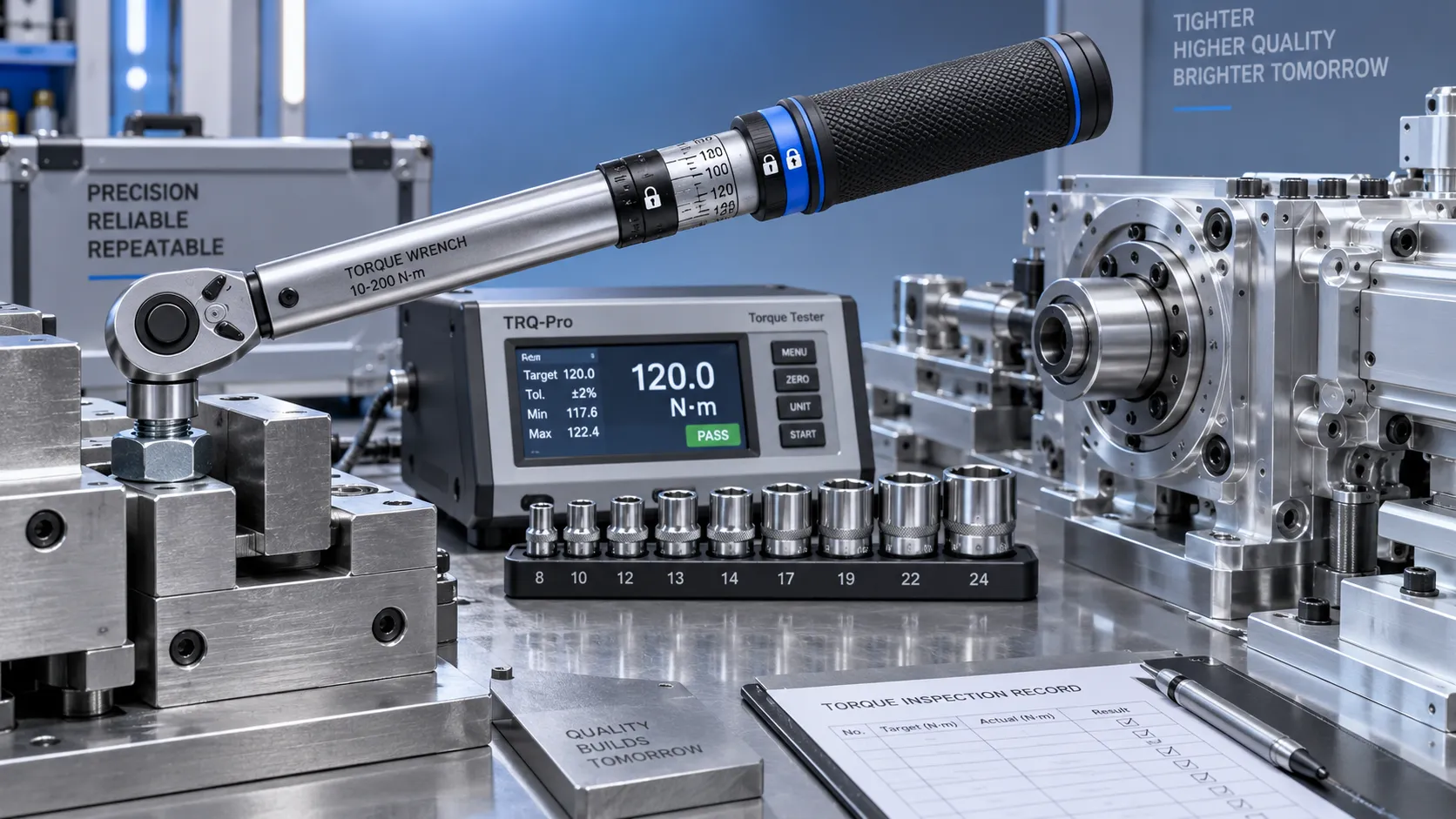
Selecting Adjustable Torque Tools for Repeatable Fastener Assembly
Adjustable torque tools: learn how to match range, accuracy, control methods, calibration, and ergonomics for repeatable, reliable fastener assembly.
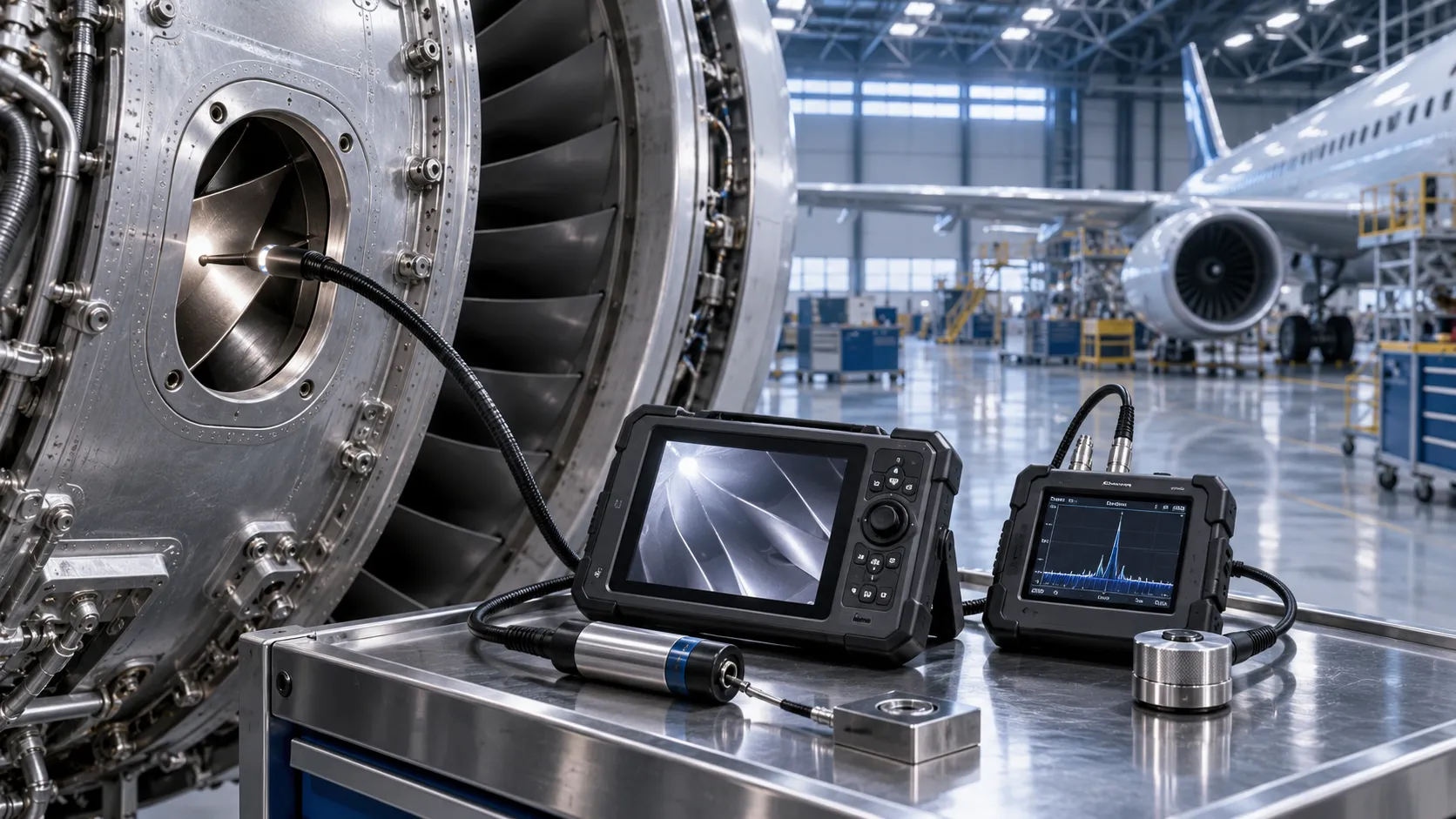
How to Select Aerospace Inspection Tools for Aircraft Maintenance Tasks
Aerospace maintenance inspection tools: learn how to select reliable, traceable equipment for aircraft access, accuracy, calibration, and compliant maintenance decisions.

How to Select Wire Bonding Tools for Fine-Pitch Semiconductor Packaging
Explore semiconductor manufacturing tools for wire bonding and learn how to select precision solutions for fine-pitch packaging, reliable loops, accuracy, and yield.
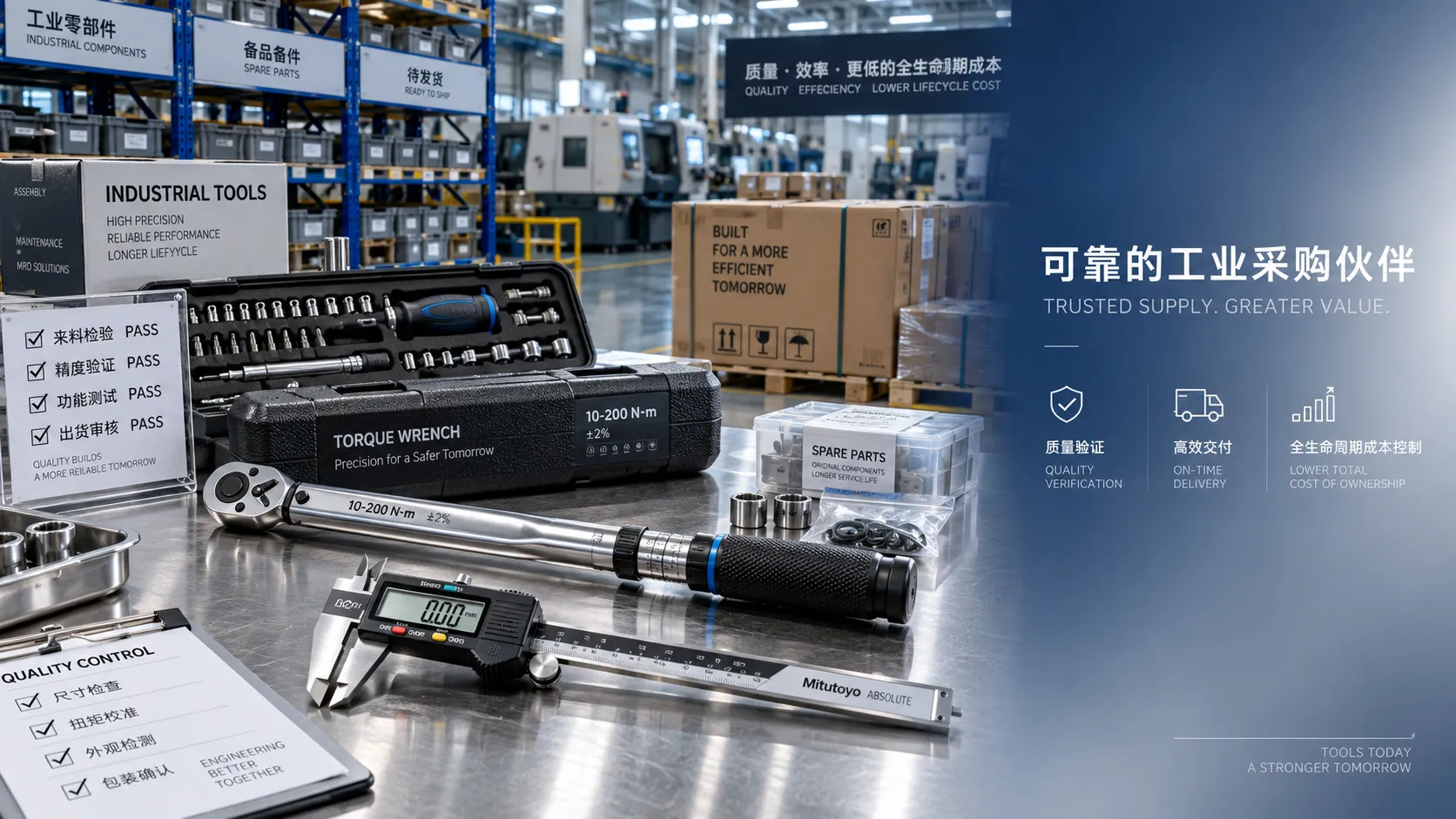
How to Compare Industrial Tool Suppliers for Quality, Lead Time, and Total Cost
Industrial tool selection supplier comparison made simple: evaluate quality, lead times, total cost, service, and supply resilience for confident sourcing decisions.
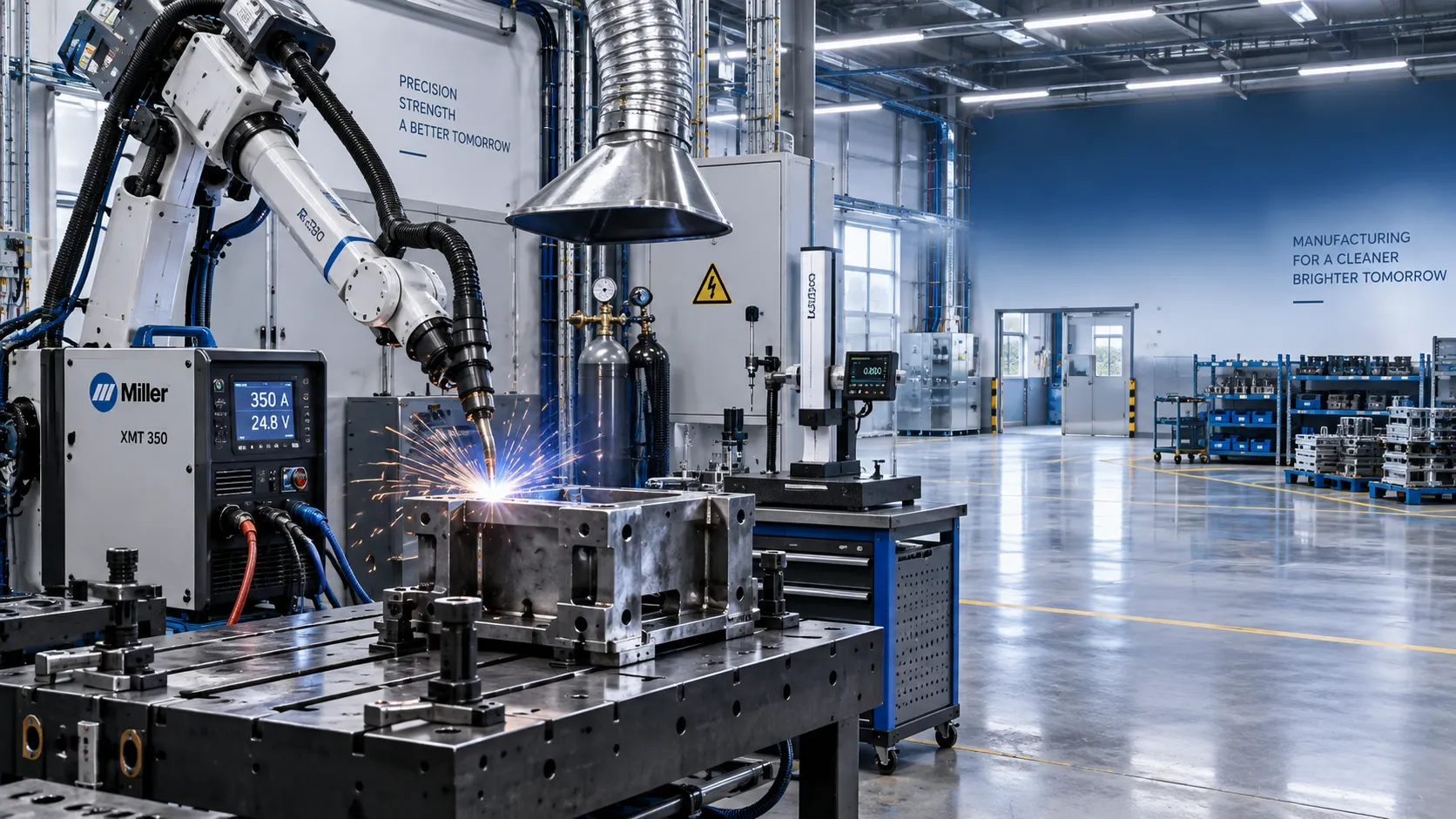
Industrial Equipment Application Guidance: Match Machines to Operating Conditions
Application guidance industrial equipment: match capacity, duty cycle, materials, site conditions, safety, and lifecycle cost to improve reliable output. Read the guide.
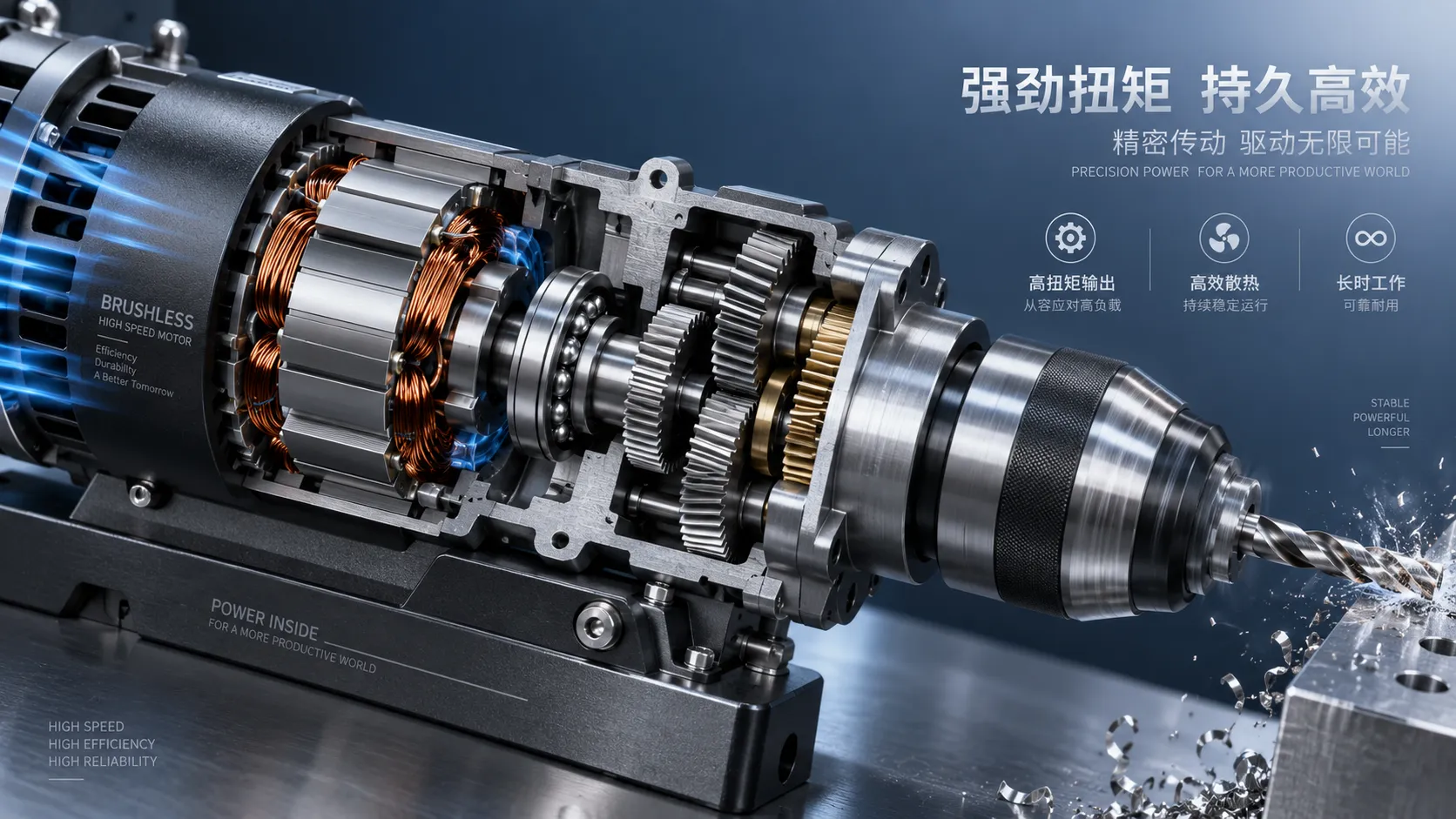
Selecting High-Speed Brushless Tool Motors for Torque, Heat, and Duty Cycle
High speed brushless tool motors: learn how to balance torque, heat, gearing, and duty cycle for reliable industrial tool performance and longer service life.
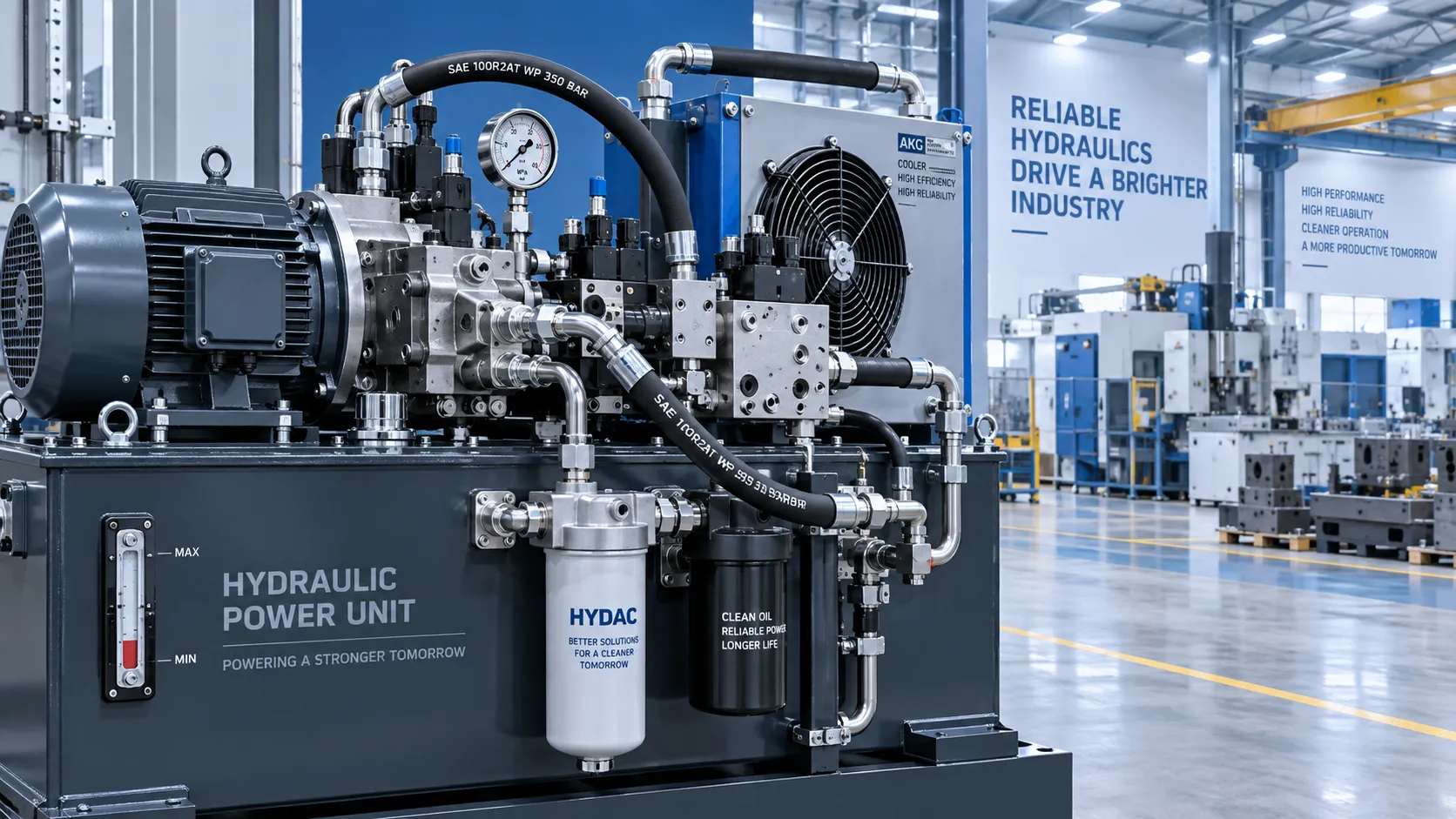
What Determines Industrial Hydraulic System Price for Heavy-Duty Equipment?
Industrial hydraulic system price depends on duty cycle, pressure, components, cooling, and integration. Compare quotes intelligently to secure reliable heavy-duty performance.
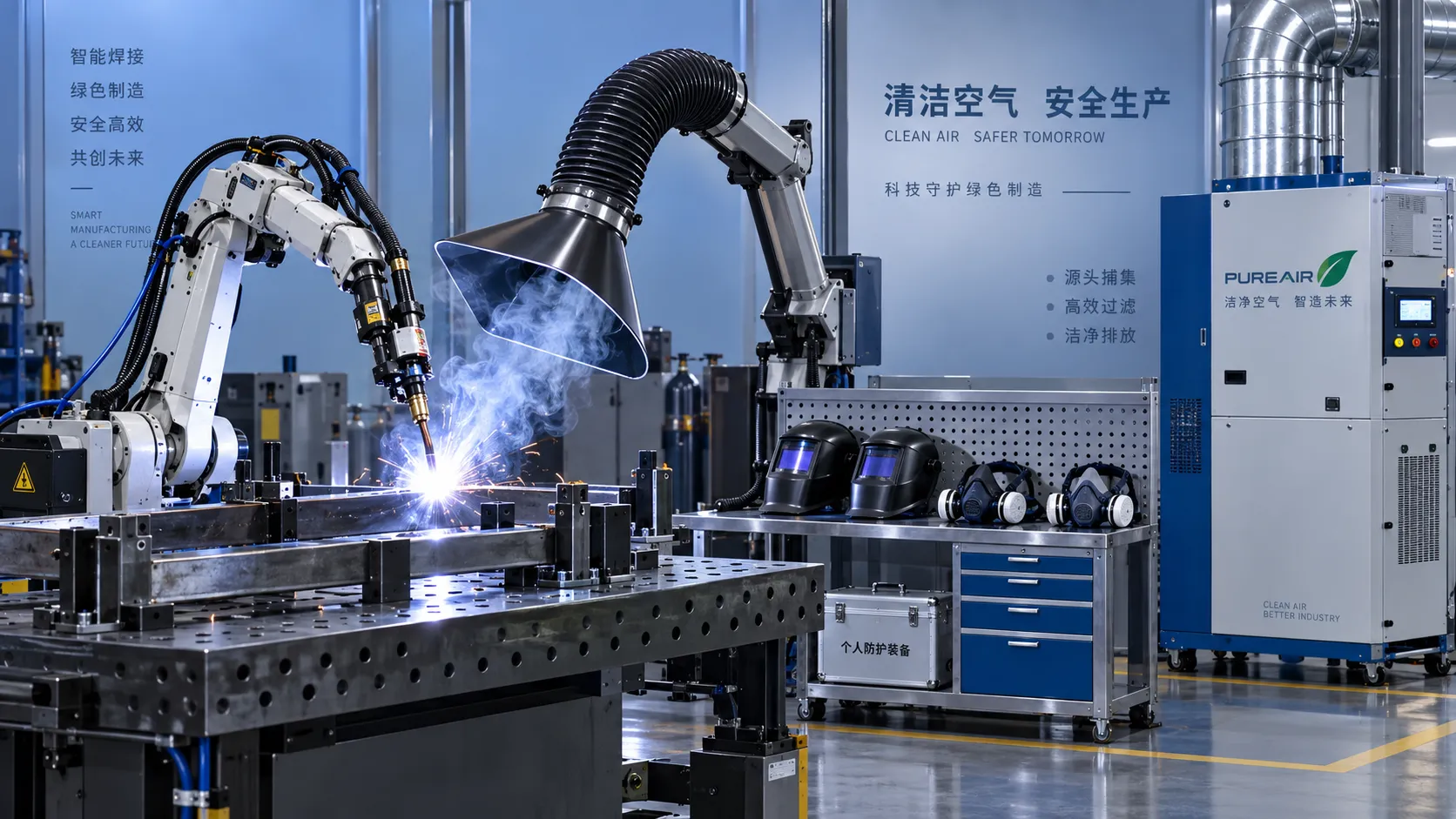
Welding Fume Extraction PPE: When Respirators Are Not Enough for Shop Safety
Welding fume extraction PPE: learn why respirators alone fall short and how source capture, ventilation, and layered controls improve shop safety.
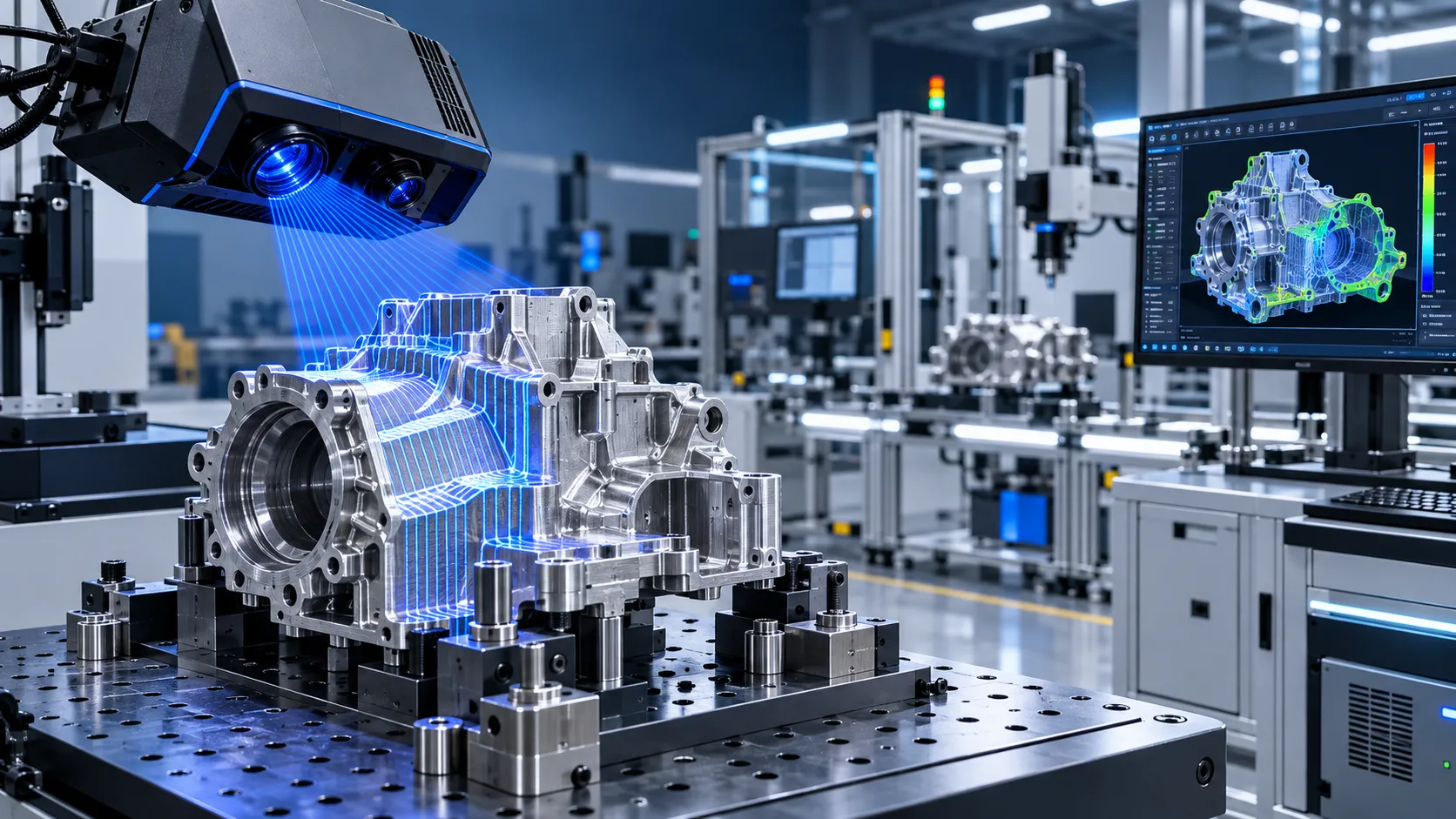
How to Select Optical Metrology Solutions for Tight-Tolerance Manufacturing
Optical industrial metrology solutions for tight-tolerance manufacturing: evaluate accuracy, surface compatibility, workflow, and traceability to select with confidence.
Related News
- 00
0000-00
Selecting Adjustable Torque Tools for Repeatable Fastener Assembly - 00
0000-00
How to Select Aerospace Inspection Tools for Aircraft Maintenance Tasks - 00
0000-00
How to Select Wire Bonding Tools for Fine-Pitch Semiconductor Packaging - 00
0000-00
Industrial Equipment Application Guidance: Match Machines to Operating Conditions - 00
0000-00
Selecting High-Speed Brushless Tool Motors for Torque, Heat, and Duty Cycle
Prof. Marcus Chen
Weekly Insights
Stay ahead with our curated technology reports delivered every Monday.