
Is industrial IoT worth the cost in mid size plants





For many mid size plants, the real question is not whether industrial IoT is innovative, but whether it can deliver measurable value fast enough to justify the investment. As cost pressure, labor gaps, and quality demands intensify, industrial IoT is becoming a practical tool for improving uptime, visibility, and process control—if deployed with clear goals and the right economic lens.
Why industrial IoT becomes a board-level question in mid size plants
In many mid size plants, margins are shaped by a few stubborn variables: unplanned downtime, scrap, overtime, energy volatility, and uneven operator performance. Industrial IoT matters because it turns those hidden losses into visible data.
For decision makers, the value is rarely in sensors alone. It is in faster maintenance decisions, tighter production control, better traceability, and more reliable output across assembly, welding, machining, inspection, and material handling operations.
This is especially relevant in mixed manufacturing environments where legacy equipment, manual stations, and newer automated cells coexist. In such plants, industrial IoT can bridge process gaps without forcing a full-line replacement.
- It captures machine condition signals such as vibration, temperature, torque, cycle count, and power draw before failures become expensive stoppages.
- It links quality events to process variables, helping managers identify whether defects come from tooling wear, operator variation, unstable power, or poor parameter control.
- It gives plant leaders a common operating view across maintenance, production, and quality teams, reducing decision delays caused by fragmented reporting.
Why the economics are changing now
Mid size plants used to avoid industrial IoT because the upfront cost seemed high and implementation looked disruptive. That calculation has changed. Sensor prices are lower, edge devices are more practical, and cloud or hybrid deployment options reduce the need for heavy internal IT infrastructure.
At the same time, labor shortages and stricter customer requirements make manual monitoring more expensive than before. A plant that cannot predict equipment issues or prove process consistency may lose more through delays and claims than through the technology investment itself.
Where industrial IoT delivers the fastest returns
The best industrial IoT projects do not begin with a broad digital vision. They begin with a narrow financial problem. Mid size plants typically see the fastest returns when they target one high-loss area first.
The table below maps common plant pain points to practical industrial IoT applications and likely value drivers.
For plants involved in industrial assembly, metal joining, and precision metrology, these use cases are even more compelling. Small variations in torque, weld consistency, dimensional accuracy, or tool wear can create outsized downstream costs.
High-value scenarios in mixed-production environments
- Torque-controlled assembly stations where proof-of-process data reduces warranty exposure and supports customer audits.
- Welding cells where parameter drift, gas flow instability, or consumable wear affects seam quality and repair rates.
- Inspection points where dimensional data can be linked back to machine behavior or tooling degradation for faster root-cause analysis.
- Compressed air and hydraulic systems where invisible leaks or pressure fluctuations drive avoidable operating expense.
How to judge whether industrial IoT is worth the cost
The most common mistake is evaluating industrial IoT as a technology purchase instead of an operational investment. Mid size plants should compare cost against loss reduction, not against equipment price alone.
A disciplined evaluation usually includes direct savings, indirect savings, implementation risk, and the speed at which plant teams can act on the data produced.
A practical cost framework for decision makers
Before approving a project, many executives ask where the money goes and which benefits are credible in the first 6 to 18 months. The matrix below supports that discussion.
If the project cannot be tied to a measurable operational loss, the business case is weak. If it can reduce one recurring pain point that affects throughput, quality, or compliance, the economics often become much clearer.
Signs the investment is likely justified
- The plant has critical assets whose failure stops output or creates schedule disruption across multiple workstations.
- Quality escapes are costly and management needs better traceability for customer, regulatory, or internal accountability.
- The site uses manual reporting, spreadsheets, or delayed summaries that prevent same-shift intervention.
- The plant serves markets where tighter documentation and process proof are becoming commercially important.
What mid size plants should buy first, and what can wait
Not every industrial IoT feature deserves first-phase funding. Many plants overbuy software, underdefine alarms, or connect too many low-value assets. A staged rollout usually produces better ROI and less organizational resistance.
Priority sequence for a pragmatic rollout
- Start with bottleneck machines, high-failure utilities, or critical quality stations where every interruption has a visible financial effect.
- Choose a narrow signal set first: condition, uptime, downtime reasons, key process parameters, and exception alerts.
- Define response ownership before deployment. A warning that nobody owns is not a productivity tool; it is background noise.
- Expand only after the first use case shows operational response discipline and measurable savings.
Procurement questions that reduce project risk
Decision makers should challenge vendors and internal teams with specific questions rather than broad digital promises.
- Can the system connect to legacy equipment through standard industrial protocols or practical retrofit methods?
- Which data points are essential for the first business case, and which are optional later?
- How are cybersecurity, user permissions, and remote access handled in a plant environment?
- What is the expected training load for maintenance, quality, supervisors, and operators?
- How quickly can the project move from installation to usable dashboards and action rules?
Industrial IoT versus traditional monitoring: what really changes
Many mid size plants already collect information through operator logs, PLC screens, maintenance rounds, and quality checks. The difference with industrial IoT is not that data exists, but that data becomes continuous, contextual, and easier to use across departments.
This distinction matters in environments where tooling wear, welding consistency, and metrology drift must be linked to production outcomes quickly enough to prevent loss, not merely report it later.
Comparison of traditional and connected monitoring approaches
The table below helps executives compare a conventional plant information model with a targeted industrial IoT approach.
The business case improves when industrial IoT is used to enhance existing maintenance and quality routines rather than replace every legacy method at once. Connected data should strengthen plant discipline, not create a parallel reporting burden.
Implementation risks that often erase ROI
Industrial IoT can fail financially even when the technology works. In most cases, poor return comes from governance gaps, unclear use cases, or weak operational ownership.
Common mistakes in mid size plants
- Starting with a plant-wide rollout before proving one strong use case on one line or asset family.
- Collecting too many signals without defining which thresholds matter and who must respond.
- Ignoring operator and maintenance workflow design, which leads to alarm fatigue and low adoption.
- Treating integration as an afterthought, especially when ERP, MES, quality records, or calibration systems need data alignment.
- Underestimating cybersecurity and access control in plants that allow remote diagnostics or supplier connectivity.
Standards and compliance considerations
Specific requirements vary by sector, but decision makers should review common frameworks relevant to connected manufacturing systems, such as industrial communication compatibility, electrical safety, cybersecurity governance, calibration traceability, and quality documentation discipline.
For plants involved in precision assembly, welding, and metrology, process records are not just operational tools. They may also support customer audits, internal quality systems, and cross-border supply expectations.
Why GPTWM is useful when evaluating industrial IoT investments
Decision makers often face a fragmented market. Sensor vendors, automation firms, software providers, tool brands, and machine builders may each present only one part of the picture. GPTWM helps connect those parts through sector intelligence focused on the last mile of industrial manufacturing.
That matters when industrial IoT decisions touch torque control, handheld and automated welding safety, brushless tool efficiency limits, precision measurement workflows, and distributor-side commercial positioning. These are not isolated technology topics; they are linked operational and economic questions.
Where our perspective adds practical value
- We track sector news and evolving constraints such as raw material shifts and export standard restrictions that may influence timing, sourcing, and total project cost.
- We analyze industrial assembly, metal joining, and precision metrology as connected value chains, helping leaders avoid narrow decisions that optimize one station but weaken the broader process.
- We focus on commercial insight as well as engineering logic, which supports both plant-level investment judgment and channel-side market decisions.
FAQ: what executives ask before approving industrial IoT
Is industrial IoT only suitable for large factories?
No. Mid size plants can benefit significantly if they focus on a narrow problem with clear economics. A smaller site may even move faster because fewer stakeholders are involved and the affected assets are easier to prioritize.
How long does it usually take to see value?
That depends on the use case. Projects tied to downtime, utility waste, or high-rework processes often show value faster than broad analytics programs. The key factor is whether the plant can act on the data within daily operations.
What should be measured first in an industrial IoT rollout?
Start with metrics linked to money: downtime minutes, failure frequency, scrap or rework rates, energy use on critical assets, and proof-of-process variables such as torque, temperature, vibration, or cycle deviation.
Can industrial IoT work with older equipment?
Often yes. Many successful projects use retrofit sensors, gateways, current monitoring, or machine-state capture without replacing the original machine. The right approach depends on asset criticality, control architecture, and expected return.
Why choose us for industrial IoT evaluation and next-step planning
If you are assessing whether industrial IoT is worth the cost in a mid size plant, GPTWM can help you narrow the decision to measurable business outcomes. Our strength lies in connecting manufacturing intelligence with the realities of assembly, welding, metrology, and industrial tool ecosystems.
You can consult us on practical decision points such as parameter confirmation for condition monitoring, use-case prioritization, tooling and process data selection, implementation sequencing, delivery timing, certification-related considerations, and solution comparison across suppliers or application paths.
For teams preparing budget requests or supplier discussions, we can also support a clearer framework for ROI assumptions, retrofit feasibility, sample scope definition, and quotation communication. That makes the industrial IoT conversation less abstract and more actionable for plant leadership.
Related News
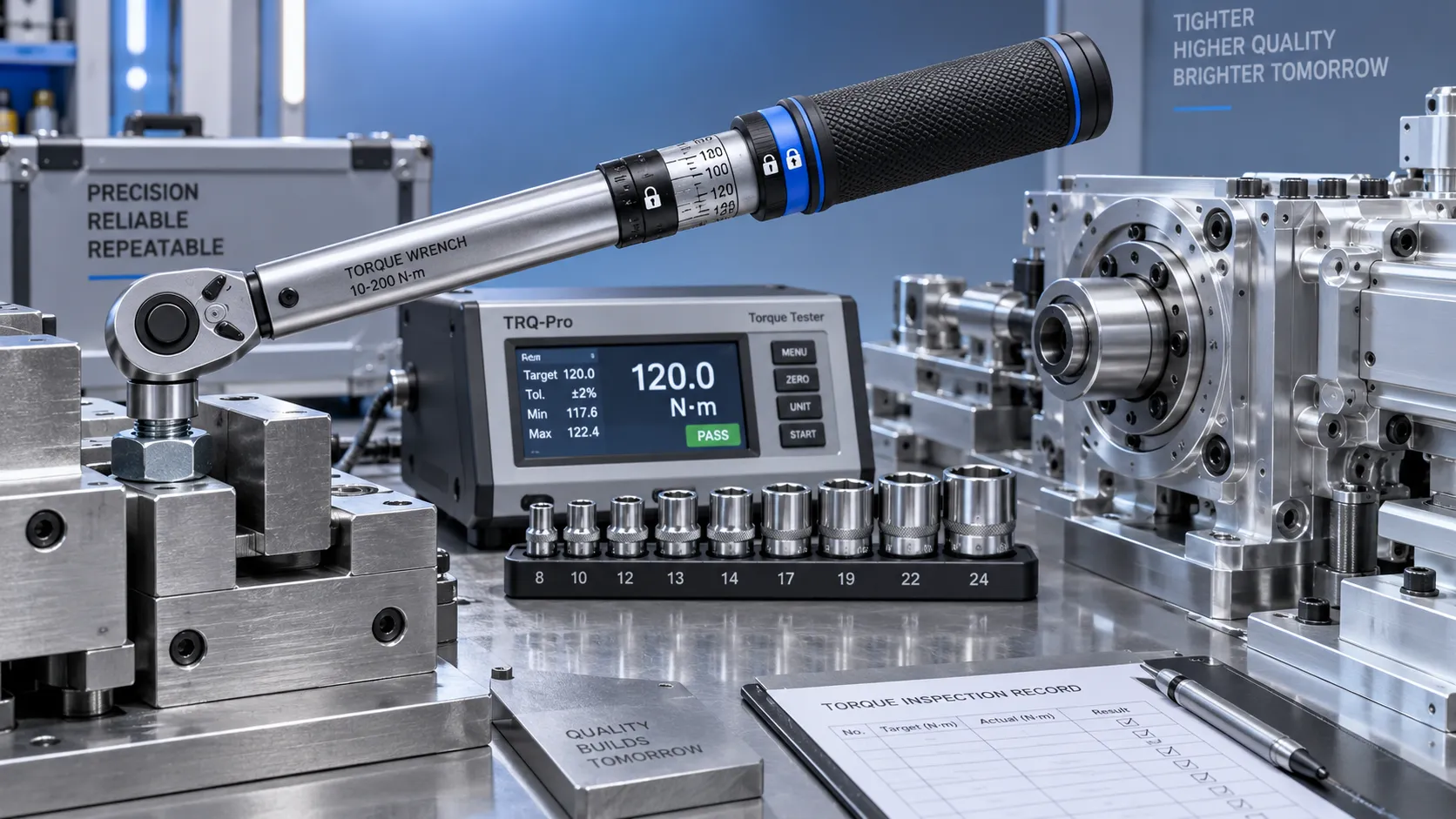
Selecting Adjustable Torque Tools for Repeatable Fastener Assembly
Adjustable torque tools: learn how to match range, accuracy, control methods, calibration, and ergonomics for repeatable, reliable fastener assembly.

How to Select Aerospace Inspection Tools for Aircraft Maintenance Tasks
Aerospace maintenance inspection tools: learn how to select reliable, traceable equipment for aircraft access, accuracy, calibration, and compliant maintenance decisions.

How to Select Wire Bonding Tools for Fine-Pitch Semiconductor Packaging
Explore semiconductor manufacturing tools for wire bonding and learn how to select precision solutions for fine-pitch packaging, reliable loops, accuracy, and yield.
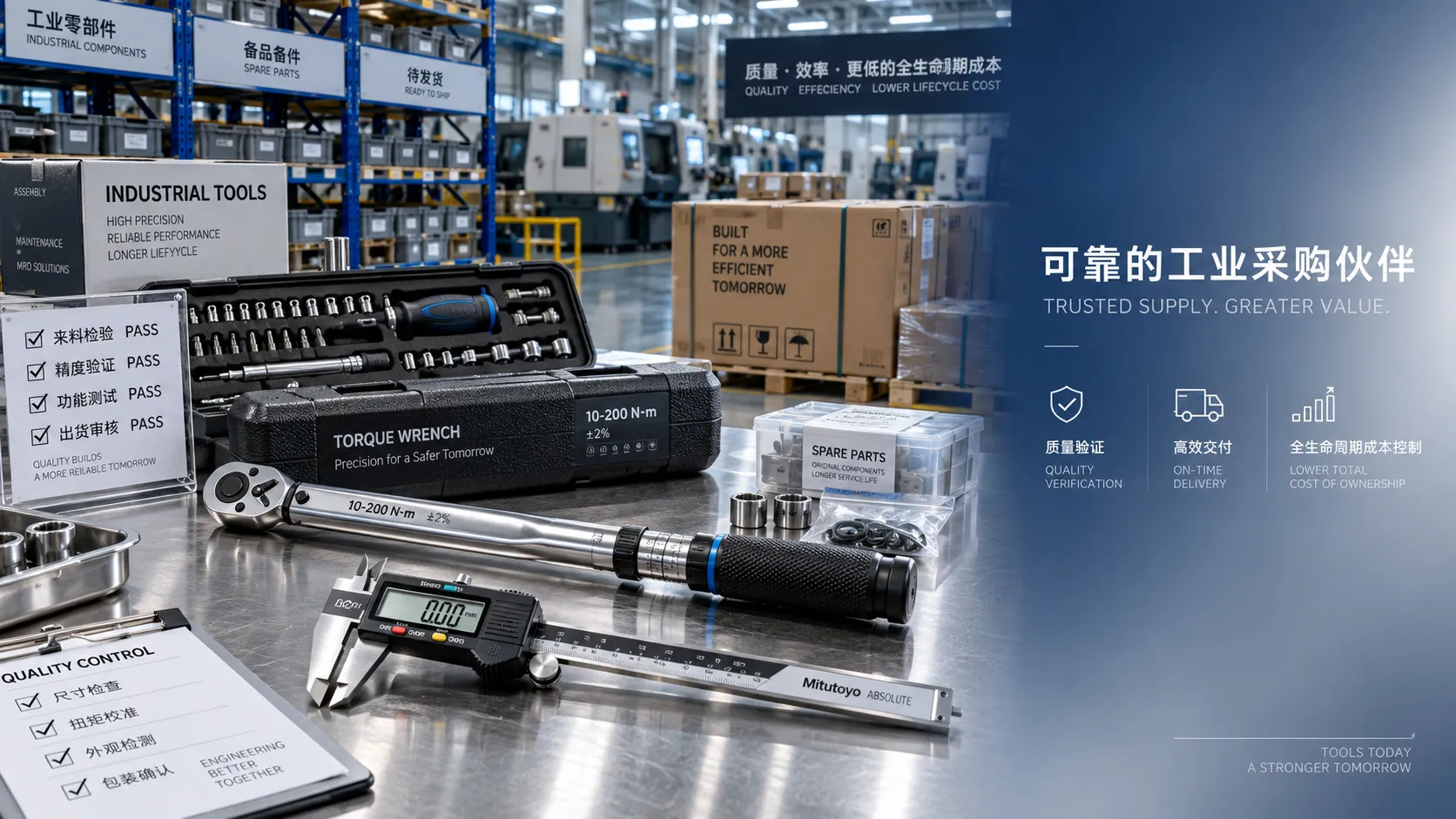
How to Compare Industrial Tool Suppliers for Quality, Lead Time, and Total Cost
Industrial tool selection supplier comparison made simple: evaluate quality, lead times, total cost, service, and supply resilience for confident sourcing decisions.
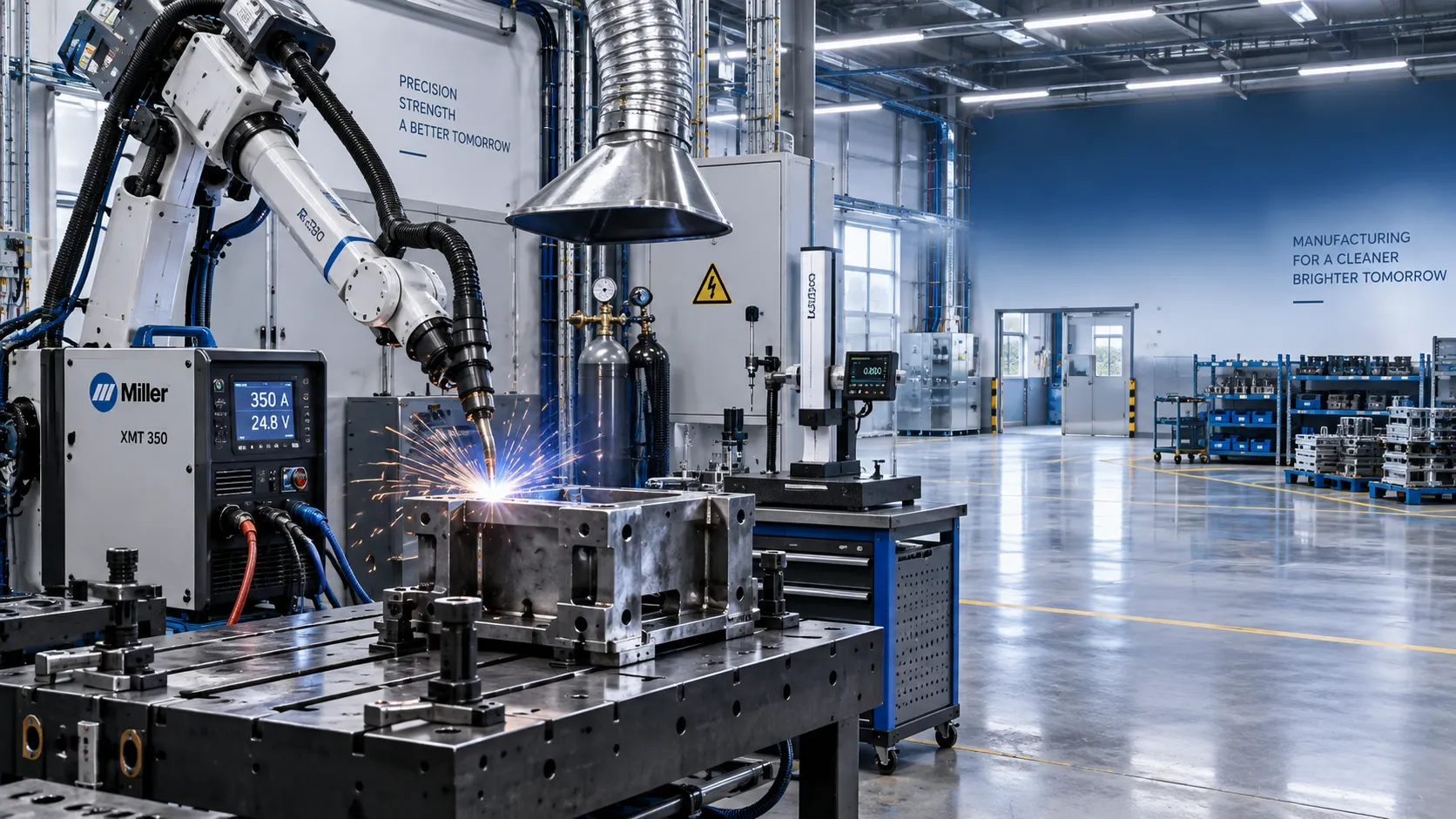
Industrial Equipment Application Guidance: Match Machines to Operating Conditions
Application guidance industrial equipment: match capacity, duty cycle, materials, site conditions, safety, and lifecycle cost to improve reliable output. Read the guide.
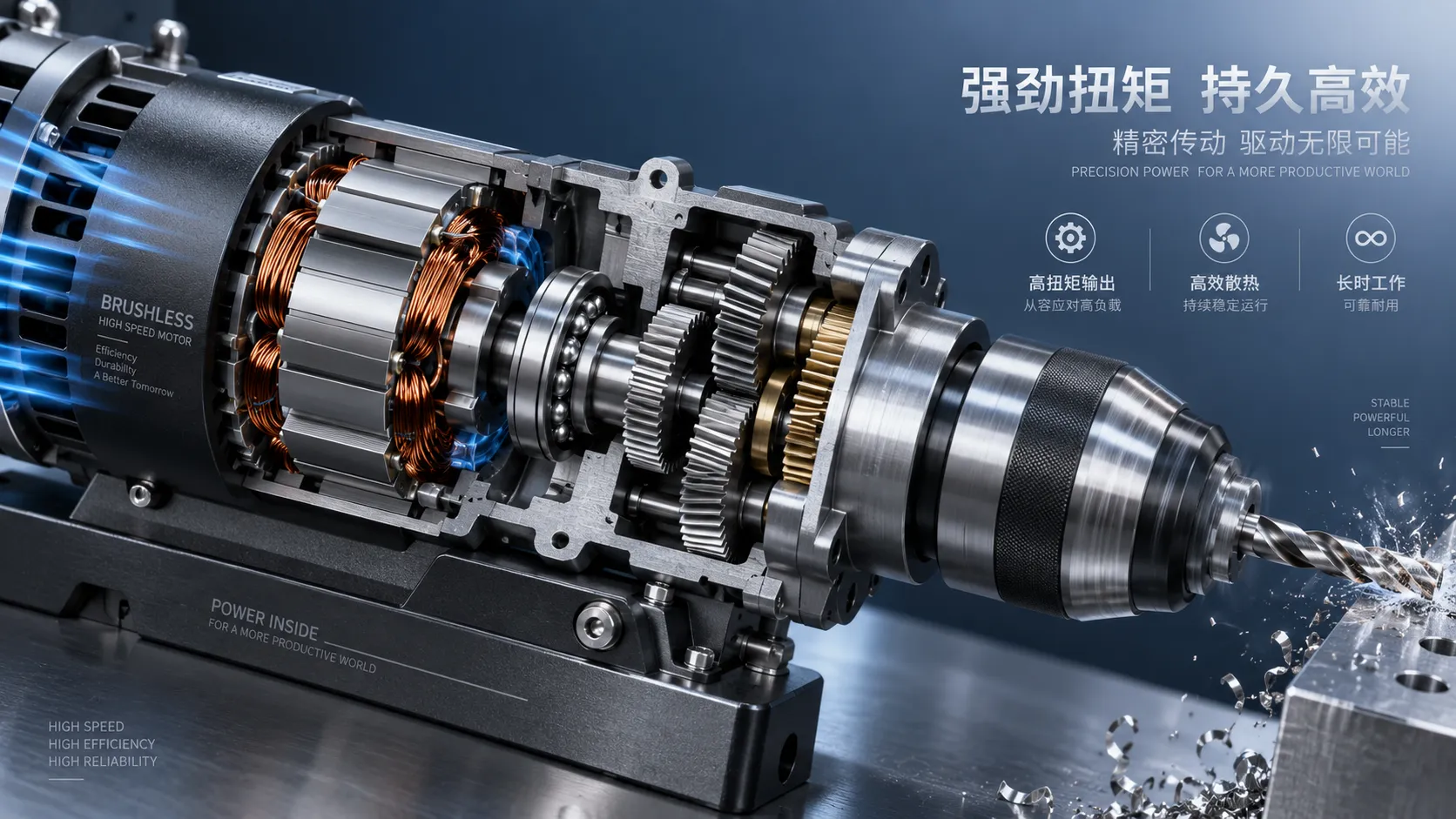
Selecting High-Speed Brushless Tool Motors for Torque, Heat, and Duty Cycle
High speed brushless tool motors: learn how to balance torque, heat, gearing, and duty cycle for reliable industrial tool performance and longer service life.
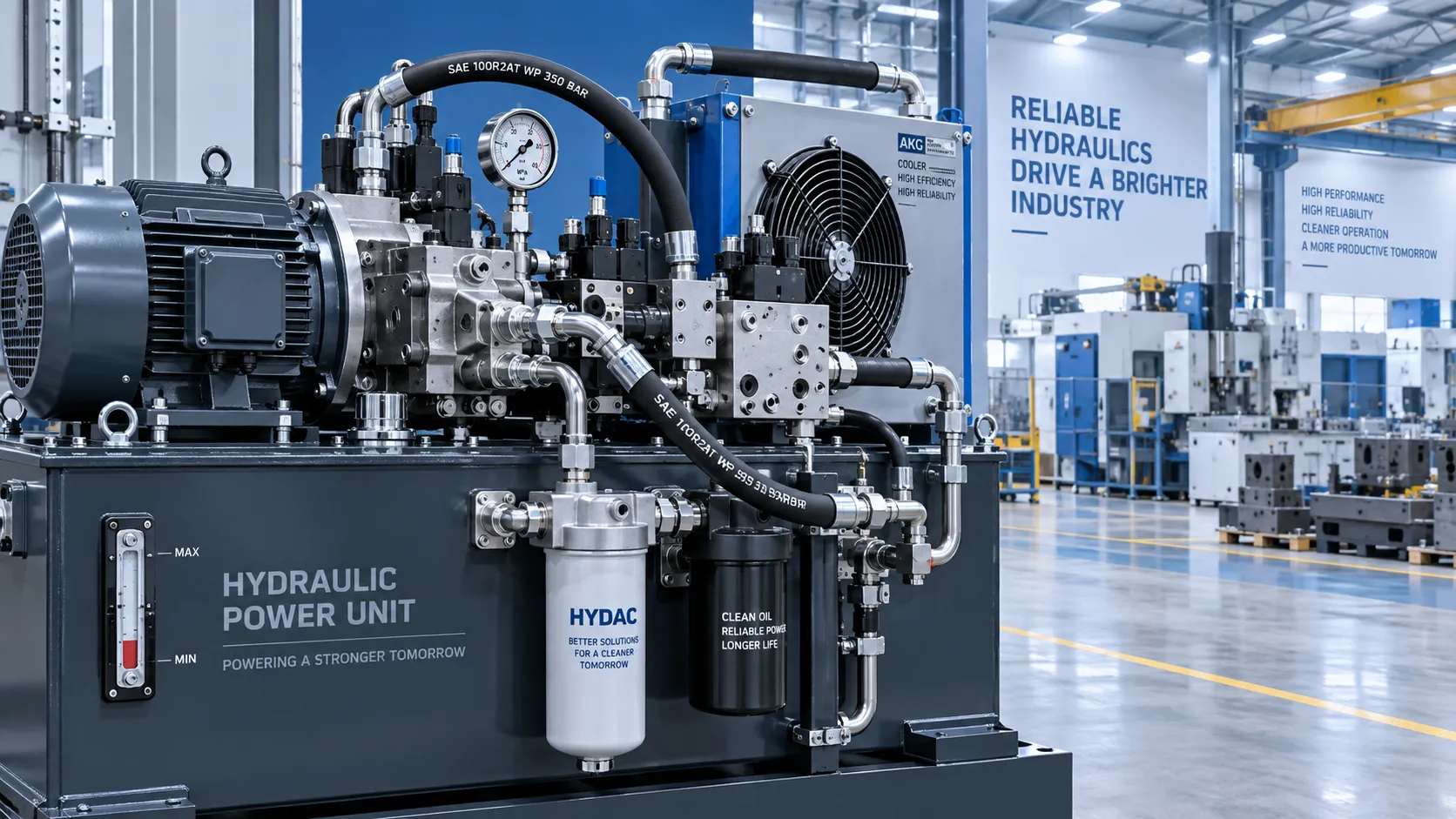
What Determines Industrial Hydraulic System Price for Heavy-Duty Equipment?
Industrial hydraulic system price depends on duty cycle, pressure, components, cooling, and integration. Compare quotes intelligently to secure reliable heavy-duty performance.
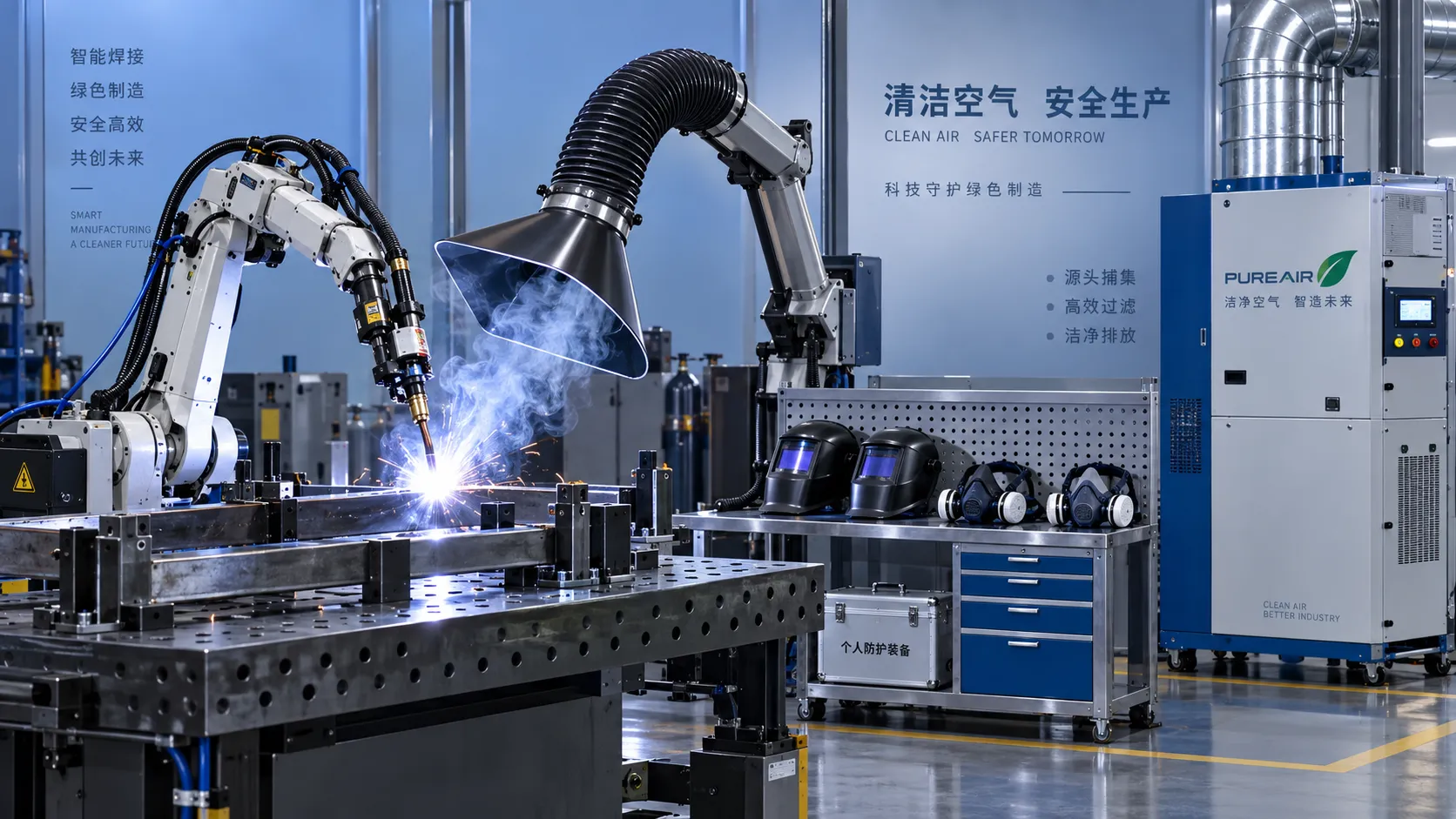
Welding Fume Extraction PPE: When Respirators Are Not Enough for Shop Safety
Welding fume extraction PPE: learn why respirators alone fall short and how source capture, ventilation, and layered controls improve shop safety.

How to Select Optical Metrology Solutions for Tight-Tolerance Manufacturing
Optical industrial metrology solutions for tight-tolerance manufacturing: evaluate accuracy, surface compatibility, workflow, and traceability to select with confidence.
Related News
- 00
0000-00
Selecting Adjustable Torque Tools for Repeatable Fastener Assembly - 00
0000-00
How to Select Aerospace Inspection Tools for Aircraft Maintenance Tasks - 00
0000-00
How to Select Wire Bonding Tools for Fine-Pitch Semiconductor Packaging - 00
0000-00
Industrial Equipment Application Guidance: Match Machines to Operating Conditions - 00
0000-00
Selecting High-Speed Brushless Tool Motors for Torque, Heat, and Duty Cycle
Prof. Marcus Chen
Weekly Insights
Stay ahead with our curated technology reports delivered every Monday.