
How precision instruments affect accuracy in daily inspection





In daily inspection, precision instruments are more than tools—they are the foundation of reliable quality control and safer operations. When measurements guide acceptance, maintenance, or safety decisions, accuracy is never accidental. Precision instruments shape how consistently dimensions, torque, temperature, pressure, alignment, and surface conditions are verified across routine work.
A small deviation can trigger scrap, rework, downtime, or hidden risk. That is why understanding how precision instruments affect accuracy matters across the broader industrial field. Better instrument selection, calibration, handling, and data interpretation lead directly to more dependable inspection results.
Why a checklist improves inspection accuracy
Daily inspection often happens under time pressure. Without a checklist, teams may trust the instrument but overlook the conditions surrounding the measurement. Precision instruments only deliver true value when the whole inspection process supports their designed capability.
A checklist creates repeatability. It reduces variation between shifts, sites, and operators. It also helps connect metrology discipline with practical field inspection, especially where portable gauges, calipers, indicators, torque devices, or laser tools are used every day.
Core checklist: how precision instruments affect accuracy in daily inspection
- Confirm the measurement range matches the task, because precision instruments lose reliability when used near overload limits or far below their optimal resolution band.
- Verify current calibration status before use, and check traceability records so the instrument’s stated accuracy aligns with internal standards or external compliance requirements.
- Inspect contact surfaces, probes, anvils, lenses, and sensing heads for dust, oil, burrs, or wear that can distort readings during routine inspection.
- Stabilize temperature between the instrument, the workpiece, and the environment, since thermal expansion changes dimensions and reduces practical measurement accuracy.
- Use the correct measuring force and positioning method, because excessive pressure, poor alignment, or inconsistent contact angle introduces avoidable operator error.
- Check zero setting or baseline reference each shift, especially for handheld precision instruments that move frequently between benches, lines, and maintenance zones.
- Compare required tolerance with instrument resolution, ensuring the device can clearly discriminate acceptable parts from borderline or nonconforming conditions.
- Record readings in a consistent format, because data transcription mistakes can cancel the accuracy advantage provided by high-grade precision instruments.
- Control vibration, lighting, and access conditions when inspecting in the field, since unstable surroundings reduce repeatability even with advanced digital tools.
- Review drift trends and repeatability data regularly, using actual inspection history to identify when precision instruments need adjustment, repair, or replacement.
What precision instruments change in real inspection work
They reduce hidden variation
Daily inspection is not only about finding defects. It is about distinguishing real process change from normal noise. Precision instruments improve this distinction by delivering tighter repeatability and more dependable resolution.
When variation is measured correctly, process adjustments become more targeted. Teams avoid overcorrection, which often creates new defects after a false alarm or an unreliable reading.
They support faster decisions with less rework
Accurate measurement shortens the debate around borderline results. If precision instruments are properly selected and maintained, inspection outcomes become easier to trust, document, and act on immediately.
This matters in mixed industrial environments where machining, welding, assembly, repair, and site service overlap. A trusted reading reduces duplicate checks and unnecessary product isolation.
They improve traceability and compliance
Precision instruments strengthen audit readiness because measurement history can be linked to calibration records, environmental conditions, and operator procedures. That traceability is critical when quality disputes or safety incidents arise.
Application notes across common inspection scenarios
Dimensional inspection in assembly
In assembly work, calipers, micrometers, height gauges, and dial indicators determine fit, alignment, and interchangeability. Here, precision instruments directly affect whether parts seat correctly, seal properly, or transfer load as intended.
A common issue is relying on a fast tool for a tight tolerance. If the tolerance window is narrow, instrument capability must be significantly better than the acceptance limit.
Torque verification in maintenance
Torque tools are precision instruments when fastening integrity affects safety, sealing, or vibration resistance. In daily inspection, accuracy depends on tool calibration, joint condition, extension use, and applied technique.
Incorrect torque verification can be more dangerous than no verification. A false pass may hide under-tightening or overstress, both of which shorten service life.
Weld and metalwork inspection
Weld gauges, angle finders, thickness meters, and surface inspection tools influence the evaluation of bead profile, distortion, penetration indicators, and material condition. Precision instruments help separate cosmetic irregularity from structural concern.
In this setting, contamination is a major source of error. Spatter, coating residue, and heat tint can interfere with contact or optical measurement.
Pressure and temperature checks
Gauges, sensors, and thermal devices are also precision instruments. Their accuracy affects decisions about equipment condition, safe operating range, and preventive maintenance timing.
If environmental compensation is ignored, readings may appear stable but still be wrong. That is especially risky during outdoor inspection or near heat-generating equipment.
Commonly overlooked risks
Using a precise tool without verifying system accuracy
A high-spec device does not guarantee an accurate result. Fixturing, surface condition, part movement, and method variation all influence the final measurement system.
Ignoring wear between calibrations
Precision instruments can drift gradually through daily use. Impact, repeated loading, or contamination may degrade performance long before the formal calibration due date arrives.
Choosing digital convenience over metrology fit
Digital displays improve readability, but they do not automatically improve accuracy. The sensing principle, repeatability, and environmental suitability still determine whether the reading is trustworthy.
Failing to train on technique
Even the best precision instruments are operator-sensitive. Inconsistent hand pressure, angle, timing, or zeroing practice can create significant variation in daily inspection results.
Practical execution tips
- Standardize pre-use checks with a short inspection card covering cleanliness, zero, calibration label, battery condition, and visible damage.
- Match each inspection point to an approved instrument type instead of allowing convenience-based tool substitution.
- Set review limits for repeated borderline readings, then trigger second verification before release or corrective action.
- Store precision instruments in protected cases away from heat, vibration, and corrosive exposure between inspection rounds.
- Track measurement repeatability by location and shift to identify whether error comes from the tool, method, or environment.
Conclusion: make precision instruments part of the inspection system
Precision instruments affect accuracy far beyond their specification sheet. They shape confidence in every inspection decision, from dimensional approval to maintenance safety and weld evaluation. Their impact depends on correct selection, disciplined use, stable conditions, and reliable data handling.
To improve daily inspection, start with a simple checklist, review instrument capability against tolerance, and verify technique where repeatability seems weak. When precision instruments are managed as part of a complete inspection system, accuracy becomes consistent, defensible, and operationally valuable.
Related News
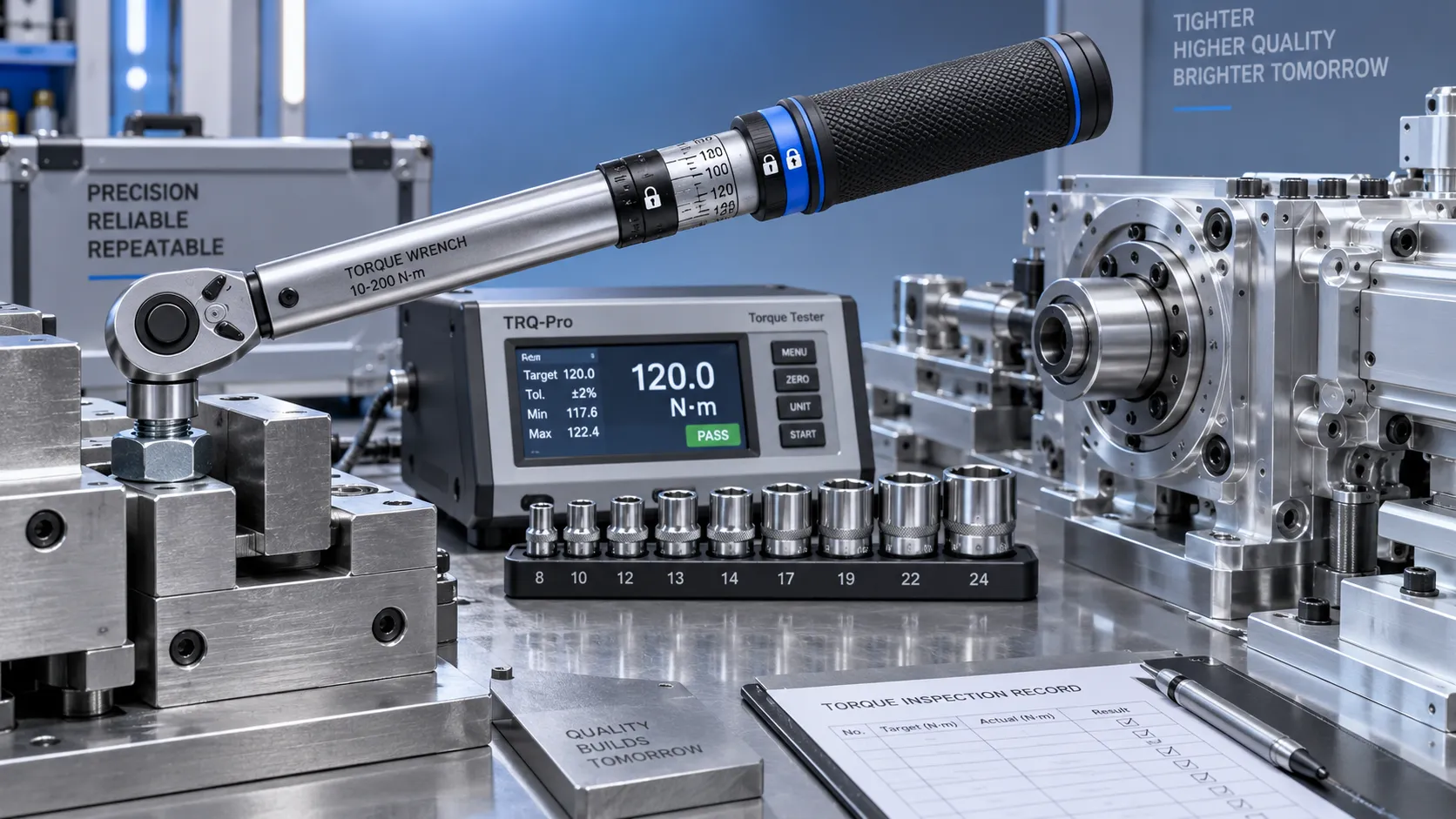
Selecting Adjustable Torque Tools for Repeatable Fastener Assembly
Adjustable torque tools: learn how to match range, accuracy, control methods, calibration, and ergonomics for repeatable, reliable fastener assembly.

How to Select Aerospace Inspection Tools for Aircraft Maintenance Tasks
Aerospace maintenance inspection tools: learn how to select reliable, traceable equipment for aircraft access, accuracy, calibration, and compliant maintenance decisions.
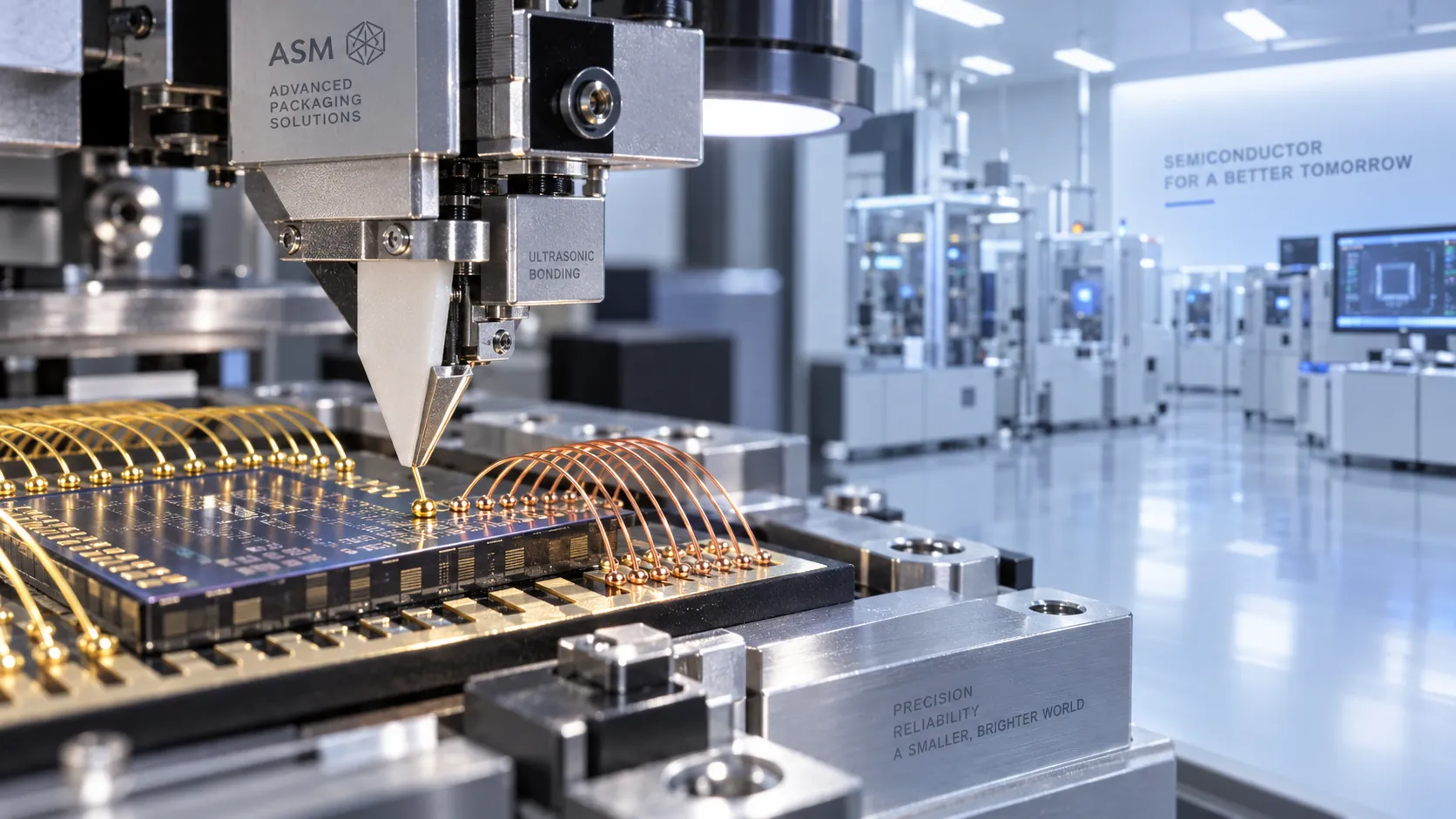
How to Select Wire Bonding Tools for Fine-Pitch Semiconductor Packaging
Explore semiconductor manufacturing tools for wire bonding and learn how to select precision solutions for fine-pitch packaging, reliable loops, accuracy, and yield.
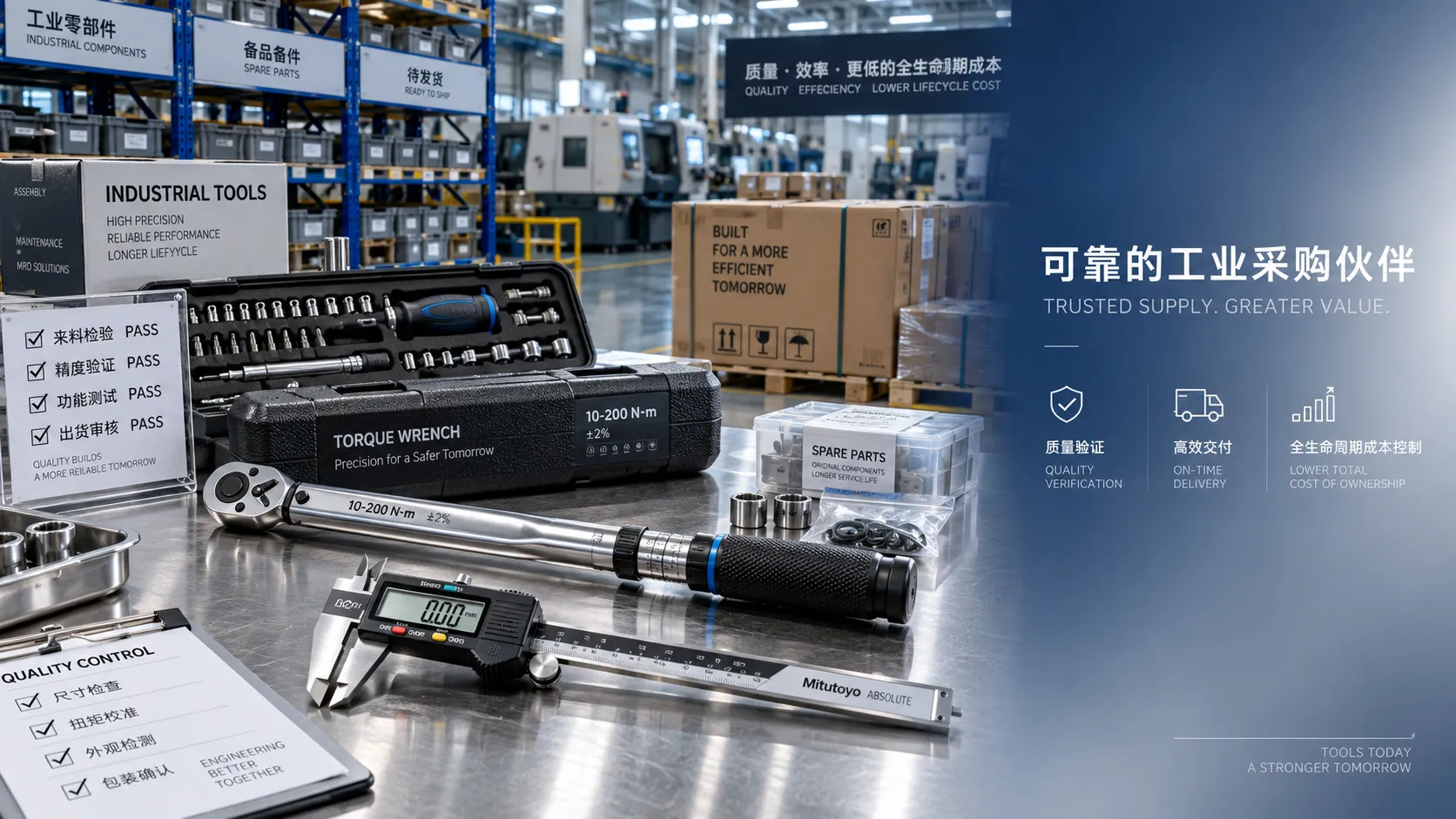
How to Compare Industrial Tool Suppliers for Quality, Lead Time, and Total Cost
Industrial tool selection supplier comparison made simple: evaluate quality, lead times, total cost, service, and supply resilience for confident sourcing decisions.
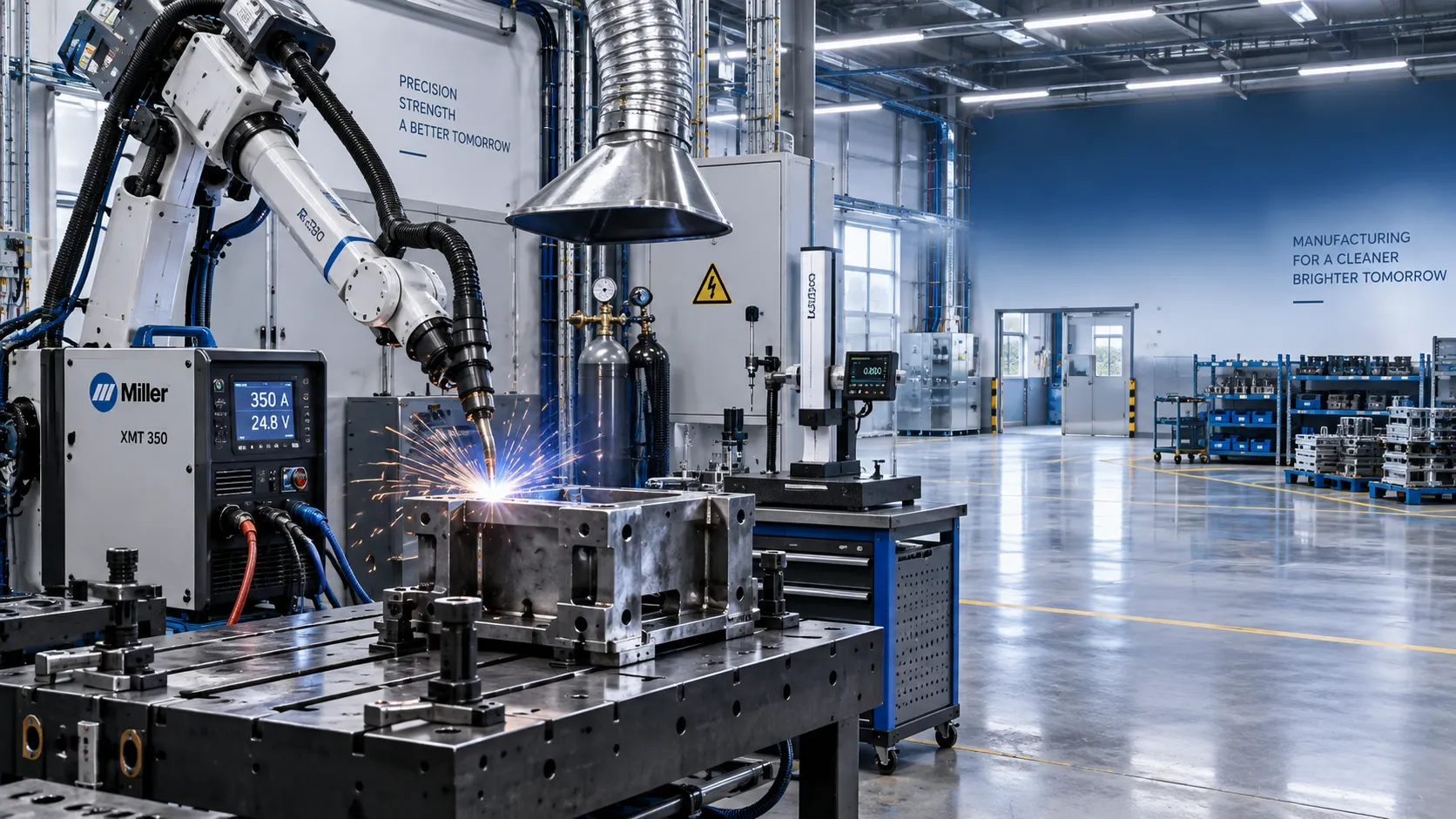
Industrial Equipment Application Guidance: Match Machines to Operating Conditions
Application guidance industrial equipment: match capacity, duty cycle, materials, site conditions, safety, and lifecycle cost to improve reliable output. Read the guide.
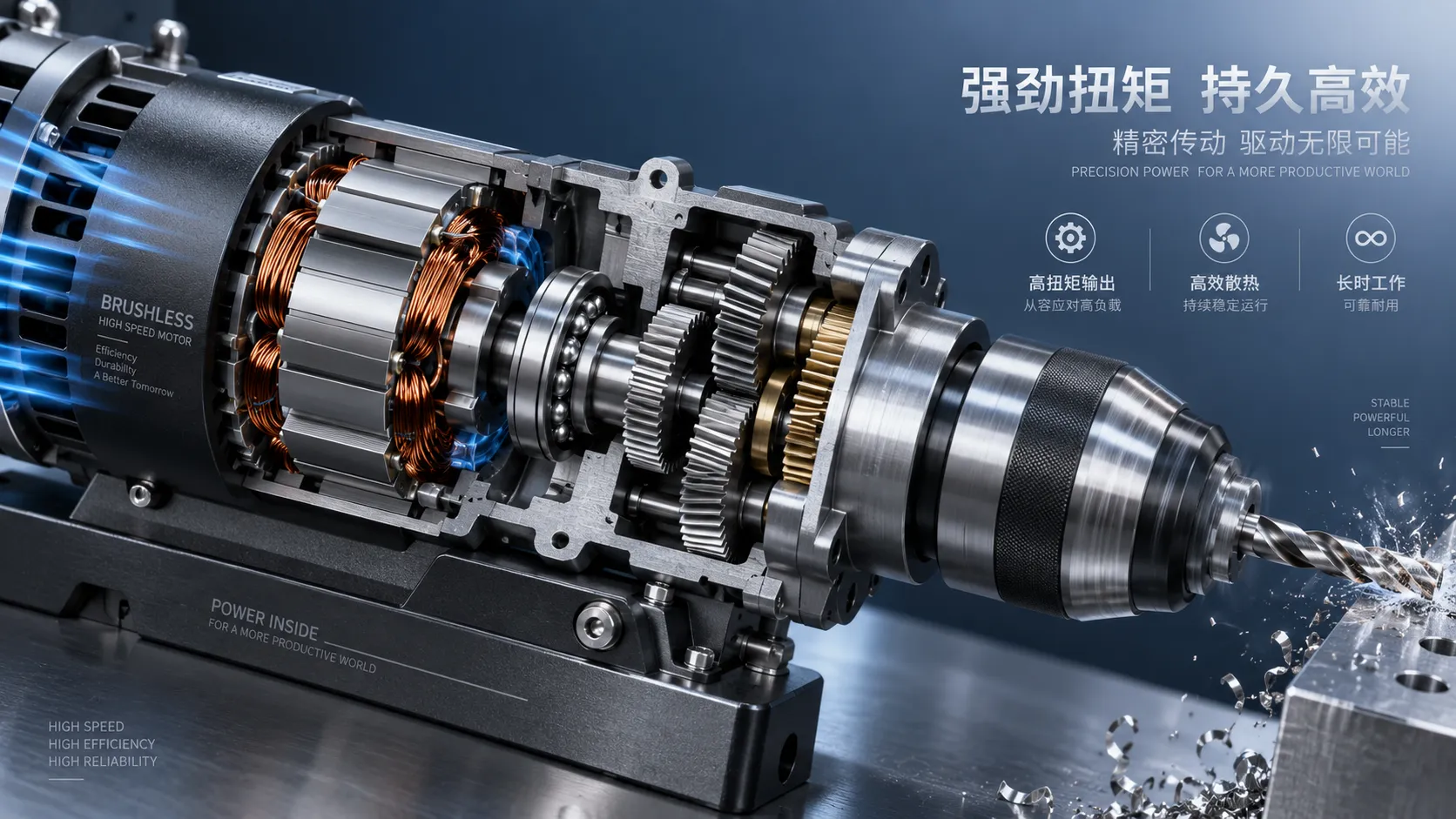
Selecting High-Speed Brushless Tool Motors for Torque, Heat, and Duty Cycle
High speed brushless tool motors: learn how to balance torque, heat, gearing, and duty cycle for reliable industrial tool performance and longer service life.
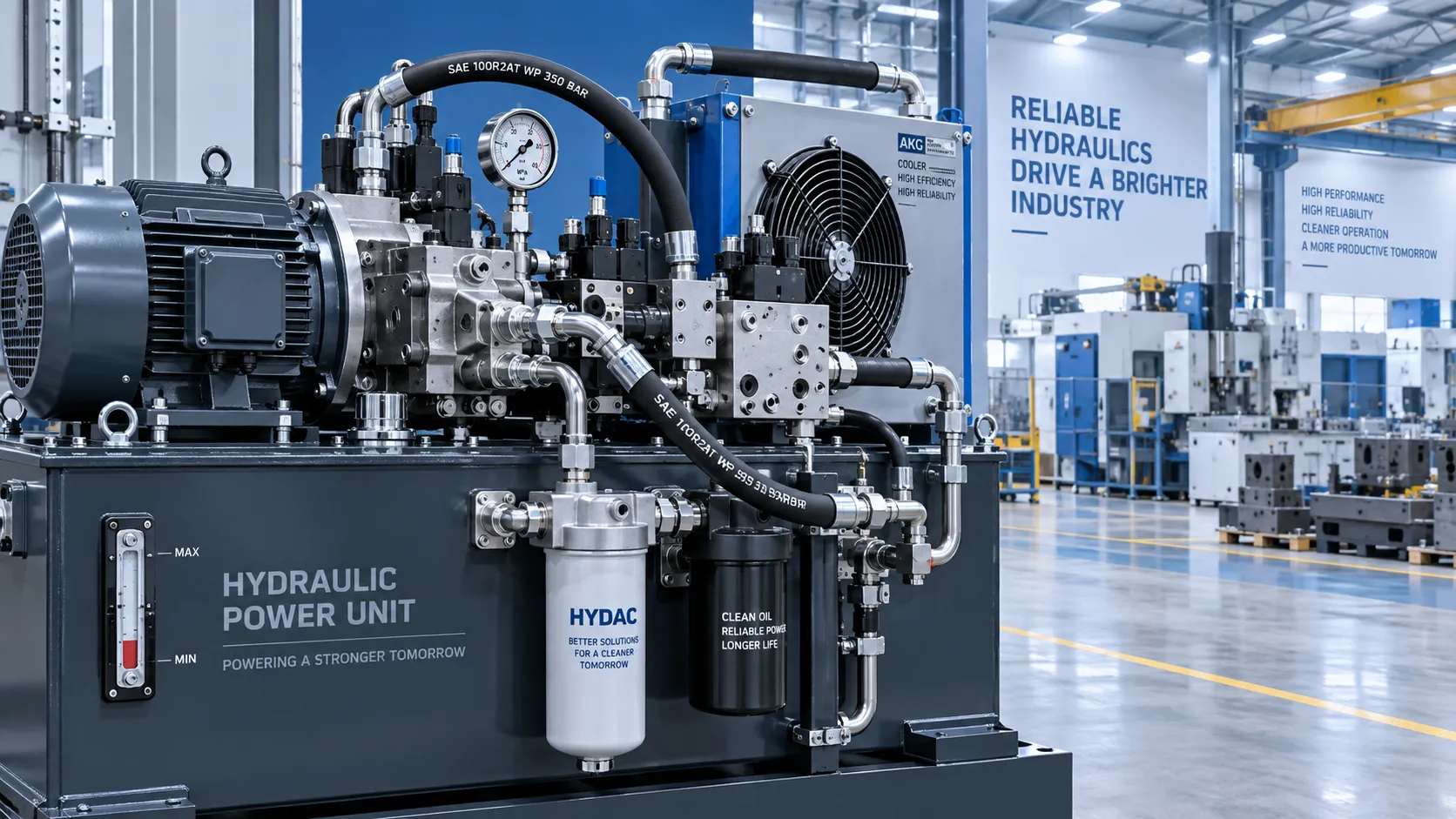
What Determines Industrial Hydraulic System Price for Heavy-Duty Equipment?
Industrial hydraulic system price depends on duty cycle, pressure, components, cooling, and integration. Compare quotes intelligently to secure reliable heavy-duty performance.
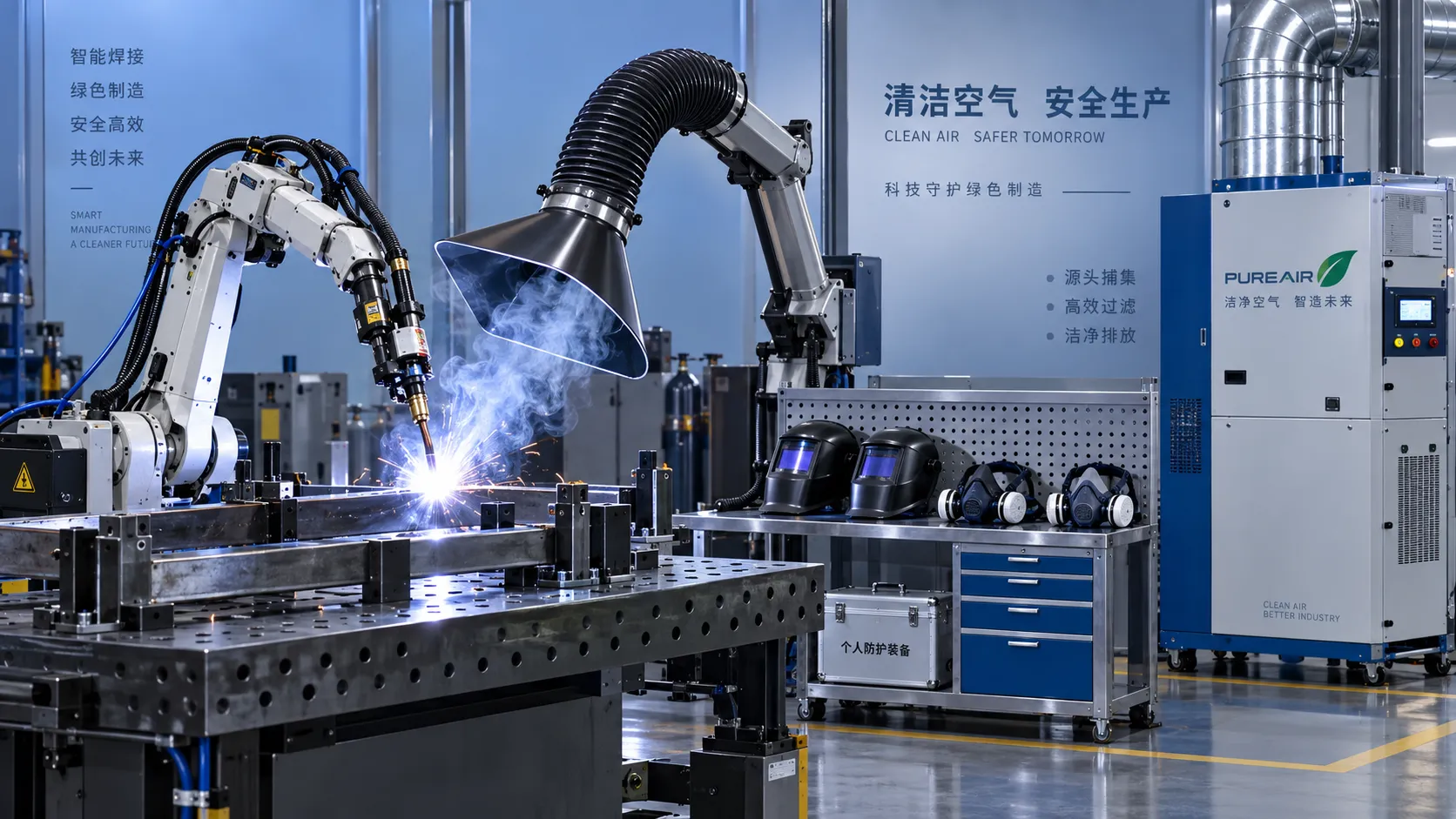
Welding Fume Extraction PPE: When Respirators Are Not Enough for Shop Safety
Welding fume extraction PPE: learn why respirators alone fall short and how source capture, ventilation, and layered controls improve shop safety.

How to Select Optical Metrology Solutions for Tight-Tolerance Manufacturing
Optical industrial metrology solutions for tight-tolerance manufacturing: evaluate accuracy, surface compatibility, workflow, and traceability to select with confidence.
Related News
- 00
0000-00
Planning Access, Material Flow, and Clearance Around a 3200mm Sliding Saw - 00
0000-00
How to Select Vernier Precision Calipers for Tight-Tolerance Machining Inspection - 00
0000-00
How to Choose Metalworking Tools for Sheet Metal by Thickness and Forming Tasks - 00
0000-00
Metrology Technology Europe: Which Systems Improve Inspection Accuracy on the Line? - 00
0000-00
How to Choose Precision Measuring Instruments in North America for Tighter Tolerance Work
Metrology Fellow
Weekly Insights
Stay ahead with our curated technology reports delivered every Monday.