
What material science changes mean for tool durability





For technical evaluators, material science is no longer a background variable but a direct driver of tool durability, safety, and lifecycle cost. From advanced alloys and surface coatings to heat-resistant composites, each innovation reshapes how tools perform under repeated stress, friction, and thermal load. Understanding these shifts is essential for making better sourcing, testing, and specification decisions in today’s precision-focused industrial environment.
Why material science now matters more than brand claims
The core question behind searches about material science and tool durability is practical, not academic. Evaluators want to know which material changes genuinely extend service life and which only improve marketing language.
For most industrial buyers, durability is no longer judged by hardness alone. Real performance depends on how a tool resists wear, heat, fatigue, corrosion, impact, and dimensional drift across the actual duty cycle.
This is why material science has moved into the center of technical assessment. Modern tools are expected to work faster, lighter, hotter, and longer, often in mixed environments where stress modes overlap.
A cutting tool may face abrasive wear and thermal softening. A welding accessory may face heat cycling and oxidation. A torque tool may experience repeated load reversals, vibration, and localized stress concentration.
When evaluators compare suppliers, they are increasingly asking a more useful question: what changed in the material system, and how does that change delay the most likely failure mode?
That shift is important because durability gains rarely come from one property improvement. A harder material may become less tough. A lighter material may deform faster. A cheaper alloy may accelerate coating failure.
So the right conclusion is not that newer materials are always better. It is that better material engineering creates a more application-specific balance of properties, and that balance is what technical evaluators must verify.
What technical evaluators are really trying to determine
Target readers in technical evaluation usually care less about broad innovation trends than about decision risk. They want to know whether a new material improves uptime, reduces replacement frequency, and stays reliable under field conditions.
They also need confidence that durability claims can survive procurement scrutiny. A supplier may present hardness values, coating thickness, or alloy labels, but those data points alone do not prove lifecycle performance.
What matters most is the link between material choice and failure behavior. Evaluators need to understand how the tool fails today, then determine whether a material change addresses that mechanism directly.
In practice, the main concerns are usually fivefold: wear resistance, thermal stability, fracture resistance, corrosion resistance, and consistency between batches. If one of these is weak, the expected durability gain may collapse quickly.
Another major concern is whether the tool works under real loading rather than laboratory loading. Material science improvements often look impressive in controlled tests but become less meaningful when contamination, misuse, shock loading, or poor cooling appears.
That is why the strongest evaluation approach combines material data, process data, and field simulation. Material science only creates value when the final manufacturing route preserves the intended properties in production.
How advanced alloys are changing durability expectations
Advanced alloys are one of the most visible examples of material science affecting tool durability. Their value comes from better control of composition, grain structure, impurity levels, and heat-treatment response.
In steel tools, cleaner metallurgy and alloy optimization can significantly improve fatigue life and edge retention. Better carbide distribution and tighter process control reduce weak points where cracks can initiate under repeated stress.
High-speed steels and powder metallurgy steels have become especially relevant in applications where traditional steels failed through uneven wear or microchipping. Powder routes often produce more uniform microstructures and better property consistency.
For impact tools and torque-transfer components, alloy design now aims to improve toughness without giving away too much hardness. That tradeoff matters because brittle failure is often more expensive than gradual wear.
In high-temperature settings, nickel-based or cobalt-strengthened systems may be used where ordinary steels lose hardness too quickly. The durability gain here is not simply strength but retention of useful properties under thermal exposure.
In nonferrous applications, aluminum and titanium alloys can reduce weight while maintaining adequate strength. This improves ergonomics and handling, but evaluators must check whether stiffness, galling behavior, and wear remain acceptable.
The practical takeaway is that alloy labels are not enough. Technical evaluators should ask how the alloy was processed, what heat treatment window was used, and which failure mode the alloy upgrade is meant to control.
Why coatings often matter as much as the substrate
In many tools, the biggest durability improvement does not come from the base material alone. Surface engineering now plays a major role because wear, friction, oxidation, and chemical attack usually start at the interface.
Coatings such as TiN, TiAlN, AlCrN, DLC, and ceramic-derived layers can dramatically improve tool life when properly matched to the load, temperature range, and contact mechanics of the application.
For cutting and drilling systems, coatings reduce friction and heat buildup while delaying flank wear and crater wear. In welding-related fixtures or positioning systems, coatings may help resist spatter adhesion and surface degradation.
However, coatings are not universal solutions. If the substrate is too soft, too rough, or poorly prepared, the coating may crack, peel, or wear through quickly. In that case, coating performance becomes a false indicator.
Evaluators should also remember that thickness is not a simple quality signal. An overly thick coating can increase brittleness or reduce adhesion, while a thinner but better-bonded layer may perform longer in cyclic use.
Another key issue is compatibility between coating and service environment. A coating that performs well at moderate dry temperatures may fail under impact, coolant exposure, or repeated thermal cycling.
So when assessing claims related to material science, surface treatment should be reviewed as part of a complete material system. Substrate, coating, interface preparation, and deposition method all affect final durability.
How composites and engineered polymers expand tool design options
Not all durability gains come from harder metals. In some product categories, composites and engineered polymers improve useful life by lowering weight, resisting corrosion, damping vibration, or surviving chemical exposure better than metal alternatives.
Handles, housings, insulating parts, and some wear components increasingly use fiber-reinforced polymers or high-performance thermoplastics. These materials can reduce operator fatigue and improve safety while maintaining structural reliability.
In electrically sensitive or heat-managed environments, advanced polymer systems may outperform traditional materials because they offer controlled insulation, lower thermal conductivity, or better environmental resistance.
Composite structures can also reduce crack propagation in certain designs by distributing stress differently from monolithic metals. In portable tools, that can help preserve alignment and reduce user-transmitted vibration over time.
Still, technical evaluators should be careful not to assume that lighter means more durable. Polymers may creep under sustained load, degrade under UV or solvents, or lose performance if fiber orientation is poorly controlled.
The right evaluation question is whether the composite or polymer solves a known problem better than metal in that specific location. If the answer is yes, material science has created durability through smarter functional design.
Heat, fatigue, and corrosion: the three durability tests that matter most
For most industrial tools, the most useful way to assess material science changes is to focus on the dominant stressors that actually shorten life. In many cases, those are heat, fatigue, and corrosion.
Heat affects hardness retention, oxidation behavior, dimensional stability, and coating integrity. Tools used near welding arcs, friction zones, or high-speed contact must keep their properties after repeated thermal exposure, not just a single hot event.
Fatigue is often underestimated because tools may appear intact until failure is sudden. Repeated loading creates microcracks that grow slowly, especially near corners, threads, contact points, and material transitions.
Corrosion also deserves more attention because it often combines with fatigue and wear. Even mild chemical attack can roughen surfaces, weaken interfaces, and accelerate crack initiation in tools operating in humid, salty, or chemically active environments.
When a supplier highlights material science innovation, evaluators should ask whether the data include thermal cycling, high-cycle fatigue, salt spray, chemical immersion, or mixed-environment testing relevant to the tool’s service conditions.
The most valuable improvements are those that maintain performance under combined stresses. A material that survives heat but fails under corrosive fatigue may still create unacceptable downtime in field applications.
What to ask suppliers when durability claims rely on new materials
Material upgrades often sound convincing because they use familiar technical terms. But evaluators should move quickly from terminology to evidence. The goal is to confirm not only what material is used but what it does in service.
Start by asking which failure mode the new material is meant to improve. Is the tool currently failing by abrasive wear, edge chipping, loss of torque accuracy, deformation, corrosion, coating delamination, or thermal cracking?
Then request comparative data against the previous generation or a known benchmark. A standalone hardness increase is less useful than side-by-side wear rate, fatigue life, or retention of tolerance after repeated cycles.
It is also important to ask about process consistency. The same alloy can behave differently depending on powder quality, forging route, sintering profile, heat treatment, machining damage, or coating deposition control.
Batch variation should never be ignored. If a supplier cannot demonstrate stable microstructure and process repeatability, the material science advantage may disappear once production scales beyond pilot lots.
Technical evaluators should further ask whether the material requires different maintenance, storage, sharpening, cleaning, or usage limits. A durability improvement that depends on unrealistic handling may have limited practical value.
Finally, request field validation in conditions that resemble the intended use case. Material science becomes commercially meaningful only when the claimed improvement appears in total cost of ownership, not only in laboratory charts.
How to translate material innovation into lifecycle cost and specification value
Durability matters because it affects economics, not only engineering. For evaluators, the real business question is how a material change influences replacement intervals, maintenance labor, process quality, safety margin, and production interruption.
A more expensive tool material can still lower total cost if it extends service life predictably, reduces scrap, holds calibration longer, or prevents unplanned stoppages. This is especially true in precision-sensitive and labor-constrained operations.
However, not every premium material deserves a premium specification. If a tool is used intermittently, under low stress, or in disposable workflows, the highest-performing material may not provide a meaningful return.
That is why specification decisions should separate critical tools from noncritical tools. For high-risk applications, a material upgrade that improves reliability may justify stronger requirements and tighter acceptance criteria.
For lower-risk categories, evaluators may prefer a balanced material standard that avoids overengineering while still controlling common failures. Material science adds value when matched to operational criticality, not when applied blindly.
Documentation should reflect this logic. Instead of writing vague requirements such as “high durability material,” define performance thresholds linked to wear, hardness retention, fatigue resistance, corrosion class, or coating adhesion.
This approach improves sourcing clarity and makes supplier comparison more objective. It also supports cross-functional alignment between engineering, quality, procurement, and maintenance teams.
A practical evaluation framework for technical teams
To make material science useful in evaluation work, technical teams need a repeatable framework. The first step is to identify the dominant use environment and the primary failure mechanism for each tool category.
Second, map the proposed material change to the expected property gain. For example, ask whether the new alloy improves toughness, whether the coating lowers friction, or whether the composite reduces vibration-induced damage.
Third, verify that the manufacturing process supports the claim. Material performance depends on heat treatment, surface preparation, joining quality, dimensional control, and process repeatability just as much as nominal chemistry.
Fourth, use testing that reproduces the actual stress combination. Single-variable tests can miss critical interactions. Mixed load, thermal cycling, contamination exposure, and repeated duty simulation usually reveal more realistic durability behavior.
Fifth, compare cost against usable life, not purchase price alone. A tool that lasts twice as long with better consistency may create more value than a lower-cost option with unpredictable failure timing.
Finally, capture post-deployment feedback. Returned tools, wear maps, calibration drift, fracture surfaces, and maintenance notes can all validate whether the material science choice is delivering the intended durability benefit.
Over time, this creates a stronger internal knowledge base. Technical evaluators move from reacting to supplier claims toward building evidence-backed material selection standards that improve sourcing decisions systematically.
Conclusion: better material science means better decisions, not just better tools
Material science is changing tool durability in ways that are highly relevant to technical evaluators. Advanced alloys, engineered coatings, composites, and improved processing routes can all extend service life when they target the right failure mechanism.
But the real value is not in novelty alone. The value lies in understanding how material changes affect wear, heat resistance, fatigue behavior, corrosion performance, and consistency under real operating conditions.
For technical teams, the best response is disciplined evaluation. Ask what problem the material solves, how the claim was tested, whether production is consistent, and how the change affects lifecycle cost.
That approach leads to stronger specifications, better supplier comparison, and more reliable field performance. In today’s precision-focused industrial environment, material science is not just a design topic. It is a purchasing, risk, and performance decision tool.
Related News
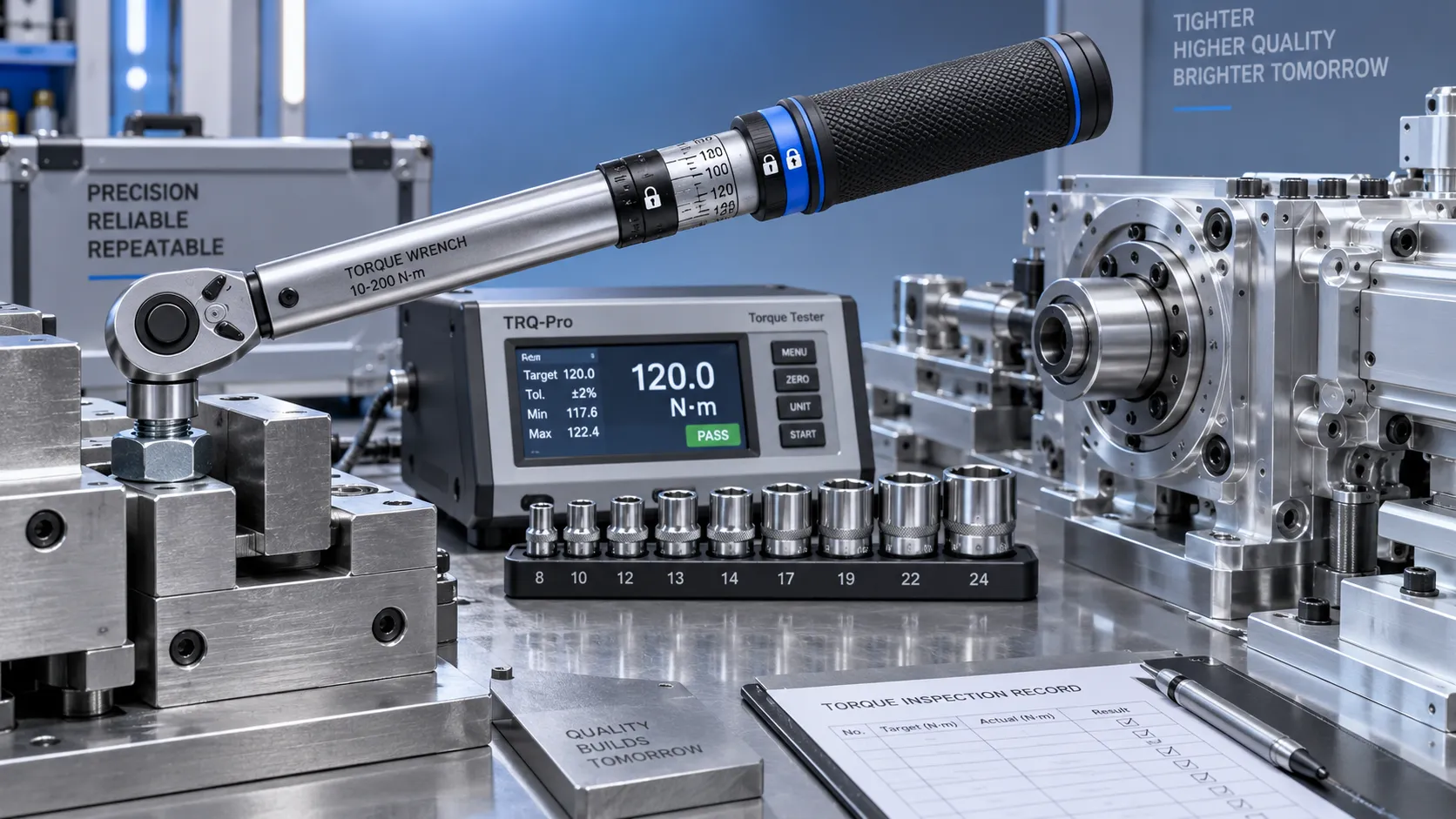
Selecting Adjustable Torque Tools for Repeatable Fastener Assembly
Adjustable torque tools: learn how to match range, accuracy, control methods, calibration, and ergonomics for repeatable, reliable fastener assembly.

How to Select Aerospace Inspection Tools for Aircraft Maintenance Tasks
Aerospace maintenance inspection tools: learn how to select reliable, traceable equipment for aircraft access, accuracy, calibration, and compliant maintenance decisions.

How to Select Wire Bonding Tools for Fine-Pitch Semiconductor Packaging
Explore semiconductor manufacturing tools for wire bonding and learn how to select precision solutions for fine-pitch packaging, reliable loops, accuracy, and yield.
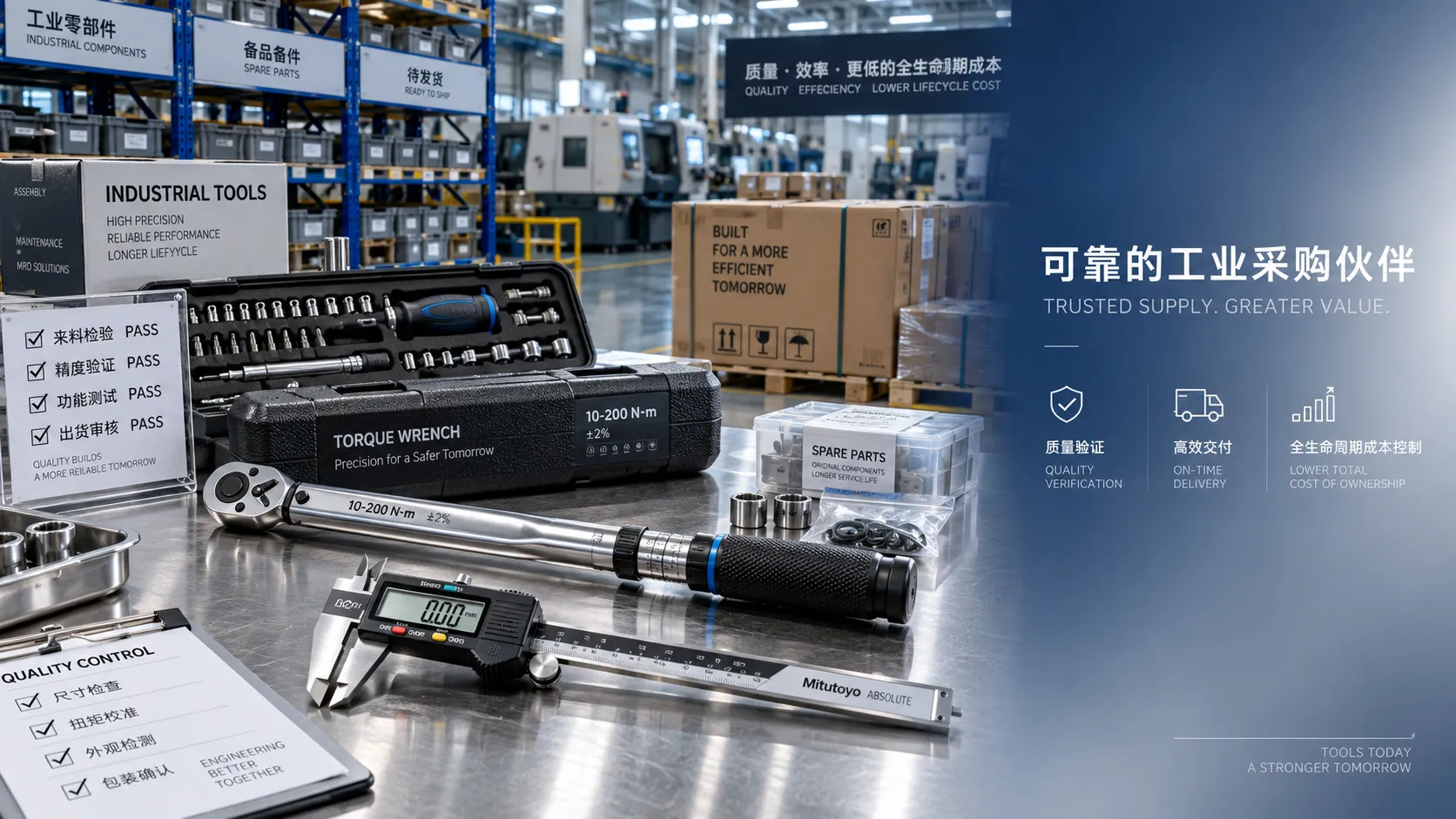
How to Compare Industrial Tool Suppliers for Quality, Lead Time, and Total Cost
Industrial tool selection supplier comparison made simple: evaluate quality, lead times, total cost, service, and supply resilience for confident sourcing decisions.
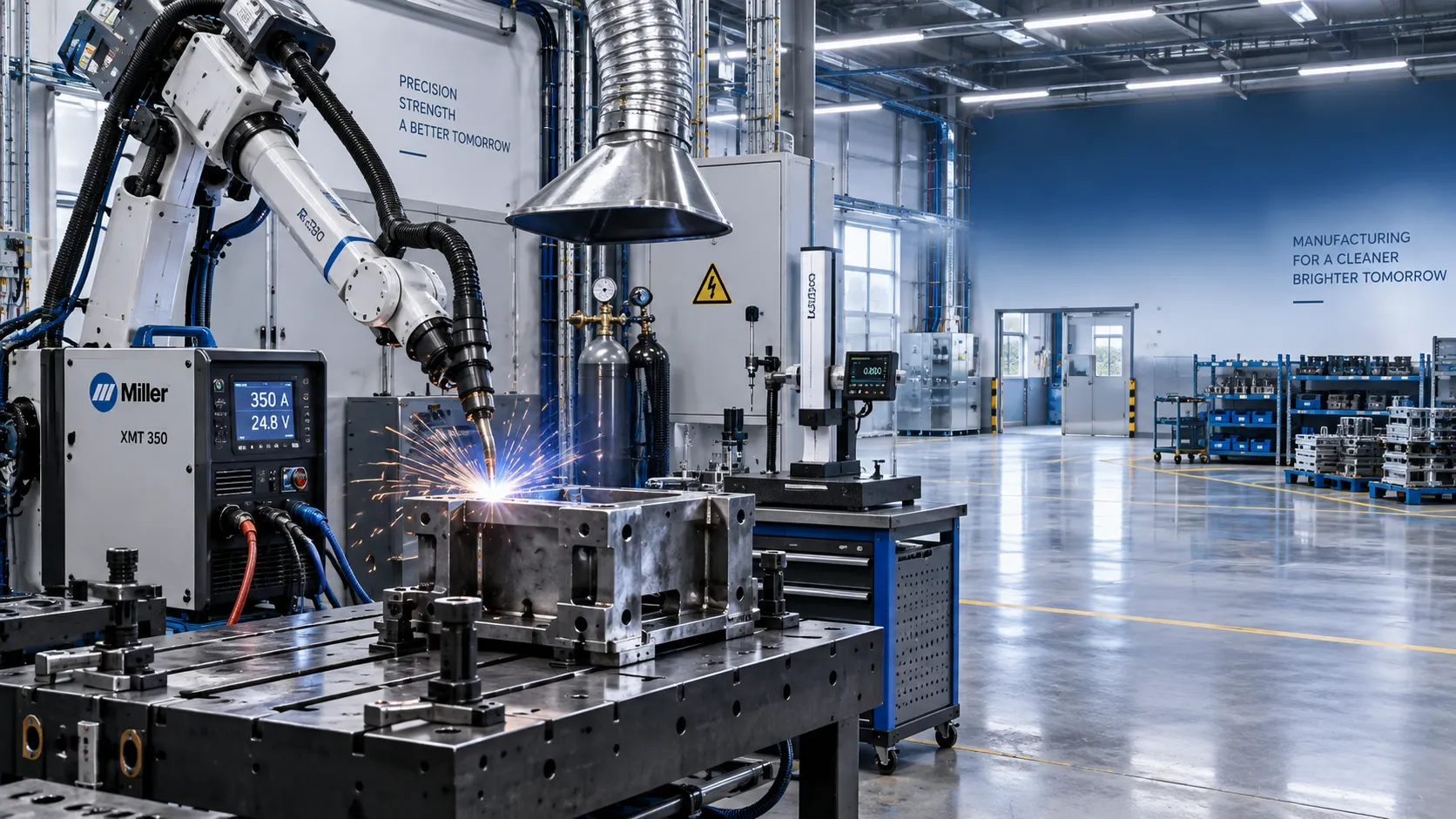
Industrial Equipment Application Guidance: Match Machines to Operating Conditions
Application guidance industrial equipment: match capacity, duty cycle, materials, site conditions, safety, and lifecycle cost to improve reliable output. Read the guide.
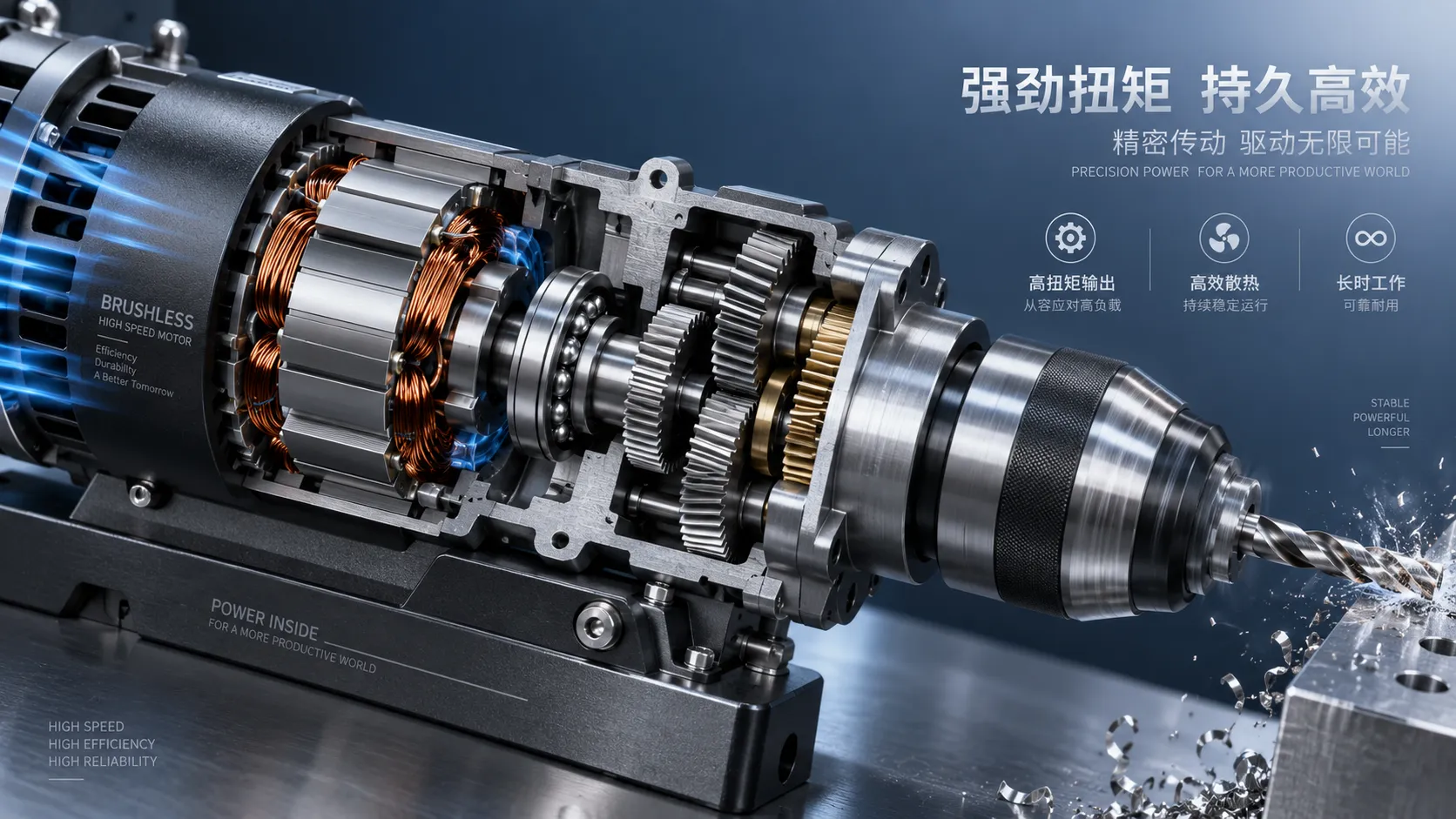
Selecting High-Speed Brushless Tool Motors for Torque, Heat, and Duty Cycle
High speed brushless tool motors: learn how to balance torque, heat, gearing, and duty cycle for reliable industrial tool performance and longer service life.
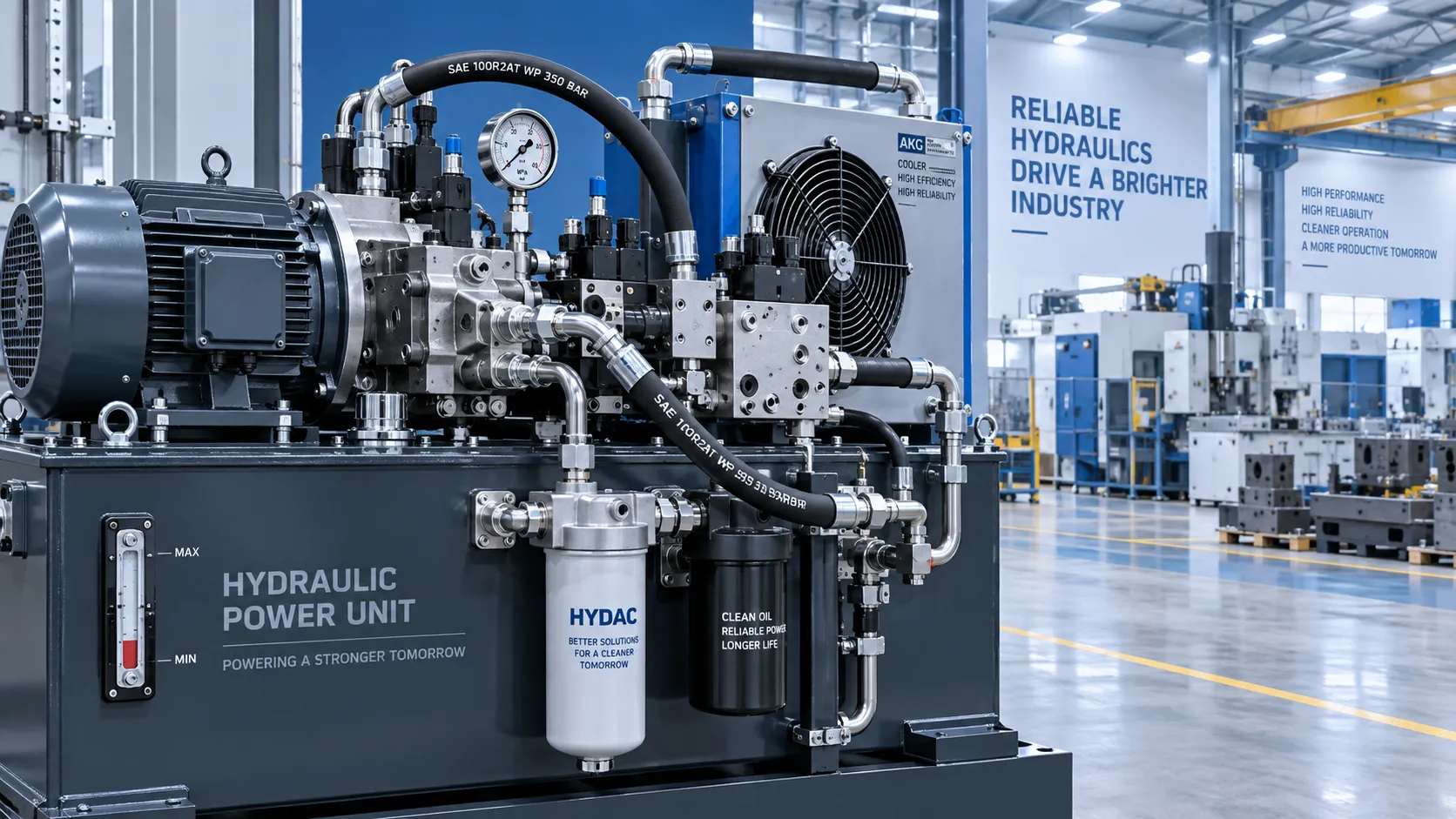
What Determines Industrial Hydraulic System Price for Heavy-Duty Equipment?
Industrial hydraulic system price depends on duty cycle, pressure, components, cooling, and integration. Compare quotes intelligently to secure reliable heavy-duty performance.
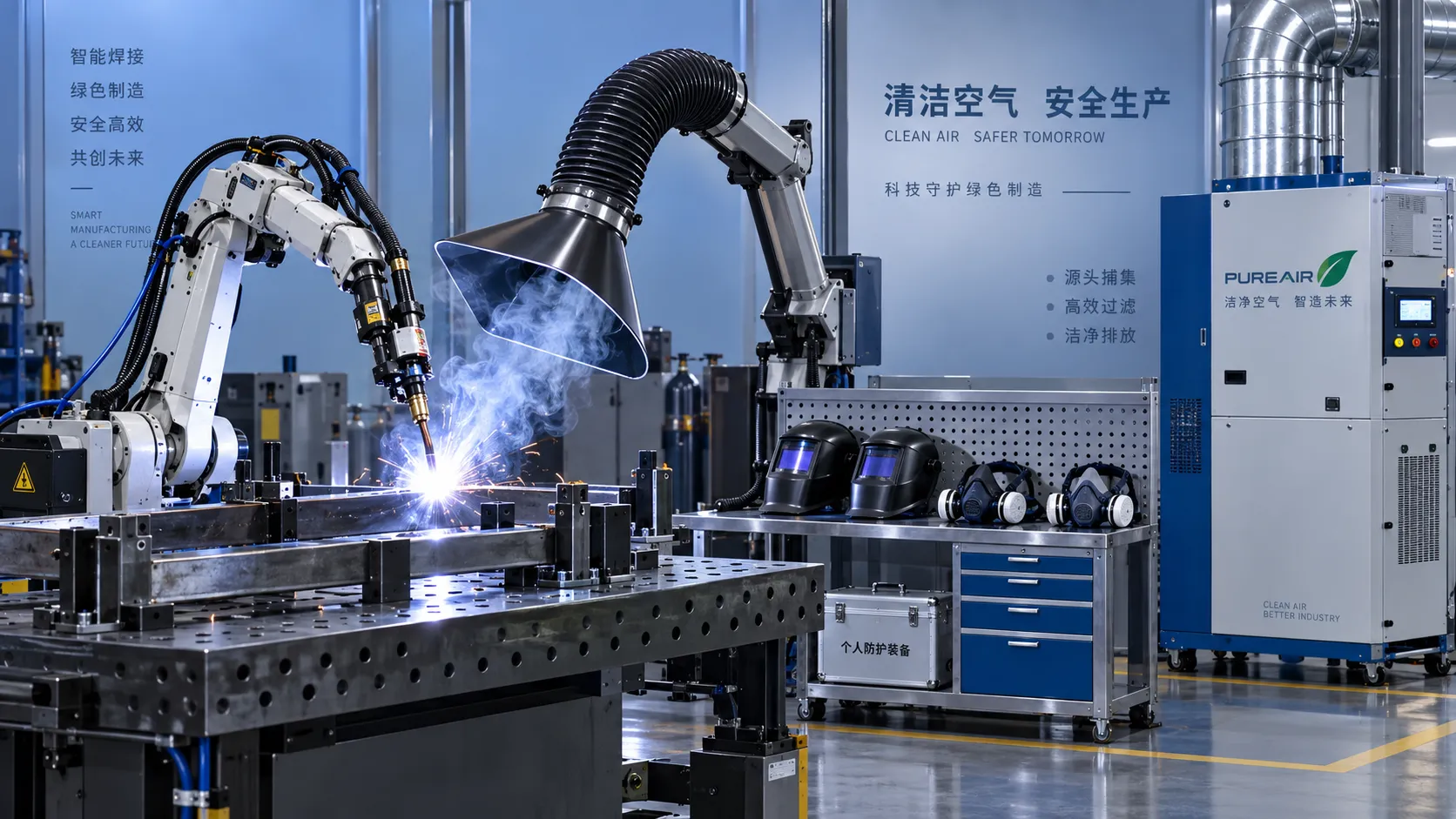
Welding Fume Extraction PPE: When Respirators Are Not Enough for Shop Safety
Welding fume extraction PPE: learn why respirators alone fall short and how source capture, ventilation, and layered controls improve shop safety.
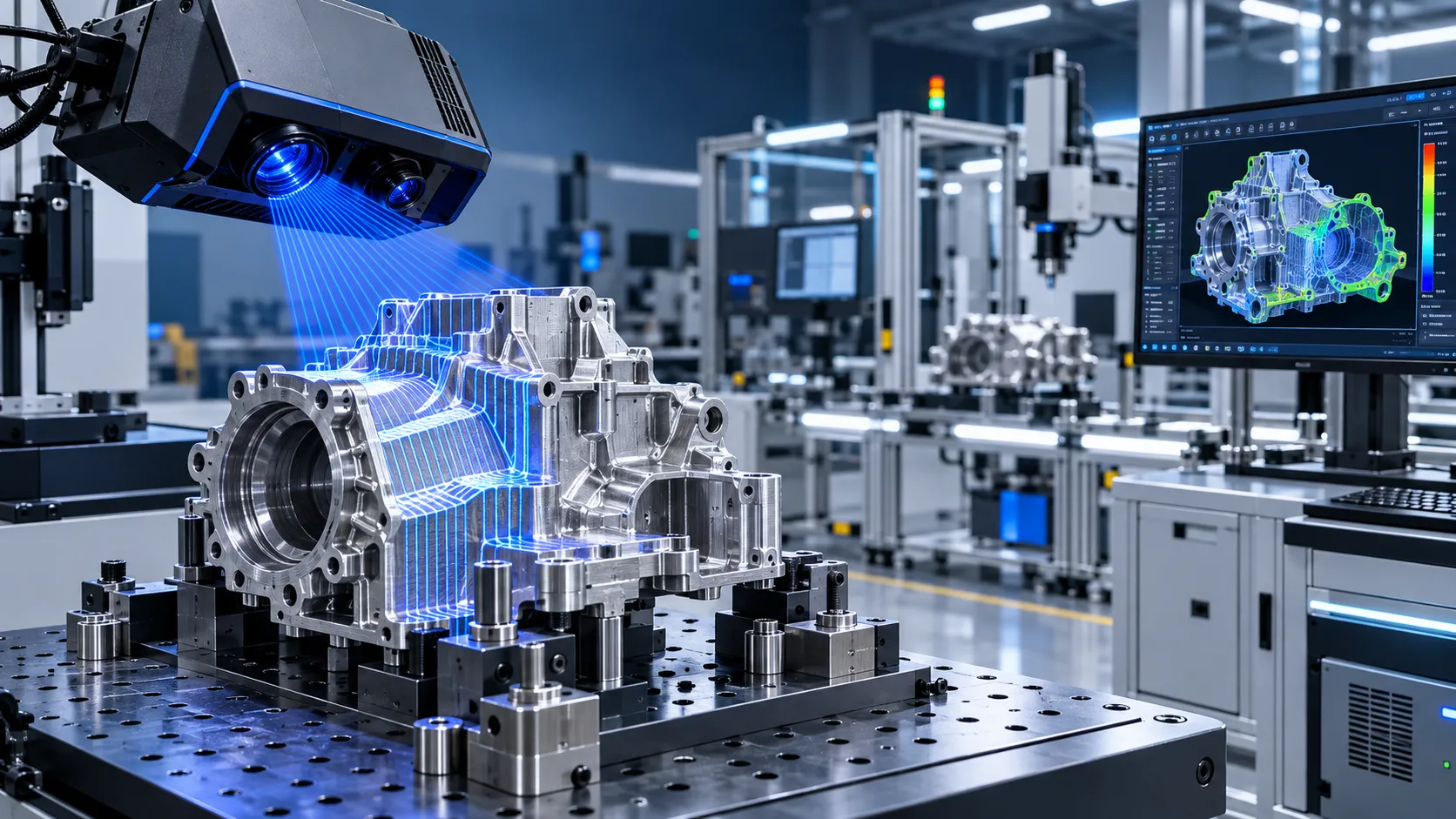
How to Select Optical Metrology Solutions for Tight-Tolerance Manufacturing
Optical industrial metrology solutions for tight-tolerance manufacturing: evaluate accuracy, surface compatibility, workflow, and traceability to select with confidence.
Related News
- 00
0000-00
Selecting Adjustable Torque Tools for Repeatable Fastener Assembly - 00
0000-00
How to Select Aerospace Inspection Tools for Aircraft Maintenance Tasks - 00
0000-00
How to Select Wire Bonding Tools for Fine-Pitch Semiconductor Packaging - 00
0000-00
Industrial Equipment Application Guidance: Match Machines to Operating Conditions - 00
0000-00
Selecting High-Speed Brushless Tool Motors for Torque, Heat, and Duty Cycle
Prof. Marcus Chen
Weekly Insights
Stay ahead with our curated technology reports delivered every Monday.