
How industrial standards shape audits and product acceptance





Industrial standards do far more than define specifications—they shape how audits are conducted, how risks are controlled, and how products earn market acceptance. In complex industrial environments, industrial standards create a shared language for inspection, safety, traceability, and conformity. They also help organizations compare suppliers, validate processes, and reduce uncertainty before products enter demanding markets.
Across assembly, welding, metrology, maintenance, and distribution, the impact of industrial standards is practical rather than theoretical. Audit criteria, sampling methods, calibration routines, labeling rules, and acceptance thresholds all depend on them. When standards are understood in context, operations become more predictable, compliance gaps shrink, and product acceptance gains credibility across regions and sectors.
Why audit outcomes change across industrial scenarios
Not every audit follows the same logic. Industrial standards are applied differently depending on product risk, end-use environment, customer requirements, and regulatory exposure. A hand tool, a welded structure, and a measuring instrument may all face audits, but their evidence requirements differ sharply.
This is especially visible in cross-border trade. One market may emphasize electrical safety and documentation integrity. Another may focus on dimensional accuracy, operator protection, or process validation. Industrial standards therefore shape not only what is inspected, but also why it matters in a specific acceptance scenario.
Scenario signals that alter audit depth
- Products used in safety-critical tasks require deeper evidence trails.
- Export-bound goods often face stricter labeling and certification checks.
- Precision items demand tighter calibration and measurement records.
- Welding and joining processes need stronger operator and procedure qualification.
- Multi-supplier production increases traceability and document control pressure.
How industrial standards guide audits in production and supply chains
In factory and supplier audits, industrial standards serve as the audit backbone. They define what counts as an acceptable process, what records must exist, and what nonconformities require corrective action. Without them, audits become subjective and hard to repeat.
For general industry operations, auditors often examine document control, incoming inspection, equipment maintenance, calibration status, process consistency, and final release criteria. Industrial standards connect each checkpoint to an objective requirement, making findings easier to defend and easier to improve.
Scenario: supplier qualification before order approval
Before a supplier is accepted, industrial standards help verify whether core systems are mature enough for stable delivery. Audits usually review material certificates, control plans, inspection records, training logs, and corrective action discipline.
If standards are weakly linked to internal procedures, the supplier may appear organized but still fail product acceptance later. Early alignment between standards and shop-floor practice reduces this hidden risk.
Scenario: process audits for welding and assembly
In welding and assembly, industrial standards influence heat input control, joint integrity, torque consistency, tool maintenance, and operator competence. Auditors usually look for validated procedures rather than informal experience alone.
This matters because many product failures start as process variation. Industrial standards reduce that variation by defining acceptable methods, inspection frequencies, and evidence retention rules.
Where product acceptance depends most on industrial standards
Product acceptance is rarely a single test result. It is the combined judgment that a product meets performance, safety, dimensional, material, and documentation requirements. Industrial standards help structure that judgment across different use cases.
The closer a product is to regulated, high-load, or high-precision service, the more strongly industrial standards affect acceptance. In many sectors, passing inspection without standard-aligned records is not enough for commercial release.
Scenario: precision metrology tools entering technical markets
Calipers, gauges, and related instruments must prove accuracy, repeatability, and calibration reliability. Here, industrial standards shape acceptance through tolerance verification, reference traceability, environmental control, and labeling clarity.
If measurement uncertainty is poorly documented, market confidence declines quickly. Even when the product performs well, acceptance can stall because the evidence chain is incomplete.
Scenario: tools and equipment used in harsh environments
Products used on construction sites, maintenance platforms, or industrial repair lines face impact, dust, heat, and repeated handling. Industrial standards shape acceptance by defining durability tests, insulation checks, protective design expectations, and warning information.
In these scenarios, product acceptance depends on both physical performance and safe use communication. Standards therefore extend beyond engineering into packaging, marking, and instructions.
How scenario demands differ when applying industrial standards
Different operating contexts require different levels of audit evidence and acceptance discipline. The table below shows how industrial standards shift priorities by scenario.
Practical ways to match industrial standards to each scenario
Applying industrial standards effectively requires more than collecting certificates. The key is to connect each standard to actual operational risk, inspection workflow, and acceptance objective. A useful approach starts with scenario mapping.
Recommended adaptation steps
- Define the product use environment and expected failure consequences.
- List the industrial standards affecting safety, quality, and documentation.
- Translate each requirement into an audit checkpoint or test method.
- Confirm suppliers use the same revision level and terminology.
- Link nonconformity severity to actual product acceptance risk.
- Review evidence quality before shipment or market release.
This method is highly relevant in sectors followed by GPTWM, where assembly precision, welding quality, and metrology confidence directly influence downstream efficiency. Industrial standards become more valuable when converted into repeatable operating controls.
Common scenario mistakes that weaken audits and product acceptance
Many compliance failures do not come from ignoring industrial standards completely. They come from applying the right standard in the wrong way, at the wrong stage, or without enough scenario awareness.
Frequent misjudgments
- Treating document completeness as equal to process control maturity.
- Using generic inspection plans for high-risk applications.
- Overlooking calibration traceability in precision acceptance scenarios.
- Ignoring packaging and marking requirements for export approval.
- Failing to update audit criteria when industrial standards change.
- Separating supplier audits from final product acceptance decisions.
These gaps often create expensive delays. A product may pass internal review, yet fail customer acceptance because the supporting standard evidence is incomplete, outdated, or misaligned with the actual use case.
Turning industrial standards into the next operational advantage
Industrial standards should not be treated as static compliance paperwork. They are strategic tools for building stronger audits, faster product acceptance, and more trusted industrial relationships. When standards are linked to real scenarios, decisions become clearer and quality systems become easier to scale.
A practical next step is to review one current audit template and one current acceptance checklist side by side. Identify where industrial standards are named, where evidence is missing, and where scenario-specific risks are not reflected. This simple comparison often reveals immediate improvement opportunities.
For organizations tracking tooling, welding, and metrology developments through GPTWM, the greatest advantage comes from combining standards awareness with market intelligence. That combination supports better supplier confidence, stronger inspection discipline, and wider product acceptance in a changing industrial landscape.
Related News
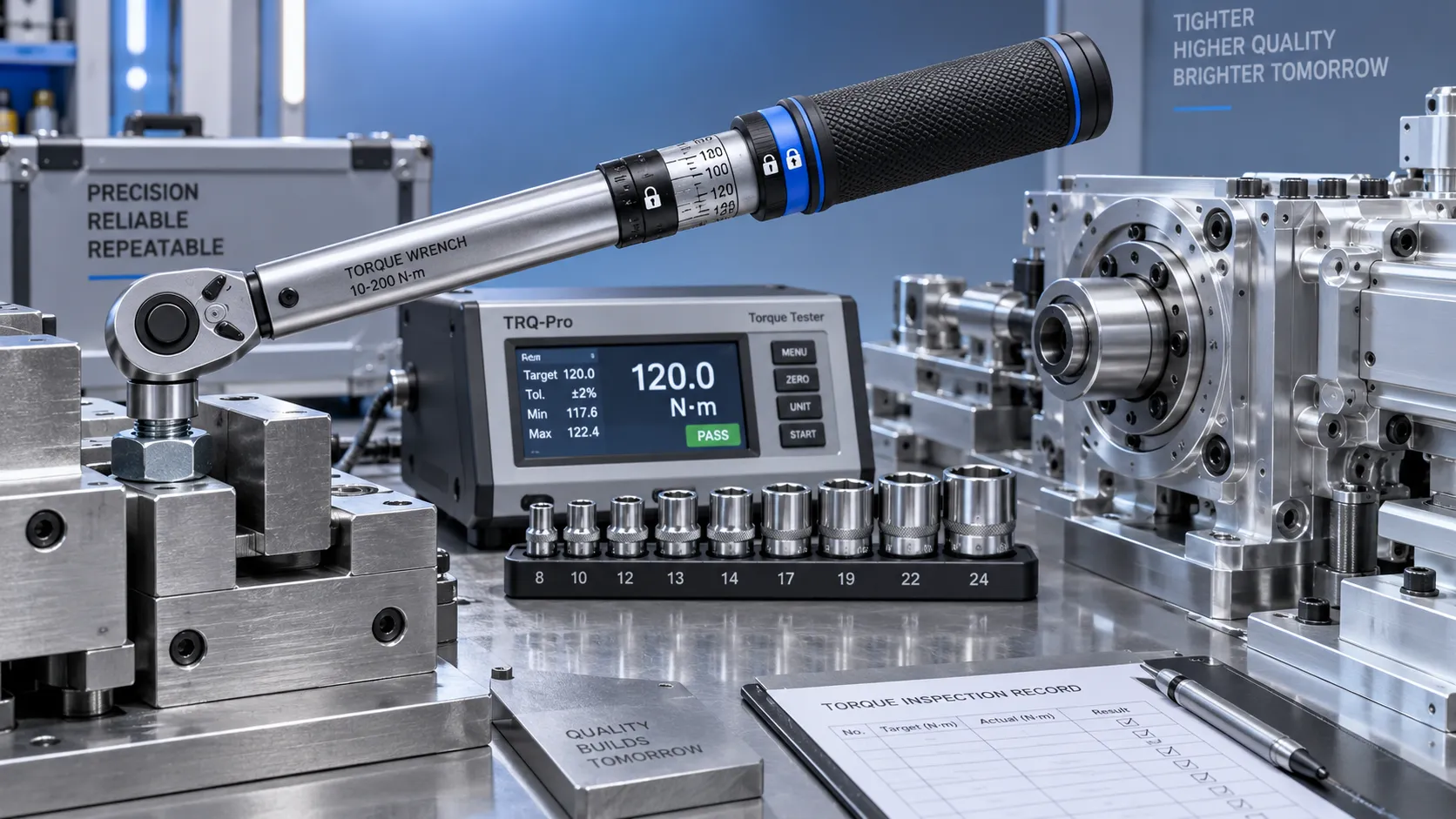
Selecting Adjustable Torque Tools for Repeatable Fastener Assembly
Adjustable torque tools: learn how to match range, accuracy, control methods, calibration, and ergonomics for repeatable, reliable fastener assembly.

How to Select Aerospace Inspection Tools for Aircraft Maintenance Tasks
Aerospace maintenance inspection tools: learn how to select reliable, traceable equipment for aircraft access, accuracy, calibration, and compliant maintenance decisions.

How to Select Wire Bonding Tools for Fine-Pitch Semiconductor Packaging
Explore semiconductor manufacturing tools for wire bonding and learn how to select precision solutions for fine-pitch packaging, reliable loops, accuracy, and yield.
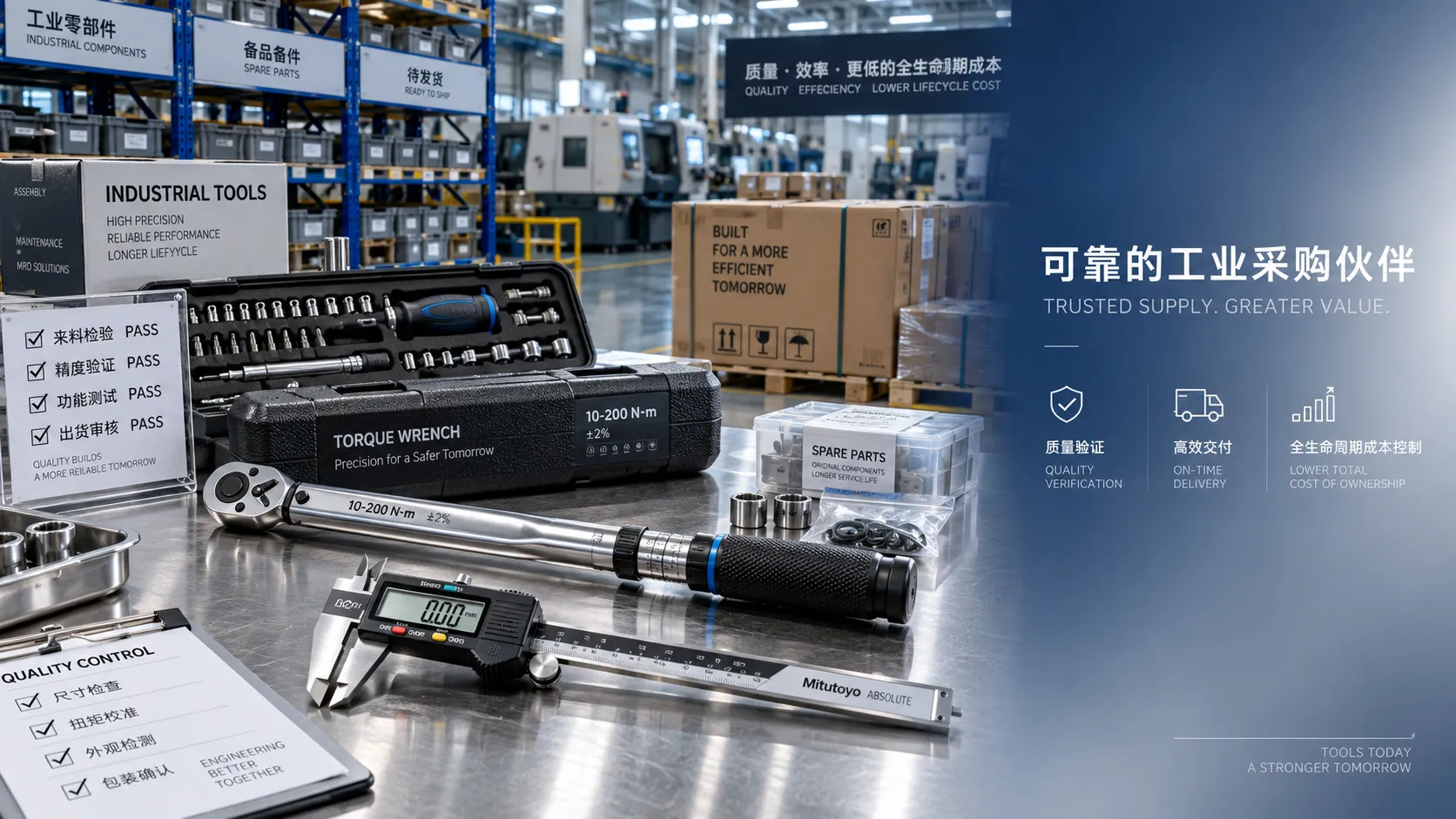
How to Compare Industrial Tool Suppliers for Quality, Lead Time, and Total Cost
Industrial tool selection supplier comparison made simple: evaluate quality, lead times, total cost, service, and supply resilience for confident sourcing decisions.
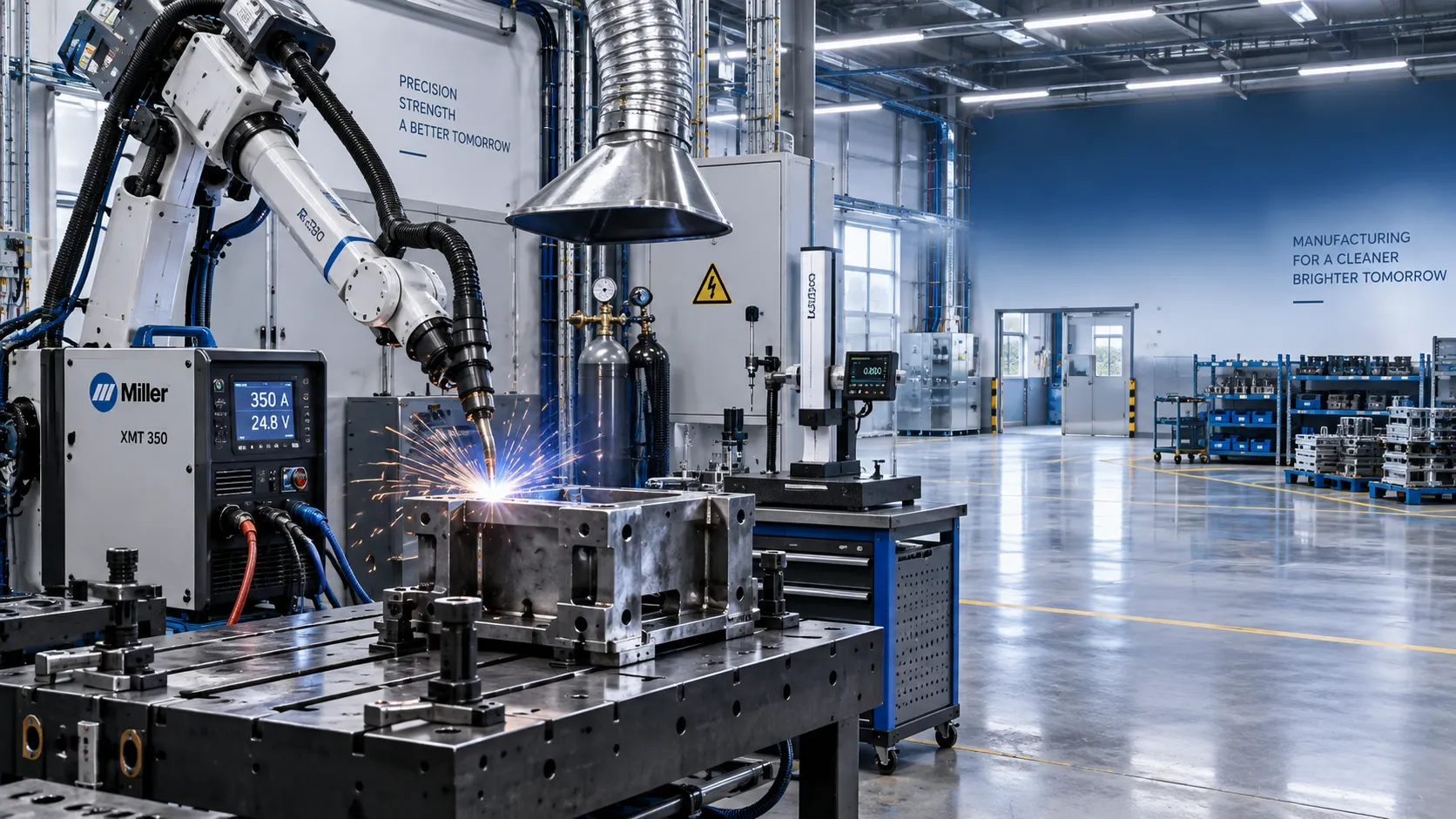
Industrial Equipment Application Guidance: Match Machines to Operating Conditions
Application guidance industrial equipment: match capacity, duty cycle, materials, site conditions, safety, and lifecycle cost to improve reliable output. Read the guide.
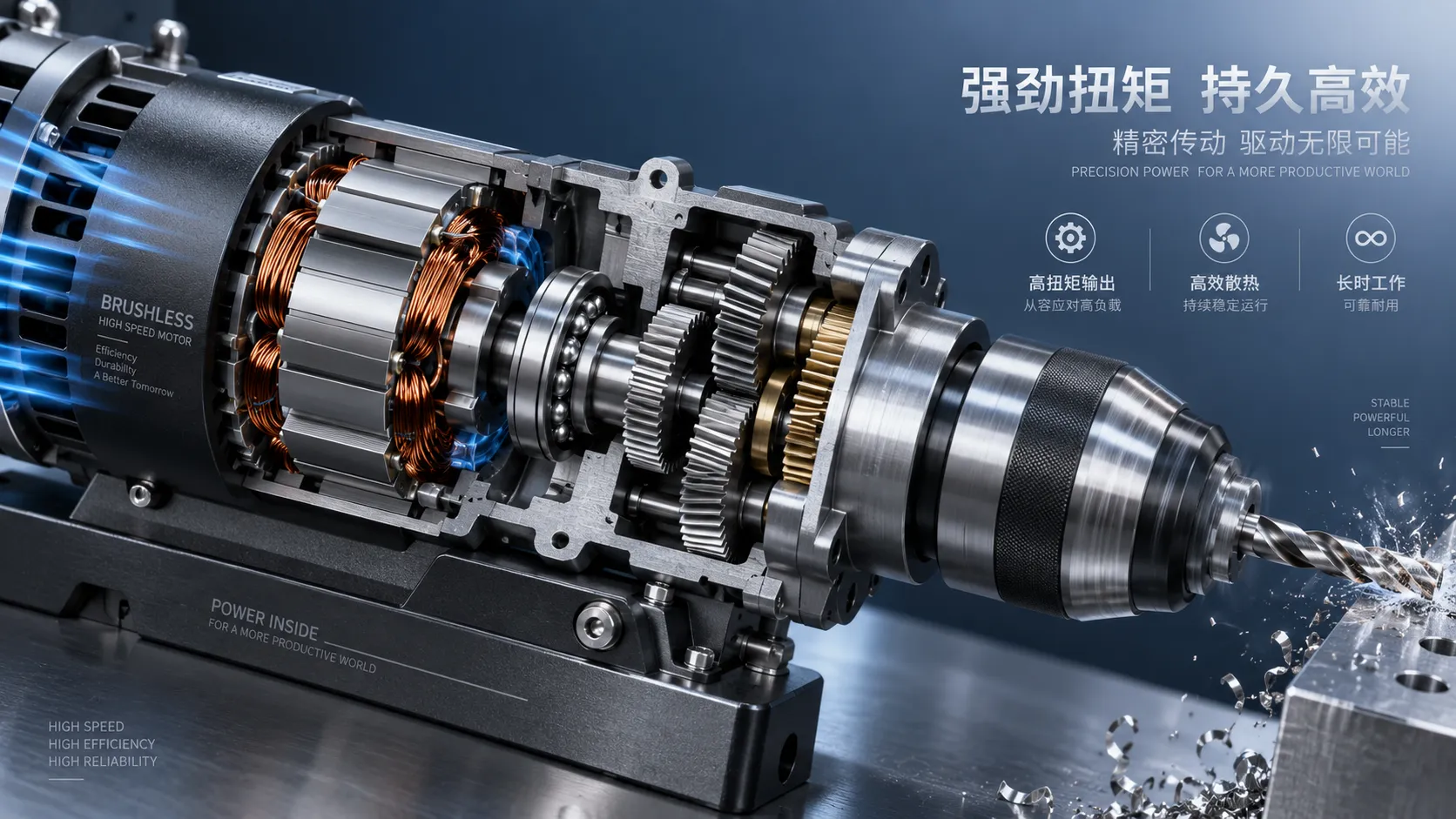
Selecting High-Speed Brushless Tool Motors for Torque, Heat, and Duty Cycle
High speed brushless tool motors: learn how to balance torque, heat, gearing, and duty cycle for reliable industrial tool performance and longer service life.
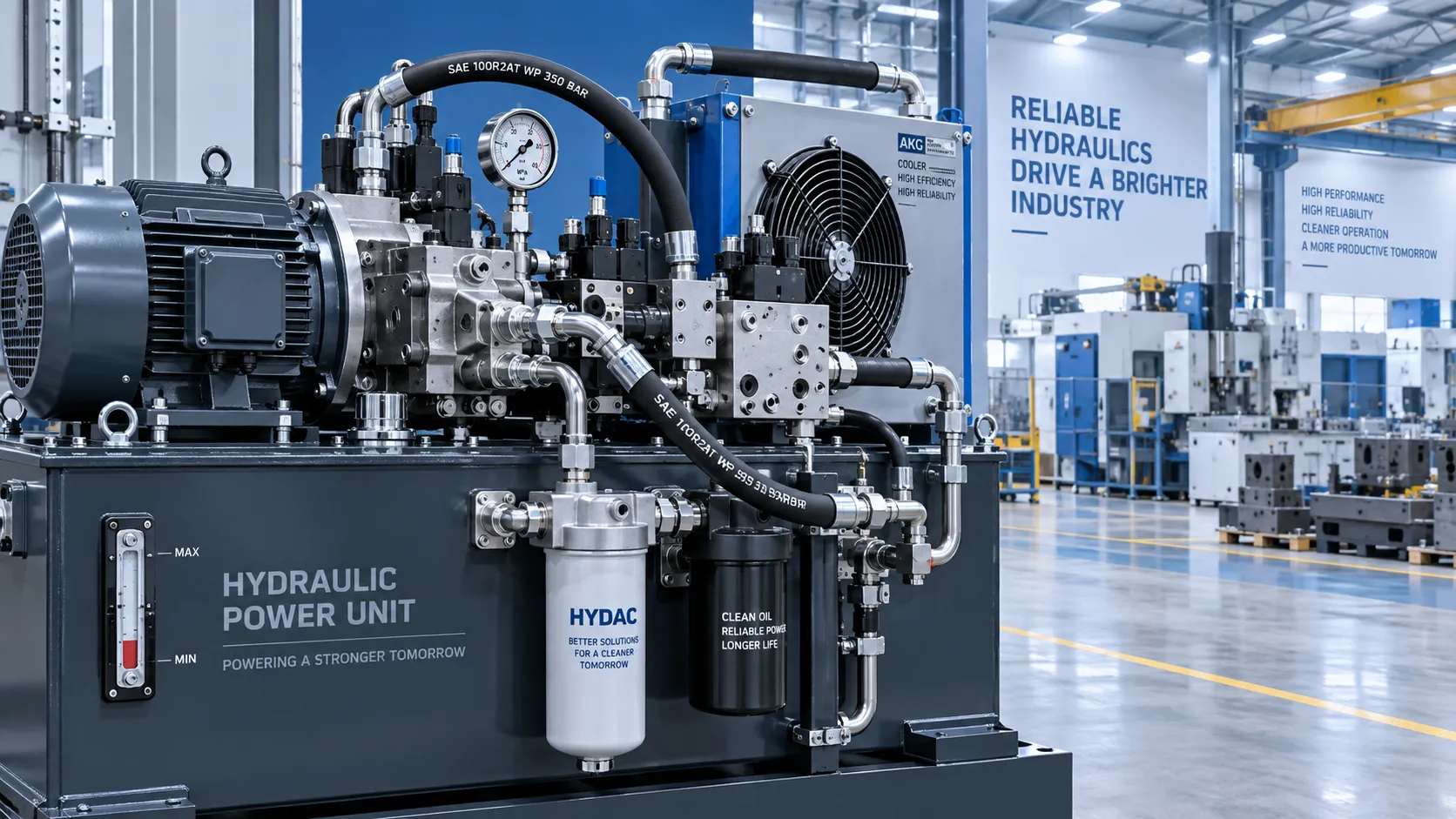
What Determines Industrial Hydraulic System Price for Heavy-Duty Equipment?
Industrial hydraulic system price depends on duty cycle, pressure, components, cooling, and integration. Compare quotes intelligently to secure reliable heavy-duty performance.
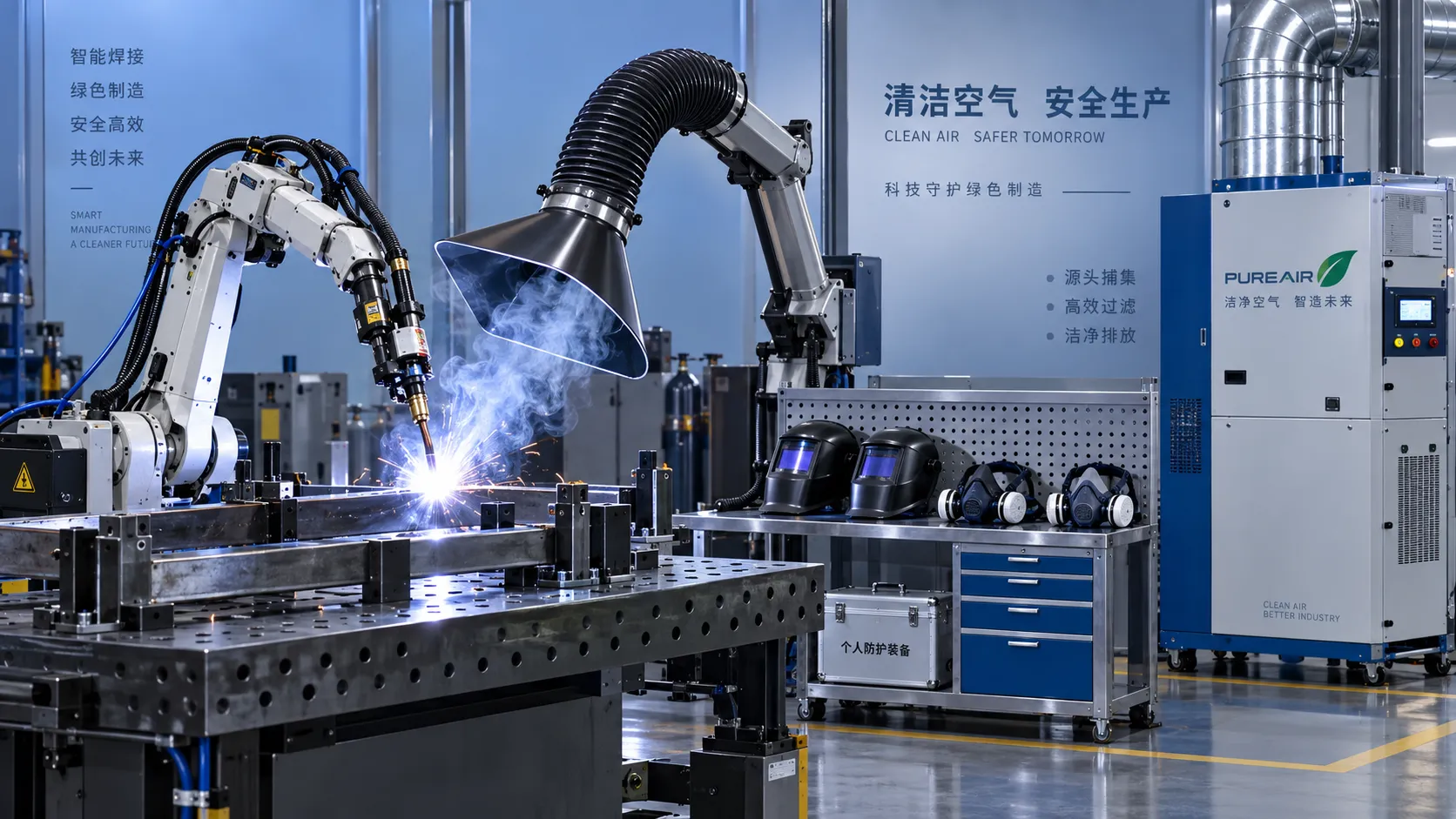
Welding Fume Extraction PPE: When Respirators Are Not Enough for Shop Safety
Welding fume extraction PPE: learn why respirators alone fall short and how source capture, ventilation, and layered controls improve shop safety.

How to Select Optical Metrology Solutions for Tight-Tolerance Manufacturing
Optical industrial metrology solutions for tight-tolerance manufacturing: evaluate accuracy, surface compatibility, workflow, and traceability to select with confidence.
Related News
- 00
0000-00
How Middle East Manufacturers Can Improve Production Efficiency Under Heat and Labor Constraints - 00
0000-00
Why Are Specification-Oriented Articles Gaining Traction in Europe’s B2B Markets? - 00
0000-00
Industrial Solutions in Latin America: Key Growth Sectors and Market Entry Risks - 00
0000-00
What Is Driving Manufacturing Efficiency in Europe’s Industrial Sectors? - 00
0000-00
Industrial Market Trends in 2025: What Buyers Should Watch Across Supply and Demand
Dr. Alistair Vaughn
Weekly Insights
Stay ahead with our curated technology reports delivered every Monday.