
Tool lightweighting can lower fatigue but what is the tradeoff





Tool lightweighting can reduce operator fatigue, improve control, and boost productivity over long shifts—but every gram removed may affect durability, balance, vibration, or power. For users and operators, the real question is not whether lighter is better, but what performance tradeoffs come with it. Understanding these compromises is essential for choosing tools that protect comfort without sacrificing reliability on the job.
What does tool lightweighting really change for operators?
In industrial assembly, welding support, maintenance, and precision handling, tool lightweighting is not just about making a device easier to hold. It changes how force travels through the wrist, forearm, shoulder, and back over hundreds or thousands of repeated motions.
For operators, the main attraction is simple: less dead weight usually means less cumulative strain. That matters in overhead fastening, vertical surface work, mobile repair tasks, and field service jobs where posture is rarely ideal.
Yet lighter tools are not automatically better tools. A reduction in mass may alter housing rigidity, battery runtime, thermal behavior, impact resistance, and even perceived stability during high-torque or high-speed applications. In other words, tool lightweighting improves one part of ergonomics while sometimes pressuring other performance areas.
- Lower arm and shoulder load during repetitive or overhead work.
- Potentially faster positioning and better maneuverability in confined spaces.
- Possible tradeoffs in structural strength, damping, runtime, or torque consistency.
- Different handling feel depending on balance point, grip geometry, and application force.
This is why serious evaluation should focus on operator-task fit rather than weight alone. GPTWM tracks this issue across industrial tools, welding peripherals, and precision devices because the last mile of manufacturing often fails not on headline specifications, but on real human-tool interaction.
Why fatigue reduction matters beyond comfort
Fatigue is not only a wellness issue. It affects alignment accuracy, fastening consistency, weld preparation quality, inspection repeatability, and shift-end error rates. A lighter tool may help keep performance stable in the final hours of production, which is where hidden losses often accumulate.
Where tool lightweighting helps most in real working scenarios
The value of tool lightweighting depends heavily on how a tool is used. A bench-supported device may gain little from aggressive mass reduction, while a handheld tool used above shoulder height can benefit immediately.
The table below compares common industrial scenarios and shows when lighter tools create meaningful operator value and when caution is needed.
For operators, the key takeaway is that the benefit of tool lightweighting rises as movement frequency, awkward posture, and shift duration increase. In static or high-force work, other variables may matter more than pure weight reduction.
High-gain environments for lighter tools
- Assembly lines with repeated trigger cycles and short takt times.
- Maintenance crews climbing ladders, working in plant corners, or traveling across sites.
- Tasks requiring sustained reach, such as ceiling anchors, body-panel work, or elevated fixtures.
What are the main tradeoffs of tool lightweighting?
The most common mistake in procurement is treating lower mass as a stand-alone performance gain. In reality, lightweight design is a balancing act across material science, motor packaging, battery chemistry, structural reinforcement, and vibration control.
Below is a practical comparison for operators and buyers assessing the tradeoff profile of tool lightweighting.
This tradeoff pattern explains why some operators love a lighter tool during a 10-hour shift, while others reject it after one week of heavy-duty use. Performance depends on use intensity, direction of force, and whether the job values damping or mobility more.
Four tradeoffs that appear most often
- Less mass can mean less natural vibration absorption, especially in impact or rotary tools.
- Compact battery architecture may improve weight but limit runtime in continuous production.
- Thin-wall housings and lighter alloys can reduce carrying weight but require better design to preserve durability.
- A lower total mass does not guarantee better balance; poor center-of-gravity placement can still create wrist fatigue.
How should operators evaluate a lightweight tool before adoption?
When reviewing a tool with lightweight claims, operators should test it against actual work conditions, not showroom impressions. A tool that feels excellent for two minutes may become unstable, hot, or underpowered during repeated cycles.
A practical evaluation checklist
- Check working posture: Is the tool used at bench height, waist level, overhead, or inside enclosures?
- Measure cycle demand: How many repetitions per hour and how long is the active trigger time?
- Assess force profile: Does the task require torque reaction control, steady alignment, or impact resistance?
- Review runtime needs: Is battery swapping acceptable, or must the tool stay live through long intervals?
- Observe end-of-shift effects: Ask operators about numbness, grip fatigue, wrist deviation, and control confidence.
GPTWM often emphasizes a simple principle in industrial decision support: ergonomic benefit must be validated together with process stability. That is particularly true where brushless motors, compact battery systems, and intelligent torque control are used to achieve lightweight designs without sacrificing output.
Questions to ask during trial use
Does the tool remain predictable under peak load? Does it pull the wrist forward? Is the handle too slim for gloved use? Does reduced mass make vibration more noticeable? Answers to these questions often matter more than catalog weight figures.
Which technical factors matter more than headline weight?
Tool lightweighting is most successful when several technical factors are optimized together. Operators and plant buyers should avoid comparing tools by kilograms or pounds alone.
The table below highlights the technical signals that usually predict whether a lightweight tool will perform well in real industrial use.
For many users, a slightly heavier tool with better balance will outperform an ultra-light model that feels unstable. This is especially true in precision fastening, handheld welding support, and inspection work where control quality determines output quality.
Procurement guide: how to choose the right lightweight tool for the job
Procurement teams often receive mixed feedback: safety managers want lower strain, operators want better control, and supervisors want consistent throughput. The best decision process converts those needs into job-based selection criteria.
Use this selection logic
- Rank tasks by posture severity. Overhead and extended-reach operations should receive lightweight priority first.
- Separate intermittent tasks from continuous-duty tasks. Runtime needs differ sharply.
- Define minimum output requirements such as torque, speed, duty cycle, or measurement stability.
- Run operator trials across a full shift, not a short demo window.
- Review maintenance exposure, drop risk, and environmental conditions before approving aggressive lightweight designs.
In global manufacturing environments, this process also supports standardization across sites. GPTWM’s intelligence model is useful here because material cost movements, export restrictions, and evolving ergonomic expectations can all influence what lightweight solutions remain practical and available.
When not to prioritize low weight
- High-impact environments where structural robustness is more critical than portability.
- Applications needing long continuous runtime without frequent charging or battery swaps.
- Processes where vibration damping and stable nose pressure are essential for result quality.
Standards, safety, and common misconceptions
Lightweight design should never bypass normal safety and compliance review. Depending on tool type and market, buyers may need to consider electrical safety, EMC requirements, battery transport rules, vibration exposure guidance, or workplace ergonomic policies.
Common industrial references may include CE-related conformity pathways in relevant markets, UL or equivalent electrical safety considerations where applicable, and internal occupational risk assessments for repetitive-use tools. The exact requirement depends on region and product category.
Misconceptions that cause poor tool decisions
- “Lighter always means safer.” In reality, poor balance or higher vibration can create a different type of strain.
- “Operators only care about weight.” They also care about runtime, grip security, reaction force, and reliability.
- “A compact tool fits every job.” Some tasks need mass for stability, damping, or sustained output.
FAQ: operator questions about tool lightweighting
Is tool lightweighting worth it for every industrial application?
No. Tool lightweighting delivers the most value where operators move frequently, work overhead, or repeat short cycles for long periods. In static, high-load, or continuous-duty tasks, durability, thermal control, and balance may outweigh pure weight reduction.
How much lighter should a tool be before operators notice a real difference?
There is no single threshold because posture and cycle count matter. Operators usually notice meaningful change when reduced weight is combined with a better center of gravity and more neutral wrist angle. A poorly balanced lighter tool may feel worse than a slightly heavier but well-centered one.
Does a lighter tool usually mean lower power?
Not always, but it can. Modern brushless motors and efficient electronics help preserve output in lighter packages. The real concern is sustained performance: runtime, heat, and torque consistency under repeated load should be checked during trials.
What should buyers ask suppliers before selecting a lightweight tool?
Ask about loaded balance, vibration behavior, duty cycle, battery options, service intervals, spare part availability, and any application limits. If the tool will be used in regulated or export-sensitive environments, also confirm relevant compliance documents and region-specific constraints.
Why consult GPTWM when evaluating lightweight industrial tools?
Tool lightweighting sits at the intersection of ergonomics, output efficiency, materials, electrification, and global supply conditions. GPTWM brings these threads together through sector intelligence focused on industrial assembly, metal joining, and precision metrology technologies.
For users, operators, distributors, and sourcing teams, that means decisions can be grounded in more than a product brochure. GPTWM helps interpret how market shifts, evolving ergonomic expectations, brushless motor limits, intelligent torque systems, and safety trends affect real tool choices.
What you can contact us about
- Parameter confirmation for lightweight handheld tools, welding support devices, and precision-related equipment.
- Application-based product selection for overhead work, confined spaces, field maintenance, or repetitive assembly.
- Evaluation of tradeoffs involving weight, runtime, balance, vibration, and expected duty cycle.
- Lead time and delivery cycle discussion for region-specific sourcing plans.
- Support on certification considerations, export-related constraints, and fit-for-market documentation questions.
- Quote communication, sample review coordination, and tailored solution planning for industrial operators and procurement teams.
If you are comparing lightweight tool options and need a clearer view of the tradeoff, contact GPTWM with your task scenario, duty cycle, posture conditions, and performance target. A better decision starts with matching tool lightweighting to the real job, not the smallest number on the spec sheet.
Related News
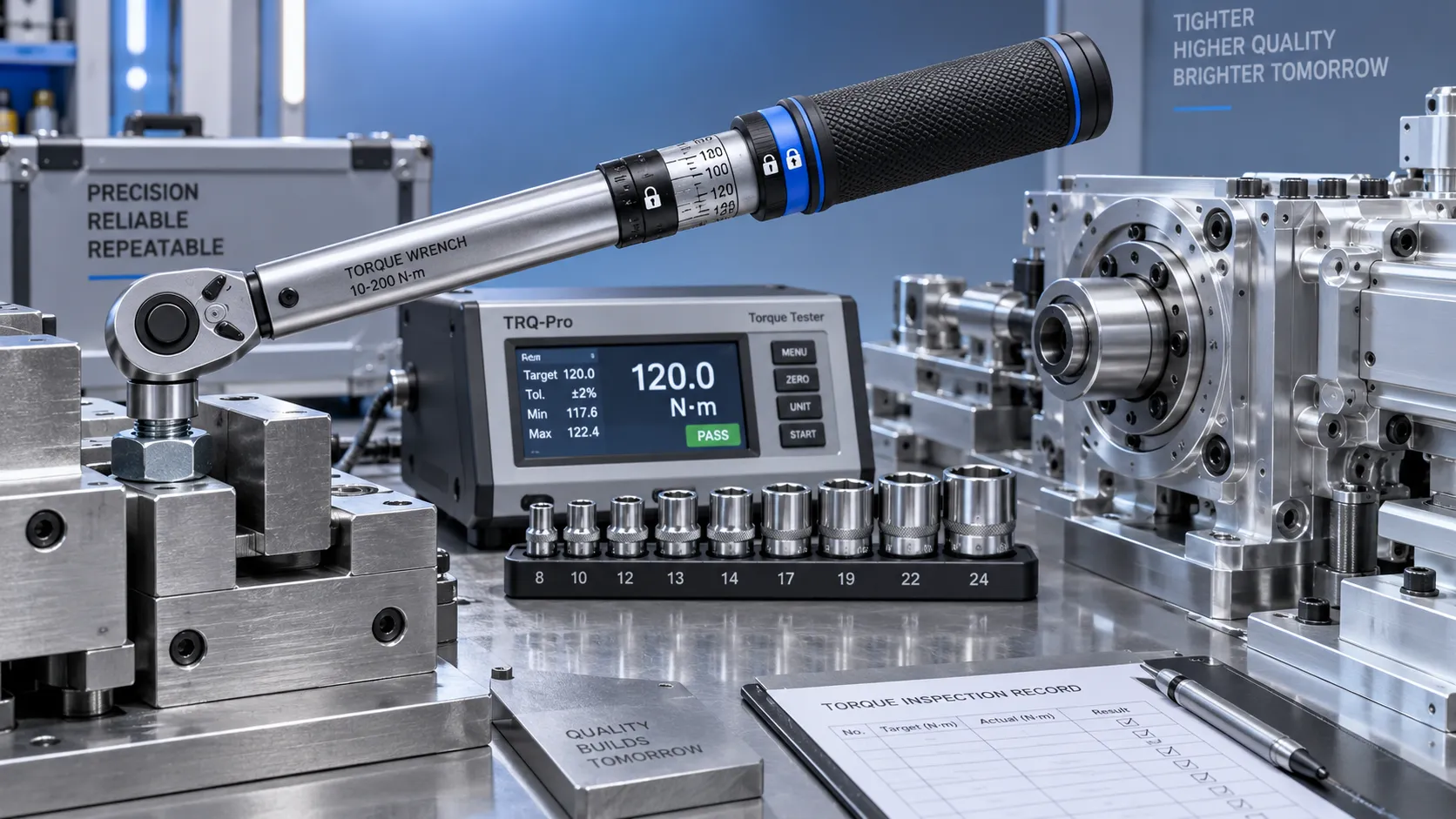
Selecting Adjustable Torque Tools for Repeatable Fastener Assembly
Adjustable torque tools: learn how to match range, accuracy, control methods, calibration, and ergonomics for repeatable, reliable fastener assembly.
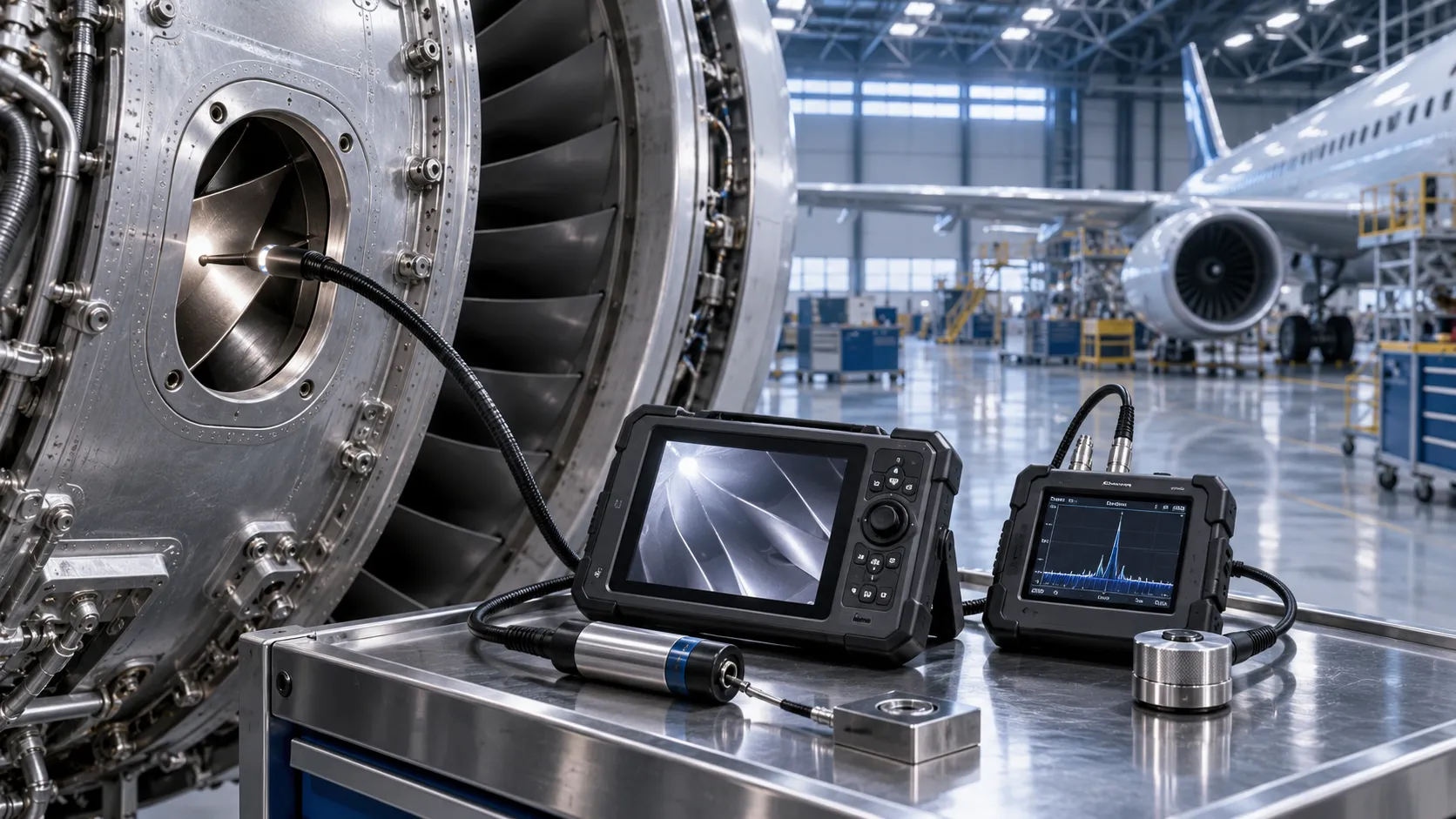
How to Select Aerospace Inspection Tools for Aircraft Maintenance Tasks
Aerospace maintenance inspection tools: learn how to select reliable, traceable equipment for aircraft access, accuracy, calibration, and compliant maintenance decisions.

How to Select Wire Bonding Tools for Fine-Pitch Semiconductor Packaging
Explore semiconductor manufacturing tools for wire bonding and learn how to select precision solutions for fine-pitch packaging, reliable loops, accuracy, and yield.
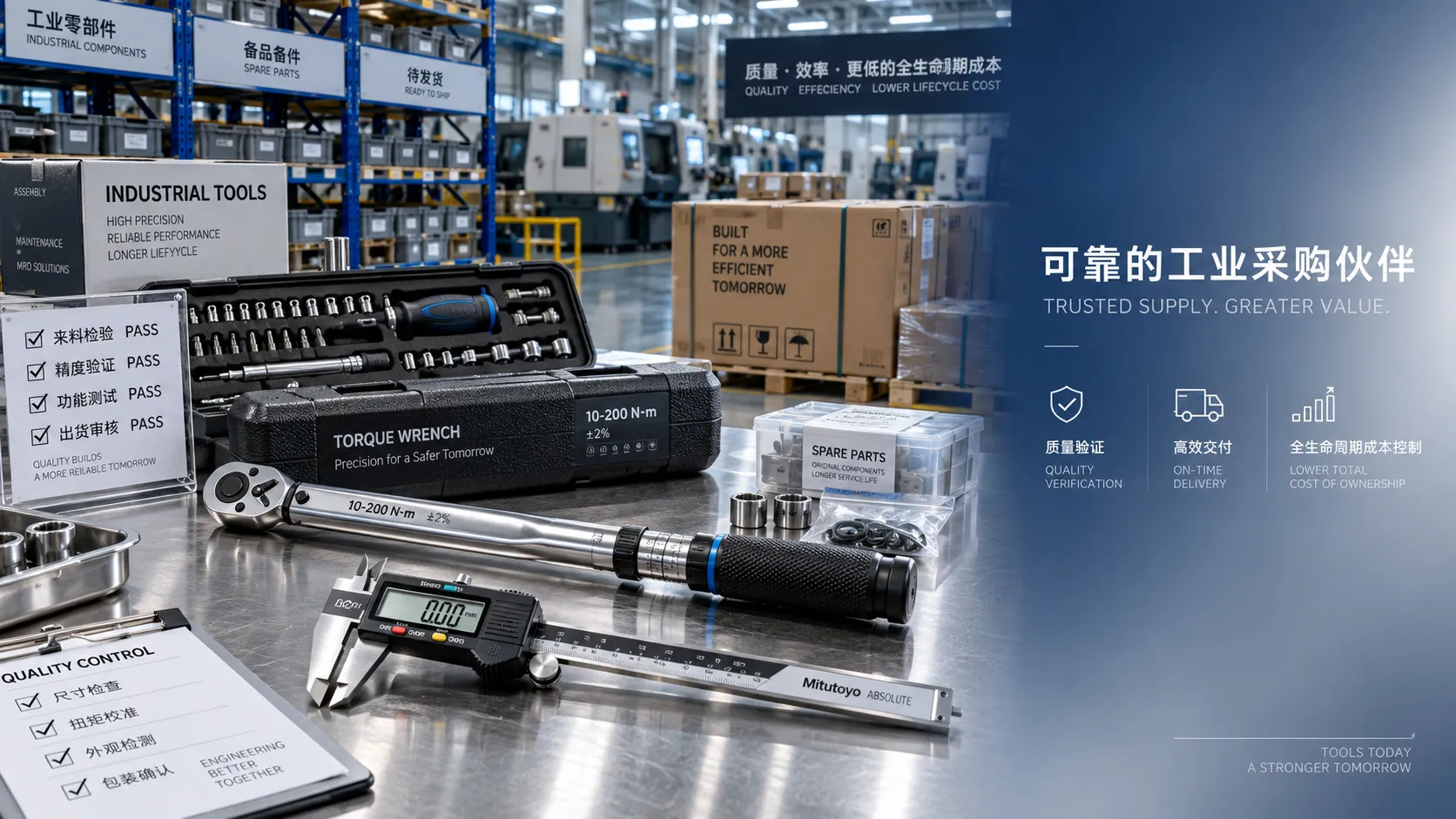
How to Compare Industrial Tool Suppliers for Quality, Lead Time, and Total Cost
Industrial tool selection supplier comparison made simple: evaluate quality, lead times, total cost, service, and supply resilience for confident sourcing decisions.
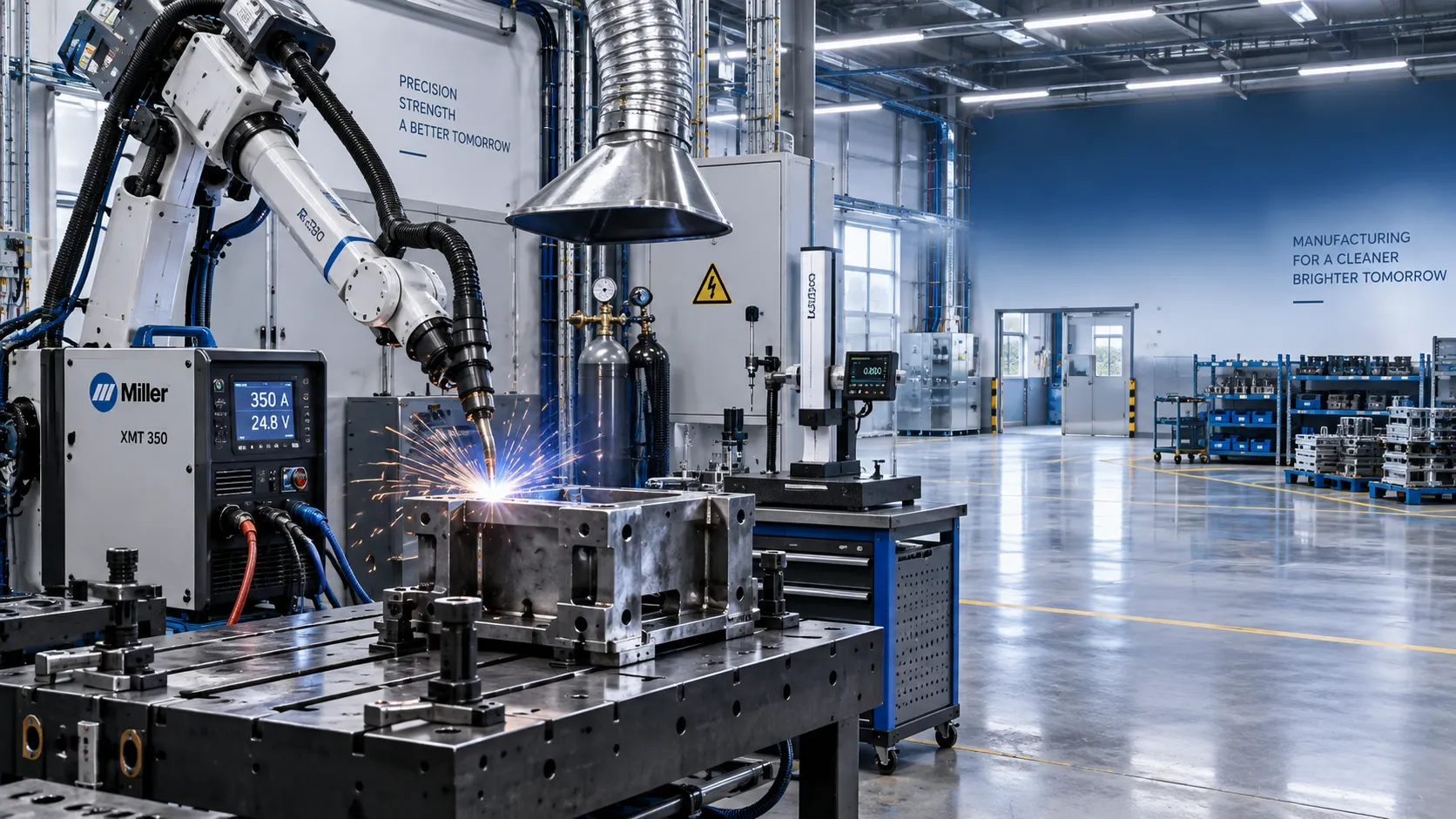
Industrial Equipment Application Guidance: Match Machines to Operating Conditions
Application guidance industrial equipment: match capacity, duty cycle, materials, site conditions, safety, and lifecycle cost to improve reliable output. Read the guide.
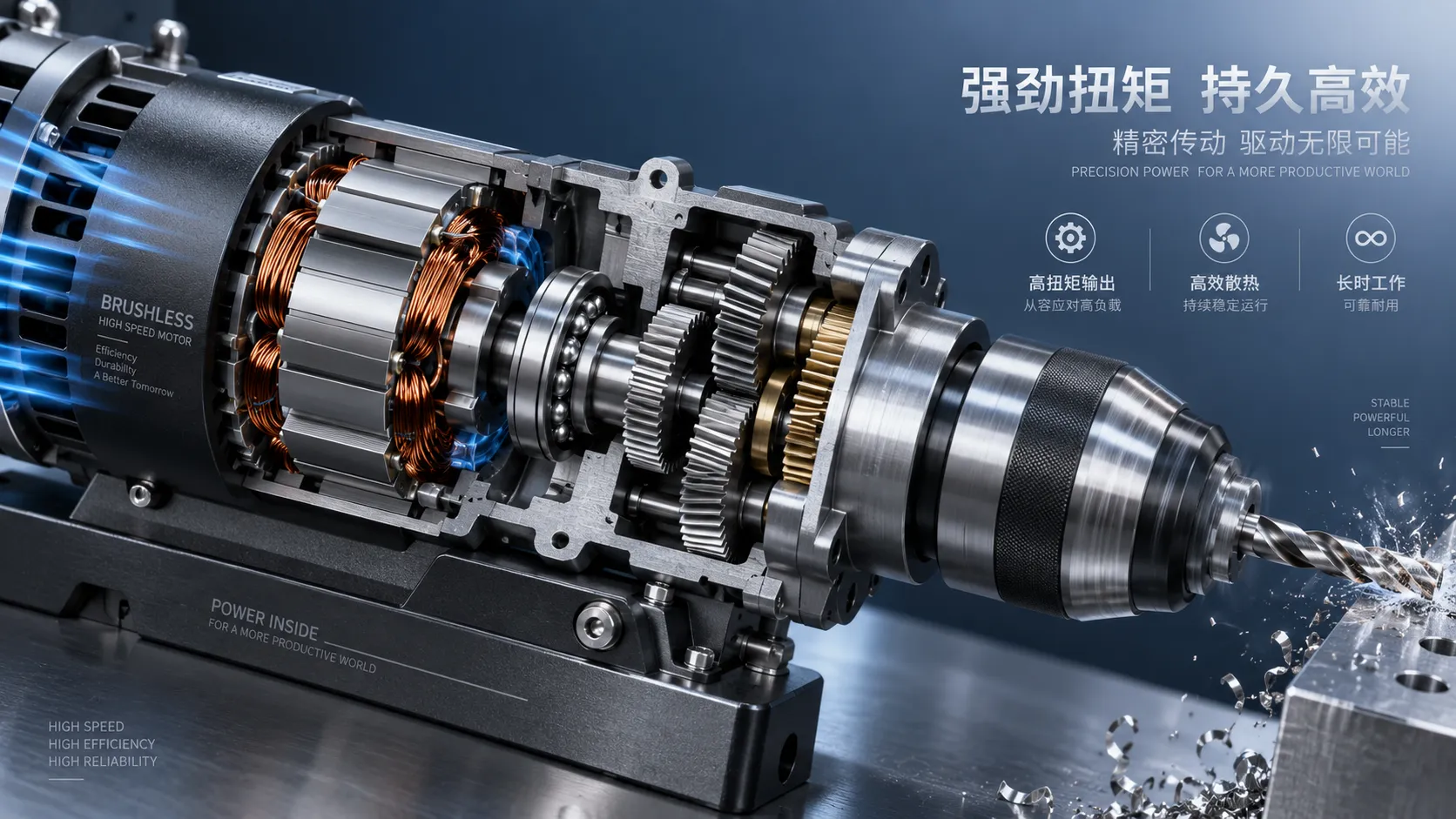
Selecting High-Speed Brushless Tool Motors for Torque, Heat, and Duty Cycle
High speed brushless tool motors: learn how to balance torque, heat, gearing, and duty cycle for reliable industrial tool performance and longer service life.
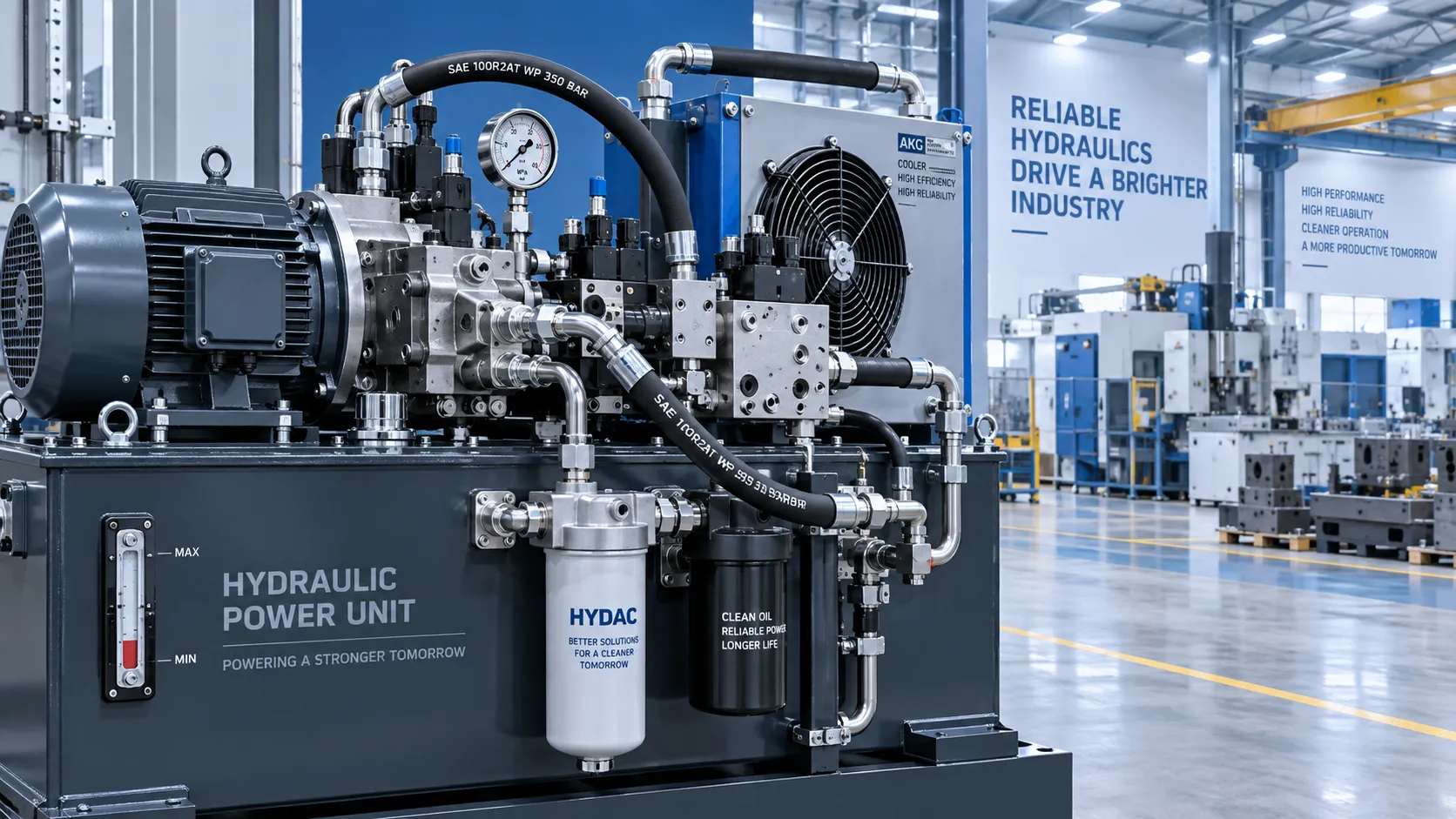
What Determines Industrial Hydraulic System Price for Heavy-Duty Equipment?
Industrial hydraulic system price depends on duty cycle, pressure, components, cooling, and integration. Compare quotes intelligently to secure reliable heavy-duty performance.
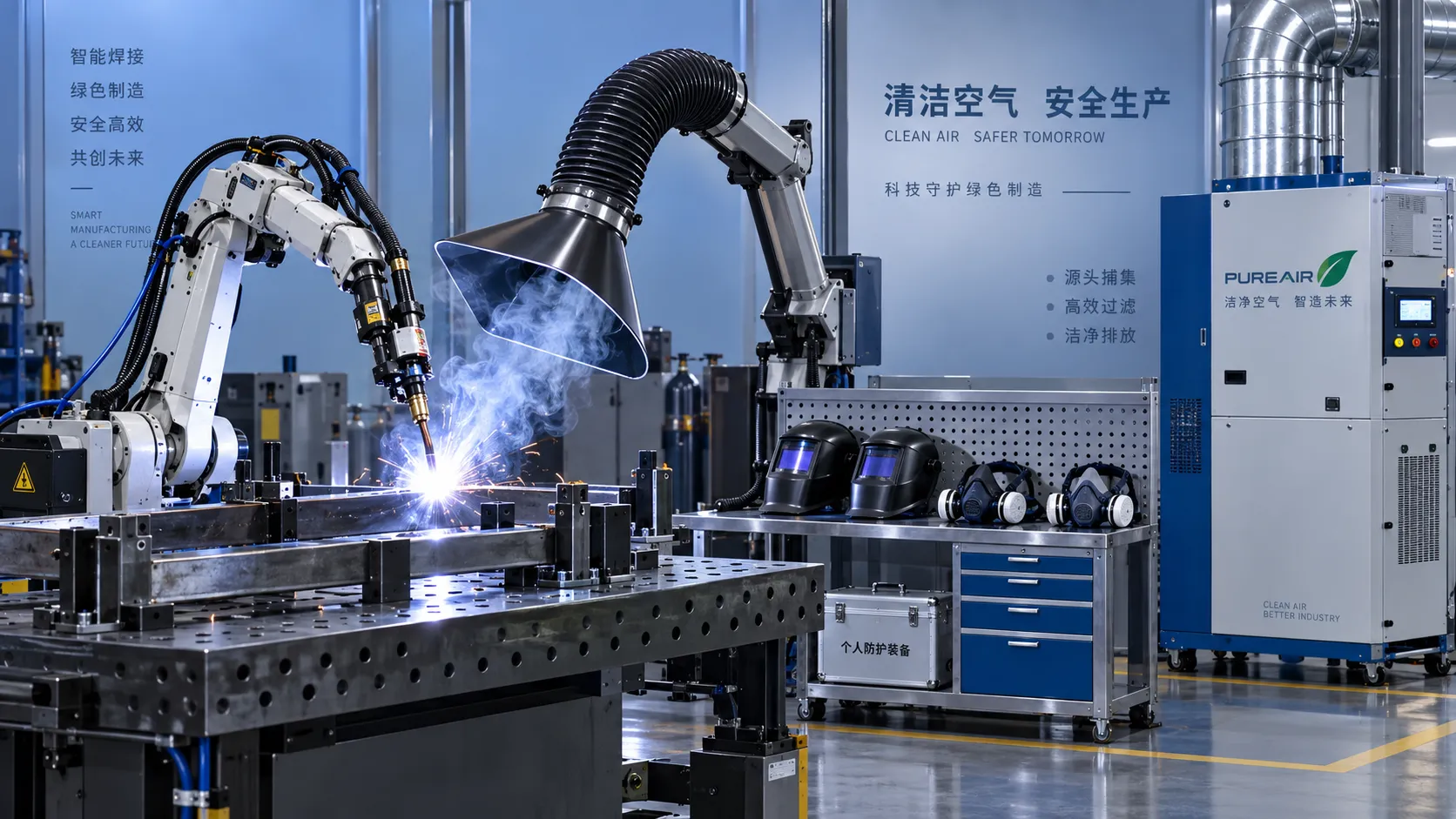
Welding Fume Extraction PPE: When Respirators Are Not Enough for Shop Safety
Welding fume extraction PPE: learn why respirators alone fall short and how source capture, ventilation, and layered controls improve shop safety.
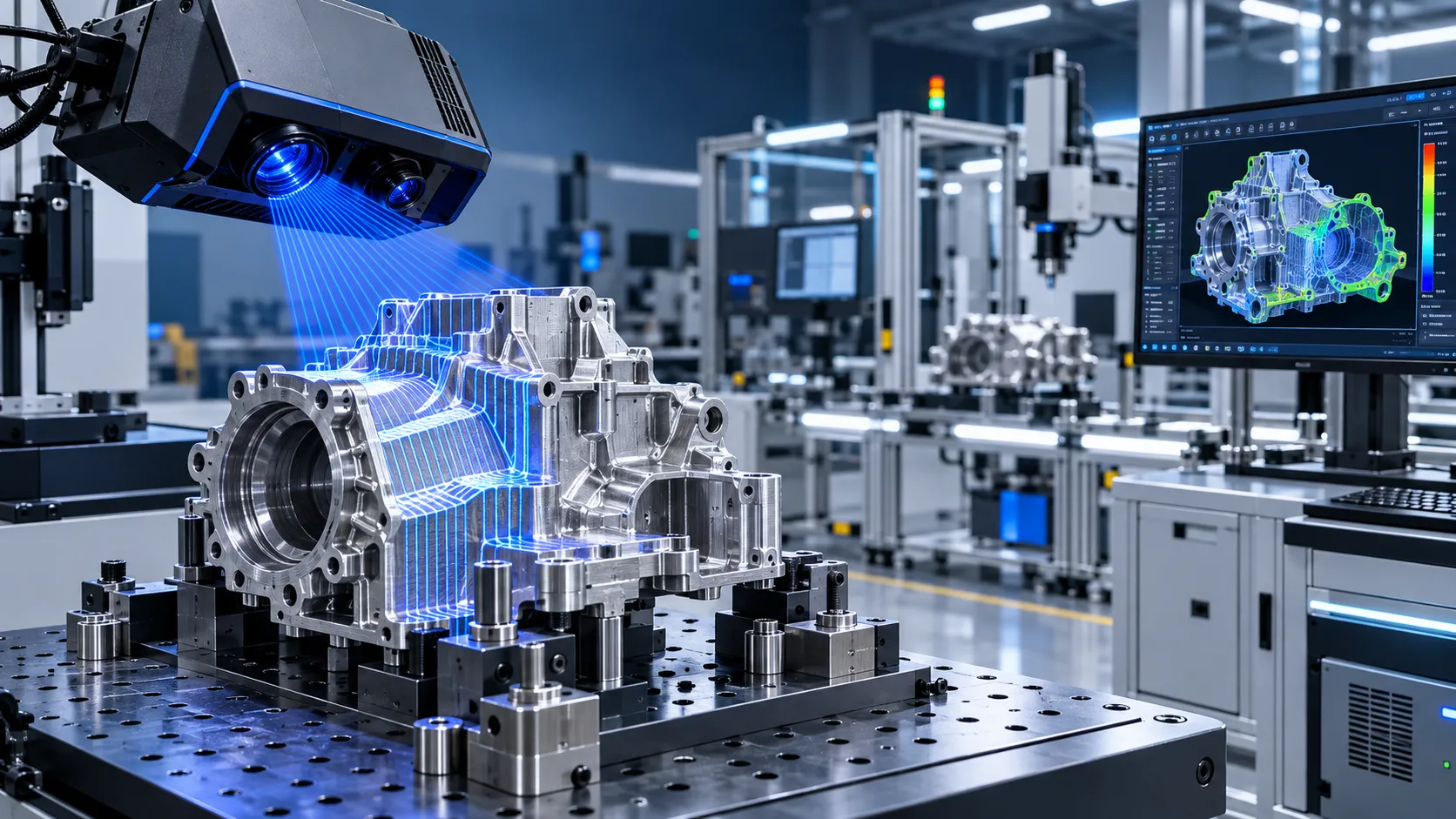
How to Select Optical Metrology Solutions for Tight-Tolerance Manufacturing
Optical industrial metrology solutions for tight-tolerance manufacturing: evaluate accuracy, surface compatibility, workflow, and traceability to select with confidence.
Related News
- 00
0000-00
Automotive Tools: How to Build a Reliable Toolkit for Routine Vehicle Service - 00
0000-00
How to Build an Automotive Hand Tool Set for Routine Vehicle Service - 00
0000-00
Construction Maintenance Tools for Site Repair: What to Pack for Concrete, Steel, and Pipe Fixes - 00
0000-00
Product Information Resources for Assembly Tools: What Specs Matter Before You Compare Models? - 00
0000-00
Industrial Applications of Torque Control Wrenches in Assembly Lines and Field Maintenance
Industrial Craft Curator
Weekly Insights
Stay ahead with our curated technology reports delivered every Monday.