
Why aerospace tools demand tighter checks than standard sets





In aerospace maintenance and assembly, even minor tool deviations can trigger major safety, compliance, and cost risks. That is why aerospace tools require far stricter inspection routines than standard sets, from calibration control to material traceability and wear monitoring. For quality control and safety managers, understanding these tighter checks is essential to reducing failure points, meeting regulatory demands, and protecting both operational reliability and human life.
Why do aerospace tools face tighter checks than standard sets?
The short answer is consequence. In general industry, a worn hand tool may slow a line, damage a part, or raise rework costs. In aerospace, the same deviation can affect flight safety, maintenance release validity, asset life, and liability exposure.
Quality teams and safety managers therefore treat aerospace tools as controlled process assets rather than simple consumables. Their condition, calibration status, storage, traceability, and usage history matter because every one of those factors can influence torque accuracy, dimensional verification, fastener integrity, and documentation quality.
This is especially true in environments where metal joining, precision measurement, and final assembly intersect. A torque wrench, borescope, micrometer, gauge block, safety wire plier, crimp tool, or welding accessory may all sit inside an audit trail. If the tool is out of tolerance, the work performed with it may also come into question.
- Failure impact is higher because aerospace components often operate under vibration, heat cycling, pressure, and fatigue-critical loads.
- Regulatory oversight is tighter because maintenance, repair, and overhaul work must support airworthiness documentation.
- Tolerance windows are narrower because assembly errors can affect fit, sealing, torque retention, and repeatability.
- Traceability expectations are stronger because investigators and auditors may need to reconstruct tool history after an incident or finding.
Aerospace tools are part of the control system
For many quality departments, the biggest mindset shift is this: aerospace tools are not checked more often simply because the industry is conservative. They are checked more often because they function as part of the process control system. If the tool drifts, the process drifts. If the process drifts, the product record becomes less defensible.
What exactly is checked on aerospace tools?
Inspection goes well beyond a quick visual review. Aerospace tools often pass through layered checks covering identification, physical condition, measurement capability, contamination risk, and documentation status. The goal is not only to find damage, but to prove continued fitness for controlled use.
The table below shows how the inspection scope for aerospace tools typically differs from standard sets used in less regulated industrial settings.
For safety managers, this difference matters because the inspection burden is not random bureaucracy. It reflects the operational reality that a tool error can propagate into hidden defects, delayed release, or costly fleet-level corrective action.
Core checkpoints quality teams should not skip
- Calibration validity: confirm due dates, traceability chain, and any usage restrictions before release to technicians.
- Physical integrity: inspect handles, jaws, tips, insulation, seals, springs, and locking features for visible degradation.
- Functional repeatability: verify that measured or applied values remain consistent under controlled checks.
- Material condition: review corrosion, plating loss, micro-chipping, deformation, and contamination that can affect precision or cleanliness.
- Identification and control: ensure tool markings remain legible and linked to records, owners, and approved use areas.
Which aerospace tool categories need the strictest control?
Not every tool carries the same risk. Quality control should classify aerospace tools by their influence on product conformity, safety-critical assembly, inspection validity, and hidden defect potential. This helps allocate budget and inspection frequency more intelligently.
The following tool categories usually justify the tightest checks because they affect measurable output or compliance evidence.
- Torque application tools used on structural fasteners, engine-adjacent components, landing gear systems, and control surfaces.
- Dimensional metrology tools such as calipers, micrometers, depth gauges, thread gauges, indicators, and precision masters.
- Crimping, stripping, and electrical termination tools used in harness assembly and avionics maintenance.
- Borescopes and inspection aids used to validate internal component condition without destructive access.
- Special tools for controlled welding, joining, fixturing, and alignment where process stability depends on tool geometry or settings.
Why special tools receive extra attention
Special aerospace tools are frequently designed around a narrow task envelope. That makes them efficient, but also less forgiving. A slightly worn contact point, bent locator, or undocumented repair can alter force distribution or alignment in ways that standard workshop checks may miss.
This is one area where GPTWM’s focus on precision metrology, industrial assembly, and metal joining becomes useful. Quality leaders often need more than product catalogs. They need context on how tooling trends, ergonomic standards, and intelligent torque control systems affect inspection planning and procurement risk.
How should QC and safety managers compare aerospace tools before purchase?
A common mistake is to compare aerospace tools only on unit price or brand familiarity. For controlled environments, the more practical question is whether the tool can remain governable over its service life. That means looking at calibration support, traceability readiness, material durability, documentation clarity, and replacement lead time.
Use the matrix below when screening aerospace tools for maintenance, assembly, or inspection operations.
This kind of evaluation is particularly important in periods of raw material fluctuation or export rule changes. GPTWM’s Strategic Intelligence Center approach is relevant here because procurement quality is increasingly linked to market intelligence, not just supplier brochures.
Practical buying questions to ask
- Can the supplier support the calibration and recertification cycle your site requires?
- Are replacement parts or consumable wear items available without long grounding risk?
- Does the tool design allow fast inspection without disassembly that could introduce handling damage?
- Is there enough documentation to define acceptance, rejection, storage, and cleaning criteria?
What standards and compliance pressures drive tighter checks?
Exact obligations vary by operator, maintenance organization, program, and geography, but aerospace tools are commonly managed under broader quality, calibration, airworthiness, and safety system expectations. Even when a standard does not prescribe each inspection step, it usually demands evidence that tools used to verify or control product quality remain suitable for their intended purpose.
That means quality managers should map tools against risk, not only against inventory lists. A non-powered hand tool used for cosmetic work and a torque control tool used on a critical fastener should not sit under the same control philosophy.
- Calibration systems are often aligned with traceable measurement practices and controlled intervals.
- Maintenance organizations often require documented tool control to support release confidence and audit defensibility.
- Safety programs may integrate foreign object damage prevention, storage discipline, and damaged tool segregation.
- Special process environments may add extra restrictions on cleanliness, settings verification, and operator authorization.
Compliance is not only about passing audits
A frequent blind spot is treating compliance as a paperwork exercise. In practice, tighter checks on aerospace tools improve investigation quality after a defect, reduce repeated findings, and support more credible root-cause analysis. If a problem occurs, controlled tooling records help determine whether the issue came from process variation, training gaps, part quality, or tool performance drift.
How can you implement a stronger aerospace tool control program without slowing operations?
The best programs balance rigor with usability. Over-control creates bottlenecks and workarounds. Under-control creates latent risk. For most sites, the answer is risk-based segmentation, clear inspection triggers, and better visibility into calibration and wear status.
A workable rollout can follow the sequence below.
- Classify aerospace tools by criticality: measurement, torque, electrical termination, borescope inspection, welding support, and general hand use.
- Define inspection methods by risk: visual-only, functional check, calibration verification, or full recertification.
- Set event-based triggers: post-drop inspection, overload review, contamination event, repair return, or extended storage return.
- Create tool quarantine rules: damaged, expired, unlabeled, or suspect tools must be segregated immediately.
- Link records to jobs and technicians where necessary, especially for tools that influence conformity evidence.
Suggested implementation priorities
If resources are limited, start with the points most likely to reduce serious exposure. First control torque and metrology assets. Then tighten asset identification and quarantine discipline. After that, improve interval logic using actual usage, environment, and failure history rather than calendar-only assumptions.
Where do companies usually make mistakes with aerospace tools?
Many organizations already know aerospace tools need tighter checks. The problem is execution drift. Control systems weaken when teams rely on informal judgment, inherited intervals, or mixed inventories from different sites and legacy programs.
Common misconceptions
- “If the tool looks fine, it is fine.” Visual condition alone cannot confirm torque accuracy, dimensional repeatability, or hidden internal wear.
- “Only electronic tools need documentation.” Manual aerospace tools may also require asset history if they influence product acceptance or critical assembly.
- “One calibration interval fits all.” Usage intensity, shock events, storage conditions, and process criticality should affect review frequency.
- “A cheaper substitute is harmless.” Uncontrolled substitutions can create mismatched geometry, uncertain wear behavior, or missing certification support.
For safety managers, these mistakes are not minor procedural issues. They increase the chance that defects survive into service, or that an investigation cannot fully defend the maintenance process afterward.
FAQ: what do quality and safety managers ask most about aerospace tools?
How often should aerospace tools be inspected?
There is no universal interval that suits every tool. Inspection frequency should depend on criticality, usage rate, exposure to shock or contamination, and whether the tool provides direct conformity evidence. Daily pre-use checks may suit some tools, while calibration or formal verification may follow scheduled intervals or event triggers.
Are all aerospace tools calibration-controlled?
No. Calibration control usually applies to tools that measure, indicate, or apply a controlled value. However, even non-calibrated aerospace tools may require identification, condition checks, storage rules, and replacement criteria if they affect assembly quality or foreign object damage risk.
What should happen if a critical tool is found out of tolerance?
The tool should be segregated immediately, and the organization should review affected work completed since the last known valid status. The depth of review depends on tool function, deviation level, and the criticality of work performed. This is why accurate traceability for aerospace tools is so valuable.
How can procurement reduce tool-related risk before delivery?
Procurement should request documentation on calibration support, wear parts, identification methods, material characteristics, and lead times. It also helps to review whether the tool fits existing control systems for labeling, storage, digital asset tracking, and technician training.
Why choose GPTWM for aerospace tool intelligence and decision support?
When tool decisions affect quality escape risk, maintenance release pressure, and cross-border supply stability, teams need more than generic market content. GPTWM focuses on the industrial last mile where assembly, metal joining, precision metrology, and operational control meet. That perspective is valuable for evaluating aerospace tools in real working conditions, not only on specification sheets.
Through its Strategic Intelligence Center, GPTWM tracks developments that directly influence tool decisions: raw material volatility, export standard restrictions, precision measurement demand shifts, handheld laser welding safety adoption, and the rise of IoT-based intelligent torque control. For QC and safety managers, this helps translate market signals into practical control actions.
- Clarify parameter checks for measurement, torque, joining, and inspection tools used in controlled industrial environments.
- Compare sourcing options based on traceability support, compliance fit, service continuity, and lifecycle risk.
- Review delivery-cycle exposure when export rules, specialty materials, or global demand changes affect procurement plans.
- Discuss customized selection paths for maintenance, assembly, welding, and precision metrology applications.
If your team is evaluating aerospace tools, tightening inspection routines, or building a stronger procurement checklist, contact GPTWM to discuss parameter confirmation, tool selection, delivery timing, certification-related concerns, sample support, or quotation planning. A focused discussion at the start often prevents expensive corrective action later.
Related News
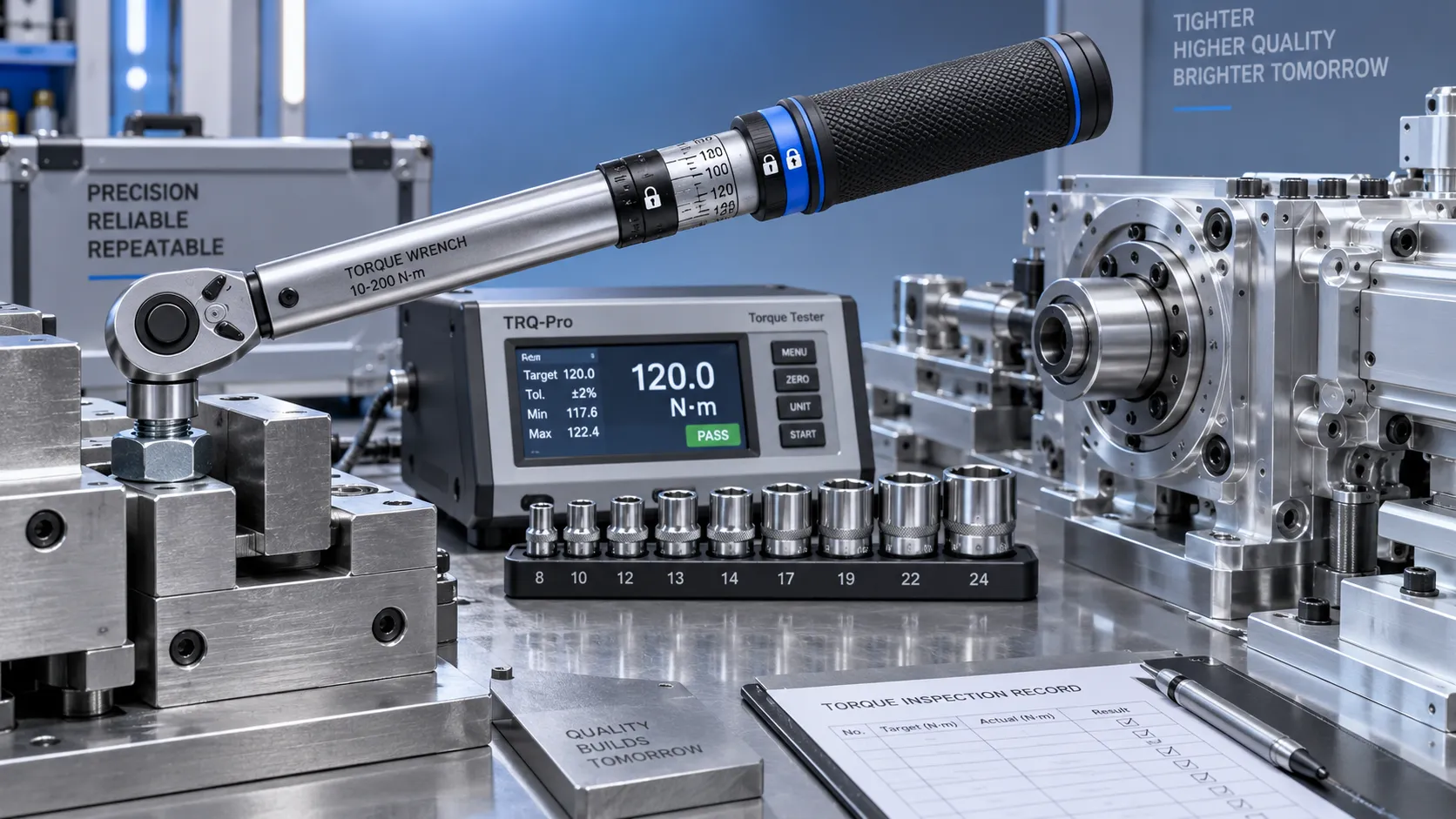
Selecting Adjustable Torque Tools for Repeatable Fastener Assembly
Adjustable torque tools: learn how to match range, accuracy, control methods, calibration, and ergonomics for repeatable, reliable fastener assembly.

How to Select Aerospace Inspection Tools for Aircraft Maintenance Tasks
Aerospace maintenance inspection tools: learn how to select reliable, traceable equipment for aircraft access, accuracy, calibration, and compliant maintenance decisions.

How to Select Wire Bonding Tools for Fine-Pitch Semiconductor Packaging
Explore semiconductor manufacturing tools for wire bonding and learn how to select precision solutions for fine-pitch packaging, reliable loops, accuracy, and yield.
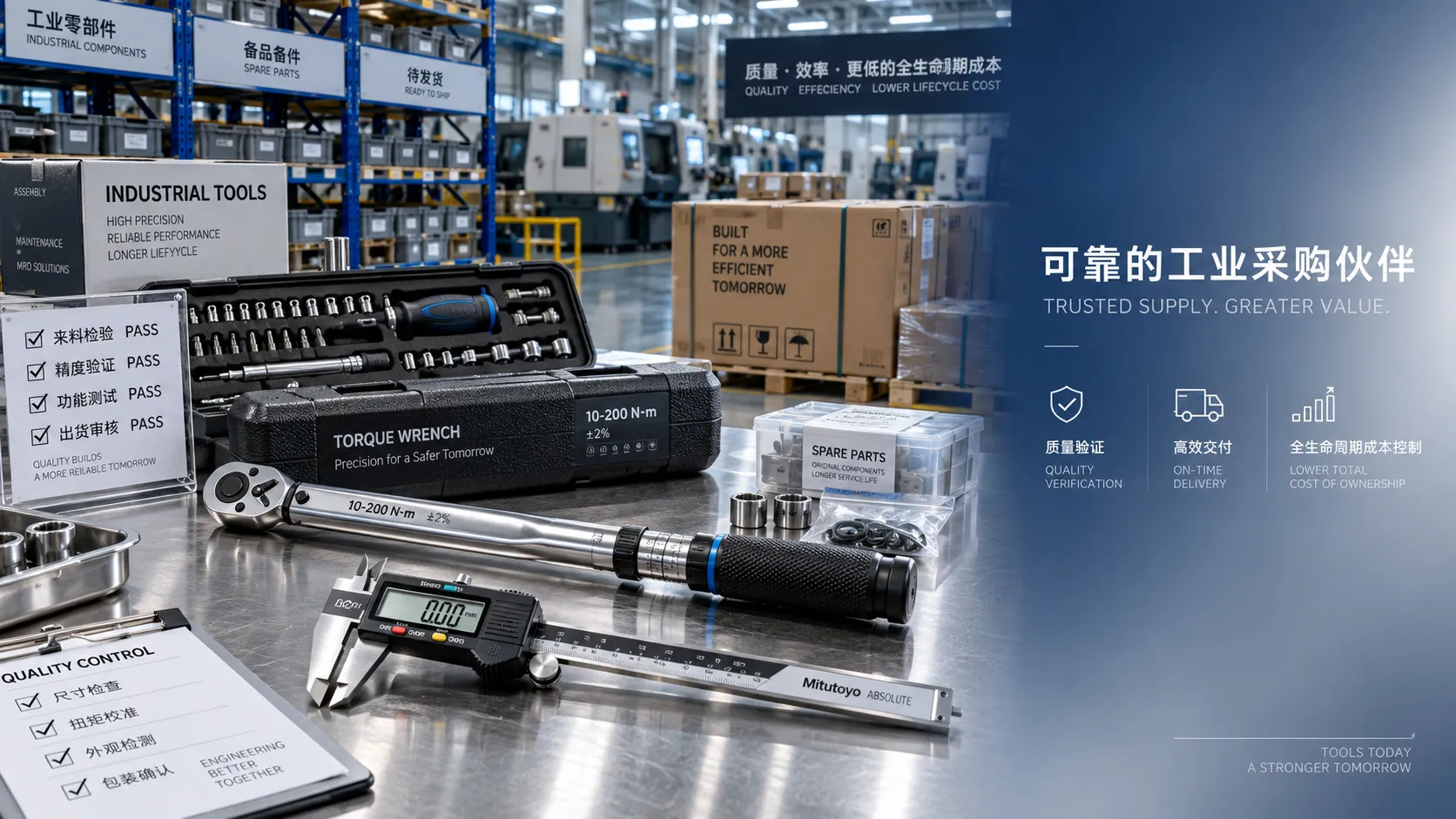
How to Compare Industrial Tool Suppliers for Quality, Lead Time, and Total Cost
Industrial tool selection supplier comparison made simple: evaluate quality, lead times, total cost, service, and supply resilience for confident sourcing decisions.

Industrial Equipment Application Guidance: Match Machines to Operating Conditions
Application guidance industrial equipment: match capacity, duty cycle, materials, site conditions, safety, and lifecycle cost to improve reliable output. Read the guide.
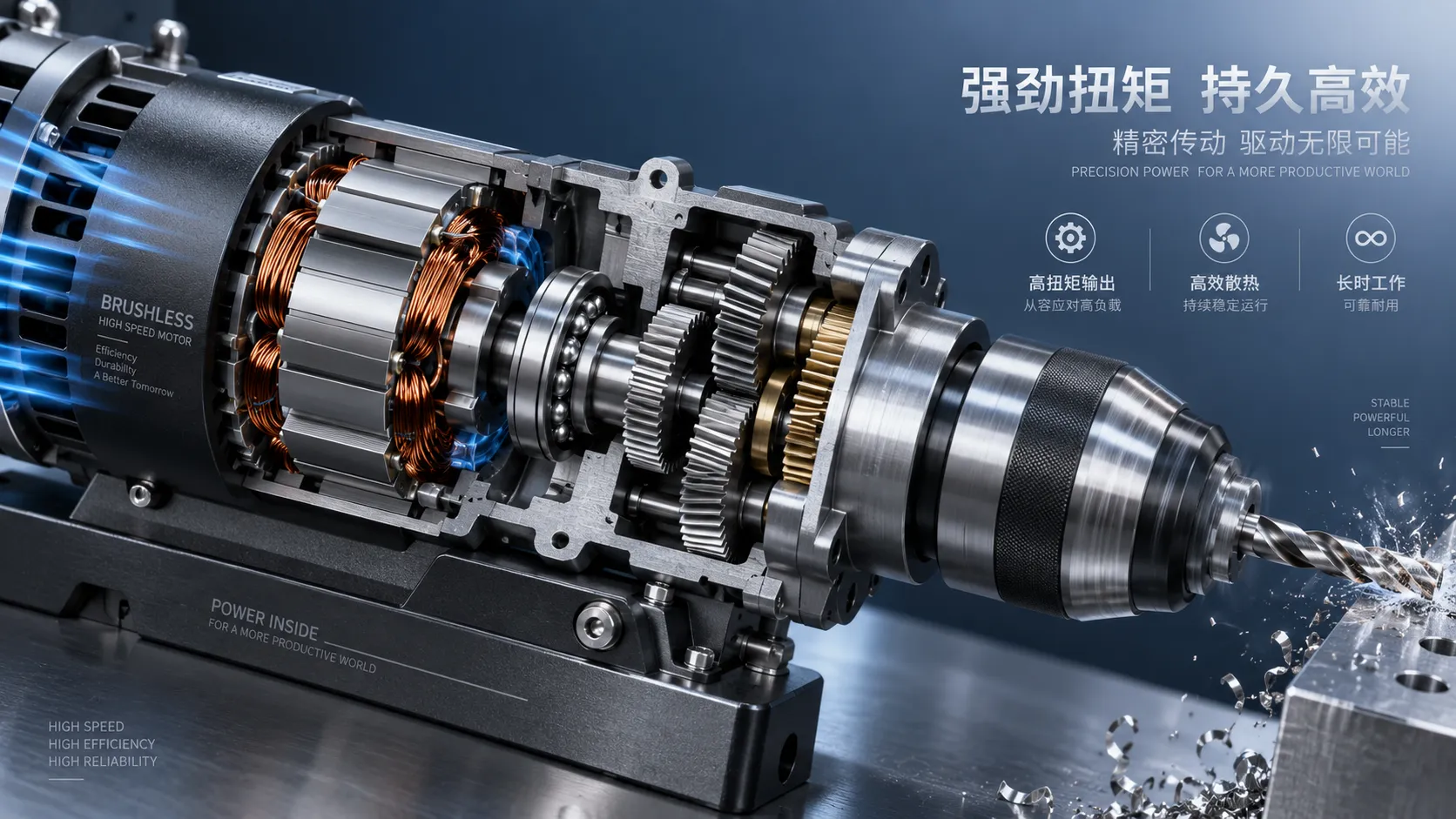
Selecting High-Speed Brushless Tool Motors for Torque, Heat, and Duty Cycle
High speed brushless tool motors: learn how to balance torque, heat, gearing, and duty cycle for reliable industrial tool performance and longer service life.
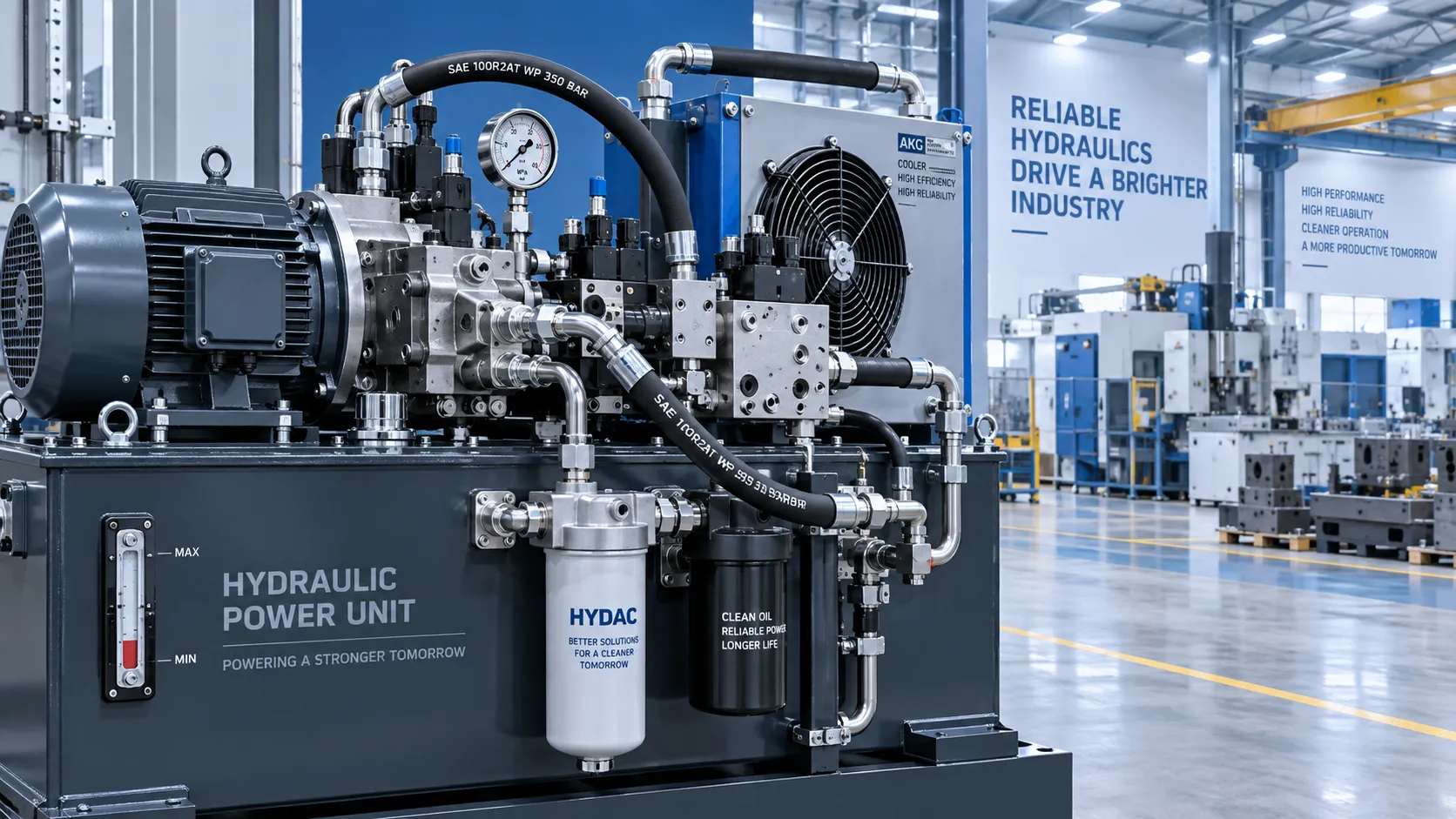
What Determines Industrial Hydraulic System Price for Heavy-Duty Equipment?
Industrial hydraulic system price depends on duty cycle, pressure, components, cooling, and integration. Compare quotes intelligently to secure reliable heavy-duty performance.

Welding Fume Extraction PPE: When Respirators Are Not Enough for Shop Safety
Welding fume extraction PPE: learn why respirators alone fall short and how source capture, ventilation, and layered controls improve shop safety.

How to Select Optical Metrology Solutions for Tight-Tolerance Manufacturing
Optical industrial metrology solutions for tight-tolerance manufacturing: evaluate accuracy, surface compatibility, workflow, and traceability to select with confidence.
Related News
- 00
0000-00
Selecting Adjustable Torque Tools for Repeatable Fastener Assembly - 00
0000-00
How to Select Aerospace Inspection Tools for Aircraft Maintenance Tasks - 00
0000-00
How to Select Wire Bonding Tools for Fine-Pitch Semiconductor Packaging - 00
0000-00
Industrial Equipment Application Guidance: Match Machines to Operating Conditions - 00
0000-00
Selecting High-Speed Brushless Tool Motors for Torque, Heat, and Duty Cycle
Prof. Marcus Chen
Weekly Insights
Stay ahead with our curated technology reports delivered every Monday.