
What to compare before buying automotive tools in bulk





Buying automotive tools in bulk is not only a price discussion. It is a decision about durability, workflow fit, supply stability, and resale confidence.
When comparing automotive tools, the best results come from structured evaluation. That includes material quality, performance consistency, certifications, packaging, lead time, and after-sales support.
A low quote can become expensive later. Returns, tool failure, stock delays, and weak documentation often create hidden costs.
This guide explains what to compare before buying automotive tools in bulk, helping buyers reduce risk and improve long-term value.
What should be compared first when sourcing automotive tools in bulk?
Start with the product scope. Automotive tools cover hand tools, torque tools, diagnostic tools, lifting equipment, cutting tools, and workshop accessories.
Not every supplier performs equally across all categories. Some are strong in sockets and wrenches, while others specialize in battery-powered automotive tools.
The first comparison should include these basics:
- Tool category coverage
- Material grade and finish
- Target application, such as repair, fleet service, or retail distribution
- Compliance with regional standards
- Minimum order quantity and packaging options
This first screen removes unsuitable options early. It also helps compare automotive tools within the same performance tier, not just by price.
Why does category fit matter so much?
Bulk buying works best when the tool range matches real demand. Fast-moving automotive tools should be prioritized over broad but slow-turning assortments.
For example, shops servicing modern vehicles may need insulated tools, scan tools, and torque control devices. Traditional kits alone may not be enough.
How do quality and durability differ between automotive tools?
Quality differences are often hidden behind similar appearance. Two ratchets may look alike, yet differ greatly in steel composition, heat treatment, and gear precision.
When evaluating automotive tools, compare the following technical points:
- Steel type, such as CR-V or CR-MO
- Hardness range and heat-treatment process
- Surface resistance to corrosion
- Tolerance accuracy for sockets, bits, and measuring tools
- Cycle testing results for moving parts
Durability matters more in bulk orders because defect rates scale quickly. A small weakness can affect many units and damage service reputation.
Which tests or documents are worth requesting?
Ask for material certificates, torque calibration records, salt spray testing data, and batch inspection reports. Product videos and destructive tests can also reveal real strength.
If powered automotive tools are involved, request motor specifications, battery cycle data, and overheating protection details.
How can technical specifications be compared without missing hidden differences?
Specifications should be compared line by line. General claims like heavy duty or professional grade are not enough for bulk purchasing decisions.
For hand automotive tools, check dimensions, tolerance, wall thickness, grip design, and compatibility with standard fasteners.
For power automotive tools, compare:
- Voltage and battery platform
- Torque output and speed range
- Brushless or brushed motor design
- Charging time and battery protection
- Noise, vibration, and thermal performance
A clear comparison sheet prevents misleading offers. It also helps ensure that all quoted automotive tools meet the same operational expectations.
What hidden specification gaps often cause problems?
Common issues include lower socket wall strength, inaccurate torque ranges, weaker plating, and accessories excluded from the standard package.
Another frequent problem is inconsistent batch quality. One approved sample may not represent later production unless process controls are stable.
How important are supplier reliability and delivery capacity for automotive tools?
Supplier reliability can be as important as product quality. In bulk orders, strong tools still create losses if shipments arrive late or incomplete.
Reliable automotive tools sourcing depends on operational discipline. Compare factory scale, production planning, subcontracting ratio, and export experience.
Use this checklist during supplier review:
- Average lead time by product category
- On-time delivery history
- Batch traceability and inspection process
- Ability to handle mixed SKUs
- Spare parts and warranty response process
Strong communication also matters. Quick, precise answers often reflect stronger internal control over automotive tools production and fulfillment.
Should sample orders always come before full orders?
In most cases, yes. Samples help verify finish quality, packaging, labeling, user instructions, and performance consistency before committing to volume.
For larger programs, a pilot order is often better than a single sample. It reveals how the supplier handles real packing, batching, and documentation.
What cost factors matter beyond the quoted price of automotive tools?
Unit price is only one layer of total cost. A smart comparison includes logistics, warranty exposure, replacement rates, and inventory carrying cost.
Before selecting automotive tools in bulk, compare these financial factors:
- Tool life cycle and expected replacement frequency
- Shipping method and carton efficiency
- Import duties and compliance costs
- Return handling and service labor cost
- Private label, barcode, and packaging customization charges
Sometimes a slightly higher-priced supplier offers better packaging density, fewer defects, and shorter lead times. The total landed value becomes stronger.
How can cost comparison be made more accurate?
Build a side-by-side matrix. Include product cost, freight, defect assumptions, warranty reserve, payment terms, and restocking risk for each automotive tools option.
What compliance, packaging, and support details should never be ignored?
Compliance is critical when automotive tools enter regulated markets. Missing labels or incomplete documentation may delay customs clearance or create liability issues.
Check whether the tools need testing, safety marks, language-specific manuals, battery transport documents, or torque calibration certificates.
Packaging should protect both the product and the brand. Compare carton strength, retail presentation, inner tray design, and moisture protection.
Support also shapes long-term performance. Good automotive tools suppliers provide spare parts, clear warranty terms, troubleshooting guides, and fast issue resolution.
What mistakes are most common here?
A frequent mistake is approving the tool but not the final packaging. Another is skipping manual review for powered automotive tools sold across multiple regions.
Some buyers also overlook replacement-part availability. That can shorten service life even when the core tool quality is acceptable.
Quick comparison table: what to review before placing a bulk automotive tools order?
Final answer: how should bulk automotive tools be evaluated step by step?
Begin with application fit and category focus. Then compare technical specifications, material quality, and supplier reliability using a written scorecard.
After that, validate samples or pilot orders. Review packaging, compliance documents, spare-part support, and total landed cost before approval.
The best automotive tools decision is rarely the cheapest quote. It is the option that balances performance, consistency, supply security, and long-term value.
Using a disciplined comparison process helps reduce purchasing risk and creates stronger outcomes across industrial service, maintenance, and distribution channels.
Related News
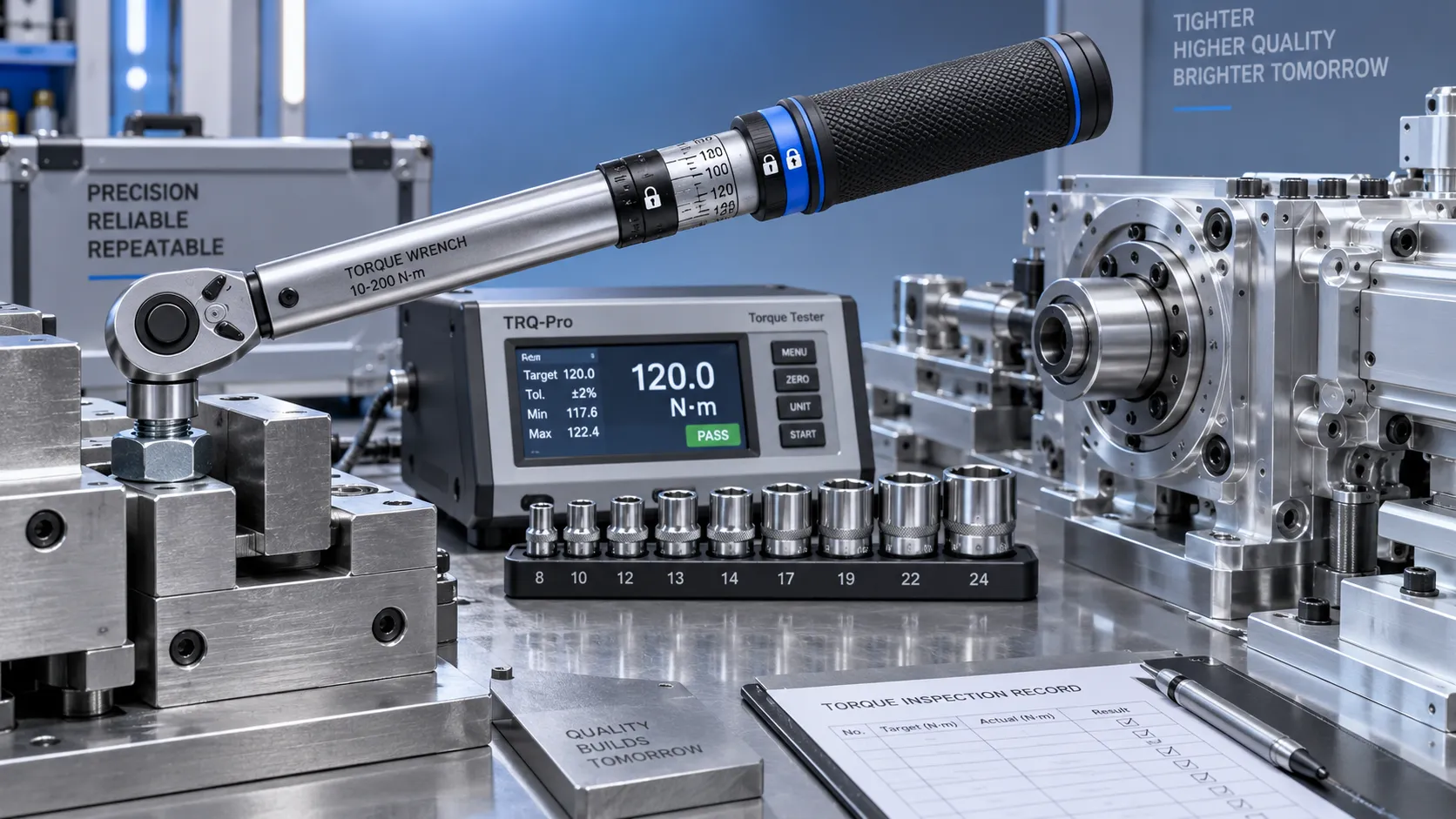
Selecting Adjustable Torque Tools for Repeatable Fastener Assembly
Adjustable torque tools: learn how to match range, accuracy, control methods, calibration, and ergonomics for repeatable, reliable fastener assembly.

How to Select Aerospace Inspection Tools for Aircraft Maintenance Tasks
Aerospace maintenance inspection tools: learn how to select reliable, traceable equipment for aircraft access, accuracy, calibration, and compliant maintenance decisions.

How to Select Wire Bonding Tools for Fine-Pitch Semiconductor Packaging
Explore semiconductor manufacturing tools for wire bonding and learn how to select precision solutions for fine-pitch packaging, reliable loops, accuracy, and yield.
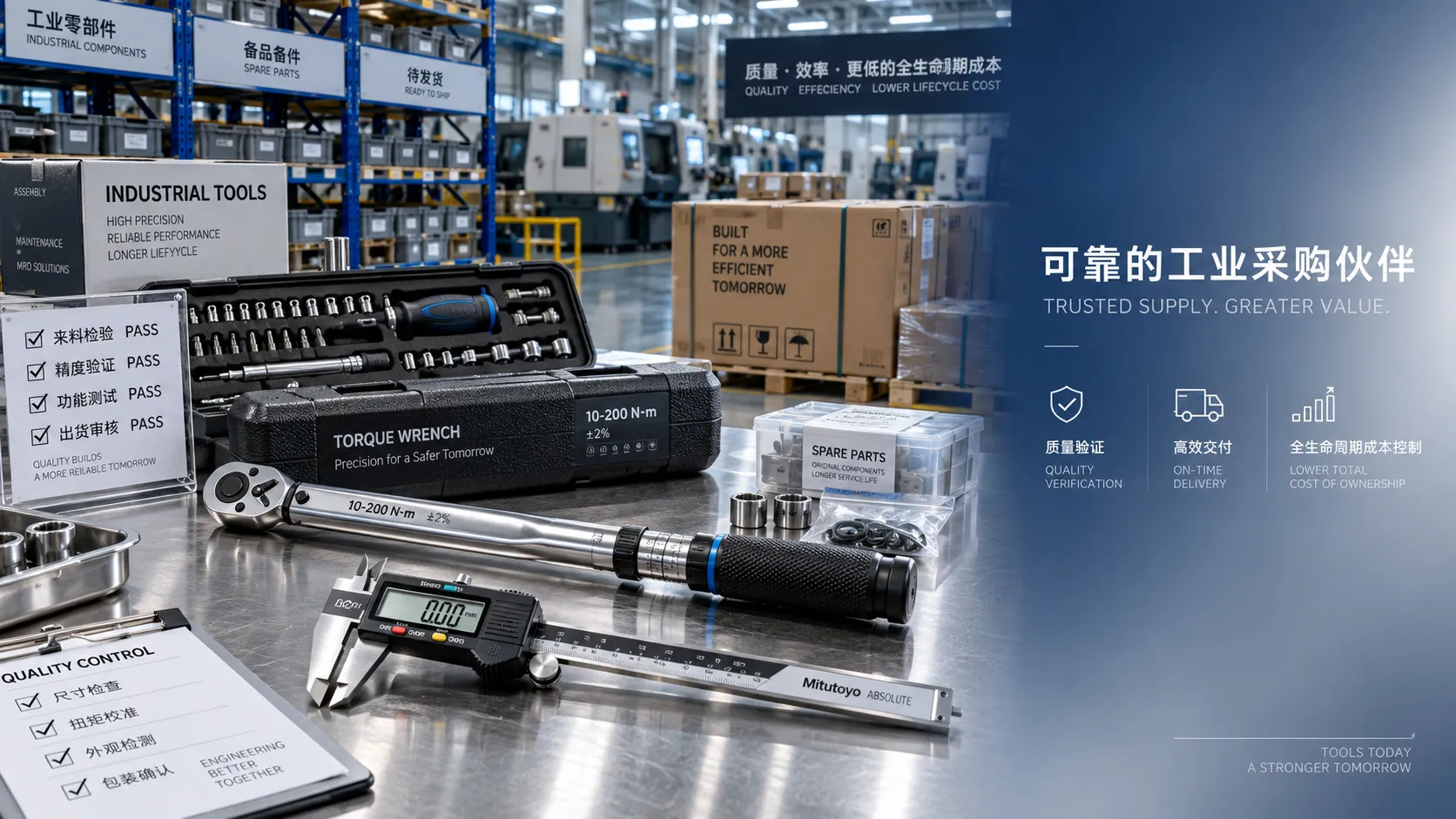
How to Compare Industrial Tool Suppliers for Quality, Lead Time, and Total Cost
Industrial tool selection supplier comparison made simple: evaluate quality, lead times, total cost, service, and supply resilience for confident sourcing decisions.

Industrial Equipment Application Guidance: Match Machines to Operating Conditions
Application guidance industrial equipment: match capacity, duty cycle, materials, site conditions, safety, and lifecycle cost to improve reliable output. Read the guide.
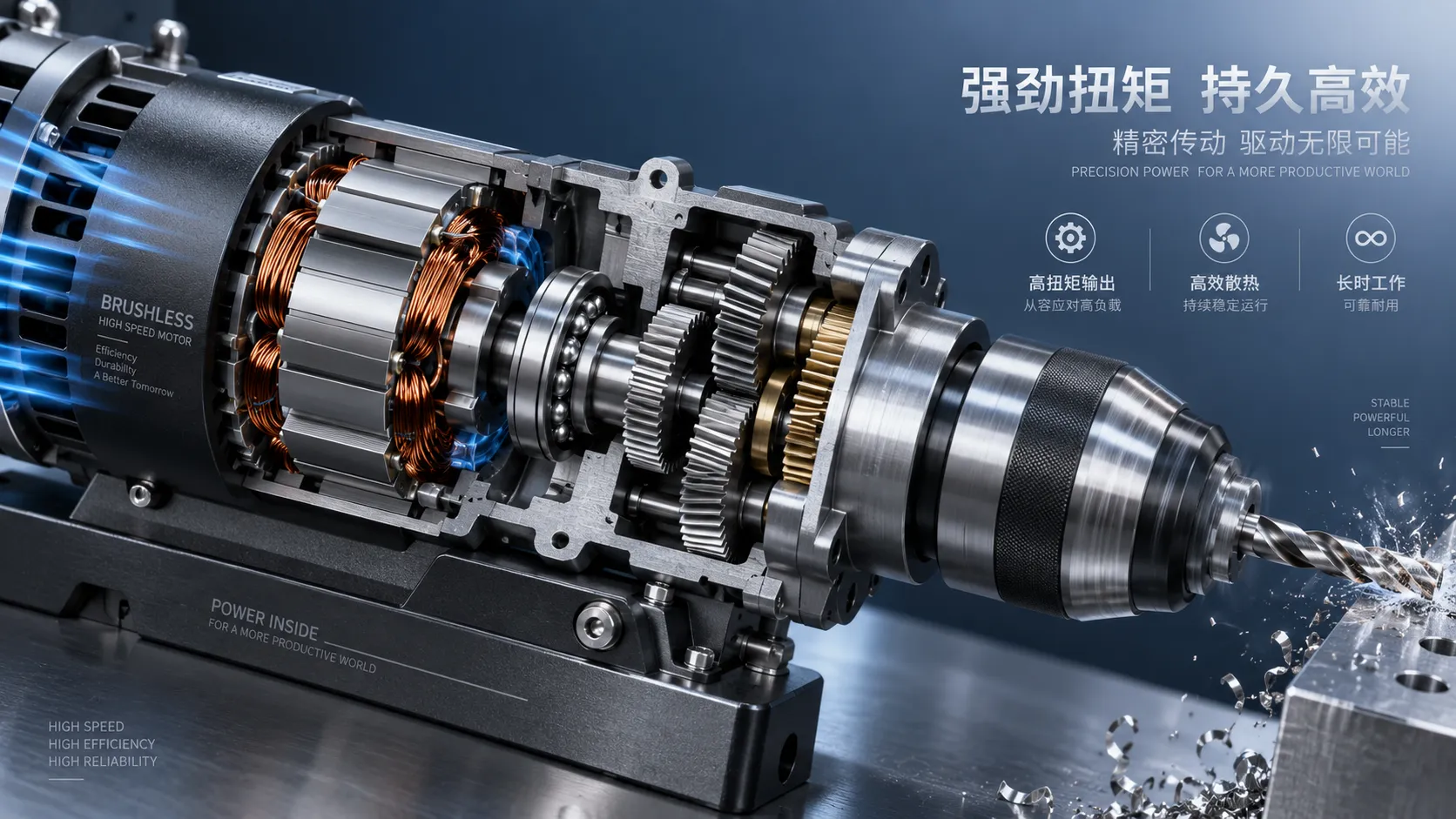
Selecting High-Speed Brushless Tool Motors for Torque, Heat, and Duty Cycle
High speed brushless tool motors: learn how to balance torque, heat, gearing, and duty cycle for reliable industrial tool performance and longer service life.
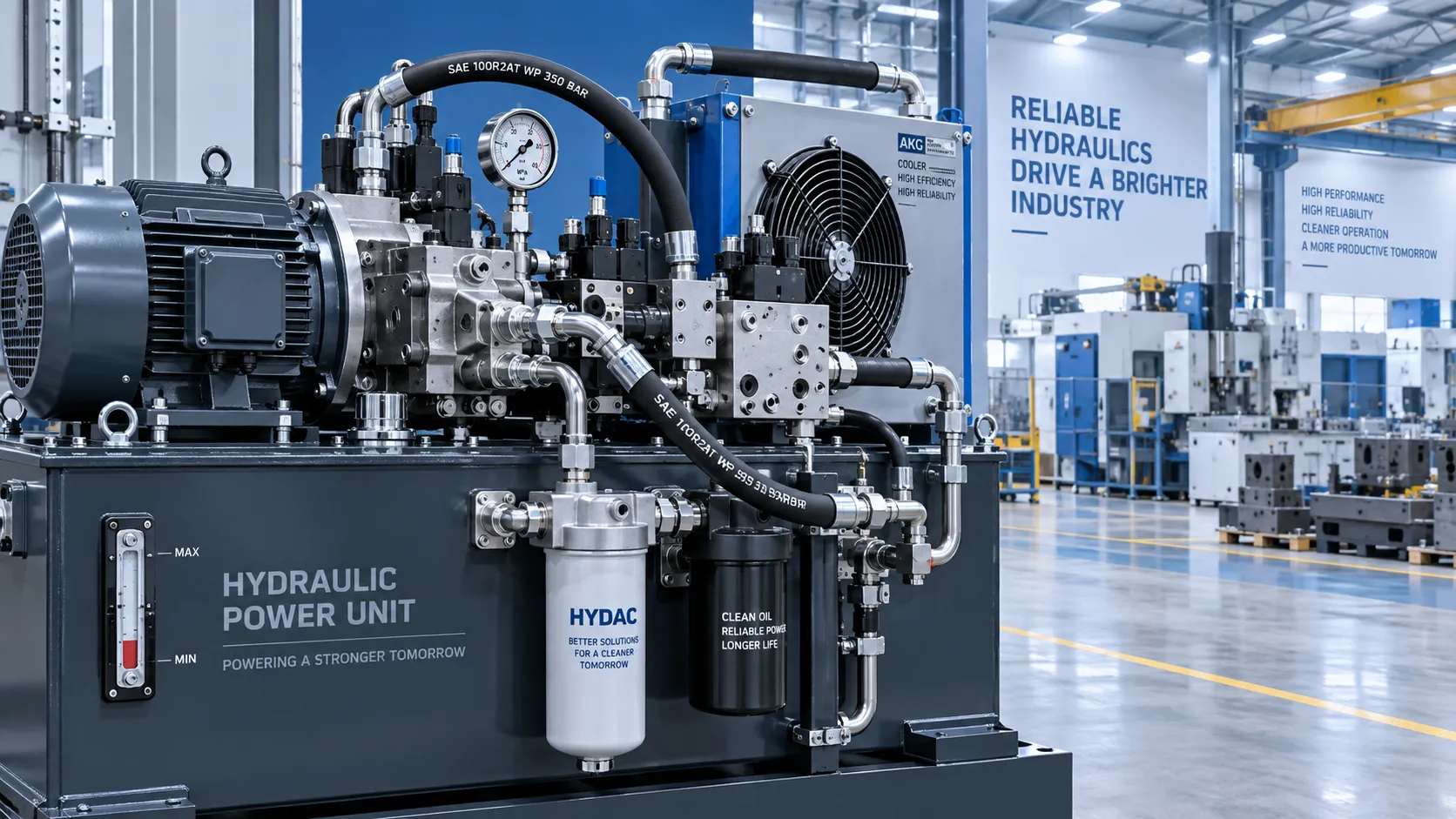
What Determines Industrial Hydraulic System Price for Heavy-Duty Equipment?
Industrial hydraulic system price depends on duty cycle, pressure, components, cooling, and integration. Compare quotes intelligently to secure reliable heavy-duty performance.
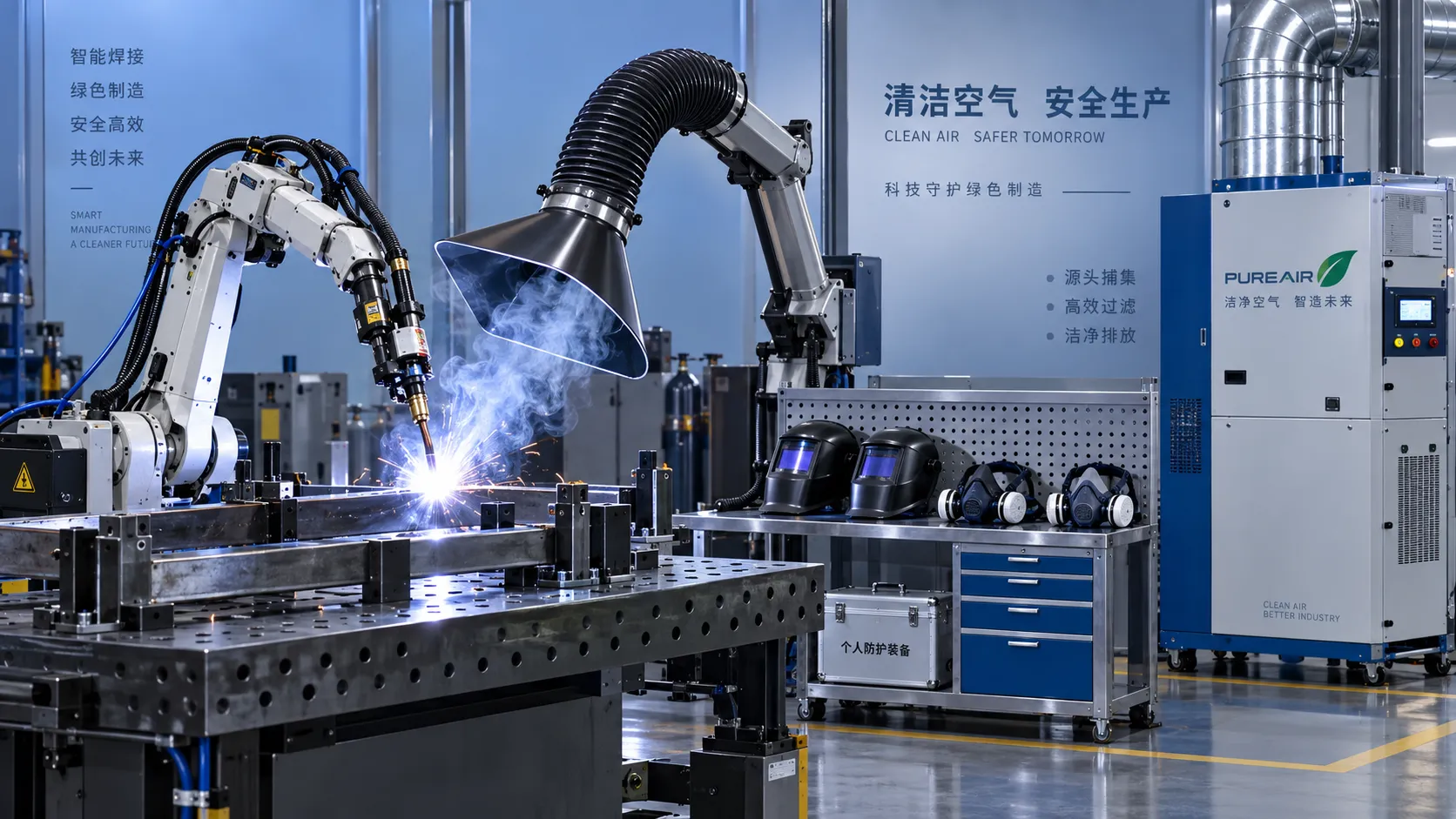
Welding Fume Extraction PPE: When Respirators Are Not Enough for Shop Safety
Welding fume extraction PPE: learn why respirators alone fall short and how source capture, ventilation, and layered controls improve shop safety.

How to Select Optical Metrology Solutions for Tight-Tolerance Manufacturing
Optical industrial metrology solutions for tight-tolerance manufacturing: evaluate accuracy, surface compatibility, workflow, and traceability to select with confidence.
Related News
- 00
0000-00
How to Compare Industrial Tool Suppliers for Quality, Lead Time, and Total Cost - 00
0000-00
How to Evaluate a Technology Integration Service Provider for Complex Projects - 00
0000-00
Product Comparison Resources in Europe: How Buyers Can Verify Specs and Suppliers - 00
0000-00
How to Evaluate an Industrial Metrology Solution Manufacturer for Production Use - 00
0000-00
How to Evaluate a Metal Joining Solutions Factory for Quality, Capacity, and Delivery Risk
Dr. Alistair Vaughn
Weekly Insights
Stay ahead with our curated technology reports delivered every Monday.