
Which industrial trends are changing supplier risk in 2026





Industrial trends are making supplier risk more dynamic in 2026
In 2026, industrial trends are reshaping supplier risk faster than many business evaluators can quantify—from raw material volatility and export controls to digital traceability, automation gaps, and compliance pressure.
For decision-makers assessing supplier resilience, understanding these shifts is no longer optional. This article examines the forces redefining industrial supplier risk and highlights how smarter intelligence can support more confident, forward-looking evaluations.
Across the broader industrial economy, supplier risk is no longer limited to price, quality, and delivery. It now includes data readiness, energy exposure, labor stability, certification credibility, and geopolitical adaptability.
These industrial trends matter across metal joining, precision metrology, power tools, hydraulic systems, and assembly technologies. A single weak point can disrupt the last mile of industrial manufacturing.
The strongest trend signals are coming from supply chain complexity
Several industrial trends are converging at once. That convergence is what makes supplier risk harder to measure using legacy scorecards or annual audits alone.
Raw material volatility remains a major signal. Copper, specialty steels, rare earth inputs, and electronic components continue to shift in cost and availability.
Export controls are also changing supplier risk. Restrictions on advanced electronics, industrial software, and dual-use equipment are affecting qualification, lead time, and substitution pathways.
At the same time, digital traceability is moving from advantage to expectation. Suppliers without reliable production data are becoming harder to trust in regulated or precision-driven sectors.
Industrial trends in automation are creating another divide. Some facilities are improving consistency through robotics and connected torque systems, while others remain vulnerable to manual variability.
Compliance pressure is also broadening. Environmental reporting, workplace safety, carbon disclosure, and product conformity now influence supplier risk far earlier in evaluation cycles.
Why these industrial trends are accelerating now
The speed of change is not random. Several structural drivers are pushing supplier risk into a more complex and more strategic category.
Together, these drivers explain why industrial trends now affect not just supplier selection, but supplier survival, substitution speed, and long-term operational fit.
Five industrial trends changing supplier risk most visibly
1. Volatile inputs are exposing weak cost structures
Input inflation no longer affects all suppliers equally. Those with poor purchasing discipline or narrow material options can become unstable even when demand stays healthy.
This is especially visible in tooling, welding consumables, precision instruments, and motor-driven equipment. Margin stress often appears before delivery failure becomes obvious.
2. Export restrictions are altering qualification pathways
A supplier may appear capable on paper, yet depend on restricted chips, software, sensors, or imported subassemblies. That creates hidden continuity risk.
Industrial trends around trade regulation require deeper mapping of upstream dependencies, especially for intelligent tools, metrology systems, and digitally controlled equipment.
3. Traceability gaps are becoming a trust problem
Traceability now shapes credibility. If calibration records, batch histories, maintenance logs, or process deviations are incomplete, supplier risk rises sharply.
This matters in sectors where tolerance, repeatability, and after-service evidence define value. Digital immaturity can now disqualify otherwise competitive suppliers.
4. Automation gaps are widening quality variance
Not every automation investment improves resilience. Still, suppliers with stable automation usually show better process control, lower rework, and stronger response during labor shocks.
Industrial trends in connected assembly, torque monitoring, and machine health analytics are creating measurable differences in output reliability.
5. Compliance performance is moving into commercial risk
Compliance failures can now affect tenders, cross-border logistics, insurance conditions, and brand exposure. The issue is no longer limited to passing inspections.
Industrial trends in sustainability disclosure, worker safety, and technical certification are turning compliance into a continuous supplier risk variable.
How these trends affect different business links
The impact of industrial trends is uneven. It changes according to product complexity, service intensity, data requirements, and the criticality of downstream use.
- Component sourcing faces longer validation cycles and more substitute testing.
- Production planning becomes harder when lead times depend on controlled inputs or energy spikes.
- Quality assurance must verify process evidence, not only end-product conformity.
- After-sales support becomes vulnerable when service parts or software access are restricted.
- Commercial forecasting weakens if supplier data cannot support realistic capacity claims.
In industrial assembly and metal joining, the effects are particularly sharp. Welding safety upgrades, brushless motor adoption, and intelligent torque control all raise the minimum standard for supplier capability.
In precision metrology, the threshold is even higher. Calibration discipline, software integrity, and documentation transparency directly affect supplier risk and end-user confidence.
What deserves the closest attention in 2026
Among all industrial trends, a few indicators are becoming especially useful for judging whether a supplier is resilient or fragile.
- Material concentration risk across top inputs and critical subcomponents
- Dependence on single-region electronics, sensors, or software licenses
- Depth of batch traceability and audit-ready process records
- Real automation utilization versus claimed automation investment
- Certification validity, renewal history, and scope consistency
- Maintenance culture for key production and inspection equipment
- Workforce stability in skilled operations and technical service roles
- Energy exposure and backup continuity planning
These points help turn industrial trends into usable evaluation criteria. They also reduce overreliance on self-reported capability statements.
A more practical way to judge supplier risk now
This shift reflects the reality of current industrial trends. Static assessment models cannot fully capture fast-moving industrial risk conditions.
The next move is better intelligence, not just more data
Supplier risk in 2026 is shaped by overlapping industrial trends, not isolated incidents. Better decisions come from connecting market signals, technical capability, and compliance evidence.
That is where structured intelligence becomes valuable. Monitoring raw material shifts, export restrictions, metrology demand, safety adoption, and automation readiness reveals risk earlier.
Platforms focused on industrial assembly, precision tools, welding technologies, and measurement systems can help interpret these signals with more operational context.
A practical next step is to update supplier review frameworks around the industrial trends outlined above. Build evaluations around traceability, resilience, regulatory exposure, and technical continuity.
In a market where the last mile of manufacturing determines performance, stronger intelligence is becoming the clearest path to lower supplier risk and more confident growth.
Related News
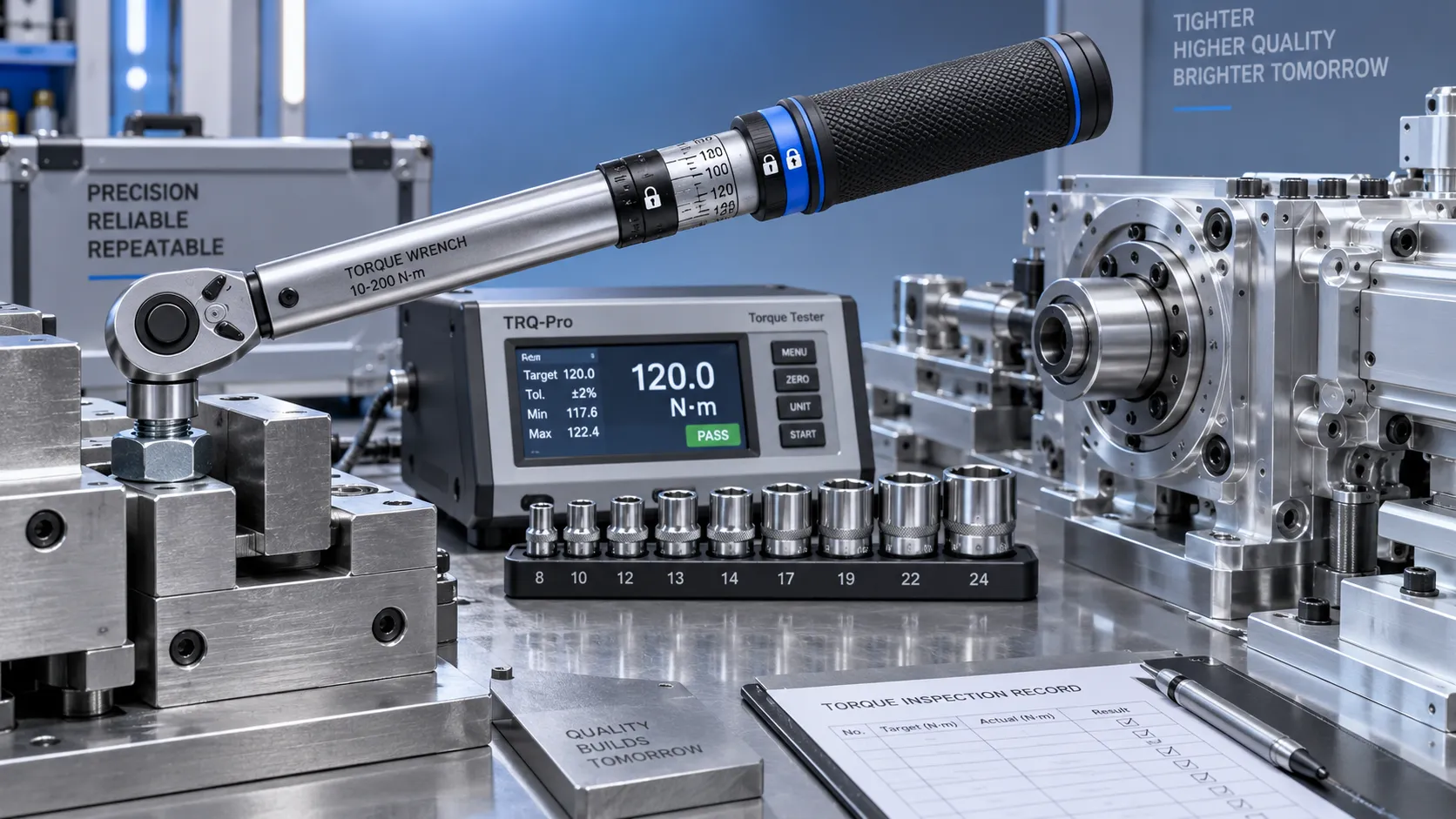
Selecting Adjustable Torque Tools for Repeatable Fastener Assembly
Adjustable torque tools: learn how to match range, accuracy, control methods, calibration, and ergonomics for repeatable, reliable fastener assembly.

How to Select Aerospace Inspection Tools for Aircraft Maintenance Tasks
Aerospace maintenance inspection tools: learn how to select reliable, traceable equipment for aircraft access, accuracy, calibration, and compliant maintenance decisions.

How to Select Wire Bonding Tools for Fine-Pitch Semiconductor Packaging
Explore semiconductor manufacturing tools for wire bonding and learn how to select precision solutions for fine-pitch packaging, reliable loops, accuracy, and yield.
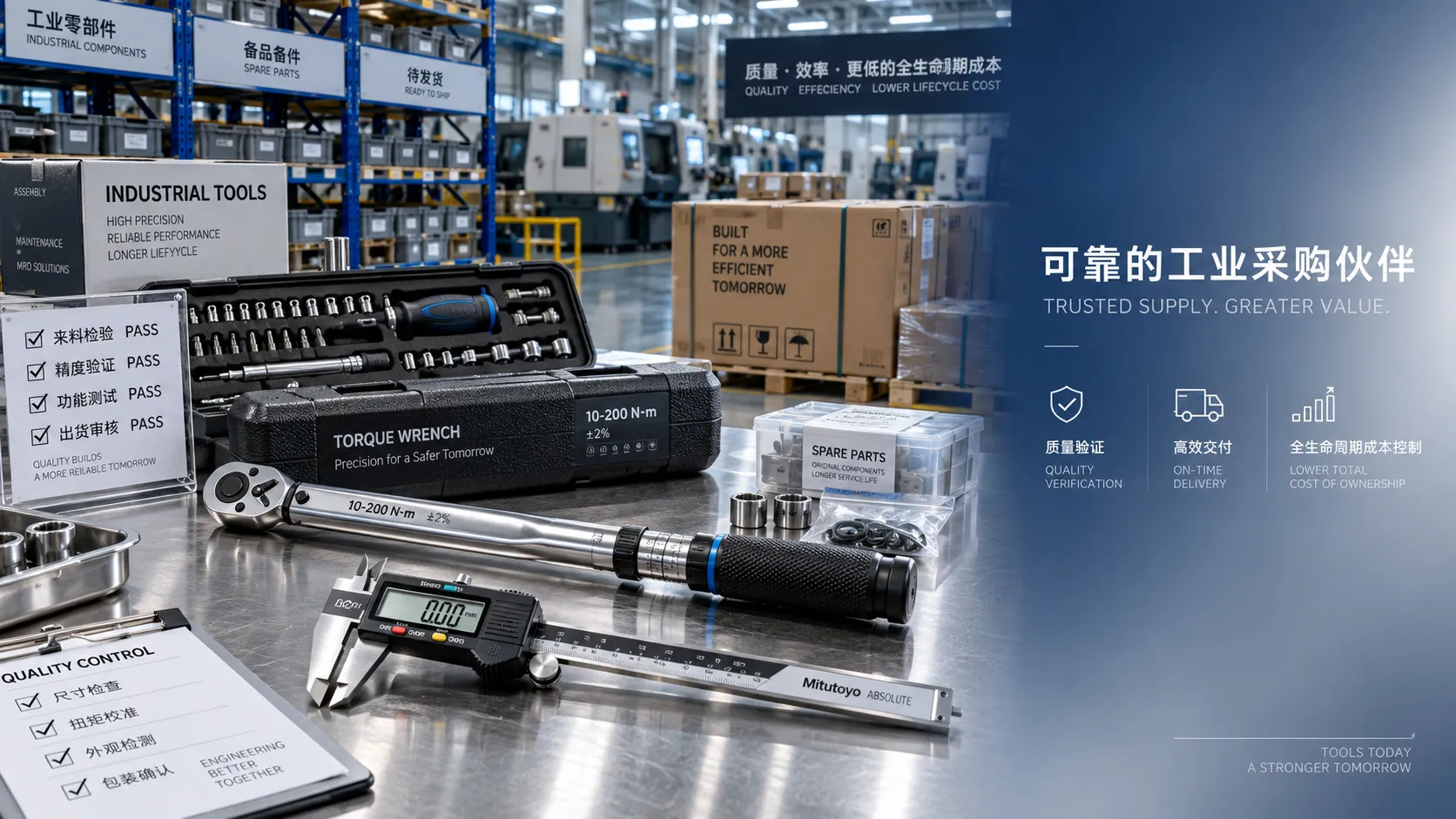
How to Compare Industrial Tool Suppliers for Quality, Lead Time, and Total Cost
Industrial tool selection supplier comparison made simple: evaluate quality, lead times, total cost, service, and supply resilience for confident sourcing decisions.
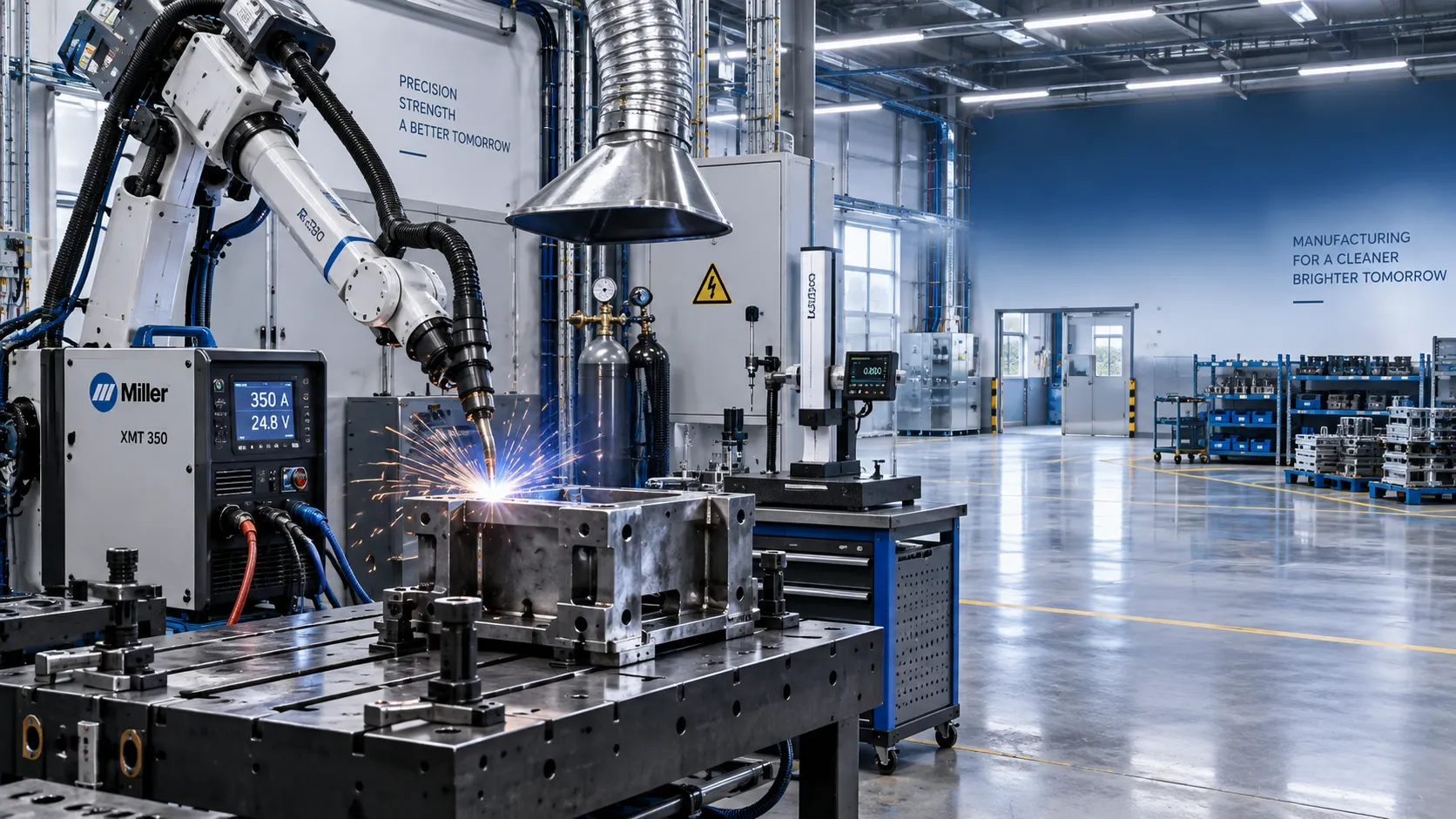
Industrial Equipment Application Guidance: Match Machines to Operating Conditions
Application guidance industrial equipment: match capacity, duty cycle, materials, site conditions, safety, and lifecycle cost to improve reliable output. Read the guide.
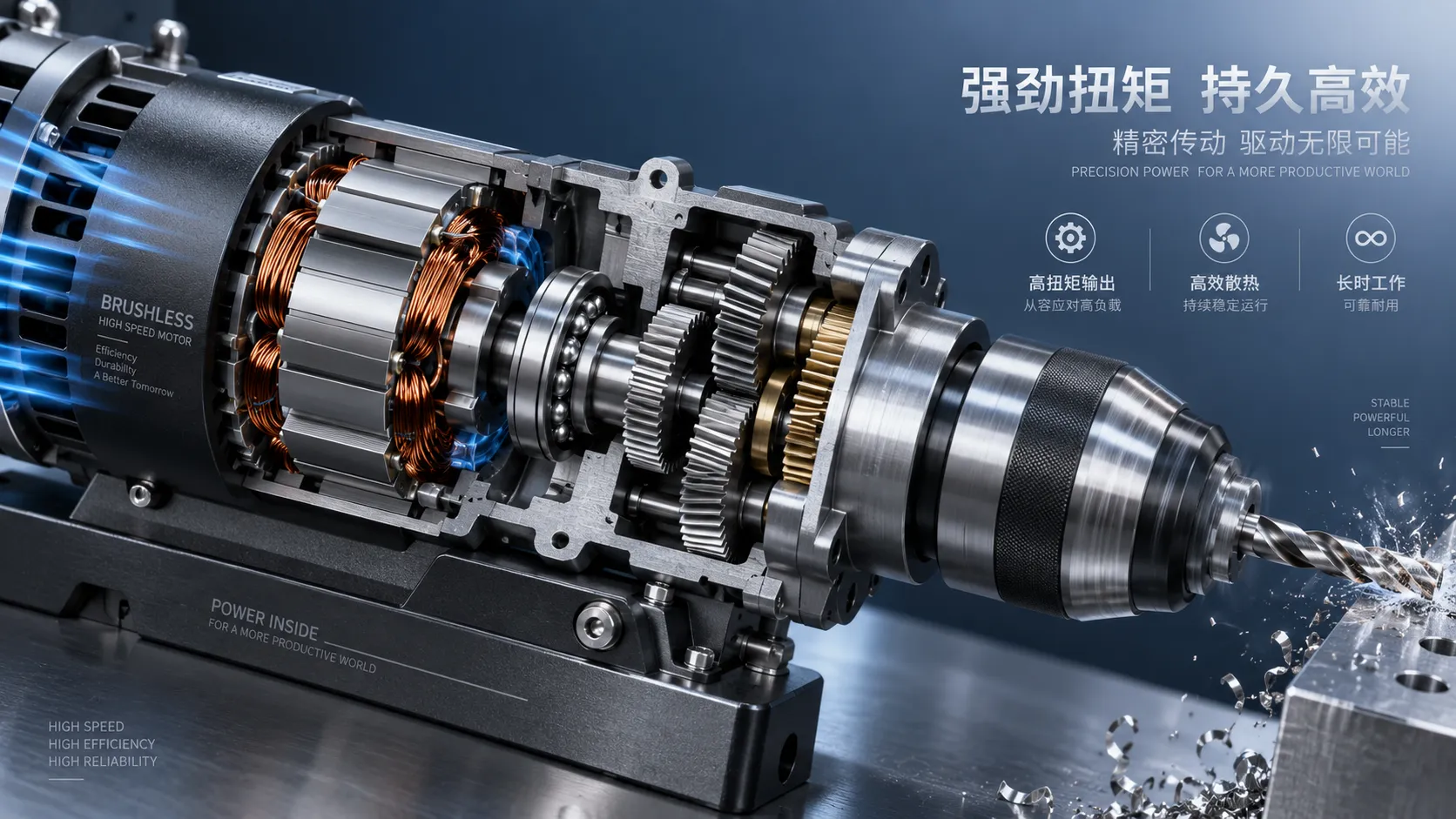
Selecting High-Speed Brushless Tool Motors for Torque, Heat, and Duty Cycle
High speed brushless tool motors: learn how to balance torque, heat, gearing, and duty cycle for reliable industrial tool performance and longer service life.
What Determines Industrial Hydraulic System Price for Heavy-Duty Equipment?
Industrial hydraulic system price depends on duty cycle, pressure, components, cooling, and integration. Compare quotes intelligently to secure reliable heavy-duty performance.
Welding Fume Extraction PPE: When Respirators Are Not Enough for Shop Safety
Welding fume extraction PPE: learn why respirators alone fall short and how source capture, ventilation, and layered controls improve shop safety.

How to Select Optical Metrology Solutions for Tight-Tolerance Manufacturing
Optical industrial metrology solutions for tight-tolerance manufacturing: evaluate accuracy, surface compatibility, workflow, and traceability to select with confidence.
Related News
- 00
0000-00
How Middle East Manufacturers Can Improve Production Efficiency Under Heat and Labor Constraints - 00
0000-00
Why Are Specification-Oriented Articles Gaining Traction in Europe’s B2B Markets? - 00
0000-00
Industrial Solutions in Latin America: Key Growth Sectors and Market Entry Risks - 00
0000-00
What Is Driving Manufacturing Efficiency in Europe’s Industrial Sectors? - 00
0000-00
Industrial Market Trends in 2025: What Buyers Should Watch Across Supply and Demand
Dr. Alistair Vaughn
Weekly Insights
Stay ahead with our curated technology reports delivered every Monday.