
How power tool efficiency cuts downtime on busy job sites





On busy job sites, downtime rarely comes from one major failure alone. It usually builds from small interruptions such as stalled cuts, drained batteries, overheated motors, repeated passes, bit changes, and tool resets.
That is why power tool efficiency matters so much to operators. A more efficient tool does not just save seconds on each task. It reduces fatigue, keeps output consistent, and helps crews maintain workflow under pressure.
For most users, the real question is simple: which tools, settings, and habits actually reduce stoppages during drilling, fastening, cutting, and grinding? The short answer is that efficiency comes from matching tool capability to workload.
It also depends on battery performance, accessory quality, operator technique, and daily maintenance. When those factors are aligned, power tool efficiency cuts downtime in ways that are easy to feel on site and easy to measure over time.
Why power tool efficiency matters more on busy job sites than in controlled workshop conditions
On a busy site, work is rarely performed under ideal conditions. Operators move between materials, heights, weather conditions, and access constraints. In that environment, even minor delays can spread across multiple trades and tasks.
A slow drill can delay anchoring. A weak grinder can hold up weld prep. A battery change at the wrong moment can interrupt installation timing. These are small events individually, but together they create costly and frustrating downtime.
Efficient tools help because they convert energy into useful work with fewer losses. In practical terms, that means faster cuts, steadier torque, less bogging under load, reduced heat buildup, and longer runtime between interruptions.
For operators, the value is immediate. The job feels smoother, progress is more predictable, and fewer tasks need to be redone. Efficiency is not an abstract specification. It affects how quickly work starts, continues, and finishes.
What operators usually mean when they ask for better efficiency
Most users are not looking for lab-tested numbers alone. They want tools that keep performing when the pace is high. Efficiency on site means dependable output across a shift, not just strong performance for the first few minutes.
Operators usually judge power tool efficiency by several practical signs. Does the tool maintain speed under load? Does it complete work in one pass? Does it avoid overheating? Does the battery last long enough to prevent workflow breaks?
They also care about how often accessories need changing, whether the tool stalls in harder material, and how much physical effort is required to control it. A tool that looks powerful but tires the user quickly is not truly efficient.
In other words, efficiency combines mechanical performance and human usability. The best job site tools reduce wasted motion, reduce waiting time, and let operators maintain safe, consistent output without fighting the equipment.
How efficient tools directly reduce downtime during drilling and fastening
Drilling and fastening are repetitive tasks where small gains add up fast. If a drill reaches target speed quickly and keeps torque stable, holes are cleaner, bits bind less often, and operators spend less time correcting misalignment.
In fastening work, efficiency shows up when a driver seats screws or anchors without repeated trigger adjustments. Better torque delivery reduces cam-out, stripped heads, and partial engagement, all of which slow work and increase rework.
Brushless motors are especially important here. Compared with less advanced systems, they generally deliver better energy use, reduced friction losses, and more controlled output. That often means longer runtime and less heat during repeated cycles.
Electronic controls also matter. Variable speed management, overload protection, and intelligent torque modes help prevent stalls and overdriving. For operators, this means fewer interruptions and more confidence when switching between light and heavy applications.
When drilling into concrete, steel, or dense wood, bit quality also affects efficiency. A strong motor paired with a poor accessory still wastes time. Faster penetration and cleaner chip removal often depend on the bit as much as the tool.
Why cutting and grinding efficiency has an outsized effect on schedule pressure
Cutting and grinding often sit on the critical path of a task. If surface prep, trimming, or material removal slows down, downstream work cannot start. That is why inefficient grinders and saws create more disruption than users may expect.
A tool that loses speed under pressure forces the operator to make multiple passes. That increases heat, sparks, disc wear, and fatigue. It also raises the chance of inconsistent results, especially when edge quality or weld prep matters.
High power does help, but usable efficiency depends on maintaining speed while controlling vibration and temperature. If a grinder is strong but uncomfortable to handle, users may reduce feed pressure, which lowers real productivity.
In cutting tasks, blade selection is just as important as motor output. The right blade geometry, abrasive composition, or tooth pattern can dramatically reduce resistance. That lowers strain on the tool and shortens total task time.
For operators, the main takeaway is clear: job site efficiency is often won or lost at the interface between tool, accessory, and material. Choosing only by rated power can miss the real cause of downtime.
Battery efficiency is often the hidden cause of stoppages
On cordless job sites, battery performance is one of the biggest drivers of actual uptime. A tool can have strong specifications, but if the battery drains quickly under load or charges too slowly, the crew still loses productive time.
Efficient battery systems do more than extend runtime. They hold voltage more consistently, support peak demand better, and recover faster through smart charging. That stability matters when operators need reliable performance late in the shift.
Heat management is another major factor. Batteries and motors both lose efficiency when temperatures rise. If repeated heavy cuts or drilling cycles cause thermal protection to activate, work stops even when the battery is not empty.
Operators can reduce this problem by rotating packs, avoiding unnecessary full-throttle use in light tasks, and storing batteries correctly. Simple practices such as keeping contacts clean and protecting packs from direct heat also help.
Battery platform planning matters as well. If multiple tools share one reliable system, crews spend less time searching for chargers, adapters, and spare packs. Standardization often improves practical efficiency more than adding one higher-rated tool.
Accessory choice can improve efficiency faster than replacing the whole tool
Many operators assume downtime comes mainly from the tool body. In reality, worn or mismatched accessories are a common source of poor performance. Dull bits, low-quality discs, and wrong blades force tools to work harder than necessary.
That extra strain slows cutting, increases current draw, and raises motor temperature. The user feels it as hesitation, reduced control, or constant pressure to push harder. This is where power tool efficiency starts to collapse in daily work.
High-quality accessories often produce immediate gains. Faster cutting edges, better coatings, improved chip evacuation, and balanced construction all reduce friction. The result is shorter cycle time and fewer interruptions for correction or replacement.
Accessory fit is equally important. A disc designed for aggressive stock removal will not deliver efficient finishing. A bit built for wood will struggle in metal. Matching accessory design to material and task is essential for uptime.
For crews trying to improve output without major capital spending, reviewing accessory performance is one of the fastest and most cost-effective steps. It can deliver noticeable gains before any tool fleet upgrade happens.
Operator technique has a direct impact on efficiency and uptime
Even the best tool loses efficiency when used poorly. Excessive pressure, wrong angle, unstable positioning, and improper speed selection all increase resistance. That not only slows work but also causes overheating, kickback risk, and premature wear.
Good operators let the tool do the work. They apply steady control, choose the correct mode, and maintain alignment through the cut or hole. This reduces wasted movement and helps the tool maintain its intended output profile.
Trigger control also affects runtime. Running a tool at full speed for every task may feel faster, but it can waste battery energy and increase heat unnecessarily. In lighter applications, controlled speed often improves both accuracy and endurance.
Material awareness is another skill factor. When users understand where hard spots, reinforcement, coatings, or changing densities are likely, they can adjust feed pressure and accessory choice before problems develop into full stoppages.
Short training sessions can therefore produce real uptime gains. Operators do not need theory-heavy instruction. They need practical guidance on setup, pressure, accessory selection, battery rotation, and signs that a tool is losing efficiency.
How maintenance supports power tool efficiency without slowing the crew down
Some users avoid routine checks because they feel maintenance steals time. On busy sites, the opposite is usually true. Small preventive actions reduce major interruptions and keep tools performing closer to their designed efficiency level.
Dust removal is one of the simplest examples. Blocked vents trap heat, and heat reduces motor and battery performance. A quick cleaning routine can help preserve torque, extend runtime, and prevent thermal shutdown during demanding work.
Checking chucks, collets, guards, cables, and battery contacts also matters. Loose or dirty connections cause inconsistent power delivery, poor accessory retention, and avoidable safety risks. These issues often appear first as “mysterious” lost productivity.
Lubrication and inspection schedules should follow the manufacturer’s guidance, especially for high-load tools such as rotary hammers and metalworking equipment. Ignoring wear until failure usually creates far more downtime than regular attention does.
The key is to keep maintenance simple and repeatable. Operators are more likely to follow a short daily checklist than a complex service program. Consistency matters more than perfection when the goal is steady job site uptime.
How to tell whether a tool is truly efficient before or during use
Manufacturers often highlight voltage, no-load speed, or peak output, but operators need more practical indicators. A truly efficient tool should maintain performance in real material, not just look impressive on a specification sheet.
Before purchase, users should compare runtime under load, thermal behavior, weight balance, vibration control, accessory compatibility, and service support. These factors often matter more than raw top-end power for daily site productivity.
During use, several warning signs suggest poor efficiency. If the tool bogs down easily, becomes hot too quickly, drains batteries unevenly, or requires repeated rework, it is likely creating hidden downtime even if it still functions.
Tracking simple field data can help. Crews can note battery swaps per shift, average task completion time, accessory consumption, and overheating events. These observations turn efficiency from opinion into something visible and actionable.
That matters when deciding whether to retrain users, change accessories, standardize a battery platform, or replace underperforming tools. Better decisions come from watching real work, not only from reviewing product brochures.
Practical steps operators can take this week to reduce downtime
If the goal is better uptime right away, start with the basics. Match each tool to the actual workload instead of using one familiar tool for every task. Overloading light-duty tools is a common and preventable cause of delays.
Next, inspect accessories and replace worn items before they fail on the job. A fresh disc, sharp bit, or correct blade often improves performance faster than changing the entire tool. This step usually delivers immediate results.
Then review battery handling. Rotate packs, charge before critical tasks, and keep backup batteries organized by condition and readiness. Avoid leaving packs in hot environments where performance and service life can drop quickly.
After that, focus on technique. Reduce unnecessary pressure, use the correct speed mode, and watch for early signs of bogging or heat. If one operator consistently gets better runtime, study those habits and share them across the crew.
Finally, create a short end-of-shift routine. Clean vents, inspect wear points, and separate weak batteries or damaged accessories before the next day starts. Preventing tomorrow’s stoppages often begins in the last ten minutes of today.
Conclusion
Power tool efficiency cuts downtime because it removes friction from the work itself. Faster task completion, fewer stalls, lower heat, better runtime, and less rework all help operators keep moving when schedules are tight.
For busy job sites, efficiency is not only about buying stronger tools. It comes from the full system: motor design, battery platform, accessory quality, operator technique, and simple maintenance habits working together.
Users who want better results should focus on real site performance rather than headline specifications alone. The right tool, used the right way, with the right accessory, often delivers the biggest uptime gains.
When crews treat power tool efficiency as a practical productivity issue, not just a product feature, downtime becomes easier to control. That leads to safer work, steadier output, and more reliable job site performance every day.
Related News
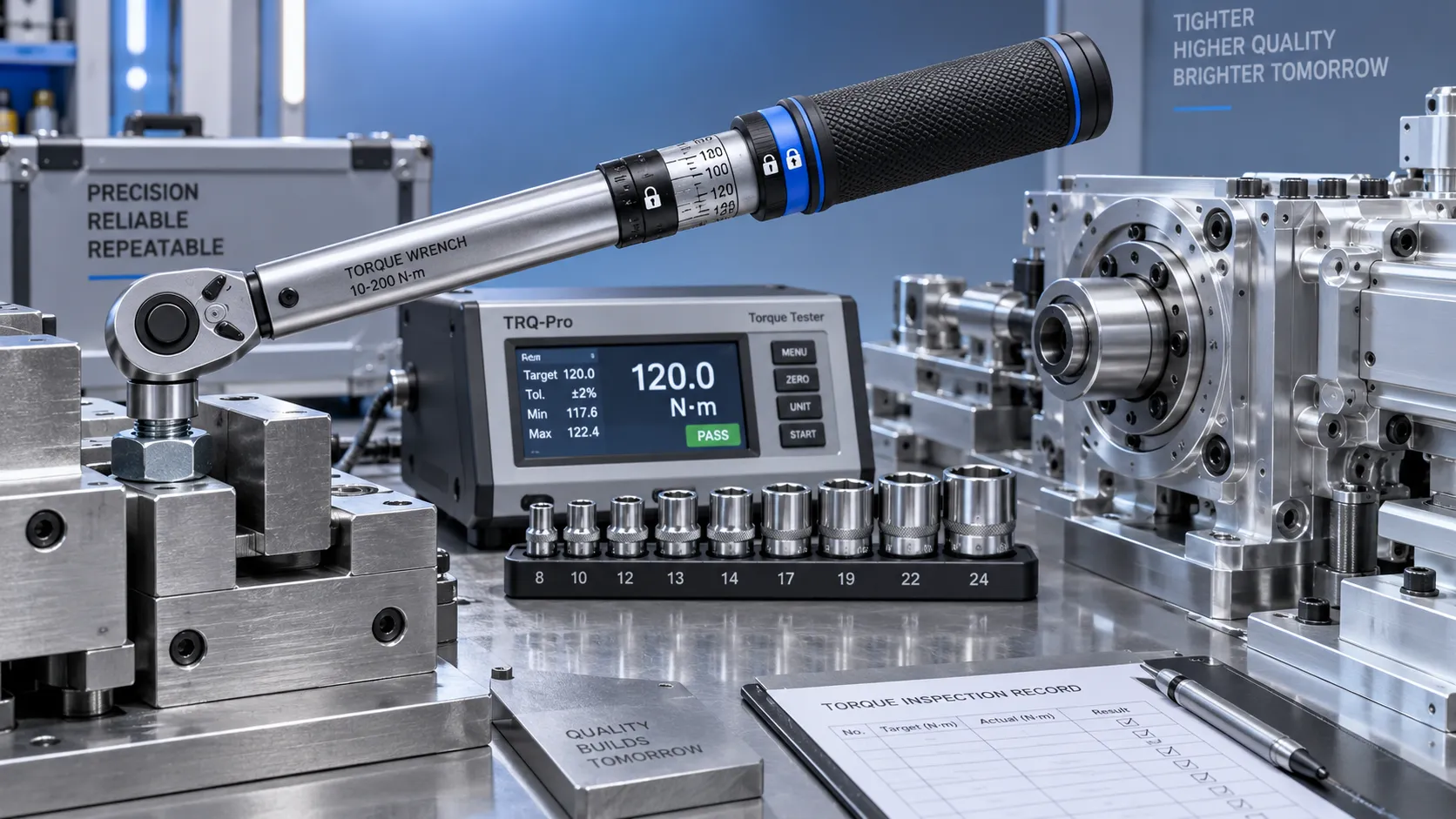
Selecting Adjustable Torque Tools for Repeatable Fastener Assembly
Adjustable torque tools: learn how to match range, accuracy, control methods, calibration, and ergonomics for repeatable, reliable fastener assembly.

How to Select Aerospace Inspection Tools for Aircraft Maintenance Tasks
Aerospace maintenance inspection tools: learn how to select reliable, traceable equipment for aircraft access, accuracy, calibration, and compliant maintenance decisions.

How to Select Wire Bonding Tools for Fine-Pitch Semiconductor Packaging
Explore semiconductor manufacturing tools for wire bonding and learn how to select precision solutions for fine-pitch packaging, reliable loops, accuracy, and yield.
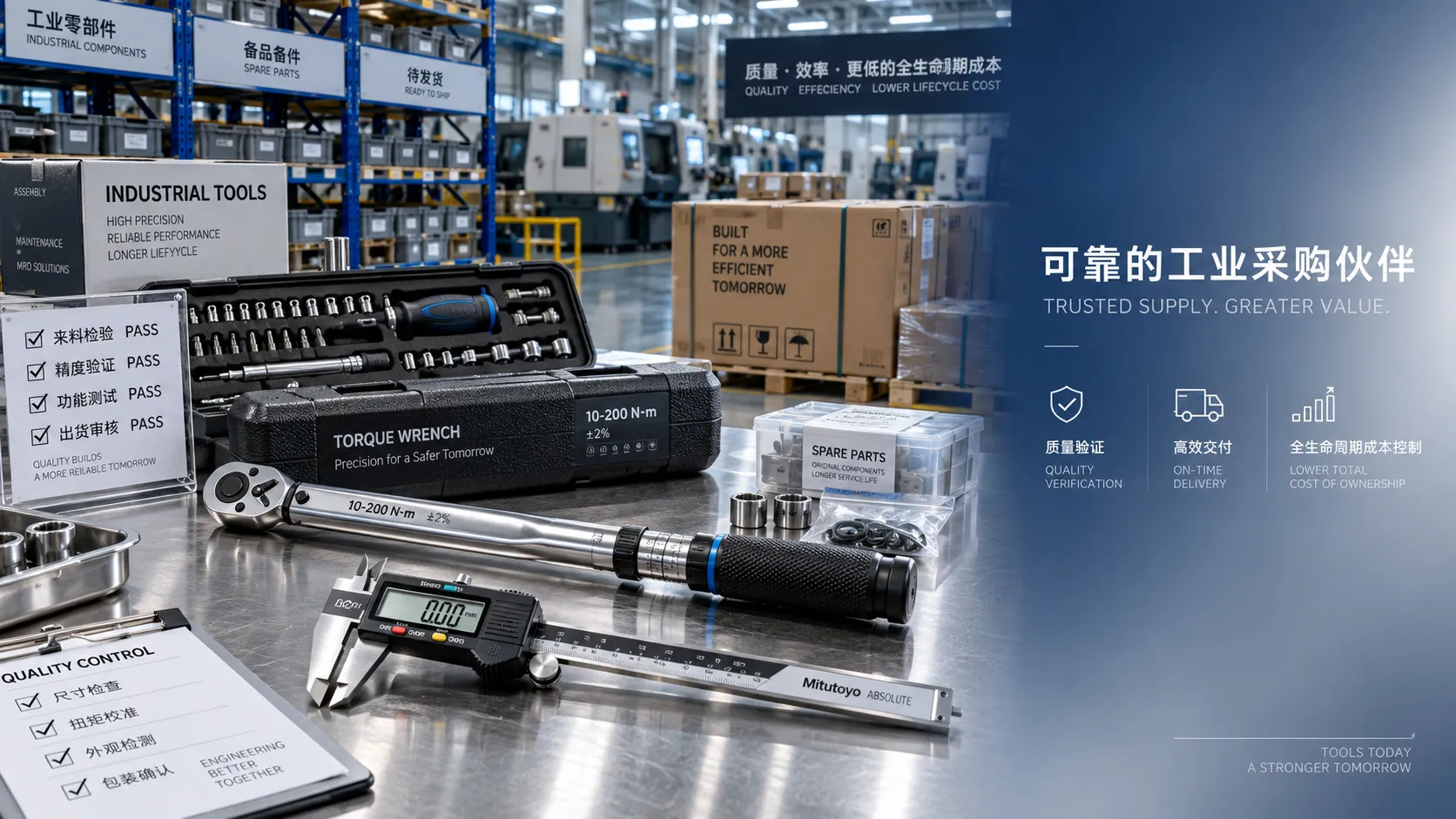
How to Compare Industrial Tool Suppliers for Quality, Lead Time, and Total Cost
Industrial tool selection supplier comparison made simple: evaluate quality, lead times, total cost, service, and supply resilience for confident sourcing decisions.
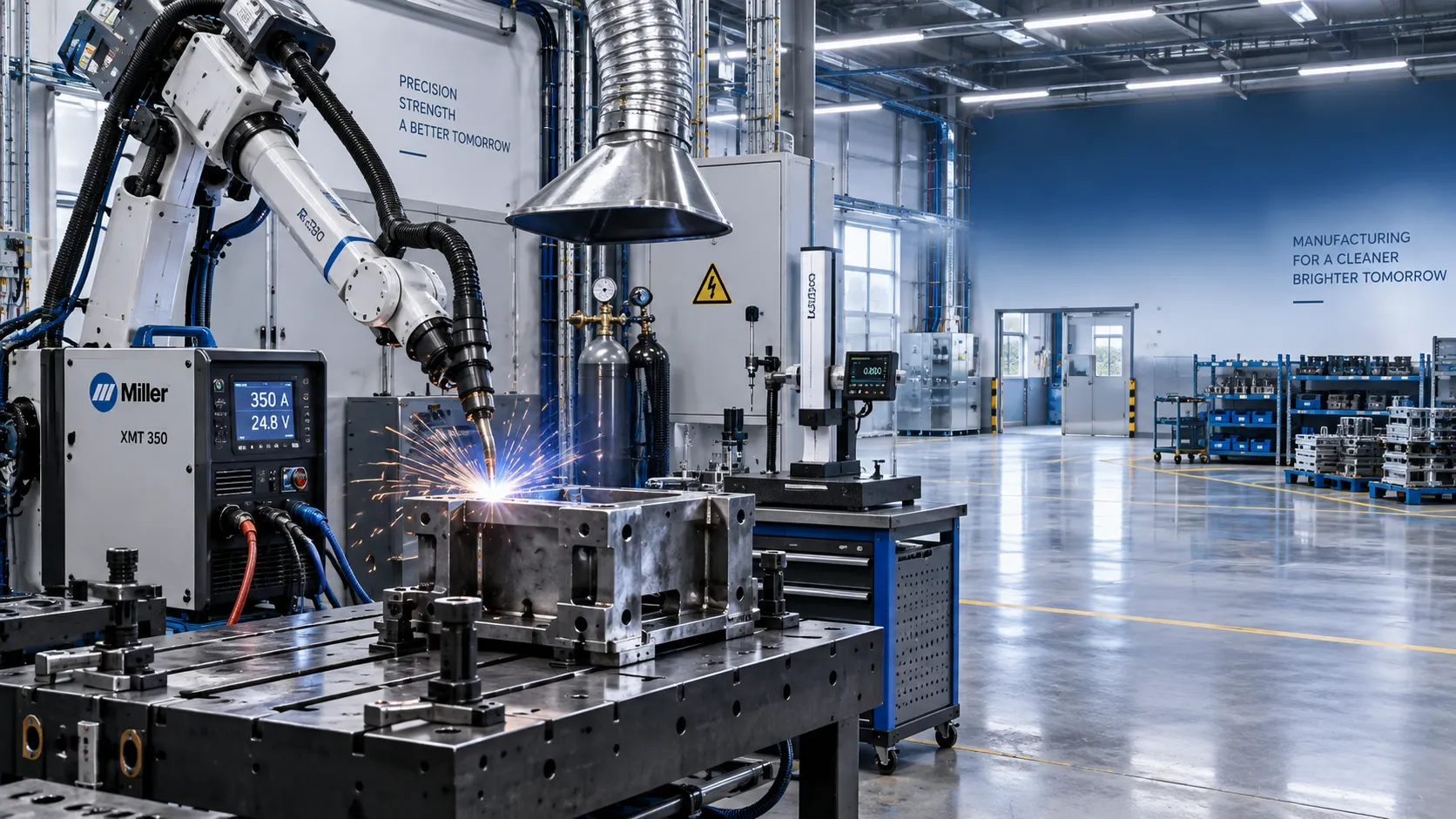
Industrial Equipment Application Guidance: Match Machines to Operating Conditions
Application guidance industrial equipment: match capacity, duty cycle, materials, site conditions, safety, and lifecycle cost to improve reliable output. Read the guide.
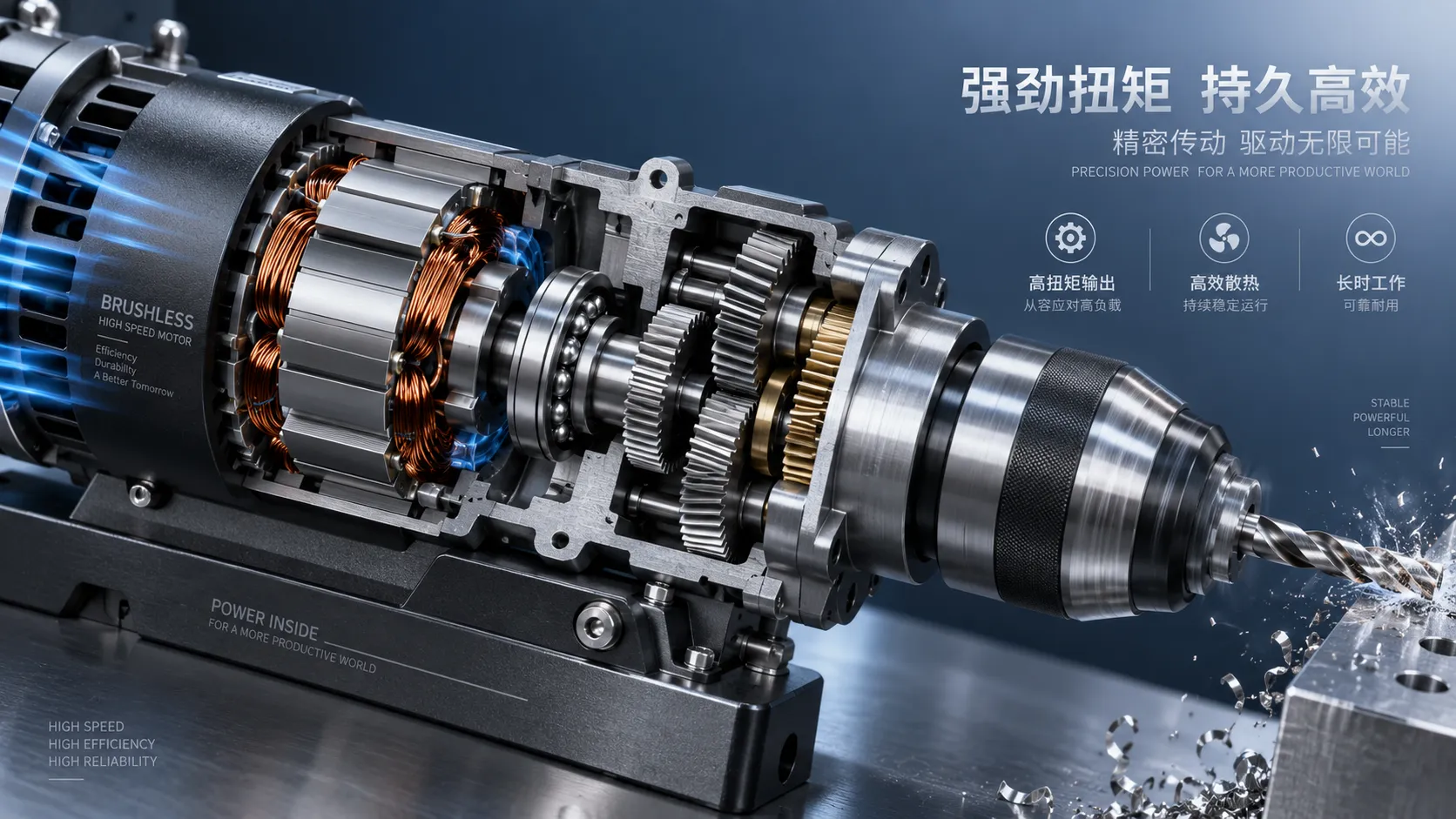
Selecting High-Speed Brushless Tool Motors for Torque, Heat, and Duty Cycle
High speed brushless tool motors: learn how to balance torque, heat, gearing, and duty cycle for reliable industrial tool performance and longer service life.
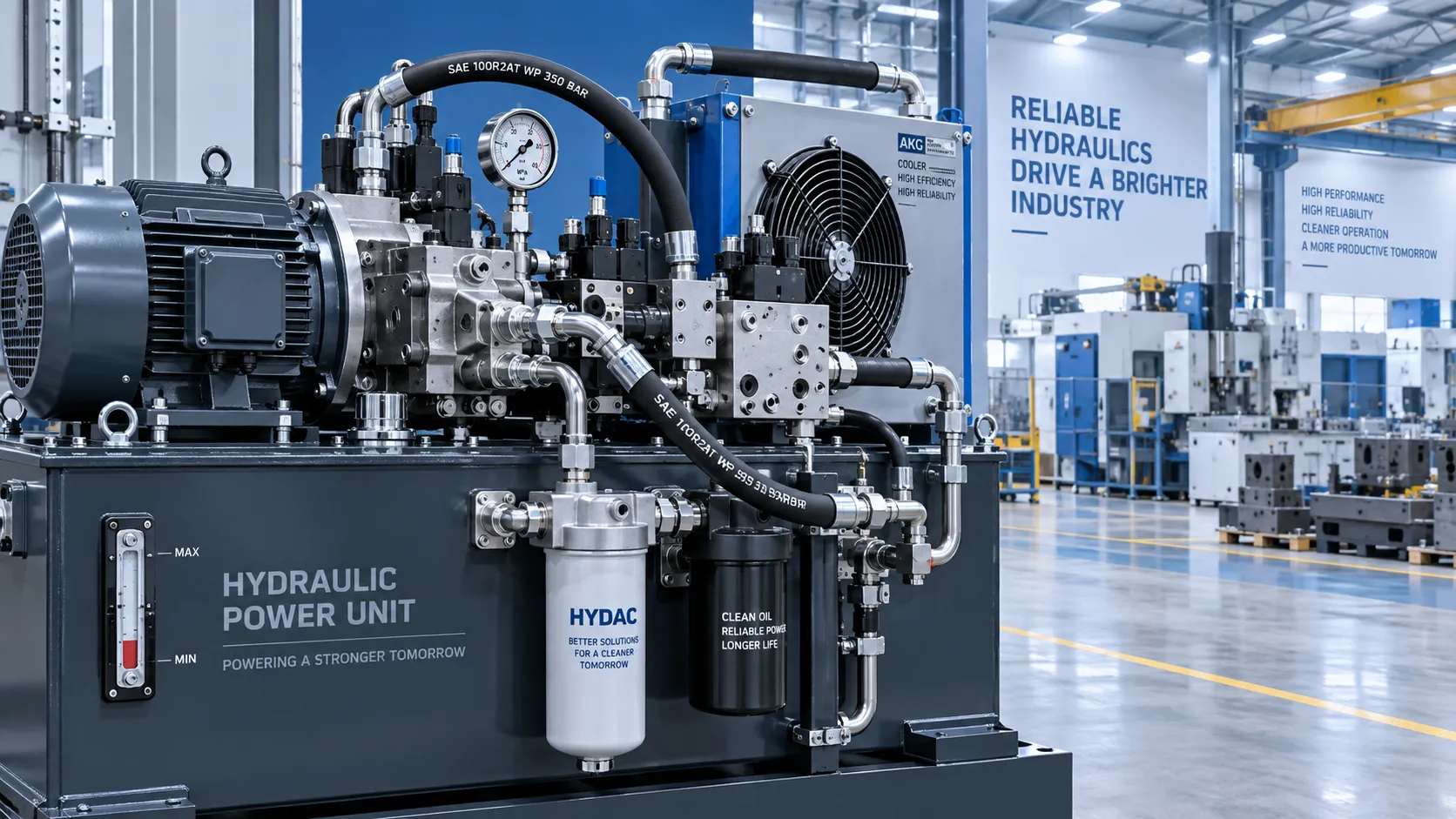
What Determines Industrial Hydraulic System Price for Heavy-Duty Equipment?
Industrial hydraulic system price depends on duty cycle, pressure, components, cooling, and integration. Compare quotes intelligently to secure reliable heavy-duty performance.
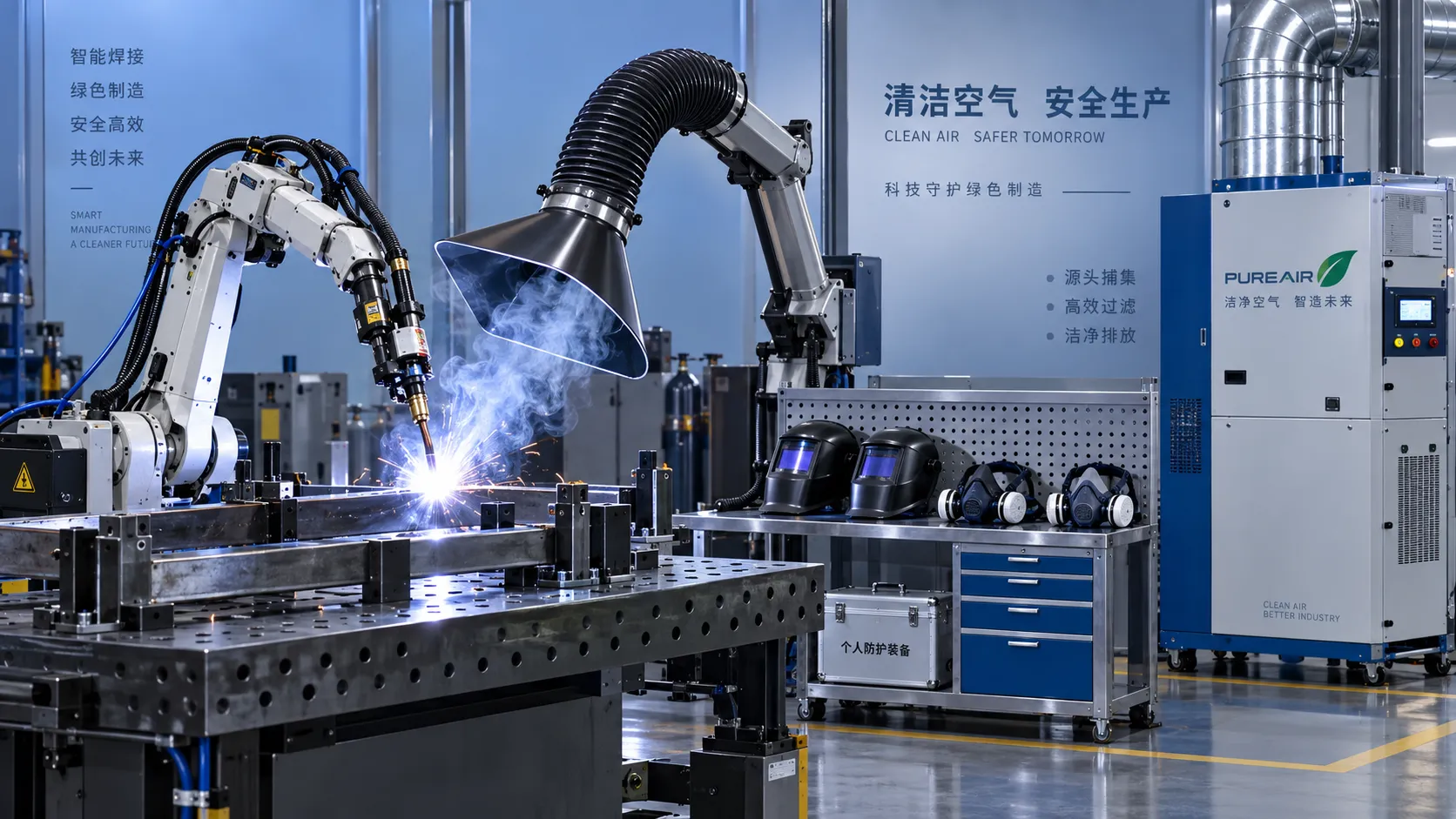
Welding Fume Extraction PPE: When Respirators Are Not Enough for Shop Safety
Welding fume extraction PPE: learn why respirators alone fall short and how source capture, ventilation, and layered controls improve shop safety.

How to Select Optical Metrology Solutions for Tight-Tolerance Manufacturing
Optical industrial metrology solutions for tight-tolerance manufacturing: evaluate accuracy, surface compatibility, workflow, and traceability to select with confidence.
Related News
- 00
0000-00
How to Select Battery Assembly Tools for Torque Control and High-Volume Production - 00
0000-00
How Battery, Torque, and Duty Cycle Affect Cordless Power Tool Efficiency - 00
0000-00
How to Size High-Torque Tool Motors for Continuous-Duty Assembly Lines - 00
0000-00
How to Choose 24V Brushless Tool Motors for Torque, Runtime, and Duty Cycle? - 00
0000-00
Automotive Repair Tools List: What Every Workshop Needs for Daily Service Jobs
Electro-Mech Tool Designer
Weekly Insights
Stay ahead with our curated technology reports delivered every Monday.