
Material Science Choices That Change Tool Life Faster





In tool selection and performance evaluation, material science often changes tool life faster than geometry or coatings alone. In real production, a strong substrate can outperform a smarter shape when heat, impact, corrosion, or abrasive dust increase without warning.
For industrial assembly, welding, cutting, drilling, fastening, and metrology support, material science defines how long a tool stays accurate, safe, and economical. It also shapes maintenance intervals, process stability, and replacement planning across mixed operating environments.
Within the broader view advanced by GPTWM, material science is not a laboratory topic alone. It is a practical decision framework linking alloy design, heat treatment, wear behavior, and joining compatibility to measurable service life.
Why material science matters more in some operating scenes
Tool life never fails for one reason only. Different scenes expose different weaknesses. A drill in stainless steel faces heat and edge rounding. A welding torch contact tip faces electrical erosion. A caliper jaw faces micro-wear and corrosion.
That is why material science must be judged by scene, not by brand claims alone. The best material in one application may become a cost burden or reliability risk in another process.
Four variables usually decide the outcome first:
- Substrate hardness versus required toughness
- Thermal stability at sustained operating temperature
- Wear mechanism, including abrasion, adhesion, and oxidation
- Compatibility with workpiece material and joining conditions
When these variables are mapped correctly, material science becomes a fast predictor of tool life, especially in high-cycle industrial tasks.
Scene 1: High-heat cutting and drilling where edge failure accelerates
In machining scenes, material science affects how quickly the cutting edge softens, chips, or oxidizes. This is especially visible in stainless steel, nickel alloys, hardened steel, and interrupted cutting conditions.
High-speed steel remains useful where shock tolerance matters. However, carbide grades usually deliver longer life when heat dominates. The reason is simple: hot hardness remains higher under sustained cutting temperatures.
Core judgment points for machining tools
- If chipping appears early, toughness may be too low.
- If edges round quickly, hot hardness may be insufficient.
- If built-up edge forms, chemical affinity may be too high.
- If wear is uneven, microstructure consistency may be poor.
Material science here is not only about hardness values. Grain size, binder content, and heat treatment quality often change failure speed more than catalog numbers suggest.
Scene 2: Welding contact and joining tools where heat and conductivity compete
In welding systems, material science directly affects electrical transfer, thermal dissipation, spatter resistance, and dimensional stability. Contact tips, nozzles, electrodes, and clamping parts all degrade under combined thermal and mechanical stress.
Copper alloys are common because conductivity matters. Yet pure conductivity is not enough. Strength at temperature, softening resistance, and compatibility with filler wire movement determine actual service life.
What changes tool life fastest in welding scenes
A contact tip with better conductivity may still wear faster if softening begins early. A harder alloy may resist deformation but increase friction or reduce heat flow. Material science must balance these tradeoffs carefully.
For handheld and automated welding, joining compatibility also matters. Surface reactions, contamination pickup, and arc instability can all shorten tool life, even when base material strength seems adequate.
Scene 3: Abrasive assembly and construction tasks where wear dominates
Grinding accessories, fastening bits, demolition tools, and hydraulic maintenance tools often fail through abrasion, impact, and dust contamination. In these scenes, material science must survive rough handling and inconsistent loading.
A very hard material may look attractive on paper. Yet if toughness is too low, edge fractures and micro-cracks spread quickly. Tool life then drops suddenly instead of gradually, raising downtime risk.
Material science indicators worth checking
- Impact resistance under shock loading
- Resistance to silica, scale, or concrete abrasion
- Surface stability after repeated thermal cycling
- Resistance to corrosion in outdoor or humid storage
In cross-industry field use, material science should be judged with contamination exposure in mind. Dust, coolant residue, and corrosion often reduce tool life faster than nominal load ratings indicate.
Scene 4: Precision measurement and alignment tools where micro-wear changes accuracy
Not every tool fails by breaking. In metrology, material science influences long-term accuracy, contact surface integrity, corrosion resistance, and thermal expansion behavior. Small wear can create large measurement errors over time.
Calipers, micrometers, gauges, and alignment fixtures benefit from stable alloys and carefully controlled hardening. Here, material science supports dimensional repeatability rather than visible durability alone.
Key evaluation points in precision tools
Look beyond surface finish. Check thermal drift, jaw face wear, oxidation behavior, and residual stress after hardening. These factors decide whether a precision tool stays trustworthy after repeated industrial handling.
How different scenes change material science priorities
Practical material science choices that improve scene fit
A useful tool-life decision process starts with failure mode mapping. Instead of asking which material is strongest, ask which material science profile matches the exact stress pattern.
- Identify the first visible failure, not the final broken condition.
- Separate heat damage from abrasion, adhesion, and impact.
- Compare substrate behavior before evaluating coatings.
- Check whether joining, conductivity, or corrosion changes the result.
- Validate with short-cycle field data, not only laboratory claims.
This approach makes material science actionable across general industry. It also improves total operating cost estimates because replacement frequency, scrap risk, and process interruptions become easier to predict.
Common misjudgments that shorten tool life
One common error is treating hardness as the universal answer. In many scenes, harder materials fail faster because they lose toughness, crack under shock, or become sensitive to poor thermal management.
Another mistake is assuming coatings can rescue a weak substrate. Coatings help, but material science at the base still governs heat flow, crack resistance, and structural support.
A third oversight is ignoring workpiece compatibility. Some alloys react unfavorably with certain tool materials, increasing adhesion, galling, or diffusion wear. Tool life then falls even when machine settings seem correct.
Finally, many evaluations miss secondary exposure. Storage humidity, cleaning chemicals, and idle-time corrosion can damage edges, contacts, and measuring faces before active use begins.
Next-step actions for stronger tool-life decisions
Start by reviewing tool failures through a material science lens. Group them by heat, wear, impact, conductivity, and dimensional drift. Then connect each group to a realistic operating scene.
Use that record to compare alternative alloys, heat treatments, and substrate families. Even small changes in material science can produce faster gains than major geometry changes in demanding industrial conditions.
For organizations following GPTWM intelligence, this scene-based method supports better decisions across assembly, welding, maintenance, and metrology. Precision tools perform best when material science is matched to the real environment, not the average brochure case.
When tool life drops unexpectedly, revisit material science first. In many industrial scenes, it is the fastest lever for durability, stability, and long-term value.
Related News
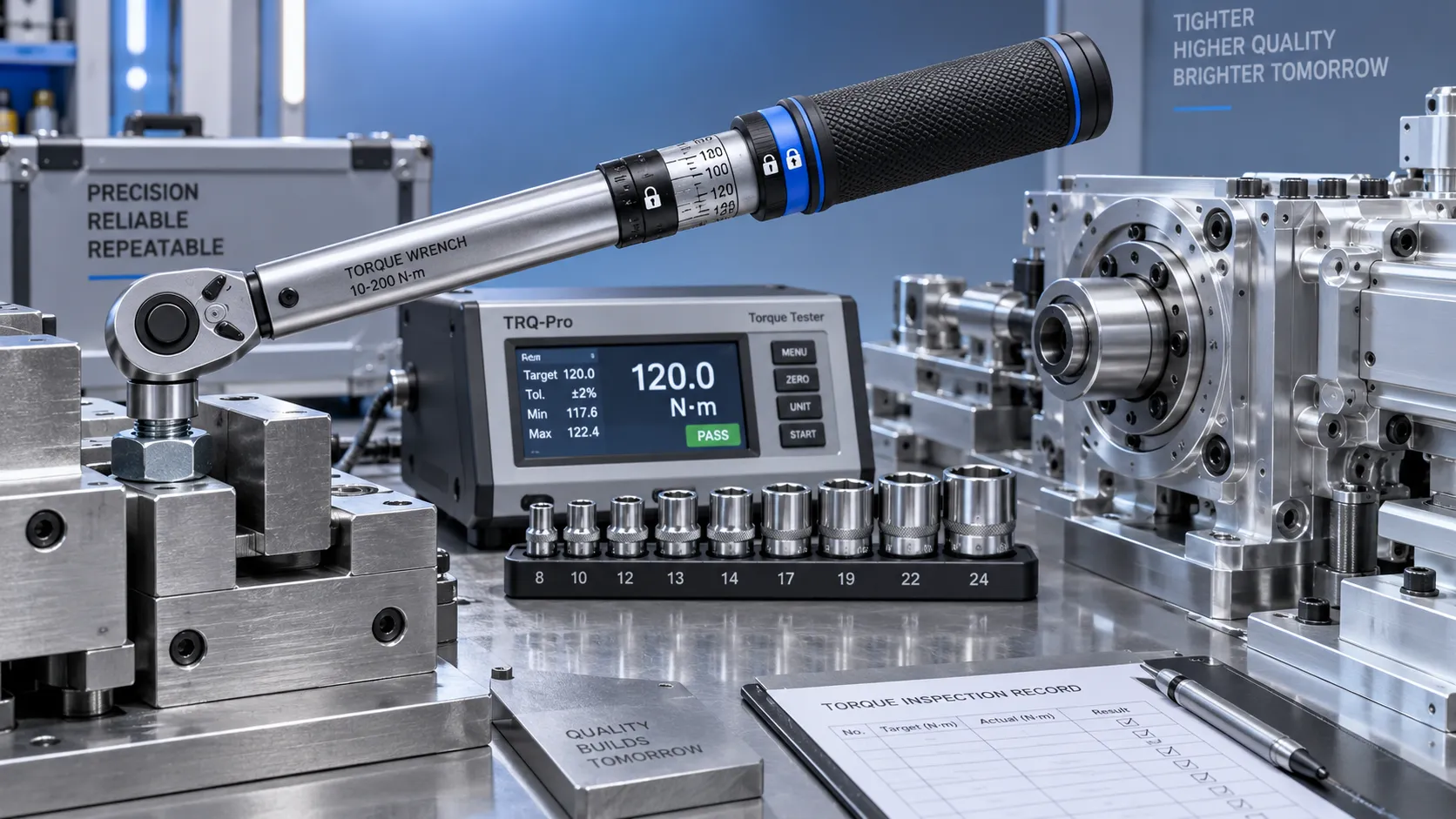
Selecting Adjustable Torque Tools for Repeatable Fastener Assembly
Adjustable torque tools: learn how to match range, accuracy, control methods, calibration, and ergonomics for repeatable, reliable fastener assembly.

How to Select Aerospace Inspection Tools for Aircraft Maintenance Tasks
Aerospace maintenance inspection tools: learn how to select reliable, traceable equipment for aircraft access, accuracy, calibration, and compliant maintenance decisions.

How to Select Wire Bonding Tools for Fine-Pitch Semiconductor Packaging
Explore semiconductor manufacturing tools for wire bonding and learn how to select precision solutions for fine-pitch packaging, reliable loops, accuracy, and yield.
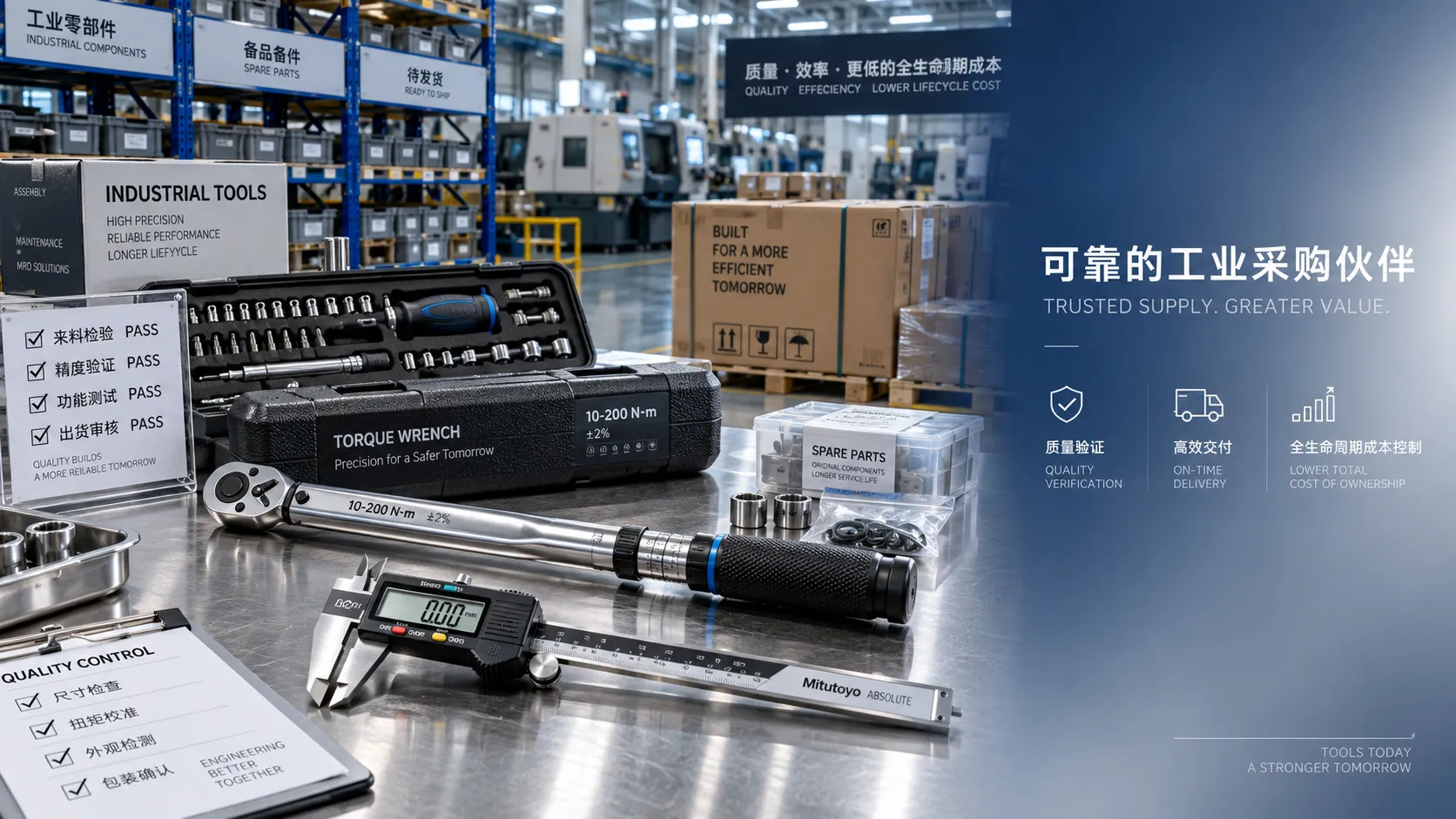
How to Compare Industrial Tool Suppliers for Quality, Lead Time, and Total Cost
Industrial tool selection supplier comparison made simple: evaluate quality, lead times, total cost, service, and supply resilience for confident sourcing decisions.
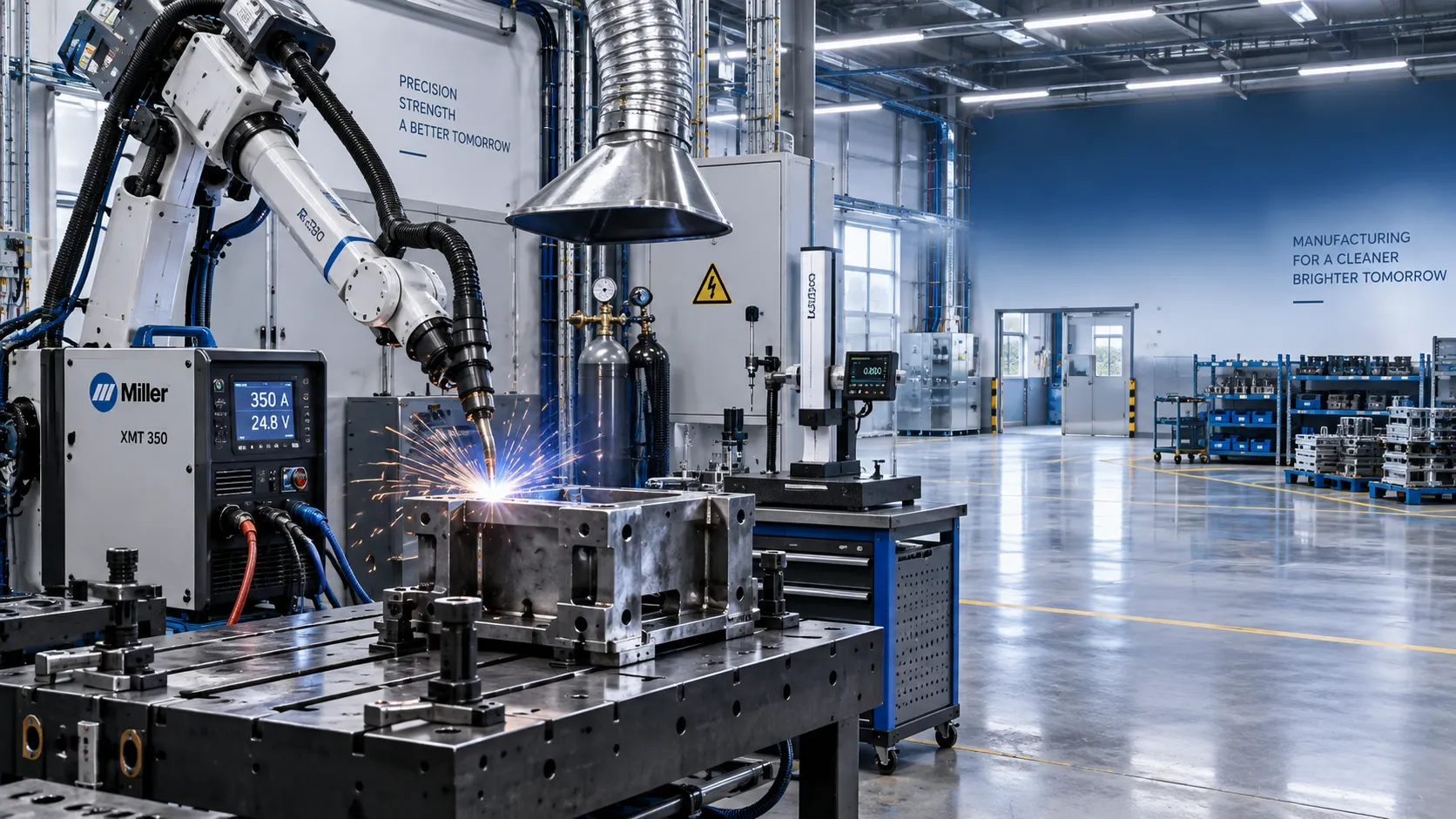
Industrial Equipment Application Guidance: Match Machines to Operating Conditions
Application guidance industrial equipment: match capacity, duty cycle, materials, site conditions, safety, and lifecycle cost to improve reliable output. Read the guide.
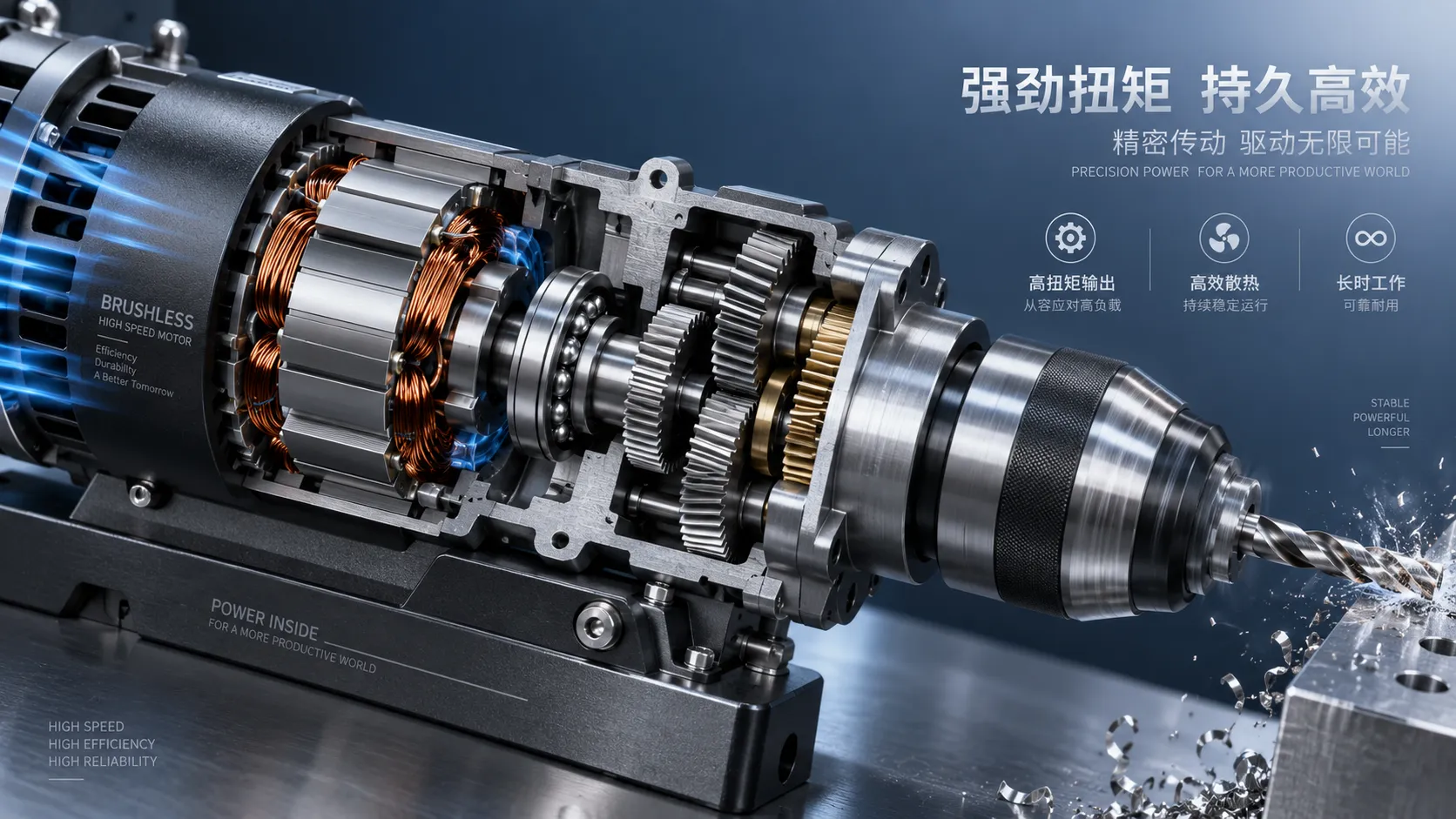
Selecting High-Speed Brushless Tool Motors for Torque, Heat, and Duty Cycle
High speed brushless tool motors: learn how to balance torque, heat, gearing, and duty cycle for reliable industrial tool performance and longer service life.
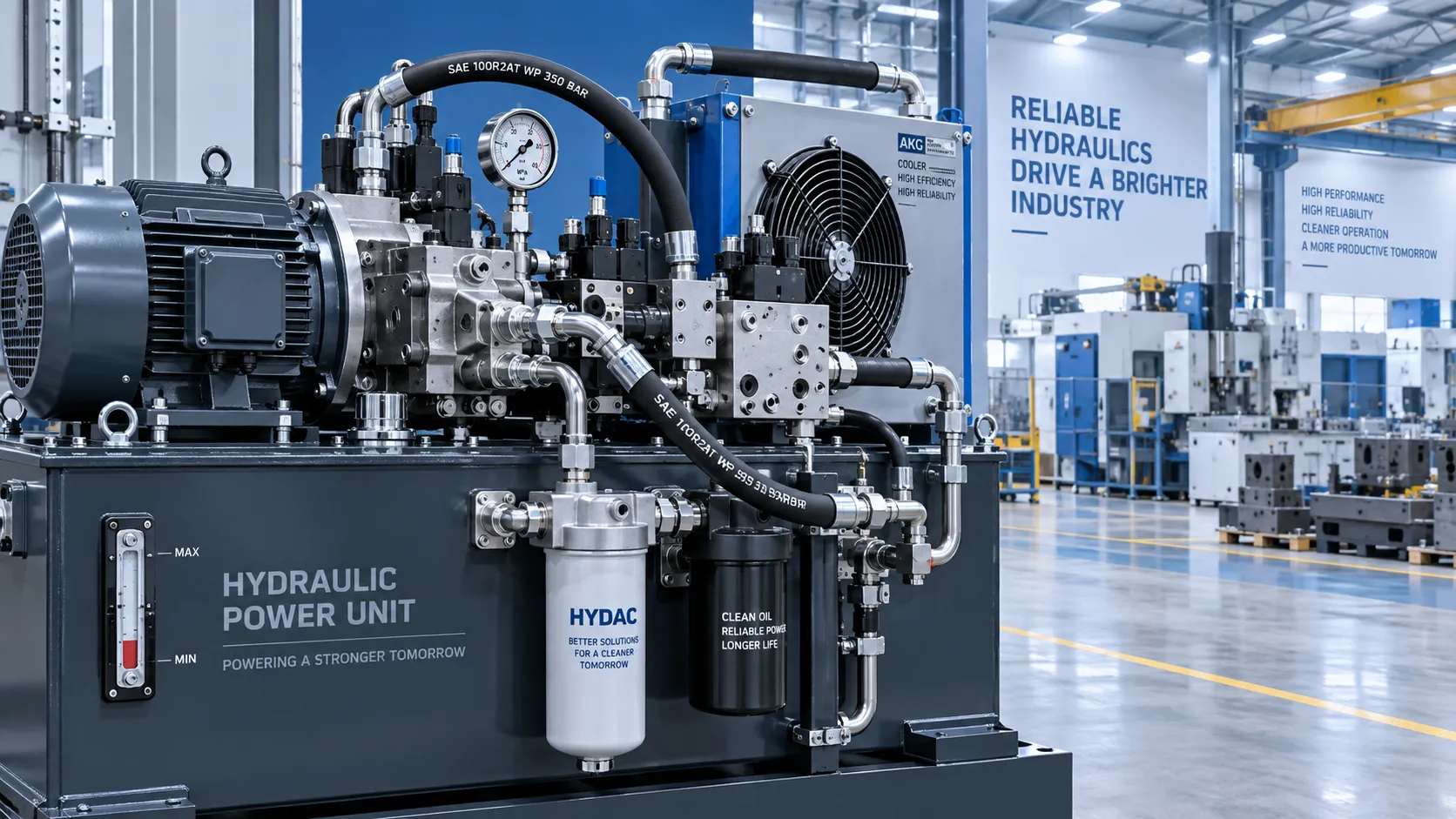
What Determines Industrial Hydraulic System Price for Heavy-Duty Equipment?
Industrial hydraulic system price depends on duty cycle, pressure, components, cooling, and integration. Compare quotes intelligently to secure reliable heavy-duty performance.
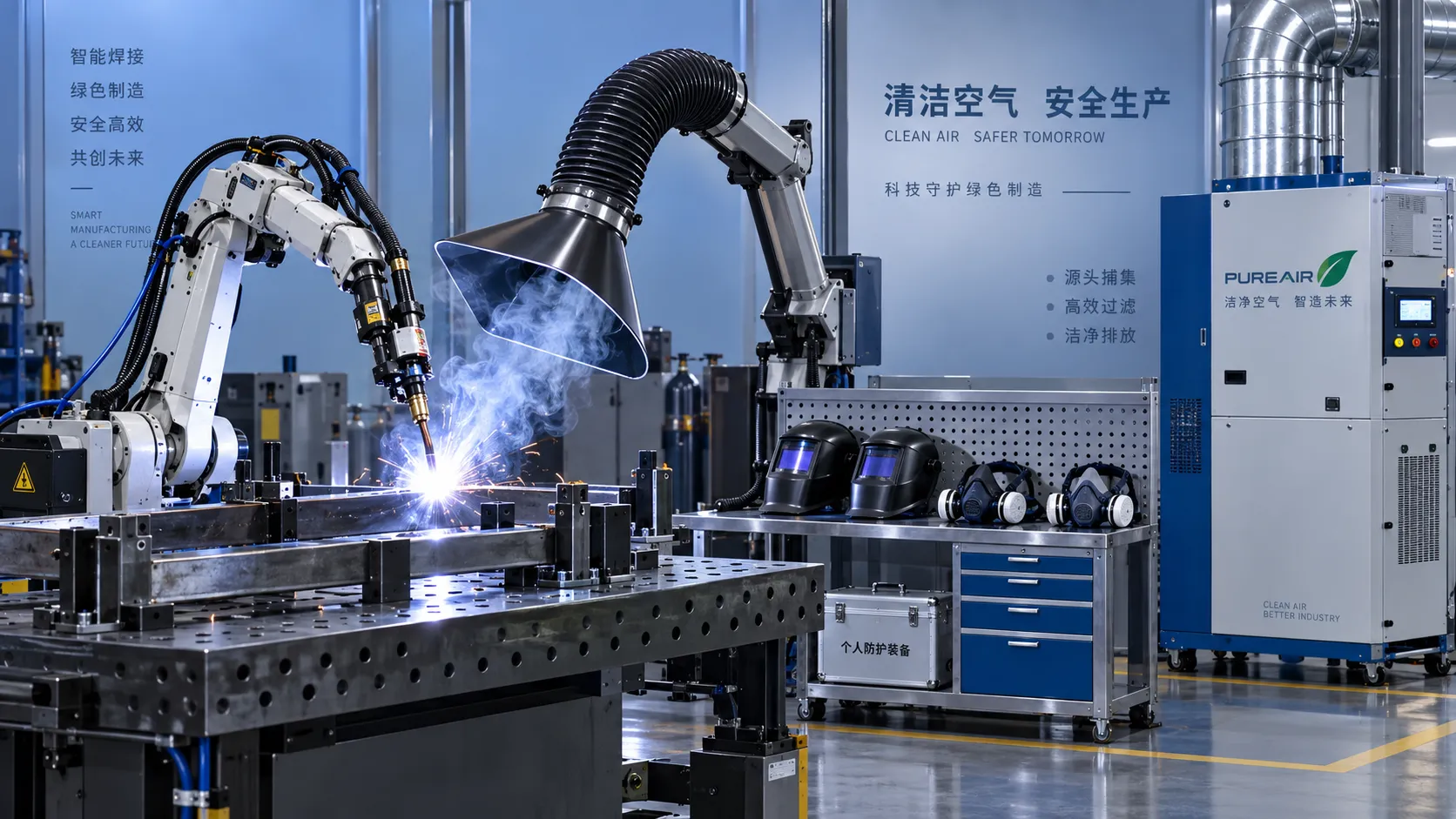
Welding Fume Extraction PPE: When Respirators Are Not Enough for Shop Safety
Welding fume extraction PPE: learn why respirators alone fall short and how source capture, ventilation, and layered controls improve shop safety.
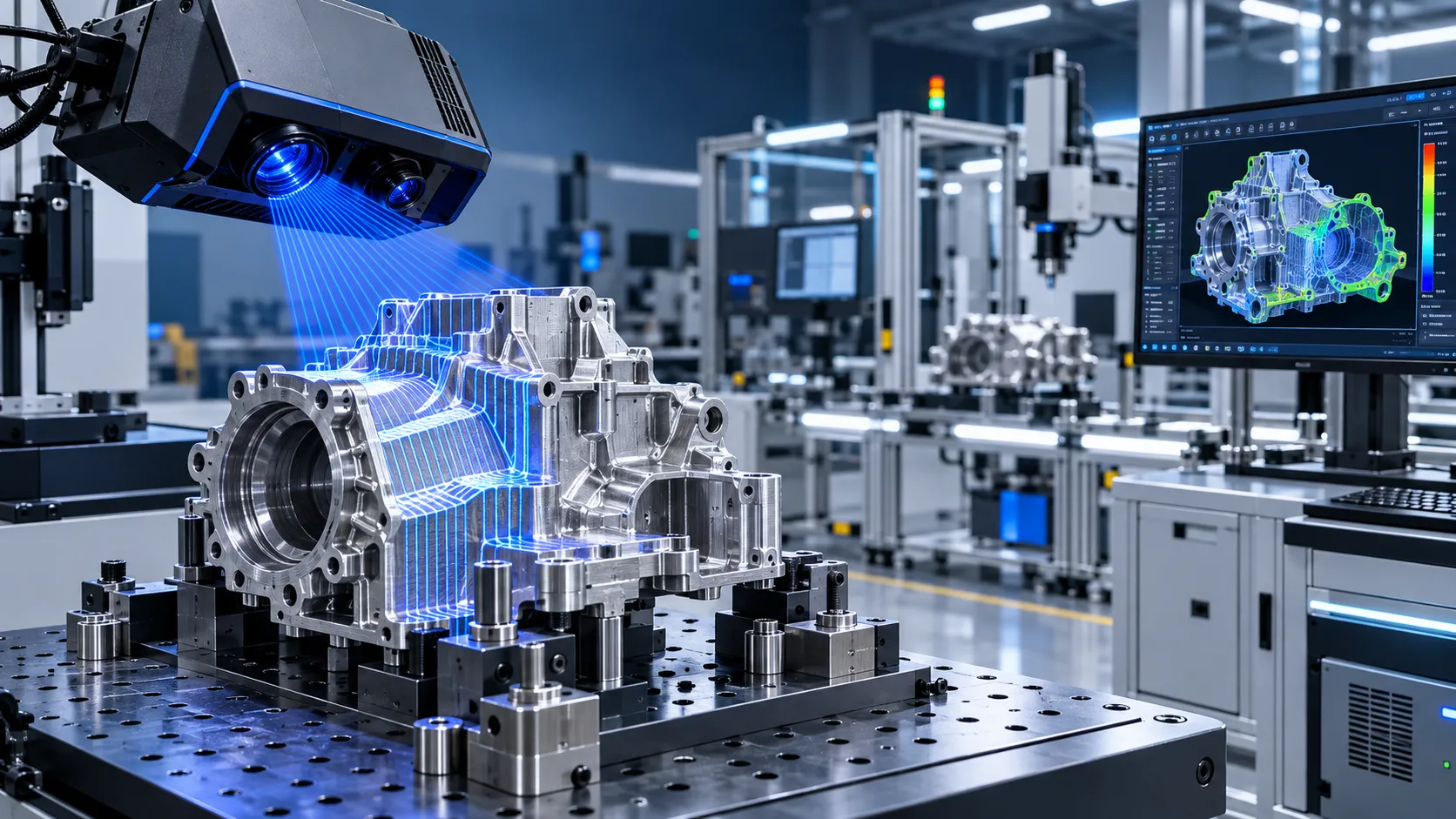
How to Select Optical Metrology Solutions for Tight-Tolerance Manufacturing
Optical industrial metrology solutions for tight-tolerance manufacturing: evaluate accuracy, surface compatibility, workflow, and traceability to select with confidence.
Related News
- 00
0000-00
Selecting Adjustable Torque Tools for Repeatable Fastener Assembly - 00
0000-00
How to Select Aerospace Inspection Tools for Aircraft Maintenance Tasks - 00
0000-00
How to Select Wire Bonding Tools for Fine-Pitch Semiconductor Packaging - 00
0000-00
Industrial Equipment Application Guidance: Match Machines to Operating Conditions - 00
0000-00
Selecting High-Speed Brushless Tool Motors for Torque, Heat, and Duty Cycle
Prof. Marcus Chen
Weekly Insights
Stay ahead with our curated technology reports delivered every Monday.