
Industrial Innovation Looks Promising, but What Scales?





Industrial innovation is reshaping global manufacturing at a remarkable pace, yet one question decides long-term value: what actually scales across plants, regions, and use cases?
That question matters because promising pilots often fail when real production variables appear, including labor gaps, compliance burdens, maintenance complexity, and cost volatility.
In assembly, welding, and precision metrology, scalable industrial innovation usually combines measurable efficiency, operator safety, process repeatability, and integration with existing workflows.
For platforms like GPTWM, the real value lies in connecting market intelligence with practical adoption signals, so innovation decisions are based on evidence rather than excitement.
What does scalable industrial innovation actually mean?
Scalable industrial innovation is not simply a new tool, smarter software, or a faster machine. It is an improvement that keeps delivering value when deployment expands.
A scalable solution performs reliably across different operators, facilities, product lines, and regulatory environments without losing its efficiency advantage.
In industrial settings, scale depends on five practical tests:
- Can the process be repeated with stable quality?
- Can teams learn it quickly and safely?
- Can maintenance be managed without specialist bottlenecks?
- Can it connect with current systems and standards?
- Can the business case survive raw material and energy shifts?
This is why industrial innovation often succeeds first in narrow tasks, then expands only after proving throughput, safety, and total cost control.
For example, an intelligent torque system may look impressive in testing, but only scales when calibration, data transfer, and training remain simple in daily use.
Which types of industrial innovation are showing the strongest scaling potential?
Not every breakthrough moves beyond demonstration. The strongest candidates usually solve expensive, repeated, and measurable production problems.
Across comprehensive industry applications, several categories stand out.
1. Precision metrology with digital traceability
Digital metrology scales well because it reduces rework, shortens inspection time, and supports quality documentation across global supply chains.
When gauges, calipers, and connected measuring systems feed data into quality records, error detection becomes faster and corrective action becomes easier.
2. Handheld laser welding with stronger safety controls
Handheld laser welding has strong industrial innovation potential where speed, heat control, and cleaner joints matter, especially in repair and thin-material applications.
Its scaling path, however, depends heavily on training discipline, enclosure strategy, protective standards, and clear operating procedures.
3. Brushless power tools and ergonomic electrification
Brushless systems scale because they typically lower maintenance, improve energy efficiency, and support lighter, more ergonomic tool designs.
That matters in high-frequency assembly work, where uptime and operator fatigue directly influence output and consistency.
4. IoT-based torque and process control
Connected fastening and torque verification systems are scaling because they bring visibility to one of production’s most common hidden risks: inconsistent process execution.
When data is reliable and actionable, industrial innovation shifts from isolated equipment upgrades to full process intelligence.
How can businesses tell whether industrial innovation will scale or stall?
The best indicator is not novelty. It is operational fit under real constraints.
Before expanding any industrial innovation, evaluate four decision layers: technical, organizational, economic, and ecosystem readiness.
If one layer is weak, scale usually slows. A powerful tool without service coverage or standards alignment rarely becomes broad industrial innovation.
Another useful test is transferability. If one site’s success depends on one expert, one supplier, or one unusual condition, scaling risk remains high.
Where does industrial innovation create the clearest value first?
Industrial innovation scales fastest where inefficiency is already visible, frequent, and costly. These environments provide the quickest proof of value.
The clearest early wins often appear in the following scenarios:
- High-volume assembly requiring repeatable fastening quality
- Fabrication lines where weld distortion or rework is frequent
- Inspection workflows slowed by manual recordkeeping
- Maintenance operations needing portable, efficient joining tools
- Cross-border production needing unified quality documentation
In these cases, industrial innovation does not need a perfect digital transformation story. It needs a clear reduction in waste, delay, defects, or downtime.
This is especially relevant in automotive support, aerospace maintenance, construction equipment servicing, and precision component manufacturing.
GPTWM’s intelligence approach is valuable here because market adoption patterns often reveal where scale is becoming practical, not just technically possible.
What common mistakes stop industrial innovation from scaling?
Many industrial innovation programs fail for simple reasons. They chase impressive capability while underestimating implementation discipline.
The most common mistakes include:
- Confusing pilot success with production readiness
- Ignoring operator ergonomics and training burden
- Overlooking calibration, maintenance, or consumable costs
- Adding disconnected digital tools without workflow integration
- Treating compliance and safety as secondary issues
A classic example is advanced welding adoption without a full safety framework. Performance may be excellent, yet scaling becomes impossible under compliance pressure.
Another mistake is buying data-rich systems without deciding who will interpret the data, act on alarms, and maintain digital records.
Industrial innovation scales when governance is designed alongside technology, not after rollout problems appear.
How should companies compare industrial innovation options before investing?
A useful comparison method is to score each option against business friction, not marketing claims. The best choice usually removes the most persistent operational bottleneck.
This framework helps separate scalable industrial innovation from attractive but narrow technical upgrades.
It also supports better timing decisions, because some technologies are ready for broad use now, while others still need standards maturity.
What does the next phase of industrial innovation look like?
The next phase will likely reward technologies that combine precision, portability, intelligence, and interoperability rather than pure automation alone.
In practical terms, that means more connected tools, more traceable measurement, safer advanced joining systems, and stronger ergonomic design standards.
Industrial innovation will also be judged more harshly by its ability to function across fragmented global supply chains and changing export requirements.
That is why intelligence platforms matter. They reveal not just inventions, but adoption conditions, regulatory signals, and commercial demand structures.
Industrial innovation looks promising because the technical toolkit is stronger than ever. What scales, however, will be what stays useful under pressure.
The best next step is simple: map one high-cost workflow, test one measurable improvement, and validate whether the result can repeat across people and sites.
When industrial innovation is evaluated through repeatability, safety, lifecycle economics, and market intelligence, scaling becomes a strategic process rather than a gamble.
Related News
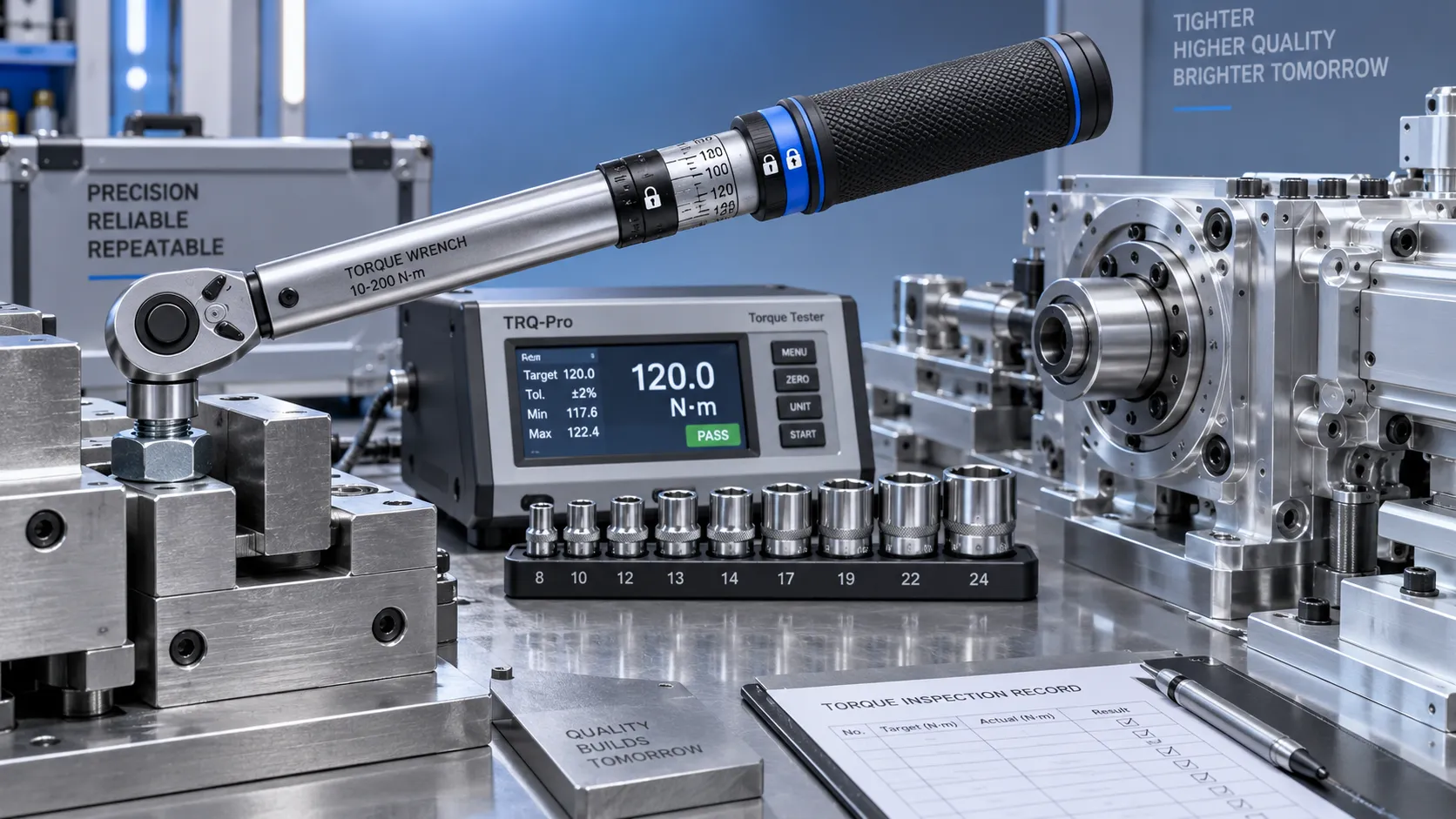
Selecting Adjustable Torque Tools for Repeatable Fastener Assembly
Adjustable torque tools: learn how to match range, accuracy, control methods, calibration, and ergonomics for repeatable, reliable fastener assembly.

How to Select Aerospace Inspection Tools for Aircraft Maintenance Tasks
Aerospace maintenance inspection tools: learn how to select reliable, traceable equipment for aircraft access, accuracy, calibration, and compliant maintenance decisions.
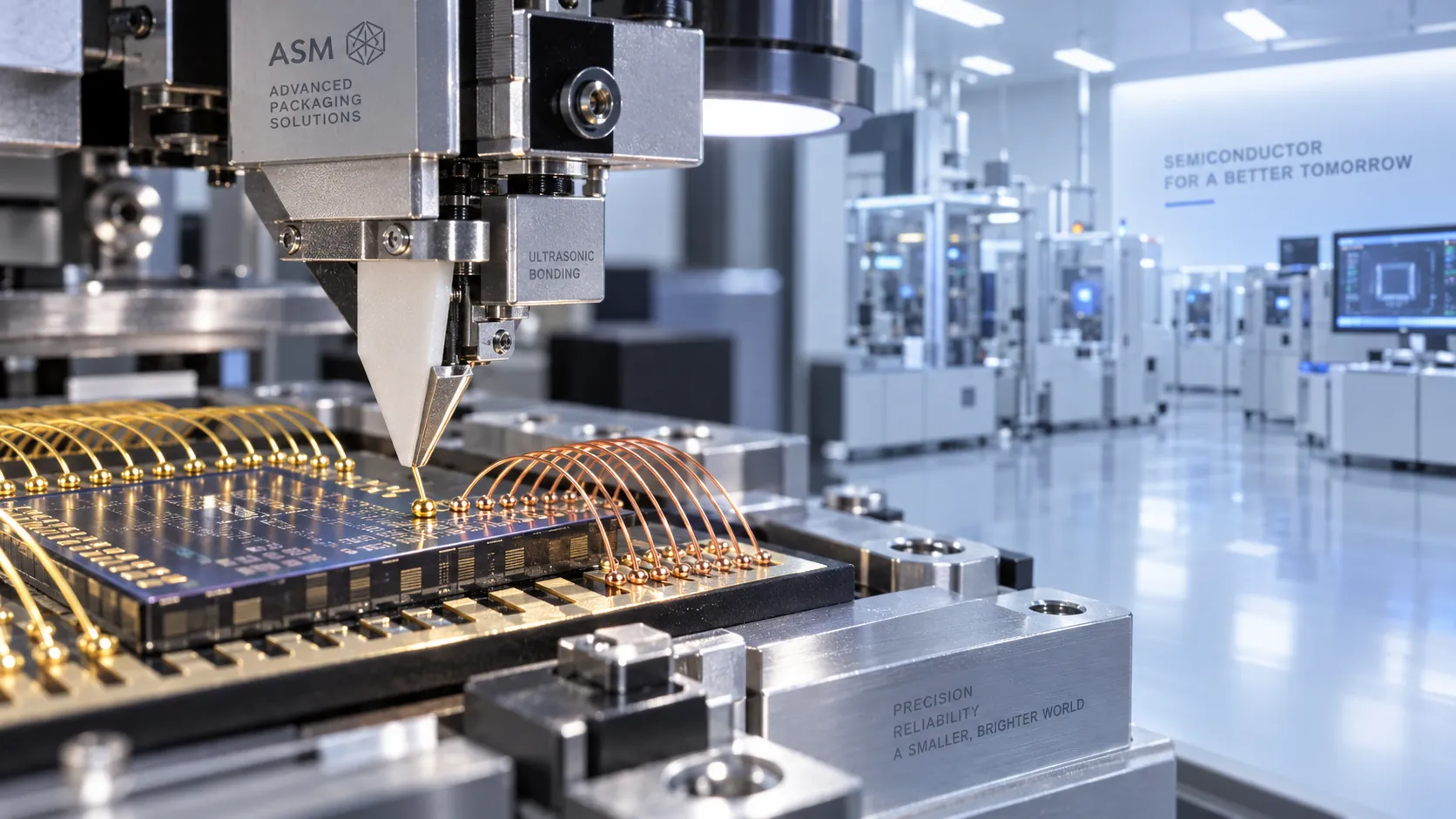
How to Select Wire Bonding Tools for Fine-Pitch Semiconductor Packaging
Explore semiconductor manufacturing tools for wire bonding and learn how to select precision solutions for fine-pitch packaging, reliable loops, accuracy, and yield.
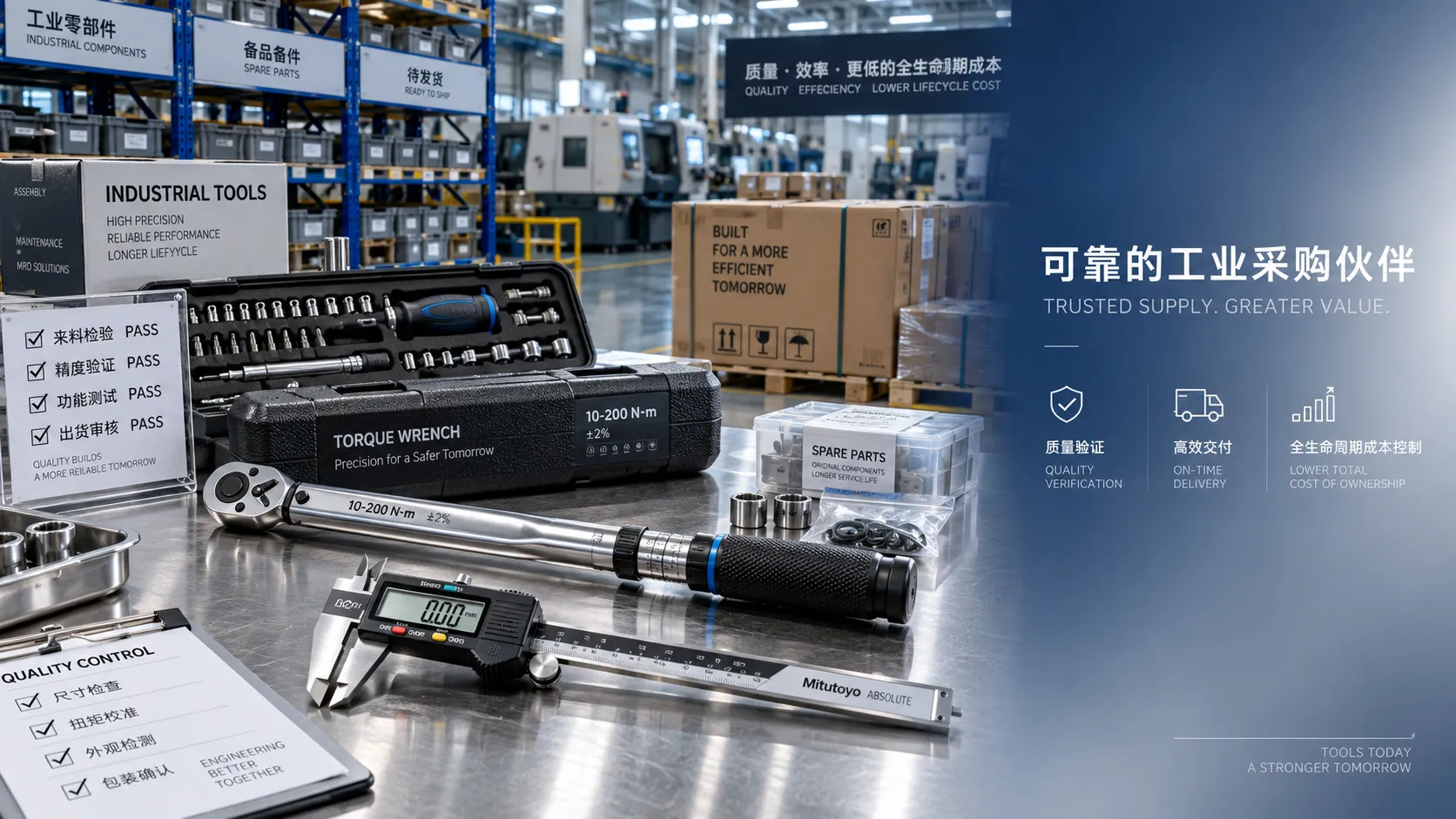
How to Compare Industrial Tool Suppliers for Quality, Lead Time, and Total Cost
Industrial tool selection supplier comparison made simple: evaluate quality, lead times, total cost, service, and supply resilience for confident sourcing decisions.
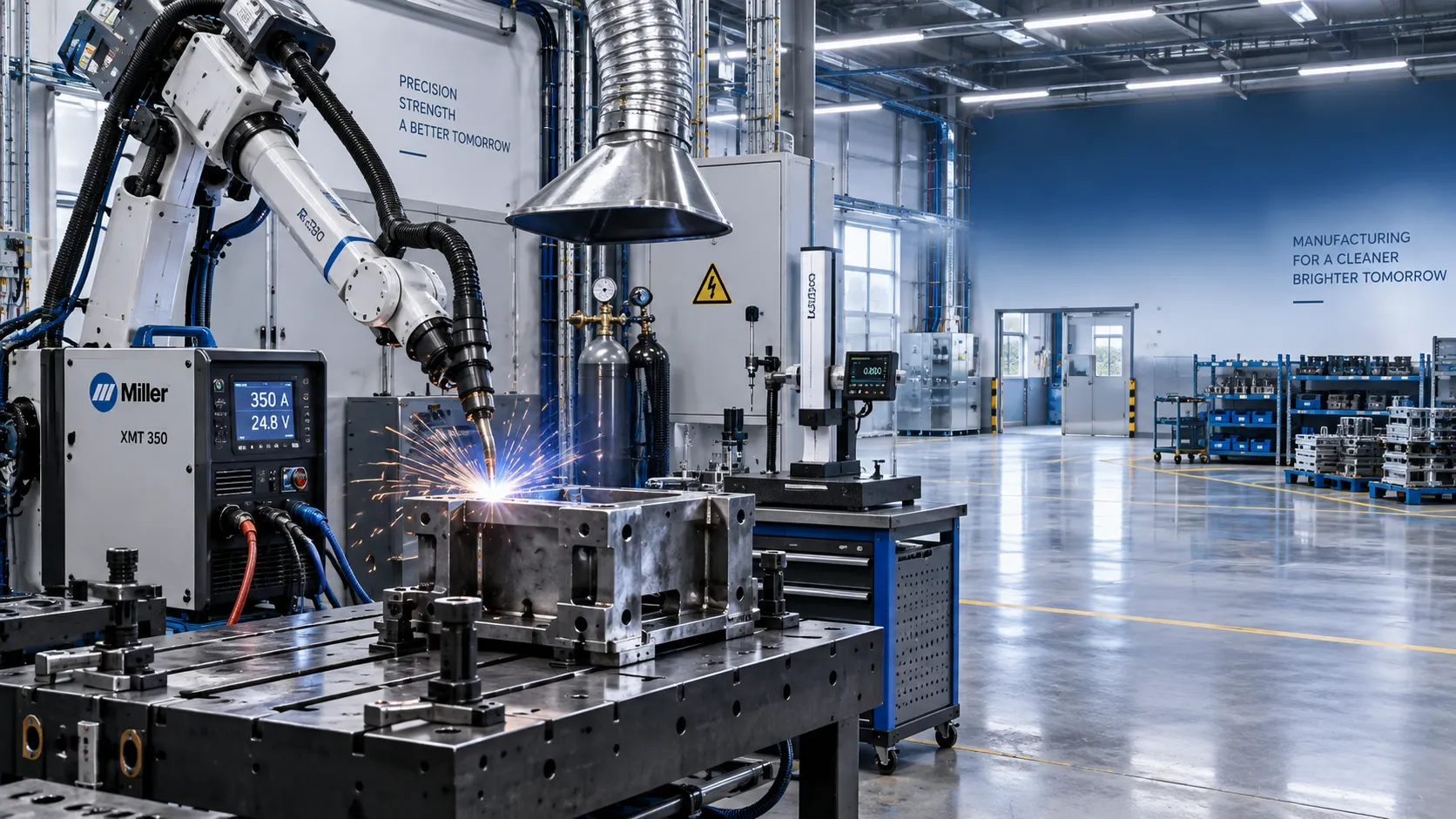
Industrial Equipment Application Guidance: Match Machines to Operating Conditions
Application guidance industrial equipment: match capacity, duty cycle, materials, site conditions, safety, and lifecycle cost to improve reliable output. Read the guide.
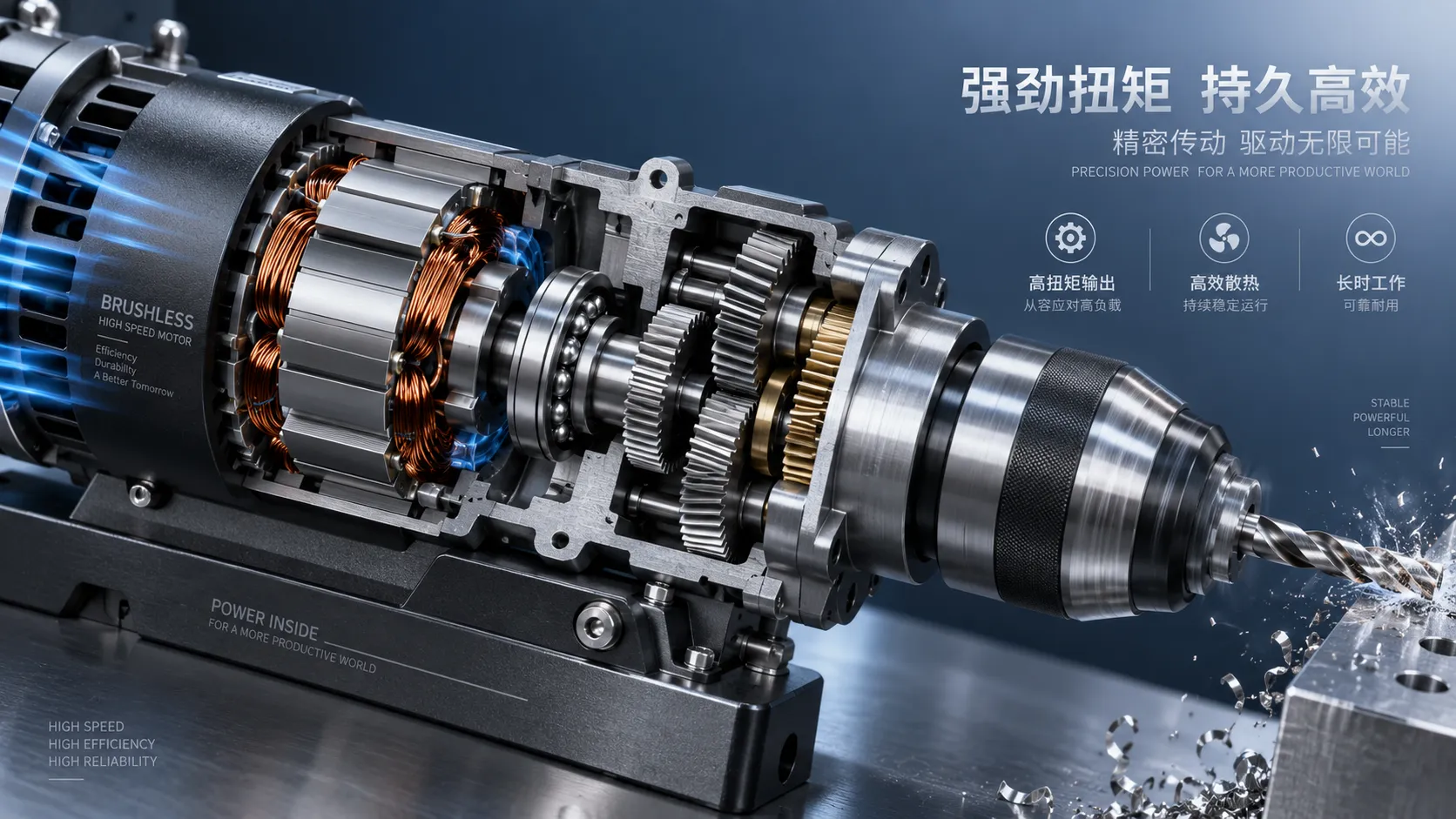
Selecting High-Speed Brushless Tool Motors for Torque, Heat, and Duty Cycle
High speed brushless tool motors: learn how to balance torque, heat, gearing, and duty cycle for reliable industrial tool performance and longer service life.
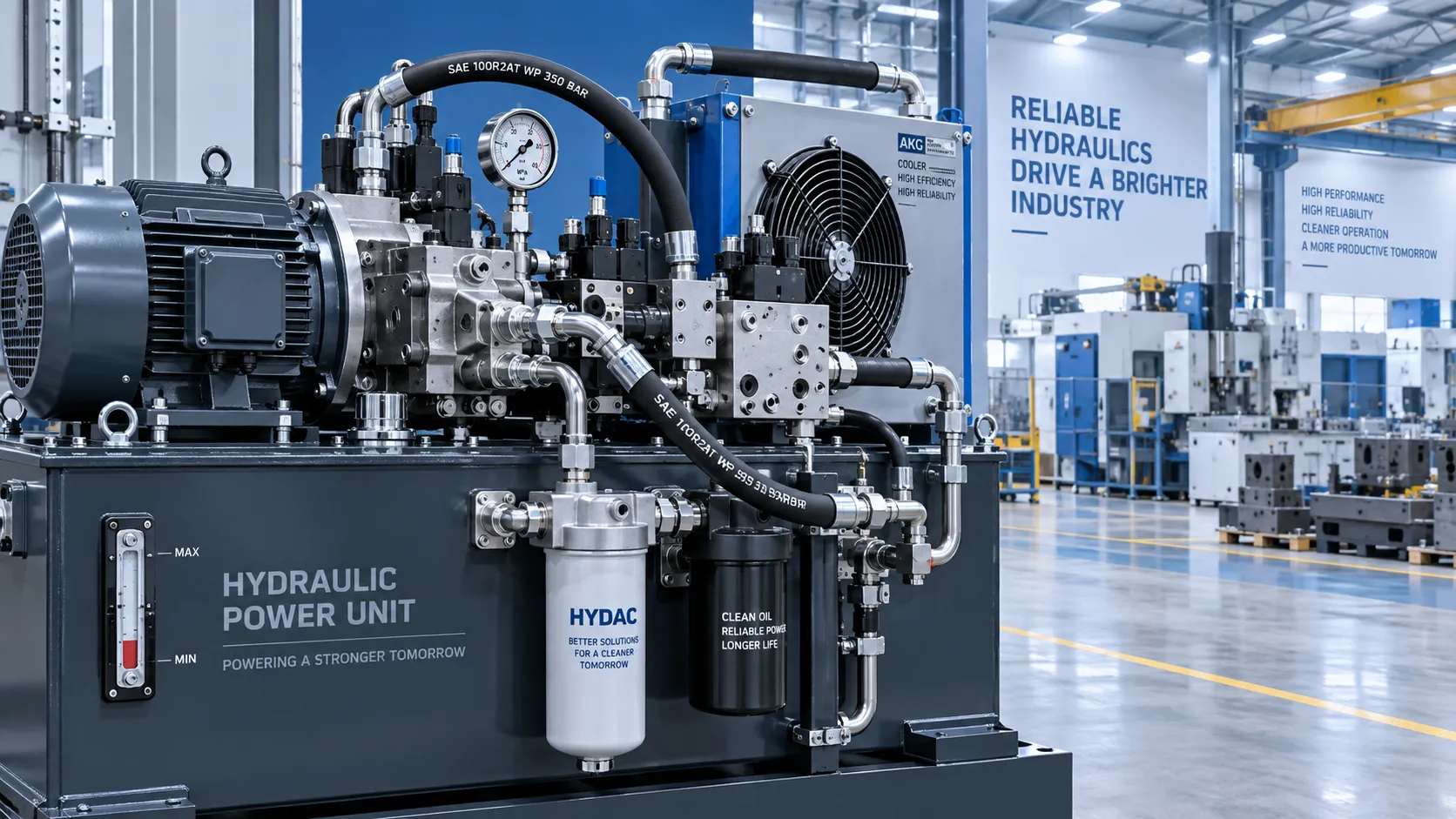
What Determines Industrial Hydraulic System Price for Heavy-Duty Equipment?
Industrial hydraulic system price depends on duty cycle, pressure, components, cooling, and integration. Compare quotes intelligently to secure reliable heavy-duty performance.
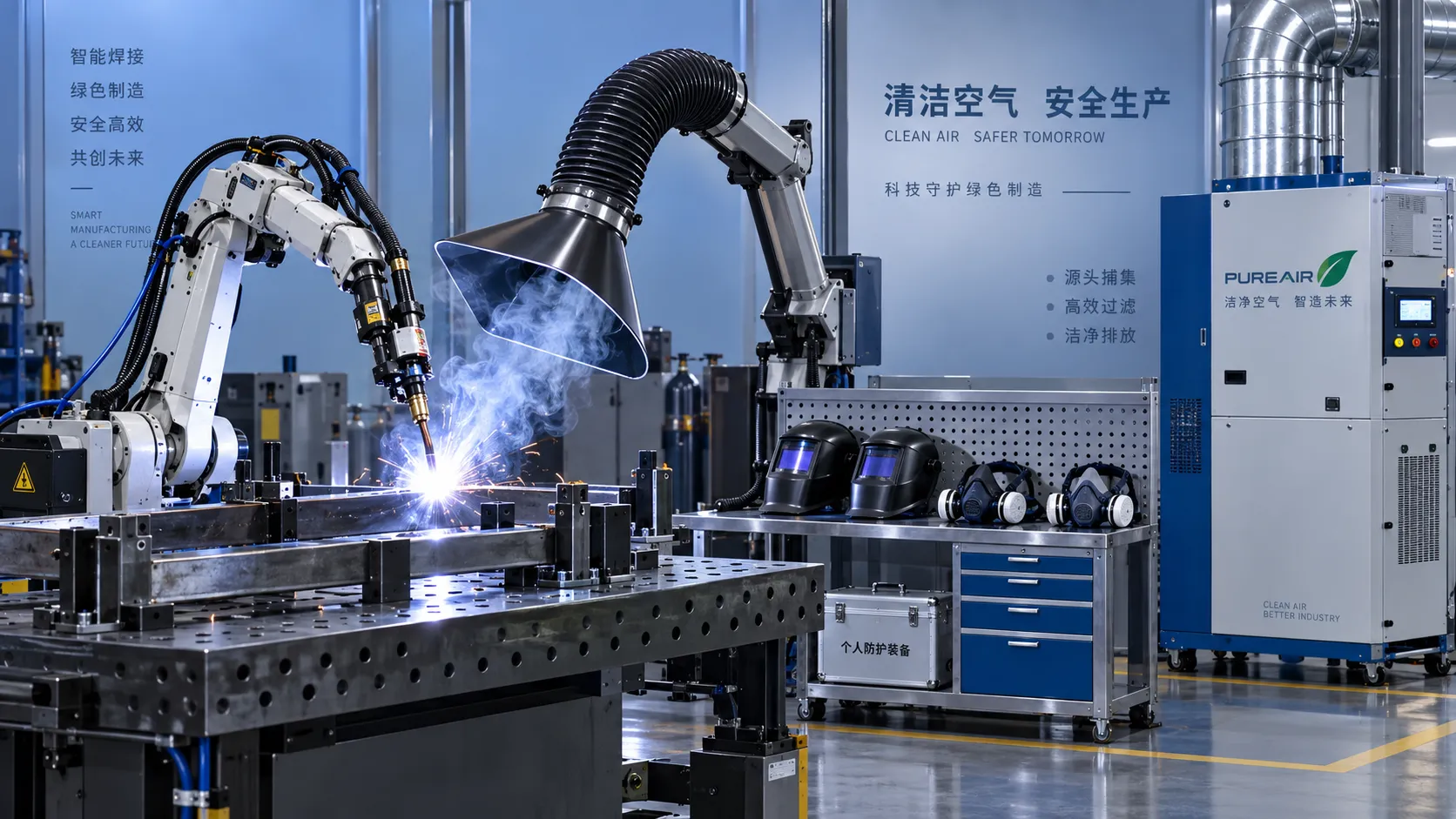
Welding Fume Extraction PPE: When Respirators Are Not Enough for Shop Safety
Welding fume extraction PPE: learn why respirators alone fall short and how source capture, ventilation, and layered controls improve shop safety.
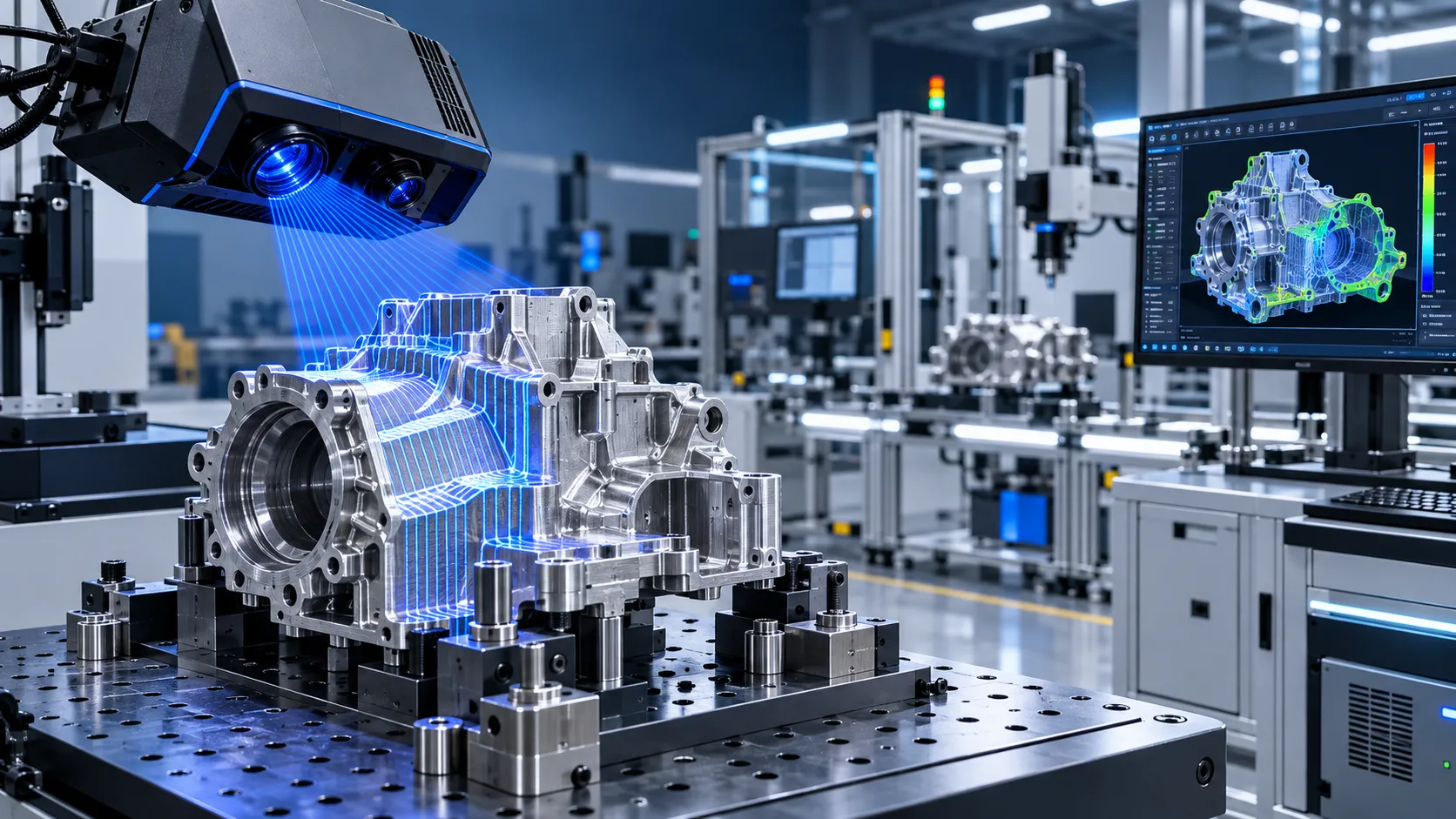
How to Select Optical Metrology Solutions for Tight-Tolerance Manufacturing
Optical industrial metrology solutions for tight-tolerance manufacturing: evaluate accuracy, surface compatibility, workflow, and traceability to select with confidence.
Related News
- 00
0000-00
How Middle East Manufacturers Can Improve Production Efficiency Under Heat and Labor Constraints - 00
0000-00
Why Are Specification-Oriented Articles Gaining Traction in Europe’s B2B Markets? - 00
0000-00
Industrial Solutions in Latin America: Key Growth Sectors and Market Entry Risks - 00
0000-00
What Is Driving Manufacturing Efficiency in Europe’s Industrial Sectors? - 00
0000-00
Industrial Market Trends in 2025: What Buyers Should Watch Across Supply and Demand
Dr. Alistair Vaughn
Weekly Insights
Stay ahead with our curated technology reports delivered every Monday.