
Precision Engineering Errors That Raise Rework Costs





In precision engineering, rework rarely starts with a dramatic failure. It usually begins with a small deviation, a missed tolerance, or a weak handoff between design and production.
Those small breaks compound across machining, welding, inspection, and assembly. The result is higher scrap, delayed delivery, unstable quality, and rising labor consumption.
Across complex industrial operations, precision engineering is no longer only a technical discipline. It is a cost-control system that directly affects throughput, compliance, and customer confidence.
This article reviews the most common precision engineering errors that raise rework costs, explains why they persist, and outlines practical controls that improve process reliability.
Precision Engineering and the Cost of Variation
Precision engineering focuses on achieving defined dimensions, repeatable motion, stable joining quality, and verified measurement integrity within narrow limits.
In general industry, this applies to fabricated structures, automotive parts, aerospace maintenance, toolmaking, energy equipment, and industrial repair operations.
Rework costs rise when variation escapes early controls. A feature that is slightly out of position can force re-machining, re-welding, reinspection, or total replacement.
The danger is not only direct labor. Precision engineering errors also create hidden losses in downtime, expedited materials, warranty exposure, and schedule disruption.
Why small errors become expensive
- Tolerance stack-up affects multiple downstream features.
- Nonconforming parts consume inspection and containment time.
- Corrective welding or machining may weaken base materials.
- Production flow slows while teams verify root cause.
- Delivery risk increases when replacement parts require urgent processing.
Current Industry Signals Behind Precision Engineering Failures
Several industry trends are making precision engineering more difficult to manage. Tighter delivery windows and mixed production volumes leave less room for trial-and-error correction.
At the same time, global supply variation affects material consistency, tooling quality, and calibration access. This widens the risk of hidden process drift.
These pressures make process discipline essential. Precision engineering succeeds when measurement, tooling, joining, and documentation behave as one controlled system.
Common Precision Engineering Errors That Raise Rework Costs
Incomplete tolerance definition
Many rework events begin in design release. Drawings may define nominal dimensions clearly, but functional tolerances, datums, or surface requirements remain vague.
Without exact interpretation rules, fabrication teams make local decisions. Those decisions often differ across shifts, suppliers, or inspection stations.
Uncontrolled measurement systems
Precision engineering depends on trusted measurement. If gauges are worn, calibration intervals are weak, or measurement methods differ, defect signals become unreliable.
This creates false acceptance and false rejection. Both outcomes increase rework costs, either through escaped defects or unnecessary corrective work.
Fixture and tooling instability
A precise machine cannot protect a poor fixture. Mislocated clamps, worn locating pins, and thermal distortion can shift part position during cutting or joining.
When a setup lacks rigidity, repeatability drops. Operators may compensate manually, but that often masks rather than solves the root problem.
Thermal effects during welding and machining
Heat is a major source of dimensional movement. Inadequate control of weld sequence, cutting speed, coolant behavior, or dwell time can distort critical features.
Precision engineering work requires predicting where heat will accumulate and how the material will react before deviations become permanent.
Poor datum transfer between operations
Rework often appears when one operation references a different baseline than the previous one. This is common in multi-stage assembly and mixed-equipment environments.
If machining, welding, and inspection do not share the same datum logic, precision engineering performance declines even when each task looks correct independently.
Late-stage inspection dependence
Inspecting only at the end of the process is expensive. By then, value has already been added through labor, materials, and machine time.
A final rejection means the whole route is now at risk. Precision engineering performs better when verification happens at key control points, not only at release.
Business Impact Across Industrial Operations
The business value of strong precision engineering extends beyond dimensional accuracy. It improves the economics of throughput, maintenance planning, field performance, and compliance readiness.
When rework decreases, process capacity rises without adding equipment. That matters in industries balancing custom orders, maintenance cycles, and fluctuating materials costs.
- Lower scrap and overtime spending
- More stable delivery commitments
- Reduced warranty and field correction exposure
- Better traceability for standards and audits
- Higher confidence in supplier and in-house quality data
For intelligence-led platforms such as GPTWM, these issues matter because industrial efficiency now depends on the connection between measurement discipline and tool selection strategy.
Typical Precision Engineering Risk Scenarios
Practical Controls That Reduce Precision Engineering Rework
Define critical features early
Identify critical-to-function features before production launch. Link every critical dimension to a datum strategy, measurement method, and reaction plan.
Standardize measurement routines
Use consistent gauge instructions, calibration control, and measurement system analysis. Precision engineering cannot improve if the measurement process changes by operator or location.
Control thermal behavior
Build process windows for heat input, sequence, clamping, and cooling. This is especially important in welding, fine machining, and thin-wall components.
Use in-process verification
Check key dimensions before irreversible steps. In-process validation catches drift earlier and protects value-added work from late rejection.
Review fixture capability regularly
Fixtures should be treated as precision assets. Inspect wear points, clamping repeatability, and locator health on a scheduled basis.
Strengthen data continuity
Drawing revisions, torque settings, weld procedures, and inspection limits should stay synchronized. Broken data continuity is a frequent precision engineering failure source.
Operational Next Steps for Better Cost Control
A useful starting point is a focused review of recent rework cases. Separate them into design, tooling, measurement, thermal, and execution categories.
Then map where each error first became visible and where it should have been prevented. That comparison often exposes the weakest control point.
Precision engineering improves fastest when teams build prevention around the most expensive recurring defects, not around generic quality slogans.
Platforms such as GPTWM support this effort by connecting sector intelligence, metrology insight, tool evolution, and process discipline into one practical knowledge path.
The most effective next action is simple: audit the top three rework drivers, verify the measurement chain, and align process settings to critical tolerances. That is where precision engineering starts paying back.
Related News
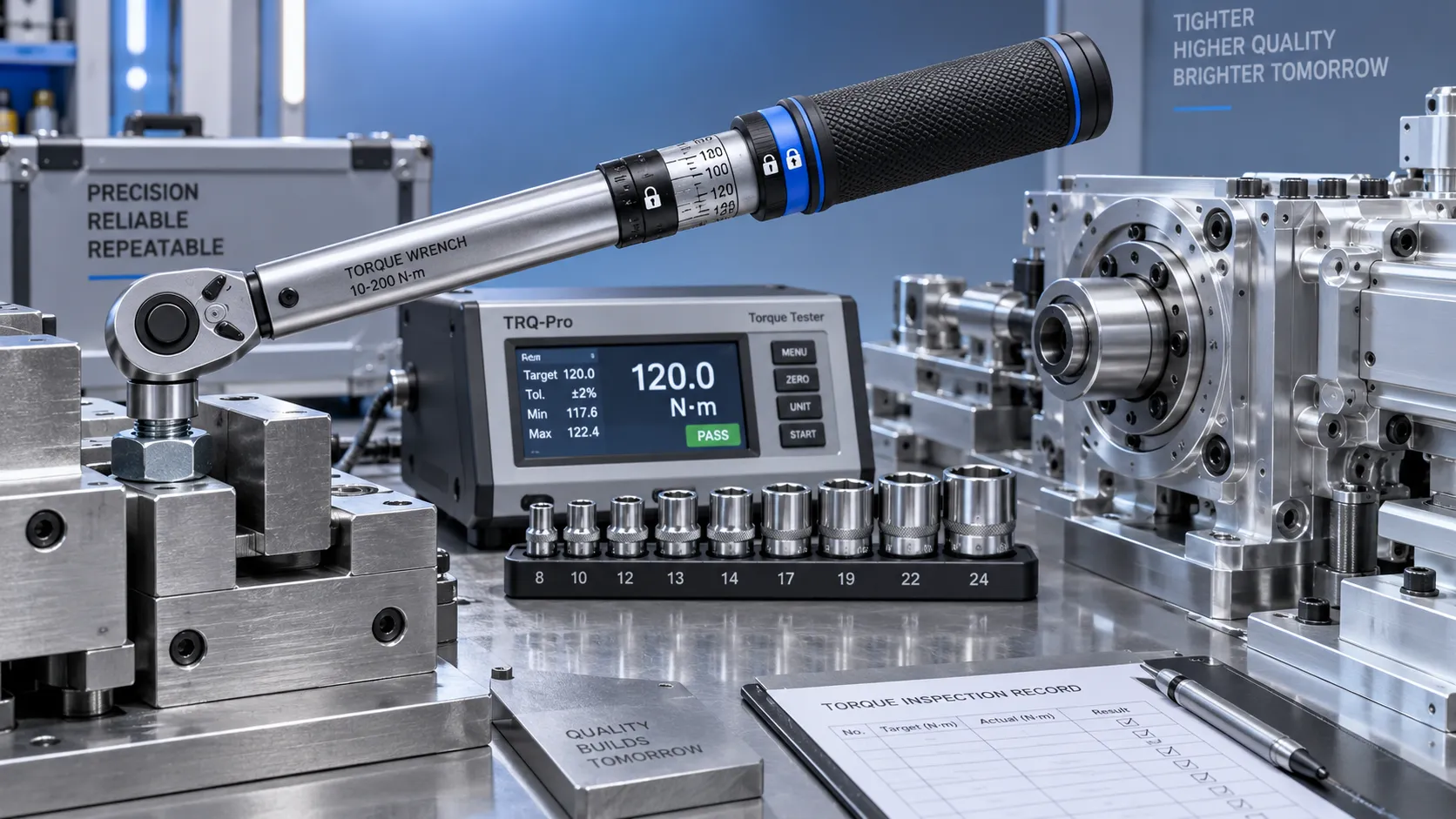
Selecting Adjustable Torque Tools for Repeatable Fastener Assembly
Adjustable torque tools: learn how to match range, accuracy, control methods, calibration, and ergonomics for repeatable, reliable fastener assembly.

How to Select Aerospace Inspection Tools for Aircraft Maintenance Tasks
Aerospace maintenance inspection tools: learn how to select reliable, traceable equipment for aircraft access, accuracy, calibration, and compliant maintenance decisions.

How to Select Wire Bonding Tools for Fine-Pitch Semiconductor Packaging
Explore semiconductor manufacturing tools for wire bonding and learn how to select precision solutions for fine-pitch packaging, reliable loops, accuracy, and yield.
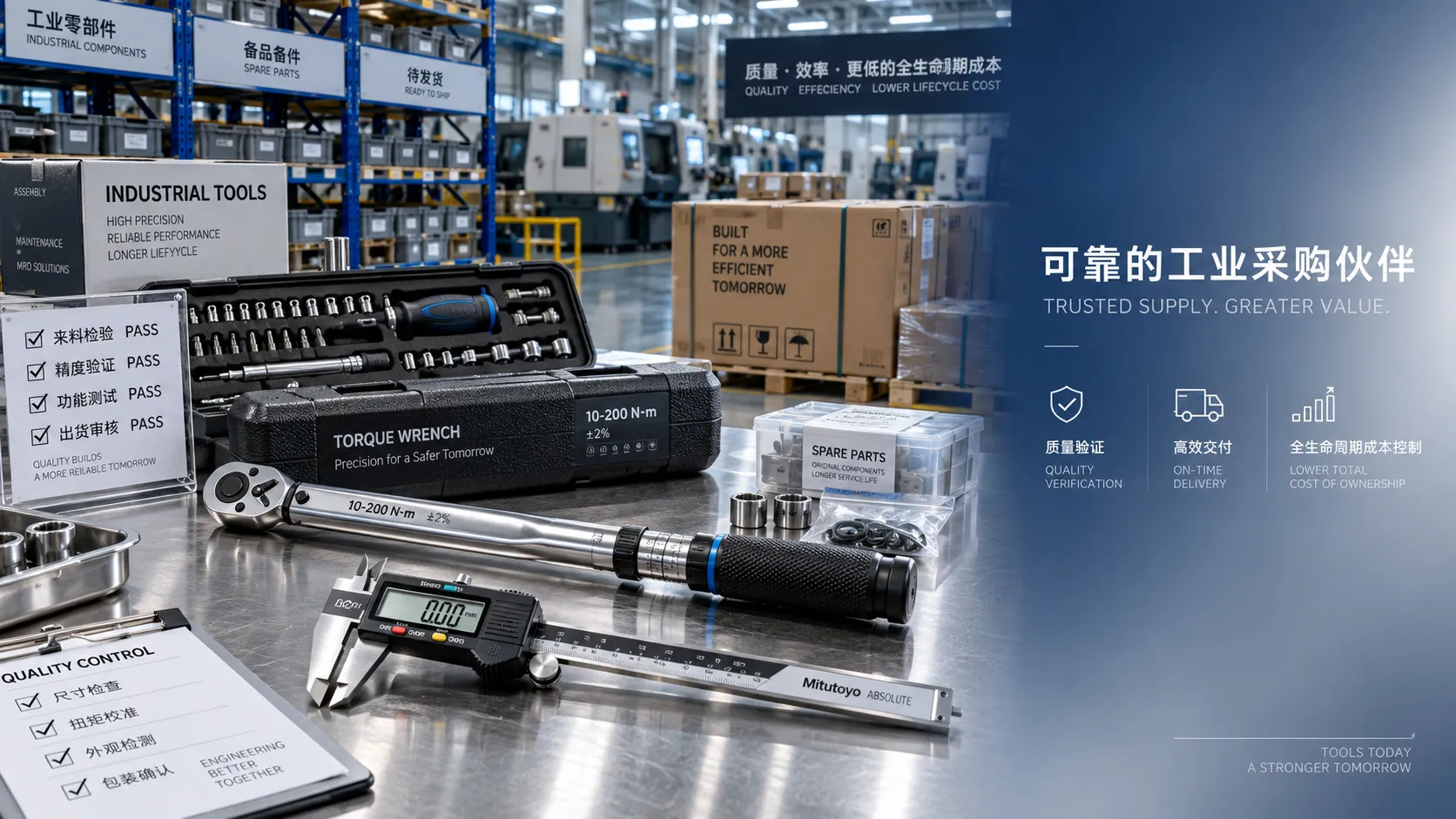
How to Compare Industrial Tool Suppliers for Quality, Lead Time, and Total Cost
Industrial tool selection supplier comparison made simple: evaluate quality, lead times, total cost, service, and supply resilience for confident sourcing decisions.

Industrial Equipment Application Guidance: Match Machines to Operating Conditions
Application guidance industrial equipment: match capacity, duty cycle, materials, site conditions, safety, and lifecycle cost to improve reliable output. Read the guide.
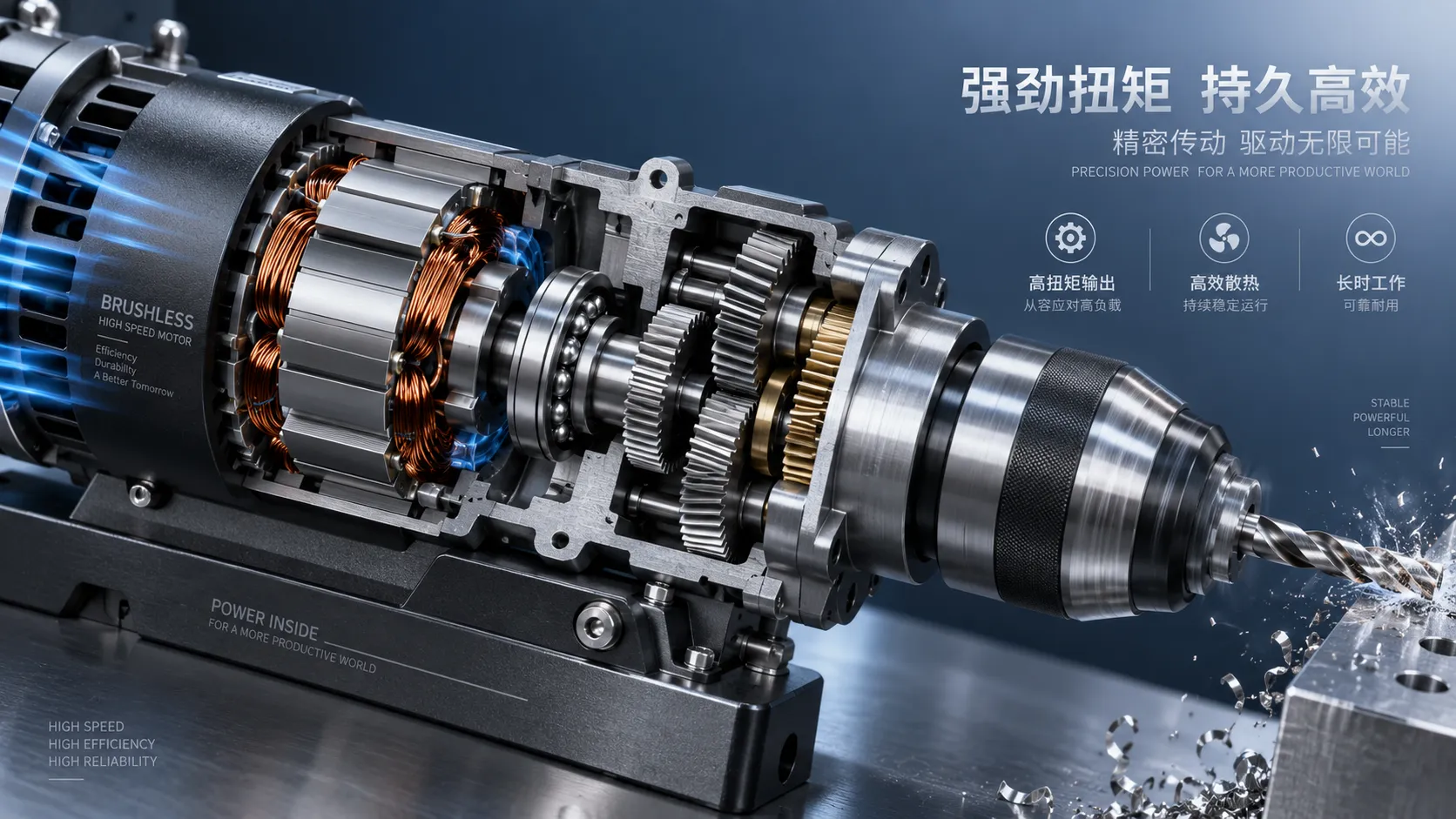
Selecting High-Speed Brushless Tool Motors for Torque, Heat, and Duty Cycle
High speed brushless tool motors: learn how to balance torque, heat, gearing, and duty cycle for reliable industrial tool performance and longer service life.

What Determines Industrial Hydraulic System Price for Heavy-Duty Equipment?
Industrial hydraulic system price depends on duty cycle, pressure, components, cooling, and integration. Compare quotes intelligently to secure reliable heavy-duty performance.
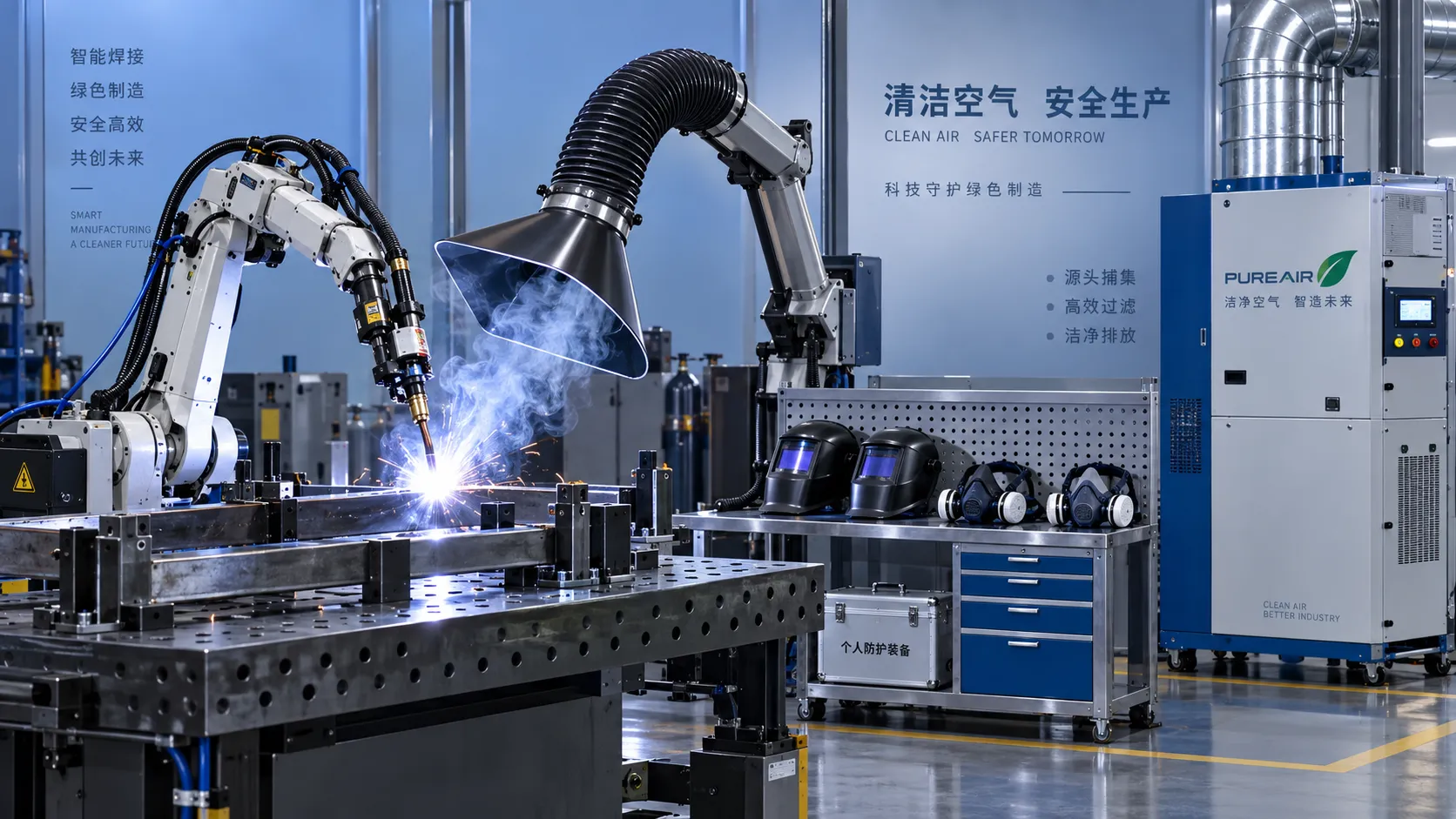
Welding Fume Extraction PPE: When Respirators Are Not Enough for Shop Safety
Welding fume extraction PPE: learn why respirators alone fall short and how source capture, ventilation, and layered controls improve shop safety.

How to Select Optical Metrology Solutions for Tight-Tolerance Manufacturing
Optical industrial metrology solutions for tight-tolerance manufacturing: evaluate accuracy, surface compatibility, workflow, and traceability to select with confidence.
Related News
- 00
0000-00
Selecting Adjustable Torque Tools for Repeatable Fastener Assembly - 00
0000-00
How to Select Aerospace Inspection Tools for Aircraft Maintenance Tasks - 00
0000-00
How to Select Wire Bonding Tools for Fine-Pitch Semiconductor Packaging - 00
0000-00
Industrial Equipment Application Guidance: Match Machines to Operating Conditions - 00
0000-00
Selecting High-Speed Brushless Tool Motors for Torque, Heat, and Duty Cycle
Prof. Marcus Chen
Weekly Insights
Stay ahead with our curated technology reports delivered every Monday.