
What Manufacturing Technology Upgrades Pay Off First?





For financial decision-makers, the best manufacturing technology upgrades are usually not the biggest projects. They are the ones that reduce downtime, raise first-pass yield, and recover cash quickly.
In most plants, early wins come from better measurement, smarter fastening, safer joining, and cleaner production data. These upgrades improve output without forcing a full factory rebuild.
This guide explains which manufacturing technology investments tend to pay off first, how to rank them, and what to verify before approving capital.
Why a structured evaluation matters first
Many digital factory programs fail because they begin with ambitious platforms instead of operational bottlenecks. A clear review process keeps manufacturing technology spending tied to measurable business value.
A useful rule is simple: prioritize upgrades that affect throughput, scrap, rework, energy use, safety exposure, or maintenance hours within one operating cycle.
GPTWM tracks this pattern across industrial assembly, metal joining, and precision metrology. Repeatedly, the first returns appear where process variation is visible and correctable.
The manufacturing technology upgrades that usually pay off first
Use the following checklist to rank short-payback manufacturing technology options. Each item should be tested against local downtime, defect history, labor dependence, and compliance pressure.
- Install precision metrology where rework is frequent, because faster and more repeatable measurement prevents bad parts from moving downstream and reduces hidden quality costs.
- Upgrade to intelligent torque control on critical assemblies, especially where manual tightening causes warranty risk, inconsistent clamp force, or undocumented fastening results.
- Replace unstable joining processes with safer laser or advanced welding systems when spatter, burn-through, cleanup time, or operator variability limits usable output.
- Add machine condition monitoring to assets with expensive stoppages, since vibration, temperature, and load alerts often prevent unplanned maintenance from becoming production loss.
- Digitize in-process data collection before buying broader software platforms, so operators and engineers can see cycle drift, defect trends, and repeat causes in near real time.
- Modernize brushless power tools where energy use, maintenance intervals, or ergonomics slow assembly work, because lightweight tools often improve uptime and reduce fatigue-related errors.
- Focus automation on one repetitive bottleneck first, not the entire line, when a single manual task constrains throughput or creates persistent quality variation.
- Improve fixture accuracy and tool calibration routines before expanding automation, because poor reference conditions can make expensive manufacturing technology perform below expectation.
1) Precision metrology often delivers the fastest visible return
Precision metrology is one of the most reliable first-step manufacturing technology upgrades. It cuts scrap, detects drift early, and protects downstream operations from compounding errors.
If parts are inspected too late, every upstream mistake becomes more expensive. Better gauges, digital calipers, portable systems, and connected measurement tools shorten that delay.
2) Intelligent torque control pays back through quality assurance
Fastening errors are easy to underestimate. Under-torque, over-torque, and missing fasteners can trigger field failures, rework, and disputes over responsibility.
Connected torque tools provide traceability, standard work enforcement, and instant alerts. For many assembly environments, this manufacturing technology creates both quality and compliance value.
3) Welding and joining upgrades create gains beyond speed
Joining processes affect labor, safety, distortion, cleanup, and consumable costs. That is why welding modernization can pay off earlier than broad automation in many facilities.
Safer handheld laser welding, controlled heat input, and improved process repeatability can reduce post-processing while raising consistency. The return comes from fewer defects and shorter cycle times.
4) Asset monitoring reduces expensive surprises
When one machine failure stops an entire cell, predictive monitoring becomes high-value manufacturing technology. The business case is strongest where downtime is concentrated in a few critical assets.
Basic sensors and alert thresholds often generate returns before advanced analytics do. Start with the equipment that causes the most lost hours, not the largest equipment list.
How to judge payback before approving any upgrade
Not every manufacturing technology improvement deserves immediate funding. A practical filter helps separate attractive ideas from near-term return opportunities.
- Measure the current loss clearly, including downtime minutes, scrap percentage, labor hours, calibration delays, and warranty exposure linked to the target process.
- Confirm whether the problem is frequent enough to justify capital, rather than a one-off event or training issue that process discipline could solve.
- Estimate payback using conservative assumptions, and include installation time, software integration, validation effort, operator learning, and maintenance support costs.
- Check data readiness before selecting connected manufacturing technology, because poor naming, missing baselines, and weak traceability often delay value capture.
- Prioritize upgrades that improve two or more outcomes at once, such as yield and safety, or throughput and traceability.
- Pilot on one line or asset first, then expand only after target metrics improve under normal operating conditions.
Where these manufacturing technology upgrades create the strongest early returns
Assembly operations
Assembly environments usually benefit first from torque traceability, ergonomic brushless tools, and digital work confirmation. These upgrades reduce variation without requiring major layout changes.
If defect escapes are linked to manual tightening or sequence errors, connected assembly manufacturing technology often outperforms larger automation projects on early ROI.
Metal fabrication and welding
Fabrication settings see fast gains when welding consistency, heat control, fume risk, and cleanup time are improved. Small process upgrades can unlock large labor savings.
When distortion or rework is common, better joining manufacturing technology should rank above broad plant software, because the loss source is physical and immediate.
Precision inspection and maintenance
Inspection-heavy environments benefit from connected metrology, calibration discipline, and portable verification tools. These reduce waiting time and improve confidence in release decisions.
Maintenance teams often gain early returns from monitoring systems that identify wear before catastrophic failure. Here, simple manufacturing technology can protect very expensive capacity.
Commonly overlooked issues that slow ROI
Buying software before stabilizing the process
A weak process does not become strong because it is digitized. If root causes are unknown, software may only document inconsistency faster.
Ignoring training and standard work
Even the best manufacturing technology fails when users apply different methods. Work instructions, calibration habits, and response rules must be defined before rollout.
Overestimating integration readiness
Data connections, naming conventions, and security reviews often take longer than expected. Hidden integration effort can distort the original payback case.
Chasing scale too early
A line-wide transformation can lock in mistakes at high cost. Start with one bottleneck, validate results, and expand only after operational proof exists.
Practical execution steps for the next 90 days
Begin with a short audit of the top three recurring losses. Rank them by financial impact, frequency, and ease of correction with available manufacturing technology.
Then create one pilot per loss category. For example, test precision metrology on a high-rework part family, or deploy intelligent torque control on one critical assembly cell.
Define success before launch. Use metrics such as scrap reduction, unplanned downtime avoided, faster inspection cycles, lower rework hours, or improved first-pass yield.
Review results weekly. If the pilot reduces a verified cost center and operators sustain the new method, prepare a phased expansion plan with realistic support requirements.
Conclusion: invest where variation becomes measurable and controllable
The manufacturing technology upgrades that pay off first are usually the ones closest to everyday losses. Precision metrology, intelligent torque control, safer welding, and asset monitoring often lead the list.
Rather than starting with the largest digital vision, start where process variation is already costing money. That approach creates evidence, confidence, and better sequencing for future investment.
A practical next step is to identify one bottleneck, one measurable loss, and one manufacturing technology pilot that can show results within one quarter. Early proof is the strongest foundation for scale.
Related News
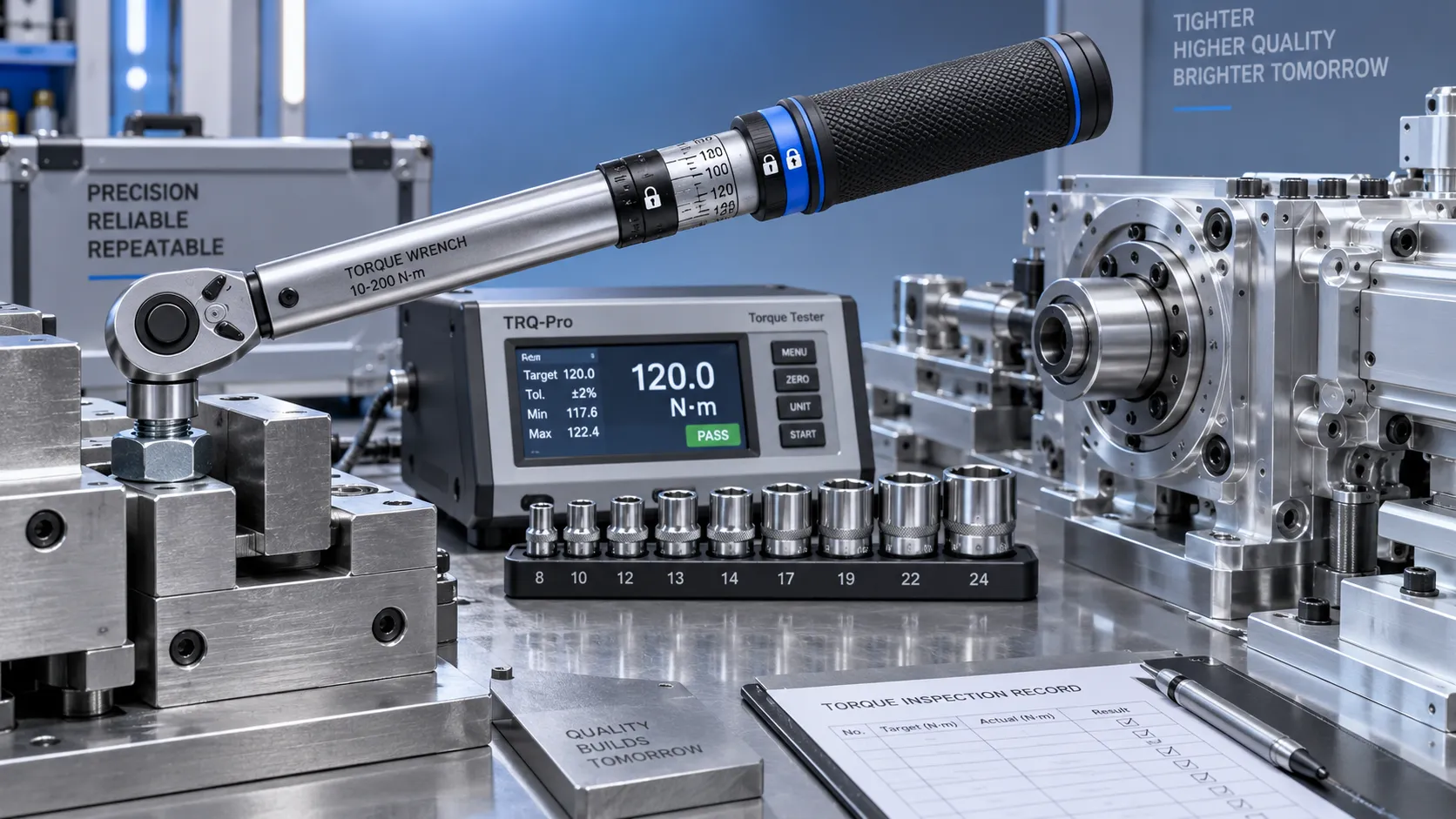
Selecting Adjustable Torque Tools for Repeatable Fastener Assembly
Adjustable torque tools: learn how to match range, accuracy, control methods, calibration, and ergonomics for repeatable, reliable fastener assembly.

How to Select Aerospace Inspection Tools for Aircraft Maintenance Tasks
Aerospace maintenance inspection tools: learn how to select reliable, traceable equipment for aircraft access, accuracy, calibration, and compliant maintenance decisions.
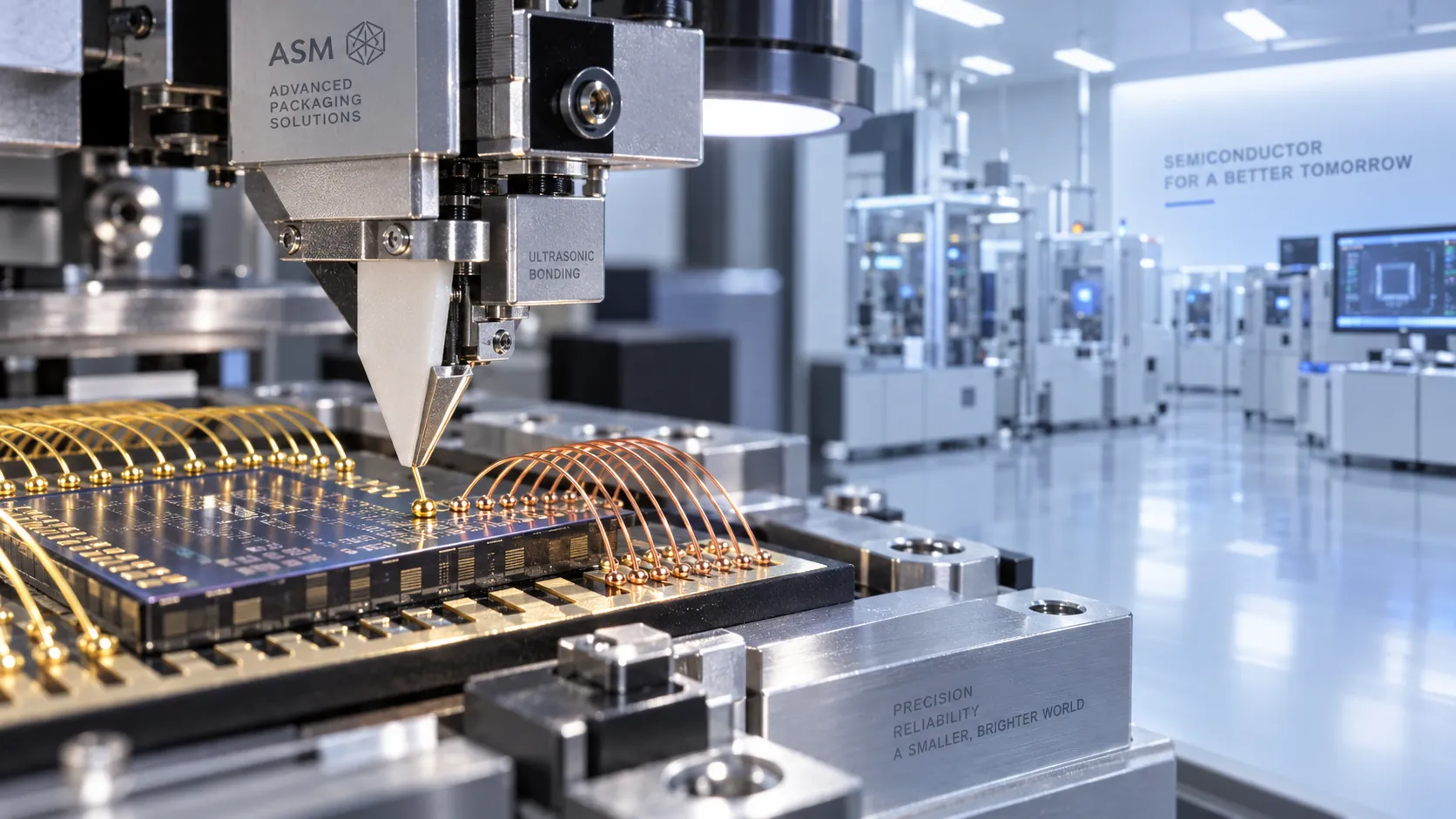
How to Select Wire Bonding Tools for Fine-Pitch Semiconductor Packaging
Explore semiconductor manufacturing tools for wire bonding and learn how to select precision solutions for fine-pitch packaging, reliable loops, accuracy, and yield.
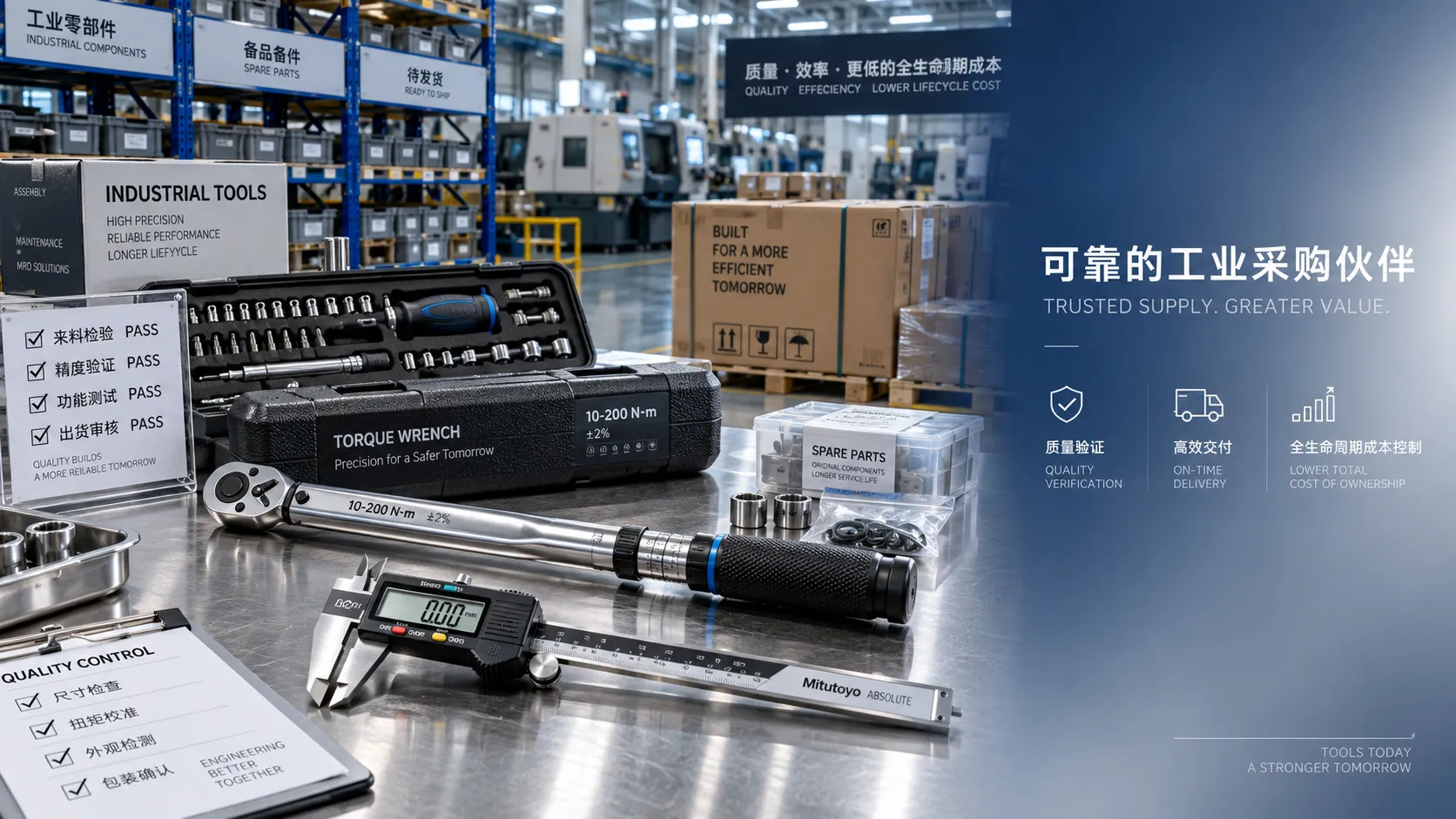
How to Compare Industrial Tool Suppliers for Quality, Lead Time, and Total Cost
Industrial tool selection supplier comparison made simple: evaluate quality, lead times, total cost, service, and supply resilience for confident sourcing decisions.
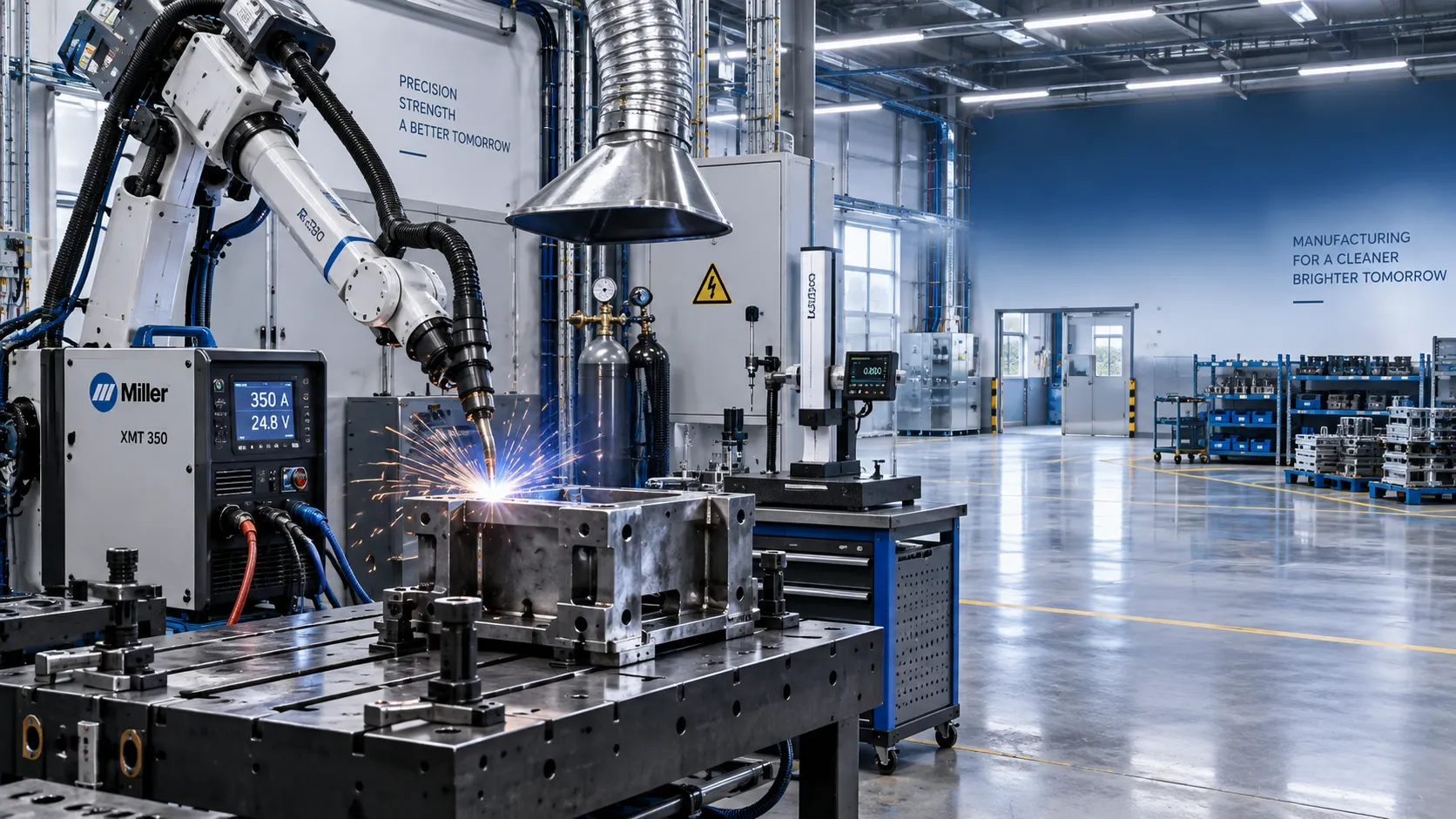
Industrial Equipment Application Guidance: Match Machines to Operating Conditions
Application guidance industrial equipment: match capacity, duty cycle, materials, site conditions, safety, and lifecycle cost to improve reliable output. Read the guide.
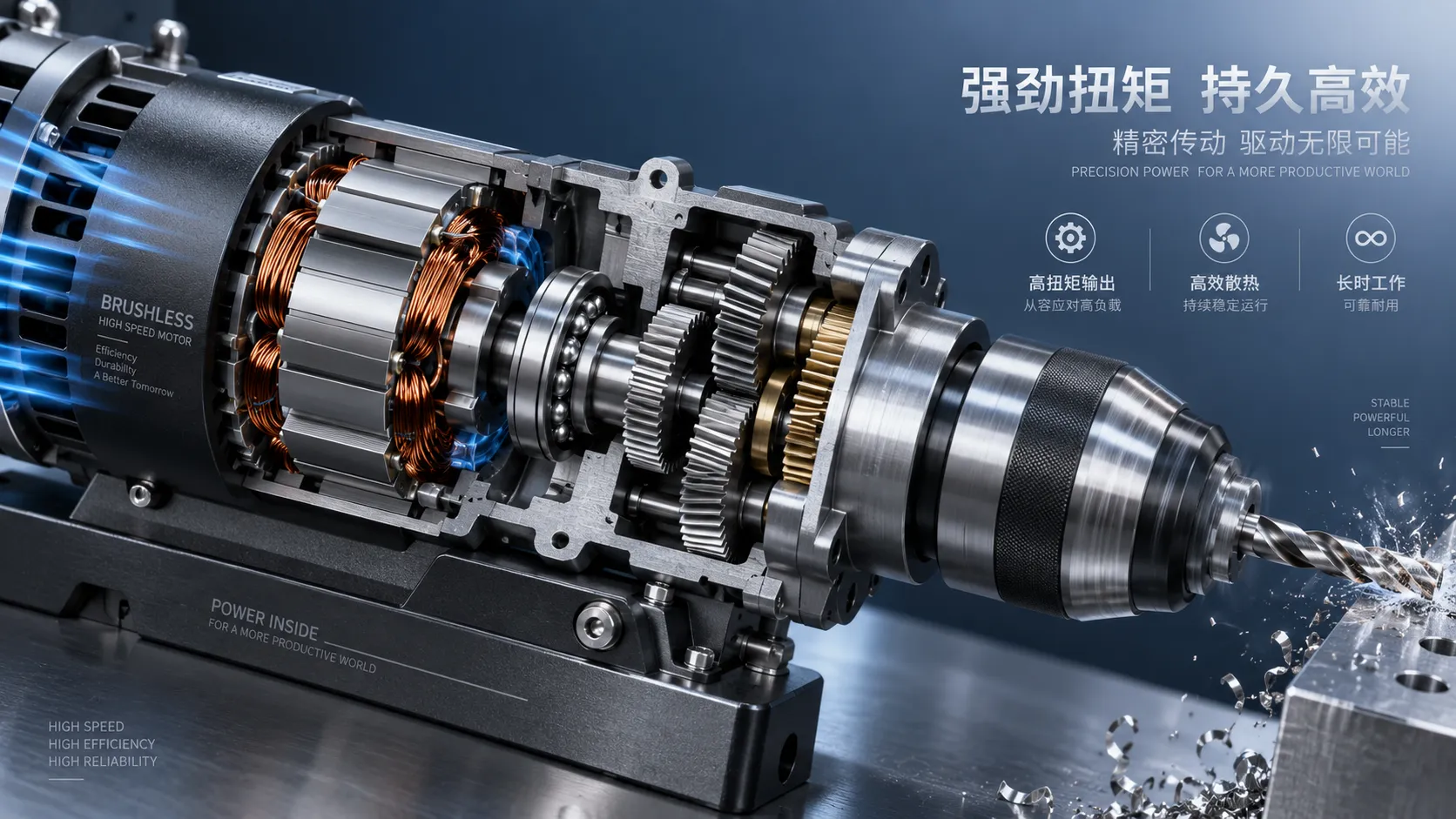
Selecting High-Speed Brushless Tool Motors for Torque, Heat, and Duty Cycle
High speed brushless tool motors: learn how to balance torque, heat, gearing, and duty cycle for reliable industrial tool performance and longer service life.
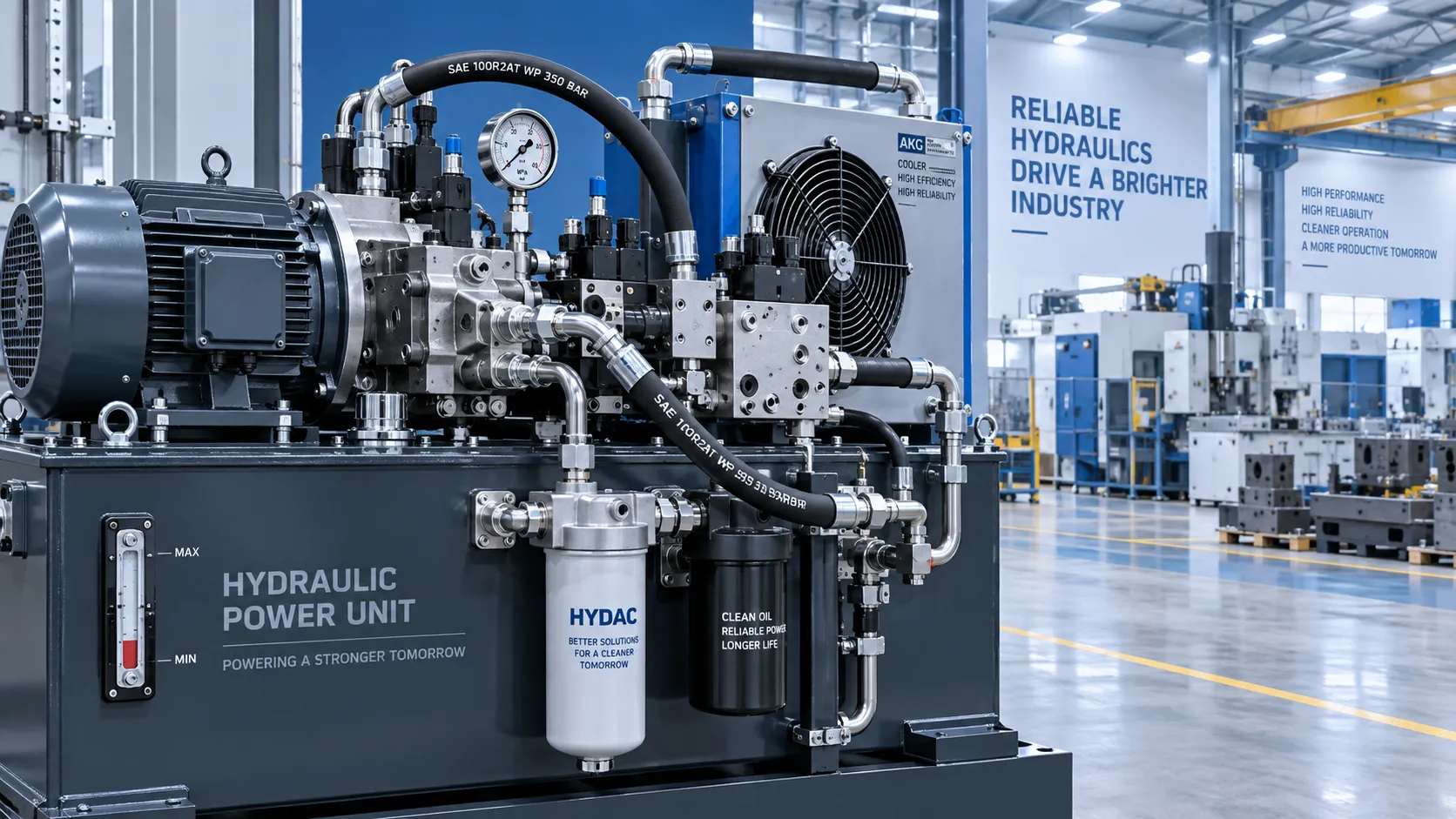
What Determines Industrial Hydraulic System Price for Heavy-Duty Equipment?
Industrial hydraulic system price depends on duty cycle, pressure, components, cooling, and integration. Compare quotes intelligently to secure reliable heavy-duty performance.
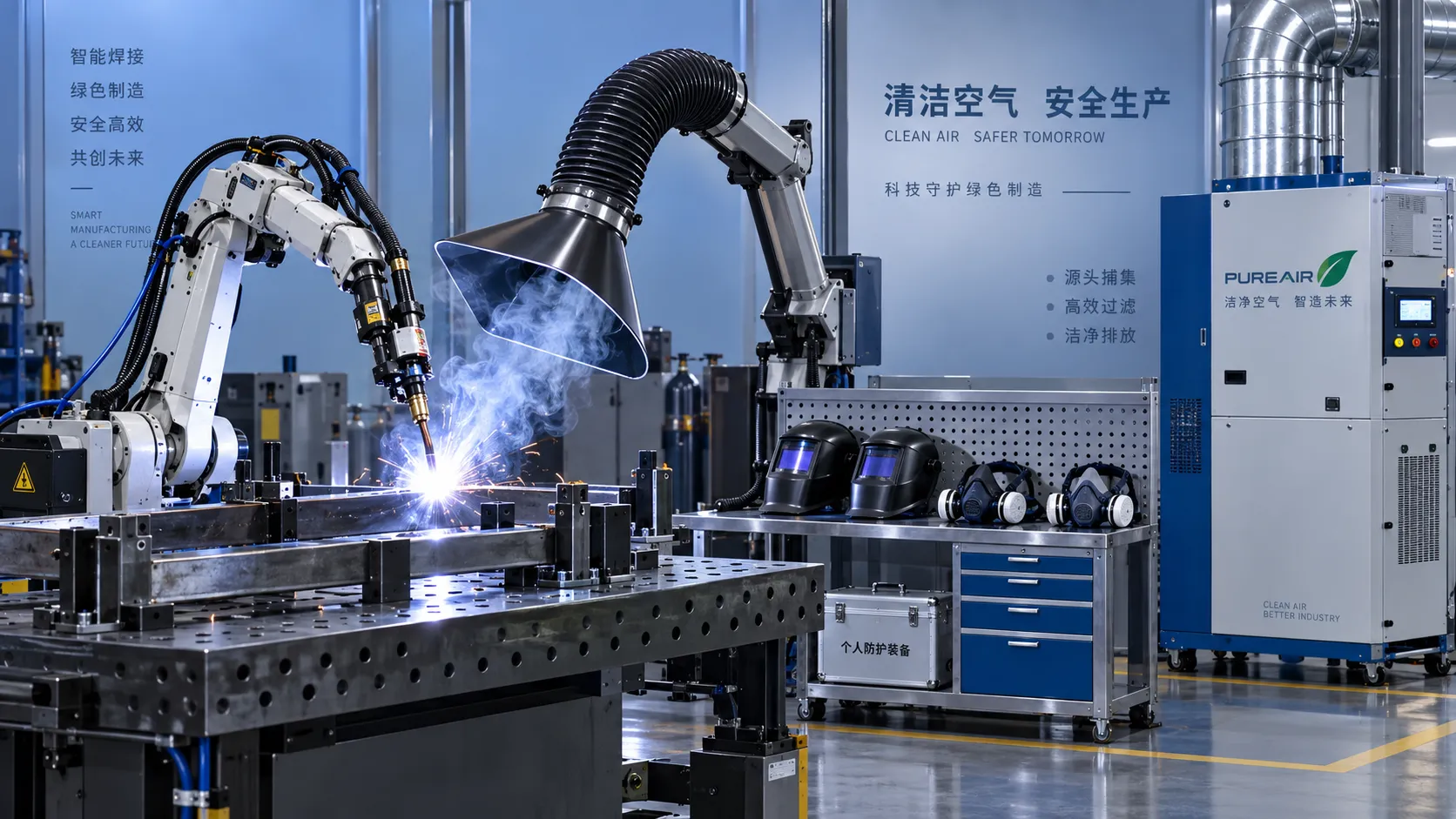
Welding Fume Extraction PPE: When Respirators Are Not Enough for Shop Safety
Welding fume extraction PPE: learn why respirators alone fall short and how source capture, ventilation, and layered controls improve shop safety.
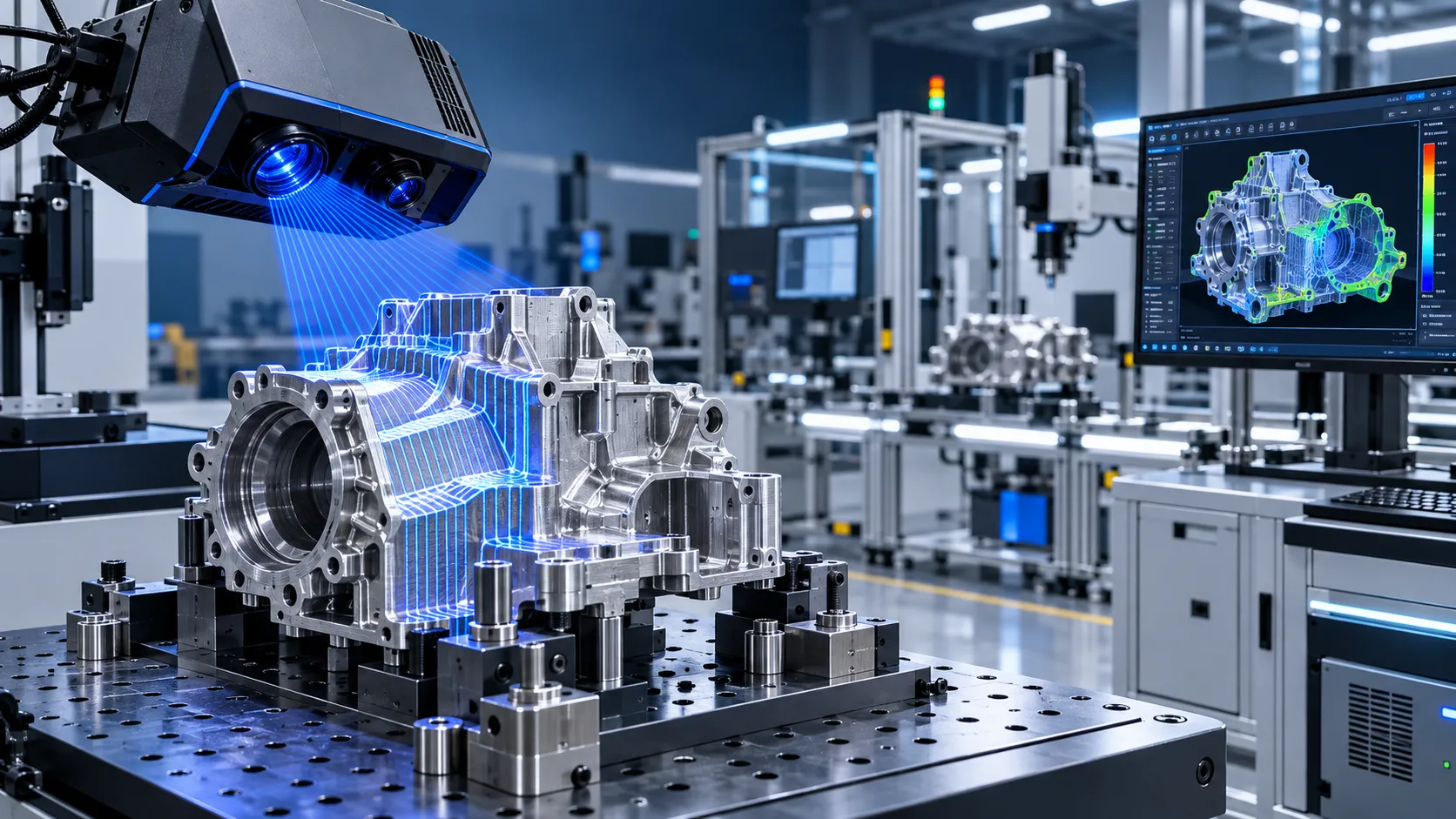
How to Select Optical Metrology Solutions for Tight-Tolerance Manufacturing
Optical industrial metrology solutions for tight-tolerance manufacturing: evaluate accuracy, surface compatibility, workflow, and traceability to select with confidence.
Related News
- 00
0000-00
Selecting Adjustable Torque Tools for Repeatable Fastener Assembly - 00
0000-00
How to Select Aerospace Inspection Tools for Aircraft Maintenance Tasks - 00
0000-00
How to Select Wire Bonding Tools for Fine-Pitch Semiconductor Packaging - 00
0000-00
Industrial Equipment Application Guidance: Match Machines to Operating Conditions - 00
0000-00
Selecting High-Speed Brushless Tool Motors for Torque, Heat, and Duty Cycle
Prof. Marcus Chen
Weekly Insights
Stay ahead with our curated technology reports delivered every Monday.