
Where Industrial Standards Still Slow Product Approval





For many industrial products, approval delays do not begin on the factory floor. They begin where industrial standards, test methods, and certification pathways fail to move at the same pace.
In tools, welding systems, metrology devices, and broader industrial equipment, industrial standards protect safety, consistency, and market trust. Yet they also slow launches when regional rules overlap poorly.
The challenge is not the existence of industrial standards. The real issue is fragmentation between technical requirements, laboratory protocols, documentation formats, and regulator expectations across markets.
For platforms such as GPTWM, this gap matters because the last mile of manufacturing value depends on reliable approval timing. A precise product loses momentum when compliance paths remain uncertain.
Industrial Standards as the Approval Framework
Industrial standards are formal technical references used to evaluate safety, performance, durability, interoperability, and labeling. They shape how products are designed, tested, documented, and finally released.
In industrial assembly and metal joining, these standards can cover electrical safety, arc stability, heat exposure, insulation, vibration, noise, measurement accuracy, and operator ergonomics.
Some industrial standards are voluntary in theory. In practice, they become market-entry conditions when buyers, customs authorities, insurers, or certification bodies treat them as mandatory evidence.
Approval slows when one product must satisfy several layers at once:
- international industrial standards
- national deviations and local directives
- industry-specific testing rules
- customer audit requirements
- language and labeling obligations
Where Approval Delays Commonly Persist
The slowest points usually appear when industrial standards look harmonized on paper but differ in execution. That mismatch creates repeated testing, redesign, and document revision.
1. Divergent Test Methods
Two markets may reference similar industrial standards, yet require different sample counts, environmental conditions, pass thresholds, or reporting formats. A product can pass once and still face retesting elsewhere.
2. Outdated Standard Revisions
Approval often slows when a lab, buyer, or authority applies an older revision. Engineering teams then compare editions line by line to prove equivalence or update designs.
3. Regional Certification Silos
Industrial standards rarely travel alone. Certification marks, importer declarations, and local surveillance rules can force separate approval tracks for the same core product.
4. Incomplete Technical Files
A technically compliant tool may still be delayed if risk assessments, schematics, material declarations, welding safety instructions, or calibration records are incomplete or inconsistent.
5. Component-Level Compliance Gaps
Brushless motors, batteries, control boards, sensors, cables, and shielding materials may each rely on separate industrial standards. One weak component can stop final approval.
Current Industry Signals Behind Slower Approval
Across the comprehensive industrial sector, several shifts are increasing pressure on industrial standards and making approval more complex than before.
These signals explain why industrial standards now affect product timing as much as product design. Compliance has become a strategic planning issue, not just a final checklist.
Business Impact of Approval Friction
When industrial standards slow approval, the cost reaches far beyond laboratory fees. Delays disrupt revenue forecasts, inventory plans, distributor confidence, and aftermarket support scheduling.
For precision tools and welding equipment, timing also affects competitiveness. Products launched late may miss procurement windows, infrastructure projects, service contracts, or model refresh cycles.
There is also a quality risk. If teams rush to satisfy industrial standards without coordinated engineering review, they may create avoidable redesign loops and inconsistent user documentation.
- higher test and recertification costs
- extended launch timelines
- weaker forecasting accuracy
- greater warranty and liability exposure
- reduced brand trust in regulated channels
Typical Product Areas Most Affected
Not every product faces the same level of friction. The following categories often encounter industrial standards that are dense, overlapping, or rapidly evolving.
Practical Ways to Reduce Standard-Related Delays
The most effective response is early alignment. Industrial standards create fewer delays when requirements are translated into design controls before prototypes enter formal testing.
Build a Standards Map First
Create a product-specific matrix covering applicable industrial standards, target markets, revision dates, testing bodies, and required declarations. This prevents hidden compliance gaps.
Qualify Critical Components Early
Request compliance files for motors, sensors, cables, optics, and control modules before final integration. Component evidence should match the intended market and standard revision.
Use Pre-Compliance Testing
Internal or third-party pre-tests reveal likely failures before formal submission. This is especially useful where industrial standards include thermal, EMC, vibration, or enclosure checks.
Control Documentation Like a Product Part
Approval files need version control, review ownership, and translation accuracy. Manuals, labels, schematics, and risk assessments should evolve with engineering changes.
Monitor Standard Revisions Continuously
Industrial standards change gradually, but transition deadlines can arrive quickly. A revision watch process supports design updates before approval windows tighten.
Points Requiring Extra Attention
Several recurring mistakes keep industrial standards from delivering smooth approval. Avoiding them can shorten lead times without weakening safety discipline.
- Assuming one certificate covers all export destinations.
- Treating documentation as an end-stage administrative task.
- Changing suppliers after testing without impact review.
- Ignoring user instruction language requirements.
- Missing the link between software updates and industrial standards.
In connected industrial products, even small firmware changes can affect declared performance, safety logic, or interoperability evidence. Approval teams should review these changes systematically.
A Clear Next Step for Faster Approval
Industrial standards will remain essential because they support safety, comparability, and trust across the global industrial economy. The goal is not to bypass them, but to manage them earlier.
A practical next step is to audit one current product line against its full approval path. Map every standard, every document, every test, and every market-specific deviation.
That review often reveals where industrial standards still slow product approval: not in one major failure, but in many small disconnects between design, sourcing, testing, and regulatory interpretation.
With disciplined intelligence, stronger standards mapping, and continuous revision tracking, industrial standards can shift from a launch obstacle to a stable foundation for global industrial growth.
Related News
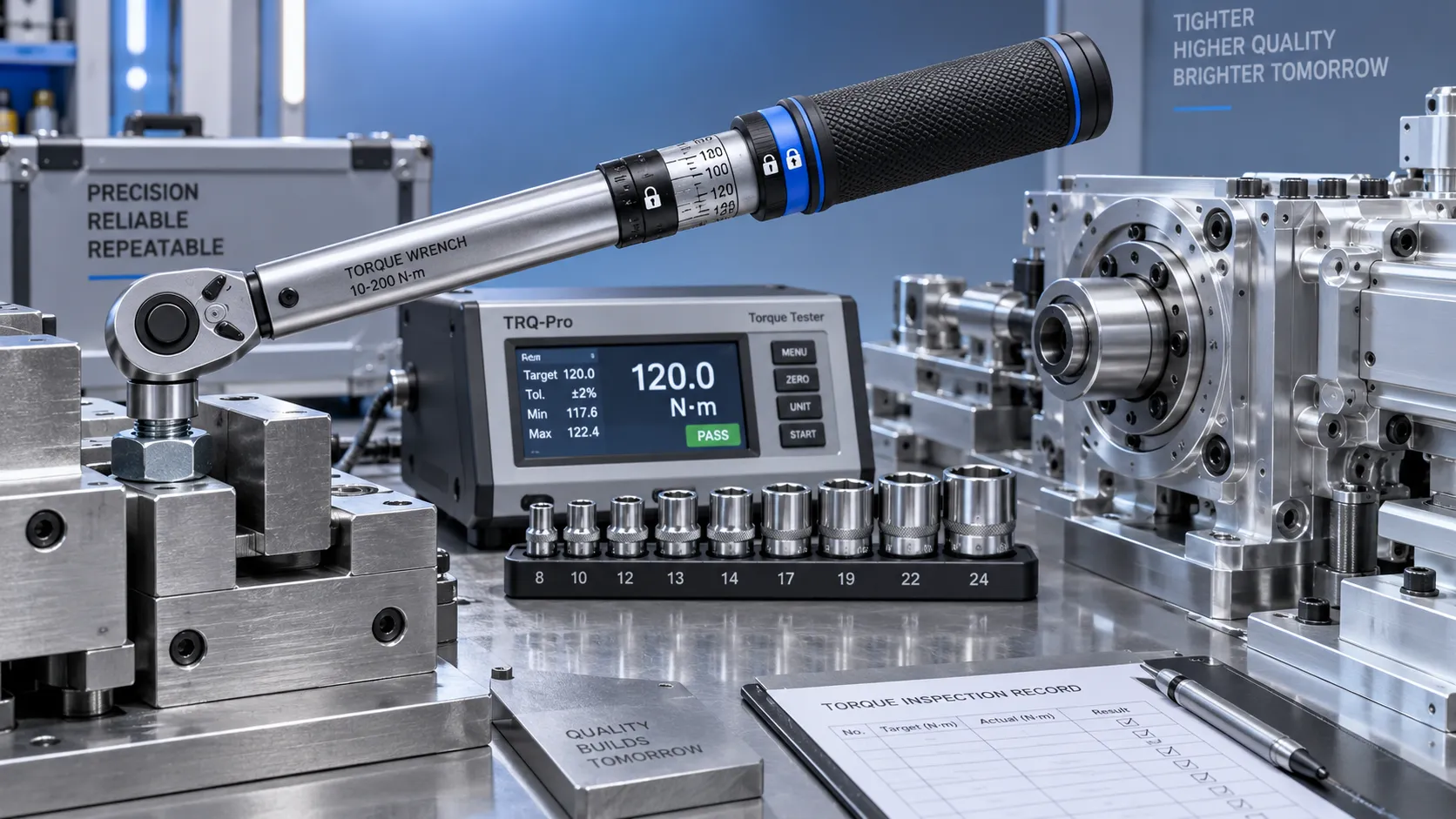
Selecting Adjustable Torque Tools for Repeatable Fastener Assembly
Adjustable torque tools: learn how to match range, accuracy, control methods, calibration, and ergonomics for repeatable, reliable fastener assembly.

How to Select Aerospace Inspection Tools for Aircraft Maintenance Tasks
Aerospace maintenance inspection tools: learn how to select reliable, traceable equipment for aircraft access, accuracy, calibration, and compliant maintenance decisions.

How to Select Wire Bonding Tools for Fine-Pitch Semiconductor Packaging
Explore semiconductor manufacturing tools for wire bonding and learn how to select precision solutions for fine-pitch packaging, reliable loops, accuracy, and yield.
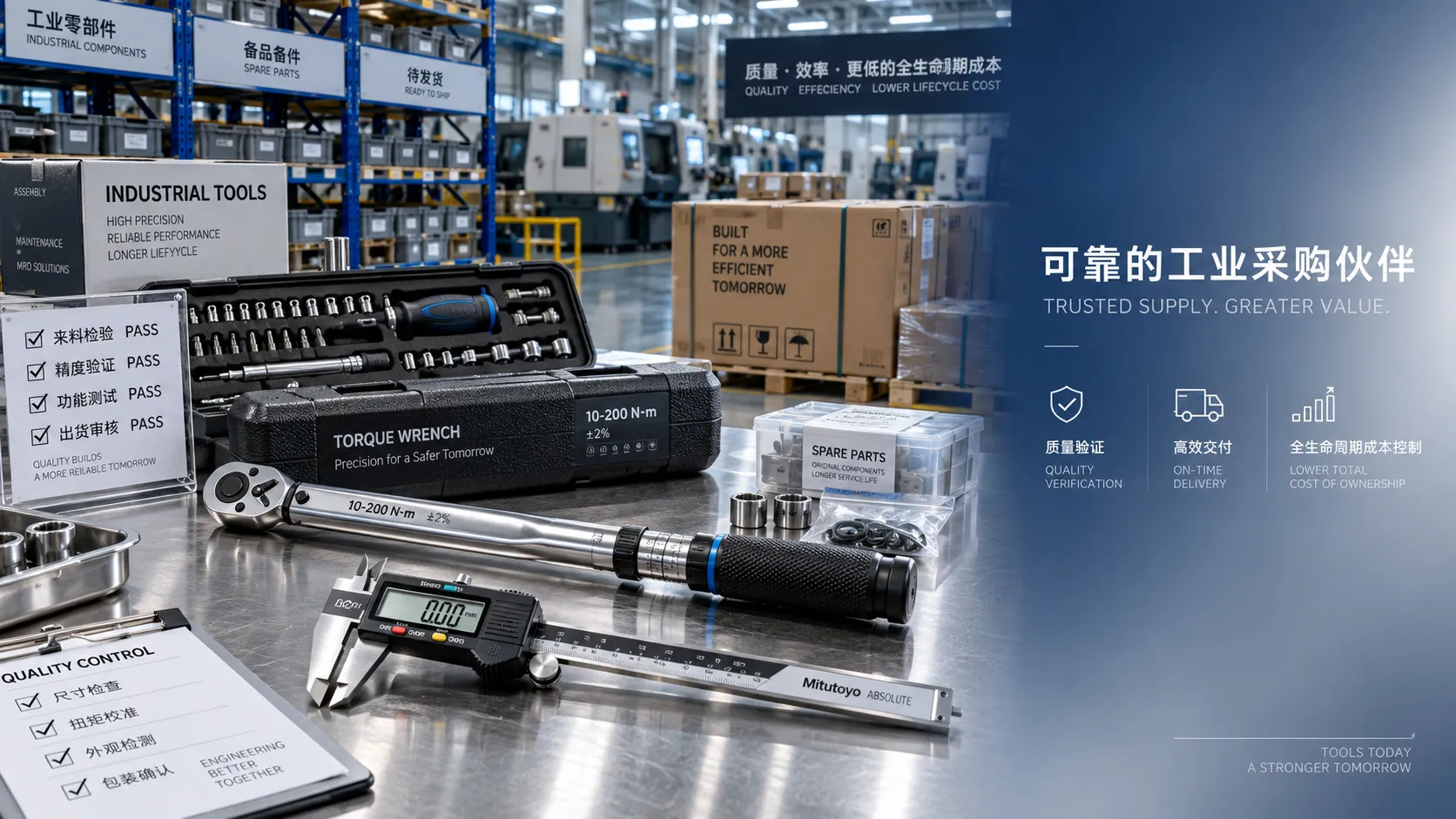
How to Compare Industrial Tool Suppliers for Quality, Lead Time, and Total Cost
Industrial tool selection supplier comparison made simple: evaluate quality, lead times, total cost, service, and supply resilience for confident sourcing decisions.
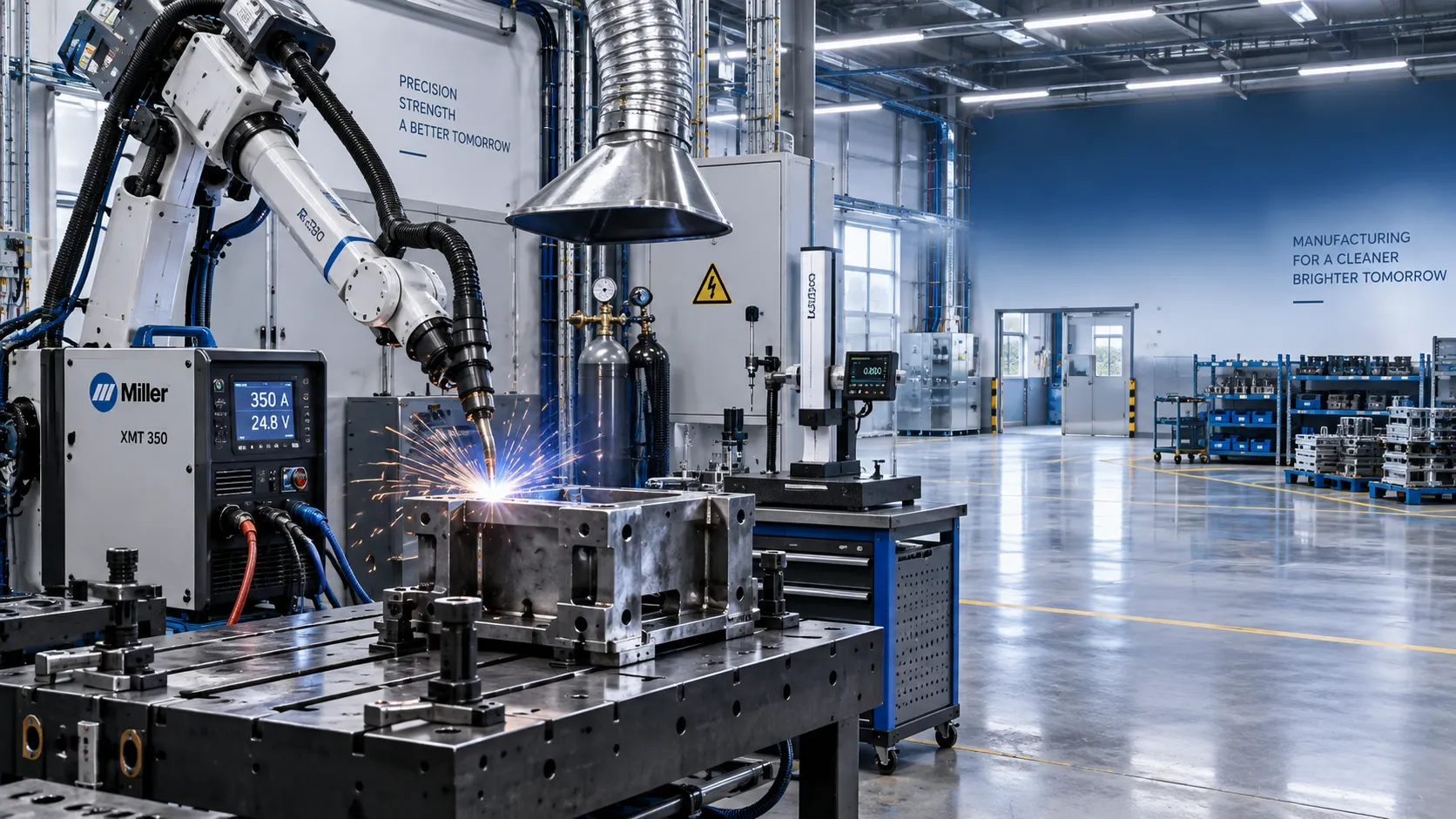
Industrial Equipment Application Guidance: Match Machines to Operating Conditions
Application guidance industrial equipment: match capacity, duty cycle, materials, site conditions, safety, and lifecycle cost to improve reliable output. Read the guide.
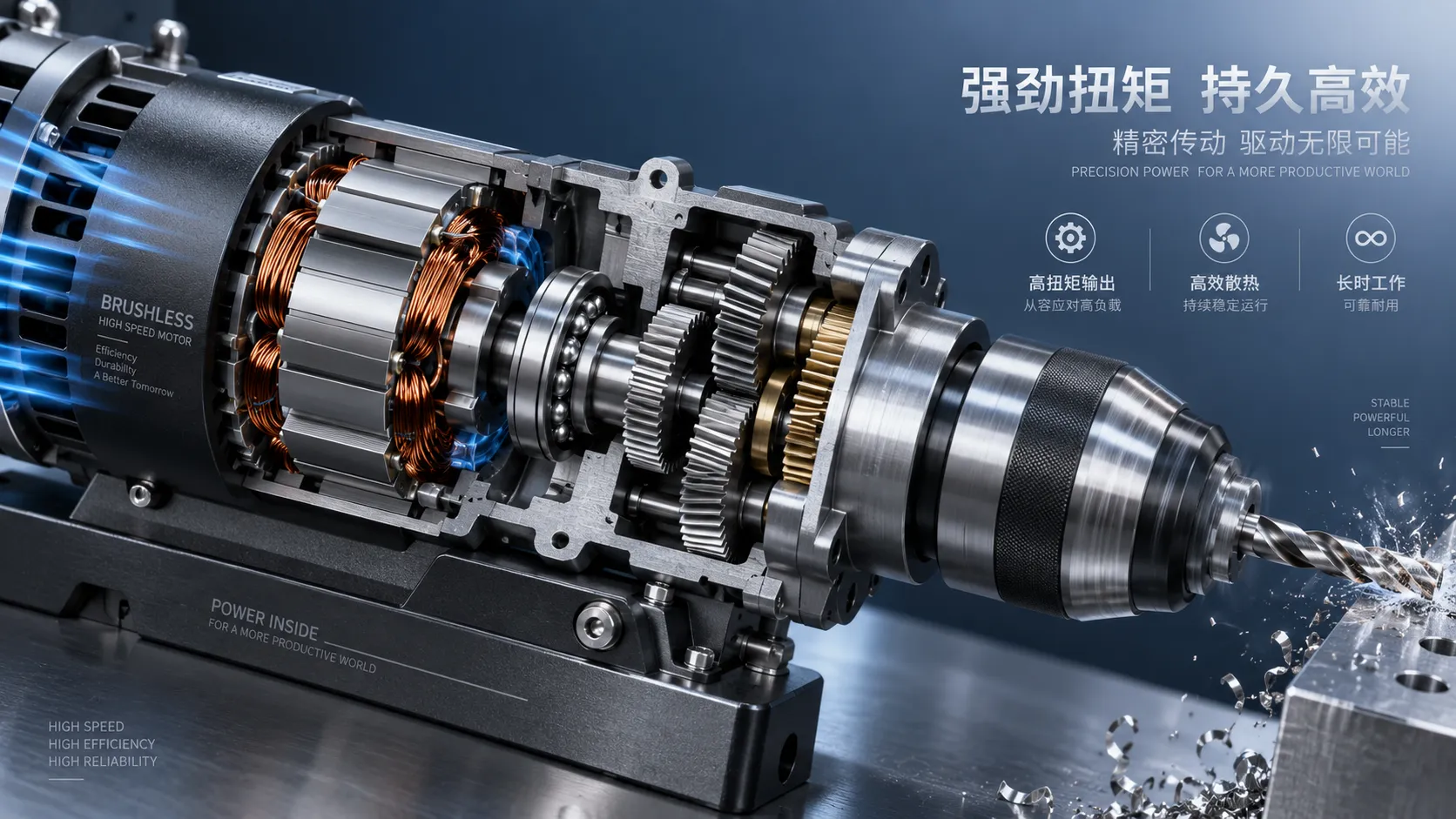
Selecting High-Speed Brushless Tool Motors for Torque, Heat, and Duty Cycle
High speed brushless tool motors: learn how to balance torque, heat, gearing, and duty cycle for reliable industrial tool performance and longer service life.
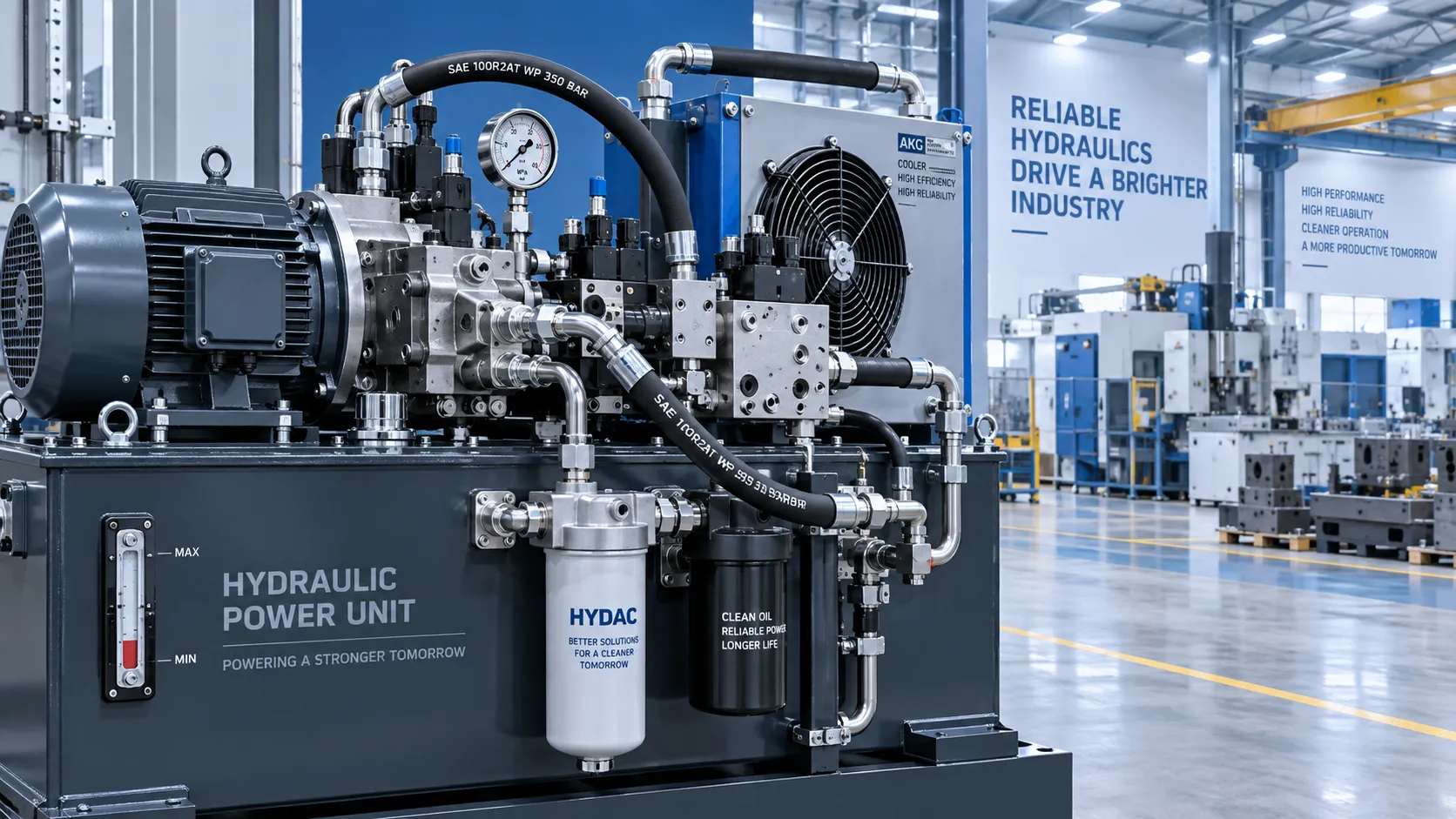
What Determines Industrial Hydraulic System Price for Heavy-Duty Equipment?
Industrial hydraulic system price depends on duty cycle, pressure, components, cooling, and integration. Compare quotes intelligently to secure reliable heavy-duty performance.

Welding Fume Extraction PPE: When Respirators Are Not Enough for Shop Safety
Welding fume extraction PPE: learn why respirators alone fall short and how source capture, ventilation, and layered controls improve shop safety.

How to Select Optical Metrology Solutions for Tight-Tolerance Manufacturing
Optical industrial metrology solutions for tight-tolerance manufacturing: evaluate accuracy, surface compatibility, workflow, and traceability to select with confidence.
Related News
- 00
0000-00
How Middle East Manufacturers Can Improve Production Efficiency Under Heat and Labor Constraints - 00
0000-00
Why Are Specification-Oriented Articles Gaining Traction in Europe’s B2B Markets? - 00
0000-00
Industrial Solutions in Latin America: Key Growth Sectors and Market Entry Risks - 00
0000-00
What Is Driving Manufacturing Efficiency in Europe’s Industrial Sectors? - 00
0000-00
Industrial Market Trends in 2025: What Buyers Should Watch Across Supply and Demand
Dr. Alistair Vaughn
Weekly Insights
Stay ahead with our curated technology reports delivered every Monday.