
Smart Manufacturing Projects Often Stall at Integration





Smart manufacturing projects promise faster throughput, better quality, and real-time control, yet many lose momentum when systems, tools, and data fail to connect on the shop floor. For project managers and engineering leaders, integration is not a technical afterthought but the critical path to value. This article explores why smart manufacturing initiatives often stall at integration—and how to align equipment, workflows, and decision intelligence to keep transformation on track.
In industrial assembly, welding, inspection, and torque-controlled operations, the integration gap often appears between the pilot phase and plant-wide rollout. A line may have connected tools, a vision station, and an MES dashboard, yet still fail to deliver stable output because data definitions, response logic, and operator workflows were never aligned end to end.
For project leaders, that gap creates familiar pressure: delayed milestones, inconsistent OEE gains, rising rework, and weak confidence from finance or operations. In smart manufacturing, value is rarely lost in the idea itself. It is lost in the last 10 meters between machine signals, production decisions, quality checkpoints, and frontline execution.
Why smart manufacturing projects slow down after the pilot stage
Many smart manufacturing programs start with a focused proof of concept lasting 6 to 12 weeks. During that period, one asset class or one production cell is digitized. Results may look promising, but scale introduces more PLC brands, more manual steps, and more data owners than the pilot ever had to handle.
Integration is usually fragmented across four layers
On most shop floors, integration must work across at least 4 layers: equipment connectivity, process logic, data structure, and business decision flow. If only the first layer is completed, machines may be visible but not truly manageable. If only the dashboard layer is improved, management sees trends but cannot act in time.
- Equipment layer: robots, power tools, welders, gauges, conveyors, and sensors
- Control layer: PLC, HMI, edge gateways, and machine communication protocols
- Execution layer: MES, quality checks, maintenance tickets, and operator instructions
- Decision layer: ERP links, capacity planning, traceability, and commercial reporting
A project may be 80% complete on connectivity and still be only 40% complete on usable integration. That is why engineering teams often report that data is available, yet production supervisors still rely on spreadsheets, verbal handoffs, or delayed QA feedback.
The common bottleneck is not hardware alone
In precision manufacturing environments, especially where welding quality, torque traceability, or metrology accuracy matter, the bottleneck is usually process orchestration. A smart torque tool may record every cycle, but if pass/fail thresholds are not linked to serial numbers, station interlocks, and rework rules, the captured data cannot protect quality.
The same issue affects inspection stations. A measuring device with repeatability in the ±0.01 mm to ±0.05 mm range adds little value if calibration status, part genealogy, and exception routing are managed separately. Smart manufacturing depends on connected decisions, not just connected devices.
Where project managers usually underestimate complexity
Three areas are frequently underestimated. First, legacy machines may use incompatible protocols and require gateways or signal conversion. Second, operators often need 2 to 4 workflow changes per station, not just a new screen. Third, data ownership between engineering, IT, quality, and production can remain unclear for months if not assigned early.
The table below shows how integration risks typically emerge in industrial smart manufacturing programs and why early visibility matters more than late troubleshooting.
The key pattern is that projects do not stall because the concept of smart manufacturing is weak. They stall because dependencies between equipment, quality control, and decision rules are discovered too late. For project managers, that means integration planning must begin before procurement is finalized, not after installation starts.
What integration should look like on a real industrial shop floor
A practical smart manufacturing architecture should support real production events in real time. In assembly and metal joining environments, that means the system must connect tool status, operator authorization, batch identity, inspection checkpoints, and exception handling within a response window of seconds, not hours.
From isolated assets to closed-loop control
Closed-loop integration means an event at one station changes behavior at another station. For example, a weld quality alert should trigger containment, inspection routing, and supervisor notification automatically. If that action still depends on email, paper, or a shift meeting, the loop remains open and the smart manufacturing investment is underused.
- Capture machine, tool, and inspection data at source.
- Standardize timestamps, IDs, and pass/fail definitions.
- Bind data to part, operator, and work order.
- Trigger response rules within the execution system.
- Report exceptions upward for planning and cost analysis.
The minimum data model project teams should define early
Before scaling a smart manufacturing program, teams should define a minimum data model with at least 6 core fields: asset ID, product or serial ID, process step, timestamp, measured result, and disposition status. Without that structure, dashboards become attractive but operationally weak.
This matters even more in precision metrology and welding-related operations, where process windows can be narrow. A torque variation of 5% or a recurring dimensional drift over 3 consecutive batches may require intervention long before final inspection detects failure. Data that arrives late is often data that arrives too late.
Examples of integration logic that create measurable value
- Lock a station when calibration for a critical gauge expires.
- Stop lot progression after 3 consecutive measurement failures.
- Force supervisor approval when welding parameters move outside a defined range.
- Trigger maintenance after a fixed cycle count or abnormal current signature.
These actions are not advanced theory. They are the practical signals that distinguish connected manufacturing from simple monitoring. When designed well, they reduce response times from one shift to a few minutes and improve first-pass yield without requiring full plant replacement.
How project managers can prevent smart manufacturing delays
Project managers need a delivery model that treats integration as a workstream with schedule, ownership, and acceptance criteria. A reliable program usually moves through 5 stages: discovery, architecture definition, pilot validation, phased deployment, and performance stabilization. Skipping any stage usually increases rework later.
Build the project around use cases, not technologies
The best smart manufacturing roadmaps start with use cases such as torque traceability, weld parameter control, in-line metrology alerts, or digital work instruction enforcement. Each use case should specify the triggering event, required systems, operator action, and expected business result within a defined time frame.
For example, if a plant wants to reduce rework in a high-mix assembly cell, a reasonable target may be a 15% to 25% drop in avoidable defects over 90 to 180 days. That target is more actionable than a broad statement about digital transformation because it defines both the operational problem and the measurement horizon.
Assign ownership across IT, OT, quality, and operations
One of the most common failure patterns is shared responsibility without single-point accountability. In practice, every smart manufacturing project should identify at least 4 named owners: one for equipment connectivity, one for data governance, one for process quality, and one for frontline adoption.
This structure is especially important when multiple suppliers are involved. A welding power source provider, a tool controller vendor, a metrology system integrator, and the plant MES team may all complete their own scope, while the combined production flow still fails. Someone must own the seams between them.
The following table outlines a practical implementation checklist that project leaders can use to evaluate integration readiness before rollout begins.
A checklist like this prevents a common mistake: treating commissioning as proof of readiness. Commissioning confirms that a system can run. Integration readiness confirms that the system can support production, quality, maintenance, and management decisions under normal and abnormal conditions.
Practical acceptance criteria worth using
Useful acceptance criteria should be measurable. Many teams use thresholds such as more than 98% event capture, less than 5 seconds for critical status updates, full traceability for all serialized parts, and validated recovery steps for at least 3 high-risk fault scenarios. These are clearer than generic targets such as “stable integration.”
Why decision intelligence matters in the last mile of manufacturing
Integration succeeds when data becomes operational guidance. For industries involving industrial assembly, metal joining, and precision measurement, that guidance often depends on interpreting small changes correctly. A recurring shift in weld quality, motor load, or dimensional consistency may point to material variation, tool wear, or an operator sequence issue.
Better decisions depend on industrial context, not dashboards alone
This is where sector-specific intelligence adds value. Project teams need more than software alerts. They need context on process limits, tooling behavior, export compliance changes, maintenance implications, and demand-side pressure from sectors such as construction, automotive, and aerospace maintenance.
Platforms such as GPTWM help bridge this gap by connecting shop-floor execution with strategic intelligence. That is especially useful when a project manager must justify investments in laser welding safety controls, brushless tool platforms, IoT torque systems, or high-precision measuring devices across multiple sites or regions.
Where intelligence supports execution most directly
- Comparing tooling or metrology options before specification freeze
- Tracking raw material and supply risks that affect production windows
- Understanding ergonomic and standardization trends across global plants
- Prioritizing upgrades based on quality impact rather than novelty
For decision-makers, this means smart manufacturing should not be framed as a single software project. It is a coordinated capability that combines equipment behavior, process discipline, worker usability, and commercial intelligence. When those factors are aligned, transformation moves faster and holds its value longer.
Turning stalled initiatives into scalable manufacturing programs
If a smart manufacturing initiative has already slowed down, recovery is possible. Start with a 30-day integration review focused on three questions: where data stops, where decisions slow, and where operators bypass the system. The answer usually identifies one or two choke points that are blocking broader performance gains.
Next, narrow the scope to the highest-value use case. In many plants, that is traceability in a critical assembly step, quality containment in a welding cell, or calibration-linked control in a metrology workflow. Fixing one high-impact loop completely often creates more value than expanding a half-integrated platform across five lines.
For project managers and engineering leaders, the main lesson is clear: smart manufacturing projects do not fail because factories resist modernization. They fail when integration is treated as a connector task instead of the operating backbone. A disciplined approach to workflows, data structure, and industrial decision intelligence is what turns pilots into repeatable results.
GPTWM supports this transition by helping manufacturing teams interpret the last mile of industrial execution with greater precision, from metal joining and intelligent tools to metrology-led control strategies. If you are planning a new rollout or rescuing a delayed program, now is the right time to review your integration assumptions, refine your implementation path, and get a solution tailored to your production reality. Contact us to discuss your application, request a customized roadmap, or explore more smart manufacturing solutions.
Related News
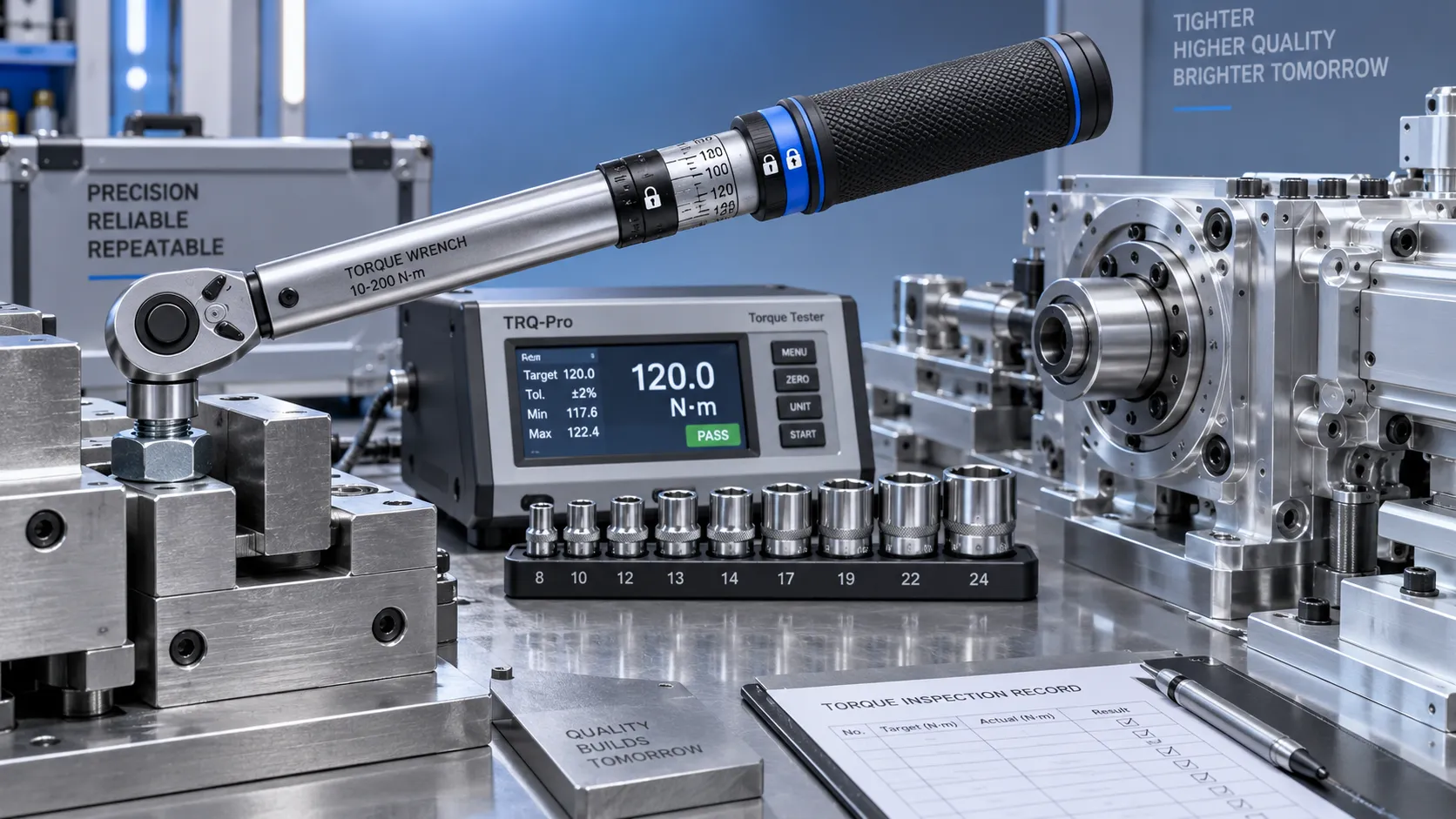
Selecting Adjustable Torque Tools for Repeatable Fastener Assembly
Adjustable torque tools: learn how to match range, accuracy, control methods, calibration, and ergonomics for repeatable, reliable fastener assembly.
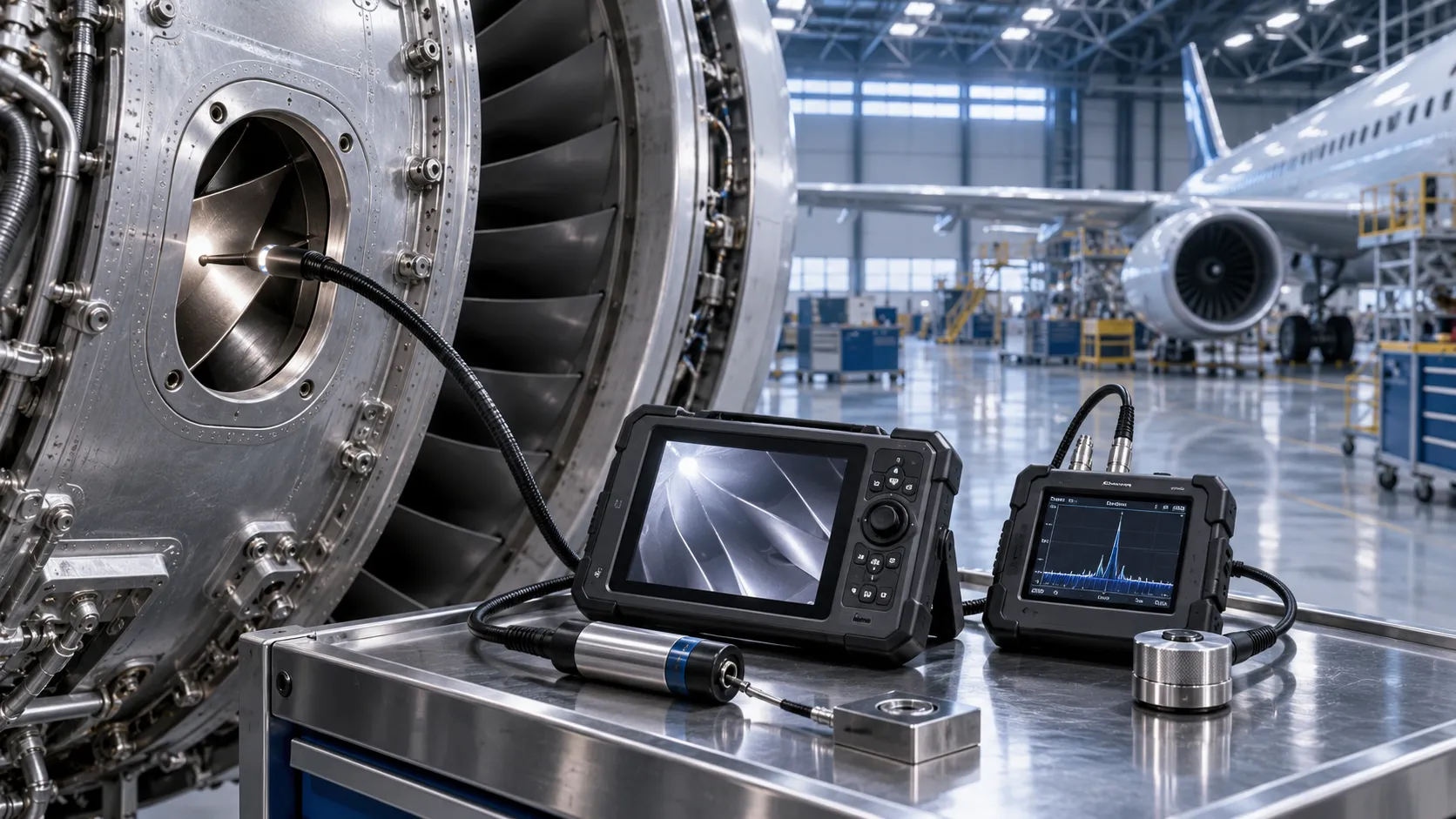
How to Select Aerospace Inspection Tools for Aircraft Maintenance Tasks
Aerospace maintenance inspection tools: learn how to select reliable, traceable equipment for aircraft access, accuracy, calibration, and compliant maintenance decisions.
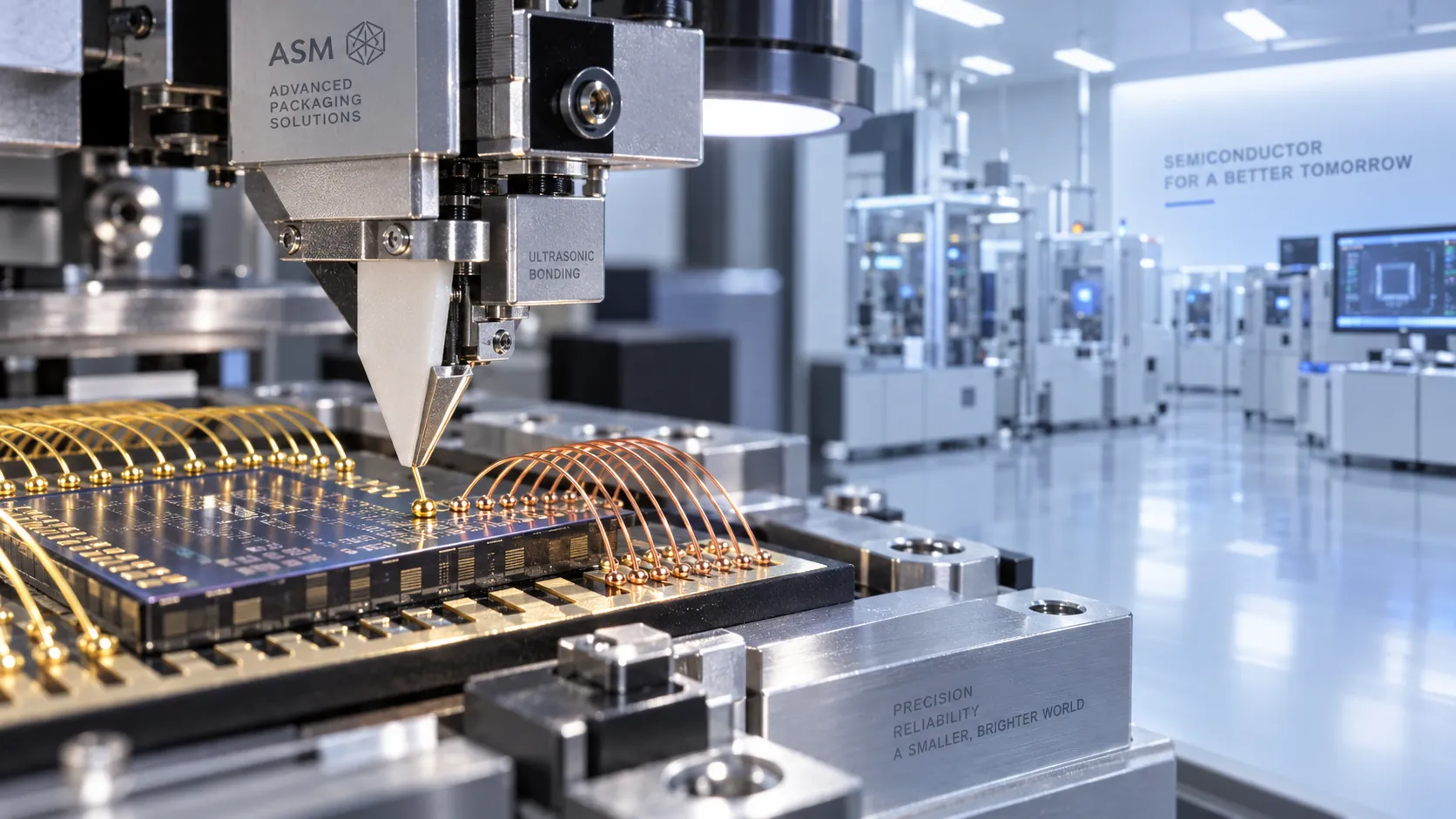
How to Select Wire Bonding Tools for Fine-Pitch Semiconductor Packaging
Explore semiconductor manufacturing tools for wire bonding and learn how to select precision solutions for fine-pitch packaging, reliable loops, accuracy, and yield.
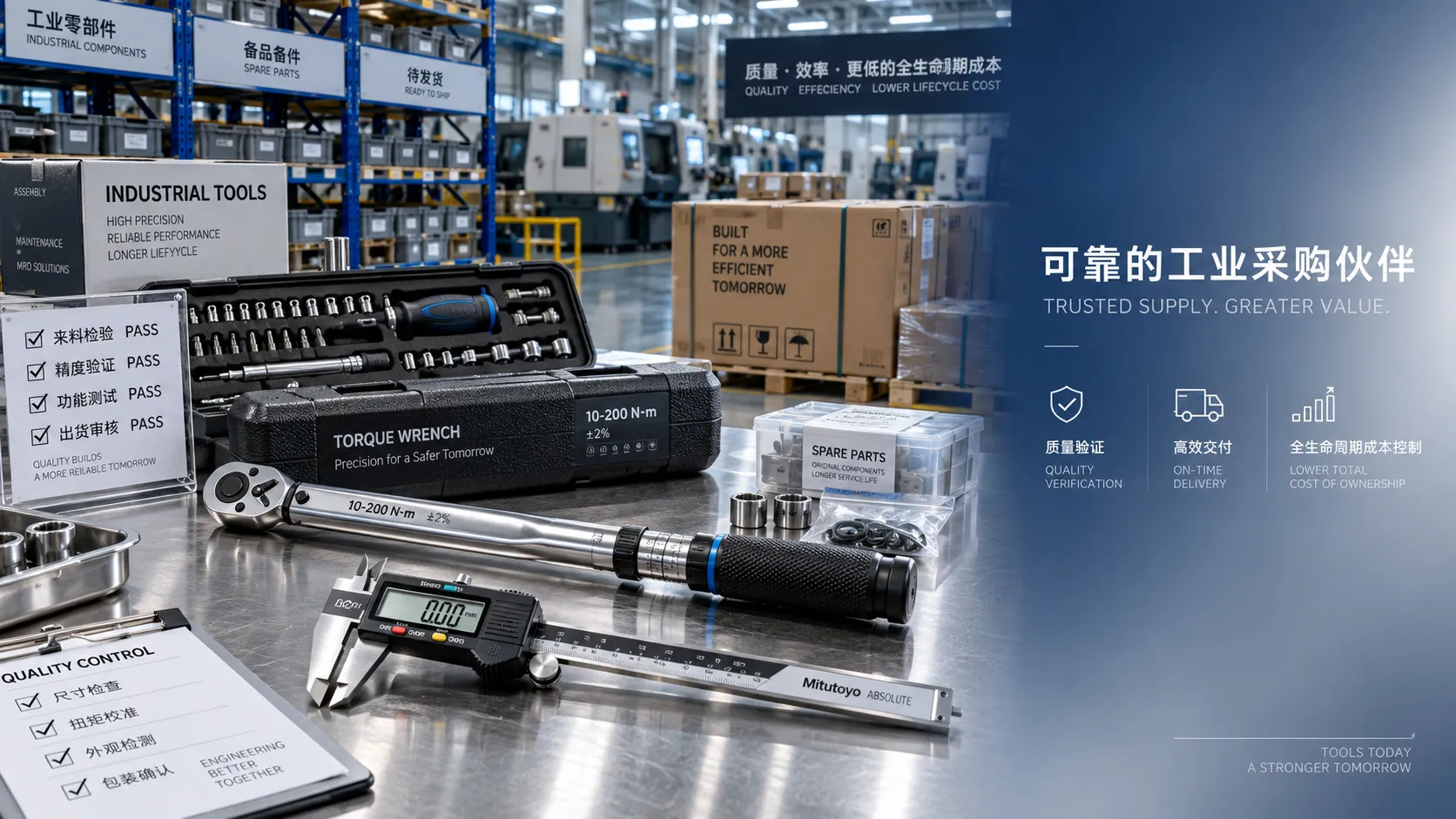
How to Compare Industrial Tool Suppliers for Quality, Lead Time, and Total Cost
Industrial tool selection supplier comparison made simple: evaluate quality, lead times, total cost, service, and supply resilience for confident sourcing decisions.
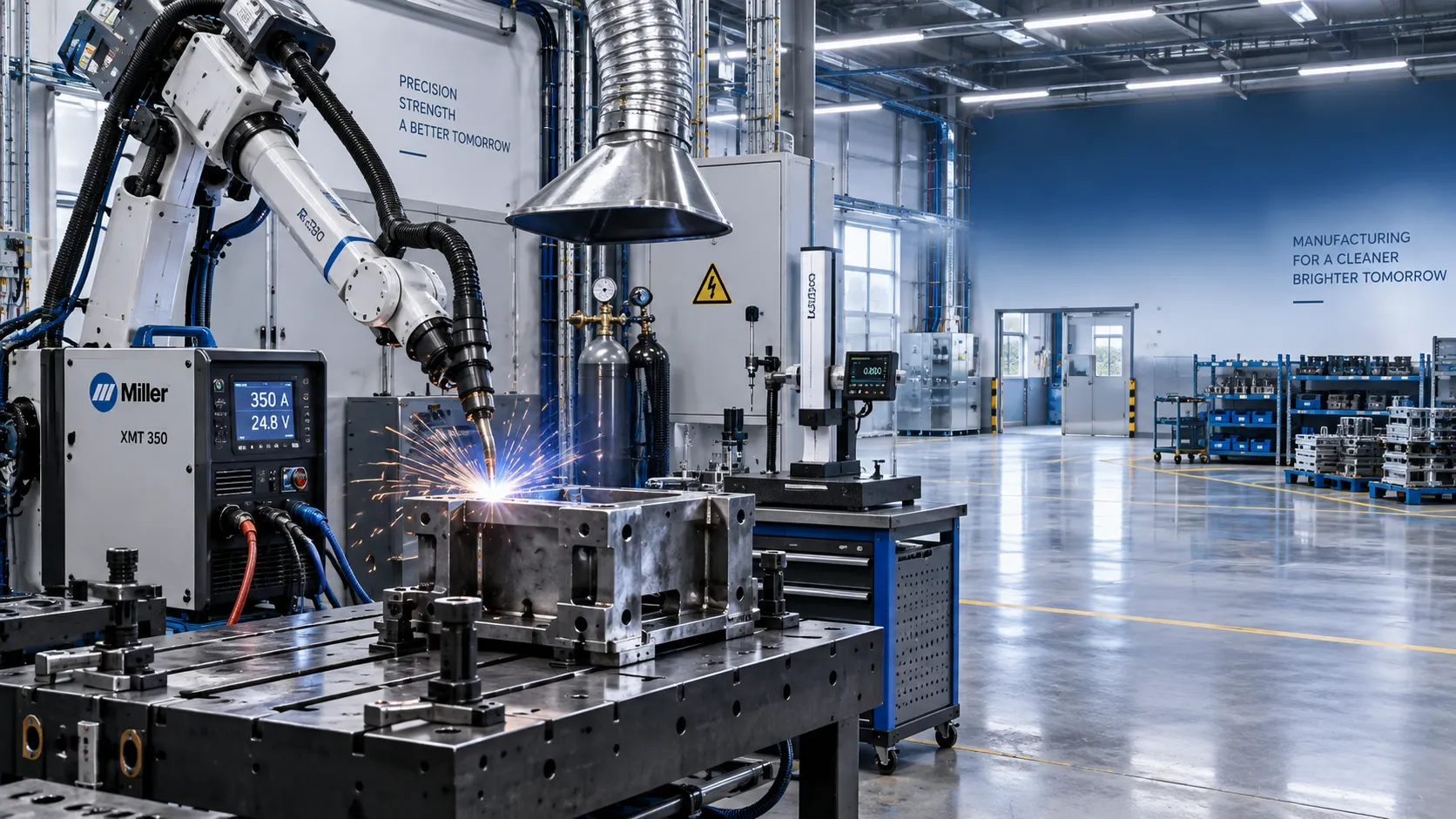
Industrial Equipment Application Guidance: Match Machines to Operating Conditions
Application guidance industrial equipment: match capacity, duty cycle, materials, site conditions, safety, and lifecycle cost to improve reliable output. Read the guide.
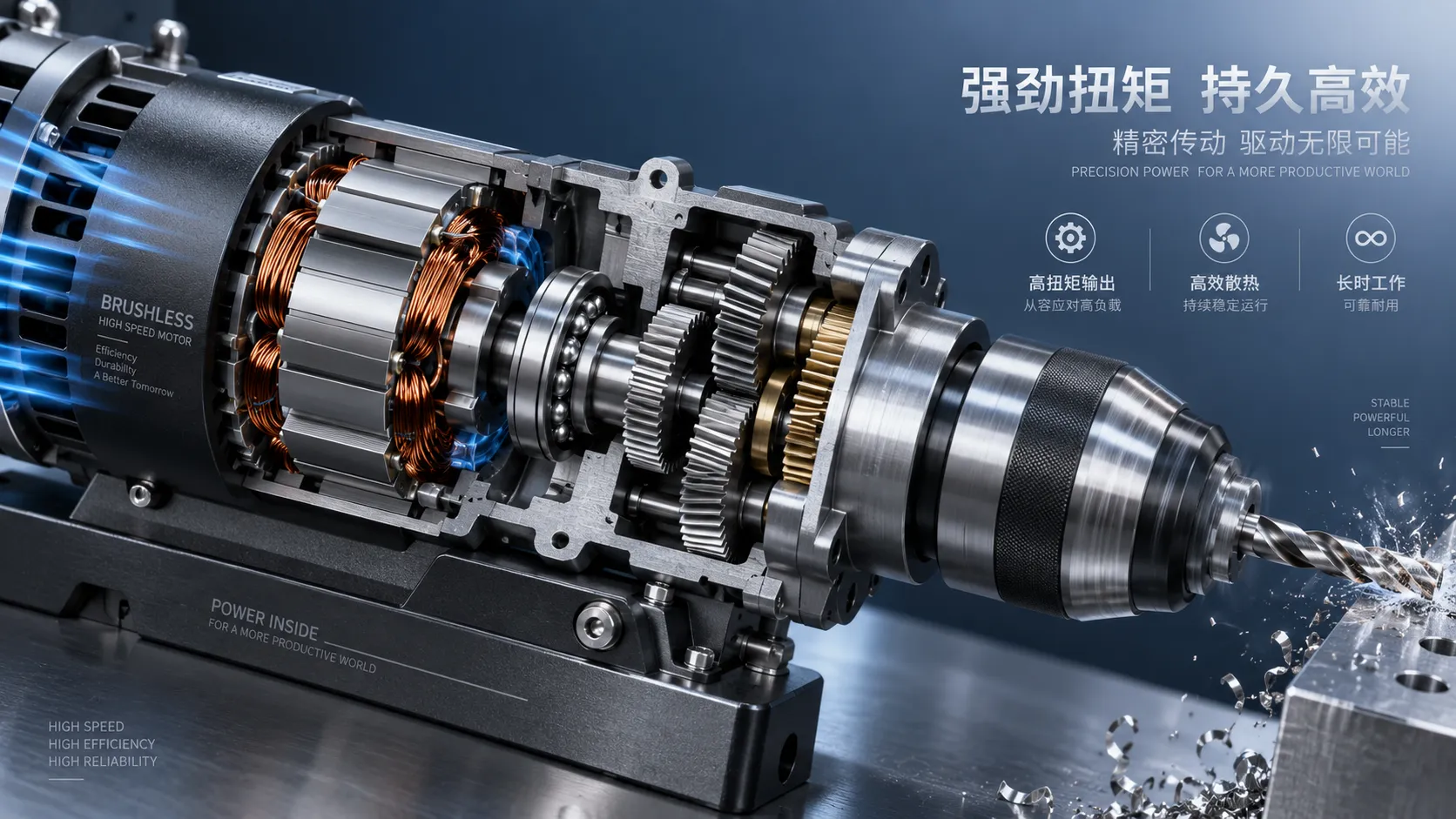
Selecting High-Speed Brushless Tool Motors for Torque, Heat, and Duty Cycle
High speed brushless tool motors: learn how to balance torque, heat, gearing, and duty cycle for reliable industrial tool performance and longer service life.
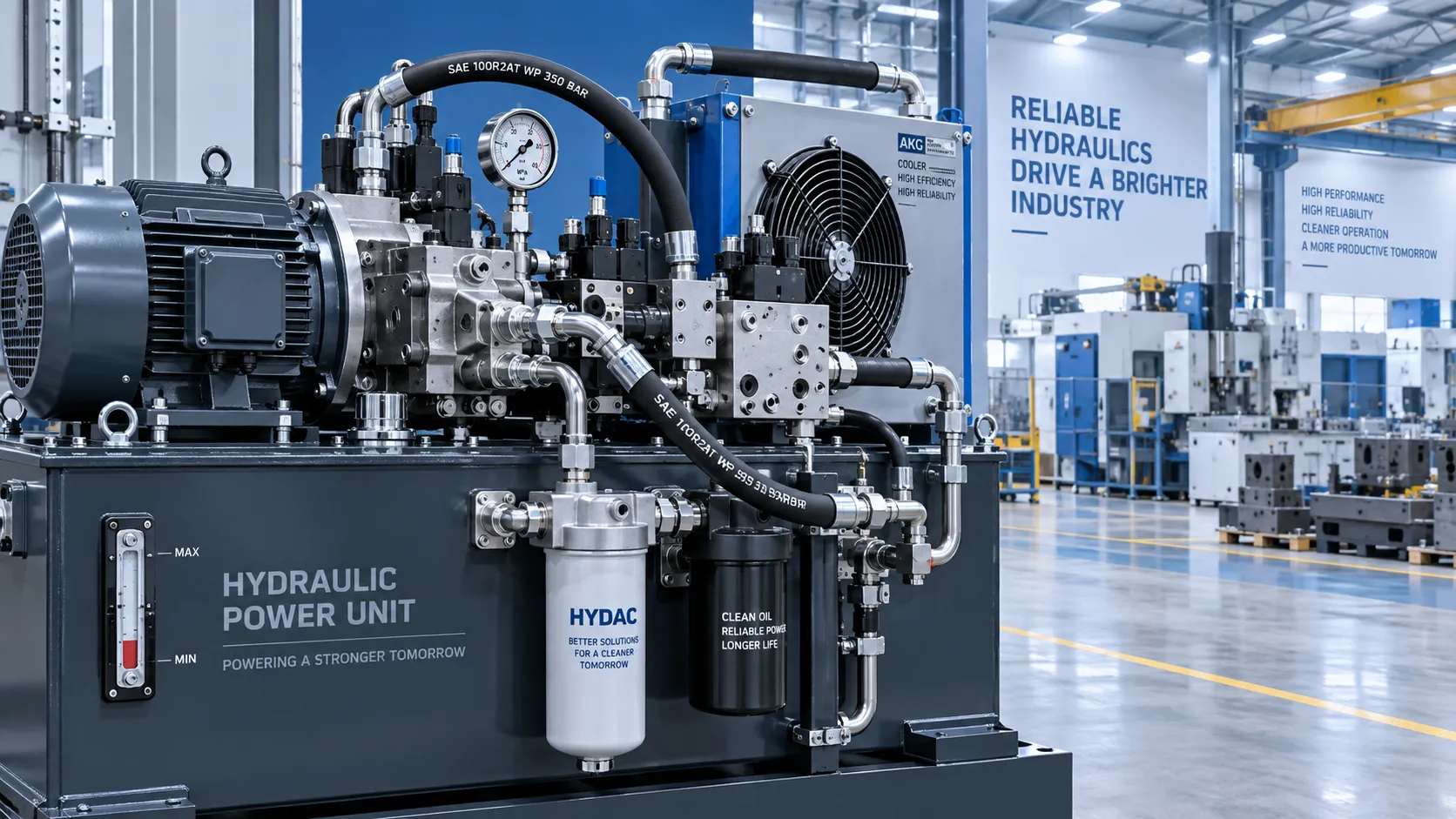
What Determines Industrial Hydraulic System Price for Heavy-Duty Equipment?
Industrial hydraulic system price depends on duty cycle, pressure, components, cooling, and integration. Compare quotes intelligently to secure reliable heavy-duty performance.
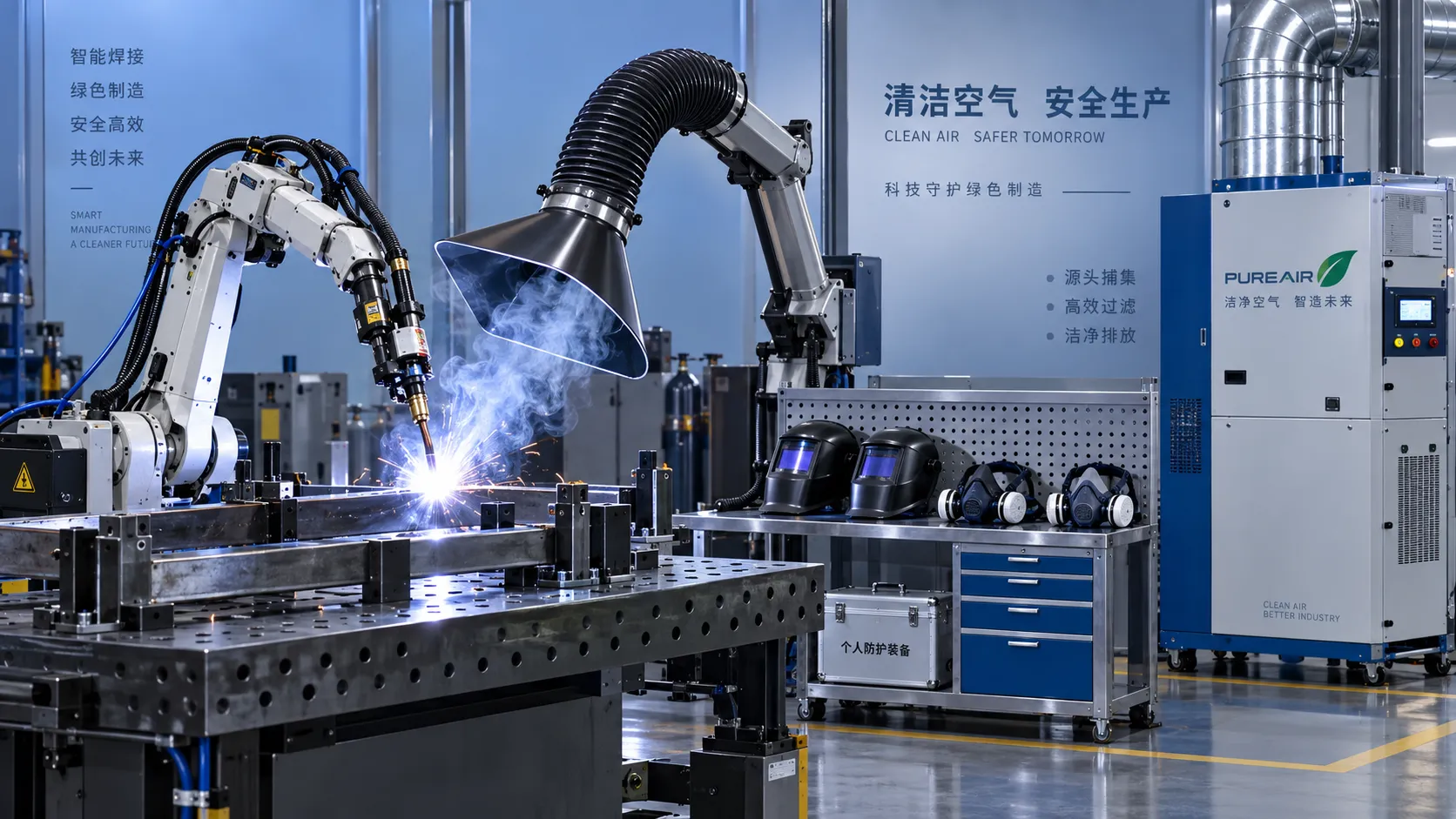
Welding Fume Extraction PPE: When Respirators Are Not Enough for Shop Safety
Welding fume extraction PPE: learn why respirators alone fall short and how source capture, ventilation, and layered controls improve shop safety.
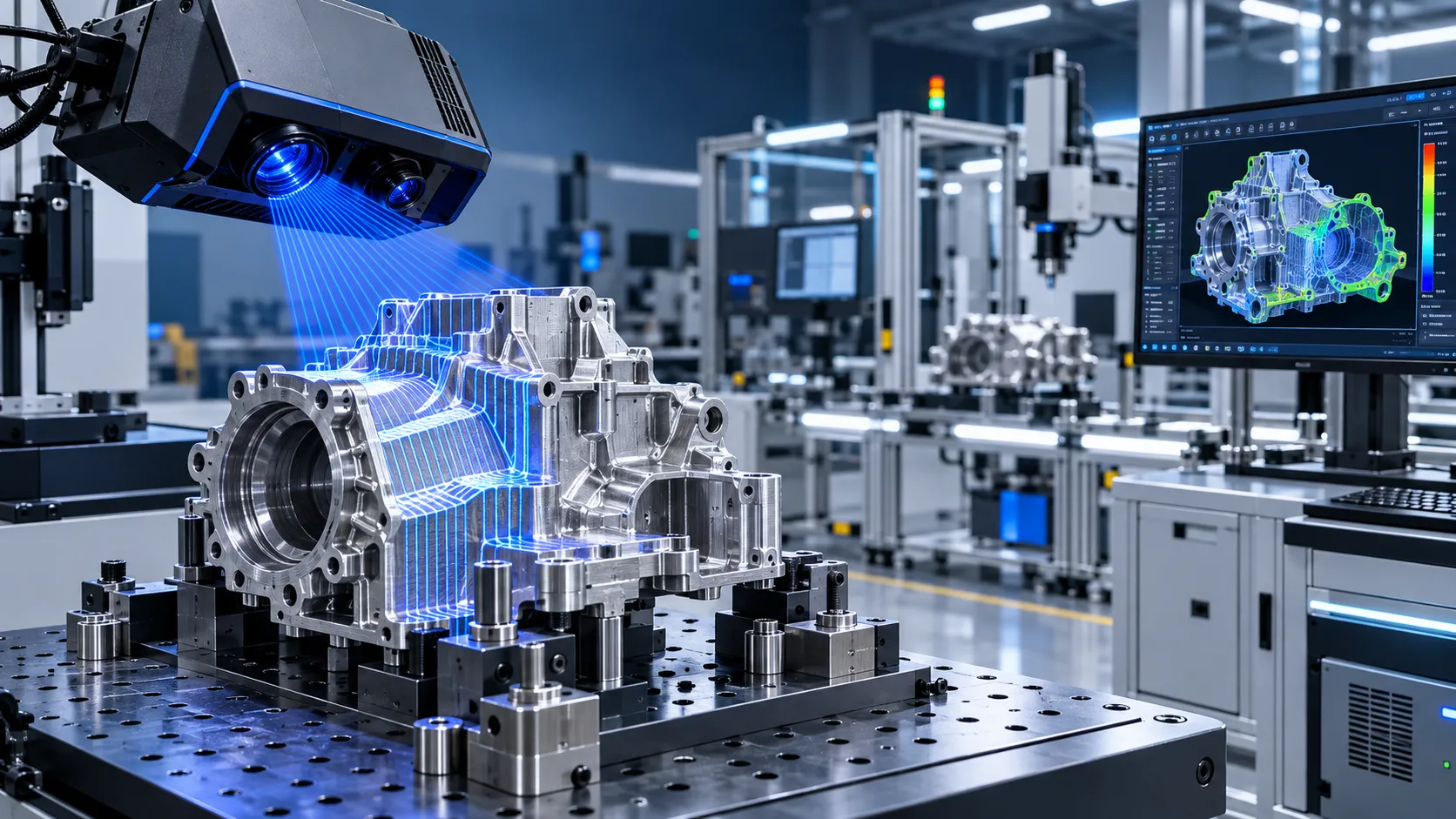
How to Select Optical Metrology Solutions for Tight-Tolerance Manufacturing
Optical industrial metrology solutions for tight-tolerance manufacturing: evaluate accuracy, surface compatibility, workflow, and traceability to select with confidence.
Related News
- 00
0000-00
Selecting Adjustable Torque Tools for Repeatable Fastener Assembly - 00
0000-00
How to Select Aerospace Inspection Tools for Aircraft Maintenance Tasks - 00
0000-00
How to Select Wire Bonding Tools for Fine-Pitch Semiconductor Packaging - 00
0000-00
Industrial Equipment Application Guidance: Match Machines to Operating Conditions - 00
0000-00
Selecting High-Speed Brushless Tool Motors for Torque, Heat, and Duty Cycle
Prof. Marcus Chen
Weekly Insights
Stay ahead with our curated technology reports delivered every Monday.