
Automotive Tools That Reduce Downtime in Daily Service





In daily service bays, every minute of downtime affects throughput, customer satisfaction, and profitability. The right automotive tools help technicians diagnose faults faster, complete repairs more accurately, and reduce repeat work. As vehicles become more electrified, software-driven, and tolerance-sensitive, tool selection is no longer a routine purchase. It is a strategic decision that shapes service speed, workshop consistency, and long-term operating efficiency.
Downtime pressure is changing how automotive tools are evaluated
Service environments have changed quickly over the last few years. Vehicle platforms now combine electronics, lightweight materials, tighter assemblies, and more brand-specific repair procedures.
Because of this shift, automotive tools are judged by more than durability alone. Speed of diagnosis, torque accuracy, data traceability, and ergonomic performance now matter just as much.
GPTWM closely observes this “last mile” of maintenance efficiency. Across global service operations, the strongest trend is clear: smarter, more precise tools reduce downtime by eliminating avoidable delays.
The old bottlenecks were often mechanical. Today, many delays come from uncertain measurements, battery limitations, missing calibration, slow fastener removal, or incomplete fault verification.
That is why modern automotive tools increasingly combine mechanical strength with metrology, brushless power systems, digital controls, and workflow-friendly design.
Several trend signals show where downtime reduction is really happening
Not every tool upgrade delivers equal value. The strongest improvements appear in daily service tasks that are repeated often and where small delays multiply across the day.
High-frequency repair tasks are becoming tool-sensitive
Wheel service, brake maintenance, suspension work, fluid service, battery replacement, and electrical testing all depend on reliable automotive tools. Even minor inefficiencies can disrupt the repair queue.
Precision is now directly linked to service speed
A technician who confirms runout, torque, voltage, or clearance correctly on the first attempt avoids rework. In this way, measuring tools and fastening tools become downtime control assets.
Cordless platforms are replacing older shop routines
Brushless cordless impact wrenches, ratchets, and drivers reduce hose clutter, setup time, and workstation movement. They help keep bays cleaner while maintaining strong output.
Data-enabled tools support consistency
Digital torque tools and connected diagnostic devices improve repeatability. When procedures are captured and verified, service teams spend less time checking work twice.
The main drivers behind this shift can be mapped clearly
The rise of downtime-focused automotive tools is not random. It is shaped by technical, operational, and economic pressures across the wider industrial and mobility ecosystem.
The automotive tools with the strongest impact are not always the most expensive
In real service conditions, downtime falls fastest when common failure points are addressed. The most effective automotive tools usually support diagnosis, fastening, measurement, and access.
- Scan tools with fast boot time and clear live-data access
- Digital multimeters and test lights for quick electrical confirmation
- Cordless impact wrenches for wheel and underbody work
- Electronic torque wrenches for repeatable final tightening
- Calipers, micrometers, and gauges for wear measurement
- Battery support units and charging equipment for stable diagnostics
- Low-profile lifting and access tools that save movement time
- Fluid handling tools that improve cleanliness and speed
These categories matter because they remove uncertainty. When a result is quick and trustworthy, decisions happen faster and work proceeds with fewer interruptions.
The impact extends across several business and workflow stages
Downtime reduction is not limited to the repair bench. Better automotive tools influence scheduling, parts usage, quality control, and final delivery timing.
At job intake, rapid testing tools improve fault confirmation. During disassembly, ergonomic power tools reduce handling time. At reassembly, torque control prevents expensive mistakes.
At final inspection, precision measuring devices help verify the repair without delay. This shortens the gap between completed work and customer handover.
Where the efficiency gains usually appear
- Less diagnostic guesswork before parts are ordered
- Fewer repeat tightening and rechecking steps
- Lower chance of damaged fasteners and stripped threads
- Improved technician movement inside compact service bays
- Faster completion of repetitive maintenance operations
What deserves the closest attention when choosing automotive tools now
A modern tool strategy should focus on measurable workflow outcomes. The goal is not simply to buy more equipment, but to identify which automotive tools remove friction every day.
- Cycle-time reduction: Track minutes saved on frequent service jobs.
- Torque integrity: Prioritize tools that improve first-pass fastening accuracy.
- Measurement confidence: Use calibrated instruments for wear and tolerance checks.
- Power platform efficiency: Compare battery runtime, recharge speed, and brushless durability.
- Ergonomics: Compact design reduces fatigue in repeated underhood and undercar tasks.
- Standardization: Shared battery systems and common accessories simplify operations.
- Traceability: Digital records help validate procedures and support quality assurance.
GPTWM’s industrial intelligence perspective also highlights a broader lesson. Tool value increasingly comes from how well precision, energy efficiency, and practical design work together.
A practical response plan can help turn tool investment into lower downtime
For service operations seeking immediate improvement, the best response is phased adoption. Start with the tasks that create the most waiting time, then expand by measured results.
This phased method keeps decisions practical. It also helps connect tool spending with visible efficiency gains rather than assumptions.
The next advantage will come from precision, connectivity, and service realism
The future of automotive tools is not only stronger motors or higher output. The next advantage comes from combining precision metrology, connected verification, and real bay usability.
As observed through GPTWM’s focus on intelligent tools and industrial efficiency, the most valuable equipment will be the tools that fit actual service sequences, not just technical specifications.
Reducing downtime means asking better questions: Which tasks stall the bay most often? Which automotive tools eliminate uncertainty? Which upgrades improve first-pass repair quality?
Answering those questions creates a stronger service model. It supports faster turnaround, better consistency, and a more resilient maintenance operation.
If the goal is to keep vehicles moving with fewer delays, start by reviewing the tools used every day. The right automotive tools do more than complete repairs. They protect time, quality, and operational momentum.
Related News
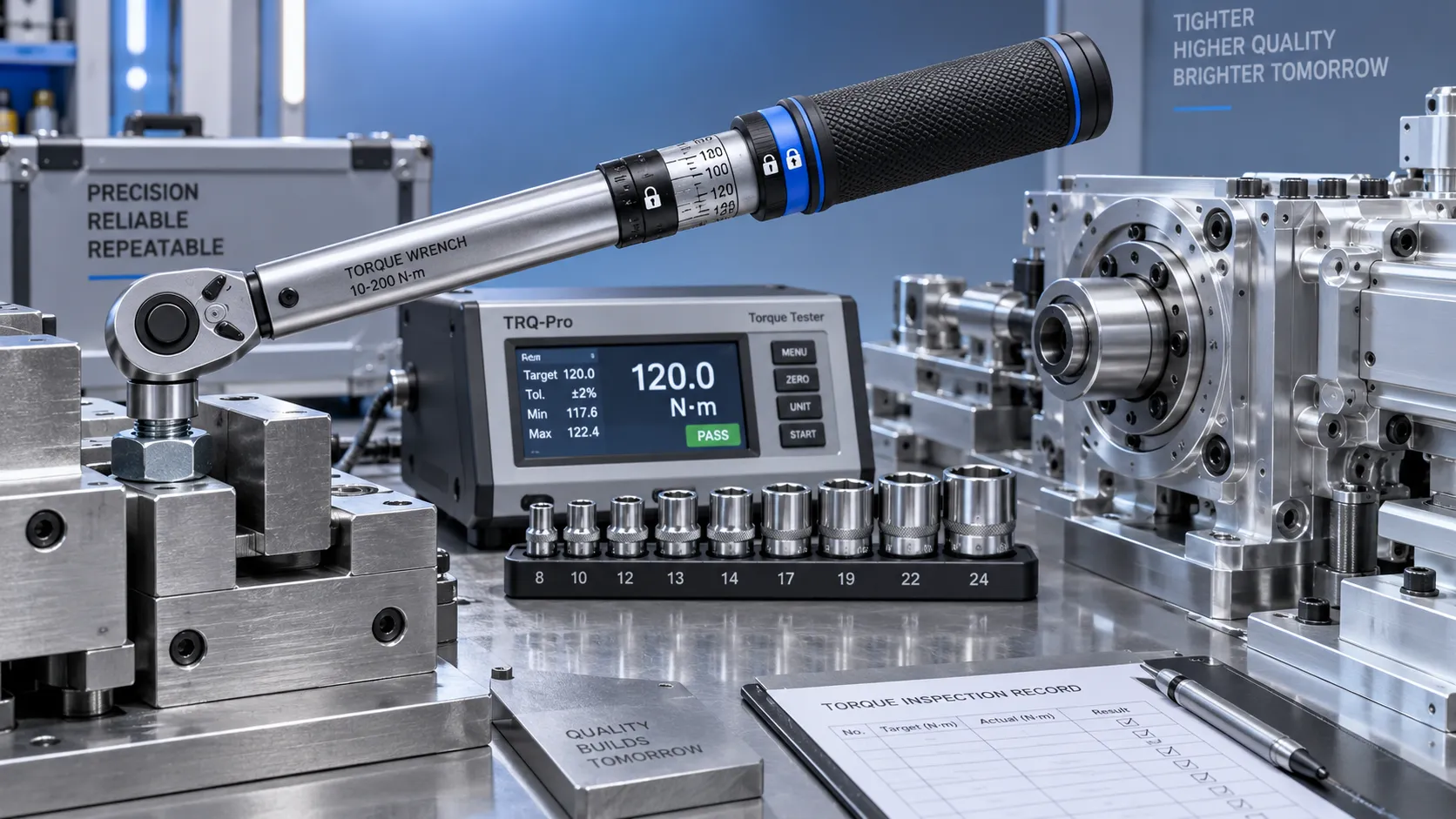
Selecting Adjustable Torque Tools for Repeatable Fastener Assembly
Adjustable torque tools: learn how to match range, accuracy, control methods, calibration, and ergonomics for repeatable, reliable fastener assembly.

How to Select Aerospace Inspection Tools for Aircraft Maintenance Tasks
Aerospace maintenance inspection tools: learn how to select reliable, traceable equipment for aircraft access, accuracy, calibration, and compliant maintenance decisions.

How to Select Wire Bonding Tools for Fine-Pitch Semiconductor Packaging
Explore semiconductor manufacturing tools for wire bonding and learn how to select precision solutions for fine-pitch packaging, reliable loops, accuracy, and yield.
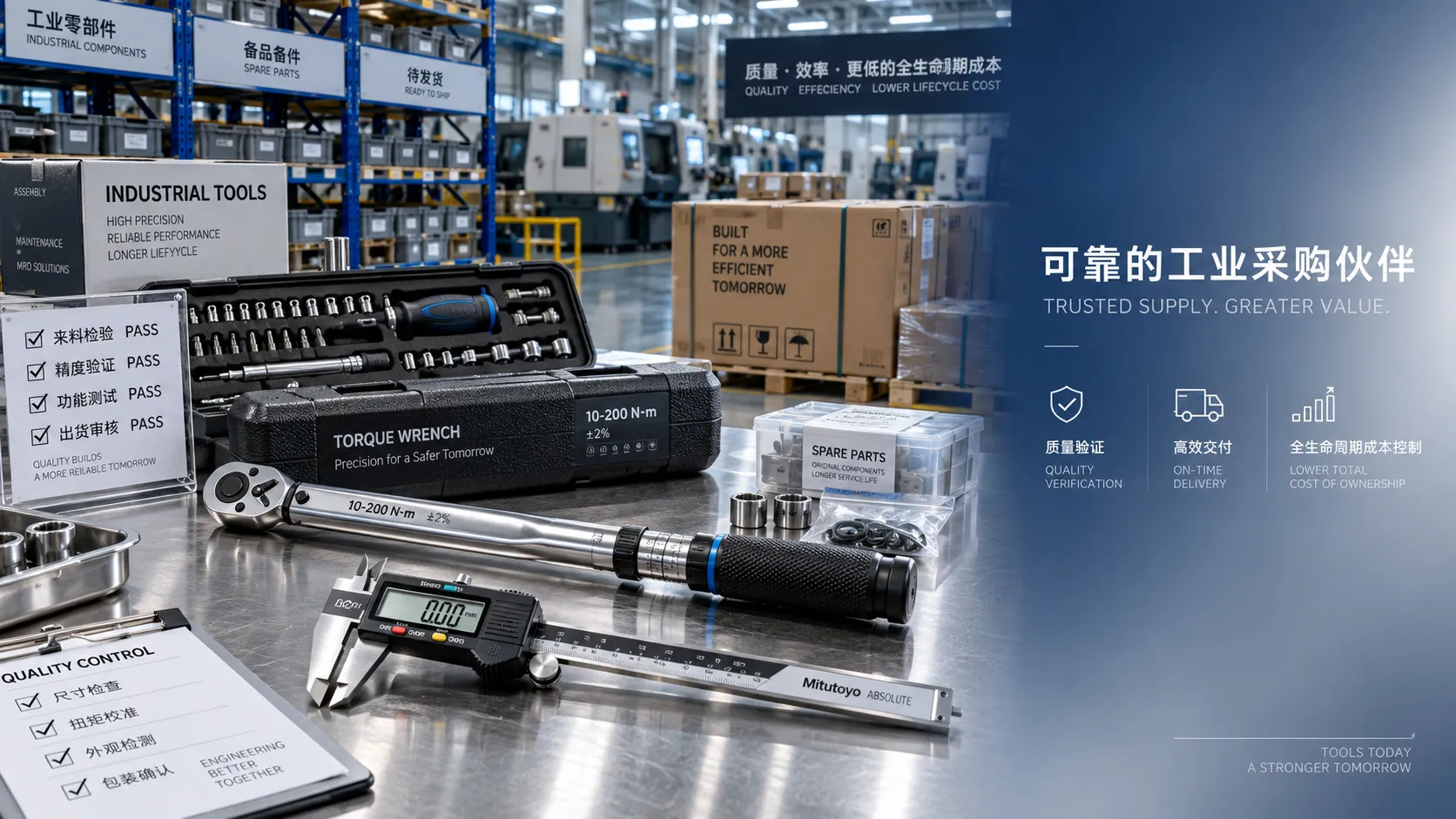
How to Compare Industrial Tool Suppliers for Quality, Lead Time, and Total Cost
Industrial tool selection supplier comparison made simple: evaluate quality, lead times, total cost, service, and supply resilience for confident sourcing decisions.
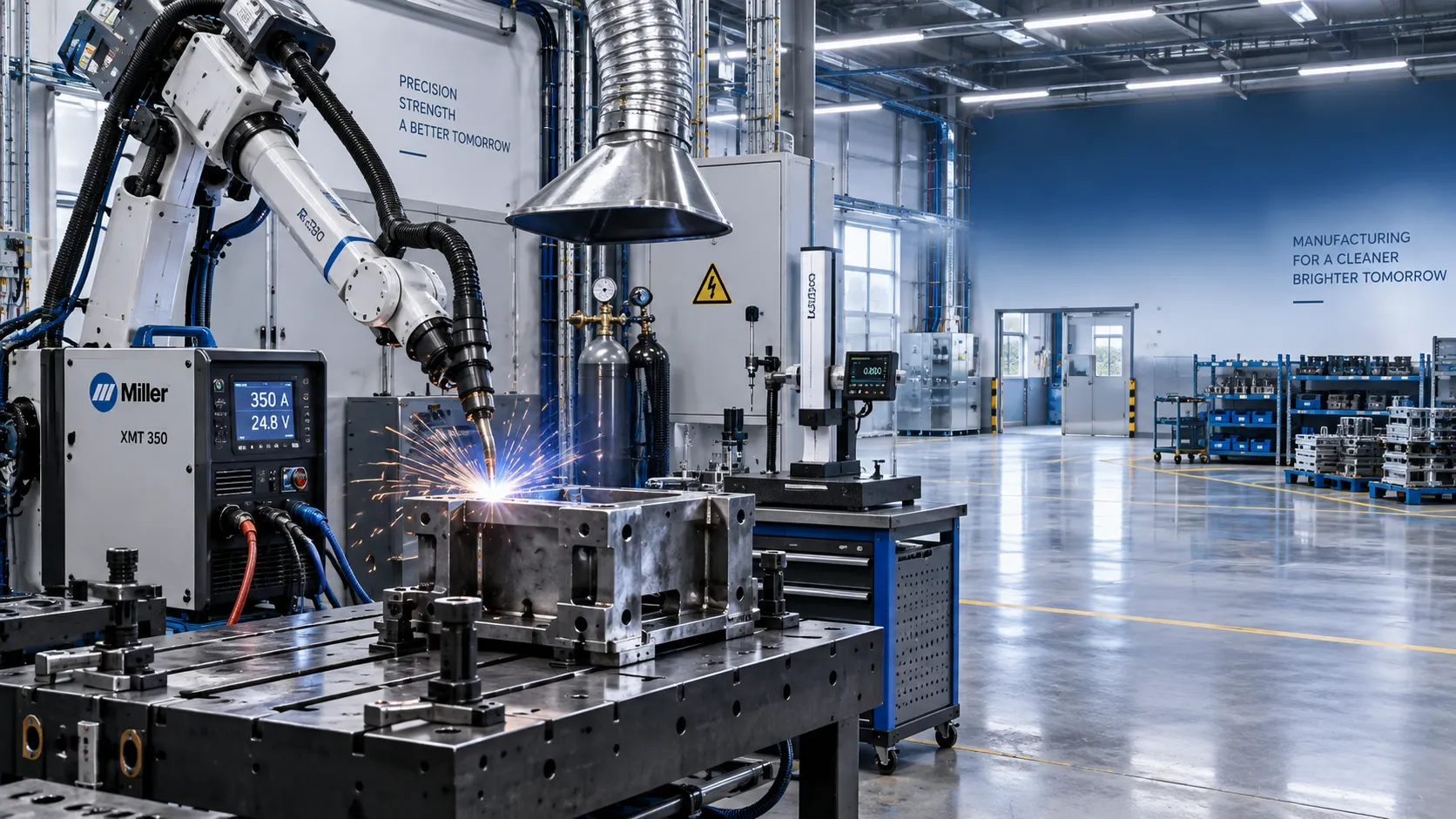
Industrial Equipment Application Guidance: Match Machines to Operating Conditions
Application guidance industrial equipment: match capacity, duty cycle, materials, site conditions, safety, and lifecycle cost to improve reliable output. Read the guide.
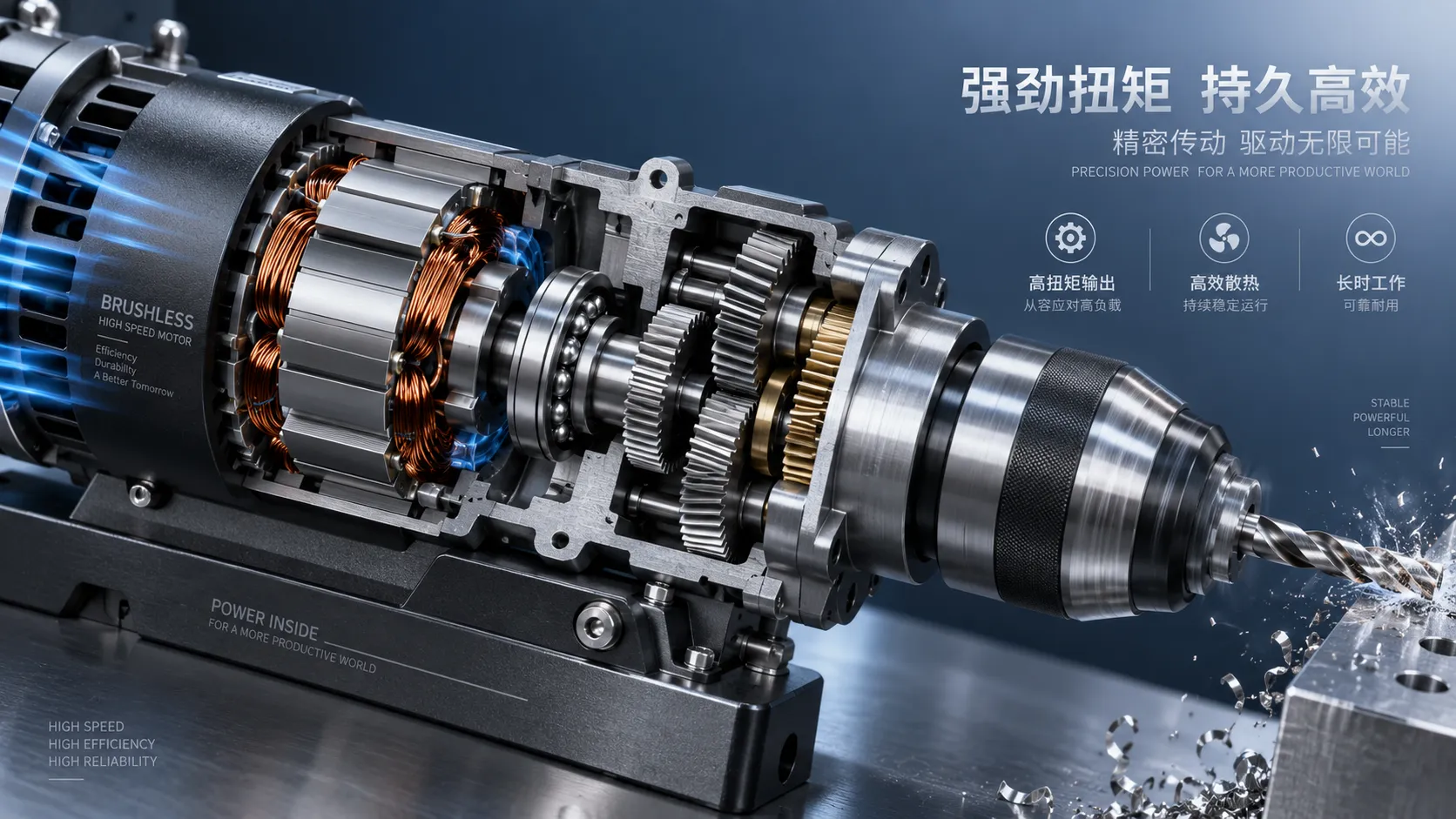
Selecting High-Speed Brushless Tool Motors for Torque, Heat, and Duty Cycle
High speed brushless tool motors: learn how to balance torque, heat, gearing, and duty cycle for reliable industrial tool performance and longer service life.
What Determines Industrial Hydraulic System Price for Heavy-Duty Equipment?
Industrial hydraulic system price depends on duty cycle, pressure, components, cooling, and integration. Compare quotes intelligently to secure reliable heavy-duty performance.
Welding Fume Extraction PPE: When Respirators Are Not Enough for Shop Safety
Welding fume extraction PPE: learn why respirators alone fall short and how source capture, ventilation, and layered controls improve shop safety.
How to Select Optical Metrology Solutions for Tight-Tolerance Manufacturing
Optical industrial metrology solutions for tight-tolerance manufacturing: evaluate accuracy, surface compatibility, workflow, and traceability to select with confidence.
Related News
- 00
0000-00
How to Select Battery Assembly Tools for Torque Control and High-Volume Production - 00
0000-00
How Battery, Torque, and Duty Cycle Affect Cordless Power Tool Efficiency - 00
0000-00
How to Size High-Torque Tool Motors for Continuous-Duty Assembly Lines - 00
0000-00
How to Choose 24V Brushless Tool Motors for Torque, Runtime, and Duty Cycle? - 00
0000-00
Automotive Repair Tools List: What Every Workshop Needs for Daily Service Jobs
Electro-Mech Tool Designer
Weekly Insights
Stay ahead with our curated technology reports delivered every Monday.