
Which Industrial Solutions Cut Hidden Operating Costs?





Why hidden costs are becoming the real test for industrial solutions
Hidden operating costs often erode margins long before they appear on a balance sheet.
Across industrial operations, unit price no longer tells the full story.
The most effective industrial solutions now cut waste between process steps, not only at the point of purchase.
That shift matters in assembly, metal joining, inspection, maintenance, logistics, and equipment uptime management.
As observed across the Global Precision Tools & Welding Matrix, cost pressure increasingly comes from energy volatility, labor gaps, tighter standards, and quality traceability demands.
In this environment, industrial solutions create value when they reduce downtime, rework, overconsumption, and compliance exposure over time.
The cost structure is shifting from visible spend to operational leakage
A major trend across the broader industrial sector is the rise of invisible loss.
Factories can still hit purchasing targets while losing money through inconsistent torque, poor weld quality, measurement drift, and unplanned stoppages.
Older cost models focused on acquisition.
Newer models evaluate lifecycle performance, operator safety, digital integration, and service burden.
This is why industrial solutions are increasingly assessed through total operating impact.
The strongest savings often appear in areas that were previously treated as routine overhead.
Common hidden losses now under closer review
- Micro-stoppages caused by tool inconsistency or unstable consumable performance
- Energy waste from inefficient motors, compressed air leaks, and poor welding settings
- Rework linked to inaccurate measurement or weak process control
- Maintenance overload from short service intervals and hard-to-diagnose failures
- Safety incidents and compliance delays from outdated joining or inspection methods
Which industrial solutions usually cut hidden operating costs first
Not all improvements deliver equal savings.
The most practical industrial solutions usually target recurring losses with measurable operational impact.
They also improve process stability across multiple departments rather than solving a single isolated issue.
1. Precision metrology that prevents downstream rework
Measurement errors are expensive because they travel through the line before being discovered.
High-accuracy calipers, gauges, torque verification tools, and digital inspection systems reduce scrap before value-added work accumulates.
Well-chosen industrial solutions in metrology also support traceability, calibration discipline, and faster root-cause analysis.
2. Efficient joining technologies that lower energy and defect rates
Welding and fastening costs often hide in spatter, distortion, post-processing, and safety management.
Handheld laser welding, controlled arc systems, and intelligent torque tools can reduce heat input, cycle time, and correction work.
These industrial solutions become especially valuable where appearance quality and repeatability matter.
3. Brushless and smart power tools that reduce maintenance load
Tool replacement frequency is an underestimated operating expense.
Brushless motors generally reduce wear, heat, and service interruptions compared with legacy alternatives.
When connected to usage tracking, these industrial solutions also reveal overload patterns and operator misuse.
4. IoT-enabled control systems that expose waste in real time
Many hidden costs persist because teams cannot see them clearly.
Connected torque systems, condition monitoring, and performance dashboards convert scattered events into actionable signals.
These industrial solutions support faster intervention and more disciplined continuous improvement.
What is driving this change in industrial cost reduction priorities
Several forces are pushing industrial operators to rethink cost control.
The pressure is not temporary.
It reflects a deeper transition toward precision, digital visibility, and resilient production systems.
How different business stages feel the impact of better industrial solutions
The value of industrial solutions appears differently across the operating chain.
Savings are strongest when tools, joining systems, and measurement methods are evaluated as one connected workflow.
Production and assembly
Cycle consistency improves when fastening and cutting tools maintain stable output over long runs.
That reduces takt disruption, operator fatigue, and quality escapes.
Welding and metal joining
Better industrial solutions lower post-weld grinding, heat distortion, gas waste, and training dependency.
They also improve safety performance where portable operations are frequent.
Inspection and quality control
More reliable metrology shortens verification time and improves confidence in release decisions.
That matters when production speed and audit readiness must coexist.
Maintenance and asset care
Connected industrial solutions help maintenance teams move from reactive repair toward condition-based intervention.
The result is fewer emergency stoppages and more predictable service planning.
What deserves closer attention before selecting industrial solutions
The wrong upgrade can simply move costs from one department to another.
A stronger decision framework looks beyond brochure specifications.
- Track total cost of ownership, including training, calibration, energy, and service parts
- Check process compatibility with existing lines, data systems, and operator routines
- Measure expected savings from defect reduction, uptime gains, and shorter maintenance cycles
- Review safety, documentation, and export standard requirements before deployment
- Prefer industrial solutions with measurable performance feedback rather than static output only
A practical way to judge which industrial solutions will pay back fastest
Fast payback usually comes from recurring pain points with high frequency and high consequence.
That means small repeated losses often deserve priority over rare major failures.
The next move: use intelligence to connect tools, quality, and operating efficiency
The best industrial solutions do more than replace equipment.
They remove friction between production, inspection, maintenance, and compliance activities.
That is where hidden operating costs are most often trapped.
A useful next step is to map three loss categories.
First, repeated defects. Second, repeated stoppages. Third, repeated overuse of energy or labor.
Then compare industrial solutions by lifecycle impact rather than purchase price alone.
For organizations following precision tooling, welding, and metrology developments, intelligence-led evaluation offers a clearer route to durable savings.
In a market shaped by craftsmanship and digital factories, smarter industrial solutions are increasingly the difference between visible spending and true operating control.
Related News
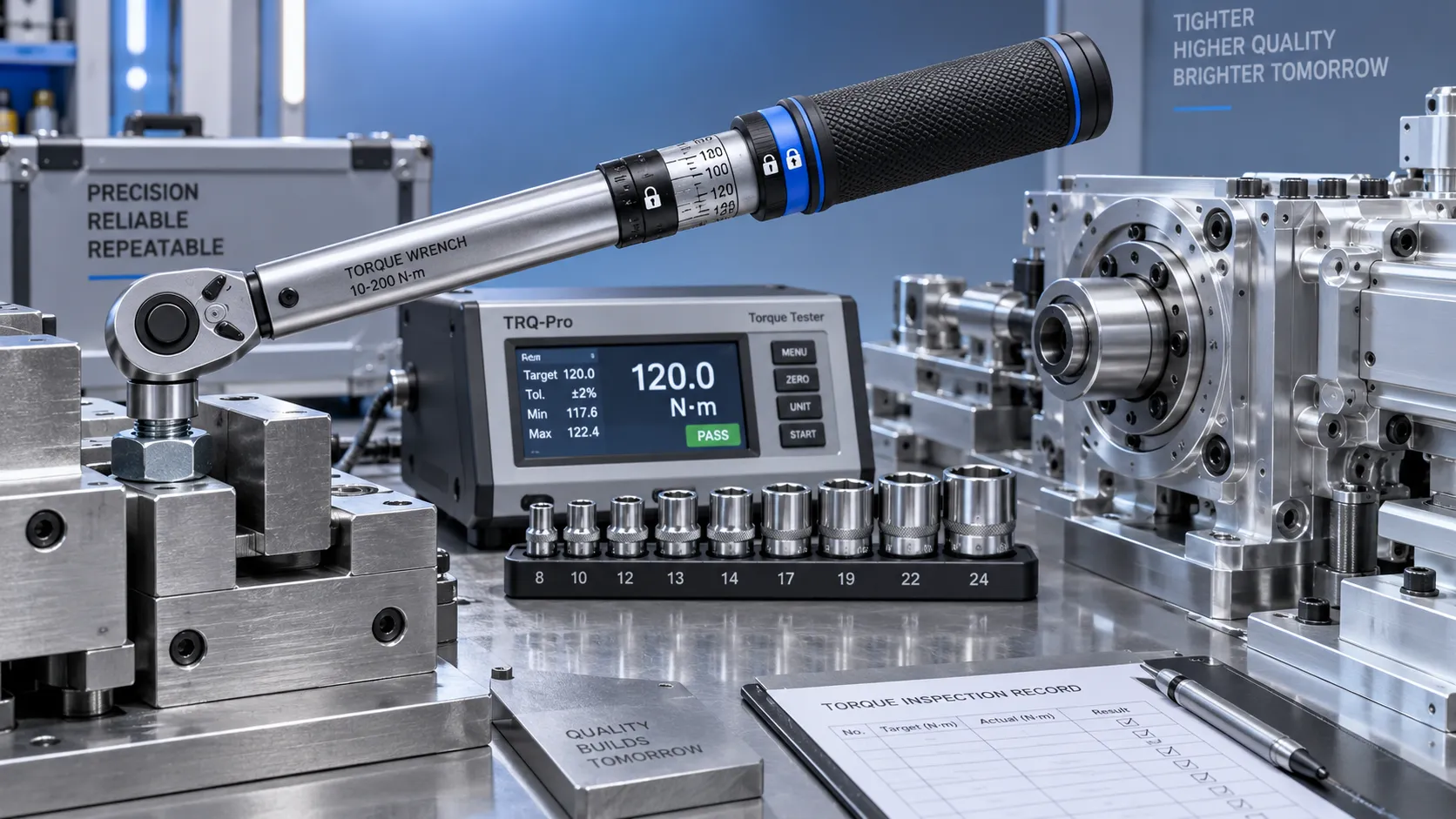
Selecting Adjustable Torque Tools for Repeatable Fastener Assembly
Adjustable torque tools: learn how to match range, accuracy, control methods, calibration, and ergonomics for repeatable, reliable fastener assembly.

How to Select Aerospace Inspection Tools for Aircraft Maintenance Tasks
Aerospace maintenance inspection tools: learn how to select reliable, traceable equipment for aircraft access, accuracy, calibration, and compliant maintenance decisions.

How to Select Wire Bonding Tools for Fine-Pitch Semiconductor Packaging
Explore semiconductor manufacturing tools for wire bonding and learn how to select precision solutions for fine-pitch packaging, reliable loops, accuracy, and yield.
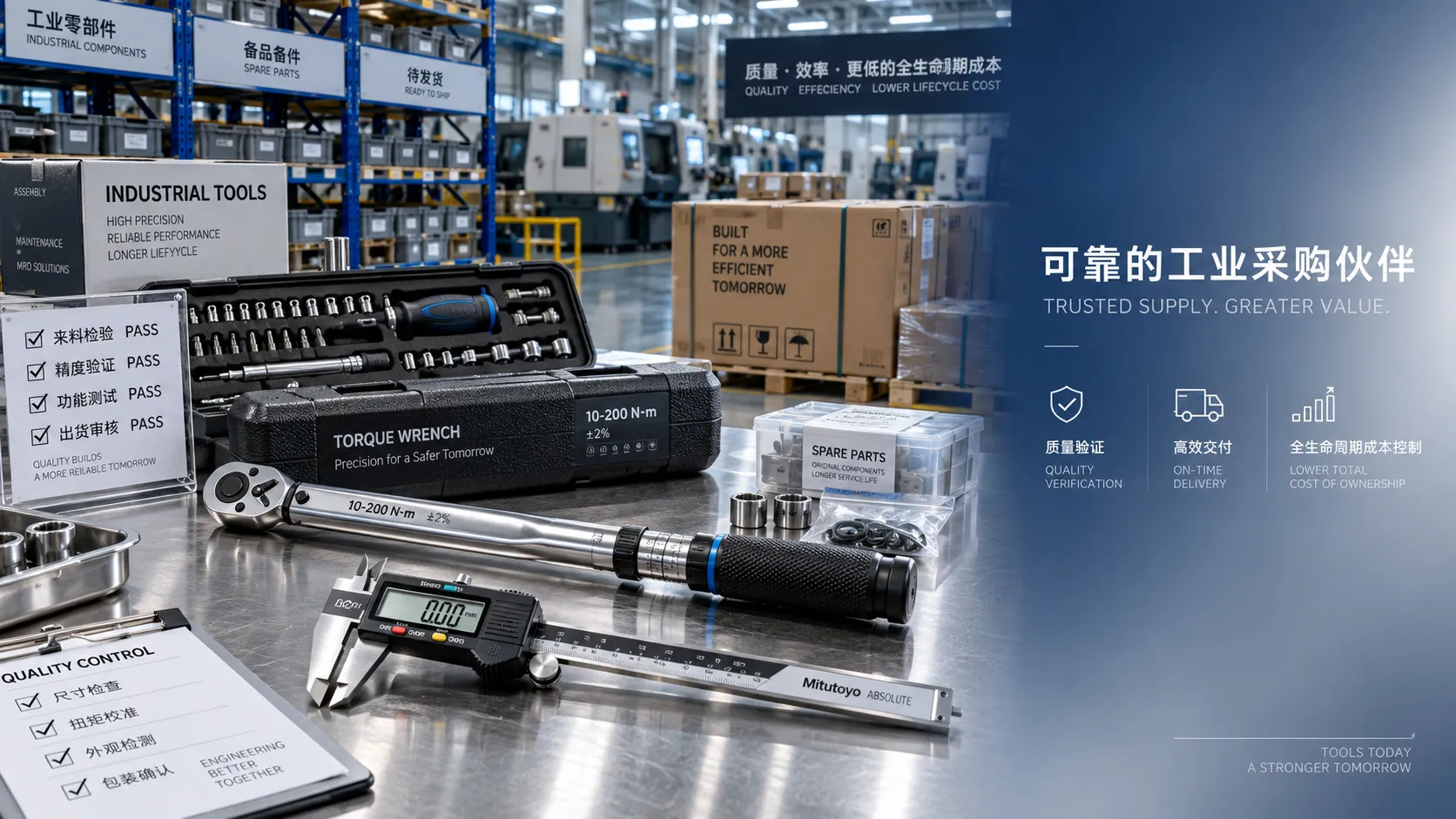
How to Compare Industrial Tool Suppliers for Quality, Lead Time, and Total Cost
Industrial tool selection supplier comparison made simple: evaluate quality, lead times, total cost, service, and supply resilience for confident sourcing decisions.
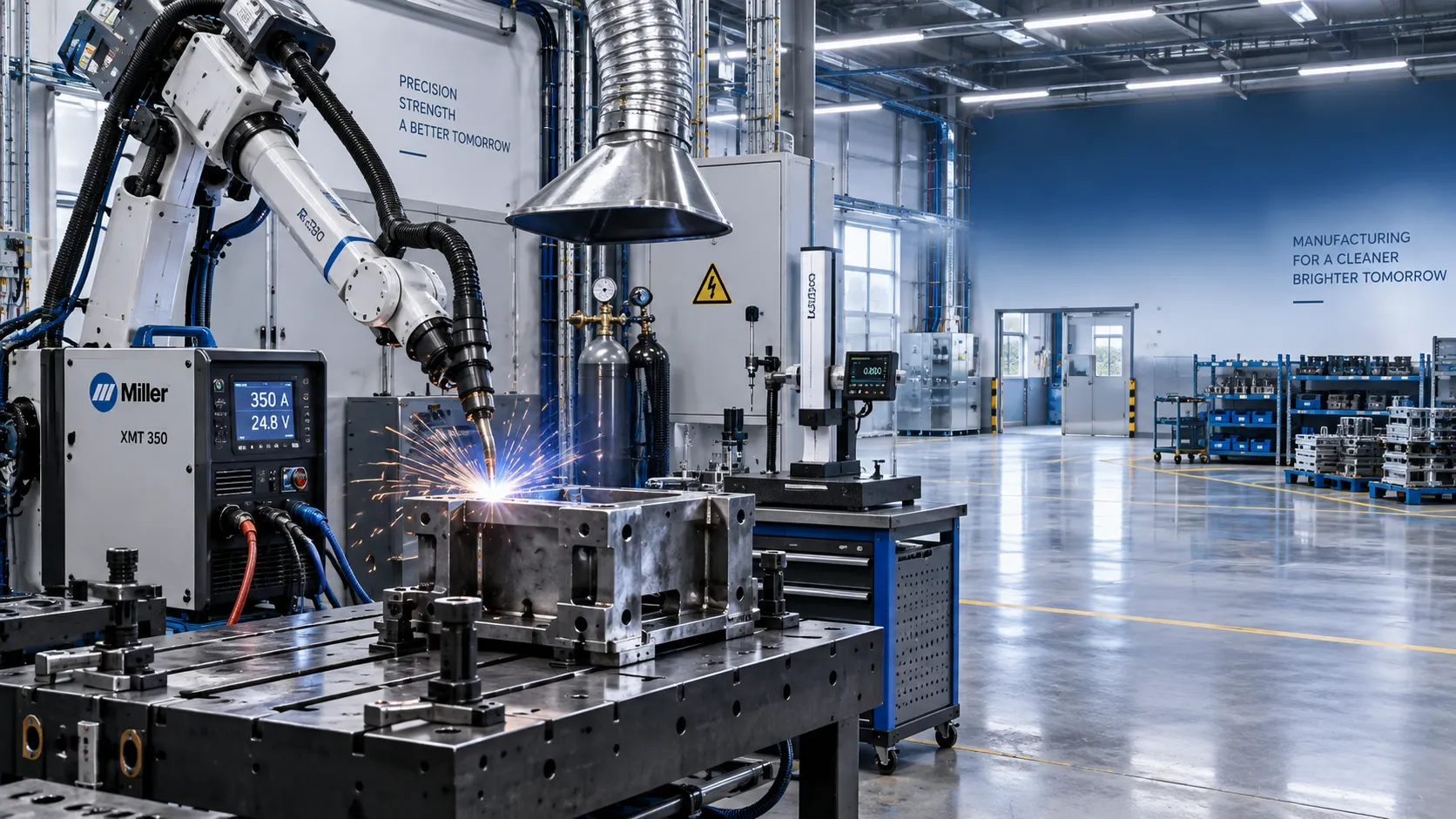
Industrial Equipment Application Guidance: Match Machines to Operating Conditions
Application guidance industrial equipment: match capacity, duty cycle, materials, site conditions, safety, and lifecycle cost to improve reliable output. Read the guide.
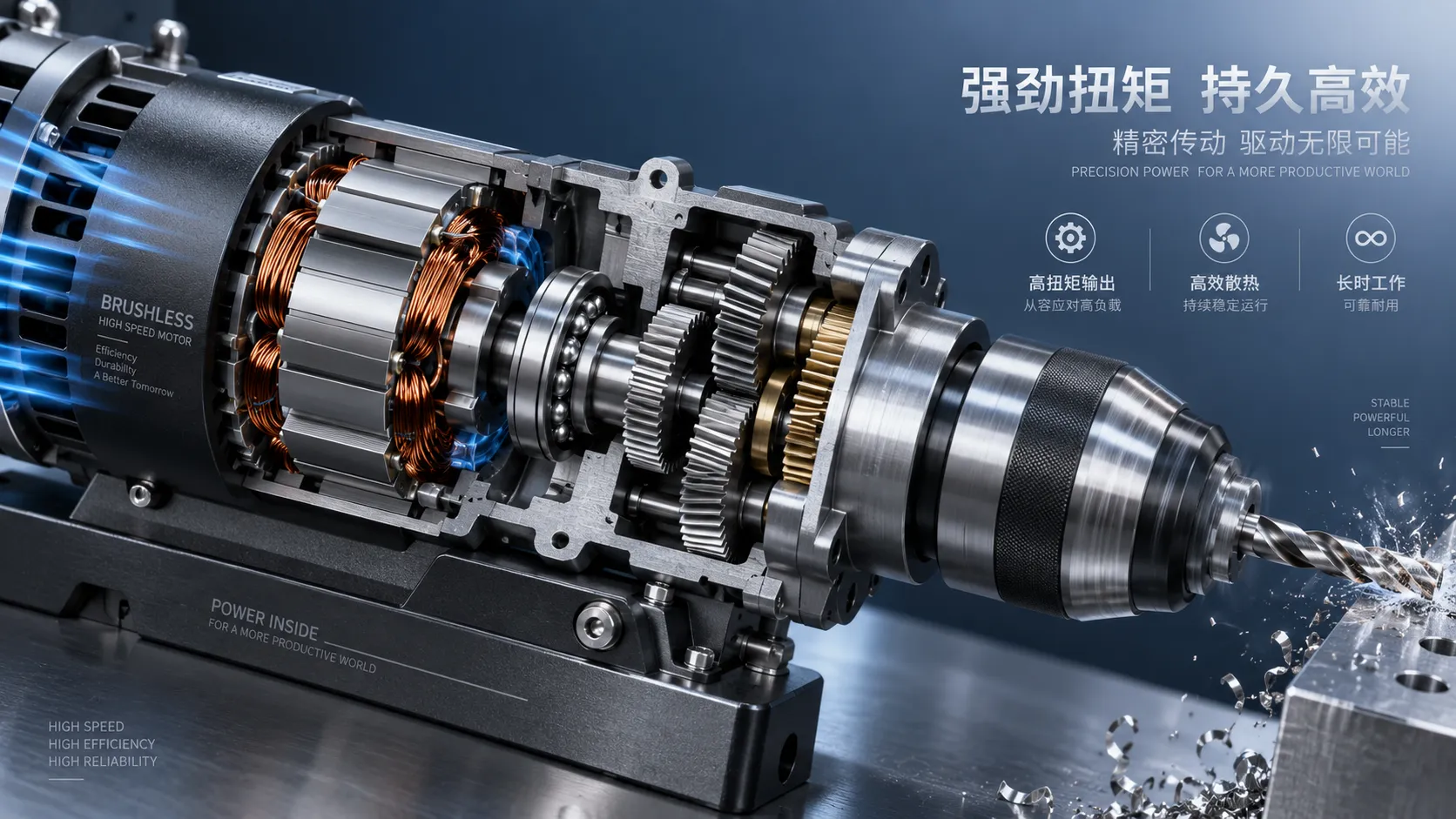
Selecting High-Speed Brushless Tool Motors for Torque, Heat, and Duty Cycle
High speed brushless tool motors: learn how to balance torque, heat, gearing, and duty cycle for reliable industrial tool performance and longer service life.
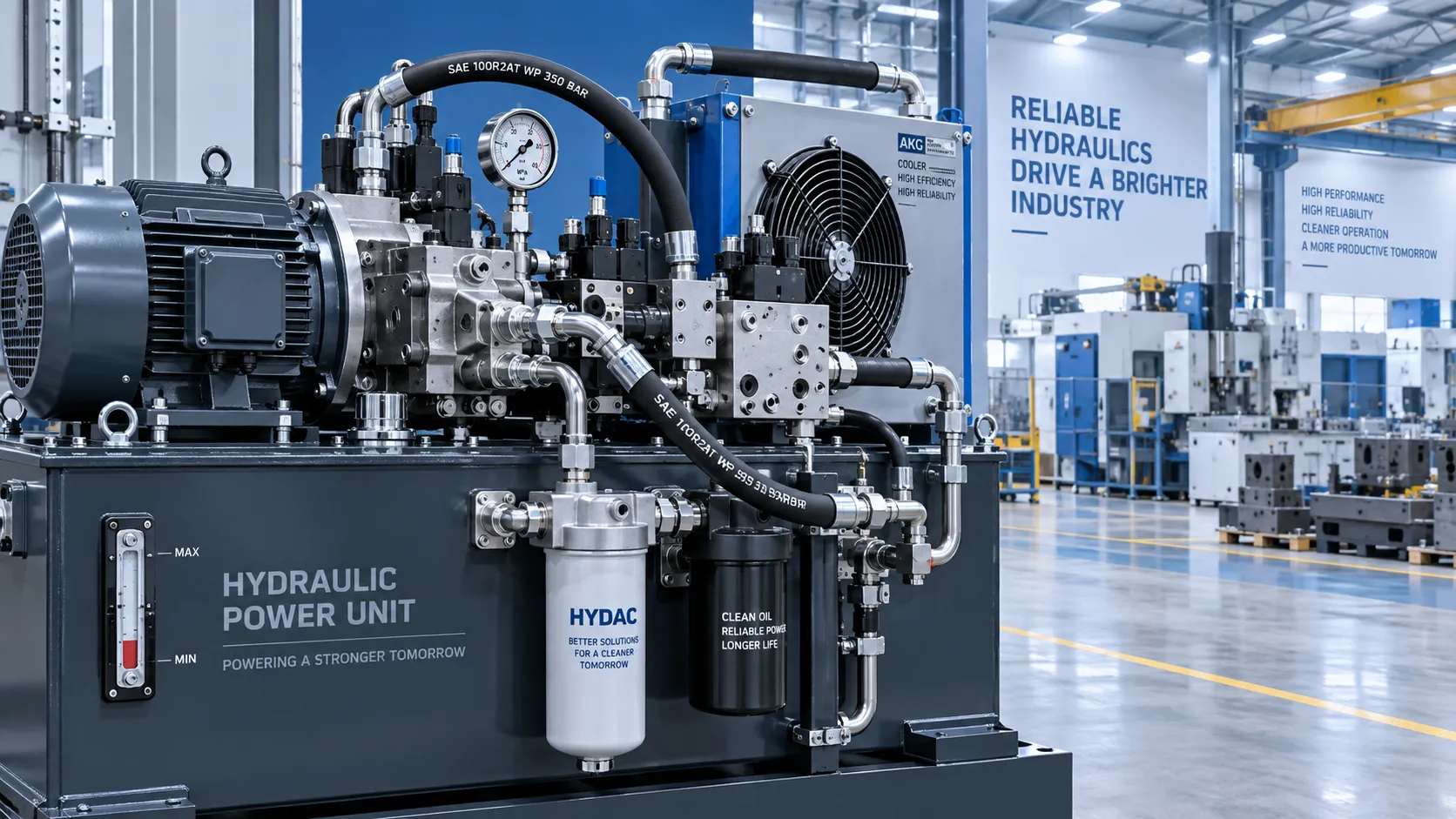
What Determines Industrial Hydraulic System Price for Heavy-Duty Equipment?
Industrial hydraulic system price depends on duty cycle, pressure, components, cooling, and integration. Compare quotes intelligently to secure reliable heavy-duty performance.
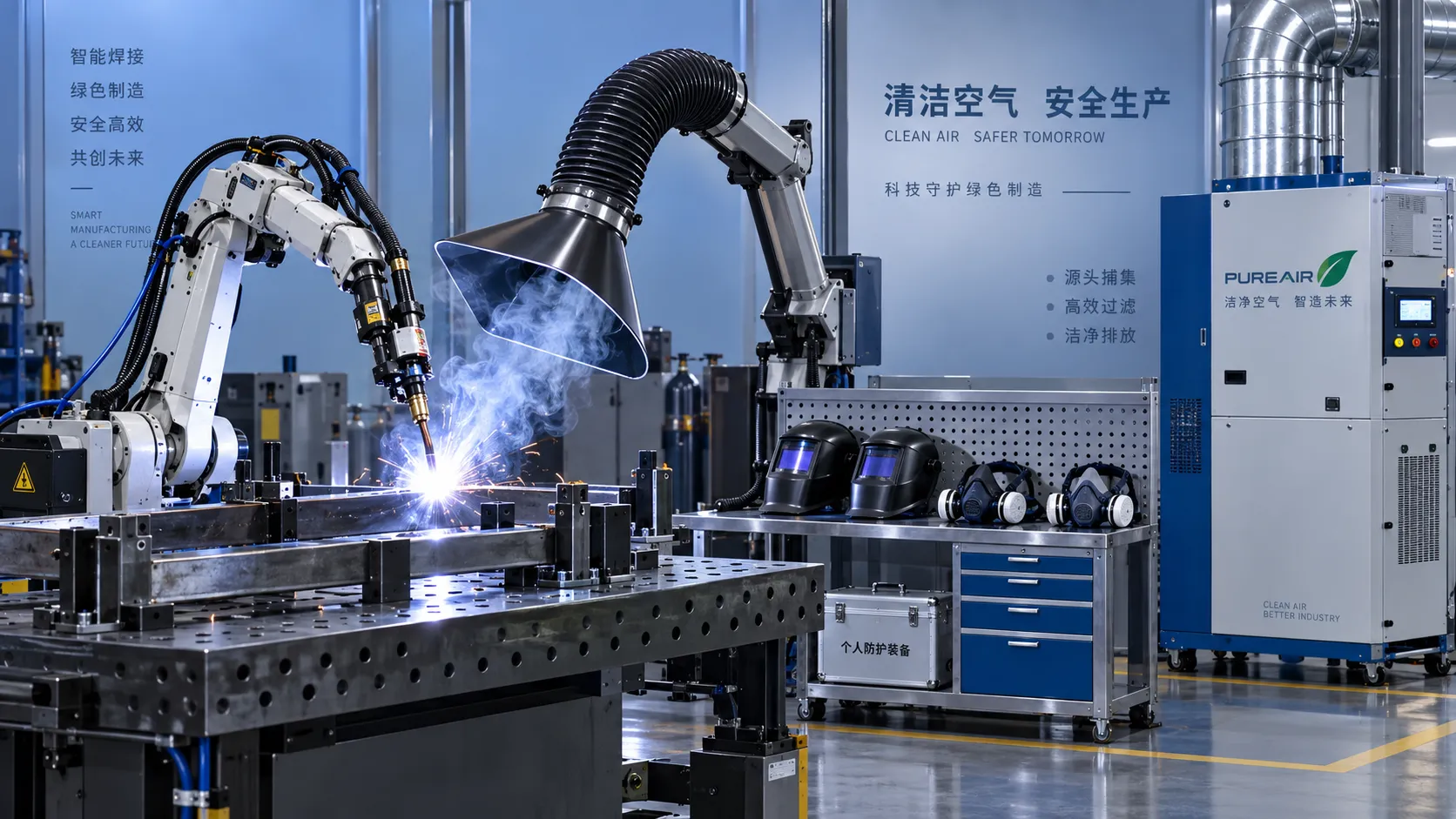
Welding Fume Extraction PPE: When Respirators Are Not Enough for Shop Safety
Welding fume extraction PPE: learn why respirators alone fall short and how source capture, ventilation, and layered controls improve shop safety.
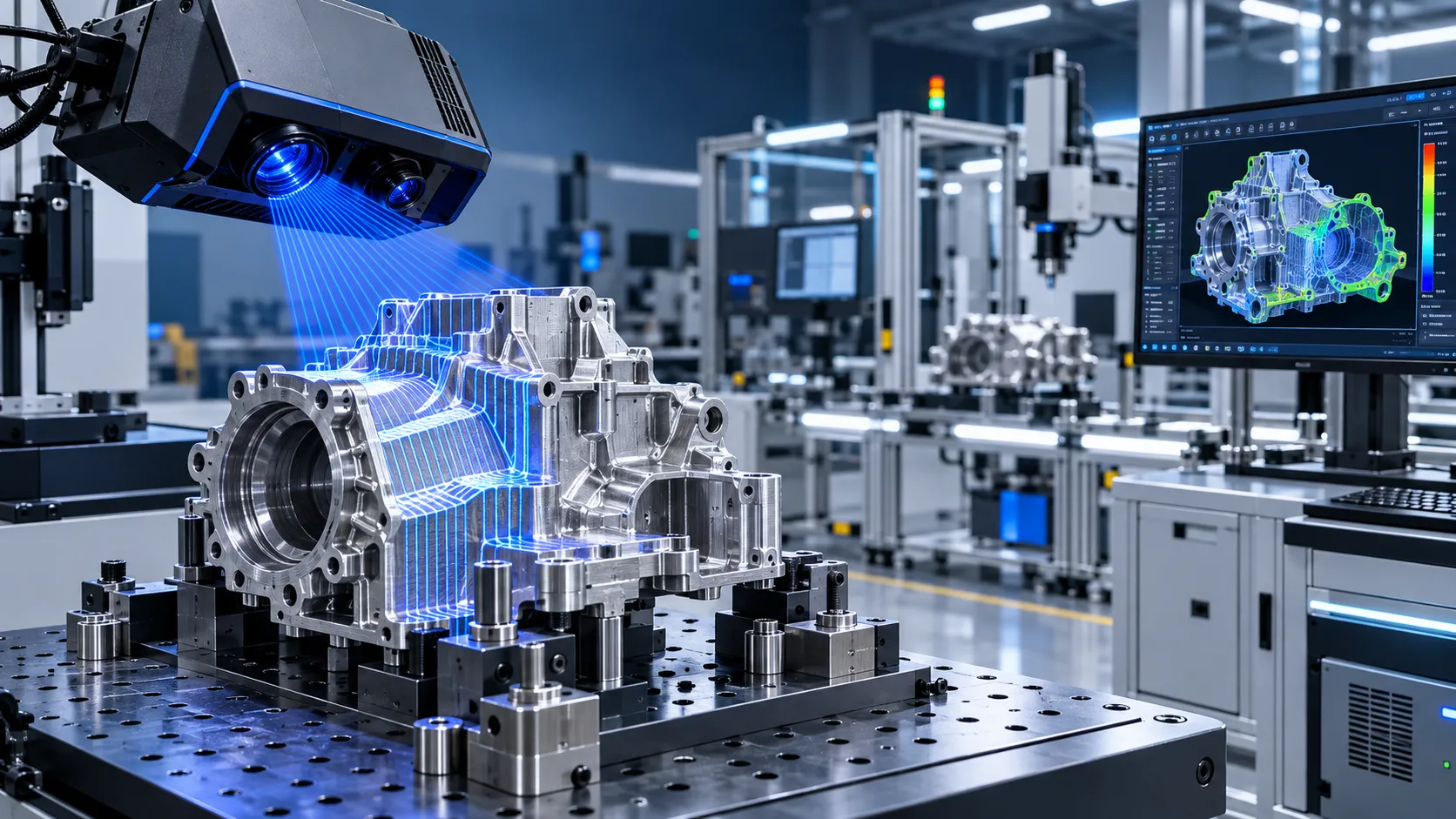
How to Select Optical Metrology Solutions for Tight-Tolerance Manufacturing
Optical industrial metrology solutions for tight-tolerance manufacturing: evaluate accuracy, surface compatibility, workflow, and traceability to select with confidence.
Related News
- 00
0000-00
How to Compare Industrial Tool Suppliers for Quality, Lead Time, and Total Cost - 00
0000-00
How to Evaluate a Technology Integration Service Provider for Complex Projects - 00
0000-00
Product Comparison Resources in Europe: How Buyers Can Verify Specs and Suppliers - 00
0000-00
How to Evaluate an Industrial Metrology Solution Manufacturer for Production Use - 00
0000-00
How to Evaluate a Metal Joining Solutions Factory for Quality, Capacity, and Delivery Risk
Dr. Alistair Vaughn
Weekly Insights
Stay ahead with our curated technology reports delivered every Monday.