
Industrial Trends Reshaping Lead Times in 2026





Industrial Trends Reshaping Lead Times in 2026
Industrial trends in 2026 are changing how fast materials, tools, components, and finished assemblies move through global supply chains.
Lead times now reflect more than transport speed. They reveal supplier discipline, automation maturity, compliance readiness, and access to reliable industrial intelligence.
In assembly, welding, and metrology, delivery performance is increasingly shaped by volatile inputs, digital controls, safety rules, and shifting regional demand.
For business evaluation, the key question is not whether industrial trends matter. It is how to judge which trends will shorten lead times and which will create delays.
This guide organizes the most important signals into a practical framework, helping faster decisions on sourcing risk, production continuity, and operational resilience.
Why a Structured Review Matters in 2026
Industrial trends are now interconnected. A material shortage can trigger design changes, recertification work, machine downtime, and slower shipment release.
A structured review prevents isolated judgments. It helps compare suppliers, production sites, and tooling strategies using the same decision criteria.
This is especially important in sectors influenced by precision tools, metal joining systems, and measurement-dependent quality control.
GPTWM tracks these industrial trends through sector news, evolutionary analysis, and commercial insight across industrial assembly and metrology ecosystems.
Core Points to Review Before Accepting Lead Time Claims
- Verify raw material exposure, including steel, copper, alloys, electronics, and shielding gas, because input instability still drives the earliest and hardest lead time disruptions.
- Check whether automation upgrades are fully commissioned, since half-integrated robots, torque systems, or inspection cells often create hidden bottlenecks instead of faster throughput.
- Review labor structure and skill redundancy, especially for welding, calibration, maintenance, and final inspection, where a single specialist gap can delay entire schedules.
- Confirm compliance readiness for export controls, product labeling, electrical safety, and welding operation standards, because documentation failures commonly delay shipment release.
- Measure dependence on single-region suppliers, ports, or logistics routes, since concentrated networks remain vulnerable to weather events, policy shifts, and congestion spikes.
- Assess tool platform efficiency, including brushless motor durability and maintenance cycles, because unreliable production tools can silently extend changeovers and reduce output stability.
- Examine metrology capacity, including calibration intervals and gauge availability, because incomplete measurement readiness often stalls first-article approval and final acceptance.
- Test digital visibility across order tracking, machine status, and component traceability, since poor data integration makes short quoted lead times difficult to trust.
- Compare forecast accuracy against actual demand swings, especially in construction, automotive service, and aerospace maintenance, where demand realignment changes production priorities quickly.
- Ask whether engineering changes can be absorbed without restarting qualification, because flexible design control is becoming a major differentiator in 2026 industrial trends.
The Industrial Trends Behind the Biggest Lead Time Shifts
1. Raw Material Volatility Is More Selective
Broad shortages are less common than before, but selective tightness now hits specialized grades, electrical parts, and joining consumables.
This means quoted availability may look stable while actual production waits for one critical input.
2. Automation Helps Only When Process Discipline Exists
Industrial trends favor intelligent tooling, robotic assistance, and IoT-based torque control. However, poor setup governance can turn smart equipment into a new delay source.
Lead times improve when automation is paired with stable work instructions, spare parts planning, and trained operators.
3. Safety and Compliance Are Moving Earlier in the Workflow
Handheld laser welding safety, electrical certifications, and export documentation are now evaluated earlier by stronger supply networks.
That shift reduces late-stage surprises, but only for organizations already prepared with documentation and validation records.
4. Precision Measurement Has Become a Speed Lever
Metrology no longer supports production from the sidelines. It now determines release speed, process confidence, and rework frequency.
Among current industrial trends, stronger measurement discipline is one of the clearest paths to shorter and more predictable lead times.
How to Apply These Signals in Different Operating Contexts
Assembly Operations
In assembly environments, component synchronization matters more than average supplier speed. One delayed fastener system can stop an otherwise ready line.
Review digital torque systems, changeover time, and spare tool availability. These factors align closely with industrial trends affecting throughput consistency.
Metal Joining and Welding
Lead times in welding depend on filler materials, gas supply, safety procedures, and operator competence as much as equipment availability.
Check whether welding procedures, laser safety protocols, and maintenance schedules are standardized across shifts and locations.
Precision Metrology
Calibration backlogs can delay product release even when machining and assembly are complete. This issue is increasingly visible across advanced industrial trends.
Confirm instrument redundancy, software compatibility, and documented traceability before relying on aggressive delivery promises.
Aftermarket and Maintenance Demand
Construction, automotive service, and aerospace maintenance often create sudden demand clusters for hydraulic tools, gauges, and joining equipment.
Monitor whether supply capacity is protected for service-critical orders or diverted toward higher-volume production contracts.
Commonly Missed Risks That Extend Lead Times
Hidden Qualification Delays
A substitute component may be physically available, yet unusable without validation, customer approval, or standards review.
Tooling Maintenance Gaps
Production tools can appear operational while suffering declining precision, heat issues, or motor wear that reduce actual output.
Overstated Digital Readiness
Some operations report connected systems, but their data is incomplete, delayed, or disconnected from planning decisions.
Regional Policy Friction
Industrial trends increasingly reflect trade restrictions, customs interpretation changes, and local certification updates that disrupt otherwise stable routes.
Measurement Bottlenecks at Final Release
Final inspection is often underestimated. If gauges, operators, or reports are delayed, finished goods remain blocked.
Practical Execution Steps for Better Lead Time Decisions
- Create a lead time review sheet covering materials, labor, tooling, metrology, compliance, and logistics, then apply it consistently across every supplier comparison.
- Separate quoted lead time from validated lead time, using actual recent performance, engineering change history, and shipment release evidence.
- Track industrial trends monthly, not quarterly, because raw material shifts and export restrictions now move faster than traditional planning cycles.
- Prioritize visibility into final inspection and documentation, since many delays occur after production appears complete.
- Use market intelligence from platforms such as GPTWM to connect sector news, tooling evolution, and demand patterns with practical sourcing decisions.
FAQ on Industrial Trends and Lead Times in 2026
Which industrial trends have the fastest impact on lead times?
Raw material disruptions, compliance changes, and metrology bottlenecks usually affect lead times first because they directly block production release.
Does automation always reduce lead times?
No. Automation reduces lead times only when setup discipline, maintenance planning, and operator readiness are already strong.
Why is measurement capacity so important now?
Because industrial trends are pushing tighter tolerances, faster approvals, and stronger traceability, all of which depend on reliable metrology.
How often should lead time assumptions be reviewed?
High-risk categories should be reviewed monthly, especially where industrial trends show unstable demand, export sensitivity, or evolving safety standards.
Conclusion and Next Actions
Industrial trends in 2026 are not simply changing speed. They are changing what makes speed believable.
Reliable lead times now depend on integrated strength across materials, automation, compliance, welding safety, and precision measurement.
The strongest next step is to audit current lead time assumptions using a shared checklist, then compare claims against real operational proof.
When industrial trends are tracked with discipline and interpreted through expert intelligence, faster and safer decisions become a real competitive advantage.
Related News
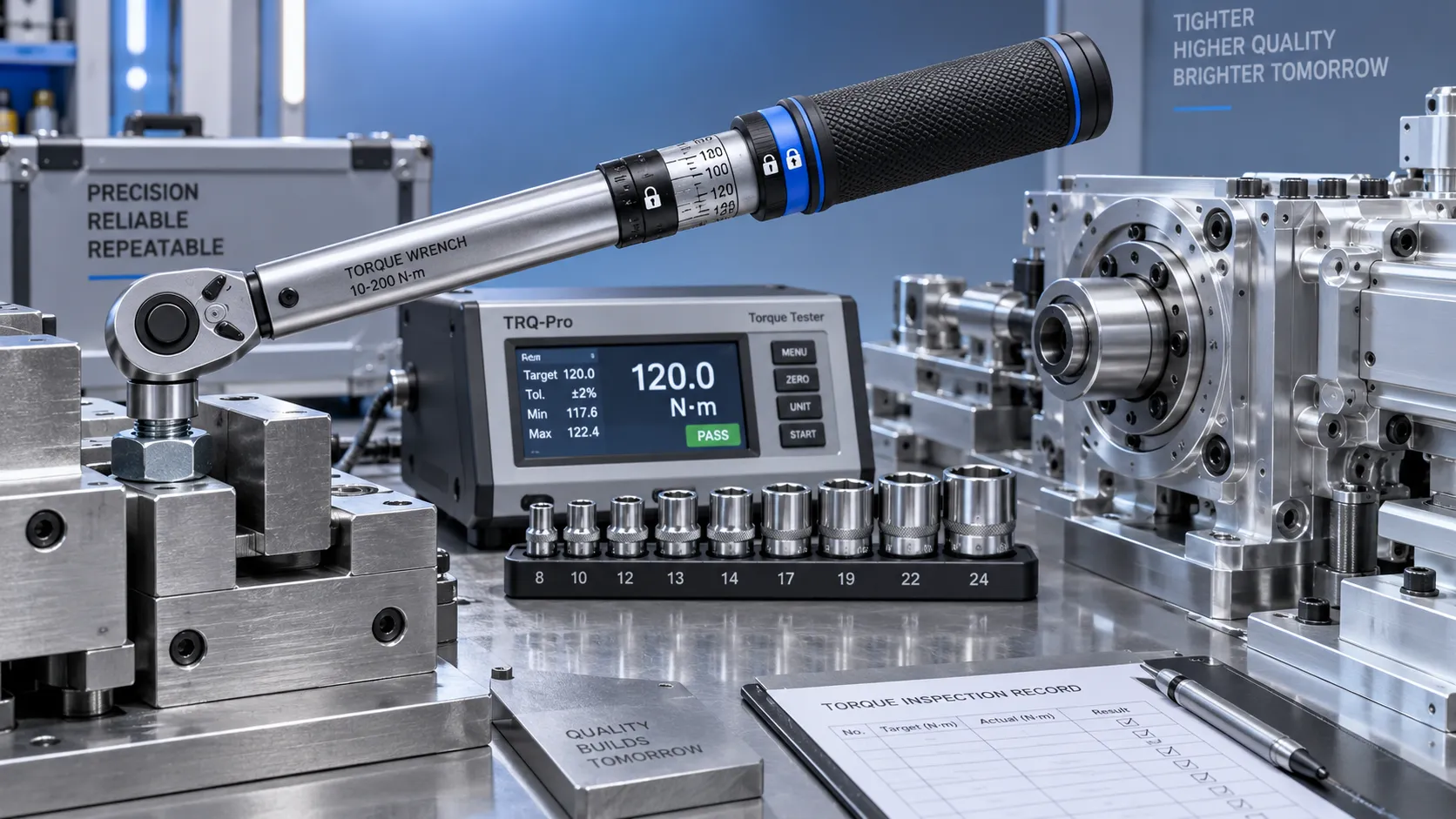
Selecting Adjustable Torque Tools for Repeatable Fastener Assembly
Adjustable torque tools: learn how to match range, accuracy, control methods, calibration, and ergonomics for repeatable, reliable fastener assembly.

How to Select Aerospace Inspection Tools for Aircraft Maintenance Tasks
Aerospace maintenance inspection tools: learn how to select reliable, traceable equipment for aircraft access, accuracy, calibration, and compliant maintenance decisions.

How to Select Wire Bonding Tools for Fine-Pitch Semiconductor Packaging
Explore semiconductor manufacturing tools for wire bonding and learn how to select precision solutions for fine-pitch packaging, reliable loops, accuracy, and yield.
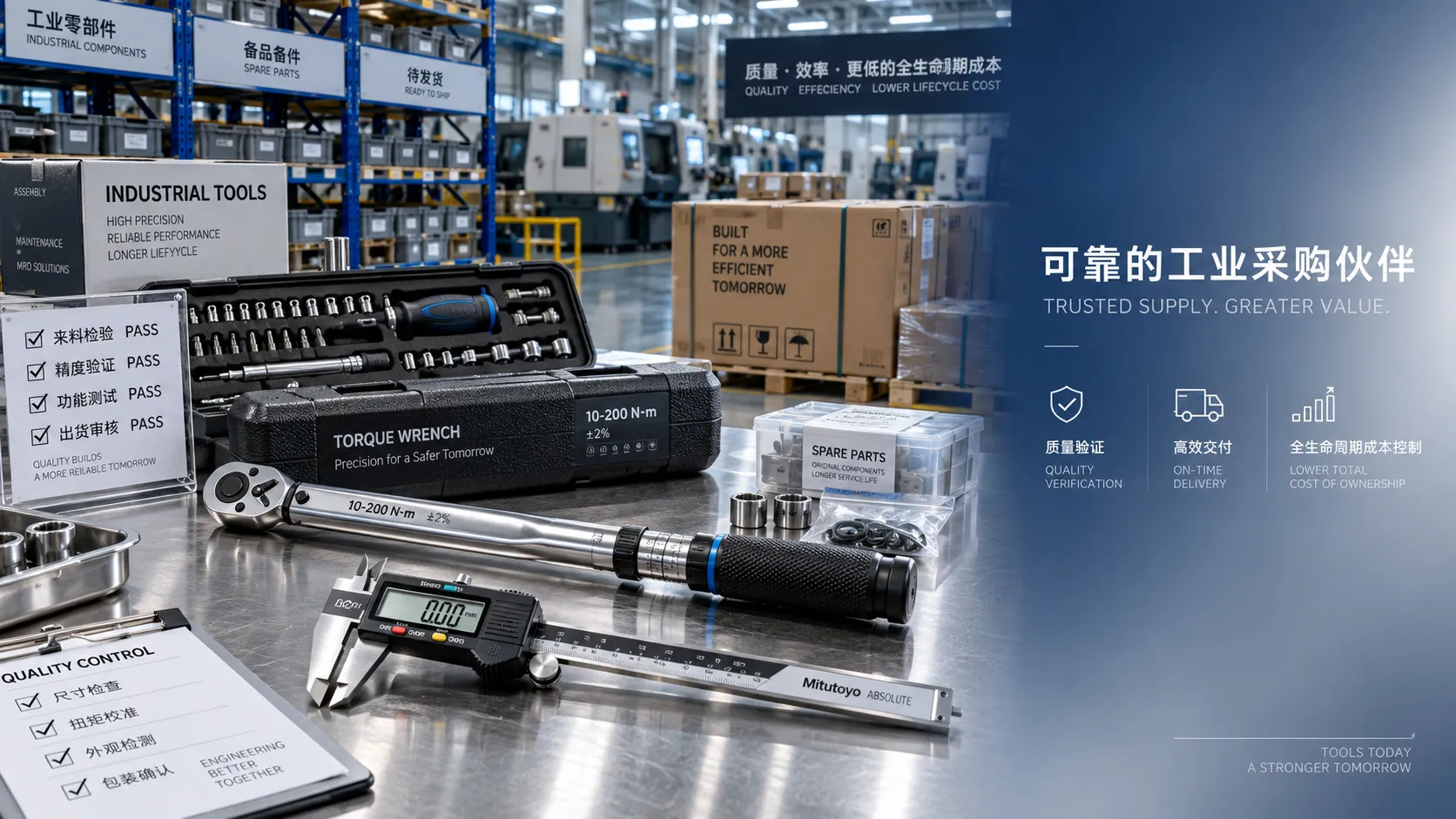
How to Compare Industrial Tool Suppliers for Quality, Lead Time, and Total Cost
Industrial tool selection supplier comparison made simple: evaluate quality, lead times, total cost, service, and supply resilience for confident sourcing decisions.
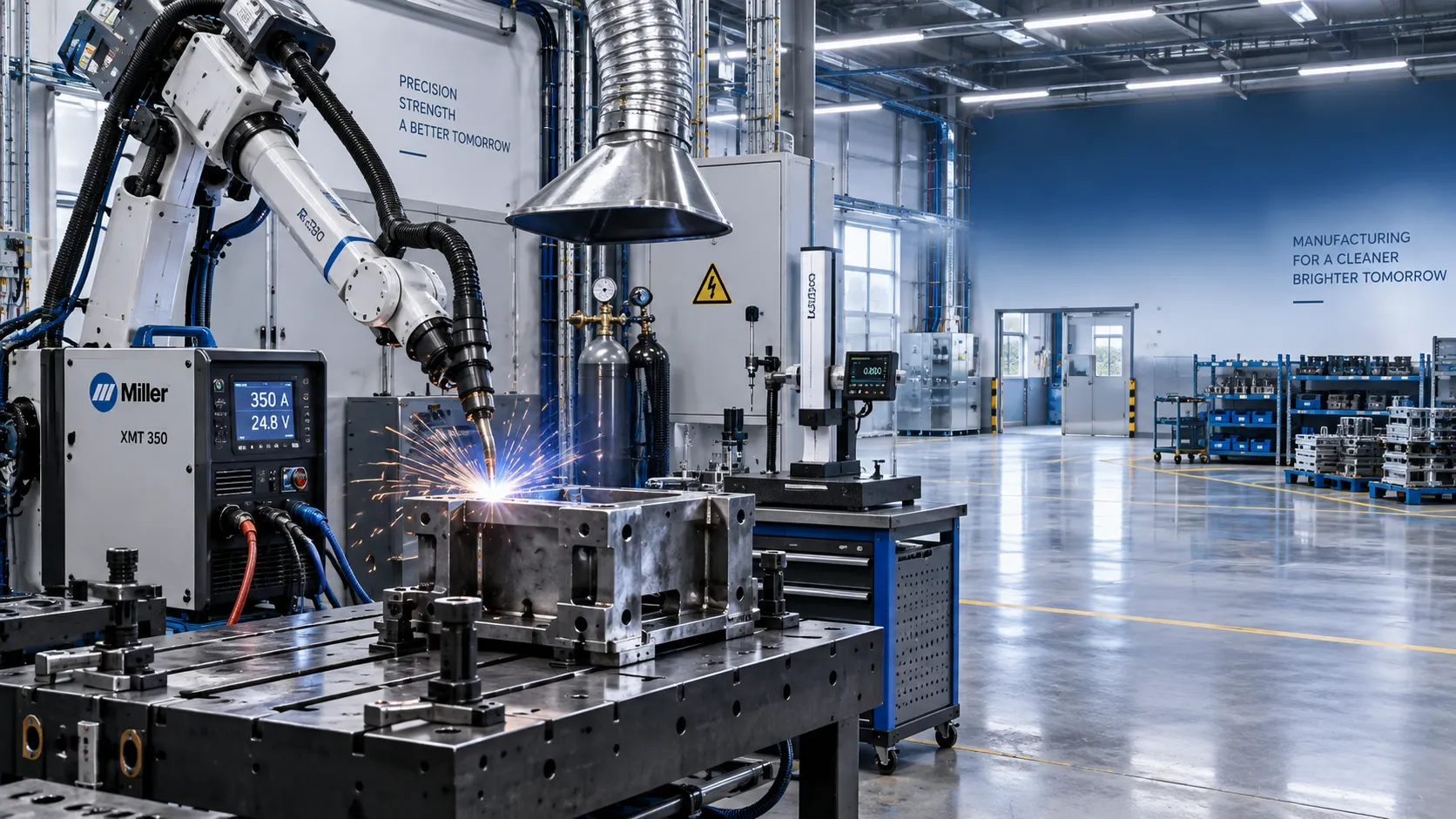
Industrial Equipment Application Guidance: Match Machines to Operating Conditions
Application guidance industrial equipment: match capacity, duty cycle, materials, site conditions, safety, and lifecycle cost to improve reliable output. Read the guide.
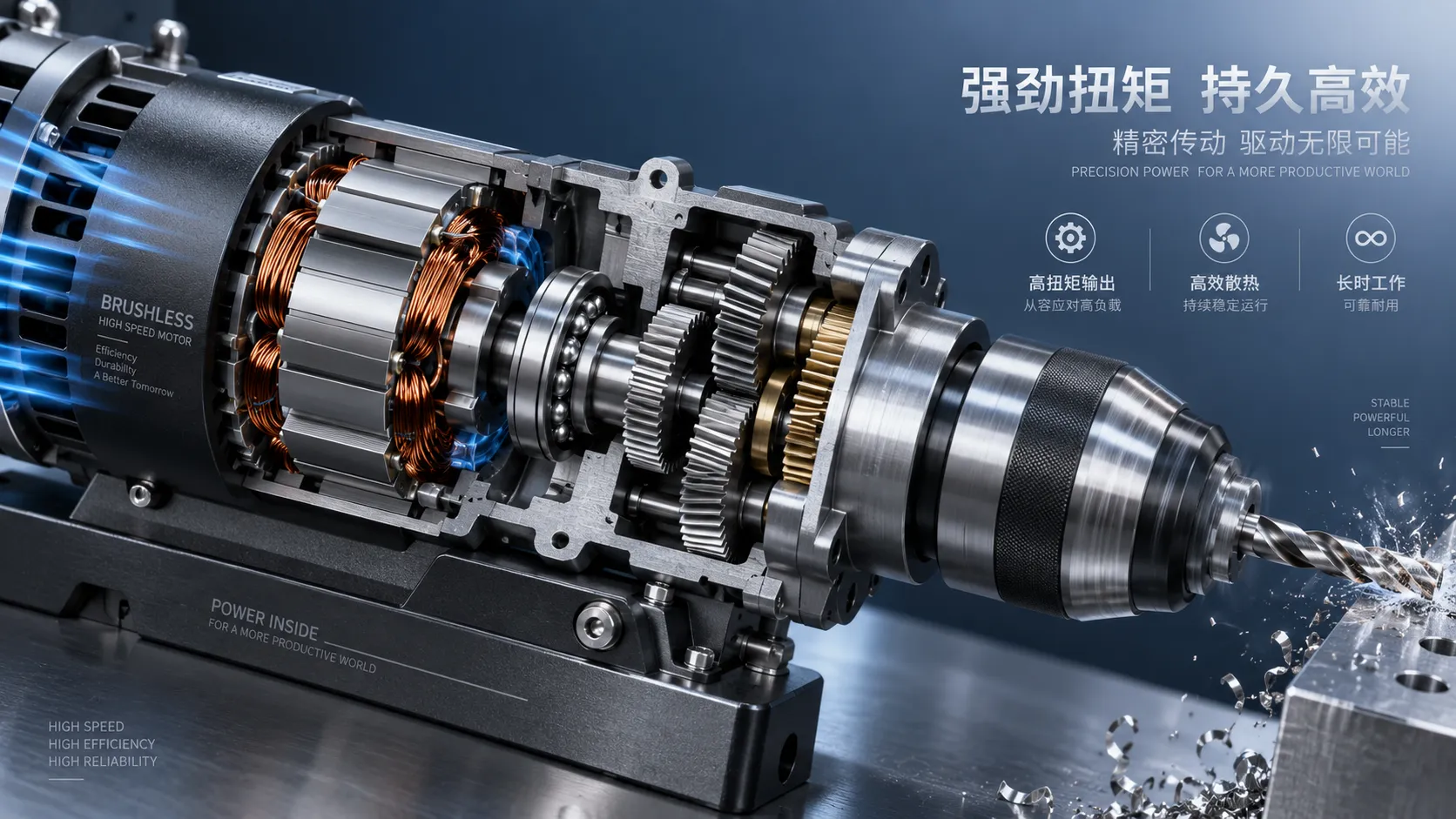
Selecting High-Speed Brushless Tool Motors for Torque, Heat, and Duty Cycle
High speed brushless tool motors: learn how to balance torque, heat, gearing, and duty cycle for reliable industrial tool performance and longer service life.
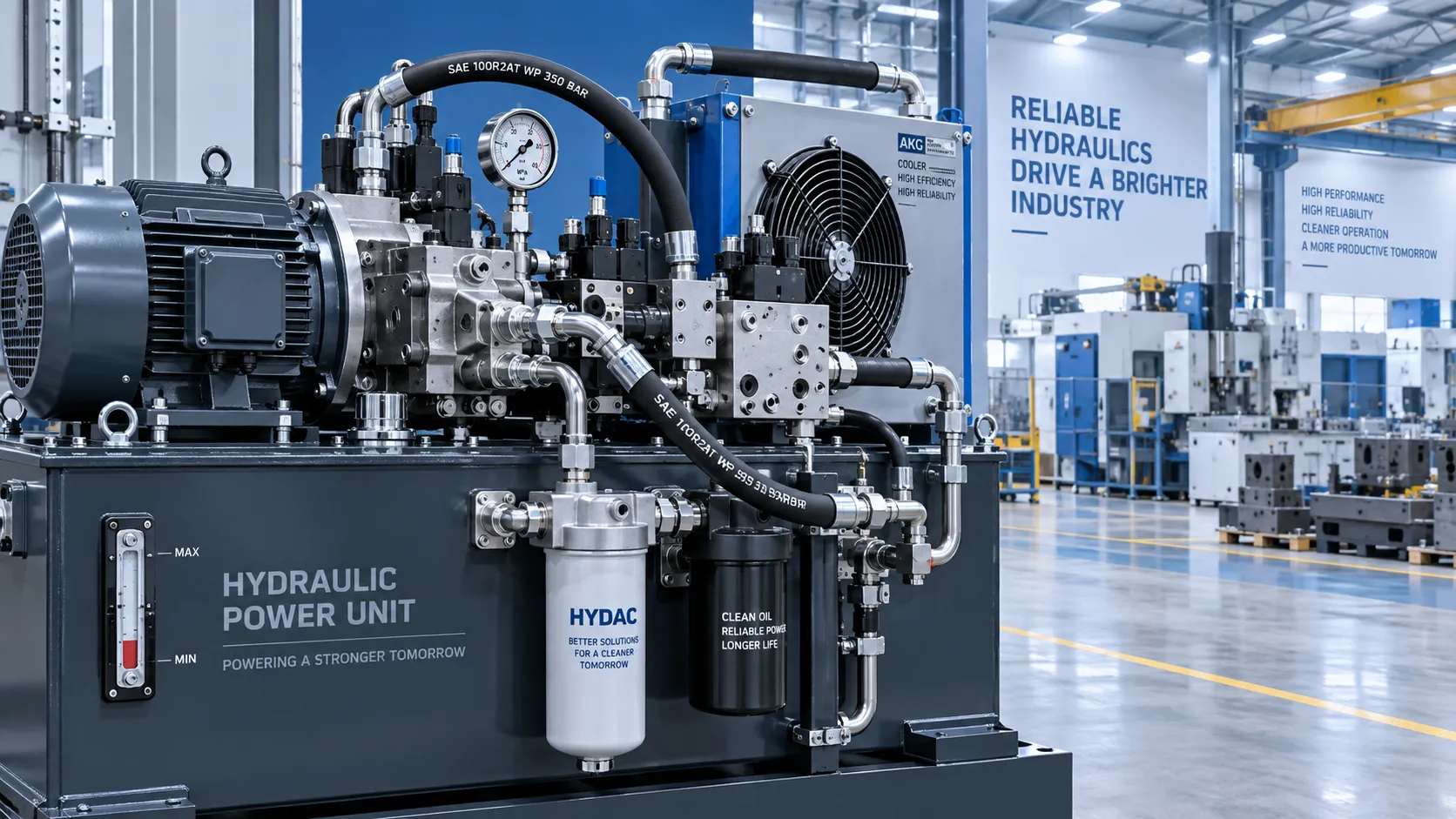
What Determines Industrial Hydraulic System Price for Heavy-Duty Equipment?
Industrial hydraulic system price depends on duty cycle, pressure, components, cooling, and integration. Compare quotes intelligently to secure reliable heavy-duty performance.
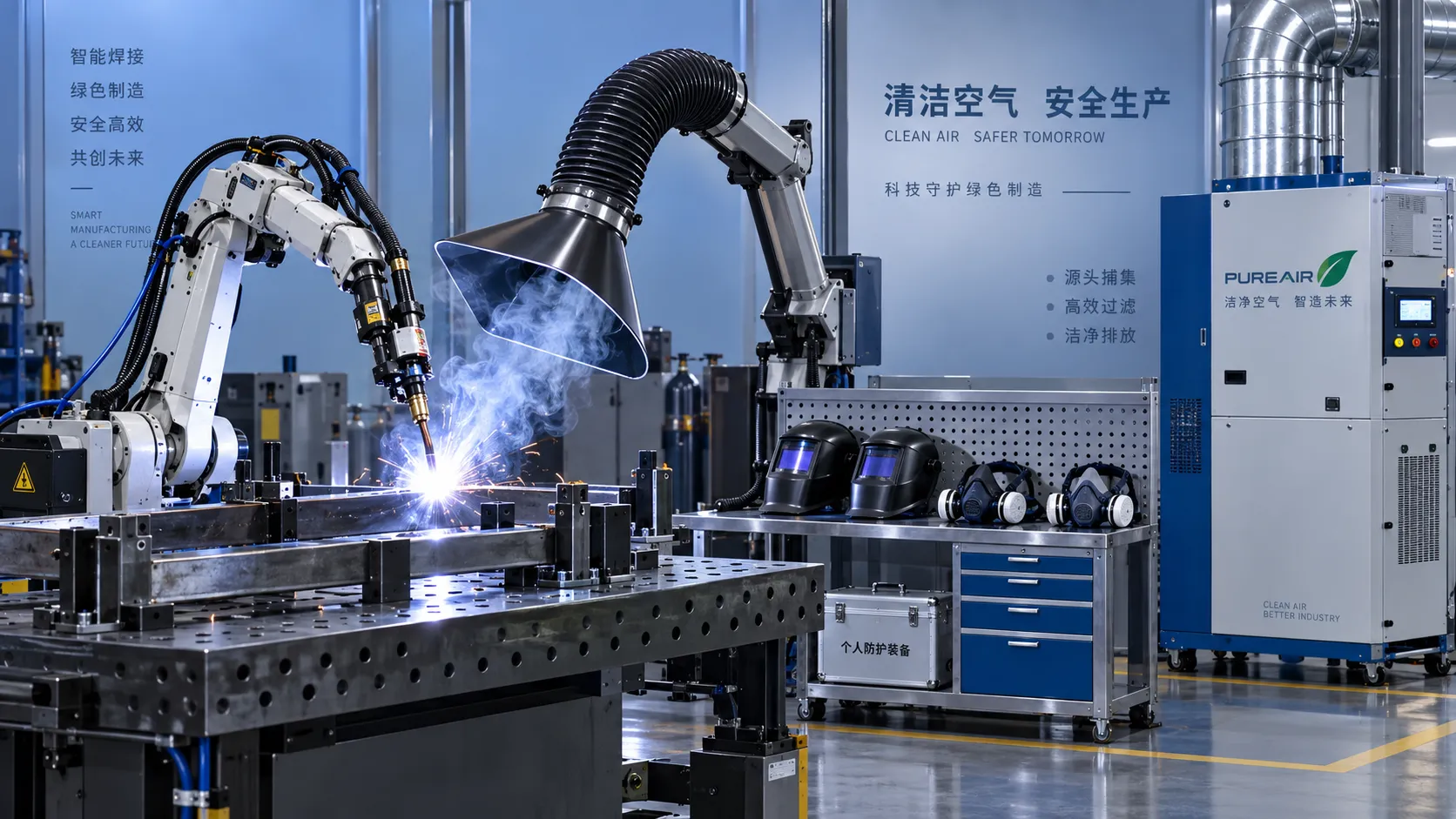
Welding Fume Extraction PPE: When Respirators Are Not Enough for Shop Safety
Welding fume extraction PPE: learn why respirators alone fall short and how source capture, ventilation, and layered controls improve shop safety.

How to Select Optical Metrology Solutions for Tight-Tolerance Manufacturing
Optical industrial metrology solutions for tight-tolerance manufacturing: evaluate accuracy, surface compatibility, workflow, and traceability to select with confidence.
Related News
- 00
0000-00
How Procurement Teams Can Map the Industrial Value Chain to Reduce Supply Risk - 00
0000-00
How Industry Category Guides Help Global Sourcing Teams Compare Suppliers Faster - 00
0000-00
Intelligent Tools in Southeast Asia: Key Market Trends, Buyers, and Supply Chain Shifts - 00
0000-00
Industrial Value Chain Europe: Where Sourcing Risks and Lead-Time Pressure Are Rising - 00
0000-00
North America's Industrial Value Chain: Key Shifts in Sourcing, Labor, and Logistics
Dr. Alistair Vaughn
Weekly Insights
Stay ahead with our curated technology reports delivered every Monday.