
Tool Intellectualization Is Advancing, but Is It Practical?





Why is tool intellectualization gaining attention now?
Tool intellectualization is no longer a distant idea. It is entering workshops, maintenance sites, assembly lines, and inspection routines across many industries.
The appeal is easy to understand. Intelligent tools promise tighter control, automatic feedback, lower error rates, and better traceability during daily operations.
In industrial assembly, welding, fastening, cutting, and metrology, small mistakes can create expensive rework. That is why tool intellectualization attracts serious attention.
The concept usually combines sensors, software, connectivity, and assisted decision functions. Some tools also include torque logging, usage alerts, calibration reminders, or safety interlocks.
For broad industrial operations, the practical value depends on one question. Does tool intellectualization improve real output, or does it simply add another system to manage?
That question matters even more today. Production environments face pressure for speed, repeatability, labor efficiency, energy control, and compliance with stricter quality standards.
GPTWM tracks these shifts closely through its Strategic Intelligence Center. The platform observes how precision tools and intelligent controls affect the last mile of industrial manufacturing.
What does tool intellectualization actually mean in practice?
In practical terms, tool intellectualization means a tool can sense, analyze, guide, record, or communicate during use.
A conventional tool performs a task. An intelligent tool performs the task and provides usable information around that task.
Examples appear across the comprehensive industrial sector:
- Torque tools that record every tightening result
- Welding systems that monitor heat input and operator settings
- Measuring instruments with automatic data capture
- Power tools with brushless motor diagnostics and service alerts
- Connected devices that send usage data to quality or maintenance platforms
This is important because tool intellectualization should not be confused with simple digitization. A digital display alone does not make a tool meaningfully intelligent.
The practical threshold is whether the tool helps users avoid mistakes, standardize output, or make faster decisions.
If a connected feature does not improve the job, it remains a feature without operational value.
Key signs that intelligent tools are truly useful
- They reduce setup uncertainty
- They prevent process deviation early
- They shorten inspection or reporting time
- They support training for less experienced operators
- They fit existing workflows without excessive disruption
Where is tool intellectualization most practical?
Tool intellectualization is most practical where process consistency matters more than raw tool ownership cost.
It often delivers visible value in repetitive, quality-sensitive, and traceability-heavy operations.
Typical high-value environments include:
- Automotive assembly with controlled fastening sequences
- Aerospace maintenance requiring measurement proof and process records
- Construction equipment service where hydraulic and torque accuracy matter
- Metal fabrication with safety-sensitive welding parameters
- Field inspection tasks where instant data capture saves reporting time
It may be less practical in low-frequency tasks with simple tolerances, minimal compliance needs, and highly variable one-off work.
In those cases, tool intellectualization can become underused. Advanced features may remain idle while cost and training requirements stay high.
A useful test is this. If a process already loses time through rework, manual logs, inconsistent settings, or missed maintenance, intelligent tools may solve real problems.
If the current process is stable, low risk, and easy to verify, the return may be limited.
Does tool intellectualization improve efficiency or create complexity?
The honest answer is both outcomes are possible. Tool intellectualization improves efficiency only when implementation matches operational reality.
Efficiency gains usually come from fewer mistakes, faster validation, clearer maintenance planning, and better production visibility.
Complexity appears when tools demand extra software management, repeated login steps, unstable connectivity, or difficult user interfaces.
The difference often lies in system design, not tool theory. Good intelligent tools make the job simpler. Poorly integrated ones interrupt the job.
Practical benefits often reported
- Automatic quality records
- Reduced adjustment errors
- Better calibration discipline
- Improved safety prompts
- Lower downtime through predictive service alerts
Common sources of frustration
- Overcomplicated menus
- Weak battery management
- Unclear data ownership or export limits
- Poor compatibility with existing software
- Training demands larger than expected
So, tool intellectualization is practical when intelligence serves the workflow, not when the workflow must serve the intelligence.
How should tool intellectualization be evaluated before adoption?
A practical evaluation should begin with the process problem, not the product brochure.
Before adopting tool intellectualization, compare the current workflow against measurable improvement targets.
This approach keeps tool intellectualization grounded in operational outcomes instead of marketing claims.
What risks and misconceptions surround tool intellectualization?
One major misconception is that more connected features always mean better performance. In reality, unnecessary complexity often reduces practical value.
Another risk is ignoring ergonomics. A tool can be digitally advanced yet physically tiring, fragile, or awkward in real working conditions.
There is also the false belief that intelligent tools automatically replace skill. They do not. Tool intellectualization supports judgment, but it cannot fully replace process understanding.
Data quality creates another challenge. If sensors drift, inputs are inconsistent, or software settings are poorly maintained, decisions based on that data become unreliable.
Cybersecurity and access control deserve attention too. Connected industrial tools can expose workflow data, usage patterns, and quality records.
The smartest path is controlled adoption. Pilot first, verify value, then scale gradually.
Risk checklist for tool intellectualization
- Do not buy features without a use case
- Do not separate software planning from tool planning
- Do not overlook calibration and environmental durability
- Do not assume every operator needs the same interface depth
- Do not ignore data security and long-term platform support
Is tool intellectualization worth the cost over time?
The cost question cannot be answered by purchase price alone. Tool intellectualization should be judged across the full operating cycle.
Real cost includes onboarding, calibration, software updates, battery replacement, integration work, downtime risk, and user support.
Real return includes lower scrap, fewer claims, faster audits, shorter reporting time, reduced troubleshooting, and better tool life management.
In many quality-critical environments, those savings outweigh the premium. In simple applications, they may not.
A strong business case for tool intellectualization usually appears when at least two conditions are present:
- Process mistakes are measurable and expensive
- The new tool can capture or prevent those mistakes consistently
That is why precision-driven sectors adopt intelligent tools faster. Their cost of failure is higher, so practical gains become easier to prove.
FAQ summary: when is tool intellectualization practical?
Tool intellectualization is advancing because industry needs better precision, safer operation, and more reliable process data. The trend is real, but practicality is not automatic.
The most successful use cases are not the most futuristic ones. They are the ones that remove friction from daily work.
For anyone evaluating tool intellectualization, the next step is simple. Map one process, identify one costly weakness, and test one intelligent improvement carefully.
That method turns a popular trend into a measurable decision. It also aligns with GPTWM’s mission to connect craftsmanship and intelligent tools through practical industrial intelligence.
Related News
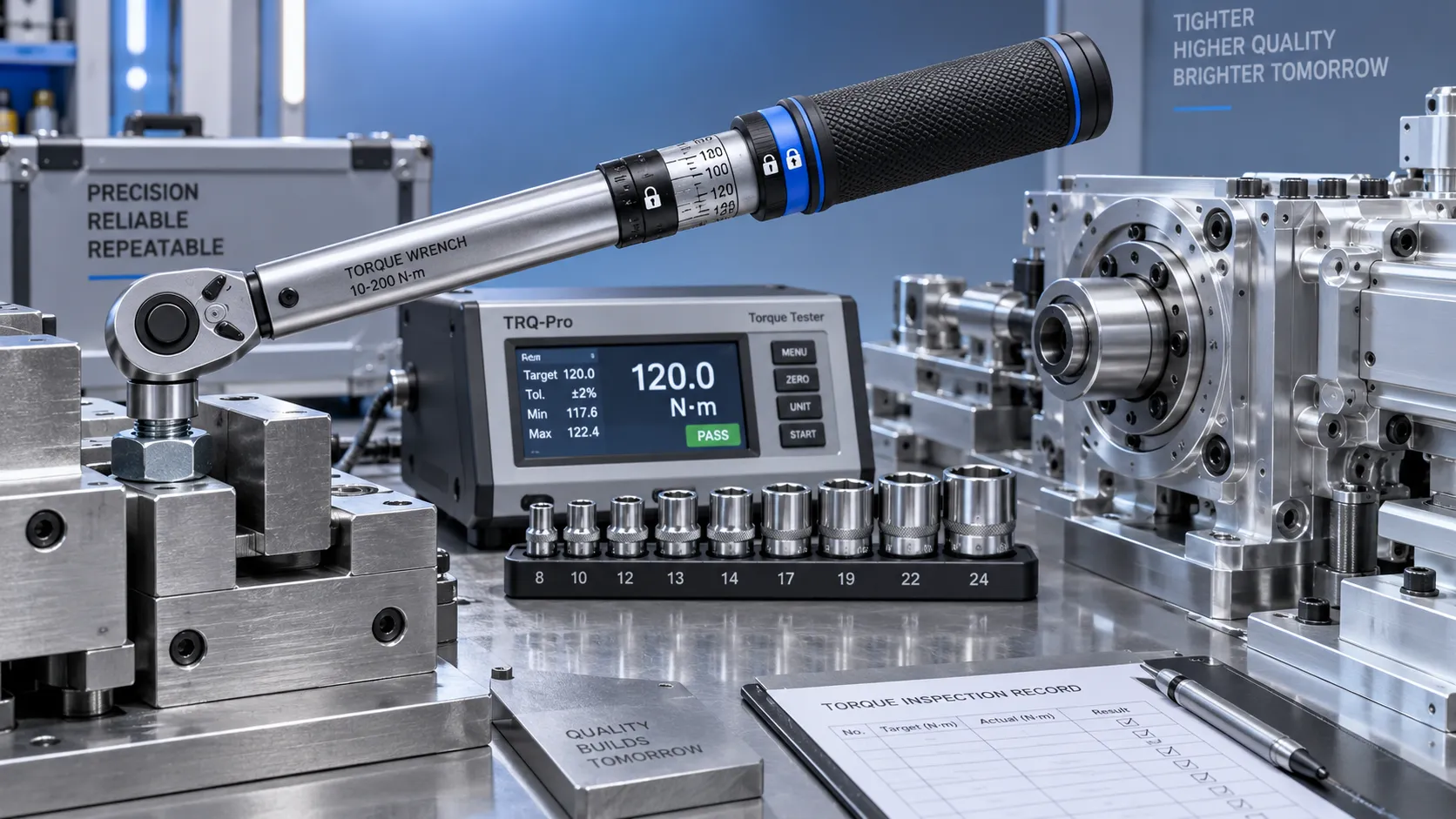
Selecting Adjustable Torque Tools for Repeatable Fastener Assembly
Adjustable torque tools: learn how to match range, accuracy, control methods, calibration, and ergonomics for repeatable, reliable fastener assembly.
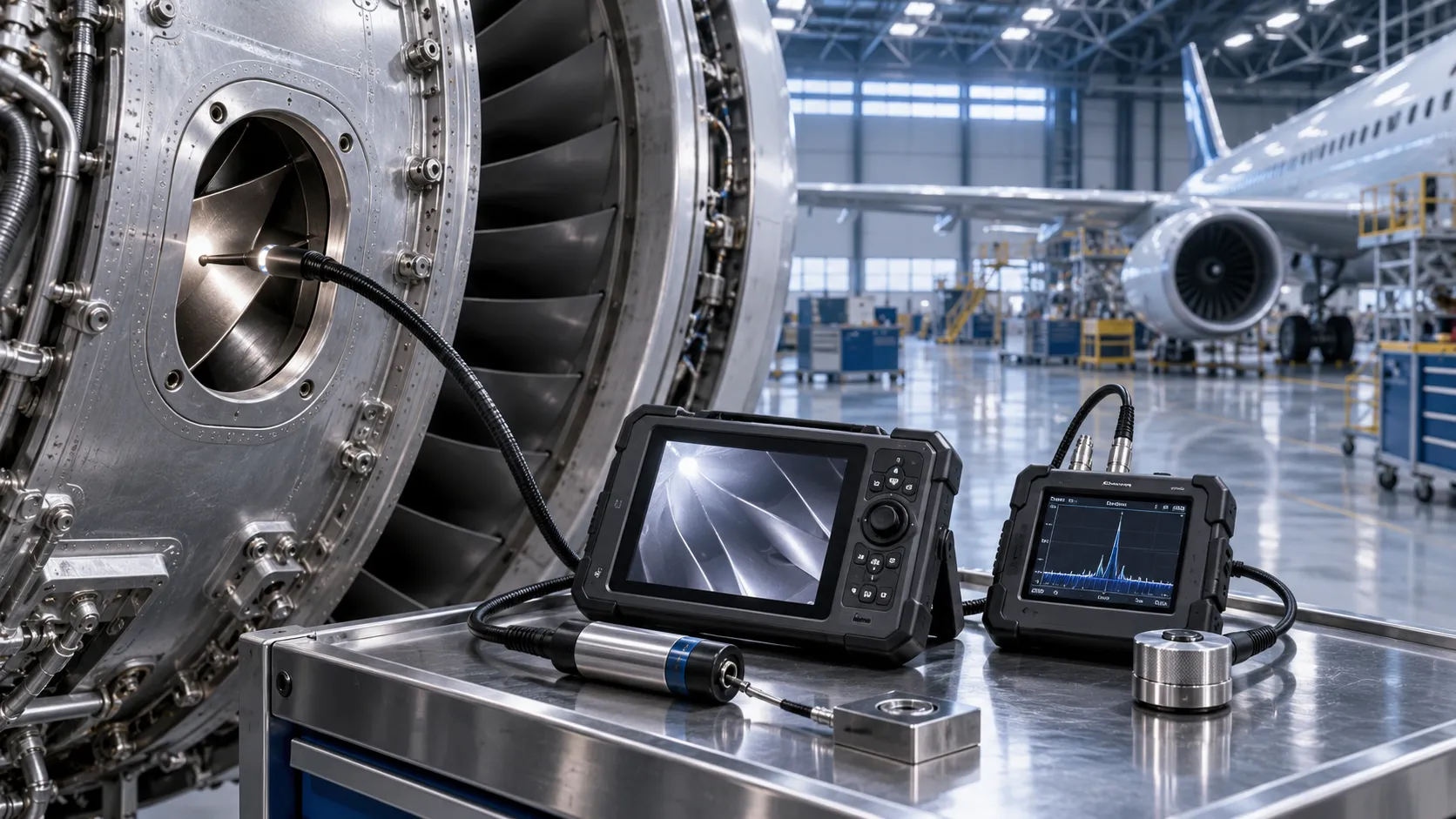
How to Select Aerospace Inspection Tools for Aircraft Maintenance Tasks
Aerospace maintenance inspection tools: learn how to select reliable, traceable equipment for aircraft access, accuracy, calibration, and compliant maintenance decisions.
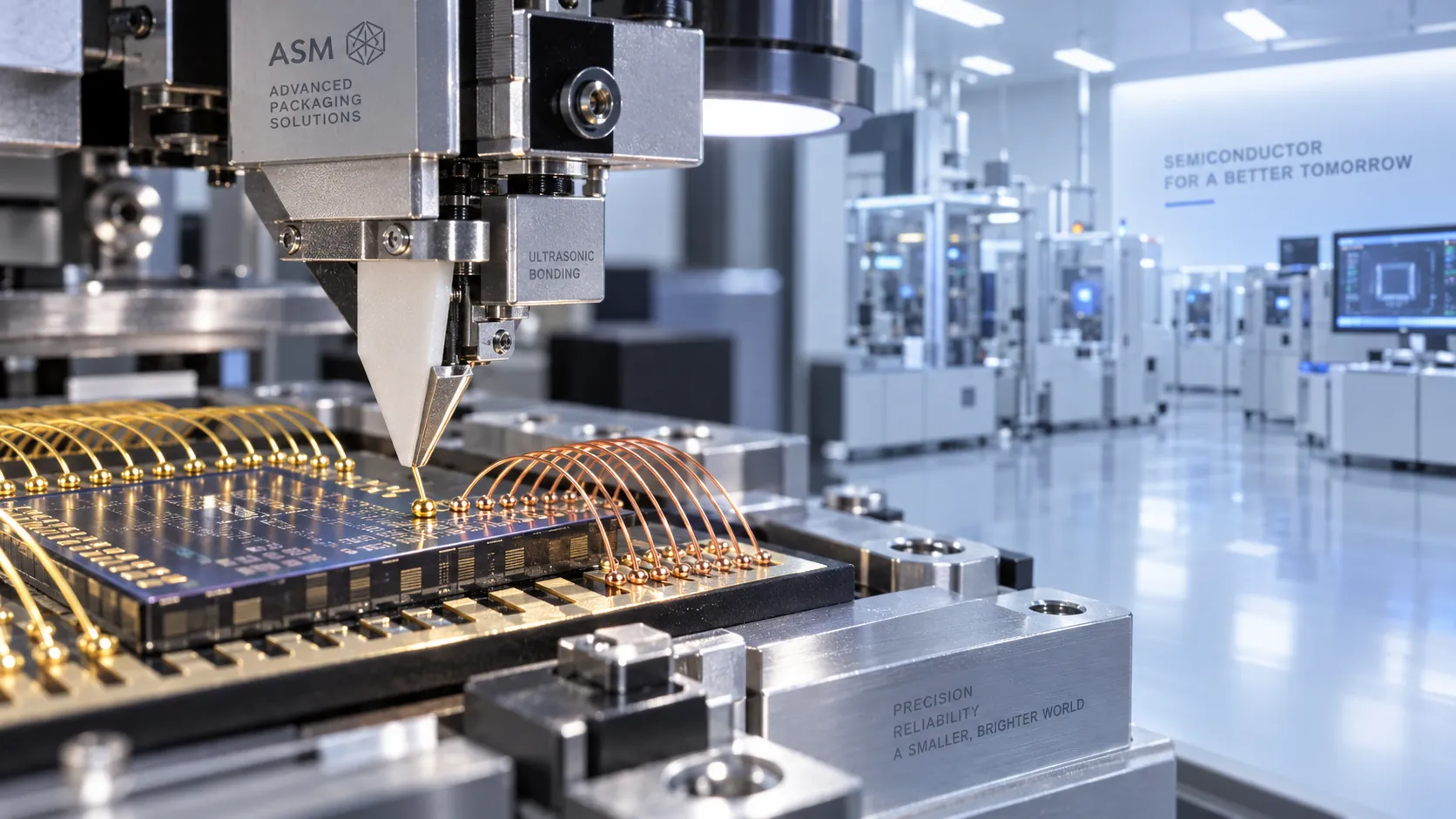
How to Select Wire Bonding Tools for Fine-Pitch Semiconductor Packaging
Explore semiconductor manufacturing tools for wire bonding and learn how to select precision solutions for fine-pitch packaging, reliable loops, accuracy, and yield.
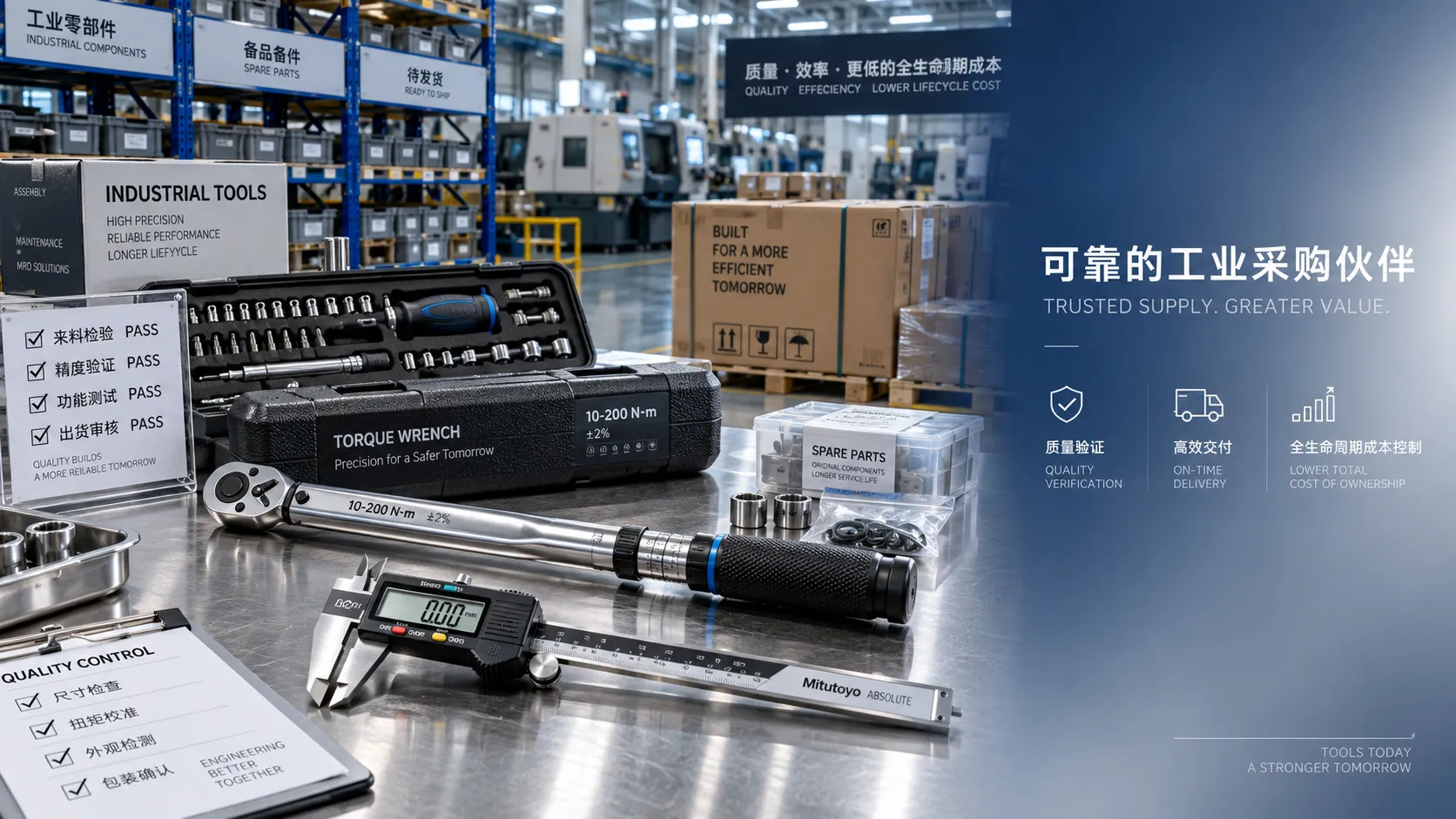
How to Compare Industrial Tool Suppliers for Quality, Lead Time, and Total Cost
Industrial tool selection supplier comparison made simple: evaluate quality, lead times, total cost, service, and supply resilience for confident sourcing decisions.
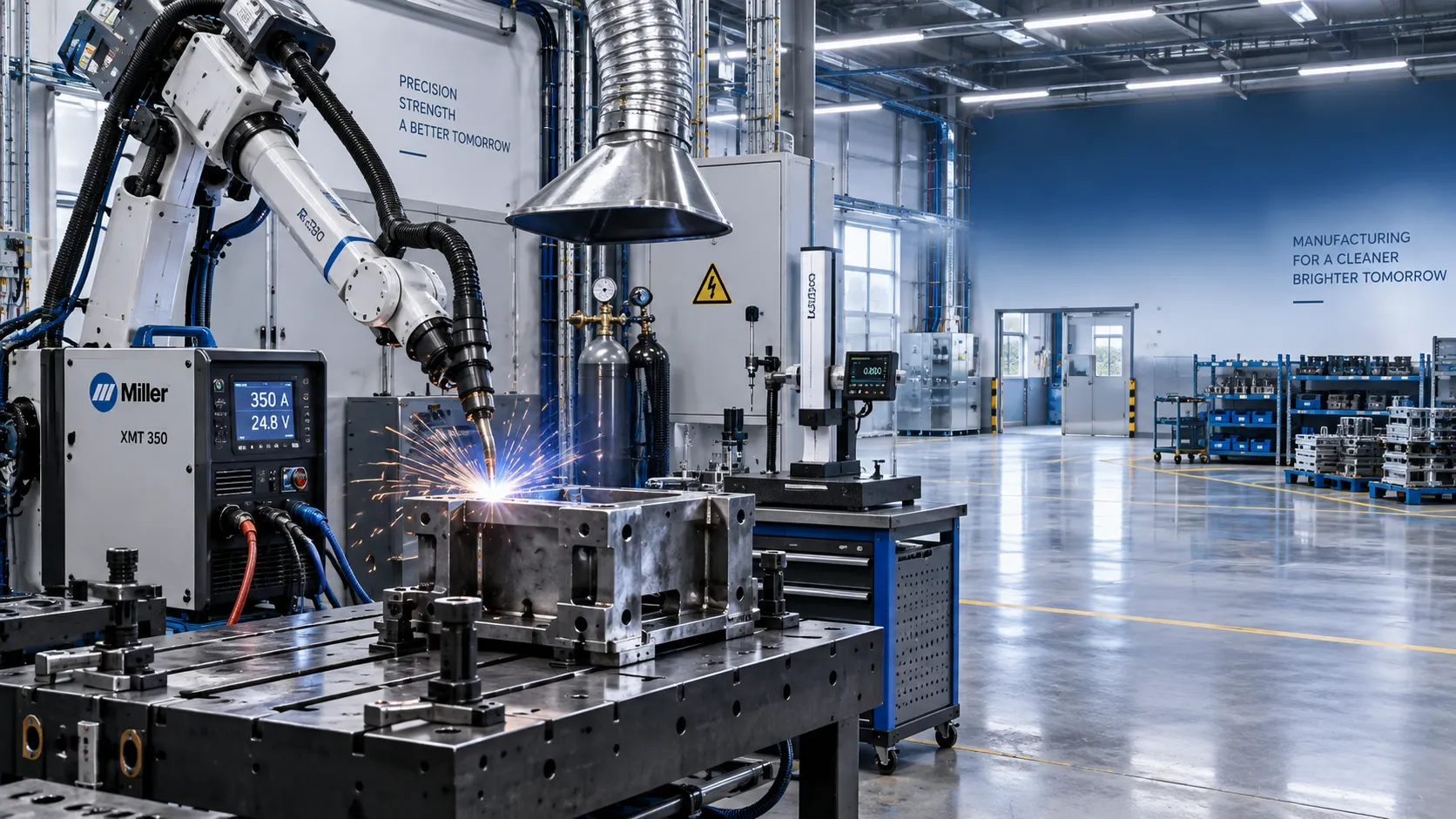
Industrial Equipment Application Guidance: Match Machines to Operating Conditions
Application guidance industrial equipment: match capacity, duty cycle, materials, site conditions, safety, and lifecycle cost to improve reliable output. Read the guide.
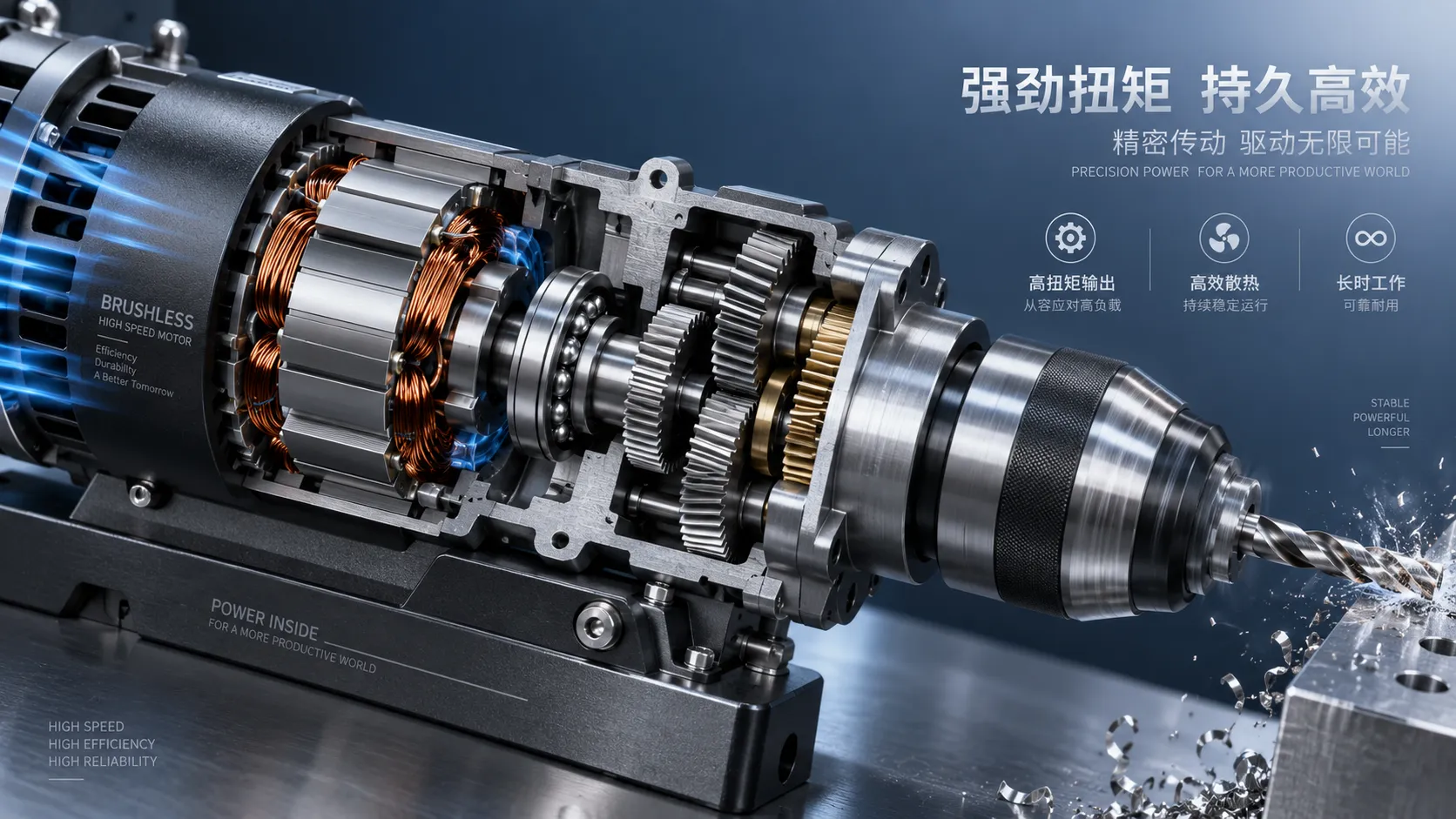
Selecting High-Speed Brushless Tool Motors for Torque, Heat, and Duty Cycle
High speed brushless tool motors: learn how to balance torque, heat, gearing, and duty cycle for reliable industrial tool performance and longer service life.
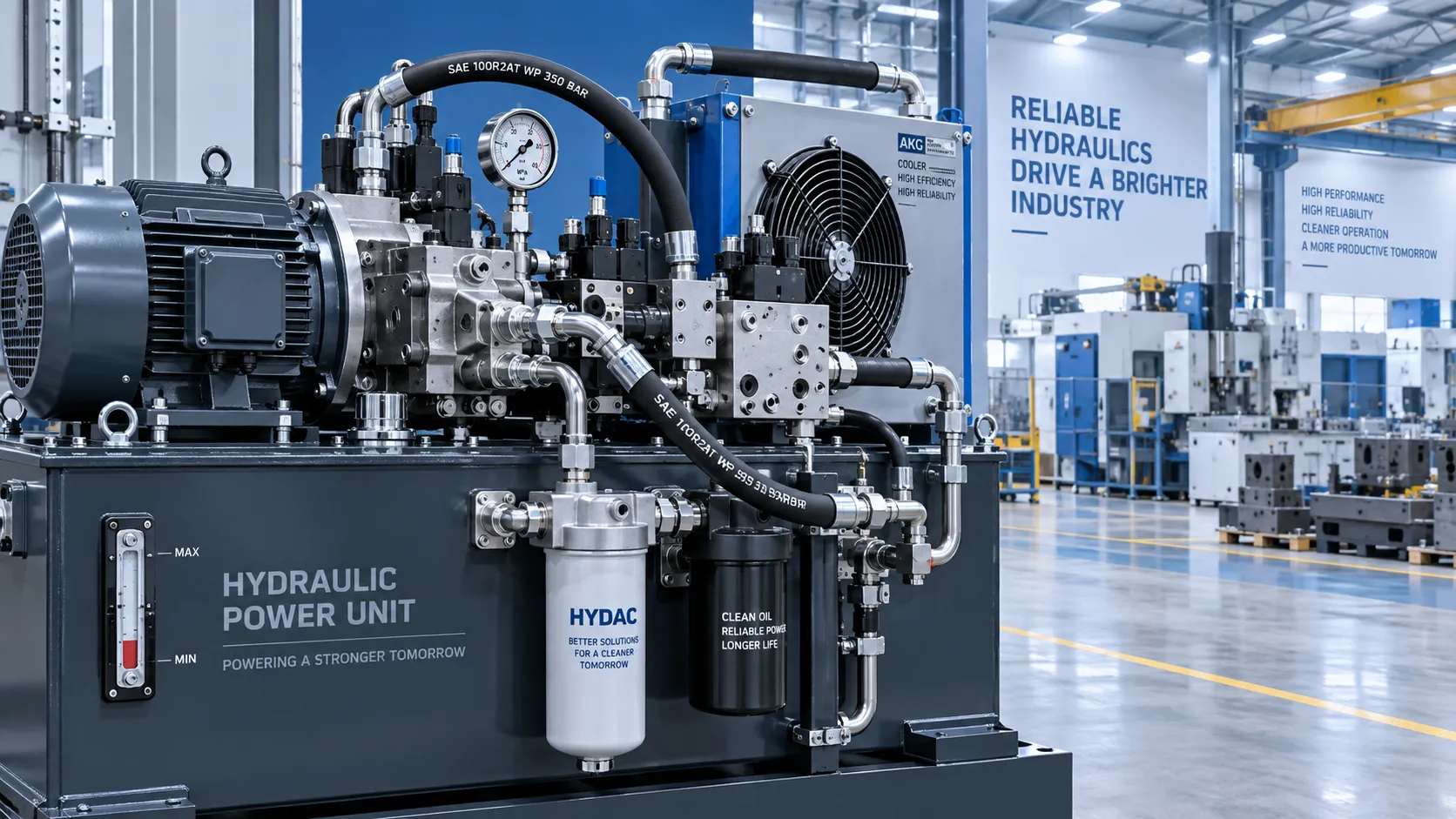
What Determines Industrial Hydraulic System Price for Heavy-Duty Equipment?
Industrial hydraulic system price depends on duty cycle, pressure, components, cooling, and integration. Compare quotes intelligently to secure reliable heavy-duty performance.
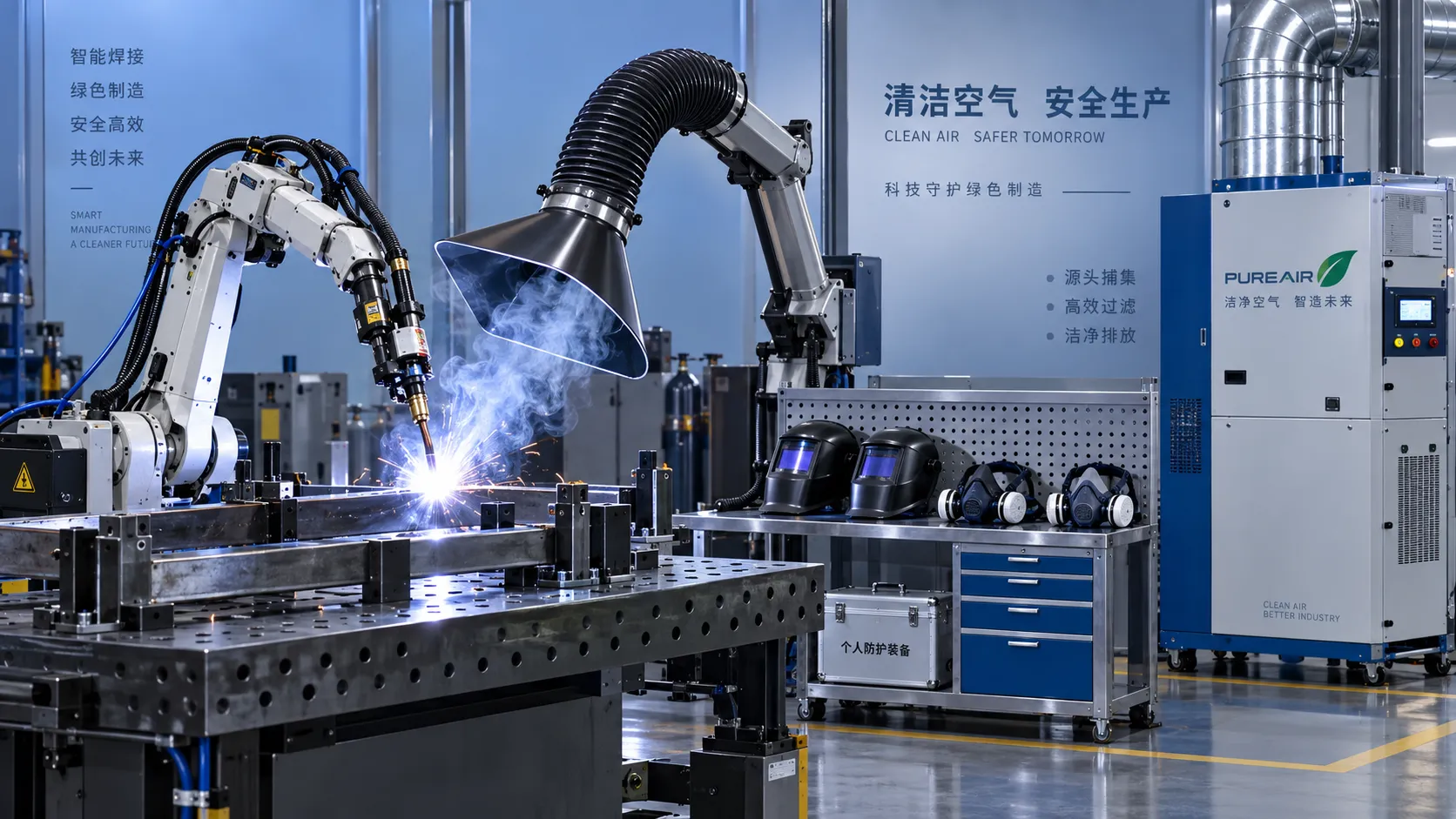
Welding Fume Extraction PPE: When Respirators Are Not Enough for Shop Safety
Welding fume extraction PPE: learn why respirators alone fall short and how source capture, ventilation, and layered controls improve shop safety.
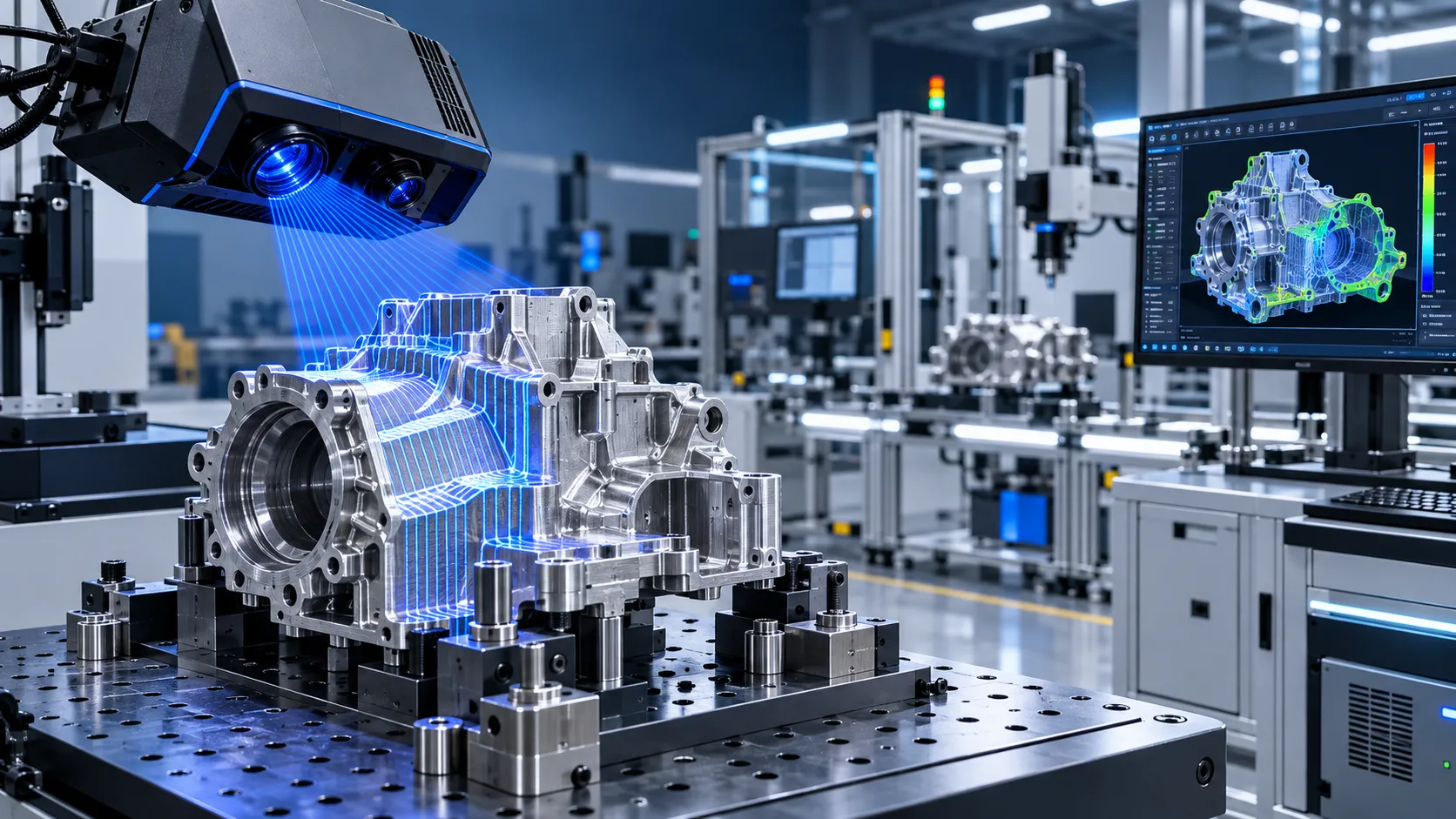
How to Select Optical Metrology Solutions for Tight-Tolerance Manufacturing
Optical industrial metrology solutions for tight-tolerance manufacturing: evaluate accuracy, surface compatibility, workflow, and traceability to select with confidence.
Related News
- 00
0000-00
How to Select Battery Assembly Tools for Torque Control and High-Volume Production - 00
0000-00
How Battery, Torque, and Duty Cycle Affect Cordless Power Tool Efficiency - 00
0000-00
How to Size High-Torque Tool Motors for Continuous-Duty Assembly Lines - 00
0000-00
How to Choose 24V Brushless Tool Motors for Torque, Runtime, and Duty Cycle? - 00
0000-00
Automotive Repair Tools List: What Every Workshop Needs for Daily Service Jobs
Electro-Mech Tool Designer
Weekly Insights
Stay ahead with our curated technology reports delivered every Monday.